

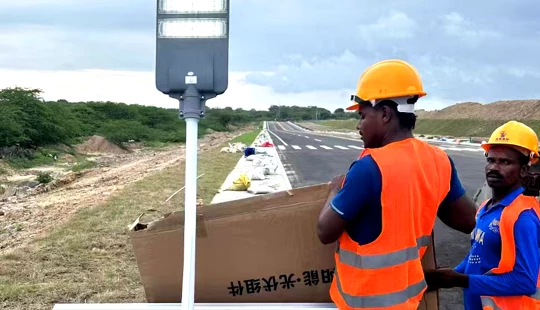
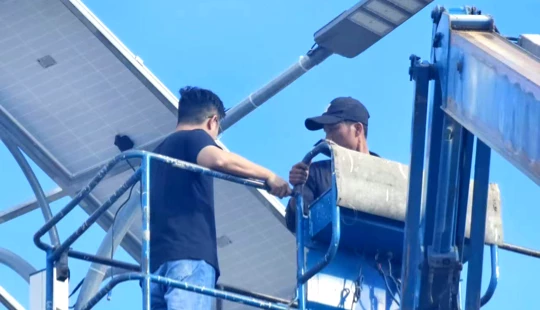













Installation troubleshooting guide for solar-powered street lamps
Practical Field Guide to Restoring Outdoor Solar Lighting Systems
Understanding the municipal solar street light system architecture
Before diagnosing faults on a Municipal Solar Street Light, you must understand the four core subsystems: the photovoltaic (PV) module, energy storage (battery), charge controller (including MPPT or PWM and protection), and the luminaire/LED driver. Failures usually originate from one of these subsystems or from poor system integration: incorrect mounting/tilt leading to shading, undersized battery or PV, wiring losses, or incorrect settings in the controller. A methodical, evidence-based approach saves time: inspect visually, measure electrical parameters, then change parts only when diagnostics indicate a failure.
Initial inspection checklist for Municipal Solar Street Light
Start with a standardized inspection to catch obvious problems quickly. Carry a printed checklist or use a tablet app. Key items to verify:
- PV panel: visible cracks, delamination, soiling, bird droppings, loose connectors.
- Battery: case swelling, leakage, terminal corrosion, correct installation orientation.
- Controller: LED indicators, wiring polarity, fuse status, parameter settings (dusk/dawn, boost charge).
- LED luminaire: lens clouding, loose connectors, signs of overheating.
- Mounting and orientation: tilt angle, azimuth, shading from trees/structures at critical sun hours.
- Surge protection and grounding: visible damage, continuity to ground rod.
Diagnostic tools and measurements for technicians handling Municipal Solar Street Light faults
Equip field teams with a compact toolkit. Recommended tools and why:
- Digital multimeter (True RMS) — measure Voc, Vmp, battery voltage, controller output.
- Clamp meter — verify charge/discharge current without disconnecting circuits.
- Insulation resistance tester (megger) — check cable insulation after water ingress or lightning events.
- IR thermometer or thermal camera — detect hotspots in LEDs, connectors, or battery cells.
- Light meter (lux meter) — confirm luminous output at ground level and compare with design target.
- Reference datasheets/spec sheets — for expected Voc, Vmp, battery nominal voltage, and rated currents.
Common failure modes and a troubleshooting matrix for Municipal Solar Street Light
The following table summarizes common symptoms, likely causes, diagnostic tests, and corrective actions. Use this as a quick reference during site visits.
| Symptom | Likely Cause | Diagnostic Test | Fix / Action |
|---|---|---|---|
| Lamp does not turn on at night | Battery deeply discharged / controller settings / photocell failure | Measure battery voltage at dusk; check controller LED/status and dusk/dawn thresholds | Replace/repair photocell or controller, recharge/replace battery if capacity <50% of rated |
| Reduced nighttime runtime | Battery capacity loss, high self-discharge, insufficient PV charging (soiling or shading) | Measure battery resting voltage and resting state-of-charge; measure PV short-circuit or operating current during peak sun | Clean PV, adjust tilt/azimuth, replace battery with appropriate capacity; consider larger PV or battery |
| Flickering LEDs | Loose wiring, corroded connectors, failing LED driver or PWM noise | Inspect connectors, wiggle test under operation, measure voltage ripple and driver output | Tighten/replace connectors, replace driver/fixture, add damping or EMI filtering if needed |
| PV produces little/no current | Broken cells, wiring open circuit, shading, extreme soiling | Measure Voc in full sun, measure Isc or operating current; inspect junction box and bypass diodes | Repair/replace panel, remove shading/soiling, fix wiring and diode faults |
| Frequent controller or fuse failures | Surges/lightning, reversed polarity, overcurrent | Insulation test, check for visible surge damage, measure ground continuity | Install SPD (surge protective devices), verify correct wiring, improve grounding |
Battery selection and maintenance — critical for municipal solar street light performance
Energy storage is the most common cause of performance loss in Municipal Solar Street Light systems. Choose a battery chemistry and size according to climate, autonomy days required, depth of discharge (DoD), and life-cycle cost. Below is a comparative table of common battery types used in solar street lighting.
| Battery Type | Typical Cycle Life | Operating Temp Range | Maintenance | Comments |
|---|---|---|---|---|
| LiFePO4 (Lithium Iron Phosphate) | 2,000–5,000 cycles (depending on DoD) | -20°C to 60°C (with BMS) | Low; BMS required | Higher initial cost, longer life, lighter weight, high DoD |
| Sealed Lead Acid (AGM/Gel) | 300–800 cycles | -10°C to 45°C | Low (sealed) but temperature-sensitive | Lower cost, heavier, shorter life, must avoid deep discharge |
| Flooded Lead Acid | 400–900 cycles (maintenance required) | -10°C to 50°C | Periodic watering and equalization | Suitable for managed sites; maintenance overhead |
References for typical cycle life and characteristics are available from battery testing summaries and industry datasheets; proper system design should size battery capacity to maintain a recommended DoD (e.g., 20–50% for lead-acid to extend life, up to 80% for LiFePO4 depending on manufacturer guidance).
PV module performance checks for Municipal Solar Street Light
PV output loss is often gradual. Typical failure modes include soiling, microcracks, delamination, bypass diode failures, and shading from seasonal foliage growth. Testing steps:
- Measure open-circuit voltage (Voc) in full sun and compare with datasheet Voc (±5–10% depending on temperature).
- Measure operating current at maximum power point (Isc or using clamp meter) during midday — compare with expected daily charge current for the battery bank.
- Inspect junction box and connectors for water ingress, corrosion, and loose wiring.
- Check module tilt and azimuth; small azimuth deviation of ±10 degrees may be tolerable, but shading at critical sun hours reduces daily energy disproportionately.
Controller, charging algorithm and settings — why they matter for municipal solar street light uptime
Most modern systems use MPPT controllers for higher energy capture, especially with higher voltage PV strings. Common controller-related problems are incorrect wiring polarity, wrong battery type setting (e.g., lead-acid setting used for LiFePO4), and misconfigured dusk/dawn thresholds or dimming schedules. Verify:
- Controller battery type and charging voltages match battery specifications.
- Dawn/dusk thresholds and timer programs are set correctly (account for latitude and daylight savings).
- Firmware is up to date where applicable, and device logs (if available) are reviewed for historical charging patterns and error codes.
Electrical wiring best practices for reliable Municipal Solar Street Light installations
Voltage drop, incorrect conductor sizing, and poor connections are common causes of underperformance. Follow these rules of thumb:
- Keep DC runs short and use higher system voltages when distances exceed 10–20 meters to reduce I2R losses.
- Limit voltage drop to 2–3% for low-voltage DC circuits; calculate cable size using Vdrop = I × R. Example: For a 12 V 10 A run over 10 m (20 m round trip), choose conductor with resistance such that Vdrop ≤ 0.36 V (3%).
- Use marine-grade or solar-rated connectors; seal junctions with appropriate IP-rated enclosures (IP65 or higher) per IEC 60529.
- Torque terminals to manufacturer specs and use anti-oxidation paste where recommended for aluminum conductors.
Lightning, surge protection and grounding considerations for municipal solar street light systems
Street lighting poles are vulnerable to transient overvoltages. Install surge protective devices (SPDs) on PV input and battery/LED lines where regulations require or in high-risk areas. Verify grounding continuity to a properly installed ground rod and ensure pole-to-ground resistance meets local electrical code. Refer to IEC 62305 for lightning protection guidance and local standards for grounding resistance requirements.
Preventive maintenance schedule for Municipal Solar Street Light fleets
A proactive maintenance plan maximizes uptime and life-cycle value. Recommended schedule:
- Monthly: Visual inspection, remove debris, check for obstruction of light distribution.
- Quarterly: Clean PV panels, check battery voltage and electrolyte level (if flooded), test controller logs.
- Annually: Full electrical test (insulation, continuity), thermal imaging of connections, evaluate battery capacity with load test.
- Every 3–5 years: Replace batteries depending on chemistry and measured end-of-life capacity; LiFePO4 may last longer than lead-acid.
Case study: diagnosing reduced runtime in a municipal solar street light (example)
Scenario: A 12 V Municipal Solar Street Light originally provided 10 hours of lighting, now only 4 hours. Steps taken:
- Checked controller logs: daytime charging current fallen by 60% over the last 3 months.
- Measured PV Voc: down by 2% (normal variation). Inspected PV surface: heavy soiling and pollen layers.
- Cleaned PV: mid-day charging current recovered to near original; runtime restored to design spec after two clear days. Battery capacity test showed 85% retained. Root cause: prolonged soiling plus recent seasonal shading.
When to replace components vs. repair — ROI and lifecycle considerations for Municipal Solar Street Light owners
Replace batteries when available capacity falls below 60–70% of rated capacity for long-term fleets — this threshold balances replacement cost vs. lost service. Replace PV modules only if measured power output at MPP is <80% of nameplate under standard test conditions after cleaning and eliminating shading. Replace controllers or LED drivers if diagnostics show repeated fault codes, visible damage from surge events, or thermal degradation. Keep spare parts inventory for common items (fuses, connectors, photocells, small controllers) to minimize downtime.
How Guangdong Queneng Lighting supports municipal solar street light projects
GuangDong Queneng Lighting Technology Co., Ltd., founded in 2013, specializes in design, production, and engineering of solar lighting solutions including Solar Street Lights, Solar Spotlights, Solar Garden Lights, Solar Lawn Lights, Solar Pillar Lights, Solar Photovoltaic Panels, and portable outdoor power supplies and batteries. Queneng provides tailored lighting project design and LED mobile lighting services and has served numerous listed companies and large engineering projects as a designated supplier.
Queneng's strengths include an experienced R&D team, advanced manufacturing equipment, strict quality control, and a mature management system. The company has achieved ISO 9001 certification and passed international TÜV audits. Its products hold multiple international certificates such as CE, UL, BIS, CB, SGS, and MSDS, demonstrating compliance with global safety and quality standards.
For municipal clients, Queneng offers:
- End-to-end support from site assessment and lighting design to installation and preventive maintenance planning.
- Customizable solutions (panel size, battery chemistry, smart controllers) to meet local climatic and operational requirements.
- After-sales technical support and spare parts supply chains to reduce Mean Time To Repair (MTTR) across fleets.
Quick-reference: field actions for an urgent Municipal Solar Street Light failure
- Restore temporary lighting if safety is impacted (police tape, portable battery-backed luminaires).
- Isolate failed circuit and verify no live faults before climbing pole.
- Replace simple items first on-site: blown fuses, visibly corroded connectors, damaged photocell.
- Record serial numbers and component conditions; raise a ticket for deeper failures requiring component replacement or lab testing.
Conclusion and contact
Systematic troubleshooting increases uptime and reduces lifecycle costs of Municipal Solar Street Light fleets. Follow the inspection, diagnostics, and maintenance steps above, prioritize battery health, ensure proper PV installation and controller configuration, and protect installations from surges and water ingress. For large-scale rollouts or persistent issues, work with experienced suppliers who combine product quality, on-site engineering, and after-sales service.
Frequently Asked Questions (FAQ)
1. Why does my municipal solar street light turn on during the day?
Common causes are incorrect photocell wiring, a faulty light sensor, or controller settings set to manual. Check the photocell wiring and controller settings first; replace the photocell if it fails continuity tests.
2. How often should PV panels for a Municipal Solar Street Light be cleaned?
Cleaning frequency depends on local soiling rates; in dusty or pollen-heavy environments, clean quarterly. In cleaner climates, biannually or annually may suffice. Monitor energy capture; if midday charging current reduces significantly, clean immediately.
3. How long should batteries last in municipal solar street lights?
Battery life depends on chemistry and depth of discharge. Lead-acid types often last 3–5 years under proper maintenance; LiFePO4 can last 7–12 years depending on cycles and operating temperature. Monitor capacity and replace when capacity falls below roughly 60–70% of nominal for fleet reliability.
4. Can I retrofit an existing street pole with a solar kit?
Many poles can be retrofitted, but you must evaluate structural strength, pole-top space, orientation (to avoid self-shading), and local regulations. Retrofits work best where the pole location has sufficient sunlight and the pole can safely bear the added weight and wind load of panels and battery enclosures.
5. What surge protection is recommended for municipal solar street light installations?
Install SPDs on PV input and on battery/load circuits when risk of lightning or transient overvoltage exists. Grounding and equipotential bonding per local electrical code and guidance in IEC 62305 are essential. Coordinate with local electrical authorities on required SPD classes and earthing resistance.
6. How do temperature extremes affect Municipal Solar Street Light performance?
High temperatures reduce battery cycle life and may lower LED driver efficiency; cold temperatures reduce battery available capacity temporarily. Select battery chemistries and enclosures rated for local temperature ranges and include battery heaters or ventilation if needed for extreme climates.
For consultation, product specifications, or project quotes, contact Guangdong Queneng Lighting Technology Co., Ltd. Visit our product pages for Solar Street Lights, Solar Spot lights, Solar Lawn lights, Solar Pillar Lights, Solar Photovoltaic Panels, and Solar Garden Lights, or request a site assessment for a tailored municipal solution.
References
- NREL (National Renewable Energy Laboratory) — PV Reliability and performance resources. https://www.nrel.gov (accessed 2025-11-20)
- Battery University — Battery types and cycle life summaries. https://batteryuniversity.com (accessed 2025-11-18)
- IEC 60529 — Degrees of protection provided by enclosures (IP Code). https://www.iec.ch (accessed 2025-11-10)
- IEC 62305 — Protection against lightning. https://www.iec.ch (accessed 2025-11-10)
- GuangDong Queneng Lighting Technology Co., Ltd. — company profile and product information (provided by client materials). (information current as of 2025)

Have more questions about our products or services?
The latest hot news you might like

Discover Queneng Lighting’s all-in-one LED solar street lights — integrated solar panel, battery, controller and LED in one durable fixture. Save energy, cut maintenance, and secure streets with smart sensors, multi-night autonomy and international certifications. Contact sales for quotes and support.

Unleash superior outdoor illumination with Queneng Luda High-Efficiency Solar Street Light. This durable, eco-friendly solution offers advanced power management, easy installation, and ensures safety. Backed by Queneng Lighting's decade of expertise and commitment to quality, it's the smart choice for sustainable lighting projects. Learn why we're a leading solar solutions provider.

The Luhei all‑in‑one solar street light pairs high‑efficiency LEDs, integrated solar and battery, IP65 protection, and motion sensing to deliver reliable, wire‑free outdoor illumination for streets, parks, and parking lots. Backed by Queneng Lighting’s certifications and support.

FAQ
Public Gardens and Landscape Lighting
How do I maintain solar lights in public spaces?
Solar lights require minimal maintenance. To ensure optimal performance, clean the solar panels periodically to remove dust, dirt, and debris. Also, check the light fixtures and batteries every year to ensure they are functioning properly. If needed, replace the batteries after 2-3 years.
APMS system
What is the APMS Smart Charge and Discharge Management System?
APMS (Advanced Power Management System) is an intelligent charge and discharge management system developed by QUENENG that optimizes lithium battery charging and discharging with a dual-system management mode, ideal for demanding lighting and power needs.
Sustainability
What factors should be considered when choosing an installation location?
Solar street lights should be installed in areas with abundant sunlight and minimal obstructions to ensure the photovoltaic panels receive maximum sunlight. Avoid locations close to trees or tall buildings that could cast shadows on the panels.
Battery Performance and Testing
What is a penetration test?
Solar Street Light Chuanqi
How do Chuanqi solar street lights differ from traditional street lights?
Chuanqi solar street lights are powered by solar energy, making them a sustainable and eco-friendly alternative to traditional street lights that rely on the electrical grid. They use energy-efficient LED technology that reduces electricity consumption while providing reliable, bright lighting. Unlike traditional lights, Chuanqi solar street lights operate independently of the grid, reducing installation costs and maintenance.
Battery fundamentals and basic terms
What is the electrochemistry of NiMH batteries?
Nickel-metal hydride batteries use Ni oxide as the positive electrode, hydrogen storage metal as the negative electrode, and alkaline solution (mainly KOH) as the electrolyte, when charging nickel-metal hydride batteries:
Positive reaction: Ni(OH)2 + OH- → NiOOH + H2O-e-
Negative reaction: M+H2O +e-→ MH+ OH-
Nickel-metal hydride battery discharge:
Positive pole reaction: NiOOH + H2O + e- → Ni(OH)2 + OH-
Negative reaction: MH+OH- → M+H2O+e-
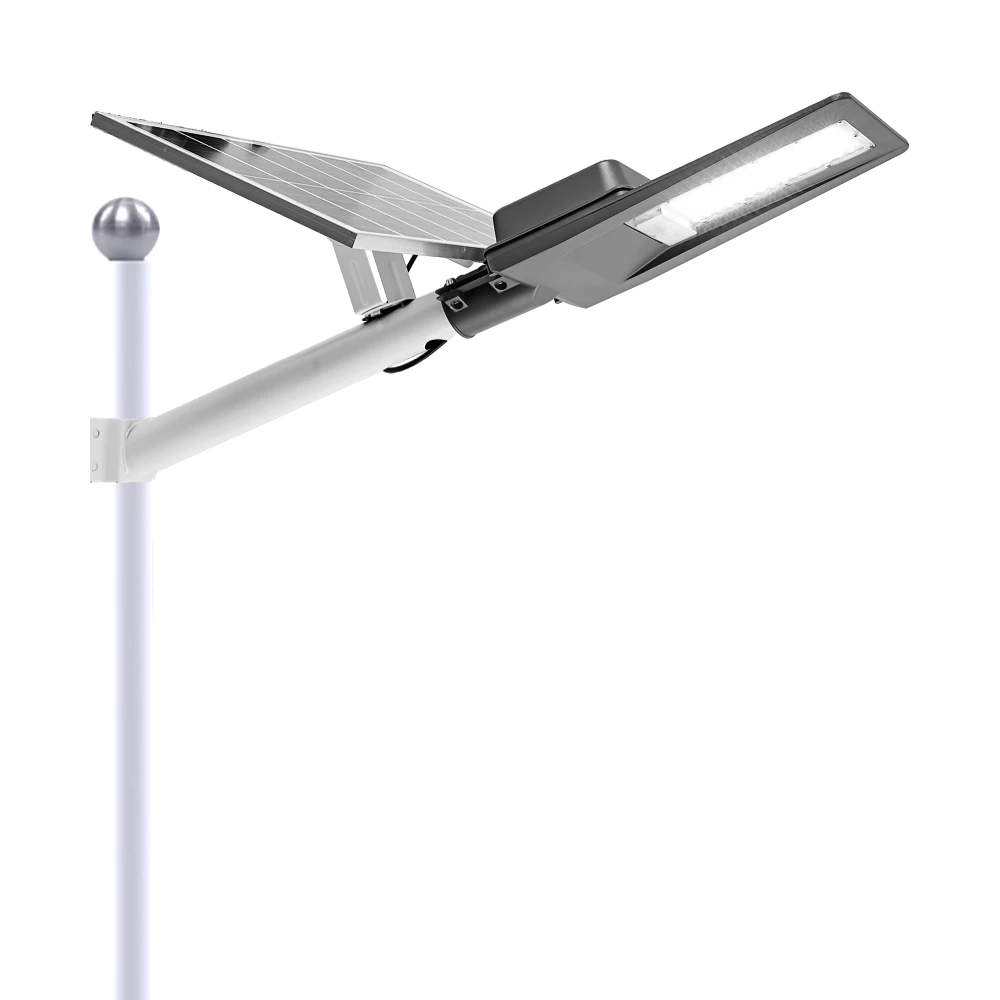
Experience reliable outdoor illumination with our smart solar street light, a perfect combination of advanced technology and eco-conscious design.
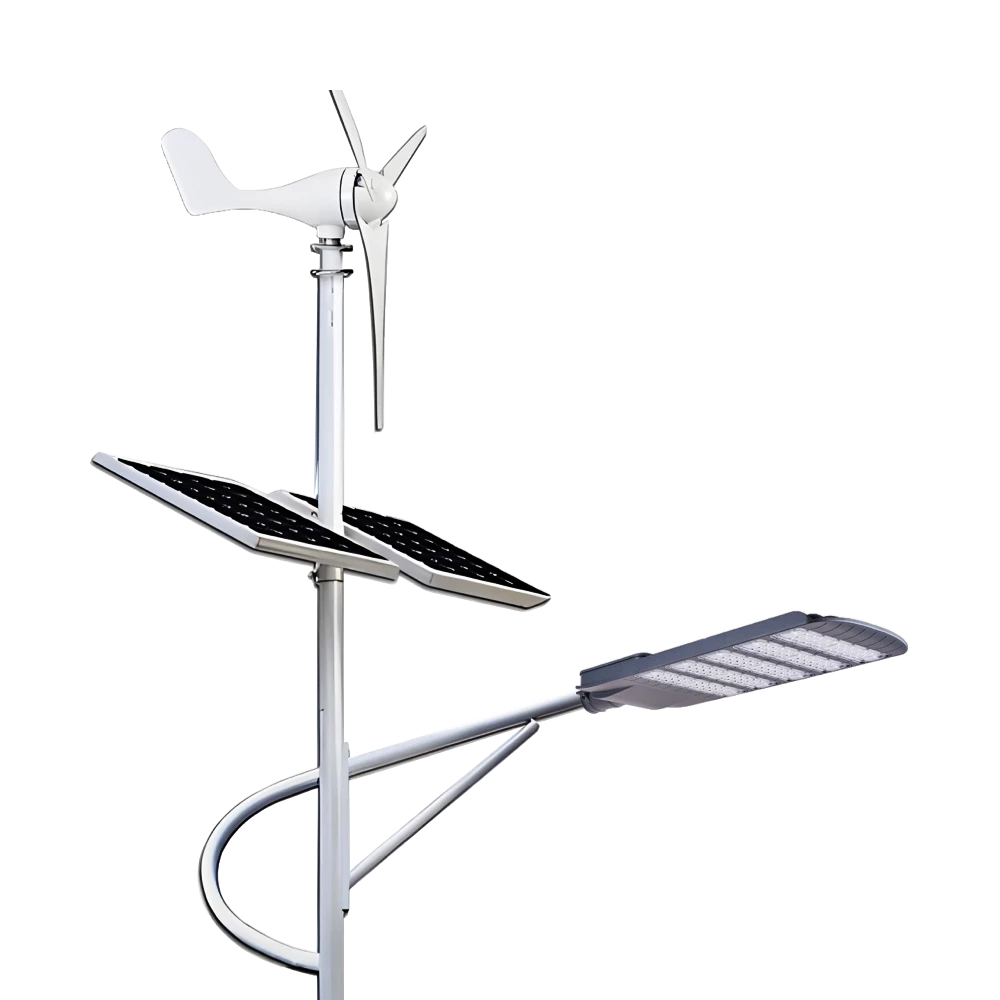
Queneng Lufeng Wind Energy LED Outdoor Solar Street Lights offer high-performance, eco-friendly illumination. These energy-efficient LED street lights harness solar power and wind energy for sustainable, cost-effective outdoor lighting solutions.
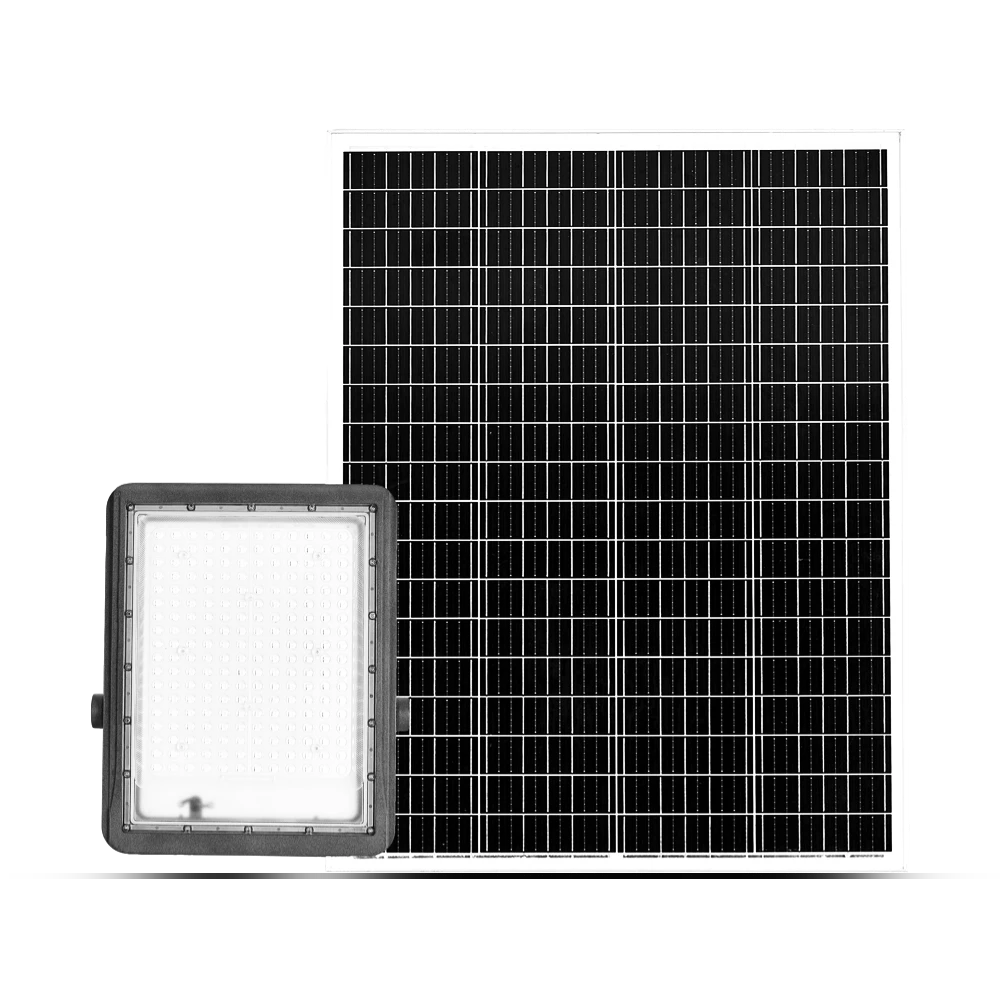
Queneng's Luxian Reliable Solar Street Light offers energy-saving LED lighting for outdoor use. This durable, solar-powered street light provides reliable illumination, reducing energy costs and environmental impact. A perfect solution for sustainable outdoor lighting.
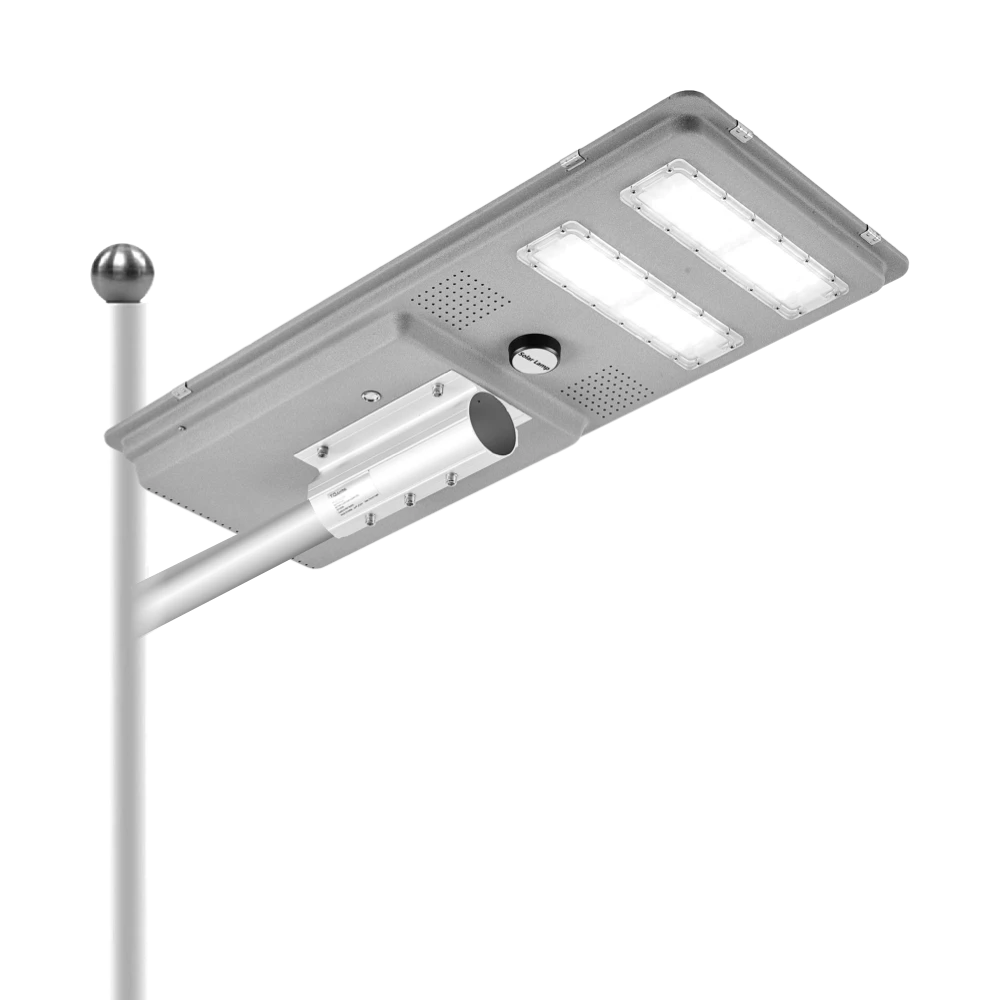
Queneng’s Solar Street Lights are designed to provide reliable, energy-efficient lighting for streets, parks, and other outdoor spaces.
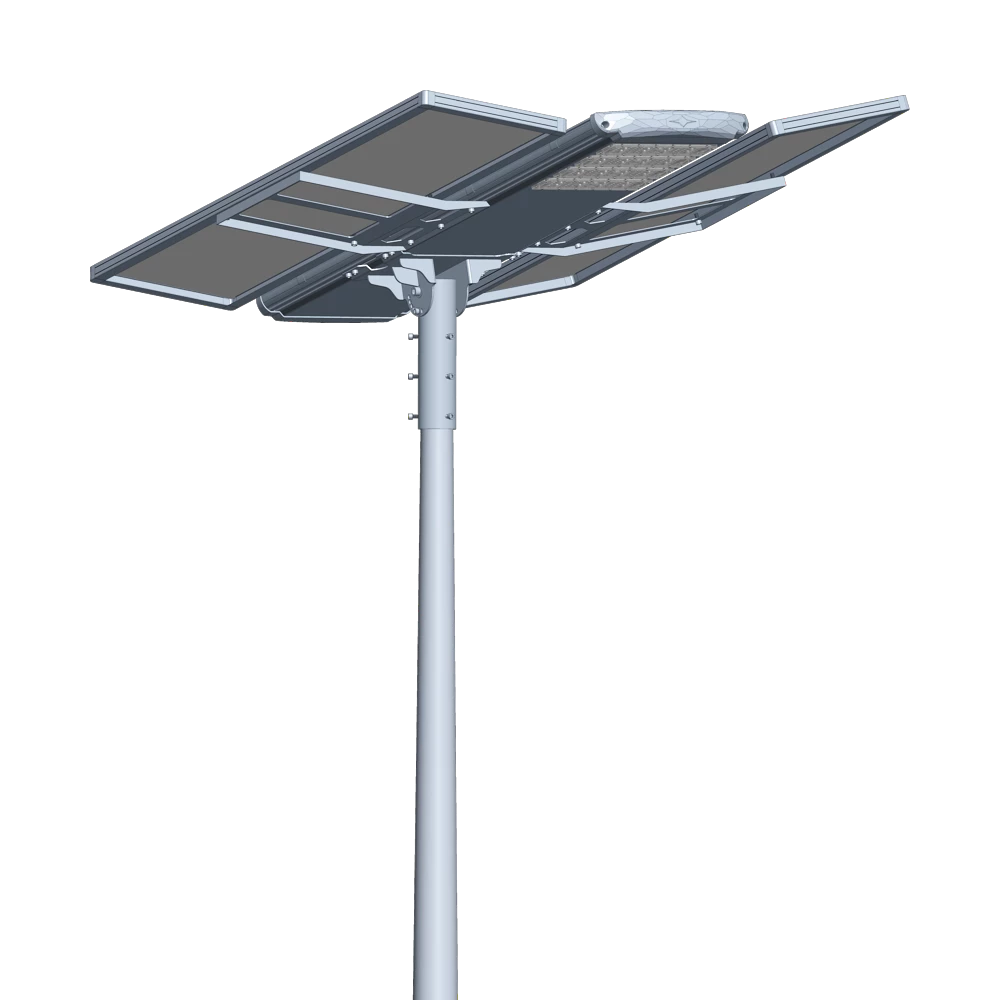
Introducing the Luqing Solar Street Light by Queneng, Efficient LED lighting powered by solar energy is perfect for illuminating outdoor areas. Harness the power of solar energy for sustainable, reliable street lighting. Ideal for eco-friendly, cost-effective outdoor illumination solutions.
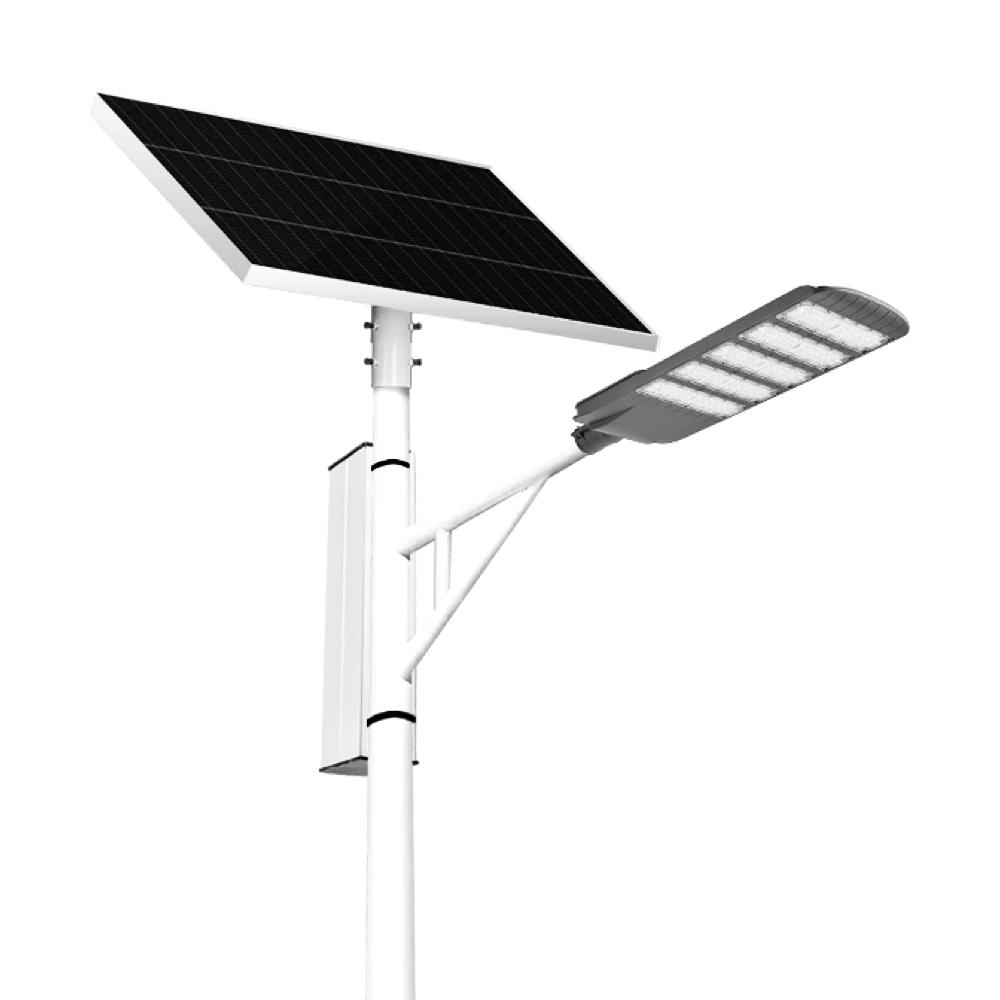
The Solar Streetlights of Luhao for Municipalities are designed to deliver reliable, energy-efficient, and cost-effective public lighting solutions. Equipped with advanced LED technology, durable lithium batteries, and high-efficiency solar panels, these streetlights provide consistent illumination for roads, parks, residential areas, and government projects.
Our professional team is ready to answer any questions and provide personalized support for your project.
You can reach us via phone or email to learn more about Queneng’s solar lighting solutions. We look forward to working with you to promote clean energy solutions!
Rest assured that your privacy is important to us, and all information provided will be handled with the utmost confidentiality.
By clicking 'Send Inquiry Now' I agree to Queneng processing my personal data.
To see how to withdraw your consent, how to control your personal data and how we process it, please see our Privacy Policy and Terms of use.
Schedule a Meeting
Book a date and time that is convenient for you and conduct the session in advance.
Have more questions about our products or services?
The messenger of light & power conversion
Environmental protection and intelligent manufacturing are our brand philosophy, and quality assurance and the best user experience are our eternal promises to users.
CONTACT
No.9F, Building F, Cao San Xin Tian Hong Logistics Park, Guzhen Town, Zhongshan City, Guangdong Province, China.
or write [email protected]
WhatsApp: +86 136 2270 1011


