













Photovoltaic Array Sizing for Nighttime Illumination Needs
Designing Solar Arrays for Nighttime Lighting: Key Principles
Reliable nighttime illumination from solar-powered street lights combines accurate load assessment, realistic loss assumptions, local solar resource data, and appropriate choices for battery autonomy and system components. For municipalities procuring or specifying a Municipal Solar Street Light solution, correct PV array sizing ensures performance through seasonal variation, minimizes overdesign costs, and meets public-safety objectives. This article walks through engineering principles, provides step-by-step calculations, presents scenario tables, and highlights practical trade-offs for municipal deployments.
Sizing Process for a Municipal Solar Street Light: Step-by-Step
To size a photovoltaic array for a Municipal Solar Street Light, follow this concise engineering workflow:
- Define lighting requirements: luminous level (lux) per standard, LED power (W), and nightly hours of operation.
- Calculate nightly energy consumption (Wh) from LED wattage and hours, and add driver/wiring losses.
- Decide battery autonomy (days without sun) and battery chemistry/DOD.
- Select system voltage (12/24/48 V) and compute battery capacity (Ah).
- Obtain local Peak Sun Hours (PSH) or insolation from PVGIS/PVWatts.
- Estimate system derates (module temperature, soiling, wiring, controller)—use conservative combined derate 0.70–0.80.
- Compute required PV array Wp (Wp = Daily energy demand / (PSH * system_efficiency)).
- Iterate with optimized LED efficacy, dimming strategy, or battery size to reach cost/performance targets.
Each step must be documented for procurement and acceptance testing in municipal projects.
Load and Loss Assumptions for a Municipal Solar Street Light
Key inputs and conservative baseline assumptions used in the examples below (adjust for your climate and components):
- LED power: 20 W, 40 W, 100 W (typical municipal range depending on pole spacing and target lux)
- Night operation: 12 hours (common winter design case; adjust to local requirement)
- LED driver and wiring losses: 10% (0.90 efficiency)
- Battery chemistry: LiFePO4 (recommended for cycles and temperature resilience); usable DOD: 80% (0.80)
- Battery round-trip efficiency: 95% (0.95)
- System voltage: 24 V (common for mid-power solutions)
- PV system derate (module temperature, soiling, mismatch, controller losses): 0.75 conservative
- Peak Sun Hours (PSH): use local value — examples use 4 and 5 PSH/day to show sensitivity
Worked Calculation Example for a Municipal Solar Street Light (40 W LED)
Step calculations using the 40 W LED example illustrate the process and formulas.
1) Nightly energy (Wh): E_night = LED_power (W) * hours (h) * (1 + losses)
Assume LED_power = 40 W, hours = 12 h, losses = 10% → E_night = 40 * 12 * 1.10 = 528 Wh
2) Battery capacity (Ah) for N-day autonomy:
Assume autonomy = 3 days. Energy stored = E_night * autonomy = 528 * 3 = 1584 Wh
Battery_Ah = Energy_stored / (System_V * DOD * Battery_efficiency)
Using 24 V, DOD = 0.8, Bat_eff = 0.95 → Battery_Ah = 1584 / (24 * 0.8 * 0.95) ≈ 86.9 Ah → round to 90 Ah at 24 V.
3) PV array size (Wp) using PSH and derate:
Daily energy required from PV = E_night (528 Wh) (PV must harvest this energy each clear-sky day to replenish night use)
PV_Wp = E_night / (PSH * system_derate)
With PSH = 4 and derate = 0.75 → PV_Wp = 528 / (4 * 0.75) = 528 / 3 = 176 Wp
With PSH = 5 → PV_Wp = 528 / (5 * 0.75) ≈ 141 Wp
Interpretation: For a 40 W Municipal Solar Street Light designed to run 12 hours with 3 days autonomy, you would typically specify a ~200 Wp module bank (choose standard module sizes and add margin) in a modest-PSH location, or ~150 Wp in a sunnier location. Final procurement rounds the PV to practical module sizes and supports mounting and cable runs.
Comparison Table: Municipal Solar Street Light — Sizing Scenarios
The table below presents sizing outputs for three LED power cases, a 12-hour night, and 3-day autonomy. System voltage = 24 V, system derate = 0.75, battery DOD = 80%, battery eff = 95%.
| LED Power (W) | Night Hours | Night Energy (Wh) | Battery Ah @24V (3-day autonomy) | PV Wp (PSH=4) | PV Wp (PSH=5) |
|---|---|---|---|---|---|
| 20 | 12 | 264 | 43.5 Ah | 88 Wp | 70 Wp |
| 40 | 12 | 528 | 86.9 Ah (~90 Ah) | 176 Wp | 141 Wp |
| 100 | 12 | 1320 | 217.5 Ah (~220 Ah) | 440 Wp | 352 Wp |
Notes on table calculations: Night Energy = LED_power * 12 * 1.10 (10% losses). Battery Ah derived as Energy * 3 / (24 * 0.8 * 0.95). PV Wp = Night Energy / (PSH * 0.75). Values rounded to practical procurement sizes.
Design Considerations Specific to Municipal Solar Street Light Deployments
Municipal projects face additional requirements beyond single-lamp sizing. Common considerations include:
- Lighting levels and uniformity per road classification (use IES/EN standards to set lumen targets).
- Pole height and spacing: affects required luminous flux and, therefore, LED wattage.
- Seasonal worst-case PSH (design to winter months in temperate climates or cloudy seasons in monsoonal climates).
- Anti-theft and vandal protection: secure battery enclosures and pole-mounted PV placement.
- Remote monitoring and HMI: telemetry reduces maintenance cost and enables dimming schedules.
- Re-lamping and component lifecycle planning: battery and LED replacement cycles differ—budget accordingly.
Examples of Optimization for Municipal Solar Street Light
To reduce PV and battery cost without sacrificing reliability municipalities often:
- Adopt LED fixtures with higher efficacy (130–160 lm/W) and efficient optics to lower required wattage.
- Use adaptive dimming or motion-sensing to reduce average nightly energy consumption.
- Choose LiFePO4 batteries for higher usable capacity, cycle life, and temperature performance compared with lead-acid.
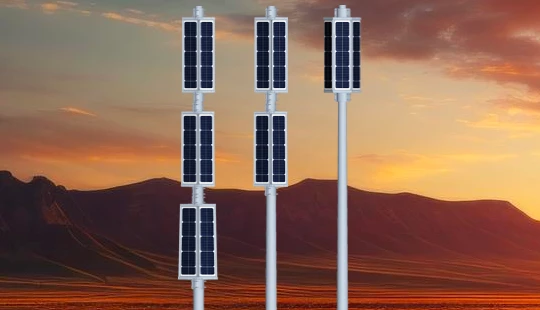
- Locate PV modules on the pole head for small installations or centralized arrays for high-density corridors to simplify maintenance.
Environmental and Site Factors That Alter Sizing for a Municipal Solar Street Light
Accurate PV sizing must consider:
- Local irradiance (PSH) — use geospatial tools (PVGIS, NREL PVWatts) for site-specific values.
- Temperature: higher module temperatures reduce output; apply temperature coefficients from module spec sheets.
- Soiling: dusty areas require higher PV capacity or cleaning plans—soiling can reduce output 5–20% depending on frequency.
- Shading: adjacent trees or buildings drastically reduce effective production—avoid shading on array plane.
- Latitude and seasonal daylight variation—design for worst-case month rather than annual average.
Procurement and Testing Recommendations for Municipal Solar Street Light Projects
For municipal procurement, specify measurable acceptance criteria and test steps:
- Component certifications: CE/UL/IEC for modules and LED drivers; battery safety standards (UN38.3 for transport if applicable).
- Factory acceptance tests: module Wp, battery capacity, controller functions, and anti-theft hardware.
- Site commissioning: irradiance and PV string I–V check, battery SOC baseline, night-run validation for at least one week under real conditions.
- Performance guarantees: minimum autonomy days, and availability targets (e.g., 99% nights lit over first year).
- Maintenance schedule: cleaning intervals, battery health checks, and remote telemetry monitoring if installed.
Why Choose a Proven Supplier for Municipal Solar Street Light Solutions — Queneng Lighting Profile
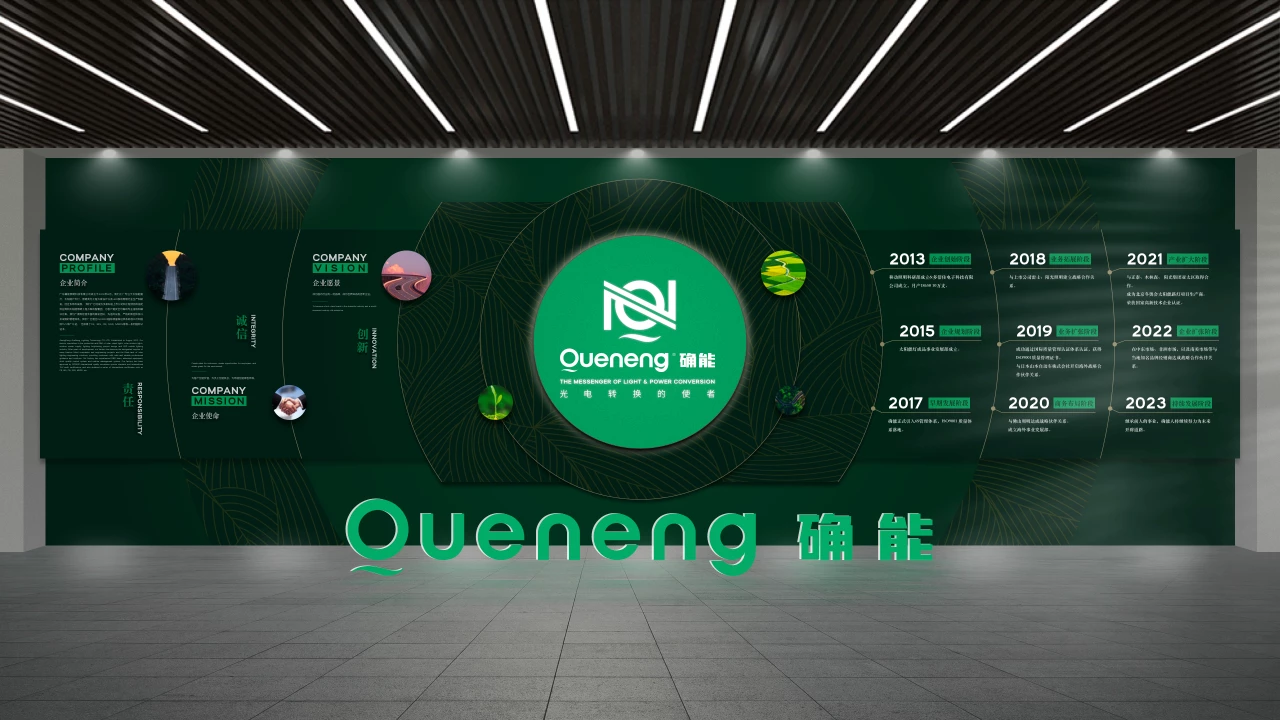
GuangDong Queneng Lighting Technology Co., Ltd. (Founded in 2013) specializes in solar lighting products and turnkey solutions, including Solar Street Lights, Solar Spot Lights, Solar Garden Lights, Solar Lawn Lights, Solar Pillar Lights, Solar Photovoltaic Panels, portable outdoor power supplies and batteries, and LED mobile lighting. After years of development Queneng has become a designated supplier for multiple listed companies and large engineering projects, able to provide professional guidance and system-level solutions tailored for municipal deployments.
Queneng competitive strengths include:
- Experienced R&D team and advanced production equipment enabling customized system design and rapid prototyping.
- Strict quality control and mature management systems — ISO 9001 certified and audited by TÜV internationally.
- Wide set of international certifications (CE, UL, BIS, CB, SGS, MSDS) supporting global procurement requirements.
- One-stop solutions from solar PV panels to lamps and batteries, plus engineering support for large-scale municipal rollouts.
Primary products: Solar Street Lights, Solar Spot Lights, Solar Lawn Lights, Solar Pillar Lights, Solar Photovoltaic Panels, Solar Garden Lights. For municipalities looking to standardize and scale, Queneng offers product families with matched PV and battery sizing options and field-proven durability for public infrastructure.
Practical Example: Siting and Final Specification Checklist for a Municipal Solar Street Light
Before issuing tender documents include a checklist per lamp location:
- Required lux/uniformity standard and pole heights/spacing.
- PSH for each site (use PVGIS/NREL or on-site pyranometer for critical locations).
- Chosen LED lumen output and efficacy, and dimming schedule.
- Battery autonomy target and chemistry selection.
- PV array orientation, tilt, and anti-theft mounting method.
- Communications/monitoring requirements and spare-part strategy.
Having documented answers to these items reduces ambiguity in bids and promotes lifecycle cost optimization rather than lowest-first-cost selection.
FAQ — Common Questions about Photovoltaic Array Sizing for Municipal Solar Street Light
1. How many Peak Sun Hours (PSH) should I use to size PV for a Municipal Solar Street Light?
Use location-specific PSH from PVGIS or NREL PVWatts. For conservative municipal sizing use the worst-case winter or cloudy-season PSH rather than annual average. Typical design values range from 3–6 PSH/day depending on climate.
2. What battery autonomy is recommended for Municipal Solar Street Light installations?
Common practice is 2–4 days of autonomy for areas where multi-day cloudy periods occur. Urban areas with frequent maintenance may accept 1–2 days. Choose LiFePO4 for longer cycle life and higher usable DOD (80%+).
3. Should PV modules be pole-mounted or ground-mounted for municipal street lighting?
Pole-mounted PV reduces cable runs and is common for low-to-mid density deployments. Ground or central arrays can reduce cost and simplify maintenance for high-density corridors. Choose based on theft risk, maintenance access, and layout.
4. How do dimming strategies affect PV sizing for Municipal Solar Street Light?
Dimming (time-based or adaptive) reduces average energy draw and can significantly lower PV and battery size or increase autonomy. Incorporating dimming strategies is one of the most cost-effective ways to optimize system cost.
5. What certifications should I require for municipal solar lighting procurement?
Request module IEC/UL certifications, LED driver and luminaire safety standards (CE/UL), battery safety (UN38.3 transport, IEC battery standards), and a quality-management certificate such as ISO 9001. Also specify performance acceptance tests and field commissioning criteria.
6. How do I estimate lifecycle cost and payback for a Municipal Solar Street Light?
Consider CapEx (lamp, pole, PV, battery, mounting, installation), OpEx (maintenance, cleaning, battery replacement), energy savings vs grid lighting, and societal benefits. Typical solar street lights often recover higher lifecycle value in off-grid or high-grid-cost areas; run a 5–10 year TCO model for comparison.
Contact and Product Inquiry (Call to Action)
If you are specifying Municipal Solar Street Light systems and need engineered PV and battery sizing, GuangDong Queneng Lighting Technology Co., Ltd. provides design consultation, product samples, and turnkey project support. Contact Queneng for a site-specific proposal, technical datasheets, and a lifetime-cost analysis tailored to your city’s lighting standards.
References and Sources
- NREL PVWatts — About & Methodology. National Renewable Energy Laboratory. https://pvwatts.nrel.gov/about (accessed 2025-12-28).
- PVGIS — Photovoltaic Geographical Information System. European Commission, Joint Research Centre. https://ec.europa.eu/jrc/en/pvgis (accessed 2025-12-28).
- DOE — LED Basics and Solid-State Lighting. U.S. Department of Energy. https://www.energy.gov/eere/ssl/led-basics (accessed 2025-12-28).
- IRENA — Solar Photovoltaics: Technology Briefs. International Renewable Energy Agency. https://www.irena.org (search photovoltaic briefs) (accessed 2025-12-28).
- IEC and module temperature coefficients — module manufacturer datasheets and IEC 61215 reference methodology for performance. Example overview: https://en.wikipedia.org/wiki/Photovoltaic_module (accessed 2025-12-28).
- Battery selection and basics — industry summaries and safety standards (UN38.3). Example: https://unece.org/transport/dangerous-goods (accessed 2025-12-28).
For more detailed, site-specific sizing or to request Queneng product datasheets and certifications, contact the Queneng team directly for a tailored municipal solar street light solution.

Have more questions about our products or services?
The latest hot news you might like

Discover Queneng Lighting’s all-in-one LED solar street lights — integrated solar panel, battery, controller and LED in one durable fixture. Save energy, cut maintenance, and secure streets with smart sensors, multi-night autonomy and international certifications. Contact sales for quotes and support.

Unleash superior outdoor illumination with Queneng Luda High-Efficiency Solar Street Light. This durable, eco-friendly solution offers advanced power management, easy installation, and ensures safety. Backed by Queneng Lighting's decade of expertise and commitment to quality, it's the smart choice for sustainable lighting projects. Learn why we're a leading solar solutions provider.

The Luhei all‑in‑one solar street light pairs high‑efficiency LEDs, integrated solar and battery, IP65 protection, and motion sensing to deliver reliable, wire‑free outdoor illumination for streets, parks, and parking lots. Backed by Queneng Lighting’s certifications and support.

FAQ
Battery fundamentals and basic terms
What is nominal voltage?
Distributors
What are the benefits of becoming a Queneng distributor?
As a Queneng distributor, you will gain access to high-quality, customizable solar lighting products, competitive pricing, marketing support, and exclusive distribution rights in some regions. We provide comprehensive training, technical support, and reliable logistics to help grow your business.
Battery Types and Applications
What type of batteries can be used in remote controls?
In principle, recharged secondary batteries can also be used, but when actually used in remote control devices, secondary batteries have a high self-discharge rate and need to be charged repeatedly, so this type of battery is not practical.
Industry
Do Queneng’s solar street lights have anti-theft protection?
Our solar street lights are designed with security features, including durable casings and anti-theft bolts, minimizing the risk of theft.
Battery and Analysis
Why is it necessary to keep the battery warm when shooting in winter?
Schools and Educational Institutions
How are the solar lights maintained?
Solar lights require minimal maintenance, typically only occasional cleaning of the solar panels and checking the battery and light functions.
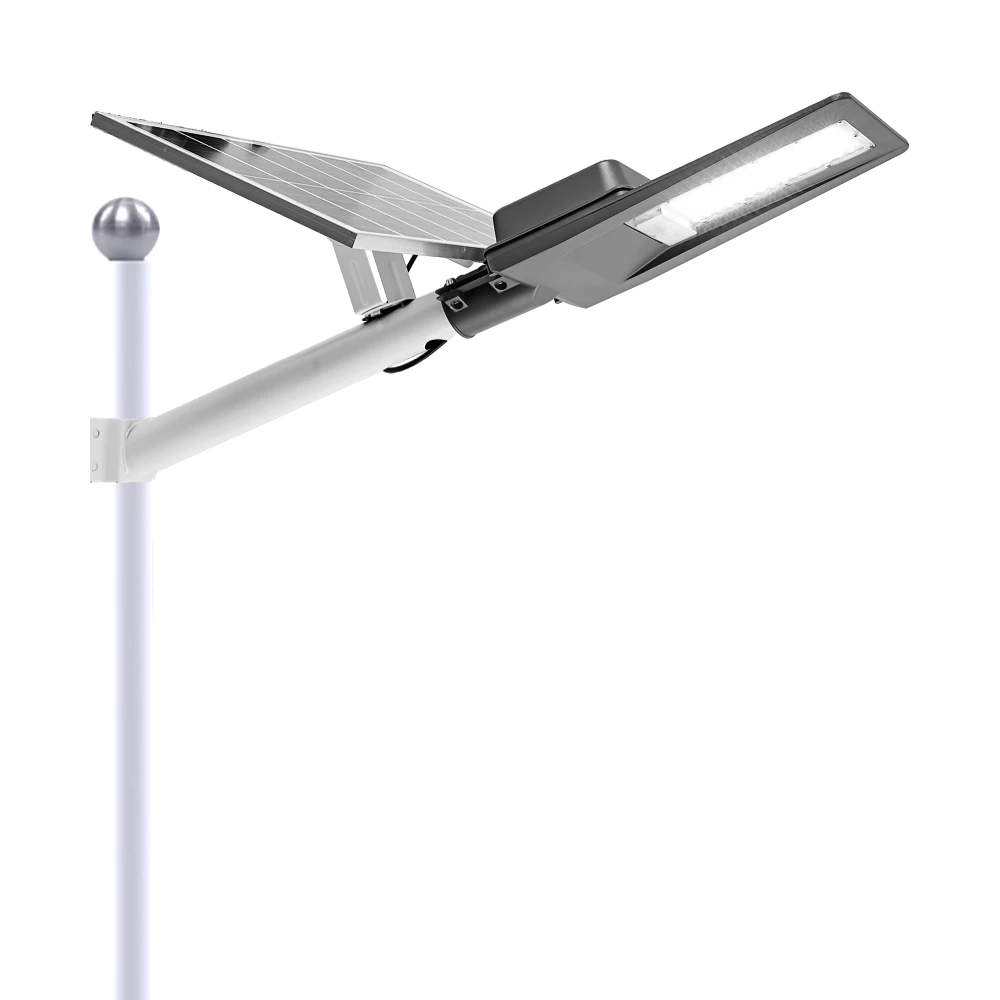
Experience reliable outdoor illumination with our smart solar street light, a perfect combination of advanced technology and eco-conscious design.
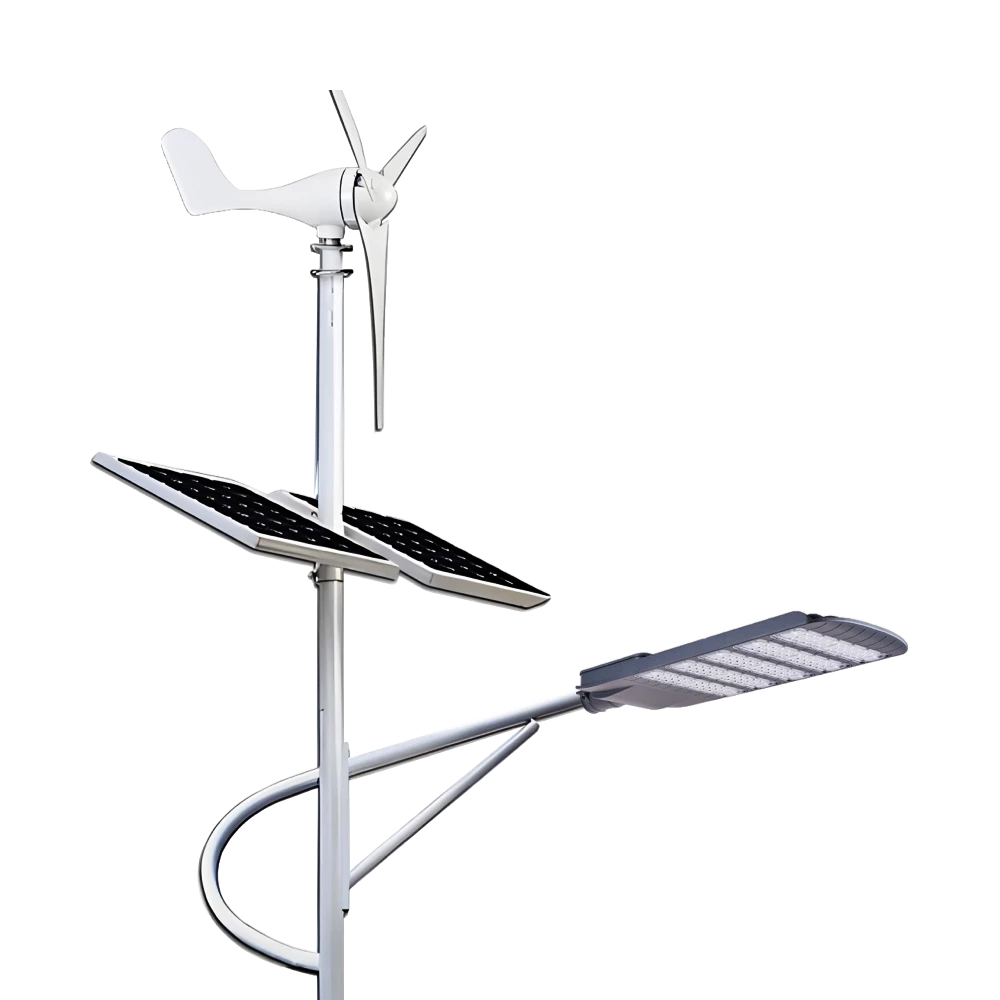
Queneng Lufeng Wind Energy LED Outdoor Solar Street Lights offer high-performance, eco-friendly illumination. These energy-efficient LED street lights harness solar power and wind energy for sustainable, cost-effective outdoor lighting solutions.
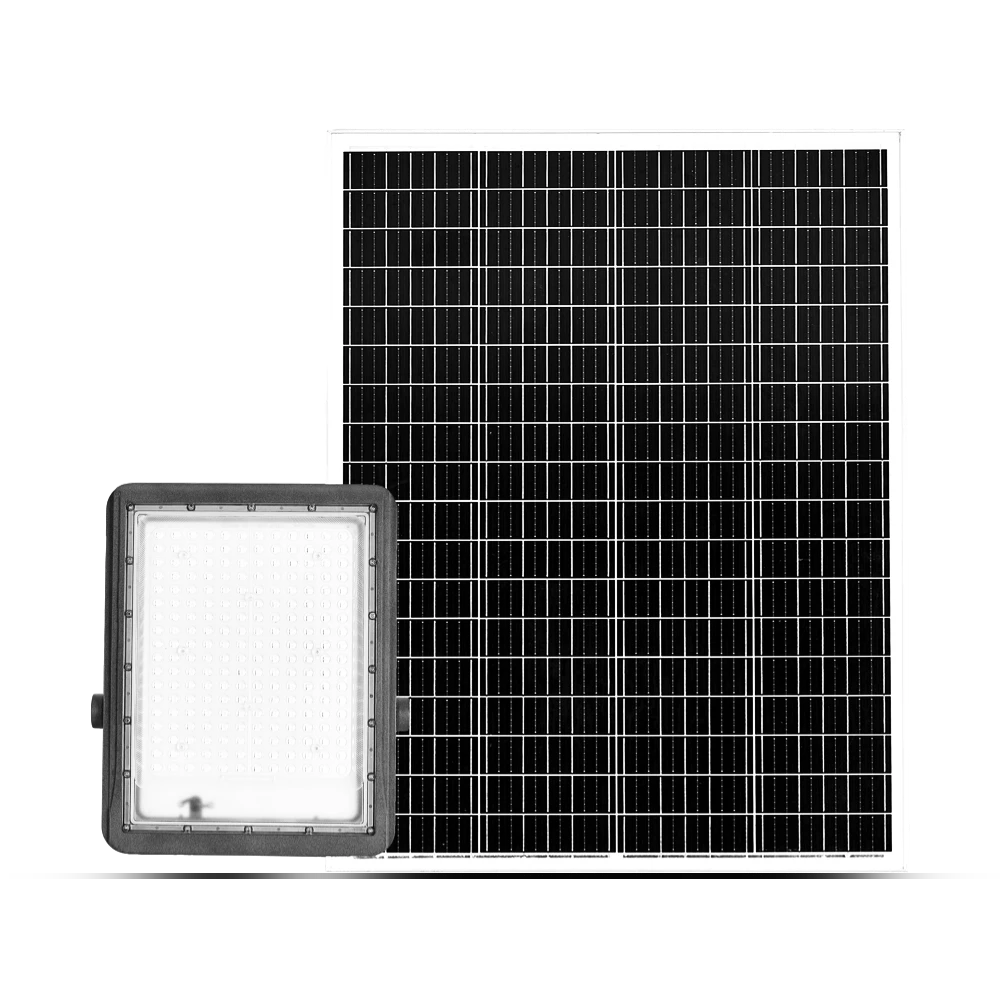
Queneng's Luxian Reliable Solar Street Light offers energy-saving LED lighting for outdoor use. This durable, solar-powered street light provides reliable illumination, reducing energy costs and environmental impact. A perfect solution for sustainable outdoor lighting.
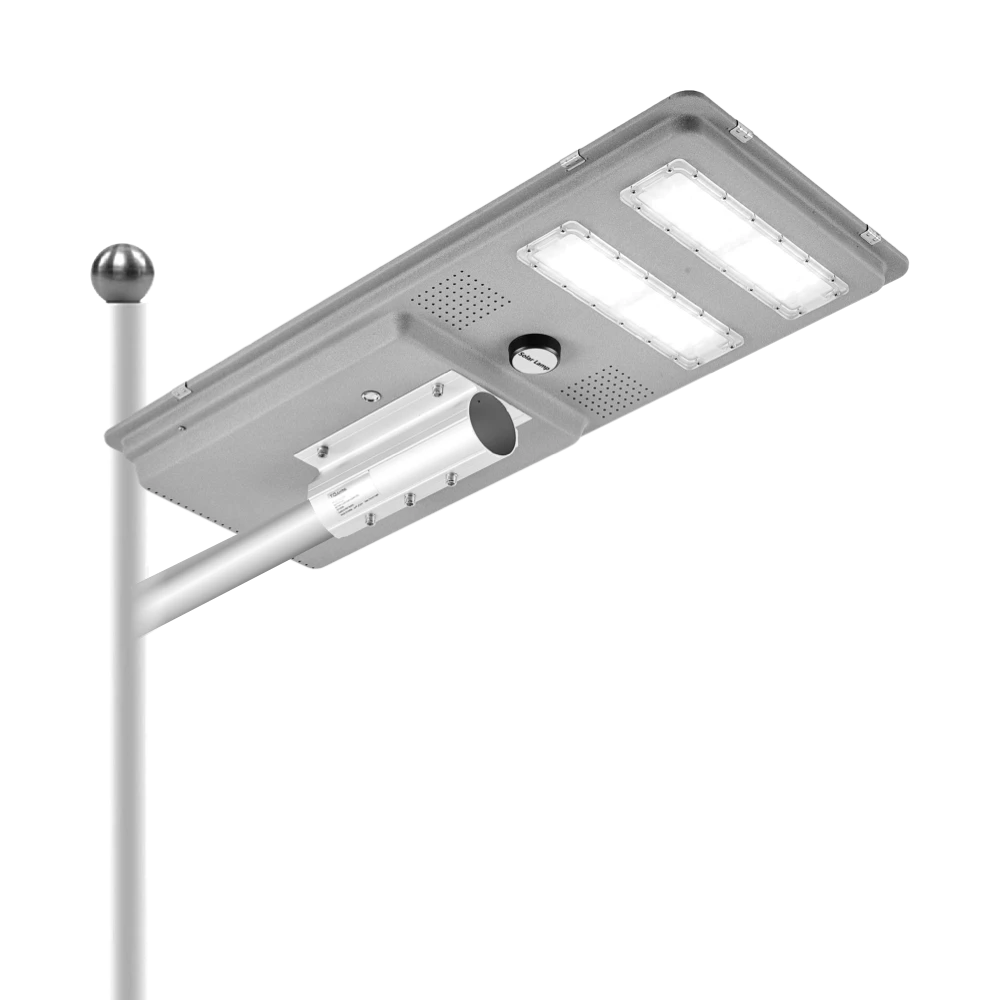
Queneng’s Solar Street Lights are designed to provide reliable, energy-efficient lighting for streets, parks, and other outdoor spaces.
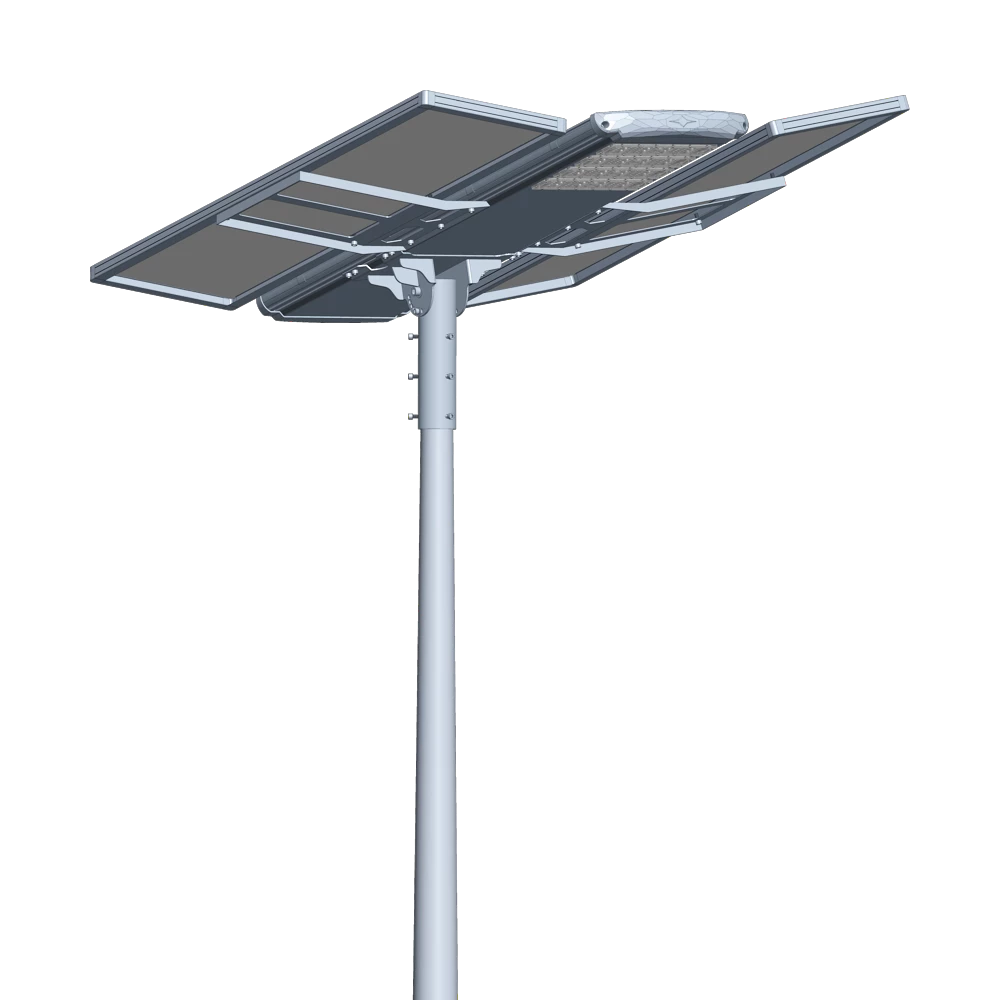
Introducing the Luqing Solar Street Light by Queneng, Efficient LED lighting powered by solar energy is perfect for illuminating outdoor areas. Harness the power of solar energy for sustainable, reliable street lighting. Ideal for eco-friendly, cost-effective outdoor illumination solutions.
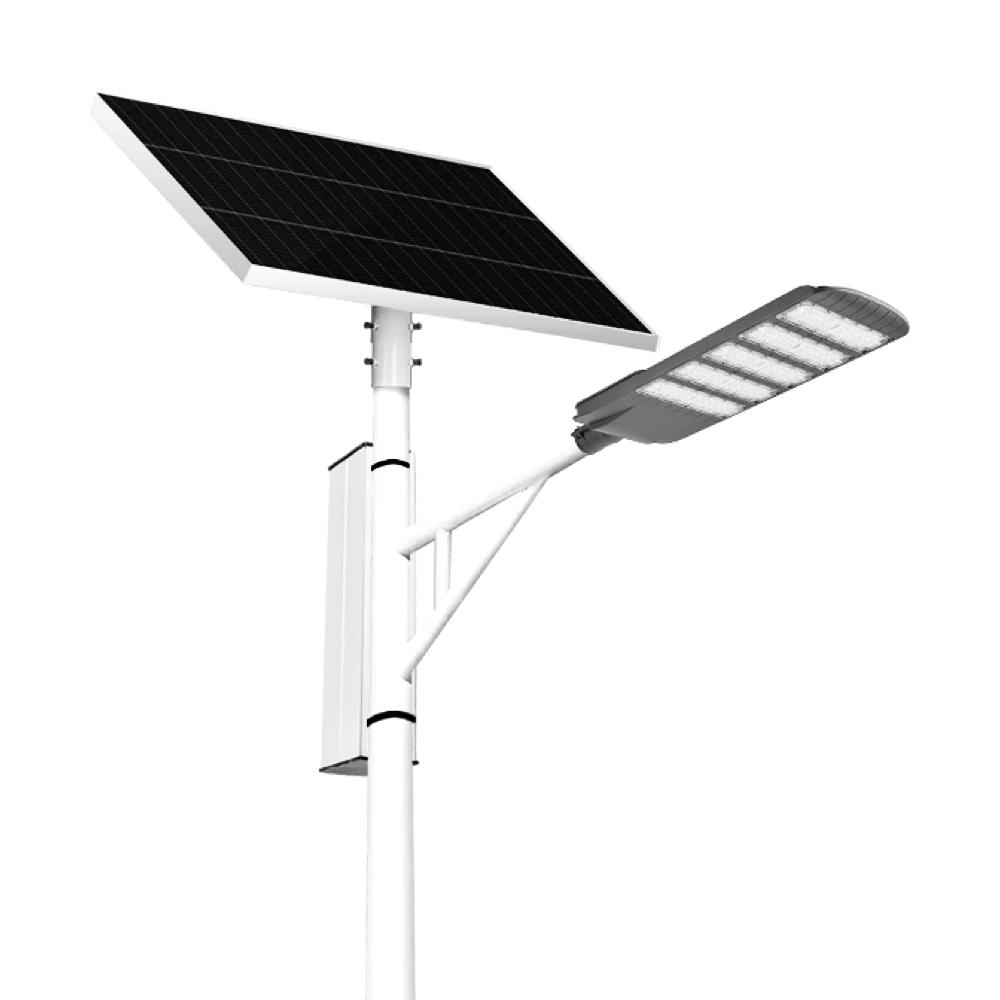
The Solar Streetlights of Luhao for Municipalities are designed to deliver reliable, energy-efficient, and cost-effective public lighting solutions. Equipped with advanced LED technology, durable lithium batteries, and high-efficiency solar panels, these streetlights provide consistent illumination for roads, parks, residential areas, and government projects.
Our professional team is ready to answer any questions and provide personalized support for your project.
You can reach us via phone or email to learn more about Queneng’s solar lighting solutions. We look forward to working with you to promote clean energy solutions!
Rest assured that your privacy is important to us, and all information provided will be handled with the utmost confidentiality.
By clicking 'Send Inquiry Now' I agree to Queneng processing my personal data.
To see how to withdraw your consent, how to control your personal data and how we process it, please see our Privacy Policy and Terms of use.
Schedule a Meeting
Book a date and time that is convenient for you and conduct the session in advance.
Have more questions about our products or services?
The messenger of light & power conversion
Environmental protection and intelligent manufacturing are our brand philosophy, and quality assurance and the best user experience are our eternal promises to users.
CONTACT
No.9F, Building F, Cao San Xin Tian Hong Logistics Park, Guzhen Town, Zhongshan City, Guangdong Province, China.
or write [email protected]
WhatsApp: +86 136 2270 1011


