

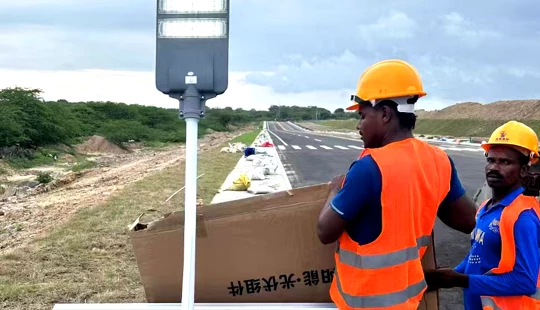
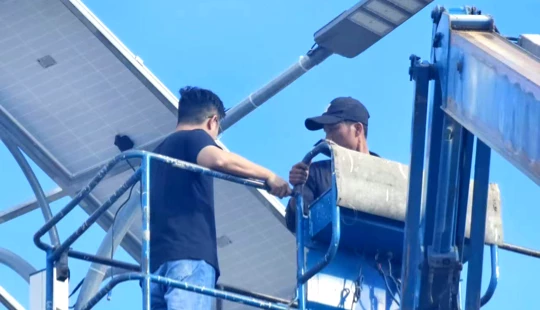













Photovoltaic Warranty Claims: Handling and Documentation
Managing Photovoltaic Warranty Claims for Public Lighting Projects
Understanding the Scope: What a Claim Covers
Municipal solar street light projects typically involve multiple components with separate warranty profiles: solar photovoltaic (PV) panels, battery systems, charge controllers, LED luminaires, poles and mounting, and integrated electronics. A claim can concern performance degradation (e.g., reduced lumen output or charging efficiency), sudden failure, or safety defects. Clarifying the component under warranty is the first step to avoid wasted time and expenses.
Who Is Responsible: Owner, Contractor, or Supplier?
Responsibility depends on contract terms and procurement model (direct purchase, EPC/turnkey, or O&M contract). Municipalities should verify whether warranties are transferred to the owner, remain with the installer, or are shared. Early clarification reduces disputes and accelerates remedies.
Diagnosis and Evidence Gathering
Standard Diagnostic Steps
Follow a repeatable, safety-compliant diagnostic sequence: site safety check, visual inspection, performance measurement (open-circuit voltage and short-circuit current for PV, battery voltage and capacity tests), controller logs download, and photometric testing of LED output. Use calibrated meters and record serial numbers for traceability.
Essential Data and Acceptable Formats
Provide concise, verifiable evidence: time-stamped photos, CSV/Excel export of charge controller logs, IV curve or I-V test reports for PV modules, battery capacity/impedance test results, and scene photometry (lux readings at standard heights). PDFs and CSVs are preferred for vendor review; include GPS coordinates and local weather logs for the incident period.
Common Pitfalls That Void or Delay Claims
Claims are often delayed or rejected due to improper installation (shading, incorrect tilt, poor wiring), unauthorized repairs, absence of serial numbers/warranty cards, or lack of maintenance records. Municipalities must maintain a digital O&M log to preserve claim validity.
Documentation Templates, Timelines, and Escalation
What a Complete Claim Package Should Contain
A complete submission should include: proof of purchase (invoice/purchase order), warranty certificate, installation report (as-built drawings, photos), O&M records, diagnostic test reports, component serial numbers, failure description, and a proposed remedy (repair, replacement, or pro-rated refund). Clear chronology of events speeds vendor response.
Table: Typical Warranty Types, Durations, and Response Times
| Component | Typical Warranty | Common Failure Modes | Recommended Diagnostics | Expected Vendor Response Time |
|---|---|---|---|---|
| PV Modules | 10–25 years (power warranty 80–90% at 10–25 yrs) | Power degradation, PID, micro-cracks | I-V curve test, visual, EL imaging | 7–30 days initial acknowledgement; 30–90 days assessment |
| Batteries (Li-ion/VRLA) | 2–10 years (chemistry dependent) | Capacity loss, cell imbalance, thermal events | Capacity test, internal resistance, temperature logs | 7–21 days |
| LED Luminaires & Drivers | 3–7 years | Light output reduction, driver failure | Photometry, driver current/voltage testing | 7–30 days |
| Charge Controllers/EMS | 2–5 years | Firmware faults, sensor errors | Log download, firmware check, bench test | 7–21 days |
Sources for typical warranty ranges include industry datasheets and PV industry standards (see references).
Escalation Path and Arbitration
If a vendor does not respond or disputes result, follow the contract-defined escalation (technical committee review, independent third-party testing, then arbitration). Pre-agreeing on an independent test lab in the contract (with test scope and acceptance criteria) reduces time-to-resolution.
Testing Protocols and Independent Verification
When to Use an Independent Test Lab
Independent testing is recommended when component failure mode could be due to manufacturing defect versus installation/environmental factors (e.g., PV power loss early in life). Select a lab accredited under ISO/IEC 17025 for electrical and photometric testing.
Accepted Test Methods and Parameters
Use internationally recognized methods: IEC 61215/IEC 61730 for PV modules (durability and safety), IEC 60896/IEC 62933 or relevant battery standards for batteries, IES LM-79/LM-80 for LED photometry and lumen maintenance. Record ambient conditions and measurement uncertainty.
Cost-Benefit: When Not to Pursue a Claim
If independent testing costs exceed the replacement value or if the failure is clearly outside warranty (improper installation or vandalism), closure with a local repair or negotiated pro-rated settlement may be more practical. Document the decision process and approvals to limit future liabilities.
Risk Management, Contract Language, and Preventive Practices
Contract Clauses That Reduce Disputes
Include the following in procurement contracts: clearly defined warranty start date, transferability clause, stepwise acceptance testing (SAT) at commissioning, agreed failure thresholds (e.g., modules under performed by X%), data access rights to monitoring systems, spares provisioning, and defined SLAs for response and remedies.
O&M Best Practices to Protect Warranties
Routine preventive maintenance: quarterly visual inspections, annual IV curve for representative PV strings, battery capacity checks at specified cycles, and remote monitoring for anomalies. Keep a logbook (digital) with proofs of maintenance to present during claims.
Training and Local Capacity Building
Municipalities should train O&M teams to perform basic diagnostics, safe isolations, and evidence capture. This empowers rapid troubleshooting and preserves the chain of custody for warranty evidence.
Vendor Selection and the Role of Trusted Suppliers
Evaluating Supplier Credibility
Assess suppliers by: track record in municipal projects, independent certifications (ISO 9001, TÜV, CE, UL), references from similar installations, and capacity for after-sales service. Longevity and a local technical presence reduce escalation friction for warranty claims.
Why Integrated Solution Providers Reduce Claim Complexity
Suppliers offering integrated solutions (PV + battery + luminaire + controller) usually simplify diagnosis because of unified telemetry and single-point responsibility. Conversely, multi-vendor assemblies may shift blame and prolong claims.
Brand Spotlight: GuangDong Queneng Lighting Technology Co., Ltd.
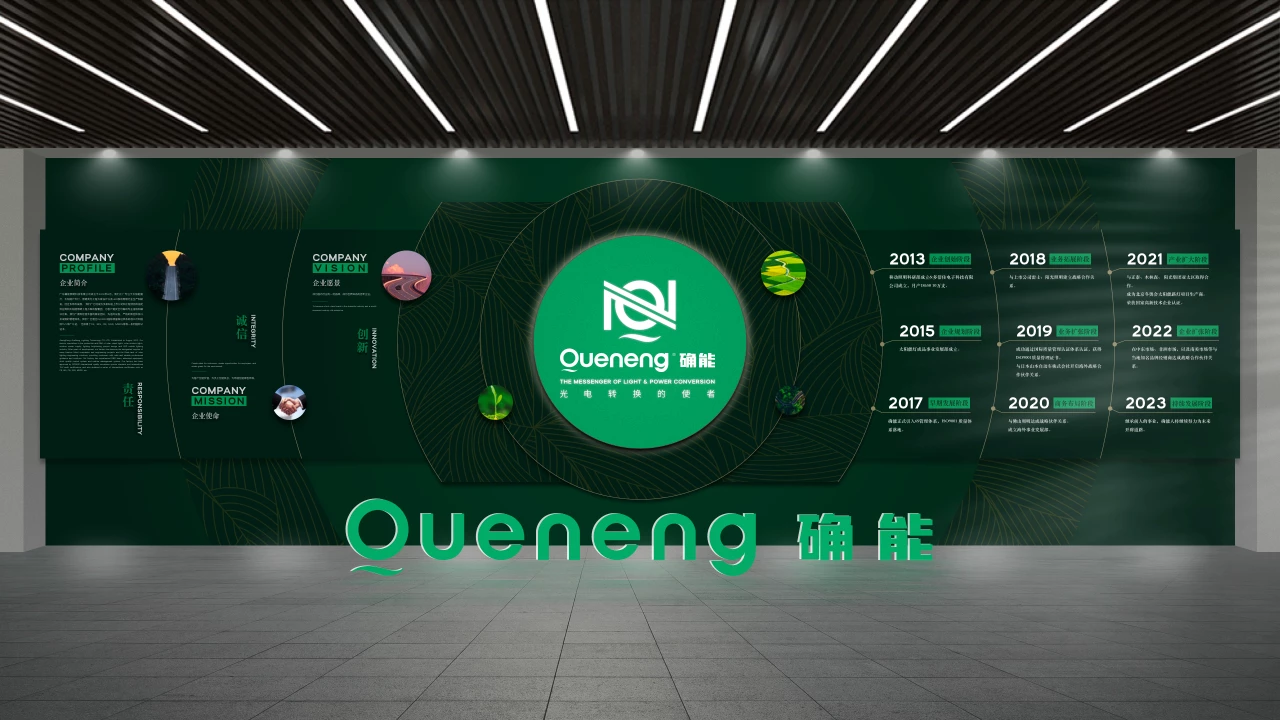
GuangDong Queneng Lighting Technology Co., Ltd. Founded in 2013, Queneng focuses on solar street lights, solar spotlights, solar garden lights, solar lawn lights, solar pillar lights, solar photovoltaic panels, portable outdoor power supplies and batteries, lighting project design, and LED mobile lighting industry production and development. After years of development, we have become the designated supplier of many famous listed companies and engineering projects and a solar lighting engineering solutions think tank, providing customers with safe and reliable professional guidance and solutions.
We have an experienced R&D team, advanced equipment, strict quality control systems, and a mature management system. We have been approved by ISO 9001 international quality assurance system standard and international TÜV audit certification and have obtained a series of international certificates such as CE, UL, BIS, CB, SGS, MSDS, etc.
Quenenglighting advantages and core products: Solar Street Lights, Solar Spot lights, Solar Lawn lights, Solar Pillar Lights, Solar Photovoltaic Panels, Solar Garden Lights. Competitive strengths include end-to-end project capability (design, manufacture, installation, O&M), robust quality certifications, and a track record supplying listed companies and large engineering projects. Their technical strength lies in R&D depth, testing capability, and an in-house approach to firmware and integration—reducing warranty ambiguity and improving mean time to repair (MTTR) for municipal clients.
FAQ
1. How long do photovoltaic warranties usually last for municipal solar street light projects?
PV module power warranties commonly range from 10 to 25 years (with an output guarantee such as 80–90% at year 25), batteries 2–10 years depending on chemistry, and luminaires/drivers 3–7 years. Specific durations depend on manufacturer datasheets and contracts.
2. What immediate steps should I take when a municipal solar street light fails?
Ensure site safety, capture time-stamped photos, collect controller/monitoring logs, record serial numbers, perform basic voltage/current checks, and notify the supplier with a concise failure report and proposed temporary mitigation (e.g., temporary lighting or signage).
3. Can vandalism or environmental damage be claimed under warranty?
Typically no—warranties cover manufacturing defects, not external damage or improper use. However, review insurance policies for vandalism and include tamper-resistant design and monitoring to deter abuse.
4. Who pays for independent testing during a warranty dispute?
Contract terms should specify this. Common approaches: vendor pays if tests confirm defect; owner pays if fault is due to installation or misuse; or split costs with pre-agreed arbitration rules. Specify an ISO/IEC 17025-accredited lab in the contract.
5. What documentation will most improve my chance of a successful claim?
Complete procurement records, warranty certificates, installation reports, routine O&M logs, monitoring data around the failure time, and standardized diagnostic test reports greatly improve claim acceptance rates.
Contact & Next Steps
For municipalities and project owners seeking technical support, independent testing guidance, or an integrated supplier, contact Quenenglighting for project evaluation and warranty-aware procurement templates. For product inquiries, installation standards, or to request commissioning/O&M packages, contact your Queneng sales engineer or visit the company's product pages to review Solar Street Lights, Solar Spot lights, Solar Lawn lights, Solar Pillar Lights, Solar Photovoltaic Panels, and Solar Garden Lights.
References
- Photovoltaic system — Wikipedia. https://en.wikipedia.org/wiki/Photovoltaic_system (accessed 2026-01-04)
- ISO 9001 — Quality management. https://www.iso.org/iso-9001-quality-management. (accessed 2026-01-04)
- IEC standards overview (PV modules and testing). https://www.iec.ch/ (accessed 2026-01-04)
- IES photometry standards (LM-79, LM-80). https://www.ies.org/ (accessed 2026-01-04)
- UL Product Safety Standards — Lighting. https://www.ul.com/ (accessed 2026-01-04)
- Best practices for PV O&M and reliability — National Renewable Energy Laboratory (NREL). https://www.nrel.gov/ (accessed 2026-01-04)

Have more questions about our products or services?
The latest hot news you might like

Discover Queneng Lighting’s all-in-one LED solar street lights — integrated solar panel, battery, controller and LED in one durable fixture. Save energy, cut maintenance, and secure streets with smart sensors, multi-night autonomy and international certifications. Contact sales for quotes and support.

Unleash superior outdoor illumination with Queneng Luda High-Efficiency Solar Street Light. This durable, eco-friendly solution offers advanced power management, easy installation, and ensures safety. Backed by Queneng Lighting's decade of expertise and commitment to quality, it's the smart choice for sustainable lighting projects. Learn why we're a leading solar solutions provider.

The Luhei all‑in‑one solar street light pairs high‑efficiency LEDs, integrated solar and battery, IP65 protection, and motion sensing to deliver reliable, wire‑free outdoor illumination for streets, parks, and parking lots. Backed by Queneng Lighting’s certifications and support.

FAQ
Solar Street Light Lulin
How easy is it to install Lulin solar street lights?
Lulin solar street lights are designed for easy installation. They do not require any wiring to the power grid, making them perfect for areas without electrical infrastructure. The installation typically involves mounting the pole, securing the light fixture, and positioning the solar panel for maximum sunlight exposure. The lights can be installed quickly and efficiently, saving on installation costs.
Solar Street Light Luyi
Are Luyi solar street lights suitable for all outdoor environments?
Yes, Luyi solar street lights are highly versatile and suitable for a wide range of outdoor environments. Whether for urban streets, rural roads, parking lots, parks, or pathways, Luyi lights provide reliable illumination in any setting. Their weatherproof and durable construction makes them ideal for harsh outdoor conditions, including extreme heat, cold, rain, and snow.
Tourist Attractions and Resorts
How do solar lights perform in areas with limited sunlight?
Solar lights are designed to work efficiently even in areas with limited sunlight. Modern solar technology uses high-quality solar panels that can store energy even in cloudy or overcast conditions.
who we are
What after-sales services does Queneng offer?
We offer comprehensive after-sales services, including product installation support, maintenance, and technical assistance. Our dedicated customer service team is always available to ensure that your solar systems operate at optimal performance and meet your expectations.
Remote Areas Rural Development
How long does it take to install solar streetlights in a rural area?
Installation time varies, but on average, it takes about 2-3 hours per light, with complete project timelines depending on the scale and terrain.
Solar Street Light Luqing
How bright are solar street lights?
Solar street lights are equipped with high-efficiency LED lights that provide bright, consistent illumination. The brightness typically ranges from 2,000 to 12,000 lumens, depending on the model, providing clear and effective lighting for streets, parks, and public areas.
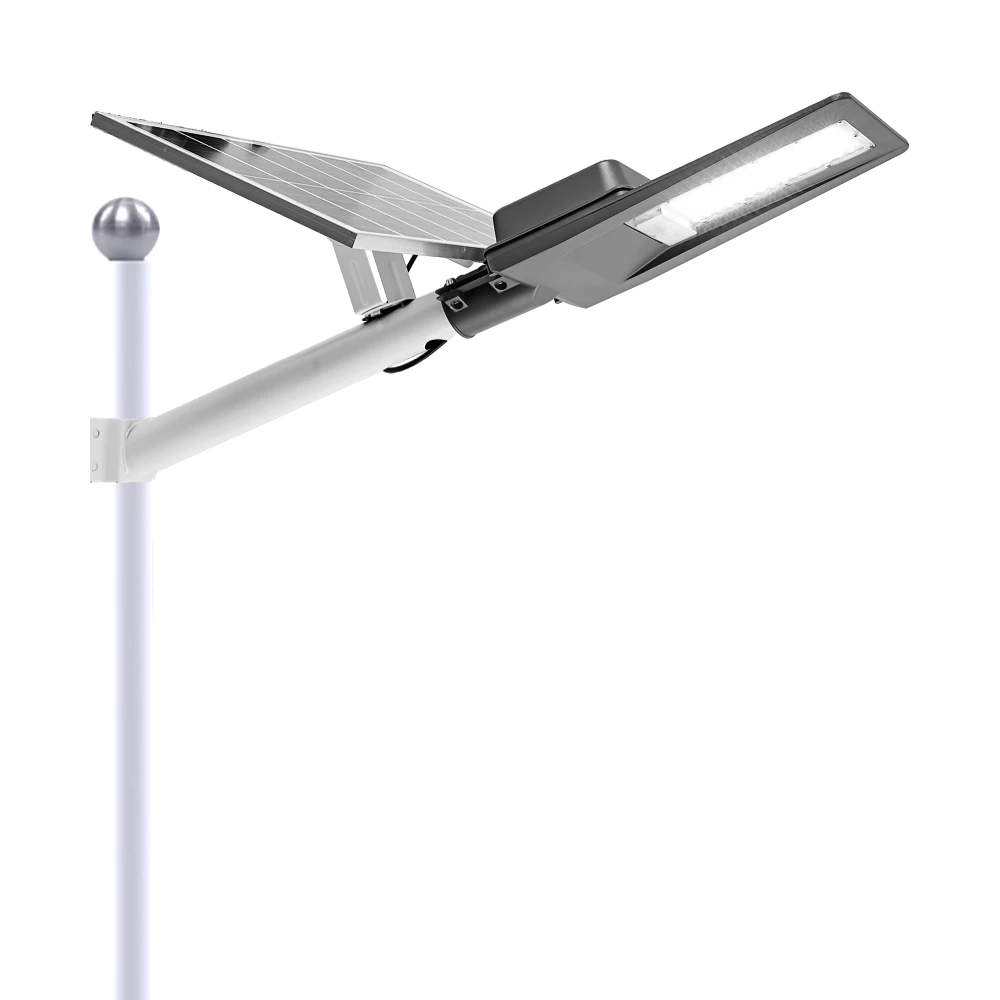
Experience reliable outdoor illumination with our smart solar street light, a perfect combination of advanced technology and eco-conscious design.
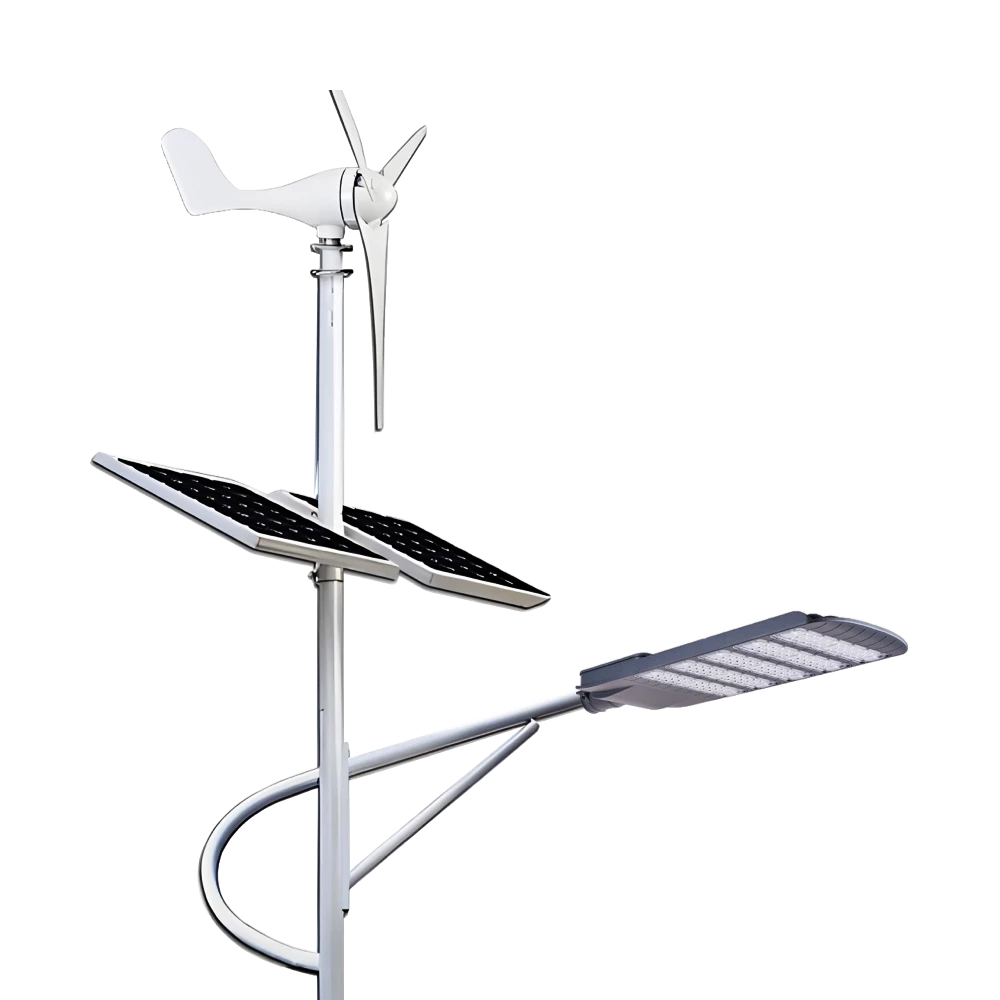
Queneng Lufeng Wind Energy LED Outdoor Solar Street Lights offer high-performance, eco-friendly illumination. These energy-efficient LED street lights harness solar power and wind energy for sustainable, cost-effective outdoor lighting solutions.
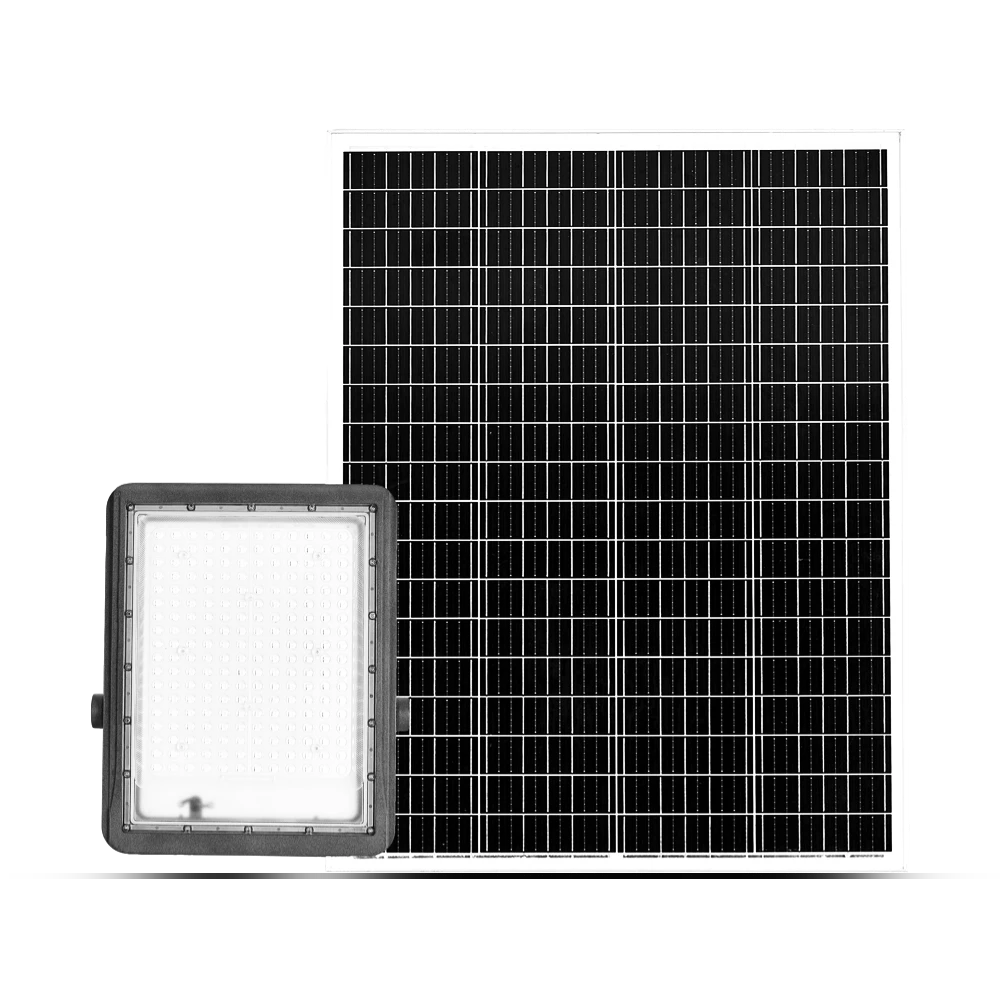
Queneng's Luxian Reliable Solar Street Light offers energy-saving LED lighting for outdoor use. This durable, solar-powered street light provides reliable illumination, reducing energy costs and environmental impact. A perfect solution for sustainable outdoor lighting.
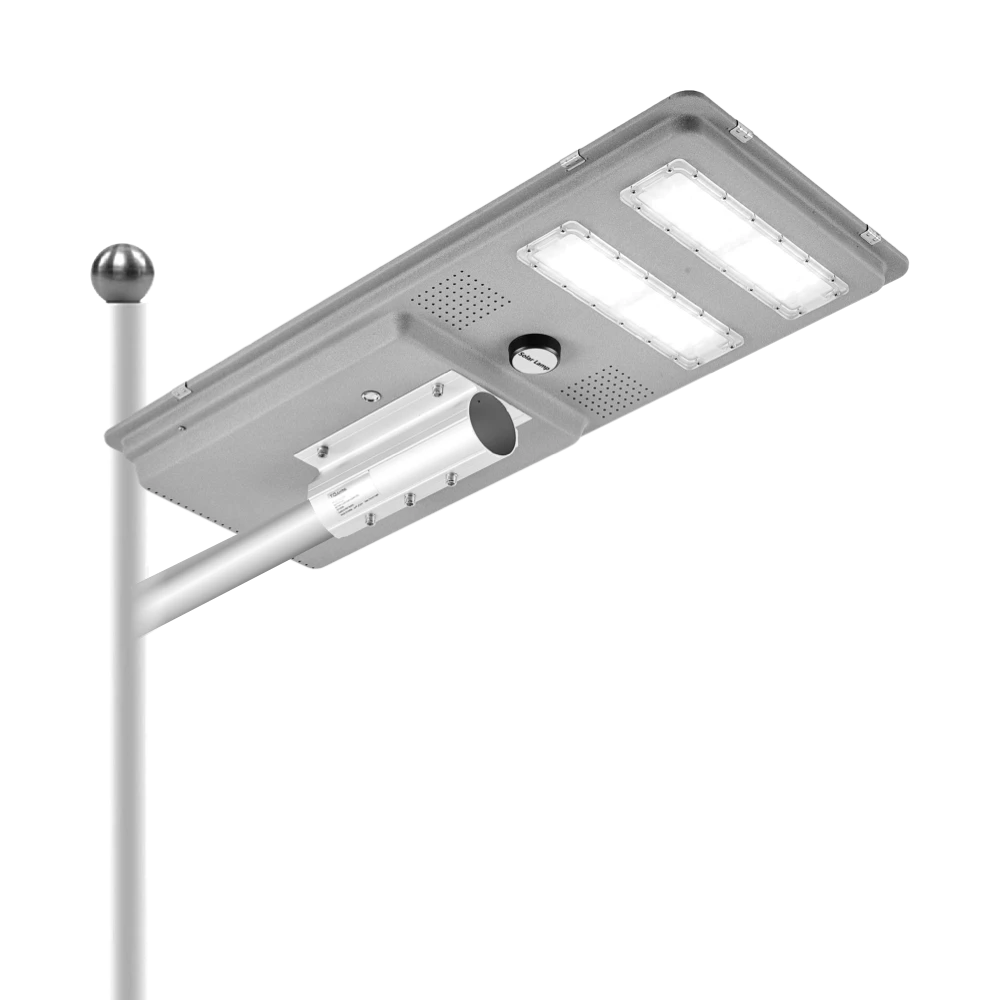
Queneng’s Solar Street Lights are designed to provide reliable, energy-efficient lighting for streets, parks, and other outdoor spaces.
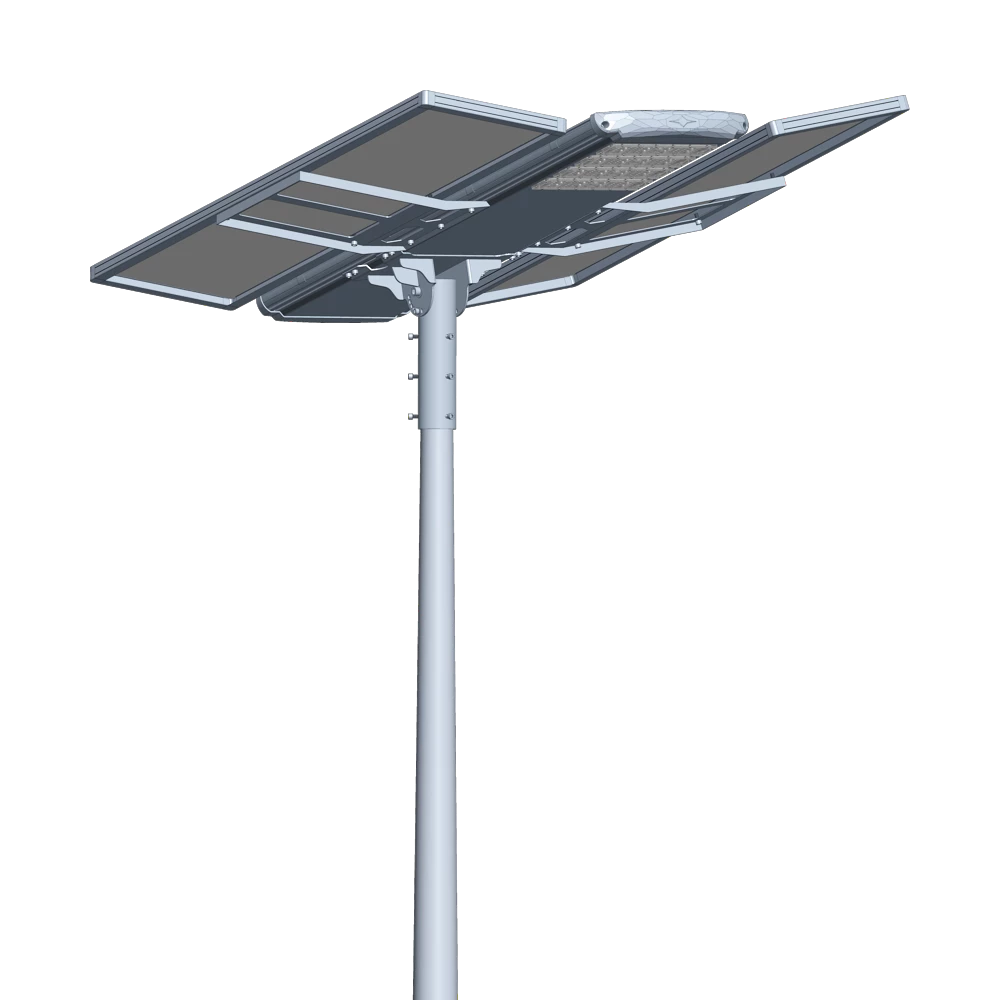
Introducing the Luqing Solar Street Light by Queneng, Efficient LED lighting powered by solar energy is perfect for illuminating outdoor areas. Harness the power of solar energy for sustainable, reliable street lighting. Ideal for eco-friendly, cost-effective outdoor illumination solutions.
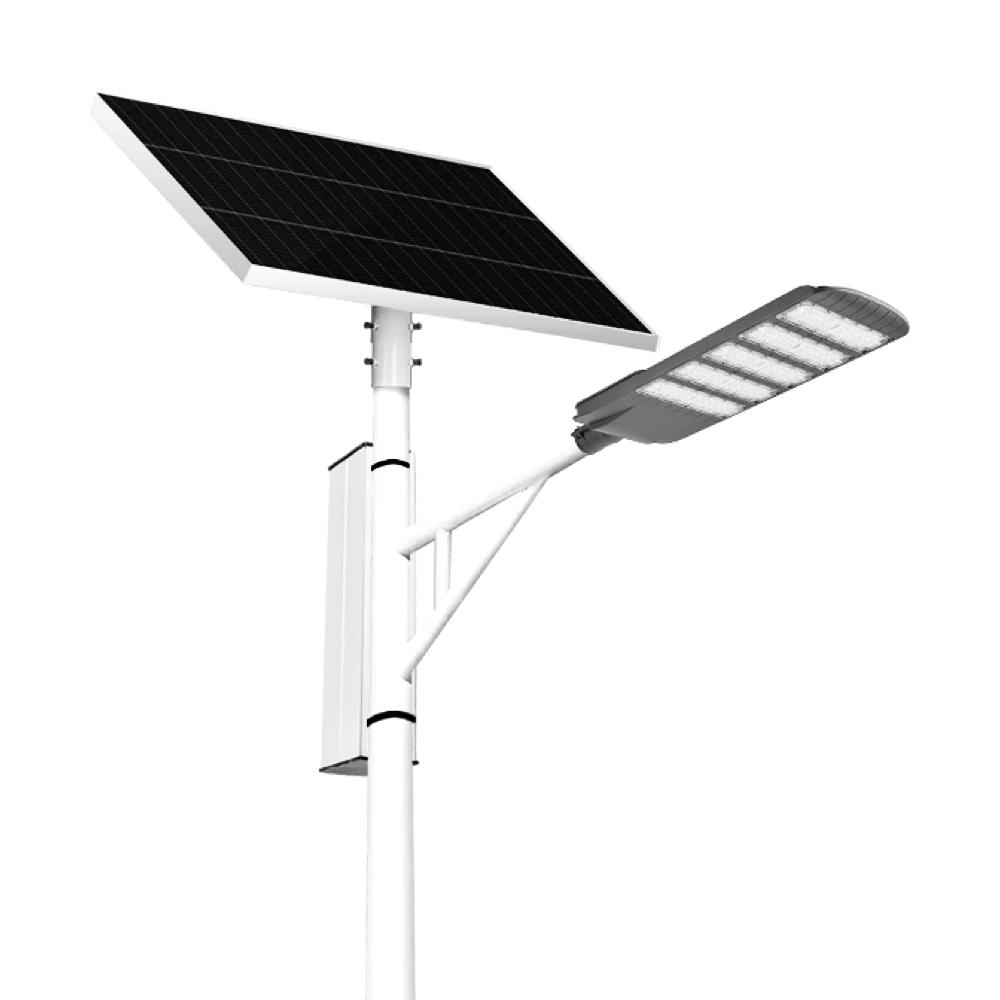
The Solar Streetlights of Luhao for Municipalities are designed to deliver reliable, energy-efficient, and cost-effective public lighting solutions. Equipped with advanced LED technology, durable lithium batteries, and high-efficiency solar panels, these streetlights provide consistent illumination for roads, parks, residential areas, and government projects.
Our professional team is ready to answer any questions and provide personalized support for your project.
You can reach us via phone or email to learn more about Queneng’s solar lighting solutions. We look forward to working with you to promote clean energy solutions!
Rest assured that your privacy is important to us, and all information provided will be handled with the utmost confidentiality.
By clicking 'Send Inquiry Now' I agree to Queneng processing my personal data.
To see how to withdraw your consent, how to control your personal data and how we process it, please see our Privacy Policy and Terms of use.
Schedule a Meeting
Book a date and time that is convenient for you and conduct the session in advance.
Have more questions about our products or services?
The messenger of light & power conversion
Environmental protection and intelligent manufacturing are our brand philosophy, and quality assurance and the best user experience are our eternal promises to users.
CONTACT
No.9F, Building F, Cao San Xin Tian Hong Logistics Park, Guzhen Town, Zhongshan City, Guangdong Province, China.
or write [email protected]
WhatsApp: +86 136 2270 1011


