














Pilot Project Planning for Municipal Buyers
Municipal buyers planning a pilot for solar street lighting must balance technical performance, lifecycle cost, procurement rules and local needs. This guide explains how to evaluate site conditions, choose between Municipal Solar Street Light options (including Split Solar Street Light and All-in-One Solar Street Lights), design robust pilots with verifiable monitoring, and structure procurement and QA to minimize rollout risk. The recommendations cite authoritative sources and provide practical KPIs to ensure pilots produce decision-ready data.
Assessing local needs and site conditions
Define pilot objectives and stakeholders
Start by defining clear objectives: energy savings, public safety improvements, grid deferral, or resilience in off-grid areas. Identify stakeholders—public works, procurement, utilities, police/public safety, local community representatives, and maintenance teams—and document success criteria and decision gates (for example: reduce grid-connected lighting by X% or demonstrate 30-day autonomy).
Solar resource, site survey and mounting constraints
A technical site survey is essential. Assess solar irradiance (peak sun hours), shading from trees/buildings, pole spacing, mounting height, and accessibility for maintenance. Use resources such as the National Renewable Energy Laboratory (NREL) and global solar maps to validate irradiance estimates. Documenting the local solar resource and shading conditions will directly influence panel sizing, battery capacity and expected autonomy for both split and all-in-one systems.
Electrical and civil considerations
Confirm existing civil infrastructure: foundation types, pole structural capacity, and availability of secure mounting points. For grid-tied municipal projects that may later hybridize, review grid connection points and local utility policies. If poles are aging, factor replacement or reinforcement into pilot costs and risk mitigation.
Technical design considerations for pilots
Choosing the right technology type
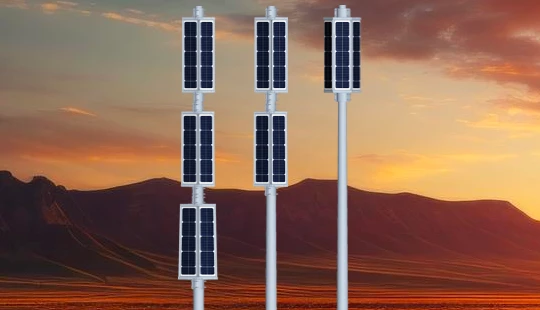
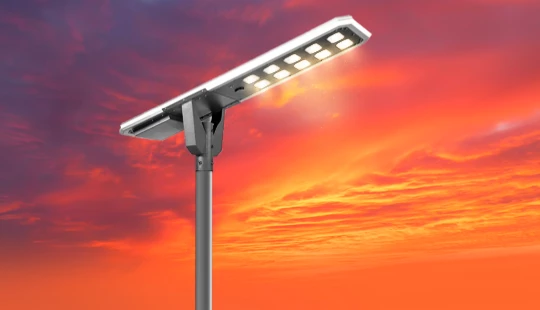
Pilots should compare product families under real conditions. The main types are conventional municipal solar street light systems (customized PV + luminaire + battery + separate control), split solar street light systems—where panels and batteries are mounted separately from luminaire for flexibility—and All-in-One Solar Street Lights that integrate PV, battery and LED in a single housing. Each has trade-offs in maintenance, vandal resistance, modularity and initial cost.
Comparative overview
| Feature | Municipal Solar Street Light (modular) | Split Solar Street Light | All-in-One Solar Street Lights |
|---|---|---|---|
| System layout | Separate PV arrays, batteries, controllers and luminaire | PV and battery mounted separately from luminaire (e.g., pole-top panel + ground battery box) | Integrated PV, battery and LED in a single unit |
| Maintenance | Easier component-level replacement; more cabling | Good for vandal-resistant battery placement; moderate complexity | Simplest on-site replacement but whole unit swapped if battery fails |
| Flexibility | High (sizing tailored per-site) | High (batteries protected separately) | Lower (compact design limits battery and panel size) |
| Ideal use | Large municipal corridors, grid-tied retrofits | Sites with high vandalism or shading patterns | Small streets, remote kiosks, and rapid deployment projects |
| Typical lifetime & serviceability | 10–15 years for PV+LED; battery replaced 3–8 years | 10–15 years for PV/LED; improved battery protection extends life | 7–12 years; battery access can be challenging |
Use actual measured KPIs from the pilot to compare type performance: energy delivered (kWh/night), lumen-hours, battery depth-of-discharge patterns, and maintenance events per unit-year.
Lighting levels, controls and autonomy planning
Design illumination to meet local standards (lux levels, uniformity). Specify adaptive controls (dimming, motion-sensor boost) to extend battery life and reduce LCOE. For autonomy, plan battery capacity for at least 3–5 cloudy days as a baseline for many climates; adjust based on local historical irradiance data. The solar street light overview provides basic component descriptions and typical system behaviors.
Procurement, standards and risk management
Procurement models and evaluation criteria
Define procurement as a two-stage pilot: (1) limited-quantity purchase with performance acceptance tests and (2) scaling contract conditional on pilot metrics. Evaluation criteria should include technical compliance, demonstrated lifetime (or accelerated test data), warranties for PV, battery and LED, MFA (mean failure arrival) rates, and total cost of ownership. Reference sustainable procurement best practices such as those summarized by ICLEI for contracting frameworks that incorporate environmental and social outcomes.
Testing, certification and quality assurance
Require certifications and factory QA evidence: ISO 9001 for quality management, and independent audits such as TÜV. For electronics and safety, request CE/UL/CB reports and laboratory test results for battery safety (MSDS for chemistries) and lumen maintenance. Cite ISO 9001 information at ISO.org and general TÜV resources at TÜV. Include accelerated lifetime testing (TS/TH cycling for batteries, LM-80/LM-79 tests for LEDs) as contractual requirements.
Risk allocation and warranties
Allocate risks clearly: supplier responsible for performance guarantees (minimum lumen maintenance, battery cycles, autonomy), municipality responsible for civil works and routine cleaning. Specify warranty terms that include prorated battery replacement schedules and extended support during pilot validation. Require remote monitoring access to validate warranty claims objectively.
Implementation, monitoring and scaling pilots
Installation process, O&M and training
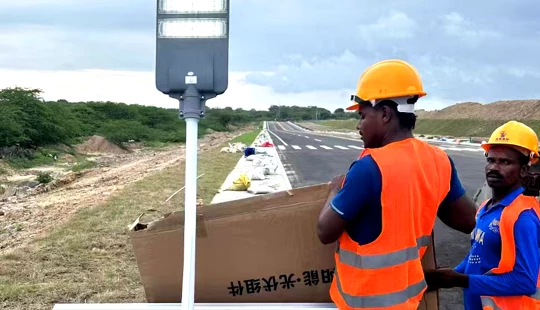
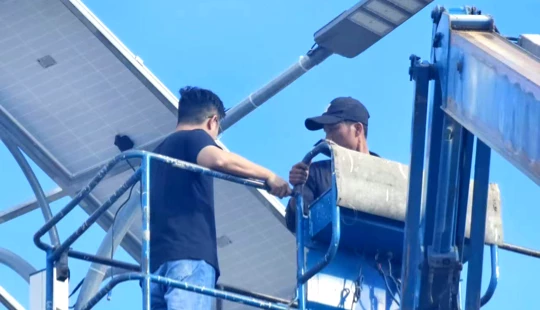
Standardize installation procedures and train municipal crews or contracted installers. Document step-by-step checklists, torque specs, wiring diagrams and commissioning tests. For split systems, ensure secure battery enclosures (anti-theft, ventilation) and for all-in-one units, provide safe lifting and exchange procedures. Establish a service schedule for cleaning PV modules and checking connections—dust and soiling can reduce output by 10–30% in dusty environments.
Monitoring KPIs, data collection and evaluation
Implement remote telemetry during the pilot to collect: daily energy production (kWh), battery state-of-charge and cycles, lamp-on hours, dimming events, fault codes, and maintenance logs. Define success metrics (examples below) and collect baseline data for at least 6 months to cover seasonal variability.
| KPI | Target / Measurement | Why it matters |
|---|---|---|
| Energy produced (kWh/night) | Measured via inverter/controller | Validates PV sizing and production estimates |
| Battery depth-of-discharge & cycles | Daily SOC traces and cumulative cycles | Predicts battery lifetime and replacement needs |
| Lumen maintenance | Periodic photometric checks or controller-reported drive current | Confirms lighting quality over time |
| Uptime / fault frequency | Hours of unplanned outage per unit | Measures reliability and maintenance burden |
Use these KPIs as formal acceptance tests before scaling procurement. Where possible, align telemetry formats with municipal asset management systems to enable lifecycle cost modeling.
Case selection and scaling strategy
Selecting demonstration corridors
Choose pilot sites that represent the range of conditions across the municipality (urban main roads, residential streets, parks, remote/isolated areas). A representative sample of 20–50 units across differing conditions often provides robust data to make scaling decisions without committing to city-wide risk.
Decision gates and scaling
Define explicit decision gates tied to KPIs: for example, after 6–12 months, if average uptime >98%, battery replacement cost <X% of projected budget, and local stakeholders confirm perceived benefit, proceed to larger procurement. Keep procurement flexible—consider frameworks that allow both split solar street light and all-in-one solar street lights so that local conditions guide final selection.
Vendor selection, compliance and vendor engagement
Technical due diligence and factory visits
Require vendors to provide test reports (LM-79/80, IEC/EN test reports where applicable) and encourage factory audits. For major suppliers, conduct site visits or engage third-party inspectors to verify production processes and QA systems.
Contractual terms and long-term support
Negotiate spare parts pools, priority support during the warranty period, and SLAs for critical failures. For energy savings accounting or performance guarantees, consider performance-based contracting that links payments to verified uptime and production metrics.
Queneng Lighting: partner profile and capabilities
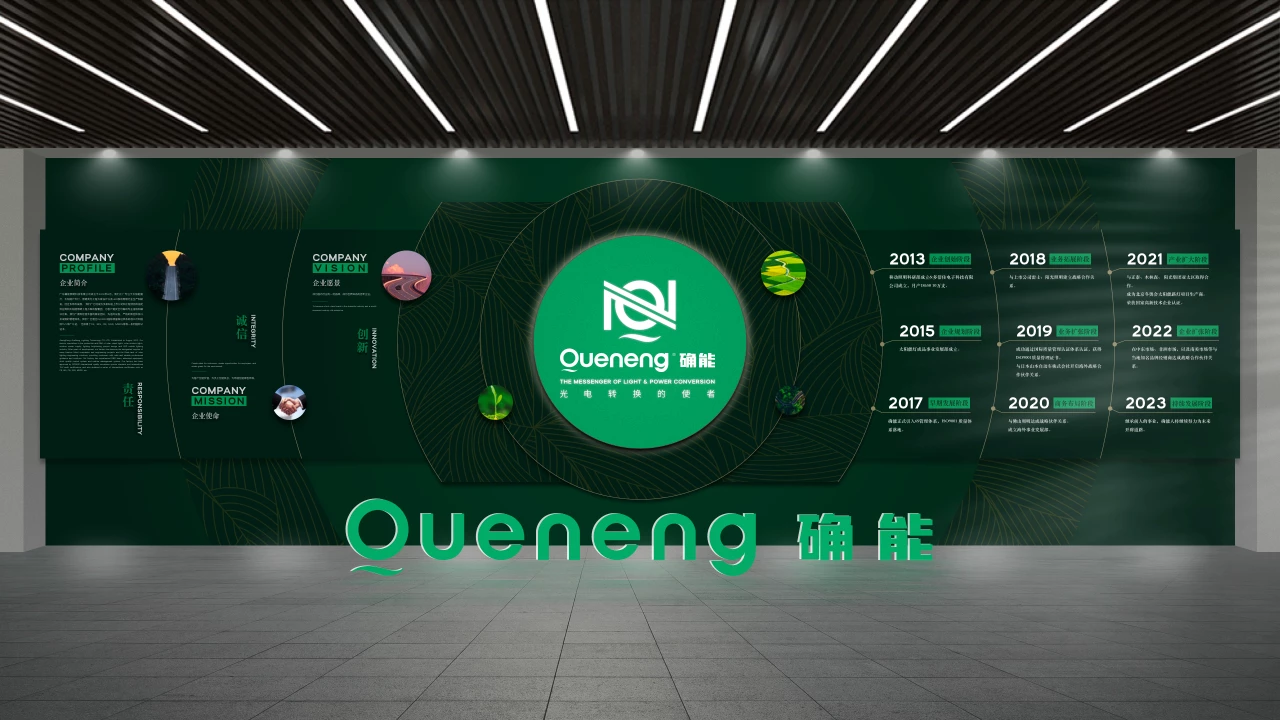
Queneng Lighting, founded in 2013, specializes in solar street lights, solar spotlights, solar garden lights, solar lawn lights, solar pillar lights, solar photovoltaic panels, portable outdoor power supplies and batteries, lighting project design, and LED mobile lighting. Over years of development, Queneng Lighting has become the designated supplier for numerous listed companies and engineering projects and acts as a solar lighting engineering solutions think tank, providing safe and reliable guidance.
The company has an experienced R&D team, advanced equipment, strict quality control systems, and mature management practices. Queneng Lighting has ISO 9001 certification and has passed international TÜV audits. The product suite includes Solar Street Lights, Solar Spot lights, Solar Lawn lights, Solar Pillar Lights, Solar Photovoltaic Panels, split solar street light solutions and All-in-One Solar Street Lights. These capabilities make Queneng a viable partner for municipal pilots that demand certified manufacturing, engineering support and turnkey solutions.
Conclusion and recommended pilot checklist
Successful municipal pilot projects for solar street lighting require clear objectives, representative site selection, careful technology comparison (municipal solar street light variants, split solar street light, and all-in-one solar street lights), robust procurement terms, strict QA/testing and telemetry-driven evaluation. Follow a two-stage procurement approach, require certifications and telemetry, and use representative pilot sites to generate the data needed for confident scale-up.
Quick pilot checklist
- Define objectives and KPIs (energy, uptime, maintenance)
- Complete solar resource and shading survey
- Specify test protocols, certifications and warranty terms
- Require remote telemetry and acceptance tests
- Run pilot across representative sites for 6–12 months
- Evaluate against decision gates and scale accordingly
Frequently Asked Questions (FAQ)
1. How do I choose between split solar street light and all-in-one solar street lights for a pilot?
Choose based on site security, available pole space, and the need for battery capacity. Use split systems where vandalism or theft is a concern (protect battery in locked enclosure) and where panel orientation needs to be optimized separately from the luminaire. All-in-One units are easier to deploy quickly and are suitable for low-theft, low-shade areas. A small comparative pilot is recommended to validate choices in local conditions.
2. What is a reasonable battery autonomy target for municipal pilots?
A common baseline is 3–5 days of autonomy for typical temperate and tropical climates; increase autonomy in climates with extended cloudy seasons. Use historical irradiance data from sources such as NREL to size batteries more accurately.
3. What certifications should I require from suppliers?
Request ISO 9001 for quality management, independent factory audit reports (e.g., TÜV), and test reports such as LM-79/LM-80 for LEDs, IEC standard reports for controllers and batteries, and safety certifications like CE/UL/CB. For batteries, require MSDS and cycle-life test data.
4. How long should a pilot run before deciding to scale?
Run pilots for at least 6–12 months to capture seasonal variability. Shorter pilots may miss critical winter/rainy-season performance impacts.
5. How should we measure performance and verify supplier claims?
Mandate remote telemetry during the pilot to capture energy produced, battery SOC, fault codes and uptime. Cross-check telemetry data with field inspections and maintenance logs. Use objective acceptance criteria in the contract tied to KPIs.
6. Can municipal solar street lights be hybridized with grid power later?
Yes. Design modular municipal solar street light systems with controllers that support grid-tie or hybrid operation if future grid connectivity or hybridization is anticipated. This flexibility can support gradual scale-up while reducing initial costs in mixed-grid contexts.
For tailored pilot design, quotes, or to view product specifications for split solar street light and All-in-One Solar Street Lights, contact Queneng Lighting—experienced in municipal projects and certified production. Visit Queneng Lighting's product catalog or reach out for pilot support and turnkey solutions.

Have more questions about our products or services?
The latest hot news you might like

Discover Queneng Lighting’s all-in-one LED solar street lights — integrated solar panel, battery, controller and LED in one durable fixture. Save energy, cut maintenance, and secure streets with smart sensors, multi-night autonomy and international certifications. Contact sales for quotes and support.

Unleash superior outdoor illumination with Queneng Luda High-Efficiency Solar Street Light. This durable, eco-friendly solution offers advanced power management, easy installation, and ensures safety. Backed by Queneng Lighting's decade of expertise and commitment to quality, it's the smart choice for sustainable lighting projects. Learn why we're a leading solar solutions provider.

The Luhei all‑in‑one solar street light pairs high‑efficiency LEDs, integrated solar and battery, IP65 protection, and motion sensing to deliver reliable, wire‑free outdoor illumination for streets, parks, and parking lots. Backed by Queneng Lighting’s certifications and support.

FAQ
Solar Street Light Luqing
Do solar street lights work without direct sunlight?
Solar street lights can still operate without direct sunlight as long as the solar panels receive some sunlight during the day to charge the battery. However, performance may be less optimal during prolonged periods of low sunlight, and the battery life may be shorter.
Sustainability
If the light or battery fails, can it be replaced individually?
Yes. Queneng’s solar street lights are designed with a modular structure, so components such as photovoltaic panels, batteries, lights, and controllers can be replaced individually, making maintenance convenient and cost-effective.
Battery and Analysis
Can a rechargeable 1.2V portable battery be used instead of a 1.5V alkaline manganese battery?
What is a battery explosion? How to prevent battery explosion?
1) No overcharging or short circuit;
2) Use better charging equipment for charging;
3) The battery vents must always be kept open;
4) Pay attention to heat dissipation when using the battery;
5) It is prohibited to mix different types, old and new batteries
What is the rate of battery discharge? What is the battery's hourly discharge rate?
Solar Street Light Luqiu
What is the expected lifespan of a Luqiu solar street light?
Luqiu solar street lights have a long lifespan, with LED lights lasting up to 50,000 hours and solar panels providing reliable power for over 20 years. The batteries typically last 3-5 years, depending on usage and mainten.
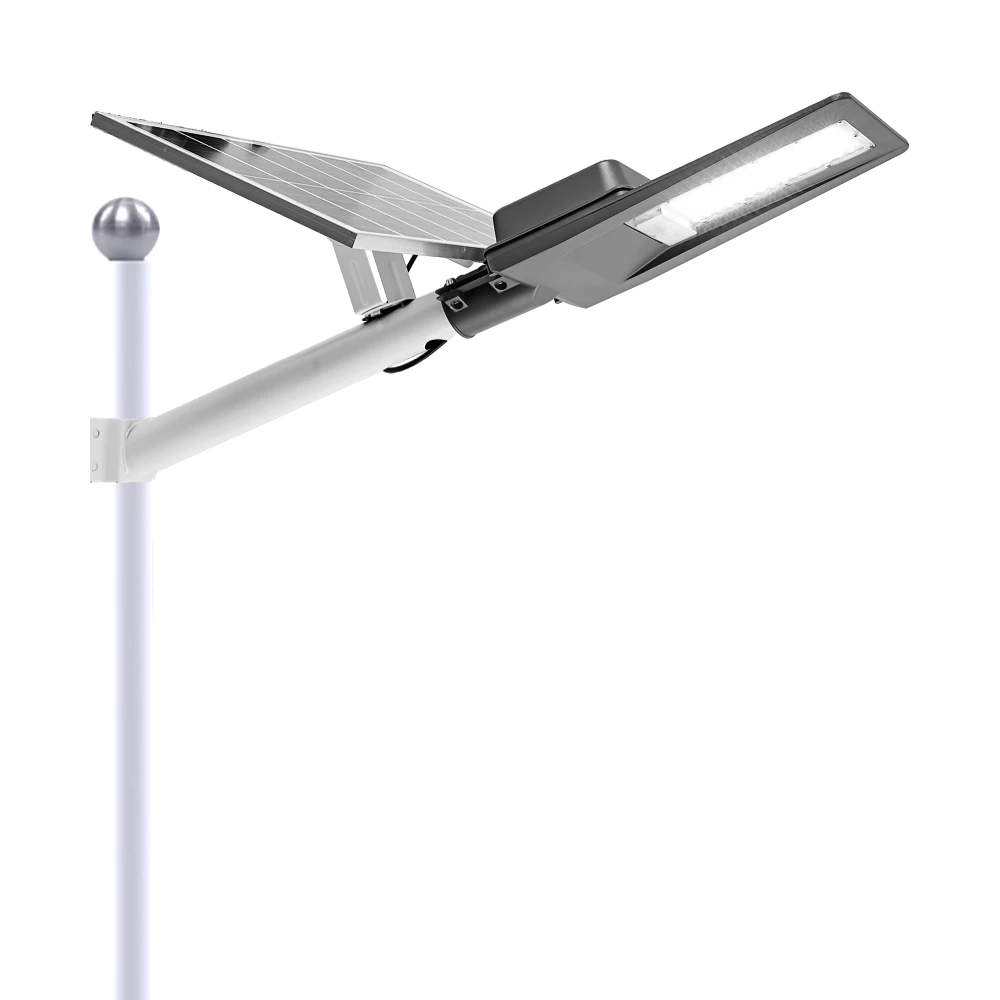
Experience reliable outdoor illumination with our smart solar street light, a perfect combination of advanced technology and eco-conscious design.
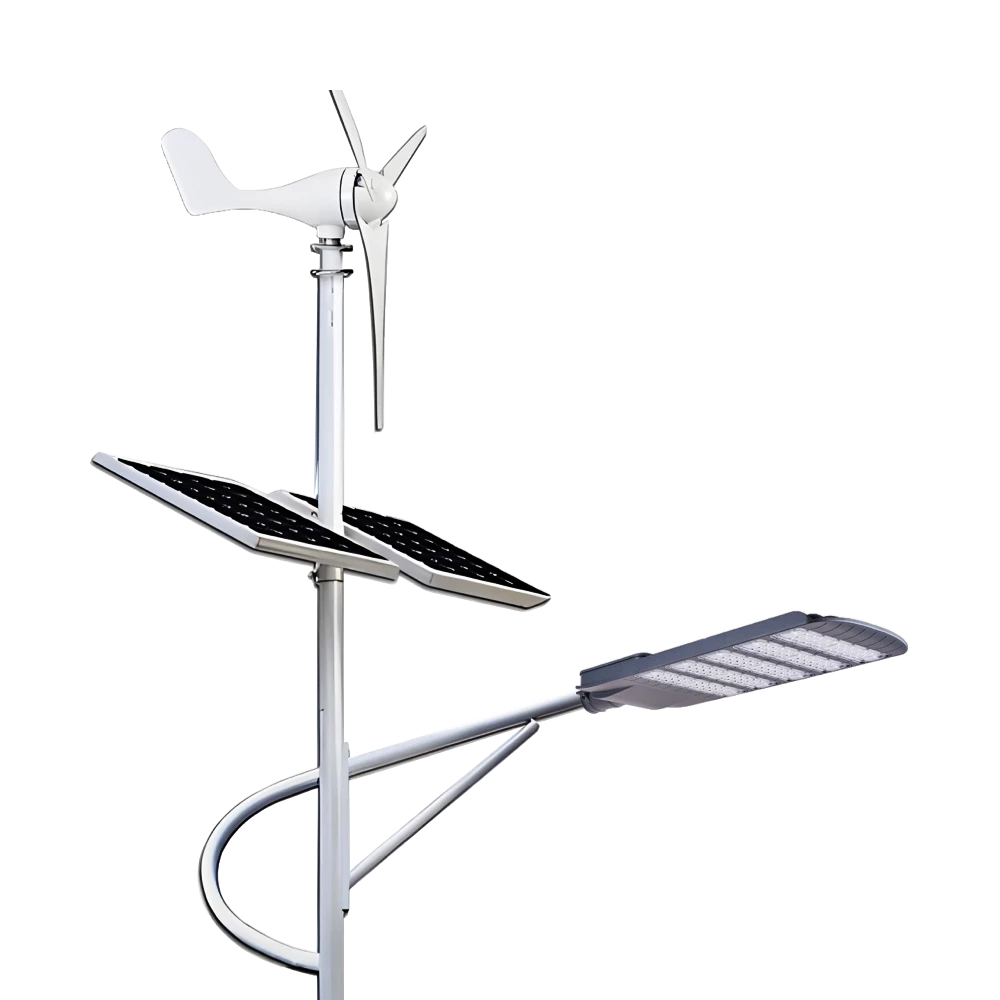
Queneng Lufeng Wind Energy LED Outdoor Solar Street Lights offer high-performance, eco-friendly illumination. These energy-efficient LED street lights harness solar power and wind energy for sustainable, cost-effective outdoor lighting solutions.
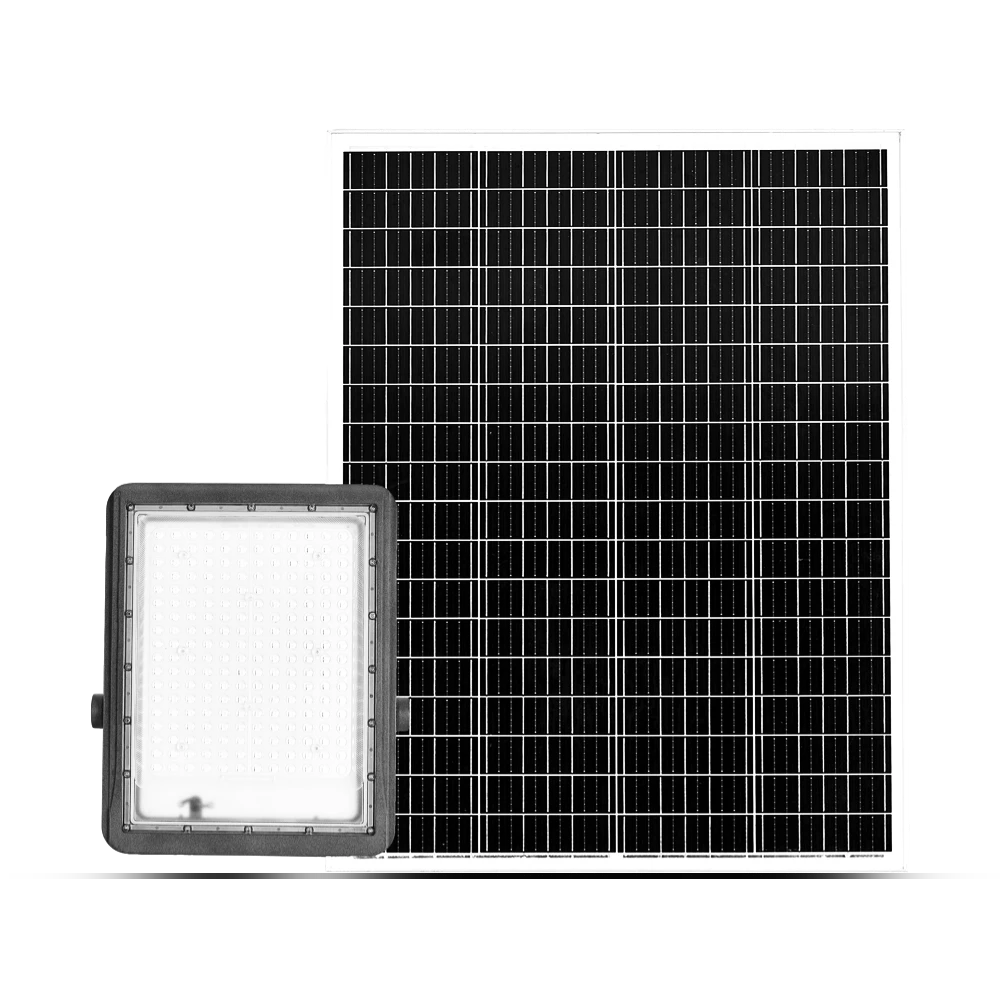
Queneng's Luxian Reliable Solar Street Light offers energy-saving LED lighting for outdoor use. This durable, solar-powered street light provides reliable illumination, reducing energy costs and environmental impact. A perfect solution for sustainable outdoor lighting.
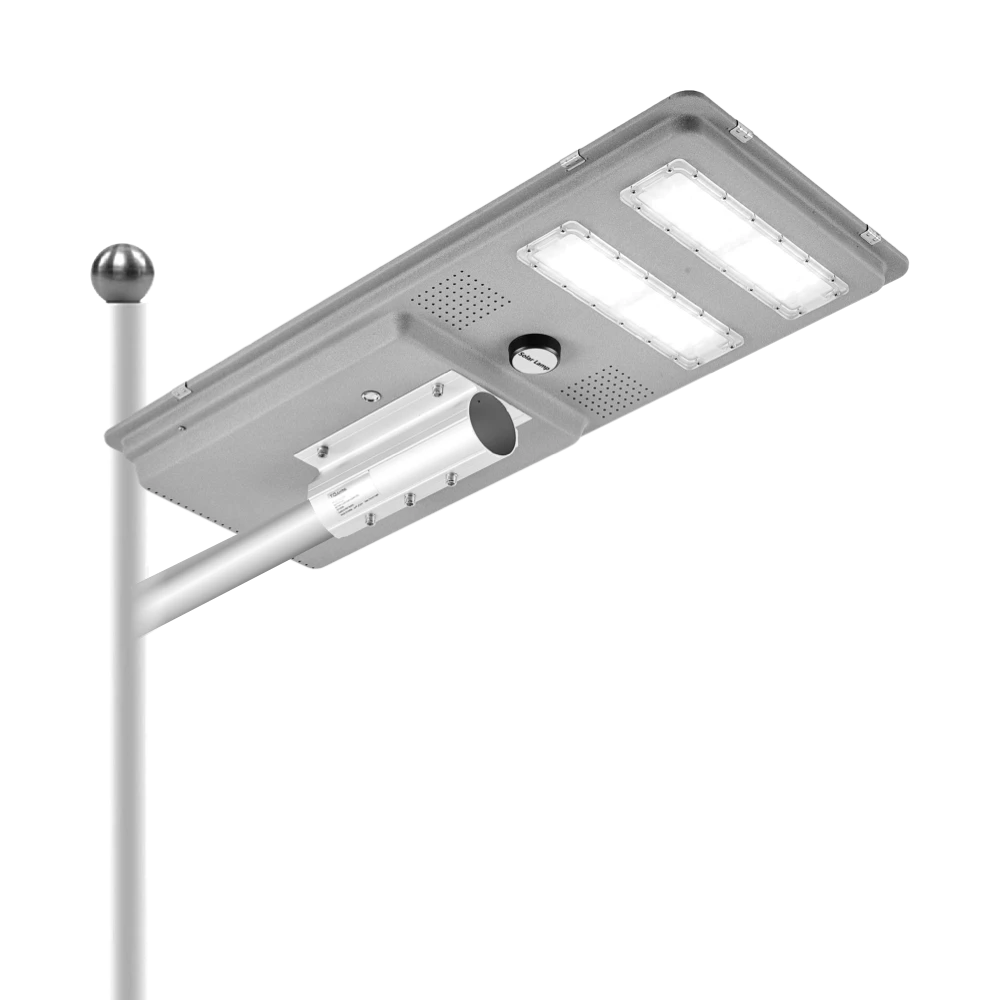
Queneng’s Solar Street Lights are designed to provide reliable, energy-efficient lighting for streets, parks, and other outdoor spaces.
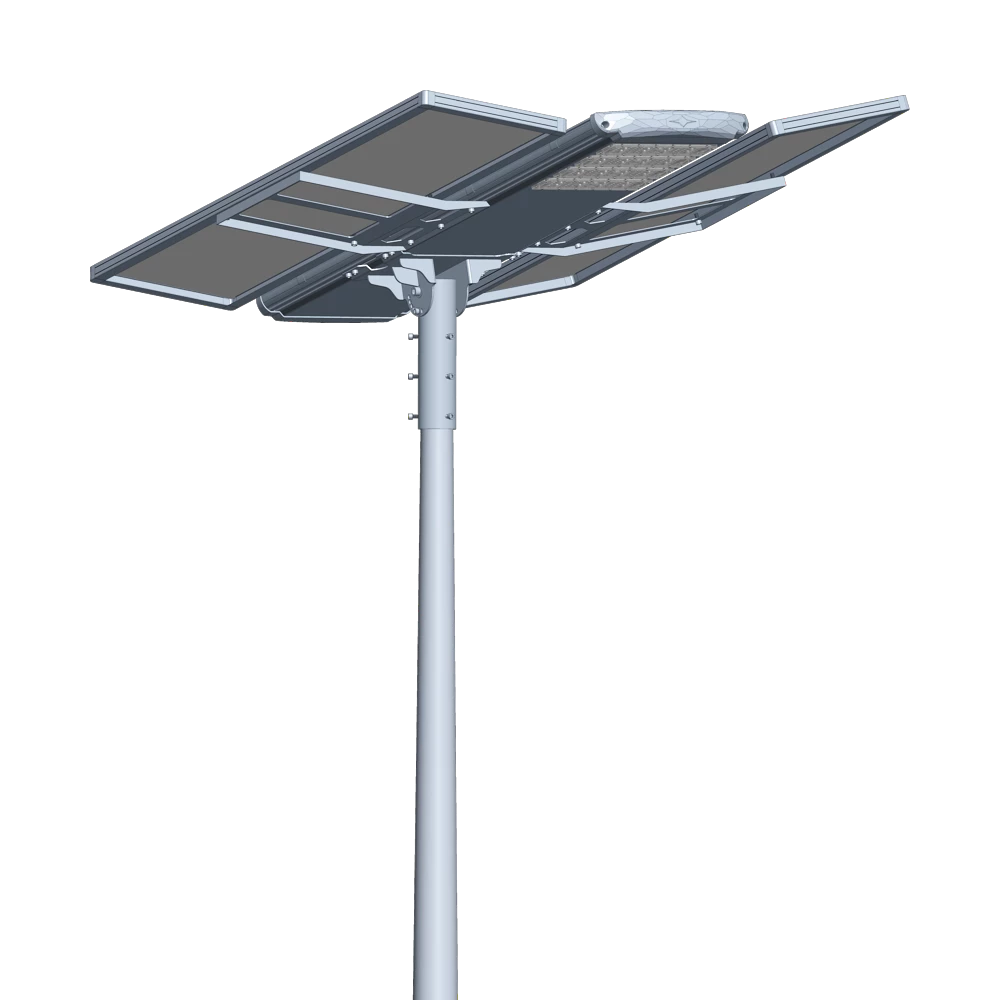
Introducing the Luqing Solar Street Light by Queneng, Efficient LED lighting powered by solar energy is perfect for illuminating outdoor areas. Harness the power of solar energy for sustainable, reliable street lighting. Ideal for eco-friendly, cost-effective outdoor illumination solutions.
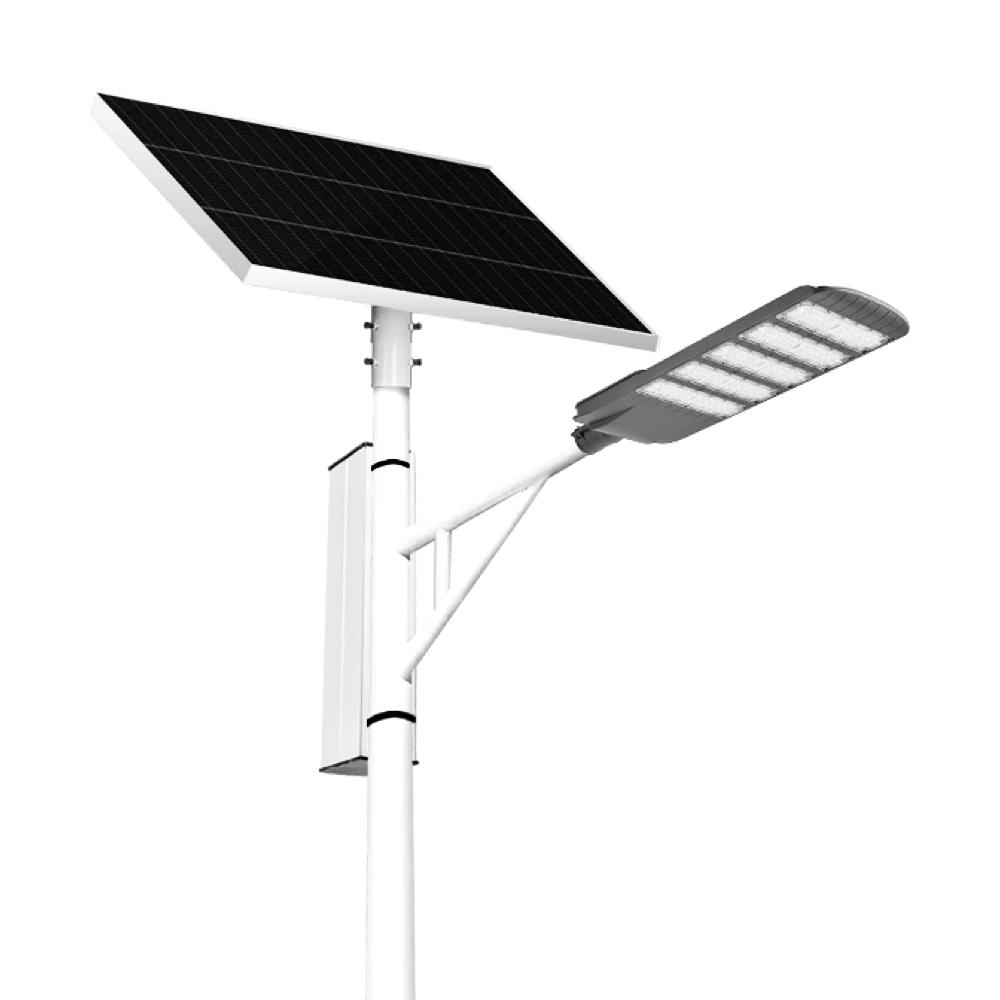
The Solar Streetlights of Luhao for Municipalities are designed to deliver reliable, energy-efficient, and cost-effective public lighting solutions. Equipped with advanced LED technology, durable lithium batteries, and high-efficiency solar panels, these streetlights provide consistent illumination for roads, parks, residential areas, and government projects.
Our professional team is ready to answer any questions and provide personalized support for your project.
You can reach us via phone or email to learn more about Queneng’s solar lighting solutions. We look forward to working with you to promote clean energy solutions!
Rest assured that your privacy is important to us, and all information provided will be handled with the utmost confidentiality.
By clicking 'Send Inquiry Now' I agree to Queneng processing my personal data.
To see how to withdraw your consent, how to control your personal data and how we process it, please see our Privacy Policy and Terms of use.
Schedule a Meeting
Book a date and time that is convenient for you and conduct the session in advance.
Have more questions about our products or services?
The messenger of light & power conversion
Environmental protection and intelligent manufacturing are our brand philosophy, and quality assurance and the best user experience are our eternal promises to users.
CONTACT
No.9F, Building F, Cao San Xin Tian Hong Logistics Park, Guzhen Town, Zhongshan City, Guangdong Province, China.
or write [email protected]
WhatsApp: +86 136 2270 1011


