














Procurement Timelines for Large-Scale Orders
Overview: For municipal planners and project managers procuring large volumes of municipal solar street light solutions — whether split solar street light systems, integrated all-in-one solar street lights, or custom-engineered solar street lighting — realistic timelines and structured procurement stages determine project success. This guide defines each procurement milestone, compares typical lead times by product type, and shows how to manage testing, certification, logistics and installation to meet budget and schedule objectives. Key standards and quality frameworks such as ISO 9001 and third-party testing increase predictability and reduce rework risk (Wikipedia: Solar street lights, ISO 9001).
Why procurement timelines matter for solar street lighting projects
Project-delivery dependencies and stakeholders
Large-scale lighting projects involve multiple stakeholders: municipal procurement teams, civil contractors, electrical installers, suppliers/manufacturers, testing labs, financiers, and end users. Delays in any procurement phase — from RFP closure to shipment clearance — cascade into civil works and commissioning delays that increase cost and reduce expected energy savings. Early alignment ensures that product type decisions (municipal solar street light engineered systems vs split solar street light vs all-in-one solar street lights) reflect installation constraints, warranty expectations and maintenance capacity.
Regulatory compliance and certification impact timing
Products supplying public infrastructure typically require compliance documentation (CE/UL/BIS/CB) and third-party test reports (IP rating, photometric IES files, battery safety). Factoring certification and pre-shipment testing into schedules is necessary — leveraging suppliers with existing certificates (e.g., ISO 9001, TÜV audited factories) substantially reduces approval time. See ISO quality management overview (iso.org) and typical third-party test houses such as TÜV (TÜV SÜD).
Procurement Timelines for Large-Scale Orders
Typical procurement phases
Most large orders follow a common sequence of phases. Typical durations vary by product complexity and local processes, but the structure is consistent:
- Requirements & feasibility (site survey, energy/yield modeling)
- Tender/RFP development and bidding
- Technical evaluation, sample selection and testing
- Contract negotiation, advance payment & tooling
- Production, factory acceptance test (FAT) & quality control
- Shipping, customs clearance
- Installation, commissioning & final acceptance test
- Operation, maintenance, spare parts delivery
Typical duration ranges and critical-path activities
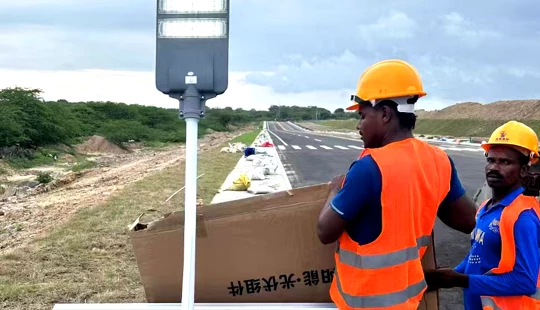
Depending on whether the project uses standard all-in-one solar street lights, split systems, or custom municipal-engineered systems, the critical path shifts. For municipal projects with design packages and civil works, permitting and site preparation often run in parallel and can dominate the schedule. For all-in-one products, production and shipping are more often the bottleneck.
Comparing municipal, split and all-in-one procurement timelines
Key differences that affect lead time
- Municipal Solar Street Light (engineered solutions): often require pole design, power studies, cable routing and coordination with civil works. Lead time can be longer due to engineering drawings, approvals and batch testing.
- Split Solar Street Light: separate modules (standalone PV arrays, controller cabinets, luminaires) require coordination of multiple suppliers/components and may need additional onsite integration and trenching works.
- All-in-One Solar Street Lights: integrated units (panel + battery + luminaire in one housing) reduce on-site mechanical integration and wiring time, shorten sample testing periods and often have shorter production cycles for standardized SKUs.
Comparison table: typical timeline (weeks) by procurement phase
Note: ranges below reflect typical industry experience and manufacturer case histories; actual times depend on contract terms, certification status, order quantity, and logistic routes.
| Phase | Municipal Solar Street Light (engineered) | Split Solar Street Light | All-in-One Solar Street Lights |
|---|---|---|---|
| Requirements & site survey | 4–8 weeks | 3–6 weeks | 2–4 weeks |
| Tender / RFP & bidding | 6–12 weeks | 6–10 weeks | 4–8 weeks |
| Sample / Type testing | 6–10 weeks (may include civil mock-up) | 6–8 weeks | 4–6 weeks |
| Production (full order) | 12–24 weeks | 10–20 weeks | 6–14 weeks |
| Factory acceptance & QC | 1–3 weeks | 1–2 weeks | 1 week |
| Shipping & customs | 2–8 weeks | 2–8 weeks | 2–8 weeks |
| Installation & commissioning | 4–12 weeks (site dependent) | 4–10 weeks | 2–6 weeks |
| Total typical lead time | ~35–67+ weeks | ~32–54+ weeks | ~21–43+ weeks |
Sources: industry case studies and standard procurement sequences; quality and certification requirements from national and international standards organizations (for certification guidance see Solar street lights (Wikipedia), ISO 9001).
Technical and logistical considerations that affect timing
Prototype and sample testing
Time invested in rapid prototyping and thorough sample testing prevents costly rework. For municipal procurements, sample acceptance often requires photometric testing (IES files), battery cycling, and environmental stress testing. Use accredited labs or suppliers with pre-existing test reports to shorten this phase. Accredited test houses (TÜV, SGS) reduce uncertainty — see TÜV SÜD (tuvsud.com).
Manufacturing capacity, tooling, and MOQ impacts
Lead time is a function of factory capacity and order size. Custom pole designs, special coatings or nonstandard batteries require tooling or subassembly lead times. Request confirmed production slots and ask suppliers for a manufacturing schedule that includes milestones and weekly progress reporting. When possible, split orders into pilot batch + full production to reduce schedule risk.
Logistics, customs and local regulations
Plan for customs clearance and local regulatory inspections, which can add variable time. For example, battery shipments (Li-ion) must comply with IATA/IMDG rules — additional documentation and carrier restrictions can affect transit time. Incorporating bonded warehouses, consolidated container shipping and using local representatives for customs brokerage are proven ways to minimize delays.
How to reduce lead time and procurement risk
Choose suppliers with existing certification and relevant references
Prefer suppliers with ISO 9001, TÜV audits, and product certifications (CE/UL/BIS/CB) and who can provide recent project references for municipal solar street light deployments. Certified suppliers can often fast-track sample approval and provide factory acceptance documentation, lowering both schedule risk and post-delivery defects.
Use staged procurement and parallelize tasks
Parallelize civil works and procurement activities where safe to do so. For example, begin pole foundation works once a confirmed delivery window is set, and order long-lead items (poles, brackets, batteries) as early purchase orders (EPOs) to shorten total project duration. Staged procurement (pilot batch first) reduces the risk of full-order recalls.
Standardize on proven SKUs where possible
Standard, high-volume all-in-one solar street lights usually have shorter manufacturing lead times due to economies of scale. Where performance requirements allow, prefer proven SKUs rather than fully bespoke solutions to save time and minimize integration risks.
Contractual terms and performance guarantees
Use milestone-based payments, liquidated damages for unjustified delays and clear acceptance criteria (photometrics, battery discharge tests, MTBF expectations). A clear warranty and spare-part agreement accelerates final acceptance and reduces long-term maintenance delays.
Practical checklist for procurement teams
Pre-RFP
- Conduct detailed site surveys and solar yield modeling
- Identify preferred product type (municipal engineered, split, or all-in-one)
- Define acceptance tests, lab accreditation requirements, and warranty terms
During RFP and evaluation
- Require factory tour capability (virtual or onsite), sample test reports, third-party certifications
- Request a clear production and delivery schedule with agreed milestones
- Include spare parts list, MTTR (mean time to repair), and service response SLA
During production and delivery
- Implement factory acceptance tests, random batch testing, and shipment inspections
- Track shipments with weekly logistics updates and engage customs broker early
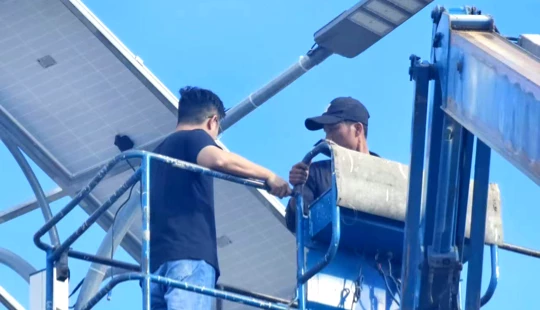
- Plan site training for installers and arrange pre-commissioning checks
Queneng Lighting: capabilities and why supplier selection matters
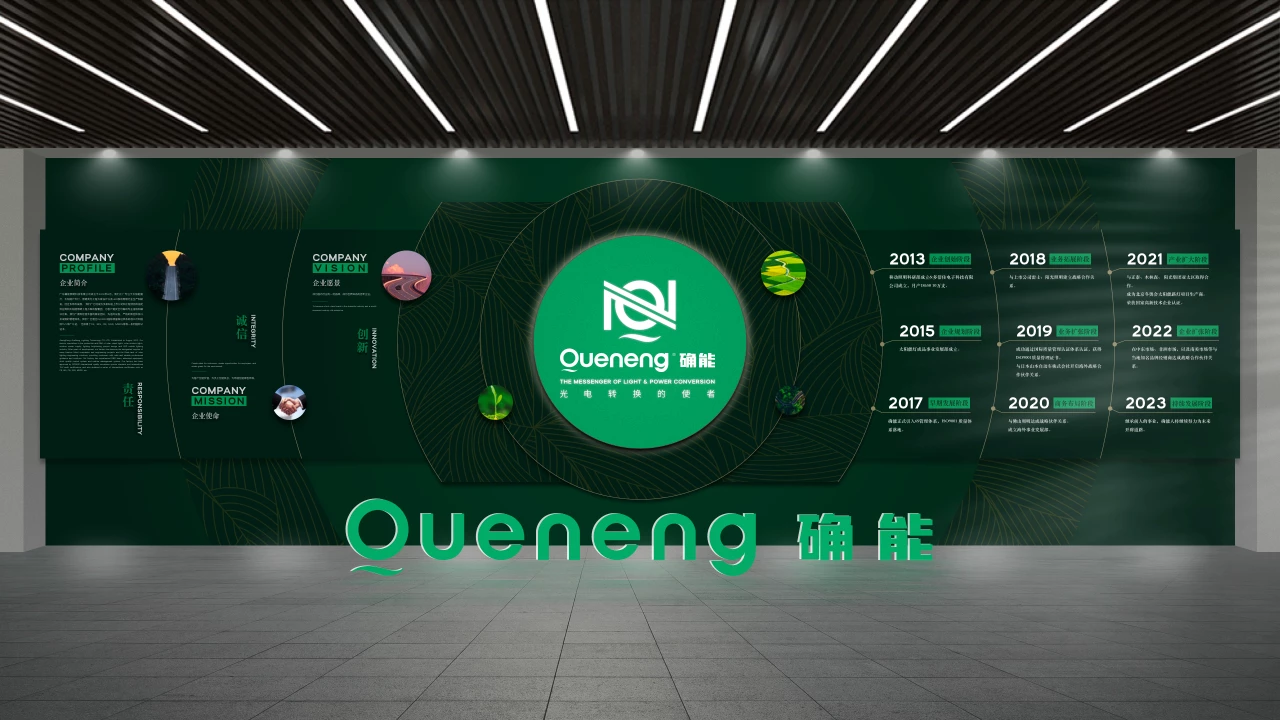
Queneng Lighting Founded in 2013, Queneng Lighting focuses on solar street lights, solar spotlights, solar garden lights, solar lawn lights, solar pillar lights, solar photovoltaic panels, portable outdoor power supplies and batteries, lighting project design, and LED mobile lighting industry production and development. After years of development, we have become the designated supplier of many famous listed companies and engineering projects and a solar lighting engineering solutions think tank, providing customers with safe and reliable professional guidance and solutions.
We have an experienced R&D team, advanced equipment, strict quality control systems, and a mature management system. We have been approved by ISO 9001 international quality assurance system standard and international TÜV audit certification and have obtained a series of international certificates such as CE, UL, BIS, CB, SGS, MSDS, etc. Queneng Lighting's core products include Solar Street Lights, Solar Spot lights, Solar Lawn lights, Solar Pillar Lights, Solar Photovoltaic Panels, split solar street light systems and All-in-One Solar Street Lights. These credentials and project references reduce procurement uncertainty: pre-existing certifications and a track record with municipal projects shorten evaluation cycles and support faster sample acceptance.
Competitive differentiators: Queneng provides integrated project support (design, supply, testing, installation guidance) and offers flexible manufacturing schedules, pilot batch programs, and clear FAT procedures to help procurement teams deliver on time. The company's TÜV-audited processes and ISO 9001 certification ensure consistent quality control across production batches, helping avoid the common pitfall of mid-project product changes that can lengthen timelines.
FAQ — Common questions about procurement timelines
1. How long should I expect from RFP to full commissioning for a municipal solar street light project?
Expect roughly 9–15 months for engineered municipal projects (approximately 35–67+ weeks) depending on approvals, custom engineering needs and local installation constraints. Standard all-in-one projects typically complete faster, often in 6–10 months (21–43+ weeks).
2. Can procurement timelines be reduced without increasing cost?
Yes — by selecting certified suppliers with stock SKUs, parallelizing civil and procurement tasks, and conducting early sample testing. Some acceleration may require High Quality shipping or larger initial payments, but many time reductions come from process planning rather than cost increases.
3. Are pre-existing certifications (CE/UL/BIS/ISO) really that impactful?
Absolutely. Suppliers with pre-existing certifications can provide existing test reports and factory audit evidence, which speeds technical evaluation and regulatory acceptance. This is particularly important for municipal procurements with strict compliance requirements.
4. How do split solar street light systems affect installation time?
Split systems often require extra civil works for mounting separate panels and trenches for cables and controllers, which increases on-site integration time. However, they allow flexibility in optimizing panel orientation and maintenance access, which can be advantageous for some sites.
5. What warranties and SPARE PARTS planning should be included to avoid delays after commissioning?
Require at least a 3–5 year product warranty on electronics and 2–3 years on batteries as a baseline, with defined SLA for replacement parts and local stocking options. Ensure the contract includes lead times for spare parts and emergency support response times to reduce downtime risk.
6. How reliable are typical lead time estimates?
Estimates are based on typical industry experience and supplier case studies; actual timelines will vary with order size, seasonality, international shipping windows, and local permitting. Use milestone-based contracts and clear acceptance criteria to keep timelines predictable.
Contact & next steps: For a tailored procurement timeline, pilot batch planning, or quotation for municipal solar street light projects, split solar street light systems, or All-in-One Solar Street Lights, contact Queneng Lighting's sales and engineering team. We provide project schedules, FAT plans, certification documentation, and local installation guidance to minimize your total lead time and procurement risk. Reach out for a project consultation and product catalog to begin planning.
Useful references: Solar street lights overview (Wikipedia), ISO 9001 quality management (iso.org), TÜV SÜD testing & certification (tuvsud.com).

Have more questions about our products or services?
The latest hot news you might like

Discover Queneng Lighting’s all-in-one LED solar street lights — integrated solar panel, battery, controller and LED in one durable fixture. Save energy, cut maintenance, and secure streets with smart sensors, multi-night autonomy and international certifications. Contact sales for quotes and support.

Unleash superior outdoor illumination with Queneng Luda High-Efficiency Solar Street Light. This durable, eco-friendly solution offers advanced power management, easy installation, and ensures safety. Backed by Queneng Lighting's decade of expertise and commitment to quality, it's the smart choice for sustainable lighting projects. Learn why we're a leading solar solutions provider.

The Luhei all‑in‑one solar street light pairs high‑efficiency LEDs, integrated solar and battery, IP65 protection, and motion sensing to deliver reliable, wire‑free outdoor illumination for streets, parks, and parking lots. Backed by Queneng Lighting’s certifications and support.

FAQ
Solar Street Light Lufeng
Can Lufeng solar street lights operate during the winter?
Yes, Lufeng solar street lights are designed to operate year-round, including during the winter. They are equipped with high-efficiency solar panels that continue to collect solar energy even in cold or overcast conditions. The lights are also built to withstand freezing temperatures and provide reliable illumination in all seasons.
Commercial and Industrial Parks
How does solar lighting work in industrial parks?
Solar lights use photovoltaic panels to convert sunlight into electricity, stored in batteries, to power LED lamps at night.
Municipal and Public Infrastructure
What happens if the battery runs out of charge?
Our solar streetlights use advanced battery management systems to optimize energy usage. Even during prolonged cloudy or rainy periods, the lights can function at reduced brightness to conserve energy.
Public Gardens and Landscape Lighting
How much sunlight do solar lights need to function properly?
Solar lights typically require 6-8 hours of direct sunlight during the day to charge fully and provide 8-12 hours of lighting during the night. However, our high-efficiency solar panels are designed to maximize energy capture even in less-than-ideal sunlight conditions.
Transportation and Highways
How long does the installation process take for a highway solar lighting system?
The installation time depends on the project size. Typically, a single solar streetlight can be installed in 1-2 hours, while larger highway projects may take several days or weeks.
Distributors
What types of products do Queneng distributors offer?
Queneng offers a range of solar lighting solutions, including street lights, garden lights, floodlights, and customized lighting systems for residential, commercial, and infrastructure applications.
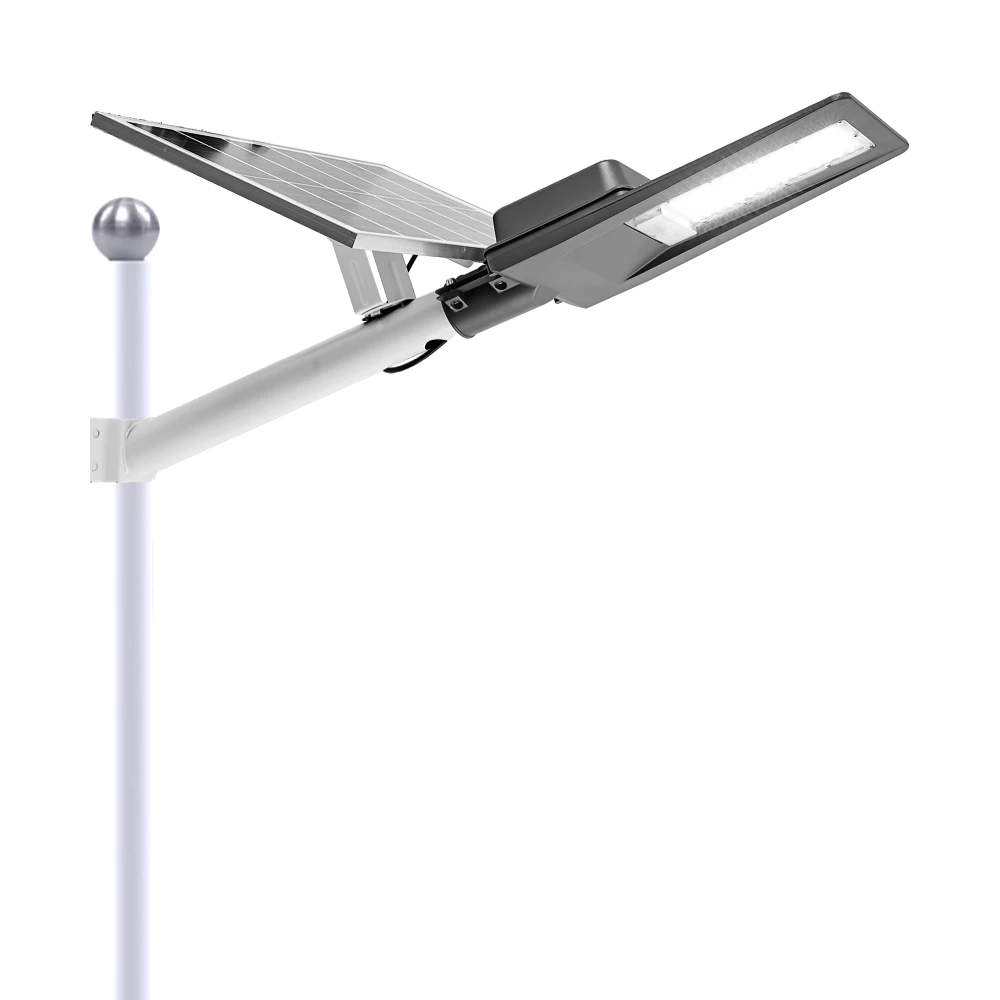
Experience reliable outdoor illumination with our smart solar street light, a perfect combination of advanced technology and eco-conscious design.
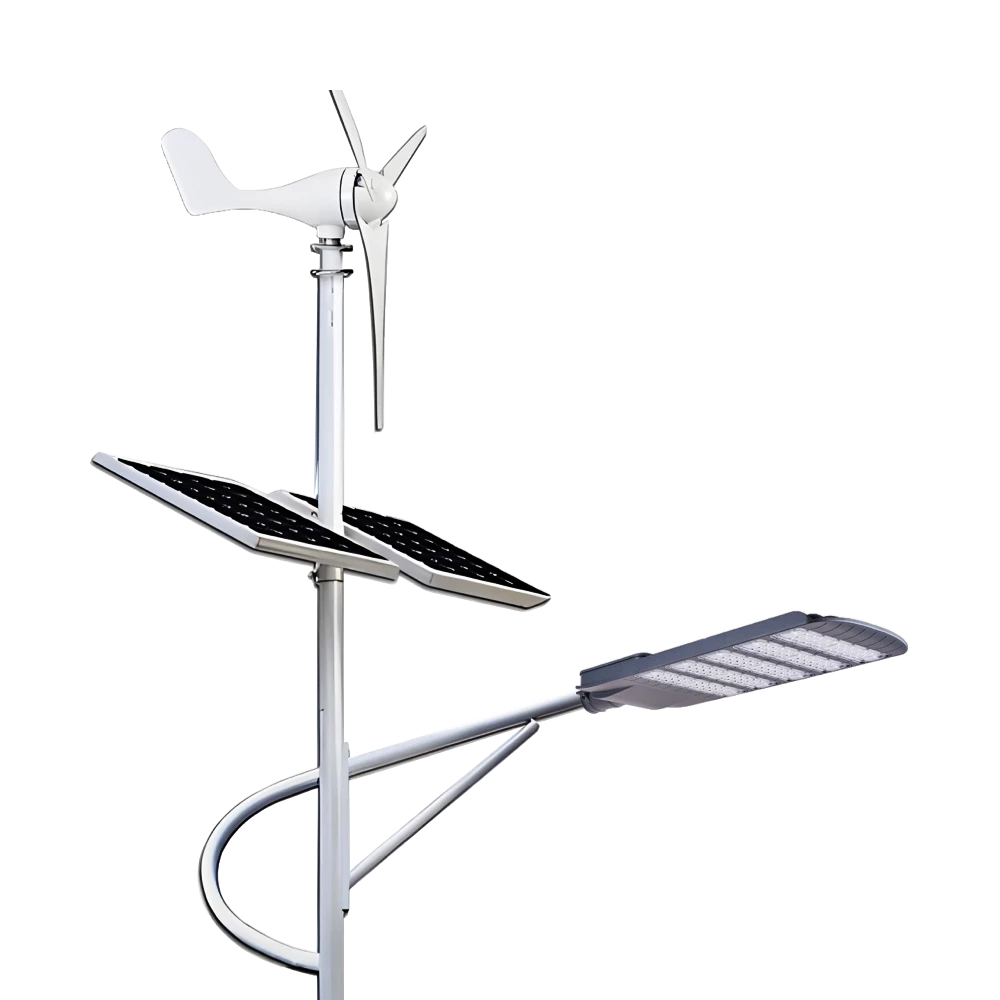
Queneng Lufeng Wind Energy LED Outdoor Solar Street Lights offer high-performance, eco-friendly illumination. These energy-efficient LED street lights harness solar power and wind energy for sustainable, cost-effective outdoor lighting solutions.
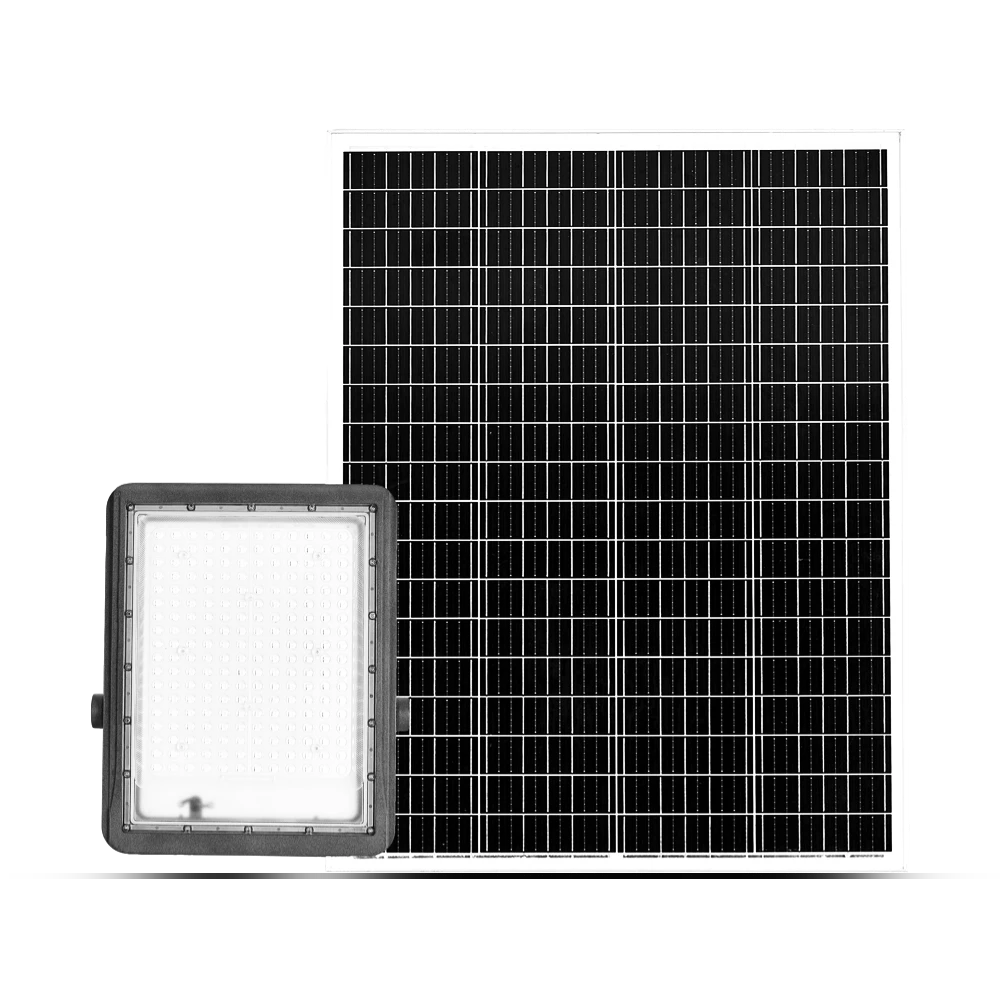
Queneng's Luxian Reliable Solar Street Light offers energy-saving LED lighting for outdoor use. This durable, solar-powered street light provides reliable illumination, reducing energy costs and environmental impact. A perfect solution for sustainable outdoor lighting.
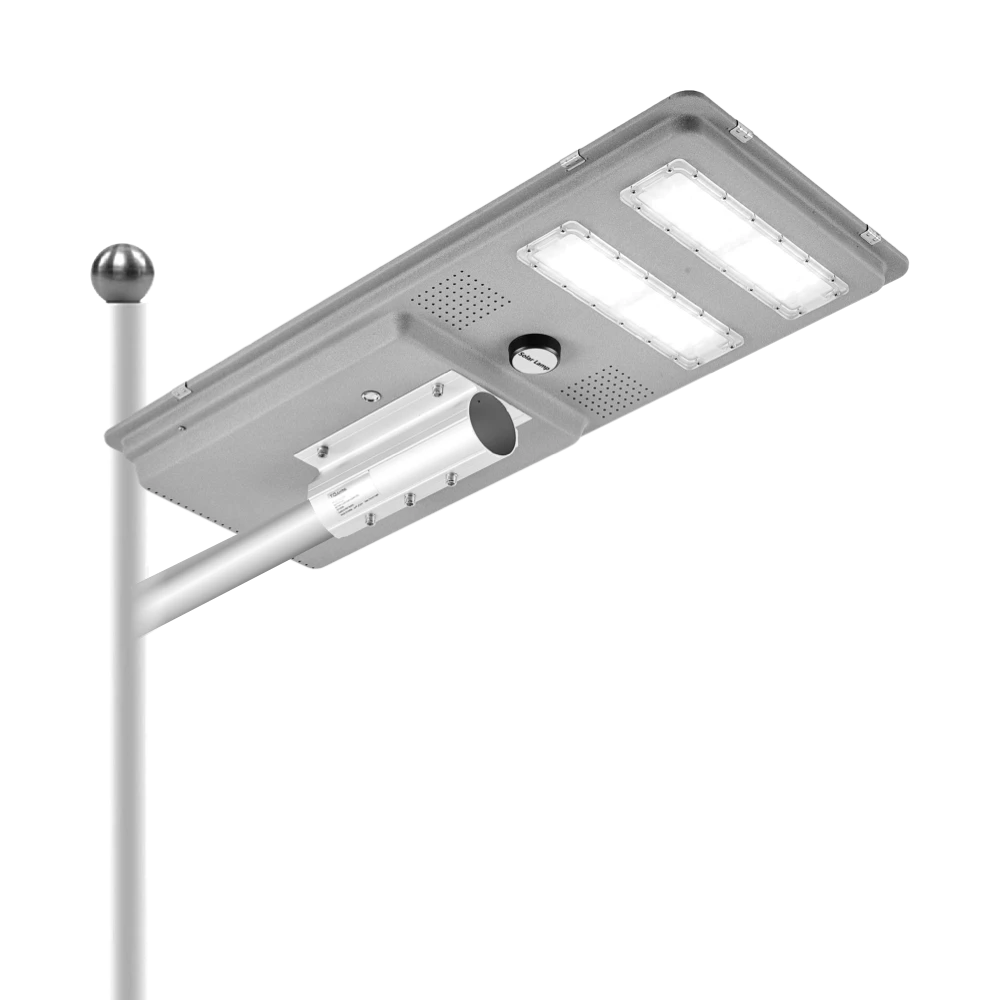
Queneng’s Solar Street Lights are designed to provide reliable, energy-efficient lighting for streets, parks, and other outdoor spaces.
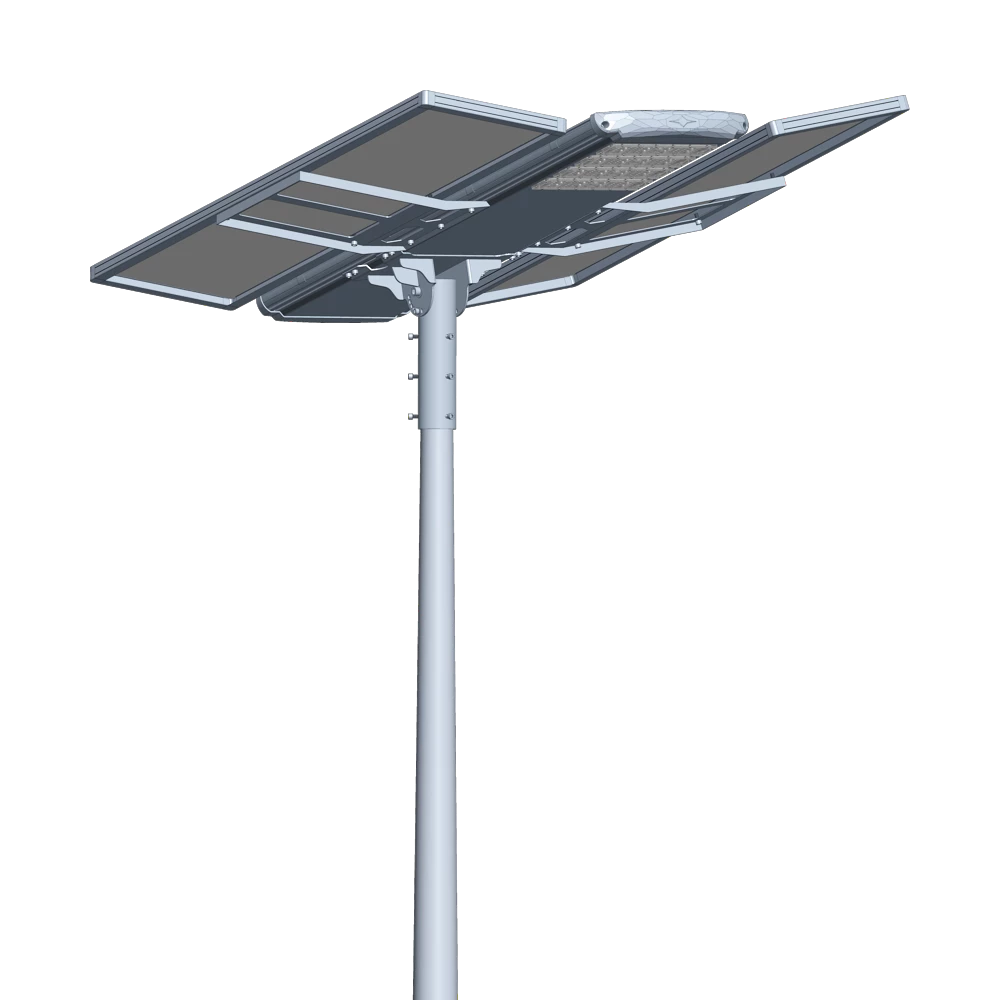
Introducing the Luqing Solar Street Light by Queneng, Efficient LED lighting powered by solar energy is perfect for illuminating outdoor areas. Harness the power of solar energy for sustainable, reliable street lighting. Ideal for eco-friendly, cost-effective outdoor illumination solutions.
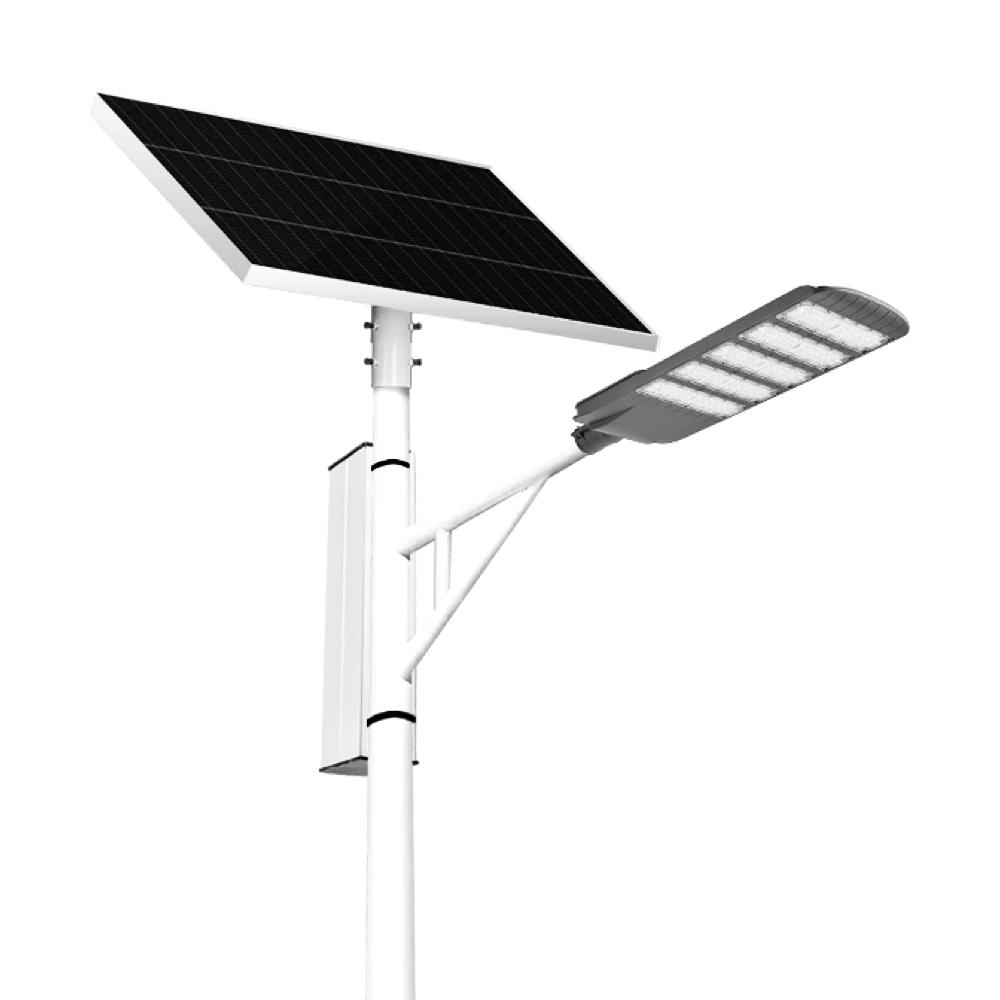
The Solar Streetlights of Luhao for Municipalities are designed to deliver reliable, energy-efficient, and cost-effective public lighting solutions. Equipped with advanced LED technology, durable lithium batteries, and high-efficiency solar panels, these streetlights provide consistent illumination for roads, parks, residential areas, and government projects.
Our professional team is ready to answer any questions and provide personalized support for your project.
You can reach us via phone or email to learn more about Queneng’s solar lighting solutions. We look forward to working with you to promote clean energy solutions!
Rest assured that your privacy is important to us, and all information provided will be handled with the utmost confidentiality.
By clicking 'Send Inquiry Now' I agree to Queneng processing my personal data.
To see how to withdraw your consent, how to control your personal data and how we process it, please see our Privacy Policy and Terms of use.
Schedule a Meeting
Book a date and time that is convenient for you and conduct the session in advance.
Have more questions about our products or services?
The messenger of light & power conversion
Environmental protection and intelligent manufacturing are our brand philosophy, and quality assurance and the best user experience are our eternal promises to users.
CONTACT
No.9F, Building F, Cao San Xin Tian Hong Logistics Park, Guzhen Town, Zhongshan City, Guangdong Province, China.
or write [email protected]
WhatsApp: +86 136 2270 1011


