














Rapid Charging and Deep Discharge Protection Tips
Quick overview: Rapid charging and deep discharge are two key stressors for batteries used in municipal solar street light, split solar street light, and all-in-one solar street lights. This article provides practical guidance — from appropriate C-rates and state-of-charge (SoC) management to battery management system (BMS) settings, thermal control, and field diagnostics — so system designers, procurement managers, and maintenance crews can reduce premature battery failure and optimize lifecycle cost and reliability.
Understanding battery stress and lifecycle in solar street lighting
Why batteries fail: rapid charge and deep discharge mechanisms
Batteries in solar street lighting endure daily charge–discharge cycles often with variable insolation and load. Rapid charging can raise cell temperature and promote lithium plating in Li-ion chemistries, reducing capacity and increasing internal resistance. Deep discharge (high depth-of-discharge, DoD) accelerates capacity fade by increasing electrode structural stress and side reactions. For municipal solar street light projects where uptime and predictable lifecycle are critical, understanding these mechanisms is the first step to mitigation. Authoritative resources on battery management fundamentals are available (see Battery Management System overview: Wikipedia) and practical longevity tips (e.g., Battery University).
Key metrics to monitor: C-rate, DoD, SoC, and temperature
Design and operation should monitor and control several interrelated metrics:
- C-rate: the charge/discharge current relative to battery capacity (e.g., 0.5C = 0.5 × capacity).
- DoD: percentage of battery capacity extracted each cycle (higher DoD = fewer cycles).
- SoC: current remaining energy as percentage of full charge.
- Temperature: elevated temperatures accelerate degradation; low temperatures affect charge acceptance.
For more on PV system behavior and design context consult the U.S. National Renewable Energy Laboratory (NREL): NREL.
Rapid charging: when it’s needed and how to do it safely
When rapid charging is acceptable in street lighting
Rapid charging is sometimes necessary: for example, after extended cloudy periods or when a battery has been heavily discharged due to emergency extended lighting. However, frequent reliance on rapid charging should be avoided. Acceptable use cases include emergency replenishment, commissioning tests, or systems that specify batteries and BMS rated for higher charge rates.
Best practices for implementing rapid-charge profiles
Follow these practical steps to reduce harm when you must rapid charge:
- Use a battery chemistry and cell construction rated for higher C-rate charging (e.g., some LiFePO4 cells tolerate higher charge currents better than generic Li-ion). Manufacturer datasheets and independent test reports should be the basis for specifying maximum charge rates.
- Implement multi-stage charging profiles with current tapering: bulk → absorption → float. Tapering reduces lithium plating risk by lowering current as SoC increases.
- Limit rapid charging to a defined SoC window (for example, use rapid charge up to ~80% SoC, then reduce to lower current for the remaining 20%).
- Monitor cell temperature and reduce charge current automatically if temperature thresholds are exceeded. This requires temperature sensors in the battery pack and control logic in the BMS or charge controller.
- Use charge controllers with Maximum Power Point Tracking (MPPT) to optimize solar harvest without over-stressing batteries.
Example charge-rate guidance and lifecycle trade-offs
Below is a simplified comparison of charging strategies and expected impact. Data are illustrative and should be confirmed with specific battery manufacturer specifications and test reports.
| Charge Approach | Typical C-rate | Pros | Cons / Lifecycle Impact |
|---|---|---|---|
| Standard charge | 0.1C–0.5C | Gentle on cells; long cycle life | Slower recovery after cloudy days |
| Moderate rapid | 0.5C–1.0C | Balances speed and durability | Some accelerated aging if frequent |
| Fast charge | >1.0C | Quick replenishment | Increased risk of temperature rise and plating — requires cells/BMS designed for it |
Sources: battery performance guidance and degradation relationships are summarized by industry resources such as Battery University and manufacturer datasheets. Always verify with the battery vendor and independent test reports for your cell type.
Deep discharge protection: strategies to prevent and mitigate DoD damage
Setting DoD limits and practical targets for street lighting
Depth-of-discharge is a major determinant of battery cycle life. Typical recommended practice:
- For long life, aim for DoD ≤ 50% for daily cycling. Many Li-ion chemistries can tolerate deeper DoD but at the cost of cycle life.
- If higher usable capacity is required (e.g., extended autonomy for municipal solar street light installations), use battery chemistries specified for deeper cycling (e.g., certain LiFePO4 cells) and factor shortened life into lifecycle cost analysis.
- Establish a minimum SoC threshold (for instance, 20% SoC) to prevent deep discharge that triggers irreversible damage.
System design features to reduce deep discharge events
Design and operational measures include:
- Intelligent load shedding: dimming or reducing operating hours under low energy conditions to preserve SoC for critical operation.
- Energy budgeting and adaptive lighting control: using motion sensors, dimming schedules, or remote control to lower consumption on low-insolation days.
- Redundancy: adding modest extra battery capacity or hybridization (e.g., small auxiliary power sources) for critical municipal lighting circuits.
- Predictive maintenance and monitoring: cloud-connected telemetry that alerts when SoC trajectories indicate potential deep-discharge events.
Practical diagnostic checks for field teams
Routine checks can detect imminent deep-discharge damage:
- Check historical SoC and DoD trends through the BMS/telemetry system weekly during seasonal transitions.
- Inspect battery voltage under load and at rest; significant voltage sag under light load indicates increased internal resistance.
- Temperature profiling during charge and discharge cycles; abnormal heating points to cell imbalance or failing cells.
- Perform capacity tests (e.g., controlled discharge test) annually or after any significant prolonged cloud period to detect capacity loss early.
Integration and operations: BMS, thermal management, and monitoring
Battery Management System (BMS) configuration and requirements
A BMS is essential in protecting against overcharge, over-discharge, imbalance, and temperature extremes. For municipal solar street light and split solar street light projects, require BMS features including:
- Cell-level monitoring and balancing to prevent weak cells from causing pack-level failures.
- Programmable charge/discharge current limits, temperature cutoffs, and SoC thresholds.
- Event logging and remote communication (e.g., GSM, LoRaWAN) for fleet management.
For background on functionality and standards consult: Battery Management System (BMS).
Thermal design: passive and active measures
Temperature exacerbates both rapid-charge and deep-discharge risks. Effective thermal strategies include:
- Physical insulation to reduce diurnal swings in cold climates and heat shields in hot climates.
- Passive ventilation and heat sinks for cell packs to increase convective cooling.
- Active thermal control (heaters for extreme cold, fans or phase-change materials for heat spikes) where cycle life or performance requires it.
- Location considerations: for split solar street light systems where batteries may be mounted at pole base or remote cabinets, choose placement that avoids direct midday solar heat on enclosures.
Monitoring, analytics, and lifecycle planning
Telematics and analytics change maintenance from reactive to predictive: continuous SoC/voltage/temperature streams allow automated alarms for deep-discharge risk, trending for capacity fade, and optimization of maintenance cycles. For municipal projects, fleet-level dashboards reduce mean-time-to-repair and help justify battery replacement schedules via data-backed ROI models. Industry institutions like NREL provide resources on PV+storage monitoring best practices.
Choosing components and procurement tips for robust systems
Selecting battery chemistry and rated components
Match chemistry to application requirements:
- LiFePO4: widely used for outdoor solar lighting due to thermal stability and long cycle life; typically better tolerance to deeper cycling than NMC for some designs.
- NMC / NCA: higher energy density but may require tighter thermal management and conservative charge rates to avoid accelerated aging.
- Sealed lead-acid (SLA): lower cost but heavier and much shorter cycle life at deep DoD; use only where cost constraints and low cycle expectations dictate.
Comparing split solar street light vs. all-in-one designs for battery protection
System architecture affects rapid charge and deep discharge behavior:
| Architecture | Battery location | Thermal control | Maintenance & replacement |
|---|---|---|---|
| All-in-one solar street lights | Integrated (head unit) | Tighter thermal swings; limited space for active cooling | Easier installation; harder access for battery replacement but simpler standardized units |
| Split solar street light | Battery in cabinet at pole/base | Better thermal control options; easier insulation/heating | More serviceable; allows larger/safer battery packs and BMS enclosures |
For municipal solar street light deployments with emphasis on maintainability and lifecycle, split solar street light designs often allow superior thermal management and easier BMS servicing, whereas all-in-one solar street lights provide streamlined installation and lower up-front costs but constrain thermal solutions.
Vendor selection and certification checks
Require vendors to provide:
- Detailed battery datasheets with recommended C-rate, cycle-life versus DoD curves, and thermal characteristics.
- Independent test reports or third-party certifications (e.g., TÜV, UL) for packs and systems.
- Proven BMS with programmable safety setpoints and telemetry support.
Queneng Lighting: proven solutions and capabilities
Queneng Lighting — Founded in 2013 — focuses on solar street lights, solar spotlights, solar garden lights, solar lawn lights, solar pillar lights, solar photovoltaic panels, portable outdoor power supplies and batteries, lighting project design, and LED mobile lighting industry production and development. After years of development, Queneng Lighting has become the designated supplier of many listed companies and engineering projects and operates as a solar lighting engineering solutions think tank, providing customers with safe and reliable professional guidance and solutions.
Queneng’s competitive strengths include an experienced R&D team, advanced production equipment, strict quality control systems, and mature management processes. The company has been approved by the ISO 9001 international quality assurance system and audited by international TÜV. Queneng holds a series of international certificates including CE, UL, BIS, CB, SGS, and MSDS. Core products include Solar Street Lights, Solar Spot lights, Solar Lawn lights, Solar Pillar Lights, Solar Photovoltaic Panels, split solar street light systems, and All-in-One Solar Street Lights.
Why choose Queneng for rapid charge and deep discharge protection projects?
- Integrated engineering: system design that balances PV, battery, MPPT charge control, and BMS to reduce dependence on emergency rapid charging and avoid deep-discharge events.
- Customized BMS tuning: programmable setpoints and thermal protections tailored to municipal deployments.
- Verified components and testing: use of certified cells and modules, backed by TÜV/ISO/UL documentation which helps public procurement and project approvals.
- Field service and lifecycle support: remote monitoring options and maintenance plans to extend service life and minimize downtime.
Field checklist: commissioning, maintenance, and end-of-life decisions
Commissioning checklist
- Verify battery type, rated capacity, manufacturer's recommended maximum charge/discharge C-rates, and BMS configuration.
- Set BMS temperature cutoffs and charge taper points according to battery vendor guidance.
- Confirm MPPT controller settings and test charging under representative insolation conditions.
- Record baseline capacity via an initial controlled discharge test.
Routine maintenance and alarm thresholds
- Weekly: review telematics for SoC trends, alarm events, and temperature anomalies.
- Quarterly: inspect battery enclosures, terminal integrity, and ventilation paths.
- Annually: perform capacity verification tests; adjust maintenance intervals based on observed capacity fade and local climate.
- Replace batteries based on data-driven thresholds (e.g., when capacity falls below 70–80% of rated capacity, depending on service-level agreements).
Frequently Asked Questions (FAQ)
1. Can I use fast charging every day to ensure lights stay lit after cloudy periods?
Frequent fast charging shortens battery life unless the battery and BMS are specifically designed and rated for daily high-rate charging. Use fast charge sparingly and consider increasing battery capacity or implementing load-shedding to avoid constant high C-rates. See manufacturer charge specifications and independent guidance such as Battery University for cycle-life tradeoffs.
2. What is a safe depth-of-discharge for solar street light batteries?
For long life, aim for DoD ≤ 50% where possible. Some LiFePO4 systems tolerate deeper cycling with less damage, but deeper DoD will generally reduce cycle life. Configure the BMS to protect against excessive depth-of-discharge.
3. How does split solar street light architecture help protect batteries?
Split systems allow batteries to be housed in ground-level cabinets where temperature control, ventilation, and service access are easier. This helps manage thermal stress and simplifies BMS servicing and battery replacement, reducing the risk of deep-discharge damage and facilitating better lifecycle outcomes.
4. What telemetry or monitoring should municipal operators require?
Require SoC, cell/group voltage, temperatures, charge/discharge currents, and logged events for over/under-voltage and temperature thresholds. Remote alerting (SMS/LoRaWAN/GSM) enables proactive intervention before deep-discharge or thermal events cause permanent damage.
5. How do I choose between LiFePO4 and other lithium chemistries for durability?
LiFePO4 typically offers better thermal stability and longer cycle life under deep-cycling conditions, making it a strong candidate for remote lighting. Higher-energy chemistries (NMC, NCA) provide greater energy density but may need stricter thermal and charge-rate management. Always review vendor cycle-life vs. DoD curves and certification data.
6. What steps should I take immediately if I detect a battery overheating during rapid charge?
Immediately reduce charge current or disconnect charging if safe to do so. Move to a safe distance if there's risk of venting. Log the event, inspect for cell damage or imbalance, and contact the battery vendor or qualified service technicians for diagnostic testing before returning the unit to service.
Contact and product inquiry
For project-level guidance, system design, or product inquiries (Solar Street Lights, Solar Spot lights, Solar Lawn lights, Solar Pillar Lights, Solar Photovoltaic Panels, split solar street light, All-in-One Solar Street Lights), contact Queneng Lighting. Request a tailored solution or schedule a technical consultation: Queneng Lighting — Contact Us. Our team can provide datasheets, BMS configuration advice, and lifecycle cost analysis for municipal deployments.
References and further reading: NREL (renewable energy and PV integration): https://www.nrel.gov/; Battery-management fundamentals: Battery Management System; Practical battery longevity guidance: Battery University.

Have more questions about our products or services?
The latest hot news you might like

Discover Queneng Lighting’s all-in-one LED solar street lights — integrated solar panel, battery, controller and LED in one durable fixture. Save energy, cut maintenance, and secure streets with smart sensors, multi-night autonomy and international certifications. Contact sales for quotes and support.

Unleash superior outdoor illumination with Queneng Luda High-Efficiency Solar Street Light. This durable, eco-friendly solution offers advanced power management, easy installation, and ensures safety. Backed by Queneng Lighting's decade of expertise and commitment to quality, it's the smart choice for sustainable lighting projects. Learn why we're a leading solar solutions provider.

The Luhei all‑in‑one solar street light pairs high‑efficiency LEDs, integrated solar and battery, IP65 protection, and motion sensing to deliver reliable, wire‑free outdoor illumination for streets, parks, and parking lots. Backed by Queneng Lighting’s certifications and support.

FAQ
Sustainability
Does Queneng offer installation services?
Yes, we provide installation support based on project requirements, including professional installation guidance and technical consultation. If needed, our team can arrange on-site installation services.
Battery and Analysis
What are the possible reasons for zero or low voltage in a single battery?
2) The battery is continuously overcharged by high-rate and large current, causing the battery core to expand and the positive and negative electrodes to directly contact and short-circuit, etc.;
3) There is an internal short circuit or micro-short circuit in the battery, such as improper placement of the positive and negative electrode plates, resulting in a short circuit between the electrode plates, or contact between the positive and negative electrode plates, etc.
What is the rate of battery discharge? What is the battery's hourly discharge rate?
Solar Street Light Luzhou
Are Luzhou solar street lights suitable for urban and residential areas?
Yes, Luzhou solar street lights are versatile and suitable for both urban and residential settings. They can be installed along streets, pathways, parks, and other public spaces, providing reliable, energy-efficient lighting wherever it's needed.
Transportation and Highways
Is there a monitoring system for real-time performance tracking?
Yes, our solar lighting systems are equipped with IoT-enabled controllers that allow remote monitoring and performance tracking via a cloud-based platform.
Solar Street Light Luqiu
Can Luqiu solar street lights be used in remote or off-grid locations?
Yes, Luqiu solar street lights are ideal for remote or off-grid locations where access to electricity is limited or unavailable. They operate independently, relying solely on solar energy, making them a perfect solution for rural areas, pathways, and off-grid communities.
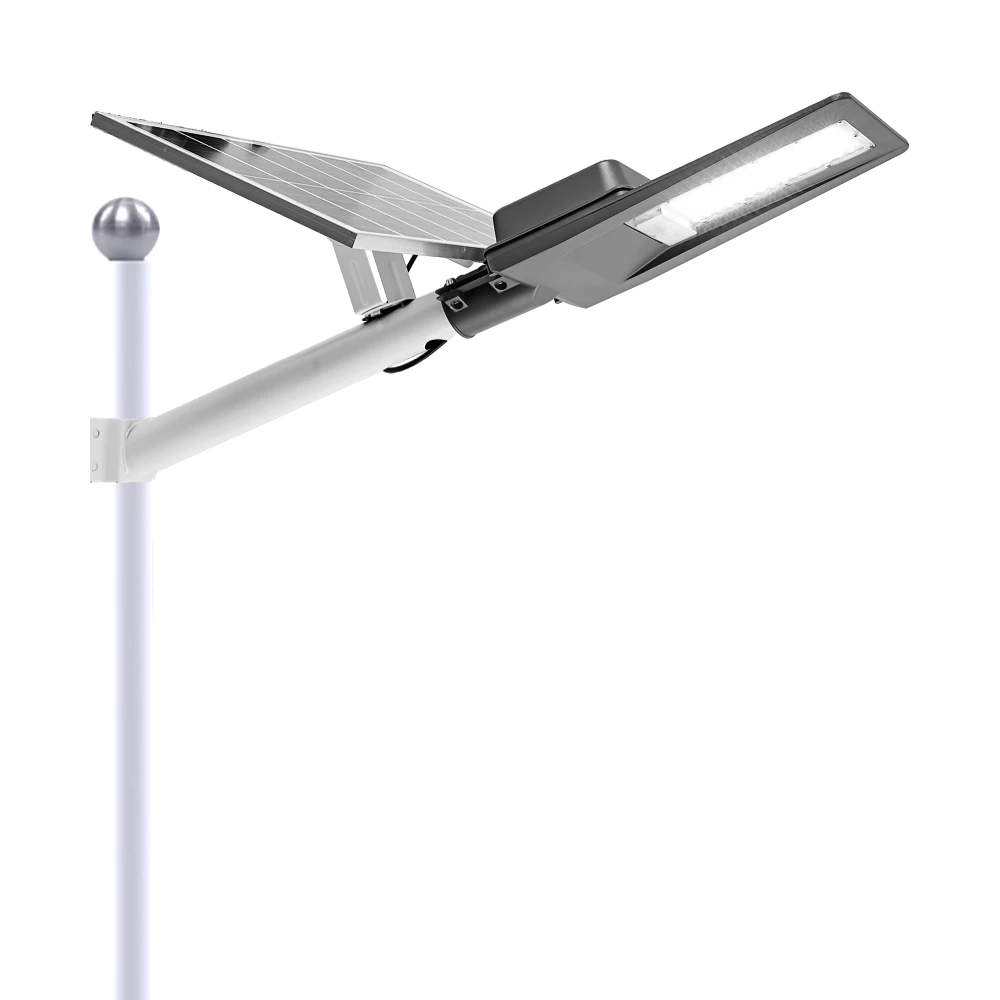
Experience reliable outdoor illumination with our smart solar street light, a perfect combination of advanced technology and eco-conscious design.
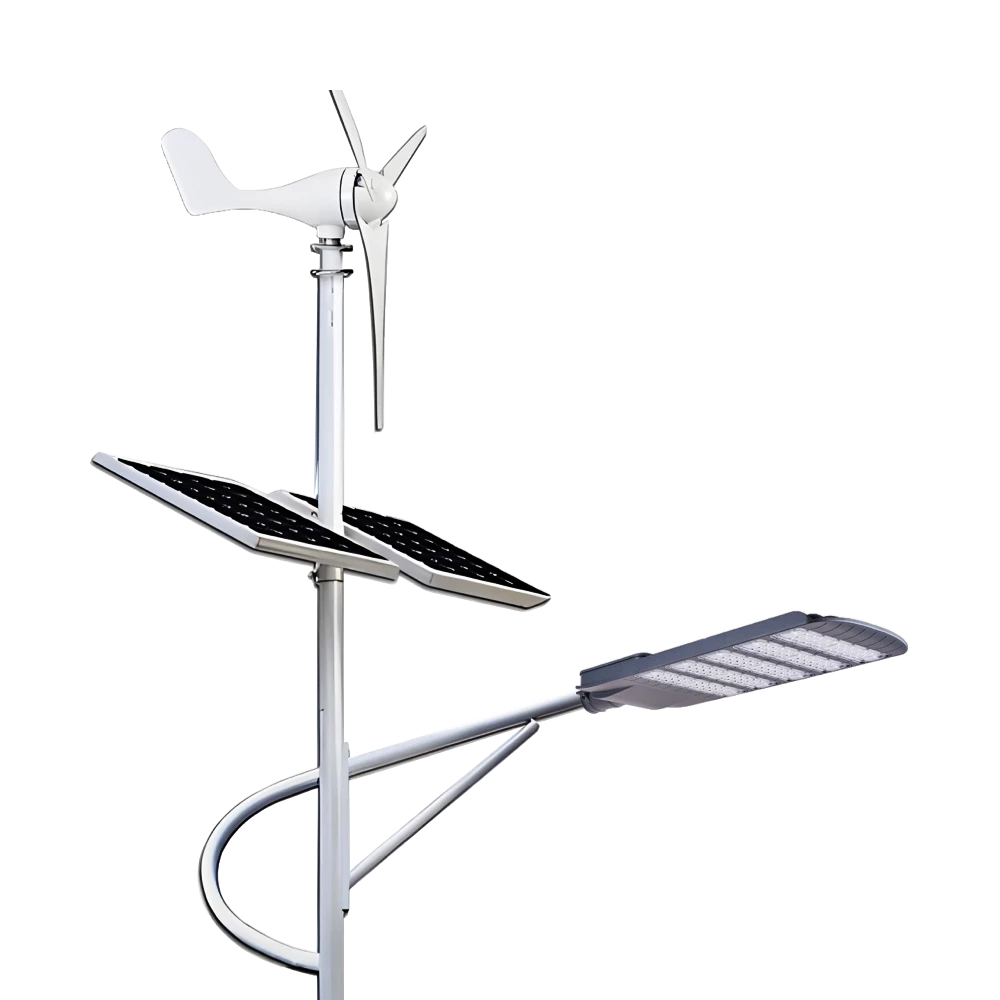
Queneng Lufeng Wind Energy LED Outdoor Solar Street Lights offer high-performance, eco-friendly illumination. These energy-efficient LED street lights harness solar power and wind energy for sustainable, cost-effective outdoor lighting solutions.
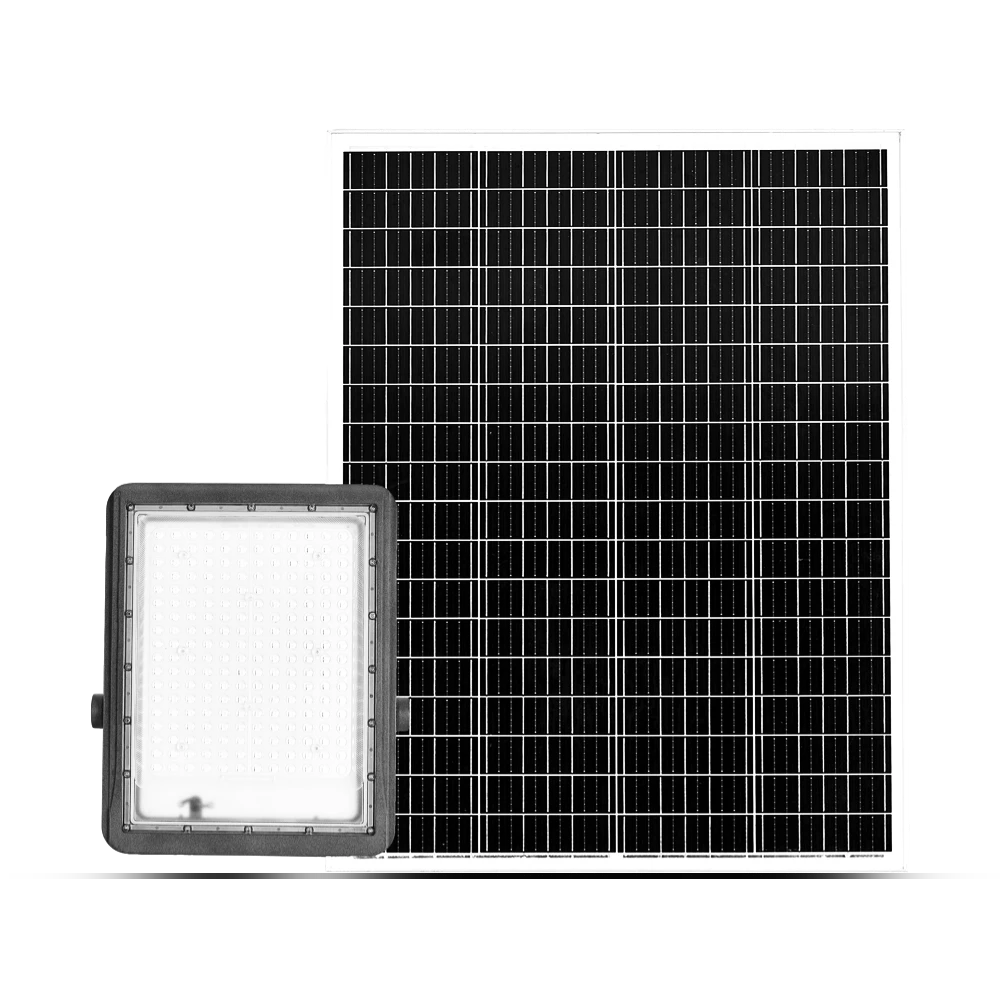
Queneng's Luxian Reliable Solar Street Light offers energy-saving LED lighting for outdoor use. This durable, solar-powered street light provides reliable illumination, reducing energy costs and environmental impact. A perfect solution for sustainable outdoor lighting.
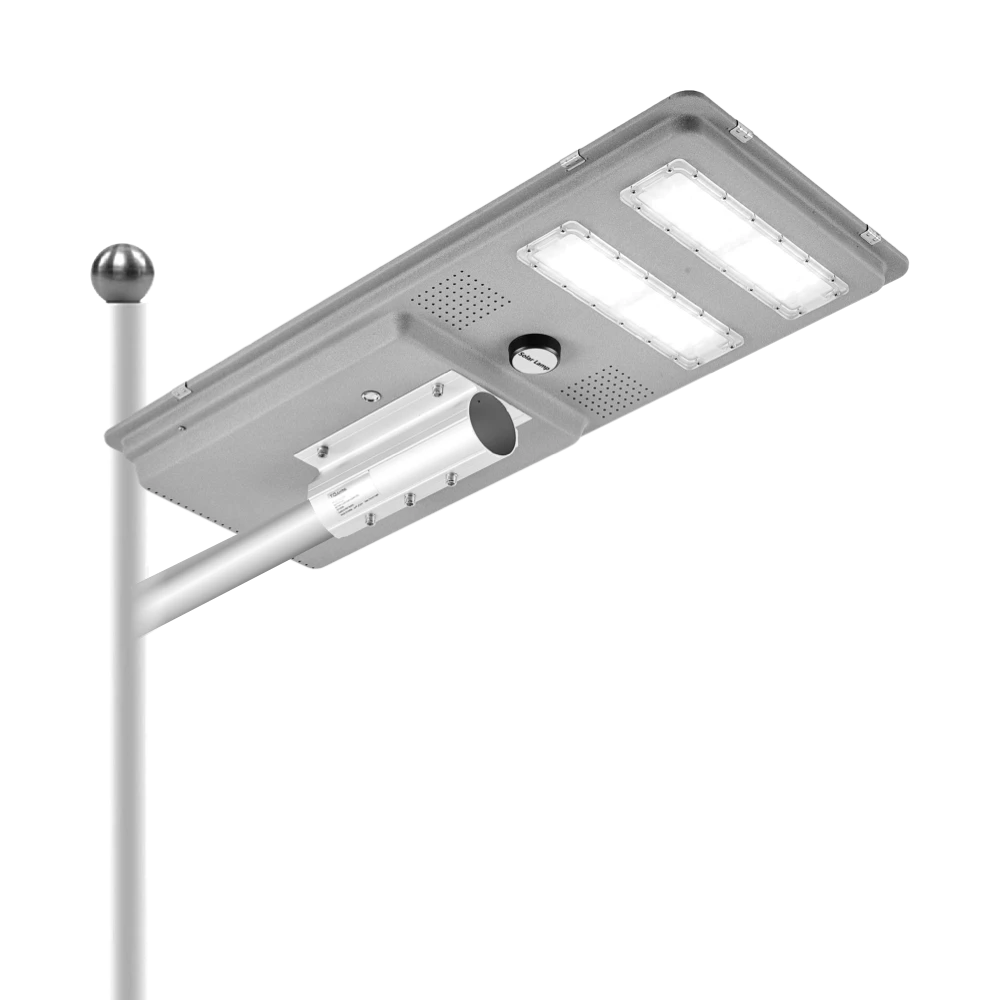
Queneng’s Solar Street Lights are designed to provide reliable, energy-efficient lighting for streets, parks, and other outdoor spaces.
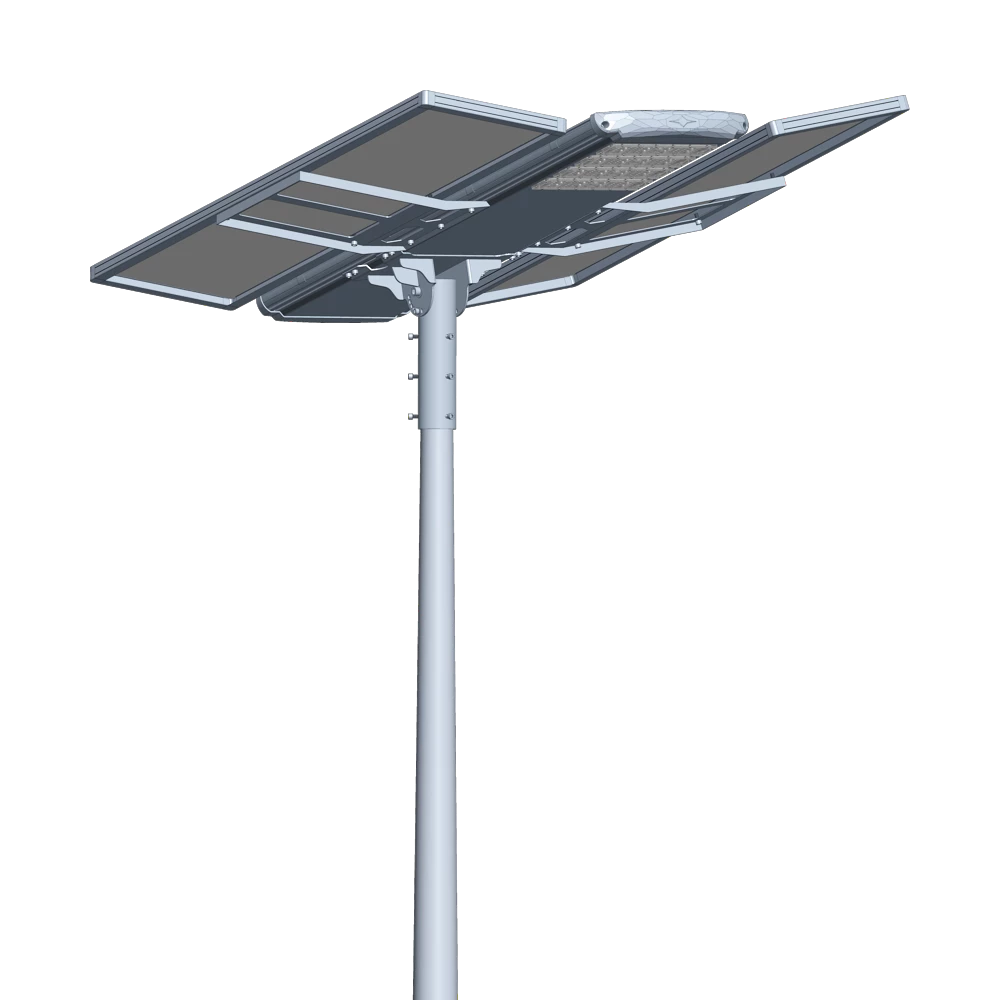
Introducing the Luqing Solar Street Light by Queneng, Efficient LED lighting powered by solar energy is perfect for illuminating outdoor areas. Harness the power of solar energy for sustainable, reliable street lighting. Ideal for eco-friendly, cost-effective outdoor illumination solutions.
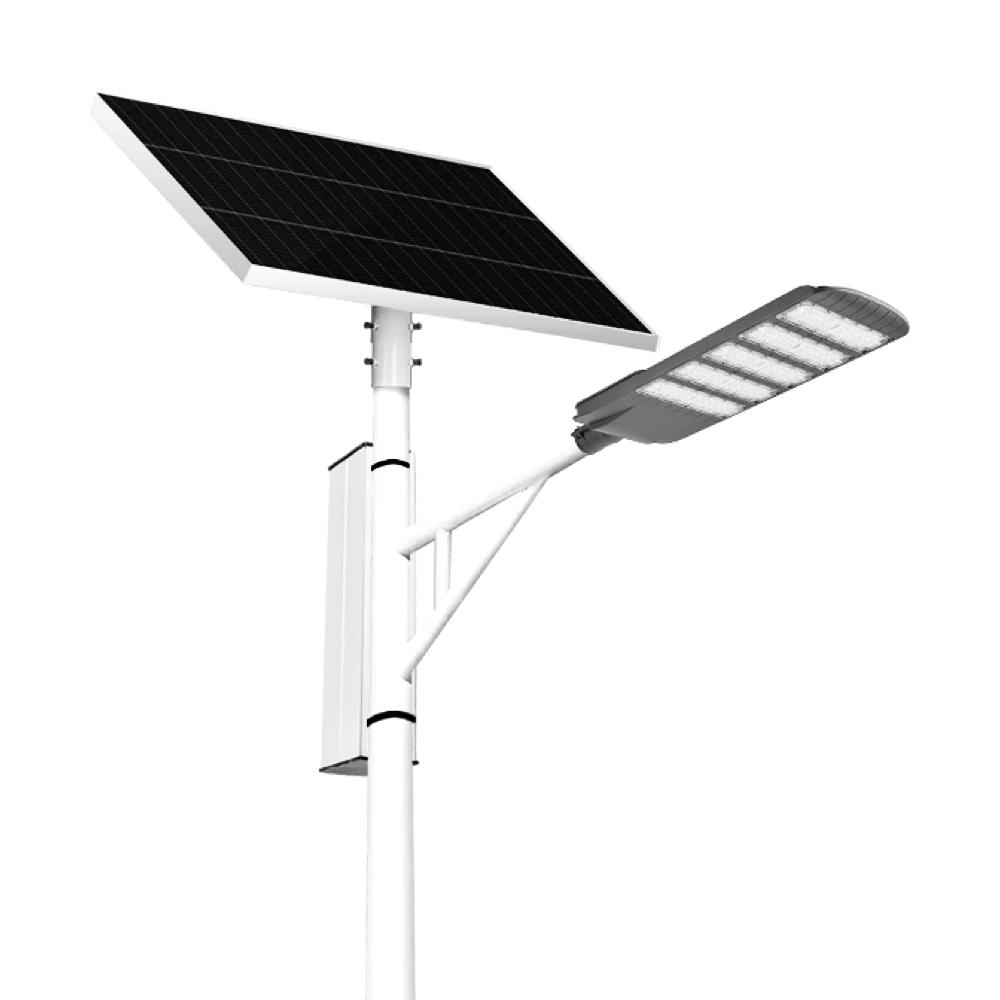
The Solar Streetlights of Luhao for Municipalities are designed to deliver reliable, energy-efficient, and cost-effective public lighting solutions. Equipped with advanced LED technology, durable lithium batteries, and high-efficiency solar panels, these streetlights provide consistent illumination for roads, parks, residential areas, and government projects.
Our professional team is ready to answer any questions and provide personalized support for your project.
You can reach us via phone or email to learn more about Queneng’s solar lighting solutions. We look forward to working with you to promote clean energy solutions!
Rest assured that your privacy is important to us, and all information provided will be handled with the utmost confidentiality.
By clicking 'Send Inquiry Now' I agree to Queneng processing my personal data.
To see how to withdraw your consent, how to control your personal data and how we process it, please see our Privacy Policy and Terms of use.
Schedule a Meeting
Book a date and time that is convenient for you and conduct the session in advance.
Have more questions about our products or services?
The messenger of light & power conversion
Environmental protection and intelligent manufacturing are our brand philosophy, and quality assurance and the best user experience are our eternal promises to users.
CONTACT
No.9F, Building F, Cao San Xin Tian Hong Logistics Park, Guzhen Town, Zhongshan City, Guangdong Province, China.
or write [email protected]
WhatsApp: +86 136 2270 1011


