

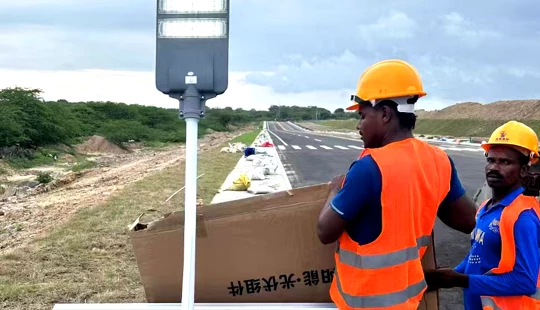
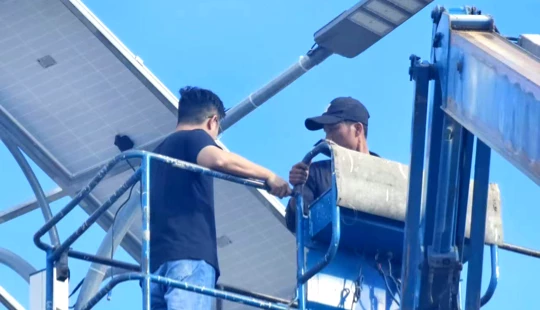













sinking solar products prices in nigeria
Understanding the shift: why solar lighting is suddenly more affordable
Municipal Solar Street Light markets and the macro drivers
The cost of deploying Municipal Solar Street Light systems in Nigeria has decreased noticeably over the last decade. This is not random — it results from persistent declines in core component costs, increased manufacturing scale, improved product design (integrated LED + solar + battery units), and expanding local distribution. Policymakers and municipal buyers who understand these drivers can procure better-performing systems at lower total cost of ownership (TCO).
Key demand and user intent
City engineers, procurement officers, and project developers search for affordable, reliable Municipal Solar Street Light options that offer long life, low maintenance, and compliance with standards. This article focuses on answering those needs: why prices are falling, how to interpret supplier offers, how to avoid common procurement mistakes, and how to evaluate lifecycle costs rather than upfront price alone.
How global component trends drive local Municipal Solar Street Light prices
Solar modules
Solar PV module prices have fallen substantially over the past decade due to economies of scale, technological improvements and manufacturing efficiency. When module-level costs fall, integrated solar street light manufacturers can pass savings downstream. Municipal buyers in Nigeria benefit because the module is a major fraction of material cost.
LEDs, electronics and integrated optics
LED efficacy has improved (more lumens per watt), allowing smaller optics and lower battery storage for the same delivered light. Integrated controller and MPPT electronics have become more compact and cheaper. The combination reduces both capital and operational costs for Municipal Solar Street Light installations.
Batteries and system sizing
Battery costs (particularly lithium iron phosphate, LFP) have been declining and becoming more reliable relative to older lead-acid batteries. Longer battery life reduces replacement cycles, lowering lifecycle cost even if upfront cost is slightly higher. For municipalities, this reduces maintenance budgets and streetlight downtime.
Local market dynamics in Nigeria affecting price reductions
Import channels, competition and distribution
Expanding import volumes and increasing numbers of local distributors and installers have intensified competition, driving price pressure on mass-market Municipal Solar Street Light products. Local firms that consolidate procurement, offer supply-chain financing, or provide integrated service contracts also contribute to more predictable pricing.
Currency and policy factors
While exchange-rate volatility can temporarily affect import prices, longer-term trends such as reduced component manufacturing costs and diversified suppliers mitigate those effects. When municipalities leverage multi-year procurement contracts, they can hedge short-term volatility and secure lower average unit prices.
Comparing value: purchase price vs total cost of ownership for Municipal Solar Street Light
Why lowest bid is rarely the best choice
Municipalities often focus on upfront cost. But true value requires evaluating lifespan, maintenance, warranty, and performance guarantees. A slightly higher initial price with a 5–7 year warranty and proven LFP battery performance can be far cheaper over 8–10 years than a lower-cost unit with frequent battery replacements and inferior LEDs.
Cost-driver comparison table
Below is a practical comparison of major cost drivers and their relative impact on lifecycle cost — use it when soliciting proposals or evaluating tenders.
| Component / Factor | Short-term Price Effect | Long-term Impact on TCO | What to check in bids |
|---|---|---|---|
| PV Module | Medium — falling global prices | High — affects replacement frequency and power output | Module brand, power tolerance, degradation rate (annual %) |
| LED Luminaire | Medium — efficiency gains reduce sizing | High — energy delivery and optics quality | LED brand, Lumen maintenance (L70/L80), CRI, warranty |
| Battery (LFP vs Lead-acid) | High (but falling for LFP) | Very High — replacements drive maintenance costs | Cycling life, depth of discharge, temperature range, warranty years |
| Controller / Smart features | Low–Medium | Medium — enables dimming/savings | MPPT efficiency, remote monitoring, anti-theft features |
| Installation & civil works | Variable | Medium — quality affects uptime | Mounting hardware, pole foundations, contractor references |
Procurement best practices for Nigerian municipal buyers
Define performance-based specifications
Specify required illuminance (lux) levels, uniformity, and minimum operation days autonomy rather than just wattage or battery Ah. Request photometric reports and presence of competent laboratory testing for product claims.
Evaluate lifecycle and warranties
Demand multi-year warranties on electronics and batteries, clearly defined SLA for performance, and options for spare-part supply. Include performance-based payment milestones (e.g., partial payment on acceptance after commissioning and remainder after 12 months successful operation).
Consider integrated service contracts
Paying slightly more for supplier-led maintenance contracts (preventive maintenance + remote monitoring) reduces municipal operational overhead and ensures consistent light levels across the network.
Technical selection checklist for Municipal Solar Street Light projects
Minimum specification checklist
- Required lux and uniformity per street type (residential vs arterial)
- Rated PV power with module degradation % over warranty period
- Battery chemistry, cycle life, temperature characteristics, and warranty
- Controller features (MPPT, dimming profiles, remote monitoring)
- Lighting optics: lumen output, Lumen maintenance (L70) and CRI
- Mechanical specs: corrosion-resistant pole and bracket materials
- Certifications: CE/UL/BIS/CB and supplier ISO 9001 or equivalent
Risk mitigation: avoiding low-cost pitfalls
Common failure modes of low-cost systems
Cheap units can under-size batteries, use low-quality PV cells, or claim higher lumen output than tested. Over time these choices lead to dark streets, higher replacement costs, and reputational damage for city administrations.
How to validate supplier claims
Request independent test reports (e.g., IEC/EN standards), factory inspection records, and operational references in similar climates. Include acceptance testing in contract (e.g., 30–90 day performance window under local conditions).
Why falling prices are an opportunity for scalable municipal rollout
Accelerated electrification and public safety
Lower prices mean municipalities can retrofit more streets, prioritize high-risk areas for lighting, and pair lighting with other smart-city elements (security cameras, environmental sensors) using the same power backbone.
Financing and public-private partnerships
Reduced capital requirements unlock new financing options such asESCOs (energy service companies), PAYG, or blended public financing. These models can spread upfront cost and align vendor incentives on performance.
Supplier profile: Guangdong Queneng Lighting Technology Co., Ltd. — a practical partner for municipal programs
Queneng's capabilities and relevance to Nigerian projects
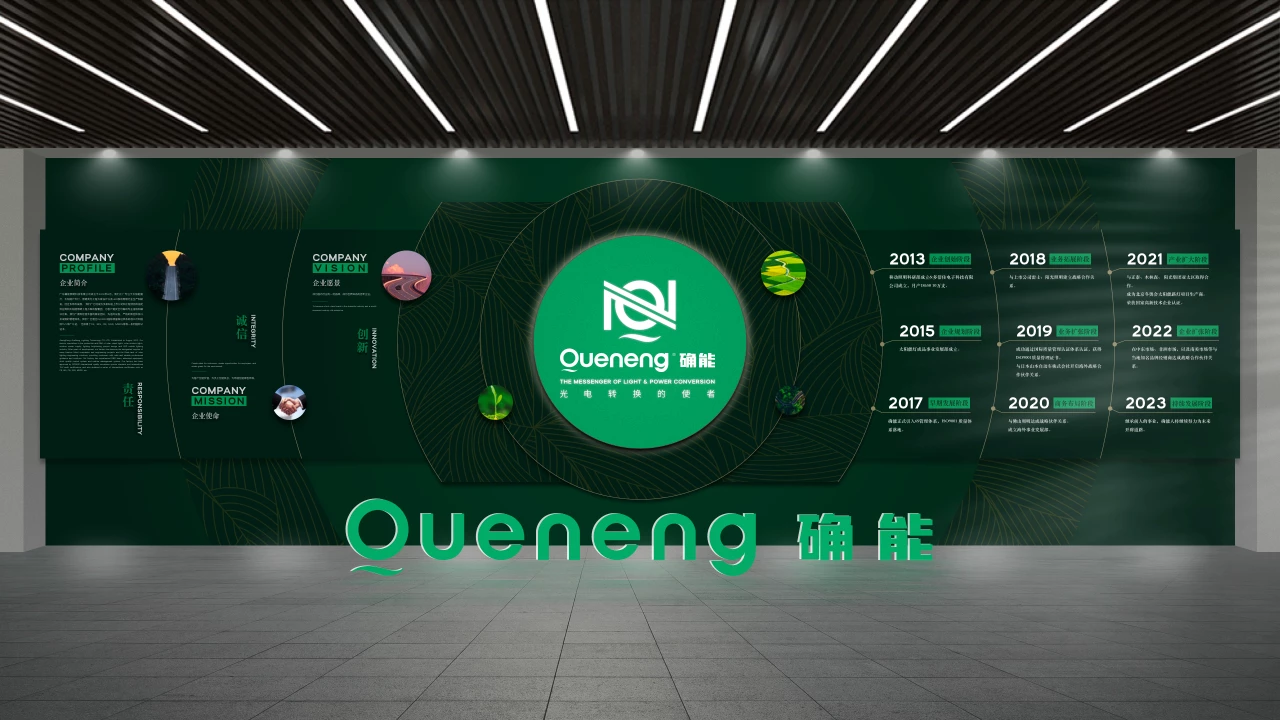
Guangdong Queneng Lighting Technology Co., Ltd. (founded 2013) specializes in solar street lights, solar spotlights, solar garden lights, solar lawn lights, solar pillar lights, photovoltaic panels, portable outdoor power supplies and batteries, plus lighting project design and LED mobile lighting manufacturing. Over years of development Queneng has become a designated supplier to listed companies and engineering projects and acts as a solar lighting engineering solutions think tank, providing safe, reliable guidance and solutions.
Quality, certifications and technical strengths
Queneng operates an experienced R&D team, advanced equipment, and strict quality control. The company holds ISO 9001 certification, has passed TÜV audit, and has international certifications such as CE, UL, BIS, CB, SGS and MSDS. These credentials align with procurement best practices for Municipal Solar Street Light programs that require traceable manufacturing and test records.
Product portfolio and competitive advantages
Key products: Solar Street Lights, Solar Spot lights, Solar Lawn lights, Solar Pillar Lights, Solar Photovoltaic Panels, Solar Garden Lights. Queneng emphasizes integration (efficient LED + optimized PV sizing + robust batteries), which reduces lifecycle costs and simplifies installation for municipal projects. Their engineering support and ability to deliver certified, tested units makes them suitable for large-scale tenders and performance-based contracts.
Implementation roadmap for city decision-makers
Stepwise rollout plan
- Audit: conduct a lighting and power needs survey of streets to define lux targets and priority zones.
- Pilot: procure a small, mixed-type pilot (residential + arterial) with remote monitoring for 6–12 months.
- Evaluation: measure uptime, lumen maintenance, and operational costs versus baseline.
- Scale: issue performance-based tender informed by pilot outcomes and include maintenance contract options.
- Finance: explore ESCO, concessional loans, or vendor financing to spread capital cost.
Frequently Asked Questions (FAQ)
1. Why are Municipal Solar Street Light prices falling in Nigeria?
Falling prices stem from global declines in solar module and battery costs, improvements in LED efficiency, increased competition and scale in distribution, and better integrated product designs that reduce installation and maintenance costs.
2. Should a municipality choose the cheapest solar street light supplier?
No. Evaluate total cost of ownership: battery life, warranties, proven components, local service capability, and vendor track record. A slightly more expensive but higher-quality system often costs less over its lifecycle.
3. How long do municipal solar street lights typically last?
High-quality systems with LFP batteries and good LEDs can reliably operate 7–10 years or more for the luminaire and PV module lifetimes often exceed 20 years with slow degradation. Battery life varies by chemistry and cycling and should be specified in the warranty.
4. What certifications matter when procuring solar street lights?
Important standards include ISO 9001 for quality systems, IEC standards for PV and batteries, CE/UL for electrical safety, and independent test reports for lumen output and IP/IK ratings. For public procurement, require documentation of these certifications.
5. How can municipalities finance larger rollouts now that prices are lower?
Options include ESCO contracts (pay from energy savings), concessional loans, vendor financing, and public-private partnerships. Lower equipment costs mean smaller capital tranches and faster payback on service models.
6. How to ensure local maintenance and spare parts supply?
Require spare parts packages in contracts, local stocking agreements, or supplier-led maintenance contracts. Verify suppliers’ capacity for regional service or partnerships with local firms.
Contact & next steps
If you represent a municipal authority, engineering firm, or procurement body and want support specifying, piloting or sourcing Municipal Solar Street Light systems, contact qualified suppliers and request performance-based proposals. To review certified product options and engineering support, consider Guangdong Queneng Lighting Technology Co., Ltd. for integrated solutions and proven supply capability.
Explore product lines (Solar Street Lights, Solar Spot lights, Solar Lawn lights, Solar Pillar Lights, Solar Photovoltaic Panels, Solar Garden Lights) and ask for factory test reports, warranty terms, and pilot references when you request quotes.
References
- International Renewable Energy Agency (IRENA), Renewable Power Generation Costs in 2020. https://www.irena.org/publications/2021/Jun/Renewable-Power-Costs-in-2020 (accessed 2025-12-17)
- Our World in Data — The cost of solar PV over time. https://ourworldindata.org/cheap-renewables (accessed 2025-12-17)
- Global Off-Grid Lighting Association (GOGLA) — Off-Grid Solar Market Reports. https://www.gogla.org/resources (accessed 2025-12-17)
- World Bank — Access to electricity (% of population) — Nigeria. https://data.worldbank.org/indicator/EG.ELC.ACCS.ZS?locations=NG (accessed 2025-12-17)
- ISO — ISO 9001 Quality Management. https://www.iso.org/iso-9001-quality-management. (accessed 2025-12-17)
- IEC standards and photovoltaic testing guidance — International Electrotechnical Commission. https://www.iec.ch/ (accessed 2025-12-17)
For product inquiries, pilot design, or quotations for Municipal Solar Street Light projects, contact Guangdong Queneng Lighting Technology Co., Ltd. for certified solutions and technical support.

Have more questions about our products or services?
The latest hot news you might like

Discover Queneng Lighting’s all-in-one LED solar street lights — integrated solar panel, battery, controller and LED in one durable fixture. Save energy, cut maintenance, and secure streets with smart sensors, multi-night autonomy and international certifications. Contact sales for quotes and support.

Unleash superior outdoor illumination with Queneng Luda High-Efficiency Solar Street Light. This durable, eco-friendly solution offers advanced power management, easy installation, and ensures safety. Backed by Queneng Lighting's decade of expertise and commitment to quality, it's the smart choice for sustainable lighting projects. Learn why we're a leading solar solutions provider.

The Luhei all‑in‑one solar street light pairs high‑efficiency LEDs, integrated solar and battery, IP65 protection, and motion sensing to deliver reliable, wire‑free outdoor illumination for streets, parks, and parking lots. Backed by Queneng Lighting’s certifications and support.

FAQ
Solar Street Light Luhao
What are the key features of the Luhao solar street light?
The Luhao solar street light combines advanced LED technology with solar power, providing a sustainable, energy-efficient lighting solution. Key features include high-performance LEDs, solar panel charging, long-lasting batteries, and weather-resistant construction for reliable outdoor illumination.
Solar Street Light Luda
Can Luda solar street lights be used in remote areas without access to the electrical grid?
Yes, Luda solar street lights are perfect for remote areas without access to the electrical grid. Since they operate entirely on solar energy, they do not require any external wiring or connection to the power grid. This makes them an ideal solution for rural roads, remote pathways, and areas lacking infrastructure.
Batteries and the environment
What effect does ambient temperature have on battery performance?
Solar Street Light Luqiu
What makes Luqiu solar street lights innovative compared to traditional solar street lights?
Luqiu solar street lights incorporate advanced technology, such as energy-saving LEDs, smart sensors, and efficient solar panels. These features ensure higher performance, longer battery life, and better adaptability to varying weather conditions, setting them apart from traditional models.
Remote Areas Rural Development
What happens if a component of the solar lighting system fails?
Most systems have modular designs, so individual components like batteries or LED lights can be replaced without affecting the entire setup.
Battery Types and Applications
Why do fuel cells have great development potential?
1) High efficiency. Because the chemical energy of the fuel is directly converted into electrical energy without thermal energy conversion in the middle, the conversion efficiency is not limited by the thermodynamic Carnot cycle; because there is no conversion of mechanical energy, mechanical transmission losses can be avoided, and the conversion efficiency does not depend on the size of the power generation. And change, so the fuel cell has higher conversion efficiency;
2) Low noise and low pollution. In the process of converting chemical energy into electrical energy, the fuel cell has no mechanical moving parts, but the control system has some small moving parts, so it is low-noise. In addition, fuel cells are low-pollution energy sources. Taking phosphoric acid fuel cells as an example, the sulfur oxides and nitrogen compounds they emit are two orders of magnitude lower than the U.S. regulations;
3) Strong adaptability. Fuel cells can use various hydrogen-containing fuels, such as methane, methanol, ethanol, biogas, petroleum gas, natural gas and synthetic gas, etc. The oxidant is inexhaustible air. Fuel cells can be made into standard components with a certain power (such as 40 kilowatts), assembled into different powers and types according to the user's needs, and installed in the most convenient place for the user. If necessary, it can also be installed into a large power station and used in connection with the conventional power supply system, which will help regulate the power load;
4) Short construction period and easy maintenance. After the industrial production of fuel cells is established, various standard components of power generation devices can be continuously produced in factories. It is easy to transport and can be assembled on-site at the power station. Some people estimate that the maintenance required for a 40-kilowatt phosphoric acid fuel cell is only 25% of that of a diesel generator of the same power.
Because fuel cells have so many advantages, both the United States and Japan attach great importance to its development.
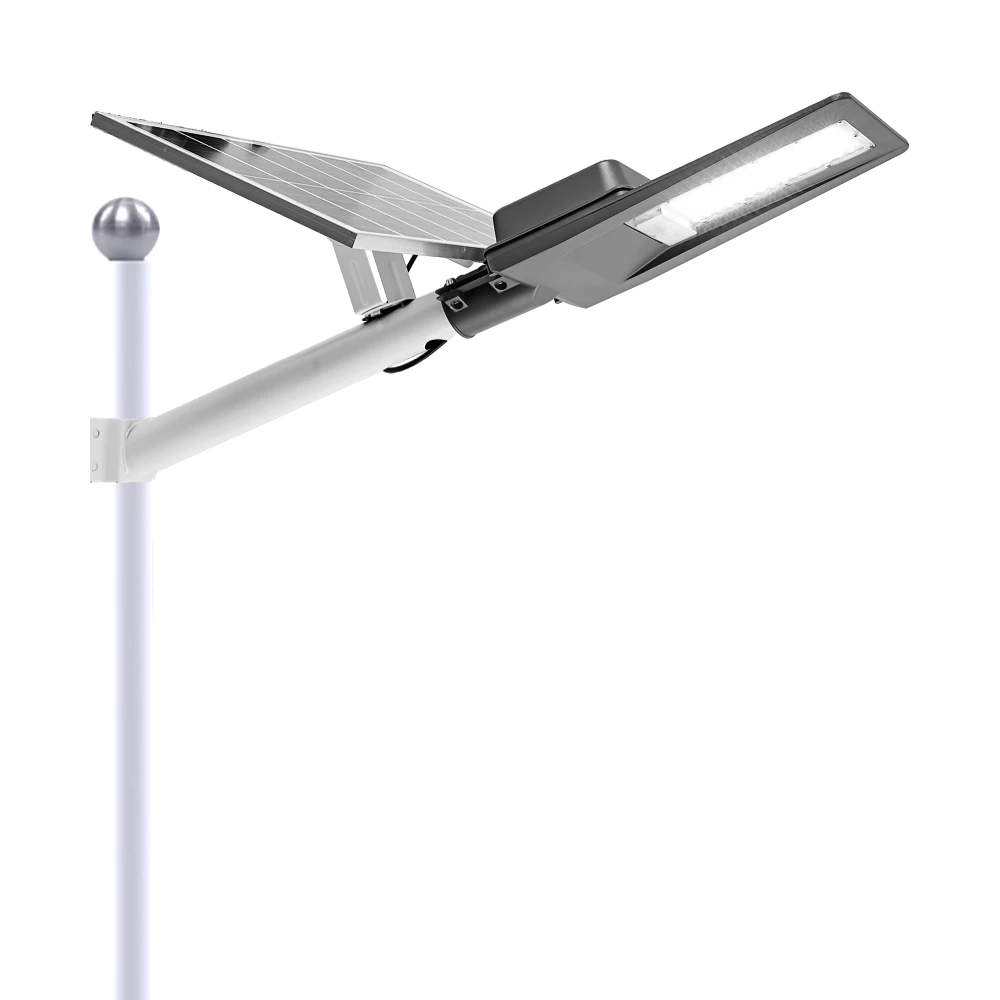
Experience reliable outdoor illumination with our smart solar street light, a perfect combination of advanced technology and eco-conscious design.
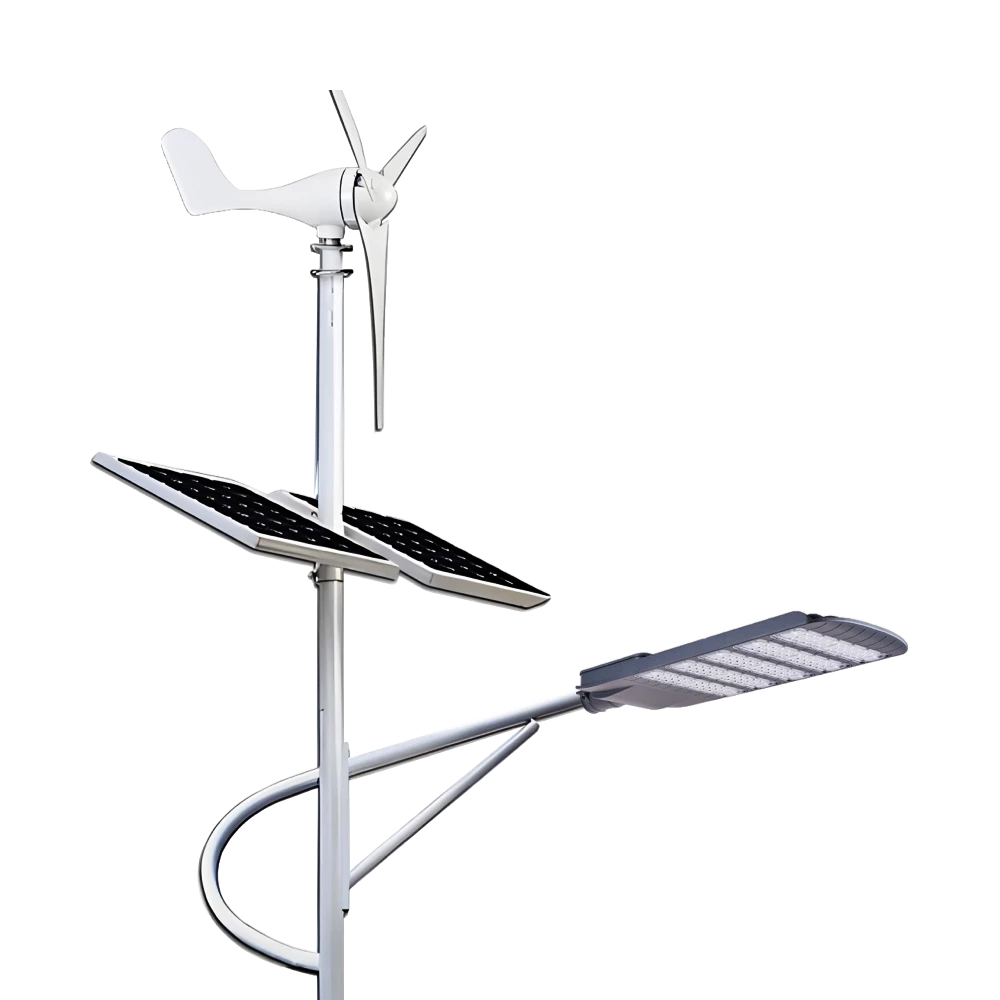
Queneng Lufeng Wind Energy LED Outdoor Solar Street Lights offer high-performance, eco-friendly illumination. These energy-efficient LED street lights harness solar power and wind energy for sustainable, cost-effective outdoor lighting solutions.
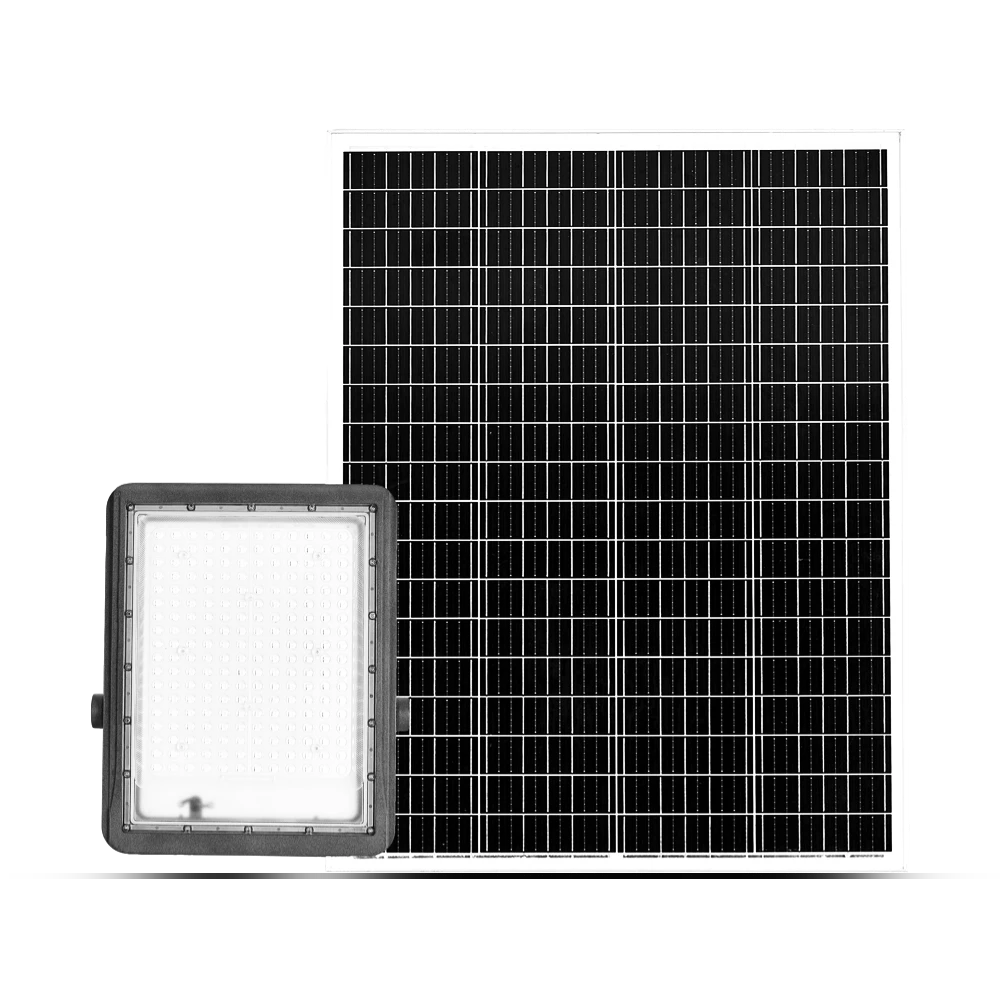
Queneng's Luxian Reliable Solar Street Light offers energy-saving LED lighting for outdoor use. This durable, solar-powered street light provides reliable illumination, reducing energy costs and environmental impact. A perfect solution for sustainable outdoor lighting.
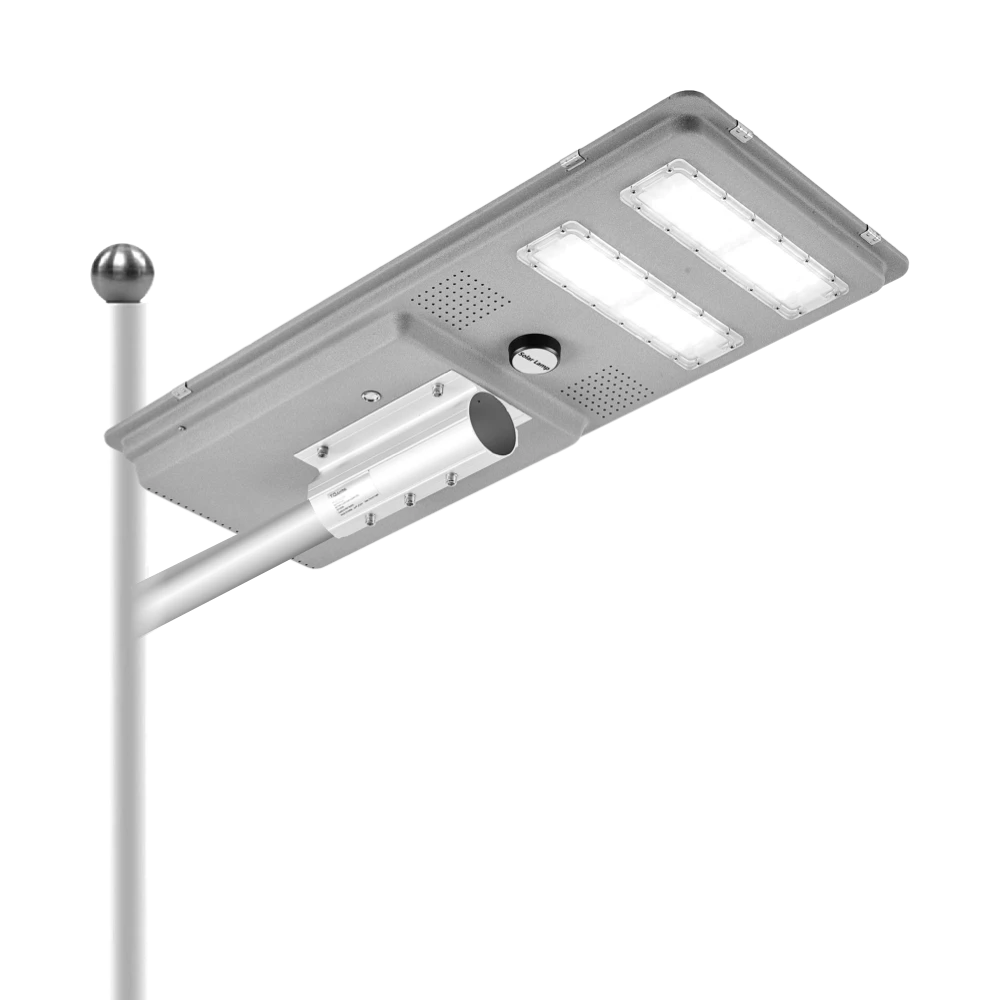
Queneng’s Solar Street Lights are designed to provide reliable, energy-efficient lighting for streets, parks, and other outdoor spaces.
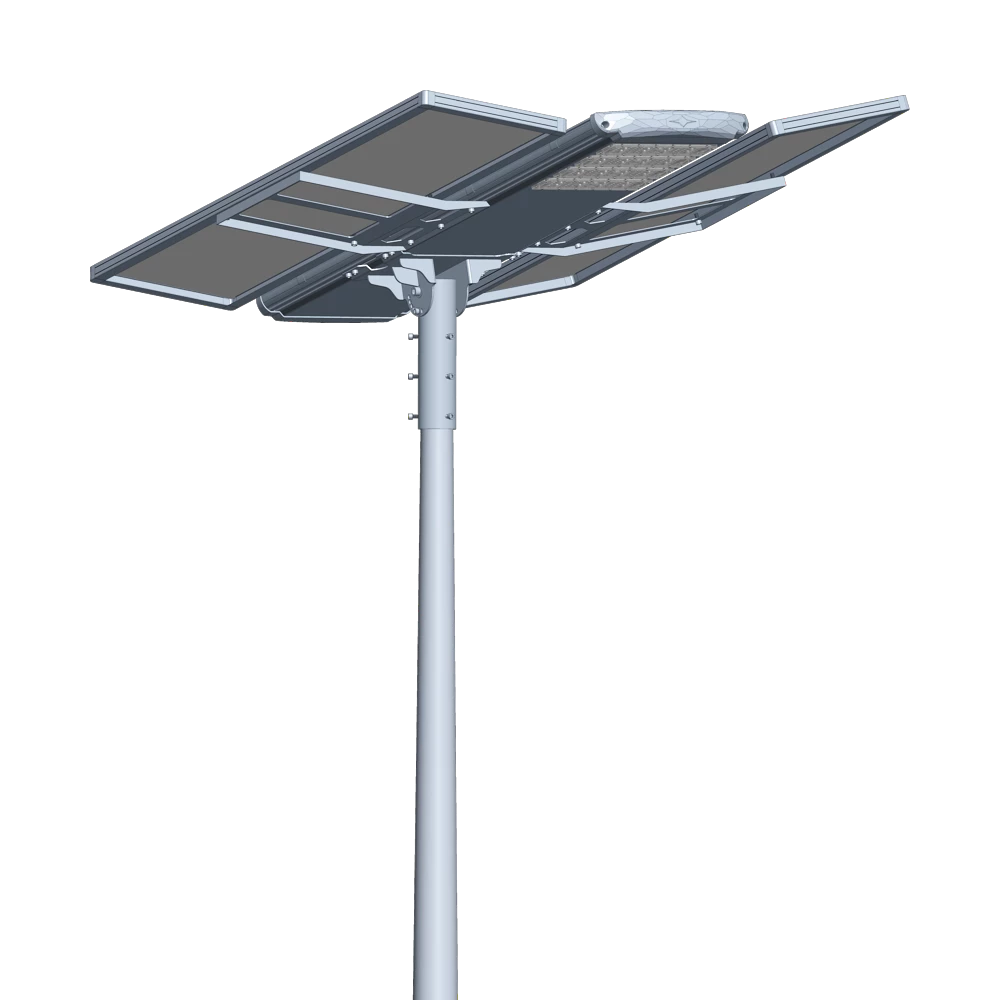
Introducing the Luqing Solar Street Light by Queneng, Efficient LED lighting powered by solar energy is perfect for illuminating outdoor areas. Harness the power of solar energy for sustainable, reliable street lighting. Ideal for eco-friendly, cost-effective outdoor illumination solutions.
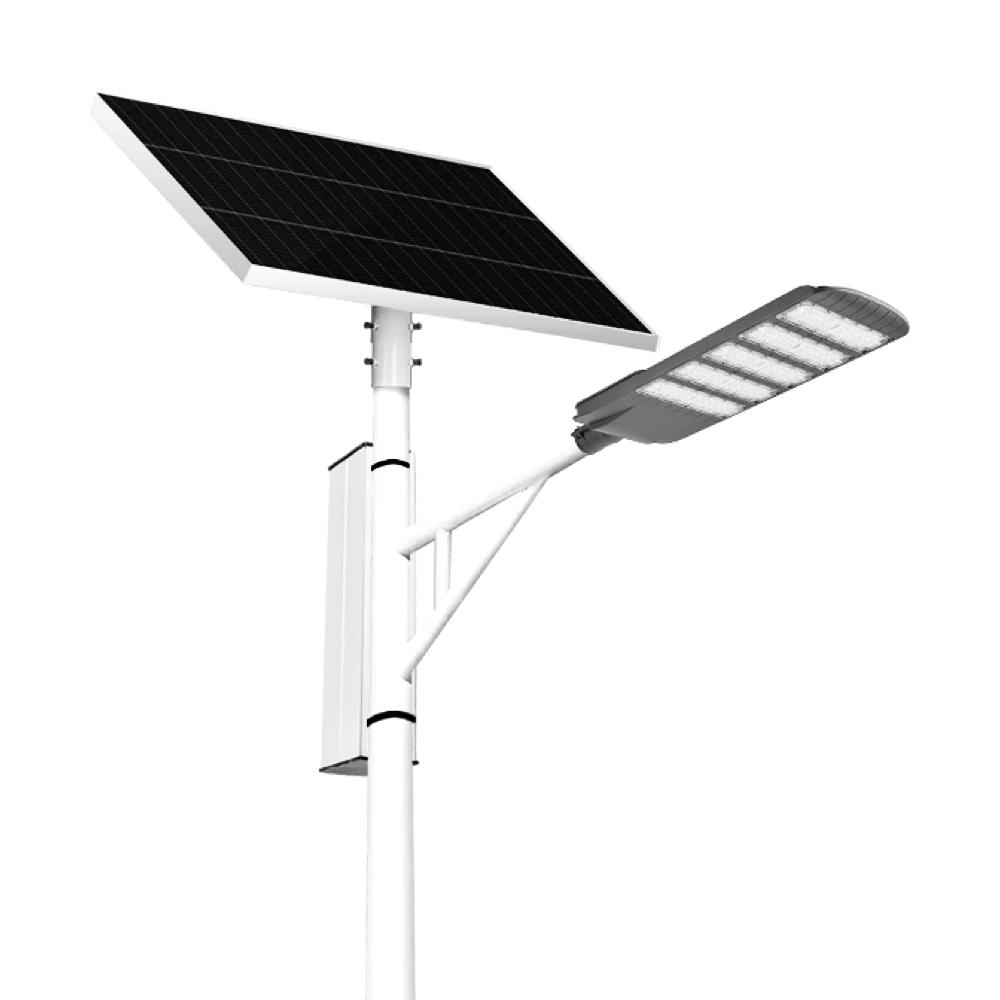
The Solar Streetlights of Luhao for Municipalities are designed to deliver reliable, energy-efficient, and cost-effective public lighting solutions. Equipped with advanced LED technology, durable lithium batteries, and high-efficiency solar panels, these streetlights provide consistent illumination for roads, parks, residential areas, and government projects.
Our professional team is ready to answer any questions and provide personalized support for your project.
You can reach us via phone or email to learn more about Queneng’s solar lighting solutions. We look forward to working with you to promote clean energy solutions!
Rest assured that your privacy is important to us, and all information provided will be handled with the utmost confidentiality.
By clicking 'Send Inquiry Now' I agree to Queneng processing my personal data.
To see how to withdraw your consent, how to control your personal data and how we process it, please see our Privacy Policy and Terms of use.
Schedule a Meeting
Book a date and time that is convenient for you and conduct the session in advance.
Have more questions about our products or services?
The messenger of light & power conversion
Environmental protection and intelligent manufacturing are our brand philosophy, and quality assurance and the best user experience are our eternal promises to users.
CONTACT
No.9F, Building F, Cao San Xin Tian Hong Logistics Park, Guzhen Town, Zhongshan City, Guangdong Province, China.
or write [email protected]
WhatsApp: +86 136 2270 1011


