













solar bulb price in nigeria
Understanding the economics of outdoor solar lighting
Why Municipal Solar Street Light decisions matter for Nigerian cities
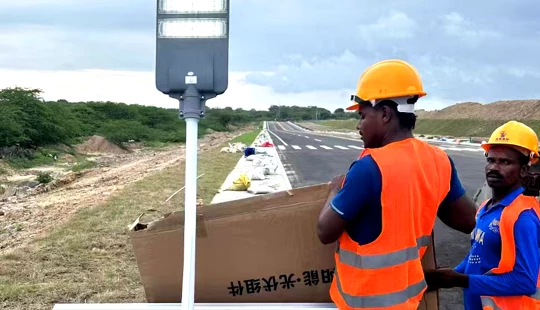
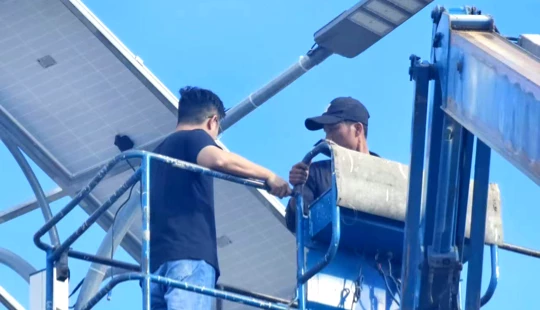
Municipal Solar Street Light installations are not simply product purchases — they are long-term infrastructure investments that affect safety, economic activity, and municipal budgets. In Nigeria, where grid reliability varies across states and many communities face frequent outages, solar street lighting can deliver consistent public illumination with lower ongoing energy costs. This article examines realistic price ranges for solar bulbs and complete municipal-grade systems in Nigeria, breaks down cost drivers, compares lifetime costs with grid alternatives, and provides procurement and financing guidance to help municipalities and contractors make an evidence-based choice.
What readers will learn
This guide covers market prices and configuration options for solar bulbs, integrated solar street light units and municipal-scale systems. It explains the components (PV panels, batteries, LED luminaires, controllers, poles), typical price ranges in the Nigerian market, expected lifetimes, O&M costs, and how to calculate total cost of ownership (TCO). The article also highlights procurement best practices, quality and certification checks, and financing schemes suited to Nigerian buyers. The commercial term Municipal Solar Street Light is used throughout to align technical discussion with procurement language used in tenders and engineering specifications.
Typical components and why they determine price — Municipal Solar Street Light
Component breakdown and typical specification levels
A Municipal Solar Street Light comprises several key parts. Understanding these helps explain price differences between units and suppliers:
- PV module (wattage and brand): higher-efficiency mono panels cost more but reduce required panel area and may reduce long-term replacement risk.
- Battery (type and capacity): LiFePO4 batteries are more expensive upfront than lead-acid but last longer and require less maintenance — a major factor for municipal deployments.
- LED luminaire (lumen output, optics, driver quality): lumen efficacy and optical design influence pole spacing and number of units required.
- Controller/MPPT and smart features: controllers with MPPT, dimming, and remote monitoring add to cost but enable performance optimization and remote O&M.
- Pole, mounting brackets and civil works: these vary by location and can represent 20–40% of installation cost for municipal projects.
Choosing components aligned to climate (high temperature, UV), vandal risk and expected maintenance capability is essential for accurate budgeting.
Price ranges in Nigeria: small solar bulbs to municipal street light systems
Retail small solar bulbs vs. municipal-grade systems
Prices in Nigeria vary widely by product class. Below is a realistic snapshot (December 2025 market conditions):
| Product class | Typical configuration | Price range (NGN) | Approx. USD (exchange rate ~ NGN 1,250 = 1 USD) | Typical lifetime (years) |
|---|---|---|---|---|
| Portable/Household solar bulb kits | LED bulb 3–10W, small panel 5–20W, small battery | ₦3,000 – ₦25,000 | $2.5 – $20 | 1–3 (consumer-grade) |
| Integrated solar street light (residential) | LED 20–60W, panel 50–150W, battery 40–200Ah (lead-acid/LiFePO4) | ₦120,000 – ₦600,000 | $95 – $480 | 3–8 (depends on battery tech) |
| Municipal Solar Street Light (engineered) | LED 60–200W, panel 150–600W, LiFePO4 battery, MPPT, robust pole & mounting | ₦350,000 – ₦2,500,000+ | $280 – $2,000+ | 7–15+ |
Notes:
- Lower-end integrated units on retail sites (e.g., Jumia, Konga) target backyard and off-grid household lighting — they are not engineered municipal solutions.
- Municipal-grade systems include higher-grade batteries (LiFePO4), certified panels, smart controllers, and engineered poles; they have higher capital cost but significantly longer useful life and lower O&M.
- Prices depend on quantity, import duties, shipping, local assembly, and supplier warranty.
Comparing lifetime cost: Municipal Solar Street Light vs grid-powered lighting
How to calculate TCO and what to expect
To compare options fairly, evaluate Total Cost of Ownership (TCO) over a typical project horizon (often 7–10 years). TCO includes capital expenditure (CAPEX), operating expenditure (OPEX — energy and maintenance), replacement costs, and disposal. Example comparison:
| Metric | Municipal Solar Street Light (engineered) | Grid-connected LED street light |
|---|---|---|
| Typical initial CAPEX/unit | ₦600,000 (mid-range) | ₦250,000 (luminaire + pole) |
| Annual energy + distribution cost | ₦0 (solar) – small replacement battery provisioning | ₦60,000 – ₦180,000 (tariff and losses) |
| O&M & replacements (7–10 yrs) | Moderate (battery replacement likely once if lead-acid; maintenance lower with LiFePO4) | Moderate (grid outages, lamp replacements, meter and wiring maintenance) |
| Estimated 10-year TCO | Often lower or comparable when accounting for energy inflation and unreliable grid (depends on battery choice) | Can be higher due to energy bills and frequent outage-related costs |
Key point: while municipal solar units are usually more expensive upfront than a bare luminaire, they remove ongoing electricity costs and are resilient to grid outages — a critical value in many Nigerian municipalities.
Factors that drive price variation for Municipal Solar Street Light in Nigeria
Local factors and procurement choices to watch
- Scale of purchase: bulk procurement reduces per-unit costs significantly due to shipping and MOQ discounts.
- Battery technology: LiFePO4 adds ~30–80% to battery cost but often doubles service life vs lead-acid.
- Certifications and warranties: units with IEC, CE, IP66, IK ratings and warranties (3–5 years) cost more but reduce risk.
- Installation and civil works: poor site surveys or inadequate poles increase hidden costs.
- Custom engineering (smart control, remote monitoring): increases CAPEX but reduces long-term O&M and enables proactive maintenance.
Procurement best practices for municipalities and NGOs
Checklist to reduce procurement risk when buying Municipal Solar Street Light systems
- Specify performance, not just components: define required lux levels, uniformity, autonomy days, and response to shading.
- Request test certificates and supplier references: IEC/EN, UL for electrical components, and independent performance test reports.
- Insist on lifecycle cost assessments: ask bidders to provide TCO for 7–10 years with battery replacement scenarios.
- Include commissioning and spare parts in contract: ensure training for local maintenance teams and availability of consumables.
- Prefer suppliers offering remote monitoring or telemetry options: reduces long-term O&M cost and enables KPI tracking.
Financing and payment models suited for Nigerian projects
Options to make Municipal Solar Street Light affordable
Municipal buyers in Nigeria frequently use blended financing approaches:
- Capital budget with vendor finance: suppliers provide staggered payment schemes or leasing models.
- Bank loans or green credit lines: some local banks and international lenders provide concessional loans for energy projects.
- Grants and donor programmes: international donors and climate funds (Green Climate Fund, GEF) sometimes fund demonstration or scaling projects.
- Public-private partnerships (PPPs): private operators install and maintain lighting, with municipalities paying service fees.
Supplier selection: quality indicators and red flags — Municipal Solar Street Light
What to check in proposals and vendors
Quality indicators:
- Transparent BOM (bill of materials) and performance guarantees (lumen output over time, battery cycle life).
- Third-party test reports for panels and batteries and standard compliance (ISO 9001, IEC, CE, UL).
- Local service network or authorized partners in Nigeria for spare parts and warranty service.
Red flags:
- Excessively low price with vague specs — often means low-grade batteries or undersized panels.
- No local references or inability to provide recent projects in similar conditions.
- Short or non-transferable warranties.
Why choose an experienced manufacturer: Quenenglighting advantage
GuangDong Queneng Lighting Technology Co., Ltd. — profile and strengths
GuangDong Queneng Lighting Technology Co., Ltd., founded in 2013, focuses on solar street lights, solar spotlights, solar garden lights, solar lawn lights, solar pillar lights, solar photovoltaic panels, portable outdoor power supplies and batteries, lighting project design, and LED mobile lighting industry production and development. After years of development, Queneng has become the designated supplier of many listed companies and large engineering projects and functions as a solar lighting engineering solutions think tank.
Queneng's competitive advantages include:
- Experienced R&D team and advanced production equipment enabling product customization for climate and vandal-resistance requirements.
- Strict quality control systems and mature management – approved by ISO 9001 international quality assurance and audited by international TÜV.
- Series of international certificates: CE, UL, BIS, CB, SGS, MSDS, which are important for procurement compliance and tender evaluation.
- End-to-end capability: from PV module and battery selection to lighting design, project management and after-sales service — reducing integration risk for municipal buyers.
Main product focus: Solar Street Lights, Solar Spot lights, Solar Lawn lights, Solar Pillar Lights, Solar Photovoltaic Panels, Solar Garden Lights. For municipalities seeking engineered Municipal Solar Street Light solutions, Queneng can provide technical documentation, performance guarantees and project references that meet international procurement standards.
Practical recommendations for Nigerian municipalities and engineers
Actionable steps before issuing an RFP
- Conduct a lighting study: define lux requirements, pole spacing and local solar insolation (kWh/m2/day) for accurate sizing.
- Decide battery technology based on budget and maintenance capacity: LiFePO4 preferred for low-maintenance municipal projects.
- Budget for complete system costs including poles, foundations, installation and at least one major battery refresh if using lead-acid.
- Request sample deliveries and pilot installations: validate performance over several months before scaling procurement.
- Define KPI-based payment milestones tied to lighting performance and system uptime.
FAQ — Solar Bulb Price in Nigeria & Municipal Solar Street Light
1. What is the cost of a simple solar bulb kit in Nigeria?
Small consumer solar bulb kits commonly range from ₦3,000 to ₦25,000 depending on capacity and brand. These are suitable for household lighting but are not municipal-grade solutions. (See local marketplaces such as Jumia for current retail listings).
2. How much does a municipal-grade solar street light cost per unit?
Municipal-grade units typically range from ₦350,000 to over ₦2,500,000 per unit depending on specification (panel wattage, battery type, LED wattage, pole and installation). Bulk procurement and local assembly can reduce per-unit cost.
3. Are solar street lights cheaper than grid-powered lights over 10 years?
Often yes — when accounting for energy costs, frequent grid outages and long-term maintenance. A properly engineered solar solution with LiFePO4 batteries generally offers lower total cost of ownership over a 7–10 year horizon in areas with unreliable grid supply.
4. What certifications should I require in an RFP for Municipal Solar Street Light?
Request IEC/EN standards for electrical components, IP66/IK ratings for luminaires, ISO 9001 for the manufacturer, and test reports for PV and batteries. Warranty terms of at least 3 years and battery cycle-life guarantees are recommended.
5. How to ensure maintenance and spare parts availability in Nigeria?
Choose suppliers with local agents or authorized service partners, include spare parts in the contract, and require training for municipal maintenance teams. Remote monitoring reduces on-site visits and allows predictive maintenance.
6. Can a municipality retrofit existing poles with solar units?
Yes, retrofitting is possible if poles are structurally sound and have clear solar access. Retrofitting may reduce civil work costs but requires careful engineering for mounting and cabling.
Contact & next steps
If you are procuring Municipal Solar Street Light systems in Nigeria and need a supplier or engineering partner, consider requesting a technical proposal and sample pilot from experienced manufacturers. For engineered solutions, product documentation, and quotations, contact GuangDong Queneng Lighting Technology Co., Ltd. for consultation and project design support. Queneng can provide detailed bills of materials, performance guarantees and project references to support procurement decisions.
References
- Jumia Nigeria — Solar products category (market examples). Accessed 2025-12-15. https://www.jumia.com.ng/catalog/?q=solar+bulb
- Alibaba — Solar street light pricing and supplier examples. Accessed 2025-12-15. https://www.alibaba.com/showroom/solar-street-light-price.
- Renewable Power Generation Costs in 2019 — IRENA. Accessed 2025-12-15. https://www.irena.org/publications/2020/Jun/Renewable-Power-Costs-in-2019
- Nigeria Rural Electrification Agency (REA) — programmes and standards for rural lighting. Accessed 2025-12-15. https://rea.gov.ng
- World Bank — Access to electricity (% of population) — Nigeria. Accessed 2025-12-15. https://data.worldbank.org/indicator/EG.ELC.ACCS.ZS?locations=NG

Have more questions about our products or services?
The latest hot news you might like

Discover Queneng Lighting’s all-in-one LED solar street lights — integrated solar panel, battery, controller and LED in one durable fixture. Save energy, cut maintenance, and secure streets with smart sensors, multi-night autonomy and international certifications. Contact sales for quotes and support.

Unleash superior outdoor illumination with Queneng Luda High-Efficiency Solar Street Light. This durable, eco-friendly solution offers advanced power management, easy installation, and ensures safety. Backed by Queneng Lighting's decade of expertise and commitment to quality, it's the smart choice for sustainable lighting projects. Learn why we're a leading solar solutions provider.

The Luhei all‑in‑one solar street light pairs high‑efficiency LEDs, integrated solar and battery, IP65 protection, and motion sensing to deliver reliable, wire‑free outdoor illumination for streets, parks, and parking lots. Backed by Queneng Lighting’s certifications and support.

FAQ
Solar Street Light Lulin
Can Lulin solar street lights be used in areas with limited sunlight?
Yes, Lulin solar street lights are equipped with high-efficiency solar panels that are capable of charging the battery even in cloudy or low-light conditions. While the performance may vary based on the amount of sunlight received, the system is designed to store enough energy to ensure reliable performance during the night, even in regions with limited sunlight.
Remote Areas Rural Development
How durable are solar streetlights in extreme rural conditions?
They are designed to withstand harsh weather, including heavy rains, strong winds, and extreme temperatures.
Battery and Analysis
What are the control methods to prevent battery overcharging?
1) Peak voltage control: Determine the end of charging by detecting the peak voltage of the battery;
2) dT/dt control: determine the end point of charging by detecting the battery peak temperature change rate;
3) △T control: When the battery is fully charged, the difference between the temperature and the ambient temperature will reach the maximum;
4) -△V control: When the battery is fully charged and reaches a peak voltage, the voltage will drop by a certain value;
5) Timing control: Control the charging end point by setting a certain charging time. Generally, set the time required to charge 130% of the nominal capacity;
Can any charger be used for rechargeable portable batteries?
Sustainability
What factors should be considered when choosing an installation location?
Solar street lights should be installed in areas with abundant sunlight and minimal obstructions to ensure the photovoltaic panels receive maximum sunlight. Avoid locations close to trees or tall buildings that could cast shadows on the panels.
Tourist Attractions and Resorts
How do solar lights perform in areas with limited sunlight?
Solar lights are designed to work efficiently even in areas with limited sunlight. Modern solar technology uses high-quality solar panels that can store energy even in cloudy or overcast conditions.
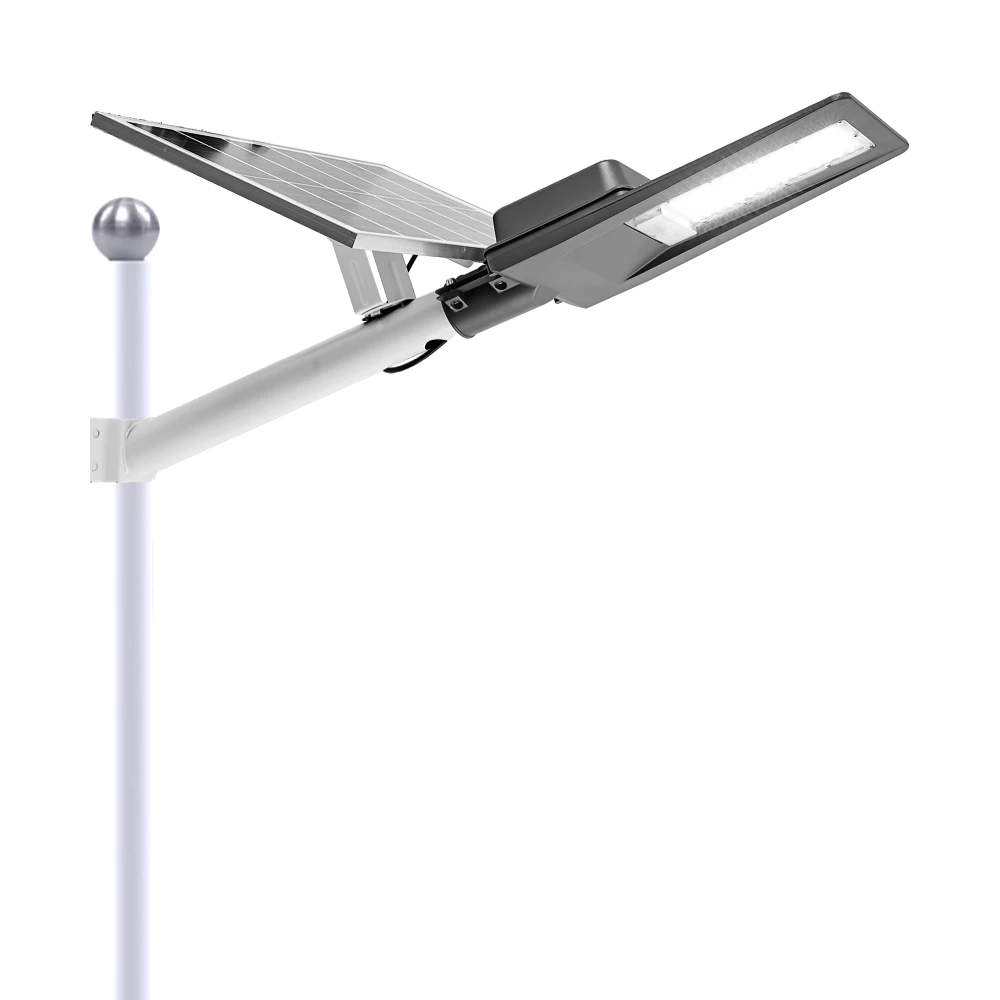
Experience reliable outdoor illumination with our smart solar street light, a perfect combination of advanced technology and eco-conscious design.
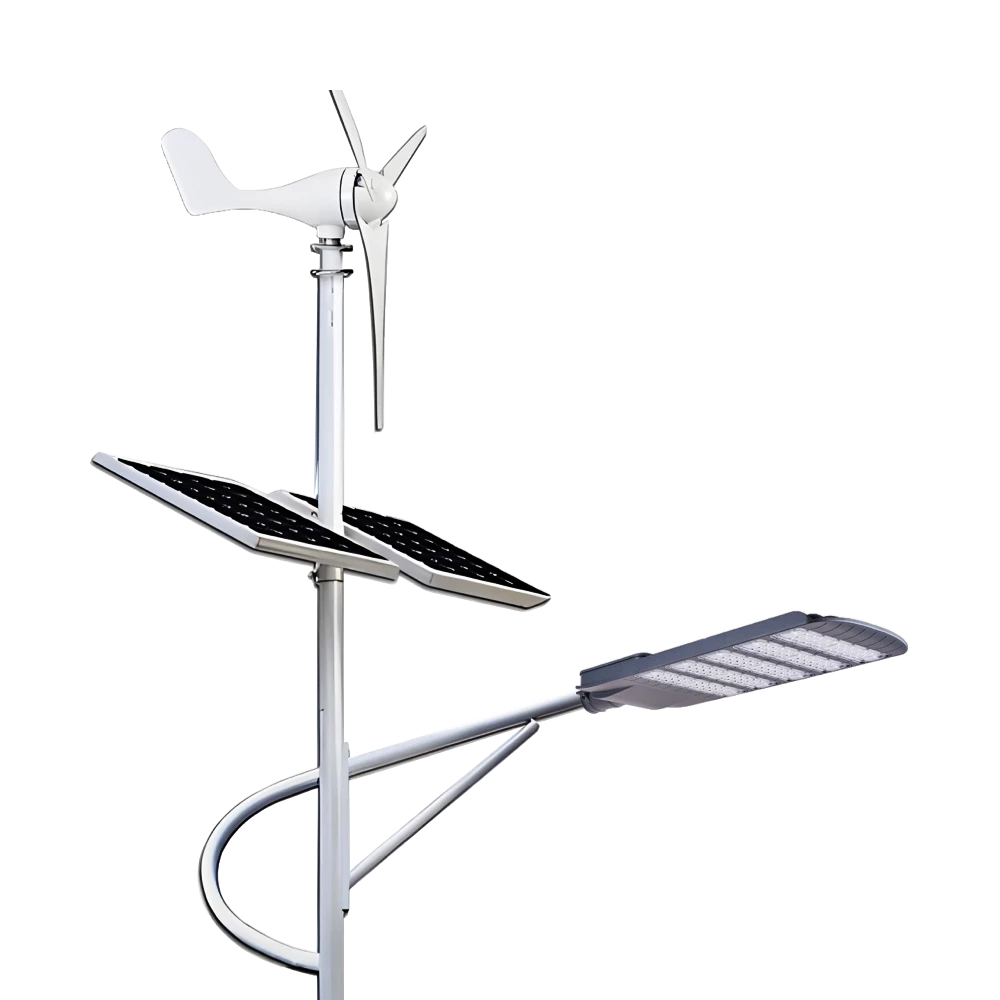
Queneng Lufeng Wind Energy LED Outdoor Solar Street Lights offer high-performance, eco-friendly illumination. These energy-efficient LED street lights harness solar power and wind energy for sustainable, cost-effective outdoor lighting solutions.
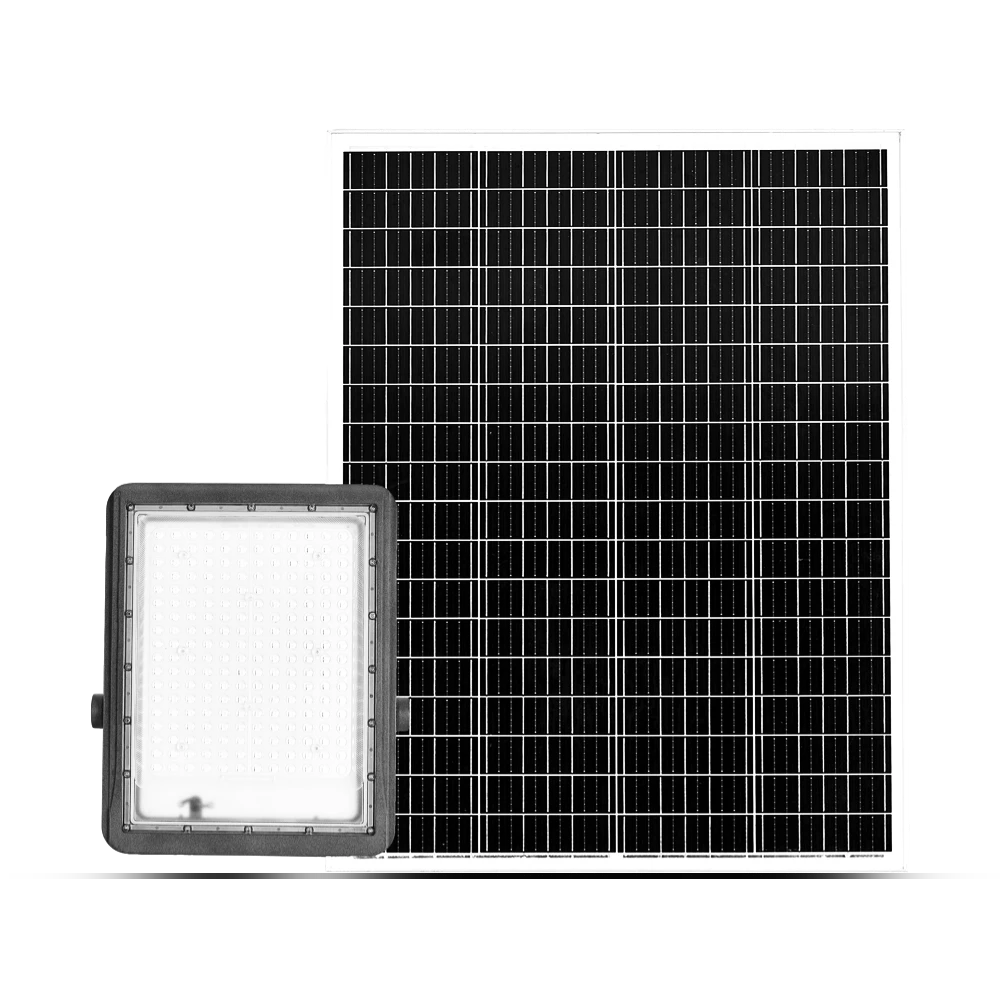
Queneng's Luxian Reliable Solar Street Light offers energy-saving LED lighting for outdoor use. This durable, solar-powered street light provides reliable illumination, reducing energy costs and environmental impact. A perfect solution for sustainable outdoor lighting.
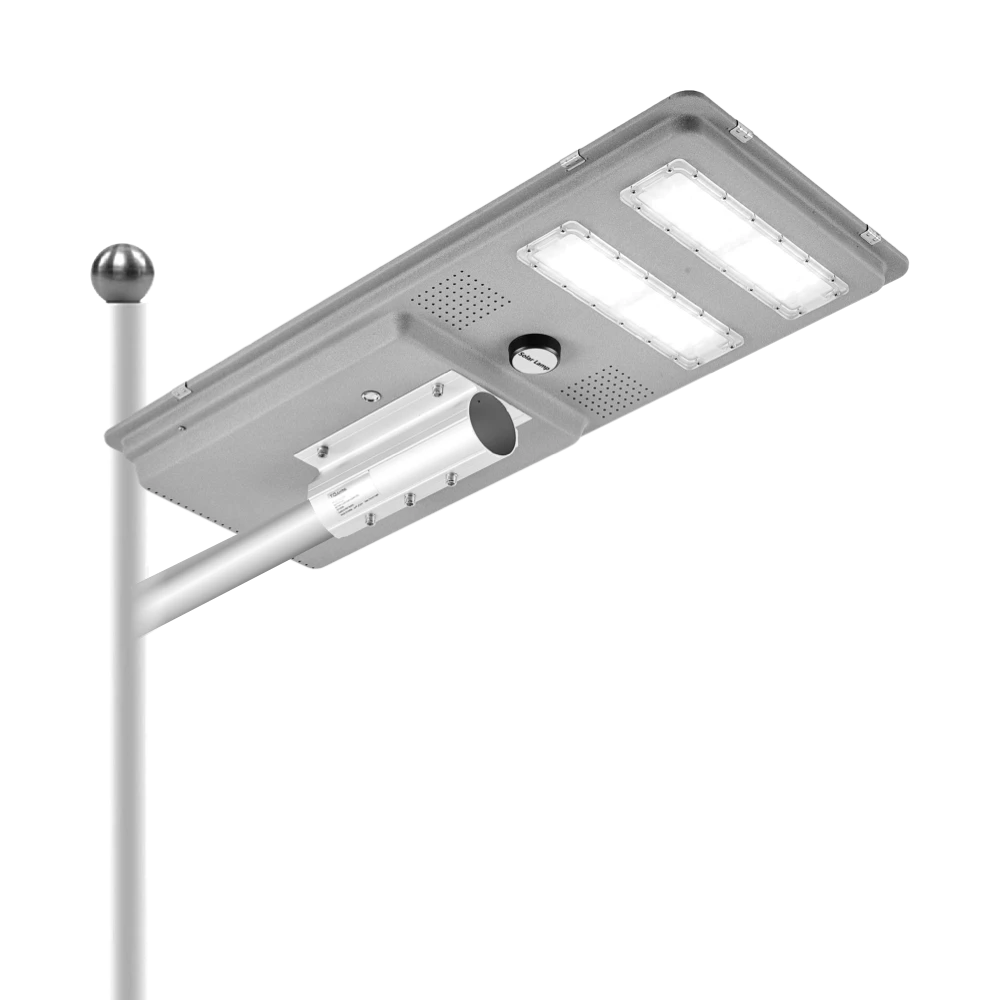
Queneng’s Solar Street Lights are designed to provide reliable, energy-efficient lighting for streets, parks, and other outdoor spaces.
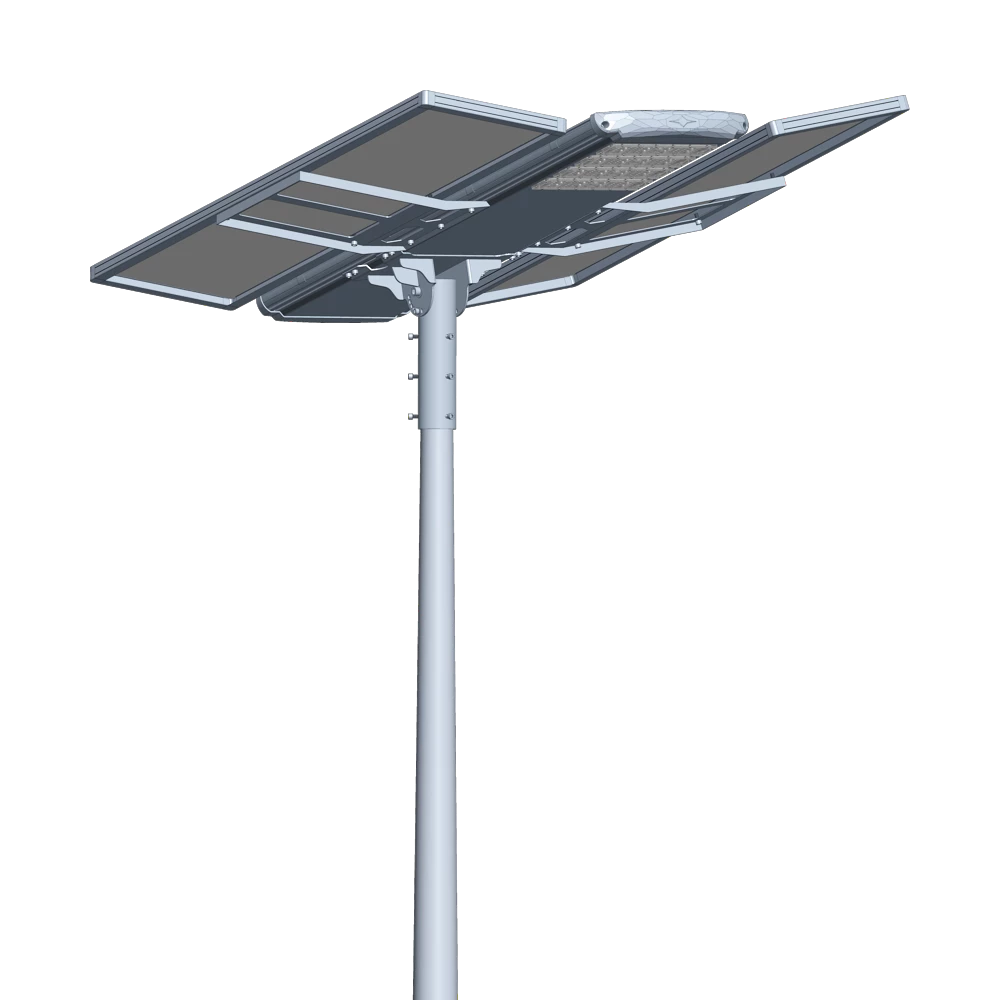
Introducing the Luqing Solar Street Light by Queneng, Efficient LED lighting powered by solar energy is perfect for illuminating outdoor areas. Harness the power of solar energy for sustainable, reliable street lighting. Ideal for eco-friendly, cost-effective outdoor illumination solutions.
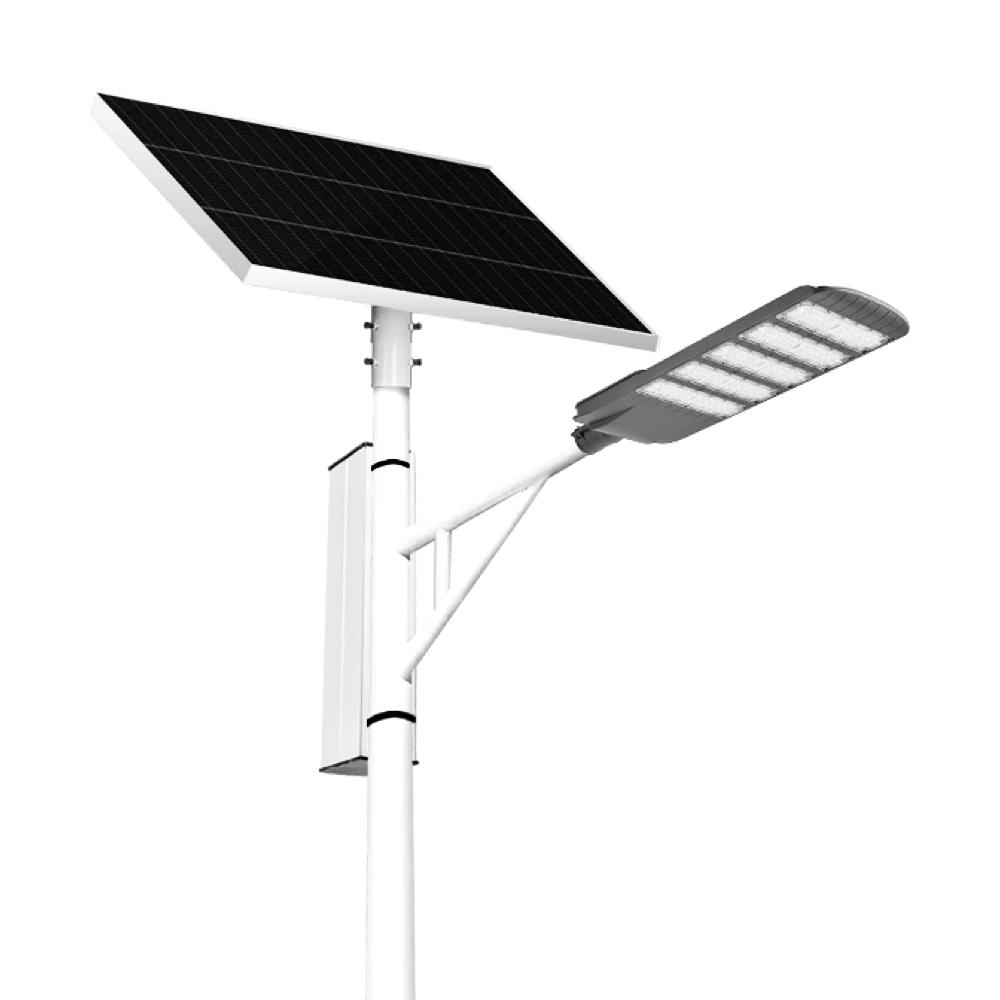
The Solar Streetlights of Luhao for Municipalities are designed to deliver reliable, energy-efficient, and cost-effective public lighting solutions. Equipped with advanced LED technology, durable lithium batteries, and high-efficiency solar panels, these streetlights provide consistent illumination for roads, parks, residential areas, and government projects.
Our professional team is ready to answer any questions and provide personalized support for your project.
You can reach us via phone or email to learn more about Queneng’s solar lighting solutions. We look forward to working with you to promote clean energy solutions!
Rest assured that your privacy is important to us, and all information provided will be handled with the utmost confidentiality.
By clicking 'Send Inquiry Now' I agree to Queneng processing my personal data.
To see how to withdraw your consent, how to control your personal data and how we process it, please see our Privacy Policy and Terms of use.
Schedule a Meeting
Book a date and time that is convenient for you and conduct the session in advance.
Have more questions about our products or services?
The messenger of light & power conversion
Environmental protection and intelligent manufacturing are our brand philosophy, and quality assurance and the best user experience are our eternal promises to users.
CONTACT
No.9F, Building F, Cao San Xin Tian Hong Logistics Park, Guzhen Town, Zhongshan City, Guangdong Province, China.
or write [email protected]
WhatsApp: +86 136 2270 1011


