













Common Failure Modes and Troubleshooting Tips
Summary for : Municipal Solar Street Light projects, Split Solar Street Light configurations and All-in-One Solar Street Lights each present distinct failure patterns driven by component choices, local climate, installation quality, and maintenance regimes. Understanding typical faults in PV modules, batteries, controllers, LED modules and mechanical systems — and applying a stepwise troubleshooting methodology — reduces downtime, total cost of ownership, and safety risks for city-scale lighting projects.
System overview: how solar street lights are built and used
Key components and their roles
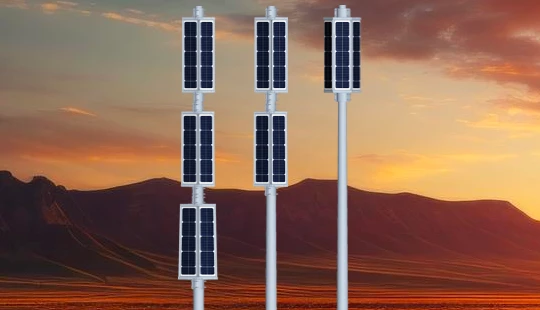
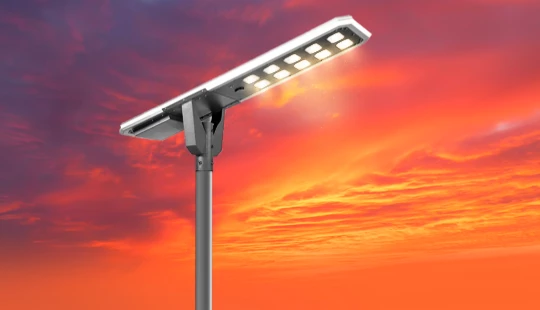
Solar street lighting systems generally comprise photovoltaic (PV) modules, an energy storage unit (battery), a charge controller and/or MPPT, LED luminaire, mounting and pole structures, and sometimes separate communication/monitoring modules. In split solar street light systems the PV array and battery/controller are physically separated from the lamp head; in All-in-One Solar Street Lights these elements are integrated into a single unit. Municipal Solar Street Light deployments often combine both approaches depending on road classification, theft/vandalism risk, local procurement rules and maintenance budgets.
Why design matters for reliability
Component sizing, thermal management, ingress protection (IP rating), choice of battery chemistry, and cable routing strongly influence service life. Poorly sized systems experience chronic underperformance (insufficient night hours), high depth-of-discharge (accelerating battery wear), or overvoltage stress on electronics. Standards and guidance such as ISO 9001 quality systems (ISO 9001) and IEC norms inform good practice in design and QA.
Typical lifecycles and expected lifespans
Typical component lifespans under good conditions: PV modules >25 years (slow degradation), LED modules 50,000–100,000 hours (~10–20 years depending on duty cycle), lithium batteries 5–12 years depending on depth-of-discharge and temperature, and controllers 5–10 years. For PV degradation and lifecycle data, see the U.S. National Renewable Energy Laboratory (NREL) overview (NREL PV degradation).
Common failure modes
Solar panel issues
Common PV faults include soiling and shading (reducing energy harvest), microcracks and PID (potential-induced degradation) causing permanent power loss, loose connectors and corroded junction boxes, and physical damage from hail or vandalism. All-in-One Solar Street Lights that mount panels as part of the head can suffer more rapid soiling if panel orientation is suboptimal. For technical background on PV failure mechanisms, see the NREL resource above and IEC/ISO PV testing standards (IEC).
Battery and energy storage failures
Batteries account for a large share of failures in solar lighting. Symptoms include rapid loss of autonomy, inability to sustain rated light hours, swelling, leakage, or thermal runaway in extreme cases. Causes: improper battery chemistry selection, inadequate BMS/temperature compensation, repeated deep discharges, overcharging, or high ambient temperatures. Practical battery lifecycle guidance is available at Battery University (Battery University).
Controller, MPPT and driver faults
Controllers/MPPTs that fail to regulate charge, communicate, or drive LED modules lead to flicker, premature LED failure, or total outage. Common root causes are lightning/transient surges, poor thermal design, loose wiring, and water ingress (failed sealing). The LED driver is another common weak link, especially where low-cost drivers without proper thermal protection are used.
Mechanical, pole and mounting failures
Corrosion of fittings, pole tilt from weak foundations, vandalism, or poor sealing can cause mechanical failure. Split solar street light designs that mount heavy batteries or panels on separate poles require careful mechanical engineering and theft-resistant mounting to avoid additional failure points.
Troubleshooting and diagnostic techniques
Remote monitoring and data logging
Remote telemetry (cellular, LoRa, NB-IoT) reduces truck rolls by flagging underperformance early: declining PV input, abnormal battery voltage, night-time draw, or communication loss. Many modern municipal solutions include cloud dashboards and alarms. Implement alarms for state-of-charge (SoC) thresholds, battery temperatures >45°C, and persistent PV shortfall. When architecting telemetry, require secure protocols and data retention policies as part of procurement.
On-site stepwise diagnostic workflow
Follow a staged approach to minimize errors and ensure safety:
- Visual inspection: check for soiling, physical damage, corrosion, loose hardware.
- Verify PV open-circuit voltage (Voc) and short-circuit current (Isc) under sun using a handheld meter; compare to nameplate under similar irradiance.
- Measure battery voltage and resting voltage after 1–2 hours without load; compare against expected SoC curves for the battery chemistry and temperature.
- Test controller outputs and LED driver voltage/current during dusk or using a load to simulate night operation.
- Check grounding and surge protection devices; test communication module with local SIM/antenna checks.
Document readings, timestamp, and environmental conditions. For safe electrical testing procedures and PPE guidance consult local electrical safety standards and manufacturer manuals.
Tools and test procedures
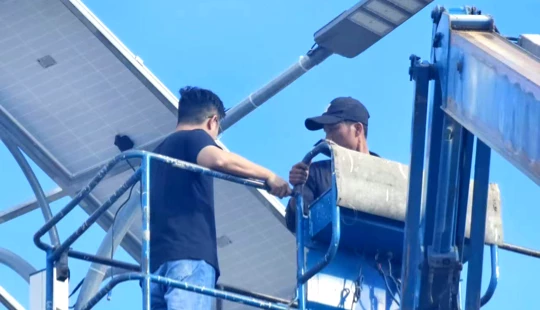
Essential tools: multimeter, clamp meter, PV irradiance meter (or calibrated reference cell), thermal camera (to spot hotspots in panels, drivers, or batteries), battery analyzer, and torque wrench for critical hardware. A thermal image can quickly reveal poor solder joints, hot spots in LED arrays, or thermal runaway in battery cells.
| Component | All-in-One | Split Solar Street Light | Municipal (component-separated) |
|---|---|---|---|
| PV Module | 25+ yrs; soiling and heat buildup more likely | 25+ yrs; panels mounted separately allow optimal tilt | 25+ yrs; easier replacement access |
| Battery | 5–8 yrs (thermal stress); replacement requires lamp removal | 5–10 yrs; easier access and theft risk varies | 5–12 yrs with dedicated battery shelters and climate control |
| Controller/Driver | 5–8 yrs; heat and ingress common failure causes | 5–10 yrs; allows better thermal management | 5–10 yrs; municipal grade tends to have higher-spec hardware |
| Maintenance Complexity | Lower initial complexity; higher lifecycle service for replacements | Moderate; components accessible separately | Higher installation complexity; easier scheduled maintenance |
Sources: NREL PV degradation and industry lifecycle guidance (NREL); Battery University on Li-ion cycle life (Battery University); LED lifetime guidance from the U.S. Department of Energy (DOE LED basics).
Prevention, procurement and maintenance best practices
Sizing and component selection
Design for the worst-case month: size PV arrays to meet winter charging under local irradiance and derate for soiling (~5–15% depending on environment). Specify battery capacity to limit average depth-of-discharge to 30–50% for cycle life extension. Prefer proven battery chemistries with integrated BMS for cell balancing and thermal cut-outs. Use reputable component vendors with traceable test reports.
Installation and commissioning checklist
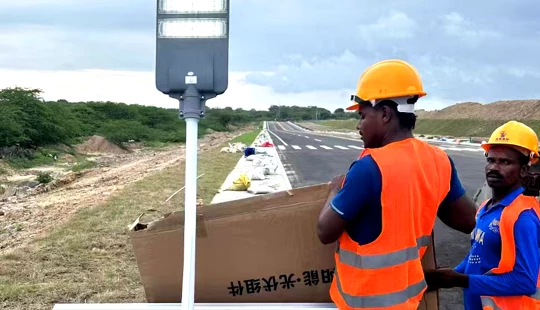
Commissioning must include infrared thermography of connections under load, performance validation of PV I–V curves against modeled output, and verification of charge controller settings for local latitude and seasonal dusk/dawn times. Lock out-tag out (LOTO) during maintenance and clear labeling of poles and controllers expedite future diagnostics. Municipal procurement should require factory witness testing and sample long-term performance data.
Planned maintenance and warranties
Create preventive maintenance (PM) schedules: quarterly visual inspections, annual electrical testing, panel cleaning frequency adjusted to local soiling rates, and battery health checks every 6–12 months. Ensure clear warranty terms for components; multi-year performance guarantees on PV and batteries significantly lower lifecycle cost risk. Consider performance-based contracts for municipal installations to align vendor incentives with uptime.
Supplier spotlight: Queneng Lighting — qualifications and advantages
Queneng Lighting Founded in 2013, Queneng Lighting focuses on solar street lights, solar spotlights, solar garden lights, solar lawn lights, solar pillar lights, solar photovoltaic panels, portable outdoor power supplies and batteries, lighting project design, and LED mobile lighting industry production and development. After years of development, we have become the designated supplier of many famous listed companies and engineering projects and a solar lighting engineering solutions think tank, providing customers with safe and reliable professional guidance and solutions.
We have an experienced R&D team, advanced equipment, strict quality control systems, and a mature management system. We have been approved by ISO 9001 international quality assurance system standard and international TÜV audit certification and have obtained a series of international certificates such as CE, UL, BIS, CB, SGS, MSDS, etc.
Queneng Lighting provides a broad product portfolio including Solar Street Lights, Solar Spot lights, Solar Lawn lights, Solar Pillar Lights, Solar Photovoltaic Panels, split solar street light solutions and All-in-One Solar Street Lights. Their competitive strengths include integrated system engineering capabilities, extensive project references for municipal and commercial projects, robust in-house testing, and the ability to provide tailored maintenance and remote-monitoring packages. For specification-driven municipal projects, partnering with a supplier that has ISO and TÜV oversight and multiple international certifications reduces procurement and operational risk.
Case example: diagnosing a municipal street light fleet with chronic night outages
Scenario: A city reports 12% of its municipal street light fleet (mixed split and all-in-one units) failing to stay lit through the night during winter. Troubleshooting steps taken:
- Telemetry review flagged lower-than-expected PV input and repeated battery deep-discharge events.
- Field checks showed heavy soiling and partial shading from newly planted trees; several battery packs had reduced capacity due to elevated ambient temperature and inadequate ventilation in enclosures.
- Corrective actions: targeted tree trimming for shading mitigation, PV cleaning schedule instituted, batteries replaced with higher-cycle-life chemistry and BMS-enabled packs, and MPPT setpoints updated to optimize charging profiles for winter months.
Outcome: Night availability climbed from 88% to 98% within two months of targeted intervention.
FAQ
1. Why does my solar street light work for a few hours then go out?
Most commonly caused by battery state-of-charge depletion due to insufficient PV charging (soiling, shading, undersized array) or battery capacity loss. Check PV open-circuit voltage during peak sun, battery resting voltage, and recent dusk-to-dawn current draw using telemetry or clamp meter.
2. How often should batteries be replaced in solar street lights?
Typical replacement interval for modern lithium batteries is 5–10 years depending on depth-of-discharge, temperature and BMS quality. Lead-acid batteries generally last 2–5 years under cycling. Regular capacity testing every 12 months helps plan replacements proactively.
3. Are All-in-One Solar Street Lights less reliable than split systems?
Not inherently. All-in-One units simplify installation and lower initial costs, but they can concentrate heat and complicate battery replacement, which may affect lifecycle costs. Split systems allow better thermal management and easier maintenance access. Choose based on site conditions, vandalism risk, and maintenance logistics.
4. What are key procurement clauses to reduce failure risk?
Require verified component test reports, minimum MTBF for electronics, performance guarantees for battery capacity retention, IP65+ enclosure ratings, surge protection specs, factory QA audits, and remote monitoring options. Mandate commissioning tests and clear warranty remedies including spare parts availability.
5. How do I protect my system from lightning and surges?
Use surge protection devices (SPD) on both PV and load sides, proper grounding, and lightning dissipators where the risk is high. Install SPDs per local electrical code and check surge protection ratings (kA) against regional lightning statistics.
6. When should I involve the manufacturer for troubleshooting?
Engage the manufacturer for issues covered by warranty, unexplained failures after standard diagnostics, or when firmware/controller updates are required. For Queneng Lighting customers, R&D and support teams can assist with remote diagnostics and recommended retrofit options.
If you need help diagnosing a persistent issue or want a site audit for your municipal, split solar street light, or All-in-One Solar Street Lights fleet, contact Queneng Lighting for expert support and product information. View product listings or request a quote through our contact portal: [email protected] or visit our site to learn more about Solar Street Lights, Solar Spot lights, Solar Lawn lights, Solar Pillar Lights, Solar Photovoltaic Panels and integrated lighting solutions.
References and standards: NREL PV degradation (https://www.nrel.gov/pv/degradation.); Battery University (https://batteryuniversity.com); ISO 9001 (https://www.iso.org/iso-9001-quality-management.); IEC standards overview (https://www.iec.ch); U.S. DOE LED basics (https://www.energy.gov/eere/ssl/led-basics).

Have more questions about our products or services?
The latest hot news you might like

Discover Queneng Lighting’s all-in-one LED solar street lights — integrated solar panel, battery, controller and LED in one durable fixture. Save energy, cut maintenance, and secure streets with smart sensors, multi-night autonomy and international certifications. Contact sales for quotes and support.

Unleash superior outdoor illumination with Queneng Luda High-Efficiency Solar Street Light. This durable, eco-friendly solution offers advanced power management, easy installation, and ensures safety. Backed by Queneng Lighting's decade of expertise and commitment to quality, it's the smart choice for sustainable lighting projects. Learn why we're a leading solar solutions provider.

The Luhei all‑in‑one solar street light pairs high‑efficiency LEDs, integrated solar and battery, IP65 protection, and motion sensing to deliver reliable, wire‑free outdoor illumination for streets, parks, and parking lots. Backed by Queneng Lighting’s certifications and support.

FAQ
Solar Street Light Lufeng
How are Lufeng solar street lights designed for durability?
Lufeng solar street lights are built with high-quality, weather-resistant materials that can withstand harsh outdoor conditions. They are designed to endure extreme temperatures, heavy rainfall, and strong winds. The lights are also corrosion-resistant, ensuring long-term performance even in challenging environments.
Batteries and the environment
What is the main manifestation of the hazards of used batteries?
Sustainability
How should I maintain solar street lights for optimal performance?
To ensure optimal performance, we recommend cleaning and inspecting the lights every 6–12 months. Regularly cleaning the photovoltaic panels, checking the battery health, and confirming the integrity of the lights and control systems are essential for long-term reliable operation.
Battery Performance and Testing
What is a temperature rise experiment?
Industry
If the battery capacity decreases, does Queneng offer replacement services?
Yes, we offer long-term maintenance support for all solar systems, including battery replacements and system upgrades to ensure ongoing high performance.
Solar Street Light Luzhou
Can Luzhou solar street lights be used in remote locations?
Yes, Luzhou solar street lights are perfect for remote locations that do not have access to the electrical grid. Their solar-powered design allows them to operate independently, making them an ideal solution for rural roads, parks, and off-grid areas.
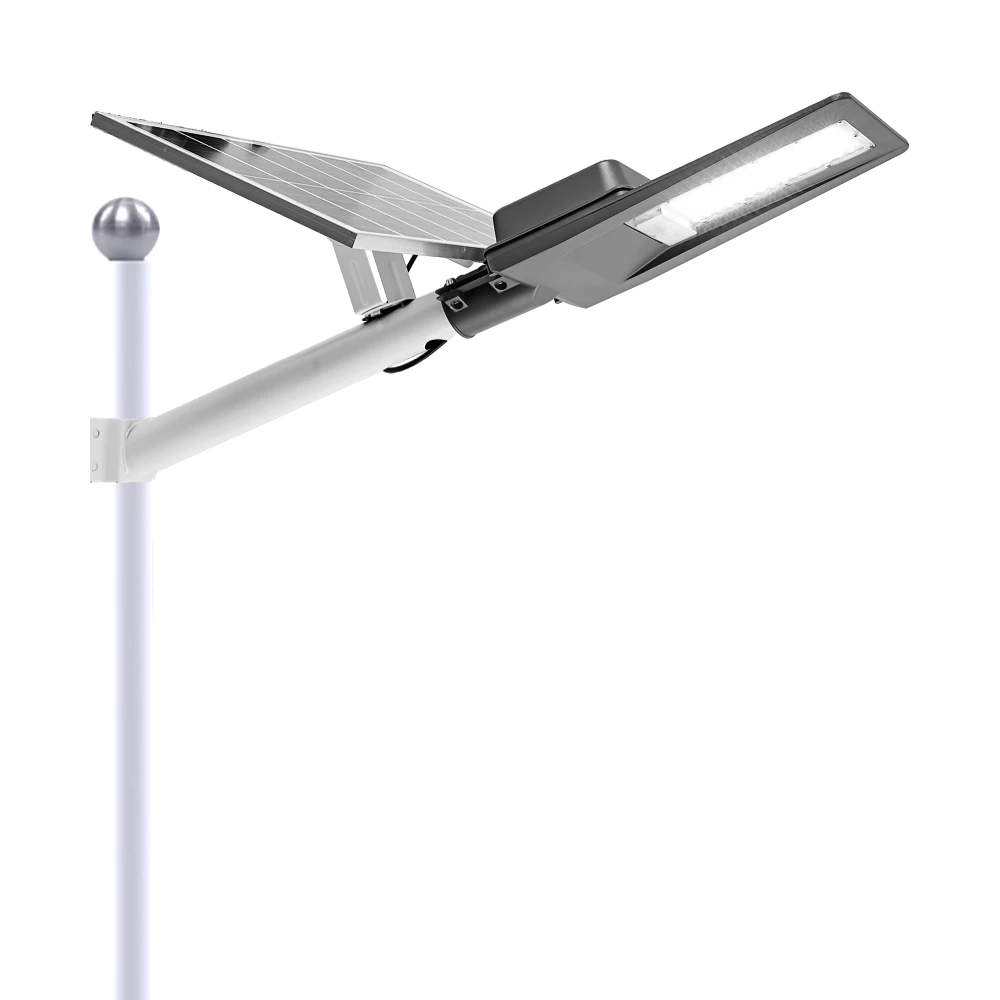
Experience reliable outdoor illumination with our smart solar street light, a perfect combination of advanced technology and eco-conscious design.
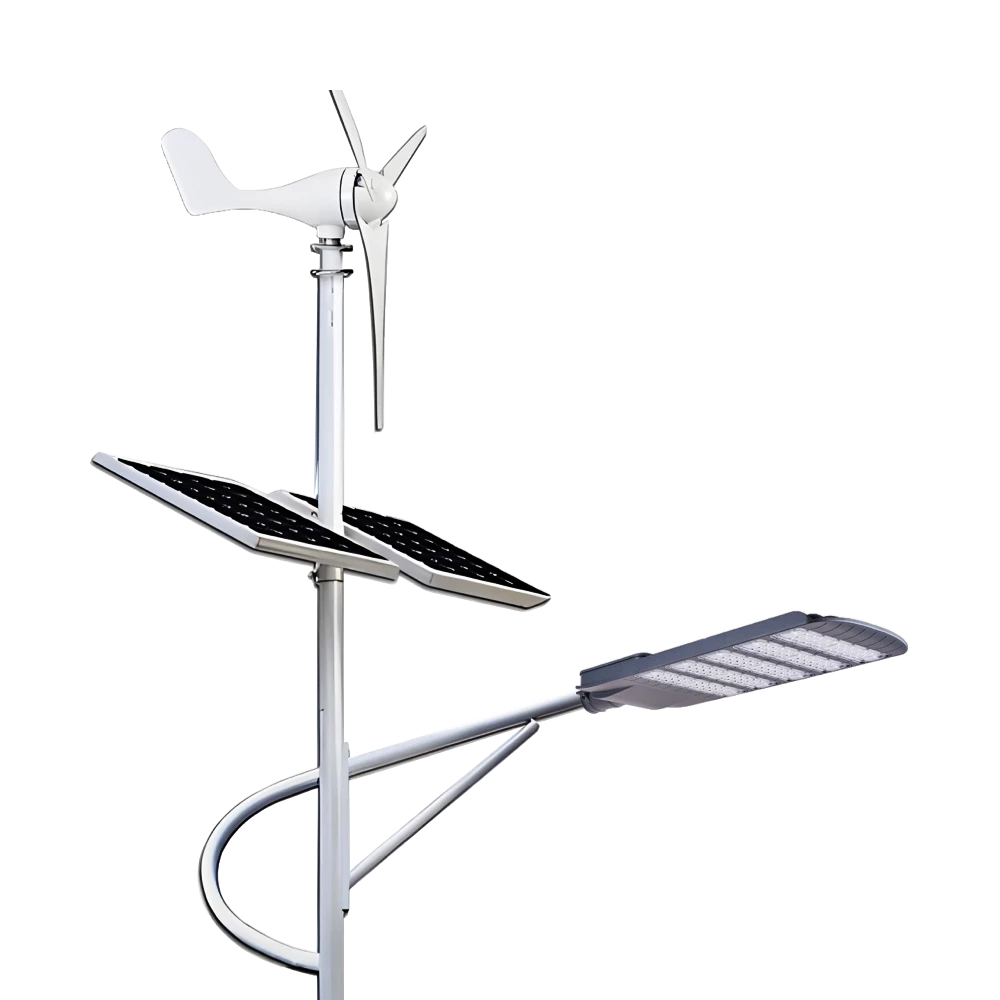
Queneng Lufeng Wind Energy LED Outdoor Solar Street Lights offer high-performance, eco-friendly illumination. These energy-efficient LED street lights harness solar power and wind energy for sustainable, cost-effective outdoor lighting solutions.
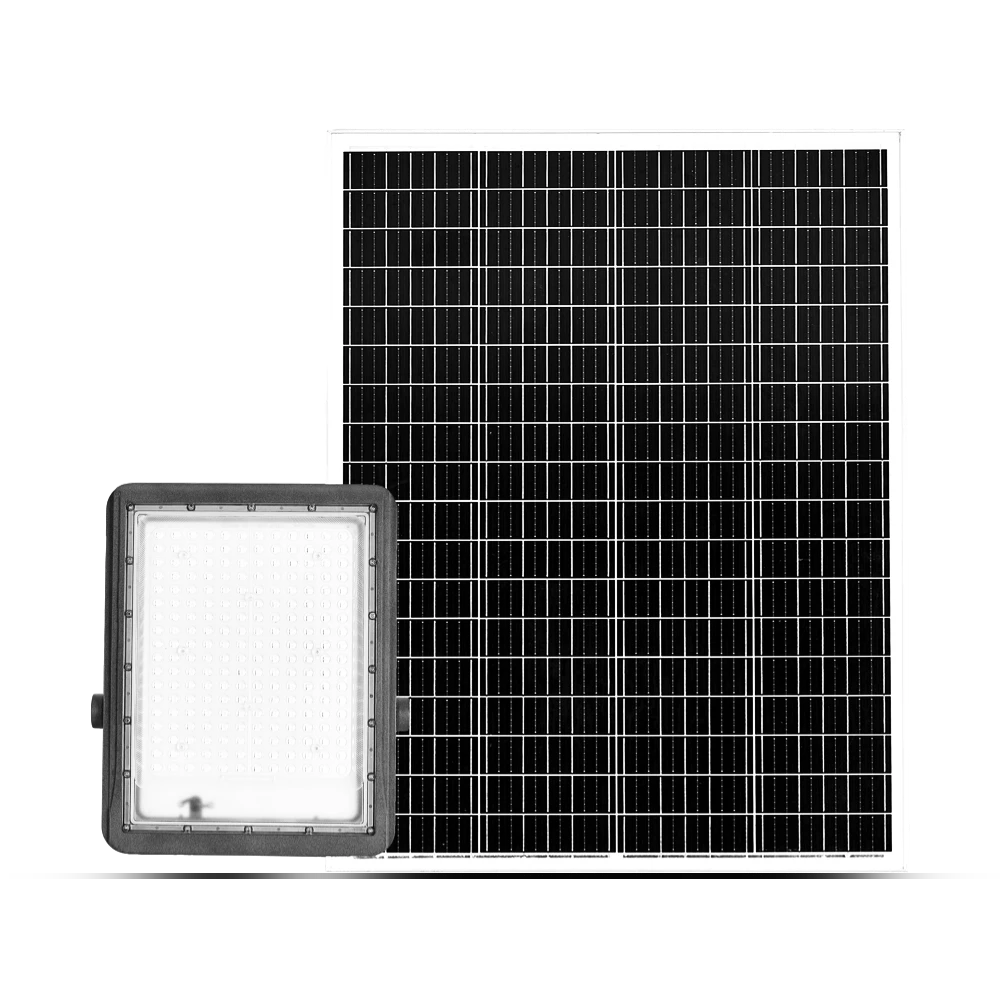
Queneng's Luxian Reliable Solar Street Light offers energy-saving LED lighting for outdoor use. This durable, solar-powered street light provides reliable illumination, reducing energy costs and environmental impact. A perfect solution for sustainable outdoor lighting.
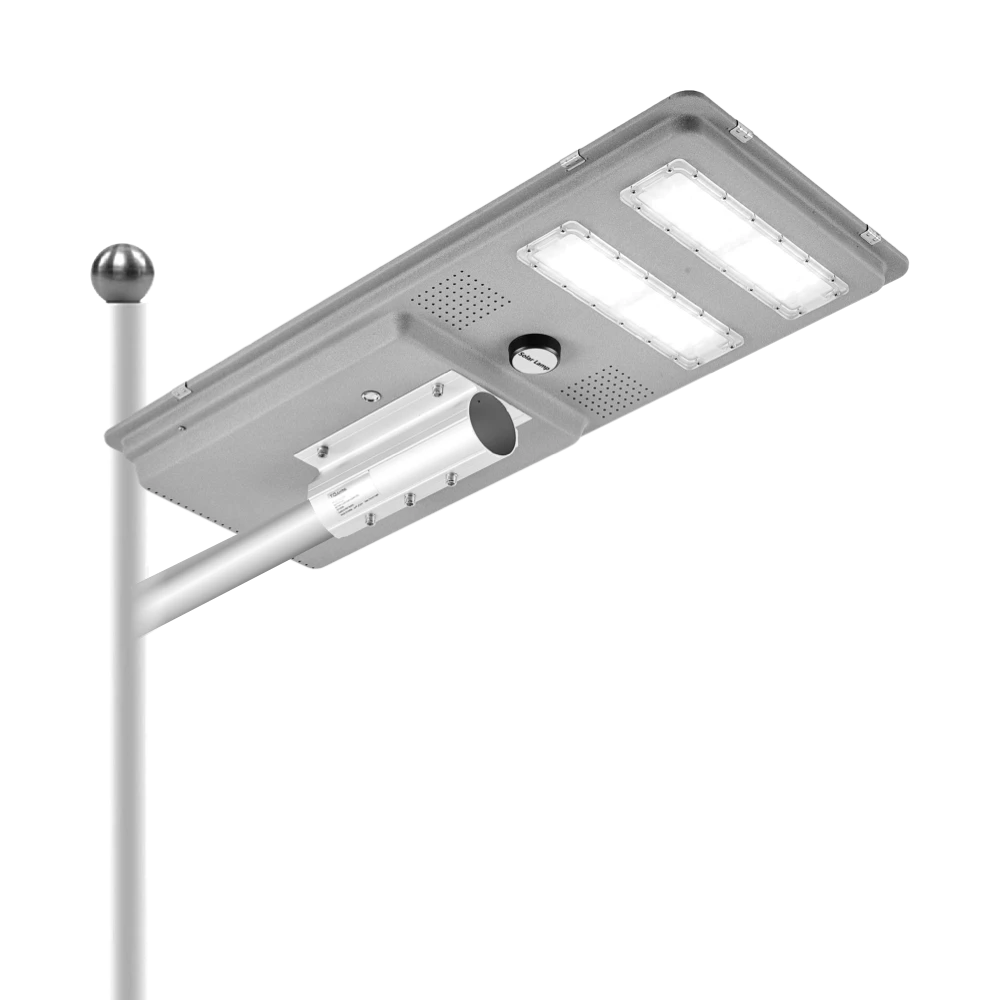
Queneng’s Solar Street Lights are designed to provide reliable, energy-efficient lighting for streets, parks, and other outdoor spaces.
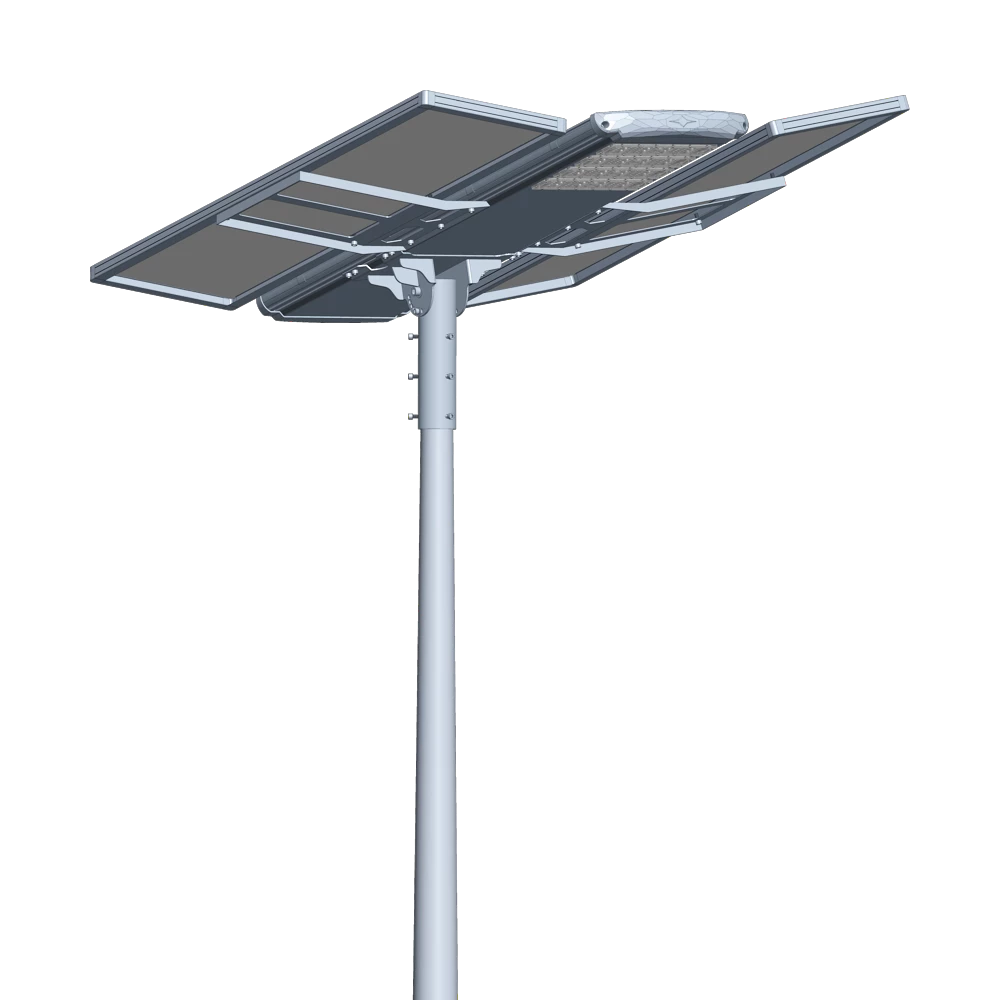
Introducing the Luqing Solar Street Light by Queneng, Efficient LED lighting powered by solar energy is perfect for illuminating outdoor areas. Harness the power of solar energy for sustainable, reliable street lighting. Ideal for eco-friendly, cost-effective outdoor illumination solutions.
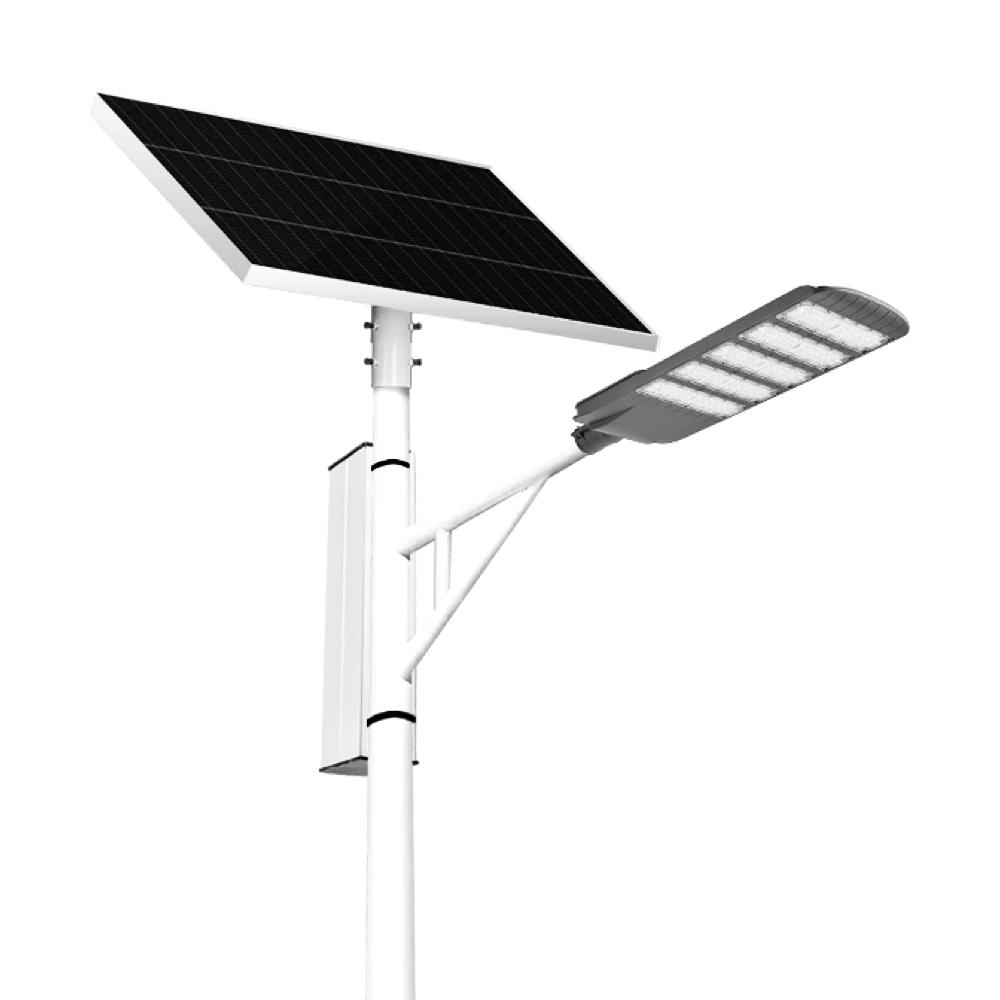
The Solar Streetlights of Luhao for Municipalities are designed to deliver reliable, energy-efficient, and cost-effective public lighting solutions. Equipped with advanced LED technology, durable lithium batteries, and high-efficiency solar panels, these streetlights provide consistent illumination for roads, parks, residential areas, and government projects.
Our professional team is ready to answer any questions and provide personalized support for your project.
You can reach us via phone or email to learn more about Queneng’s solar lighting solutions. We look forward to working with you to promote clean energy solutions!
Rest assured that your privacy is important to us, and all information provided will be handled with the utmost confidentiality.
By clicking 'Send Inquiry Now' I agree to Queneng processing my personal data.
To see how to withdraw your consent, how to control your personal data and how we process it, please see our Privacy Policy and Terms of use.
Schedule a Meeting
Book a date and time that is convenient for you and conduct the session in advance.
Have more questions about our products or services?
The messenger of light & power conversion
Environmental protection and intelligent manufacturing are our brand philosophy, and quality assurance and the best user experience are our eternal promises to users.
CONTACT
No.9F, Building F, Cao San Xin Tian Hong Logistics Park, Guzhen Town, Zhongshan City, Guangdong Province, China.
or write [email protected]
WhatsApp: +86 136 2270 1011


