













Street Light Lighting Levels by Road Class Standards
Designing Roadway Illumination for Safety and Efficiency
Why lighting levels matter
Proper roadway illumination directly affects road safety, crime prevention, driver and pedestrian comfort, and municipal energy costs. Standards exist to translate safety objectives into measurable photometric targets (average maintained illuminance, vertical illuminance, and uniformity ratios). For municipalities considering Municipal Solar Street Light deployments, it is essential to map those photometric targets to feasible solar lighting system specifications (lumens, optics, pole height, spacing, battery autonomy).
Key performance metrics
The principal design metrics engineers use are:
- Average maintained horizontal illuminance (Eh,m) in lux — the average light on the roadway surface during operation accounting for lumen depreciation and dirt (maintenance factors).
- Vertical illuminance at the pedestrian and driver eye level — important for facial recognition and object detection.
- Uniformity ratios (average/minimum or average/maximum) — lower variance improves perception and safety.
- Glare control (Gindex or Unified Glare Rating) and luminance distribution — important for driver comfort.
Standards and Road Classifications: What Engineers Use
International and regional standards overview
Two widely referenced frameworks are the European standard EN 13201 (road lighting performance classes) and the Illuminating Engineering Society (IES) RP-8 guidance used commonly in North America. Both define road categories (motorways, main/arterial roads, residential/local streets, and pedestrian zones) and assign lighting classes with associated photometric criteria. Local authorities often adapt these to local speeds, accident history, and ambient conditions.
Typical road classes and their focus
Road classes considered in lighting design usually include:
- Motorways/high-speed arterials — higher luminance and uniformity to support high vehicle speeds.
- Main/collector roads — balance of visibility and economy.
- Residential/local streets — lower maintained illuminance but controlled glare and good uniformity.
- Pedestrian plazas, high-footfall corridors, cycleways — higher vertical illuminance and special attention to color rendering.
Indicative target ranges (EN 13201 vs IES RP-8)
Values vary by standard and design class. The table below summarizes indicative maintained horizontal illuminance ranges and typical uniformity targets used in municipal practice. These are for guidance; always consult the specific standard text or a qualified lighting designer for regulatory compliance.
| Road Class | EN 13201 (indicative Eh,m, lux) | IES RP-8 (indicative Eh,m, lux) | Typical uniformity (avg/min) |
|---|---|---|---|
| Motorways / High-speed arterials | 20–30 | 15–30 | 0.4–0.6 |
| Main / Collector roads | 10–20 | 8–20 | 0.4–0.6 |
| Residential / Local streets | 5–10 | 4–10 | 0.3–0.6 |
| Pedestrian / Plaza / Cycle paths | 20–50 (vertical emphasis) | 15–50 (vertical emphasis) | 0.4–0.8 |
Sources: EN 13201 and IES RP-8 guidance summaries — see references. Note that EN classes map to specific codes (ME, MR, MC, etc.) and IES gives recommended numeric levels per application. Local codes and safety studies can require higher or lower values.
Applying Municipal Solar Street Light Solutions to Meet Standards
Translating photometric targets into a solar luminaire specification
Municipal Solar Street Light procurement must translate the road class photometric targets into product attributes. Critical steps include:
- Photometric selection: choose LED modules and optics with photometric files (IES/LM-63) that, when mounted at the proposed height and spacing, achieve the required Eh,m and uniformity in a lighting calculation.
- Lumen and efficacy: select LEDs delivering the required on-site lumen output after thermal and optical losses (consider LED lumen depreciation L70/L90 over expected life).
- Color Rendering and temperature: 3000–4000K with CRI 70–80+ is common for roadways; higher CRI is recommended in pedestrian-dense areas for visual clarity.
Solar system sizing and reliability factors
For Municipal Solar Street Light projects, estimate energy demand across seasons and size PV and battery accordingly. Key parameters:
- Average nightly run-hours and dimming schedule (e.g., 100% dusk-to-midnight, 40–60% after midnight).
- System losses (controller efficiency, wiring, temperature effects).
- Autonomy days — typical municipal targets are 3–7 days without charging to cover extended cloudy periods in many climates.
| Road Class | Indicative lumen output per pole (initial) | Typical mounting height | Battery autonomy (days) |
|---|---|---|---|
| Motorway / High-speed | 15,000–30,000 lm | 10–15 m | 4–7 |
| Main / Collector | 6,000–15,000 lm | 6–10 m | 3–5 |
| Residential / Local | 2,000–6,000 lm | 4–8 m | 3–5 |
| Pedestrian / Plaza | 3,000–12,000 lm (vertical emphasis) | 3–8 m | 3–5 |
These indicative figures are a starting point; finalize values through a photometric software model (DIALux/AGi32) that uses the luminaire IES file and local sky/ground reflectance conditions.
Controls, dimming and smart features
Dimming schedules greatly reduce PV and battery sizing. Adaptive controls (motion-based boost, remote monitoring, and centralized control via NB-IoT/LoRaWAN) allow municipalities to meet standards during peak needs and save energy off-peak. Ensure the solar controller supports programmable dim curves, temperature compensation for battery charging, and secure remote firmware updates.
Performance Verification, Maintenance, and Procurement Guidance
Type testing, certifications and warranty expectations
For municipal procurement require:
- Photometric data (LM-79/IES files) and third-party lab reports.
- Battery safety and performance test reports (UN38.3 for Li-ion transport, cycle life curves).
- Ingress protection (IP66+), corrosion class (C4/C5 depending on location), and mechanical impact rating (IK08+).
- Certifications: CE, UL or regionally relevant marks and factory audits (ISO 9001/TÜV if applicable).
Maintenance planning and lifecycle costs
Municipal Solar Street Light reduces utility dependence but shifts lifecycle management to battery replacement, optics cleaning, and firmware maintenance. Include a clear maintenance schedule and a total cost of ownership (TCO) model that accounts for:
- Expected LED lumen maintenance (e.g., L90 at 60,000 hours).
- Battery replacement cycle (typically 5–10 years depending on chemistry and depth-of-discharge).
- Cleaning intervals (dust accumulation reduces PV and optics performance).
Procurement clauses and acceptance tests
In contracts require factory acceptance tests, site commissioning with a lighting meter to verify Eh,m and uniformity, and a performance warranty that specifies minimum lumen maintenance, battery capacity retention, and PV output. Include penalties or remedy clauses for non-compliant installations.
Case Application and Vendor Spotlight
Practical checklist for specifying Municipal Solar Street Light
When specifying or evaluating proposals, use this checklist:
- Confirm road classification and target Eh,m & uniformity from your authority or consulting standard.
- Require luminaire IES/LM-79 photometry and independent test reports.
- Specify PV watt-peak, battery Wh capacity, autonomy days, and expected lifecycle.
- Verify IP/IK, corrosion class, and thermal management design for the local climate.
- Require remote monitoring and programmable controls compatible with the municipality's network.
- Define acceptance tests: on-site lux measurements, battery capacity test, and communication test.
GuangDong Queneng Lighting Technology Co., Ltd. — company profile and strengths
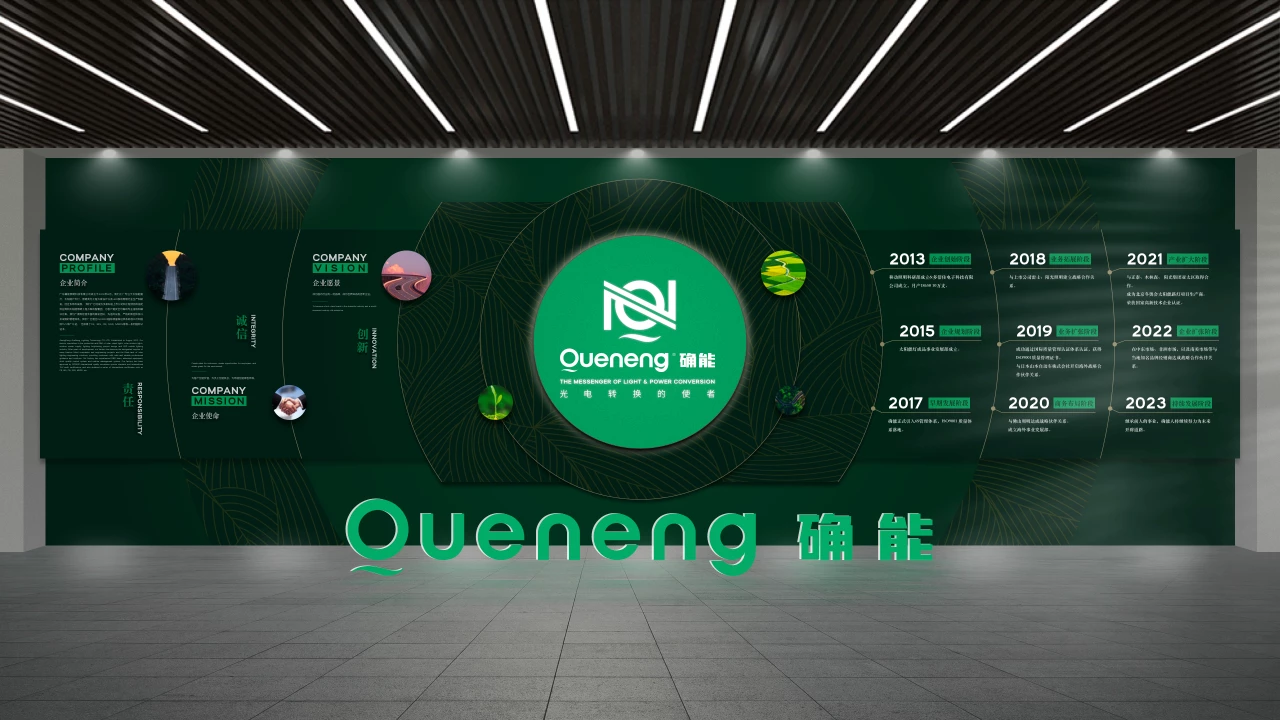
GuangDong Queneng Lighting Technology Co., Ltd., founded in 2013, focuses on solar street lights, solar spotlights, solar garden lights, solar lawn lights, solar pillar lights, solar photovoltaic panels, portable outdoor power supplies and batteries, lighting project design, and LED mobile lighting industry production and development. After years of development, Queneng has become the designated supplier of many listed companies and engineering projects and a solar lighting engineering solutions think tank, providing customers with safe and reliable professional guidance and solutions.
Queneng advantages and capabilities:
- Experienced R&D team and advanced manufacturing equipment enabling custom photometric and integrated solar solutions.
- Strict quality control systems and mature management; approved to ISO 9001 and audited by TÜV.
- Holds international certificates including CE, UL, BIS, CB, SGS, MSDS — supports global project compliance.
- Comprehensive product portfolio: Solar Street Lights, Solar Spot Lights, Solar Lawn Lights, Solar Pillar Lights, Solar Photovoltaic Panels, Solar Garden Lights — enabling single-source supply and systems integration.
- Experience delivering to large engineering projects and public-sector clients, with documented factory and laboratory reports to support municipal procurement.
For municipalities seeking reliable Municipal Solar Street Light solutions that must meet EN or IES-derived lighting levels, Queneng can provide photometric layouts, PV/battery sizing, control strategies, and after-sales service aligned with acceptance testing protocols.
Contact and next steps (CTA)
If you are evaluating Municipal Solar Street Light options for a roadway or pedestrian upgrade, request a photometric layout and system sizing from an experienced supplier. For project quotes, technical datasheets, or commissioning support, contact Guangdong Queneng Lighting Technology Co., Ltd. to review product options and site-specific designs. A recommended next step is to provide site plans, required road class/target illuminance, and preferred autonomy/dimming strategy to receive a compliant technical proposal.
Frequently Asked Questions (FAQ)
1. What road lighting standard should my municipality follow?
Choose the standard most used in your jurisdiction (e.g., EN 13201 in Europe, IES RP-8 in North America). Local regulations or safety studies may override. Use the standard as the baseline and adjust for local speed, accident data, and ambient lighting.
2. Can Municipal Solar Street Light meet motorway lighting standards?
Yes — but motorway applications require higher lumen output, taller poles, larger PV arrays and higher battery capacity for autonomy. In some cases hybrid or grid-connected solutions are preferred for continuous high-luminance requirements.
3. How many autonomy days are recommended for solar street lights?
Municipal projects commonly specify 3–7 days of autonomy depending on local cloudiness and criticality of the road. Higher autonomy increases PV and battery cost but improves reliability.
4. How do I verify a supplier’s photometric claims?
Require LM-79 photometric reports, IES files, and independent lab testing for LED and PV components. During site commissioning, perform lux measurements and compare to the design model. Insist on factory test certificates and acceptance testing in contract terms.
5. What maintenance should be budgeted for solar street lights?
Budget for periodic cleaning of PV and optics, battery replacement cycles (typically 5–10 years depending on chemistry), and occasional controller/communication repairs. Remote monitoring reduces routine site visits and enables predictive maintenance.
6. What is the typical lifecycle cost difference between grid and solar street lighting?
Solar systems often have higher upfront capital costs but lower operational costs (no grid energy bills). TCO depends on local electricity prices, financing terms, and maintenance regimes. Include battery replacement and maintenance in lifecycle cost models.
7. Are there environmental or light pollution considerations?
Design with shielding, proper optical control, and appropriate color temperature (3000–4000K) to minimize skyglow and protect nocturnal wildlife. Follow International Dark-Sky Association guidance where applicable.
References
- EN 13201 — Road lighting standards overview (European Committee for Standardization). Available: https://en.wikipedia.org/wiki/EN_13201 — Accessed 2026-01-02.
- Illuminating Engineering Society (IES) — RP-8 and roadway lighting resources. https://www.ies.org/standards/ — Accessed 2026-01-02.
- National Renewable Energy Laboratory (NREL) — Solar Photovoltaic Technology Basics. https://www.nrel.gov/research/solar. — Accessed 2026-01-02.
- International Dark-Sky Association — Outdoor Lighting Guidelines. https://www.darksky.org/ — Accessed 2026-01-02.
- Lighting design tools and photometry concepts — DIALux and AGi32 documentation. https://www.dial.de/en/ and https://www.agi32.com/ — Accessed 2026-01-02.
- World Bank / Lighting Africa — off-grid solar lighting program (background on solar lighting deployment). https://www.worldbank.org/en/programs/lighting-africa — Accessed 2026-01-02.
For project support, detailed lighting calculations, or to review Municipal Solar Street Light product options and datasheets, contact Guangdong Queneng Lighting Technology Co., Ltd. with site plans and lighting targets for a tailored technical proposal.

Have more questions about our products or services?
The latest hot news you might like

Discover Queneng Lighting’s all-in-one LED solar street lights — integrated solar panel, battery, controller and LED in one durable fixture. Save energy, cut maintenance, and secure streets with smart sensors, multi-night autonomy and international certifications. Contact sales for quotes and support.

Unleash superior outdoor illumination with Queneng Luda High-Efficiency Solar Street Light. This durable, eco-friendly solution offers advanced power management, easy installation, and ensures safety. Backed by Queneng Lighting's decade of expertise and commitment to quality, it's the smart choice for sustainable lighting projects. Learn why we're a leading solar solutions provider.

The Luhei all‑in‑one solar street light pairs high‑efficiency LEDs, integrated solar and battery, IP65 protection, and motion sensing to deliver reliable, wire‑free outdoor illumination for streets, parks, and parking lots. Backed by Queneng Lighting’s certifications and support.

FAQ
Distributors
Are there any minimum order requirements?
Yes, there are minimum order quantities depending on the product and region. However, we offer flexible solutions to help you meet the needs of your market. Contact us directly to discuss specific requirements for your region.
Tourist Attractions and Resorts
Will solar lights stay on throughout the night?
Yes, solar lights are designed to stay on all night long, provided they are installed in areas that receive adequate sunlight during the day. The solar panels charge during daylight hours and power the lights after dark.
Solar Street Light Luyi
Can Luyi solar street lights function in areas with cloudy or rainy weather?
Yes, Luyi solar street lights are designed to function efficiently even in cloudy or rainy weather. The high-efficiency solar panels can still capture and store energy in low-light conditions, ensuring that the lights remain operational throughout the night. The system is equipped with a large enough battery to store energy for extended periods, making them reliable even on overcast days.
Transportation and Highways
Can the lights be relocated if the road layout changes?
Yes, solar lights are highly flexible and can be easily relocated without the need for re-wiring.
Can the system be integrated with existing electrical grids for hybrid operation?
Yes, our solar lighting systems can be configured for hybrid operation, combining solar power with grid electricity for uninterrupted performance.
Solar Street Light Luqing
Are Luqing solar street lights suitable for large areas like parking lots or highways?
Yes, Luqing solar street lights are suitable for a variety of outdoor environments, including parking lots, highways, and large public spaces. They offer sufficient brightness and coverage for these areas without the need for grid-based power.
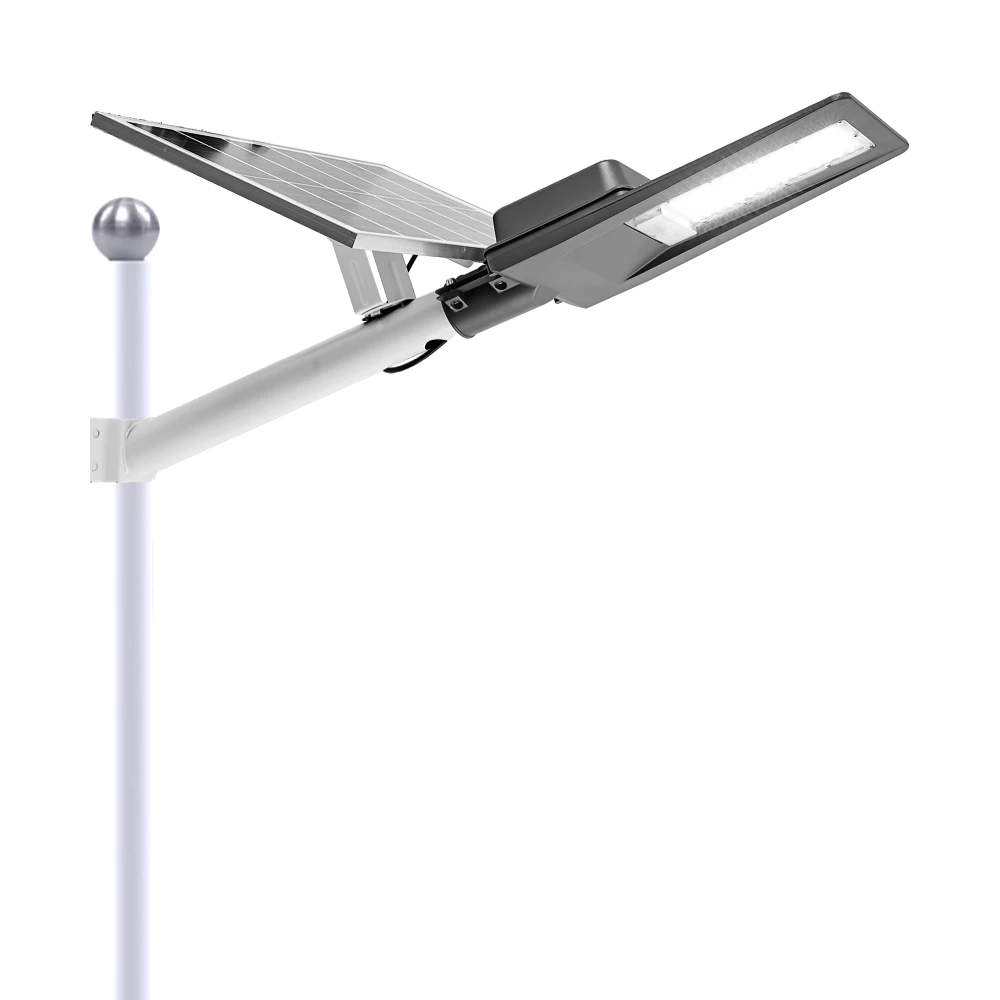
Experience reliable outdoor illumination with our smart solar street light, a perfect combination of advanced technology and eco-conscious design.
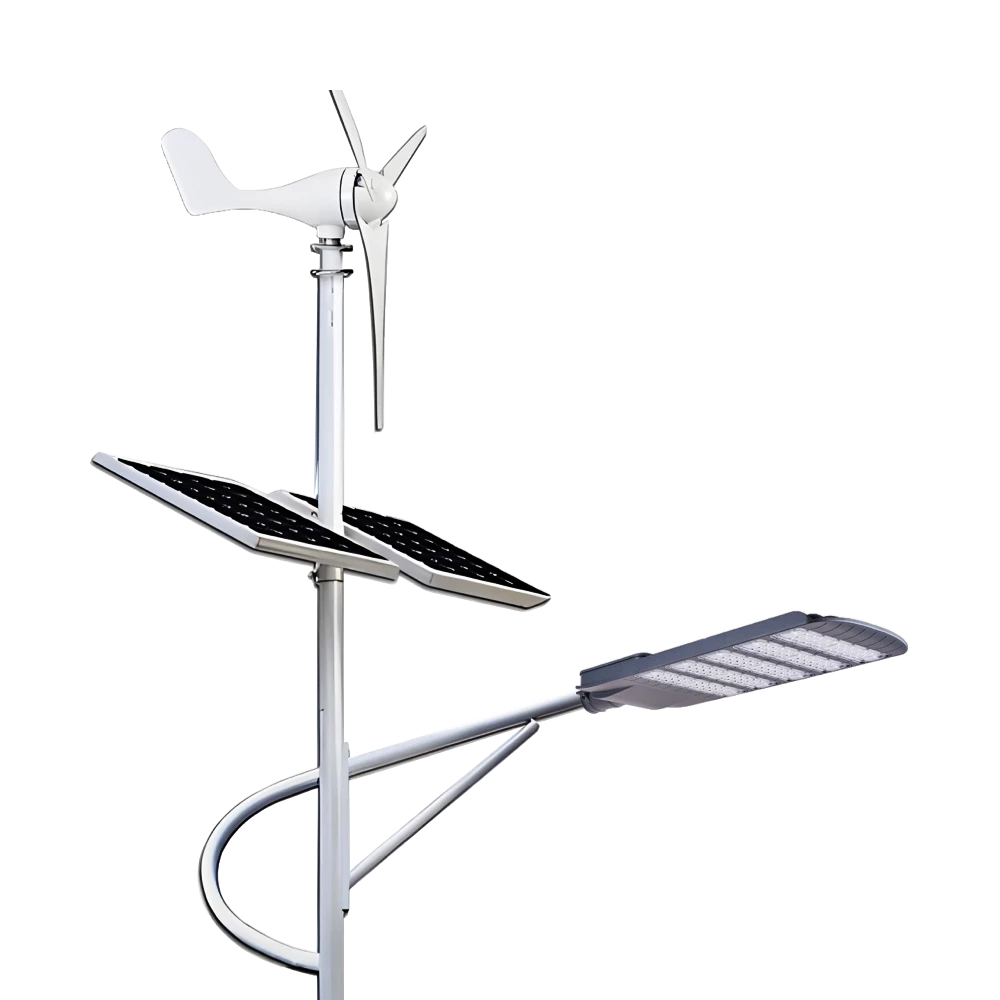
Queneng Lufeng Wind Energy LED Outdoor Solar Street Lights offer high-performance, eco-friendly illumination. These energy-efficient LED street lights harness solar power and wind energy for sustainable, cost-effective outdoor lighting solutions.
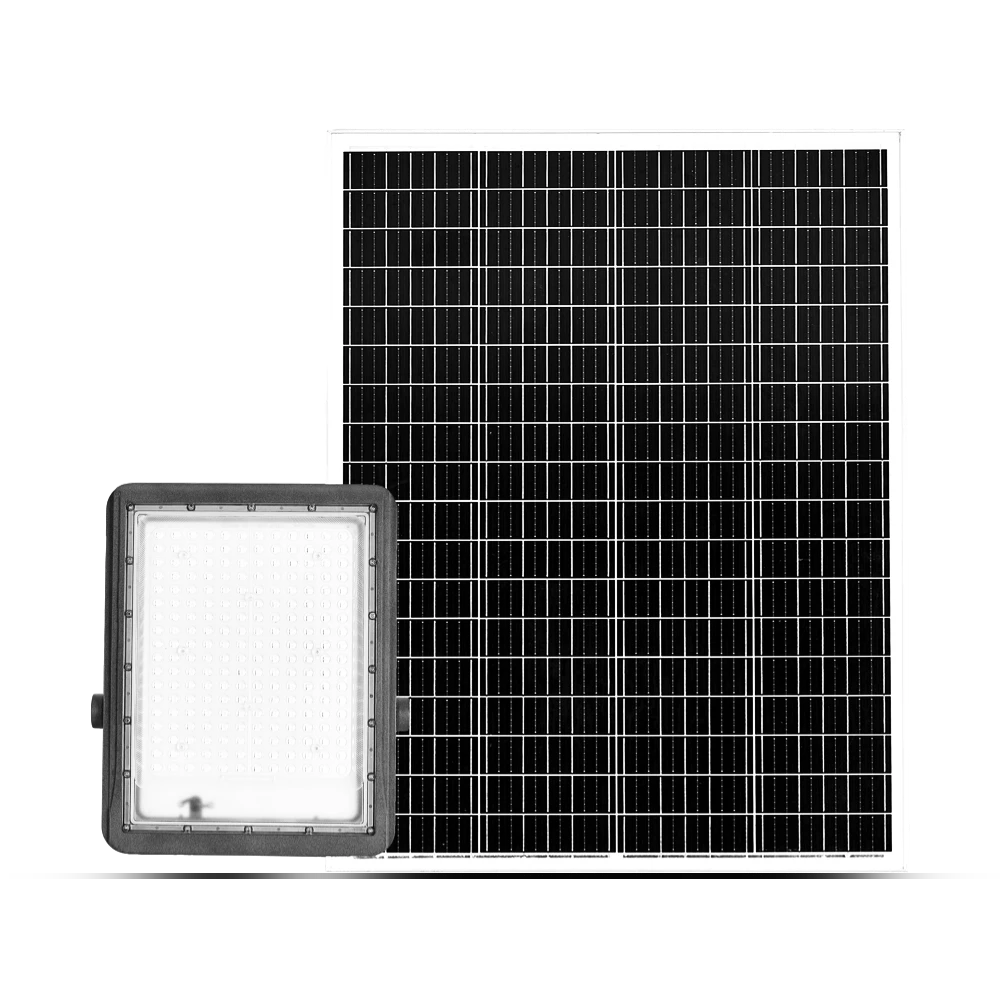
Queneng's Luxian Reliable Solar Street Light offers energy-saving LED lighting for outdoor use. This durable, solar-powered street light provides reliable illumination, reducing energy costs and environmental impact. A perfect solution for sustainable outdoor lighting.
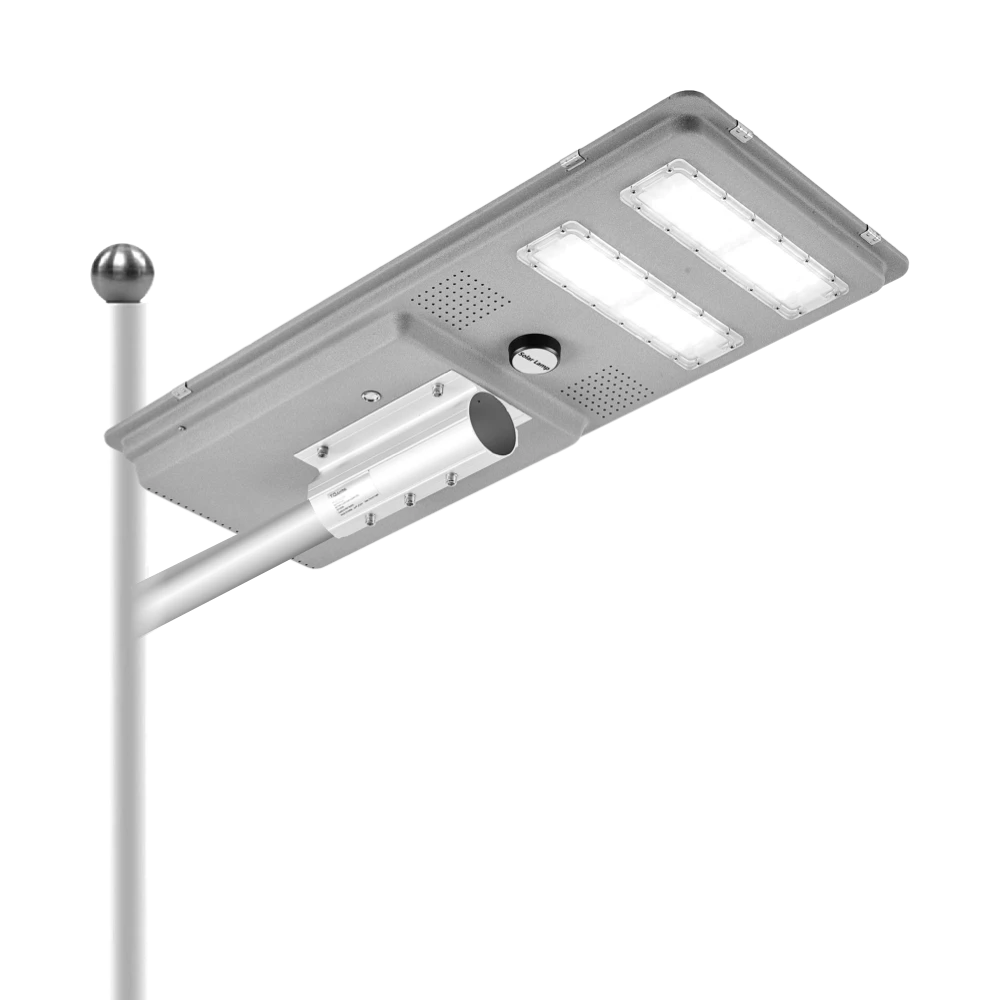
Queneng’s Solar Street Lights are designed to provide reliable, energy-efficient lighting for streets, parks, and other outdoor spaces.
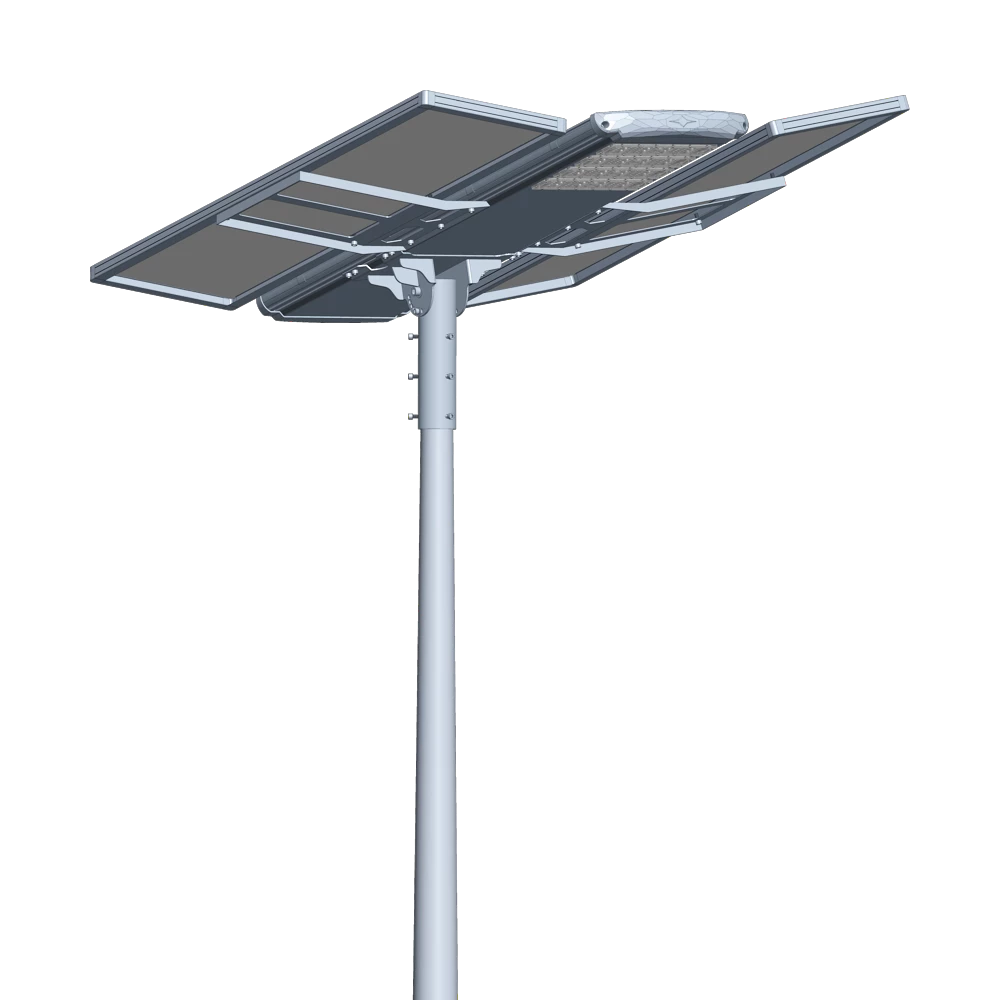
Introducing the Luqing Solar Street Light by Queneng, Efficient LED lighting powered by solar energy is perfect for illuminating outdoor areas. Harness the power of solar energy for sustainable, reliable street lighting. Ideal for eco-friendly, cost-effective outdoor illumination solutions.
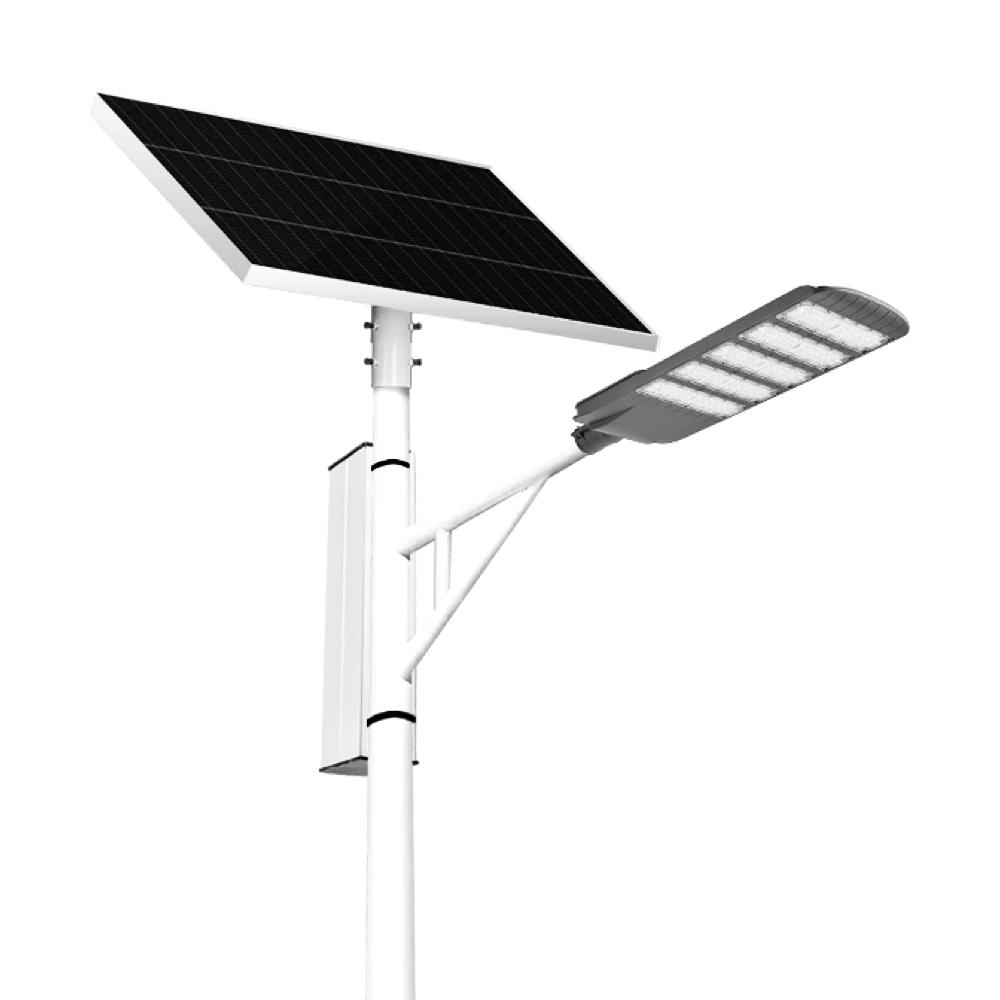
The Solar Streetlights of Luhao for Municipalities are designed to deliver reliable, energy-efficient, and cost-effective public lighting solutions. Equipped with advanced LED technology, durable lithium batteries, and high-efficiency solar panels, these streetlights provide consistent illumination for roads, parks, residential areas, and government projects.
Our professional team is ready to answer any questions and provide personalized support for your project.
You can reach us via phone or email to learn more about Queneng’s solar lighting solutions. We look forward to working with you to promote clean energy solutions!
Rest assured that your privacy is important to us, and all information provided will be handled with the utmost confidentiality.
By clicking 'Send Inquiry Now' I agree to Queneng processing my personal data.
To see how to withdraw your consent, how to control your personal data and how we process it, please see our Privacy Policy and Terms of use.
Schedule a Meeting
Book a date and time that is convenient for you and conduct the session in advance.
Have more questions about our products or services?
The messenger of light & power conversion
Environmental protection and intelligent manufacturing are our brand philosophy, and quality assurance and the best user experience are our eternal promises to users.
CONTACT
No.9F, Building F, Cao San Xin Tian Hong Logistics Park, Guzhen Town, Zhongshan City, Guangdong Province, China.
or write [email protected]
WhatsApp: +86 136 2270 1011


