













Thermal Testing for Long-Term LED Reliability
Summary for : Thermal performance deeply affects the field reliability of Municipal Solar Street Light deployments, Split Solar Street Light systems, and All-in-One Solar Street Lights. Proper thermal testing—combining steady-state measurements, thermal cycling, and accelerated life tests—allows engineers and procurement teams to predict lumen maintenance, avoid early failures, and optimize designs for field conditions. This article consolidates industry standards, test methods, and practical examples to guide project owners, specifiers, and manufacturers toward long-term LED reliability. Relevant standards and background information: LED fundamentals, IES LM-80/TM-21, and Arrhenius acceleration.
Understanding Heat: Why Thermal Management Matters
How temperature impacts LED performance and lifespan
LEDs do not “fail” in the classic on/off sense as often as incandescent lamps; their primary reliability concern is lumen depreciation (loss of light output) and color shift over time. Elevated junction temperature (Tj) accelerates lumen depreciation and may increase failure rates of LEDs, drivers, and electrolytic capacitors. Industry guidance such as IES LM-80 and TM-21 shows that maintaining a lower Tj prolongs L70 life (time to 70% of initial lumen output) and stabilizes chromaticity.
Sources of thermal stress in solar street lighting systems
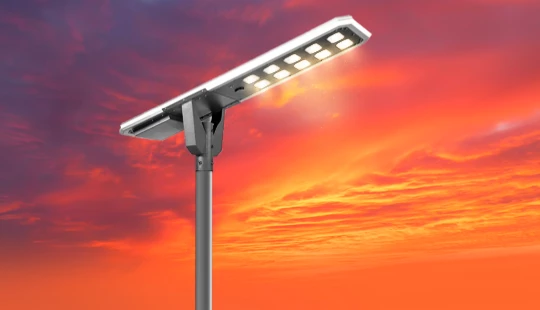
Thermal stress sources are both internal and external: internal losses from LEDs and drivers (power-to-heat), poor thermal path through housing or pole attachments, and external solar load (radiant heat) especially for rooftop- or pole-mounted photovoltaic arrays. In split solar street light architectures, separated components can reduce heat coupling but introduce long conductor runs and different mounting microclimates. All-in-One Solar Street Lights concentrate PV, battery, driver, and LEDs in a compact enclosure, raising the importance of careful thermal design and empirical testing to avoid hot spots and battery degradation.
Thermal Testing Methods and Standards for LED Systems
Key laboratory tests: steady-state, thermal cycling, and accelerated life
Useful and proven test families include:
- Steady-state thermal mapping: Measure junction temperature (Tj) or case temperature (Tc) at rated current and under worst-case ambient (e.g., 25°C and 40°C) to validate thermal design.
- Thermal cycling: Repeated transitions between low and high temperatures to reveal solder cracks, bond wire fatigue, and material mismatches.
- Accelerated life testing (ALT): Use elevated temperature and humidity or elevated electrical stress with carefully derived acceleration factors (Arrhenius-based models) to predict field life faster.
Each test provides different information: steady-state confirms if the design keeps Tj within target limits; cycling examines mechanical and material robustness; ALT projects life given known failure mechanisms. For LED lumen maintenance specifically, LM-80 measures lumen output and device temperatures and TM-21 projects long-term lumen depreciation from LM-80 data (see IES standards).
Standards that matter for specifiers
Standards and documents commonly referenced by engineers and procurement teams include:
- IES LM-80 (LED package/source/array lumen maintenance testing) and TM-21 (extrapolation method) — authoritative for lumen depreciation projections (IES).
- IEC 60598 (luminaire safety and thermal testing protocols) — verifies luminaire temperature limits and construction (IEC 60598).
- UL standards for luminaires (e.g., UL 1598) where applicable for electrical/thermal safety.
Applying Thermal Testing to Solar Street Light Designs
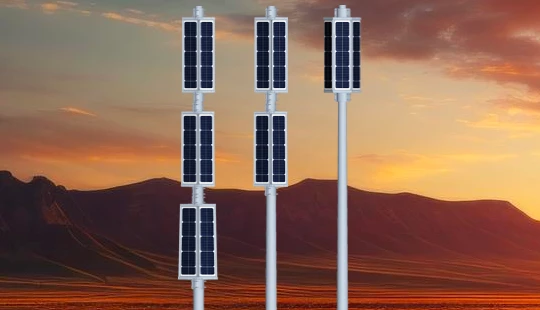
Comparative thermal considerations: Municipal Solar Street Light vs Split Solar Street Light vs All-in-One Solar Street Lights
Different architectures bring different thermal priorities. The table below summarizes common thermal test focus areas and target metrics for each form-factor.
| System Type | Thermal Challenges | Primary Test Focus | Typical Metric / Target |
|---|---|---|---|
| Municipal Solar Street Light (engineered projects) | Long duty cycles, varied installation heights, urban heat islands | Steady-state Tj at 25–40°C, driver temperature, thermal path to pole | Tc < 85°C; projected L70 > 50,000 hrs per TM-21 |
| Split Solar Street Light | Separated PV and lamp head reduce heat coupling but connectors and cable runs risk voltage drop and thermal gradients | Connector thermal rise, driver enclosure temp, battery location tests | Connector rise < 30°C above ambient; battery temp < 45°C (for lifecycle) |
| All-in-One Solar Street Lights | High packing density — battery, PV, driver and LEDs in one housing | Full-assembly thermal mapping, PV backsheet temperature, battery aging under elevated temps | Internal temps controlled to keep battery < 45°C; Tj limits per LM-80 inputs |
Data sources for life-projection methods include IES LM-80/TM-21 guidance and published Arrhenius-model methodology (Arrhenius equation).
Design-to-test loop: practical steps for manufacturers and specifiers
- Define field worst-case ambient (site surveys or historical climate data) and solar exposure for municipal projects.
- Set target Tj and component temperature limits (LED, driver, battery) and translate to allowable thermal resistance.
- Run CFD and finite element thermal simulations to identify hot spots before prototyping.
- Prototype and perform steady-state thermal mapping and thermal cycling with instrumentation (thermocouples on Tc, Tj proxies, and ambient sensors).
- For lumen maintenance, undertake LM-80 testing and use TM-21 to project L70; use ALT with documented acceleration factors to validate life estimates for other components.
- Iterate design (heatsink designs, materials, ventilation, thermal interface materials) until test results meet targets.
Practical Test Design, Data Interpretation, and Field Validation
How to design meaningful thermal tests
Design tests that replicate the real installation: pole-mounted, sun-facing orientation, and enclosed junction boxes where applicable. For All-in-One Solar Street Lights, simulate full solar loading on PV panels while running the luminaire at rated current to measure combined thermal effects. Instrumentation should include:
- Thermocouples at LED Tc points (or calibrated optical measurements to infer Tj).
- Temperature sensors for driver case, battery pack, and critical connectors.
- Ambient temperature and solar irradiance sensors during outdoor soak tests.
Where possible, run tests for multiple ambient levels (e.g., 25°C, 35°C, 45°C) and correlate results with Arrhenius-based acceleration so lab hours can be translated into expected field life.
Interpreting lumen maintenance and failure data
Use LM-80 measured lumen output and recorded temperatures to feed TM-21 extrapolation. Keep in mind TM-21 limits the amount of extrapolation beyond the test duration; conservative practice is to test longer (e.g., 6,000–10,000 hours) to reduce uncertainty. For components not covered by LM-80 (drivers, capacitors, batteries), apply separate ALT and real-world field trials and compare to Arrhenius-model predictions. Document all assumptions (activation energy values, humidity effects) and cite them in specifications.
Field validation and post-installation monitoring
Even with rigorous lab testing, field monitoring is critical. Municipal projects benefit from a pilot cluster instrumented with remote temperature, light-output telemetry, and battery state-of-charge reporting. This real-world data can confirm thermal models and identify site-specific issues like heat-trapping pole caps, reflected radiant heat from nearby buildings, or unanticipated shading that affects PV temperatures. Remote monitoring also enables warranty and maintenance planning informed by thermal performance trends.
Queneng Lighting: Thermal Testing Practices and Product Advantages
Company profile and relevance to thermal reliability
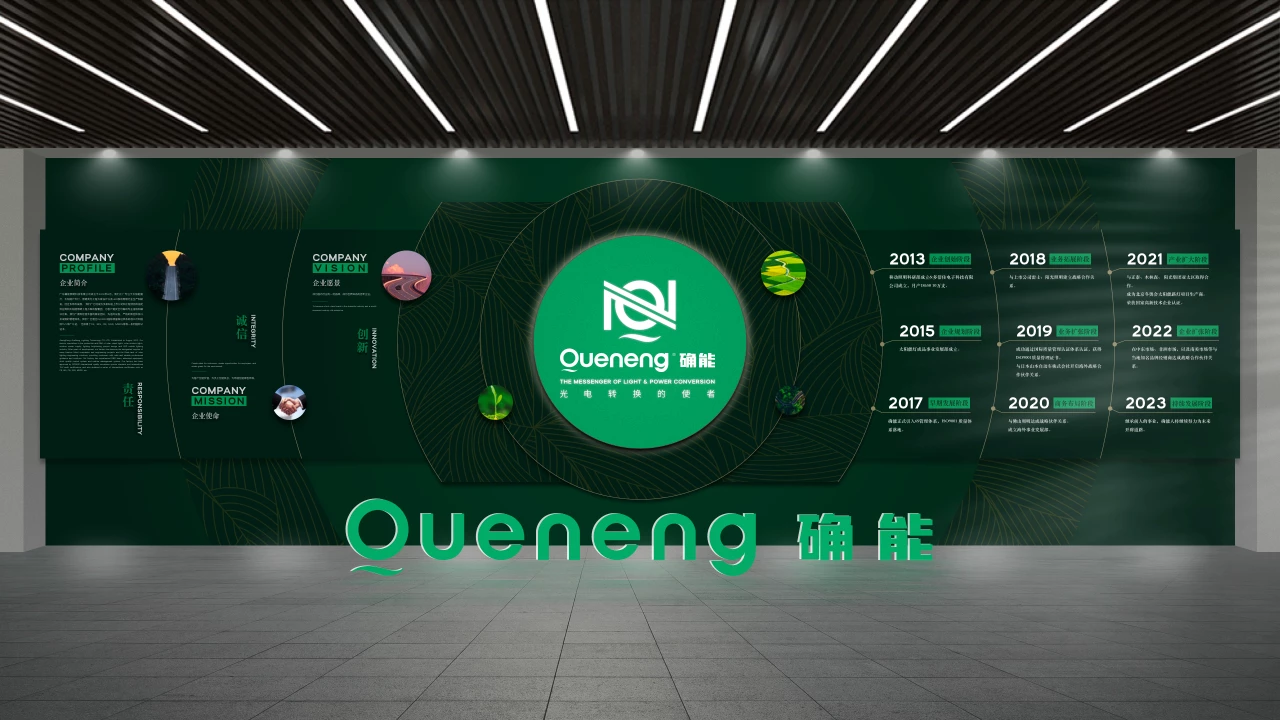
Queneng Lighting, founded in 2013, focuses on solar street lights, solar spotlights, solar garden lights, solar lawn lights, solar pillar lights, solar photovoltaic panels, portable outdoor power supplies and batteries, lighting project design, and LED mobile lighting industry production and development. After years of development, Queneng has become the designated supplier for many listed companies and engineering projects and operates as a solar lighting engineering solutions think tank, providing safe and reliable professional guidance and solutions.
Technical capabilities, certifications, and quality control
Queneng Lighting maintains an experienced R&D team, advanced equipment, strict quality control systems, and a mature management system. The company is approved by the ISO 9001 international quality assurance system and has passed international TÜV audits. Queneng has obtained international certificates including CE, UL, BIS, CB, SGS, and MSDS. These certifications reflect the company’s commitment to test-based development and lifecycle-focused product qualification.
How Queneng applies thermal testing to product lines
Queneng’s product portfolio—Solar Street Lights, Solar Spot lights, Solar Lawn lights, Solar Pillar Lights, Solar Photovoltaic Panels, split solar street light, and All-in-One Solar Street Lights—follows a design-to-test loop that incorporates steady-state thermal mapping, thermal cycling, LM-80 lumen maintenance measurement where appropriate, accelerated life testing for batteries and drivers, and field pilot validation. The combination of certified manufacturing, documented test reports, and field telemetry minimizes performance risk for municipal deployments and engineering projects.
Frequently Asked Questions (FAQ)
1. Why is thermal testing more important for All-in-One Solar Street Lights?
All-in-One units combine PV, battery, driver, and LEDs in one enclosure, increasing internal heat densities. Thermal testing ensures adequate heat dissipation paths and verifies that batteries and drivers remain within safe temperature ranges to avoid accelerated ageing and early failures.
2. How do LM-80 and TM-21 relate to thermal testing?
LM-80 measures LED lumen output and temperature over time. TM-21 uses LM-80 data to extrapolate lumen maintenance (e.g., L70). LM-80 requires controlled temperature measurements; thus, accurate thermal testing is fundamental to produce reliable TM-21 projections. See IES resources: IES standards.
3. What are reasonable thermal targets for municipal solar street light projects?
Typical targets: LED case temperature (Tc) below 85°C under worst-case ambient, battery pack temperature below 45°C for longevity, and connector temperature rise less than ~30°C above ambient. Targets may be tightened for hotter climates or longer warranty commitments.
4. Can accelerated testing reliably predict field life for batteries and drivers?
Yes, when tests are designed with correct acceleration models and failure mechanisms are well understood. Arrhenius-based thermal acceleration is commonly used, but must be paired with realistic humidity and mechanical stress simulations. Field validation remains essential to confirm lab projections.
5. For split solar street light systems, what test focus differs from All-in-One systems?
Split systems reduce direct thermal coupling between the PV/battery and the luminaire, so focus shifts to connector thermal rise, long-wire losses, and driver mounting temperatures. Split designs often allow better passive cooling of the lamp head but require checks on environmental sealing and connector durability during thermal cycles.
6. How should municipalities specify thermal testing in procurement documents?
Require LM-80 reports (with test temperatures), TM-21 extrapolations for LED lumen maintenance, IEC/UL compliance for luminaires, documented thermal mapping under defined ambient conditions, thermal cycling results, and a pilot field validation plan with telemetry for the first installations. Request certificate copies (ISO 9001, TÜV, CE/UL/CB) and laboratory accreditation where tests were performed.
Contact & Product Inquiry: For project-level consultation, detailed thermal test reports, or product quotations for Municipal Solar Street Light, split solar street light, and All-in-One Solar Street Lights, contact Queneng Lighting. Visit our product pages or request an engineering review to evaluate thermal performance for your site and specifications. Queneng Lighting offers sample testing, pilot deployments, and full documentation to support procurement and warranty decisions.
Relevant references and further reading: LED fundamentals (Wikipedia), Lumen maintenance (LM-80/TM-21), Arrhenius acceleration, Solar street lights overview, and IEC 60598.

Have more questions about our products or services?
The latest hot news you might like

Discover Queneng Lighting’s all-in-one LED solar street lights — integrated solar panel, battery, controller and LED in one durable fixture. Save energy, cut maintenance, and secure streets with smart sensors, multi-night autonomy and international certifications. Contact sales for quotes and support.

Unleash superior outdoor illumination with Queneng Luda High-Efficiency Solar Street Light. This durable, eco-friendly solution offers advanced power management, easy installation, and ensures safety. Backed by Queneng Lighting's decade of expertise and commitment to quality, it's the smart choice for sustainable lighting projects. Learn why we're a leading solar solutions provider.

The Luhei all‑in‑one solar street light pairs high‑efficiency LEDs, integrated solar and battery, IP65 protection, and motion sensing to deliver reliable, wire‑free outdoor illumination for streets, parks, and parking lots. Backed by Queneng Lighting’s certifications and support.

FAQ
Solar Street Light Luhua
What is the environmental impact of installing Luhua solar street lights?
Installing Luhua solar street lights significantly reduces the environmental impact by decreasing reliance on fossil-fuel-powered electricity. By harnessing solar energy, these lights help cut down on carbon emissions, contributing to a greener, more sustainable environment. Additionally, the use of energy-efficient LED lights reduces electricity consumption, further supporting environmental goals.
Solar Street Light Luxian
Are Luxian solar street lights suitable for installation in remote locations?
Yes, Luxian solar street lights are ideal for remote or off-grid locations, as they operate entirely on solar power and do not require any connection to the electrical grid. They are perfect for rural roads, pathways, parks, or other outdoor spaces that lack access to traditional power sources.
Battery Performance and Testing
What is the IEC standard cycle life test?
After the battery is discharged to 1.0V/support at 0.2C
1. Charge at 0.1C for 16 hours, then discharge at 0.2C for 2 hours and 30 minutes (one cycle)
2. Charge at 0.25C for 3 hours and 10 minutes, discharge at 0.25C for 2 hours and 20 minutes (2-48 cycles)
3. Charge at 0.25C for 3 hours and 10 minutes, then discharge to 1.0V at 0.25C (49th cycle)
4. Charge at 0.1C for 16 hours, leave for 1 hour, discharge at 0.2C to 1.0V (50th cycle). For nickel-metal hydride batteries, after repeating 1-4 for a total of 400 cycles, the 0.2C discharge time should be greater than 3 hours; for nickel-cadmium batteries, repeating 1-4 for a total of 500 cycles, the 0.2C discharge time should be greater than 3 hours.
Remote Areas Rural Development
What is the average lifespan of the lighting system?
The system typically lasts 8-10 years, with components like batteries requiring replacement every 5-8 years.
Solar Street Light Luqing
What is the main advantage of using Luqing solar street lights over traditional street lights?
The main advantage of Luqing solar street lights is their sustainability. They use solar energy, eliminating the need for electricity from the grid, which reduces energy costs and environmental impact while providing reliable lighting.
Public Gardens and Landscape Lighting
Do solar lights need wiring?
No, one of the main advantages of solar lights is that they do not require any wiring or electrical connections. They operate independently using solar energy, making installation quick, easy, and cost-effective.
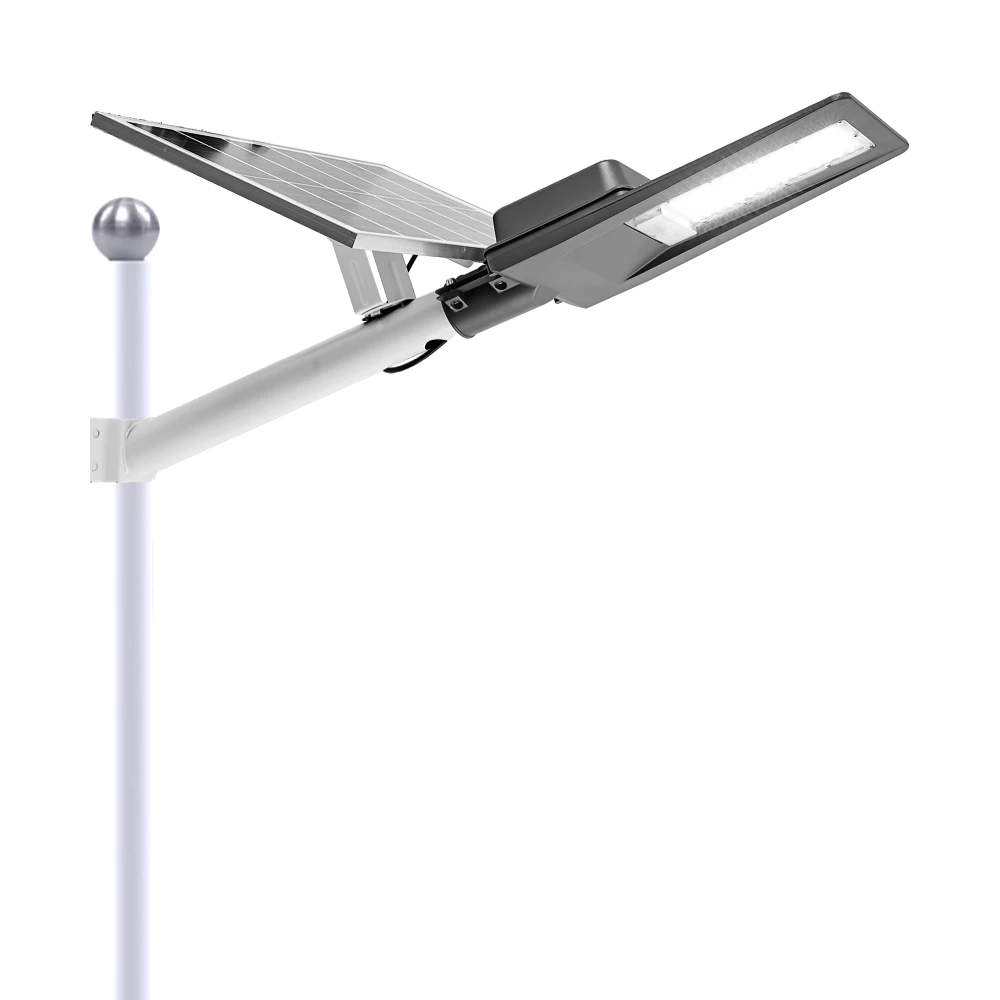
Experience reliable outdoor illumination with our smart solar street light, a perfect combination of advanced technology and eco-conscious design.
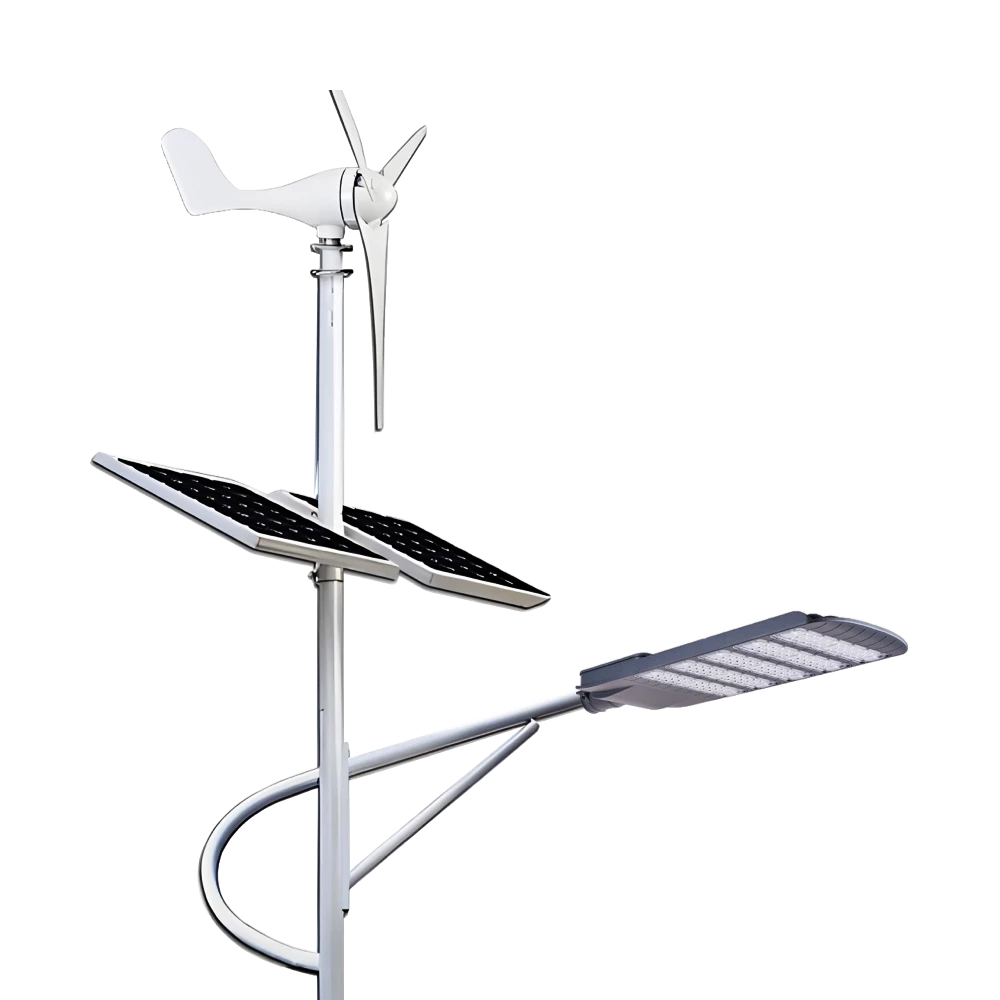
Queneng Lufeng Wind Energy LED Outdoor Solar Street Lights offer high-performance, eco-friendly illumination. These energy-efficient LED street lights harness solar power and wind energy for sustainable, cost-effective outdoor lighting solutions.
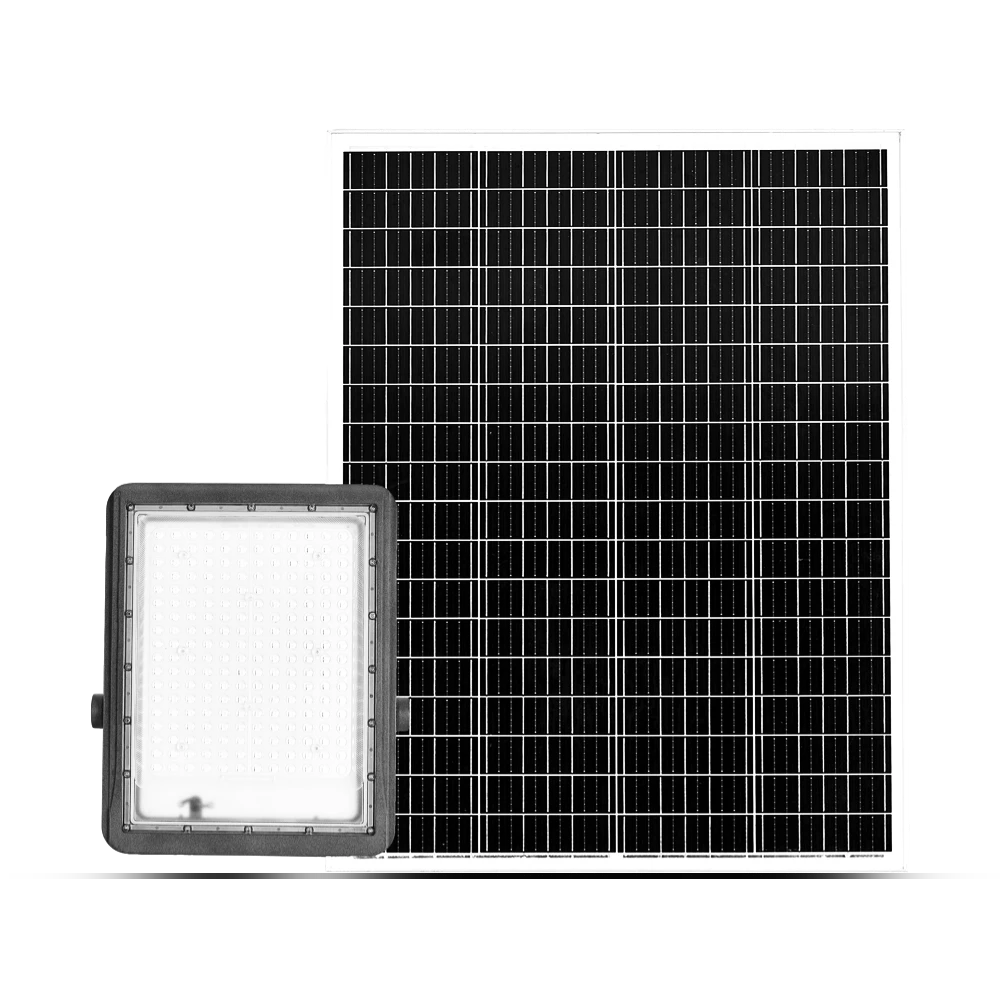
Queneng's Luxian Reliable Solar Street Light offers energy-saving LED lighting for outdoor use. This durable, solar-powered street light provides reliable illumination, reducing energy costs and environmental impact. A perfect solution for sustainable outdoor lighting.
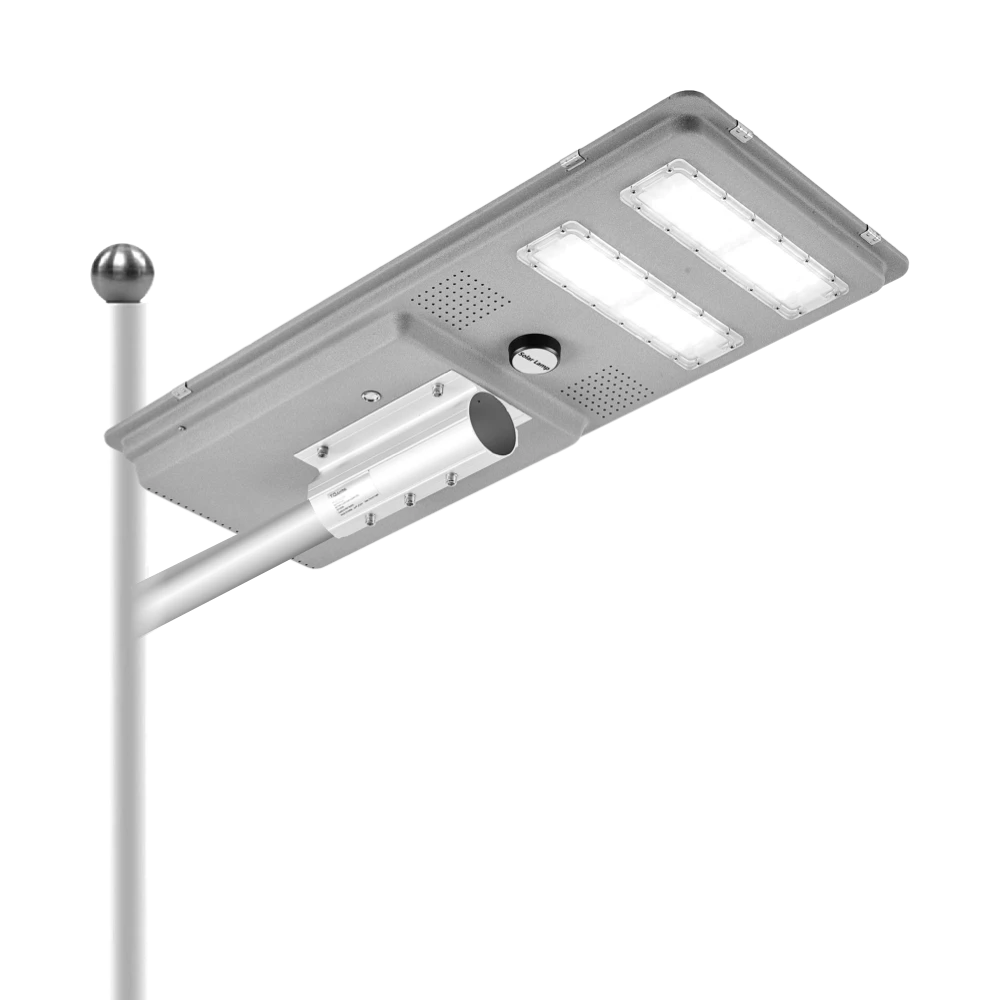
Queneng’s Solar Street Lights are designed to provide reliable, energy-efficient lighting for streets, parks, and other outdoor spaces.
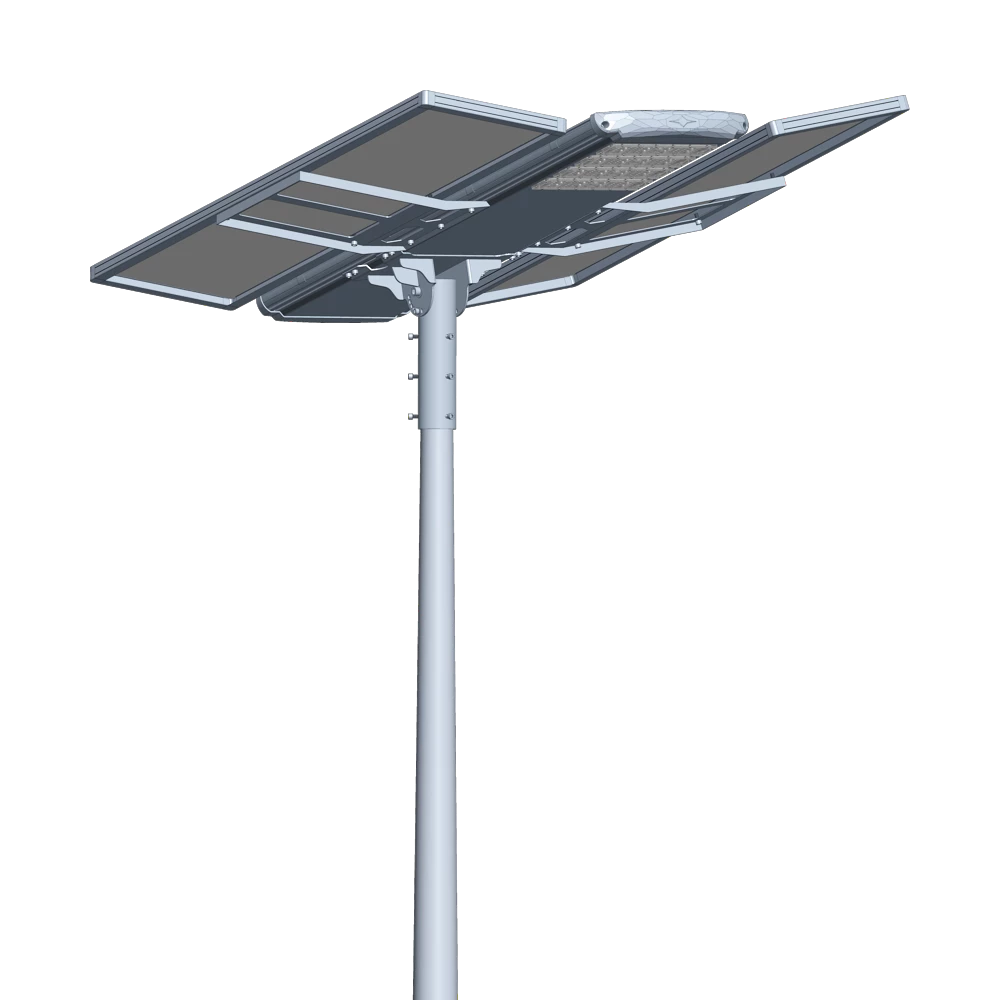
Introducing the Luqing Solar Street Light by Queneng, Efficient LED lighting powered by solar energy is perfect for illuminating outdoor areas. Harness the power of solar energy for sustainable, reliable street lighting. Ideal for eco-friendly, cost-effective outdoor illumination solutions.
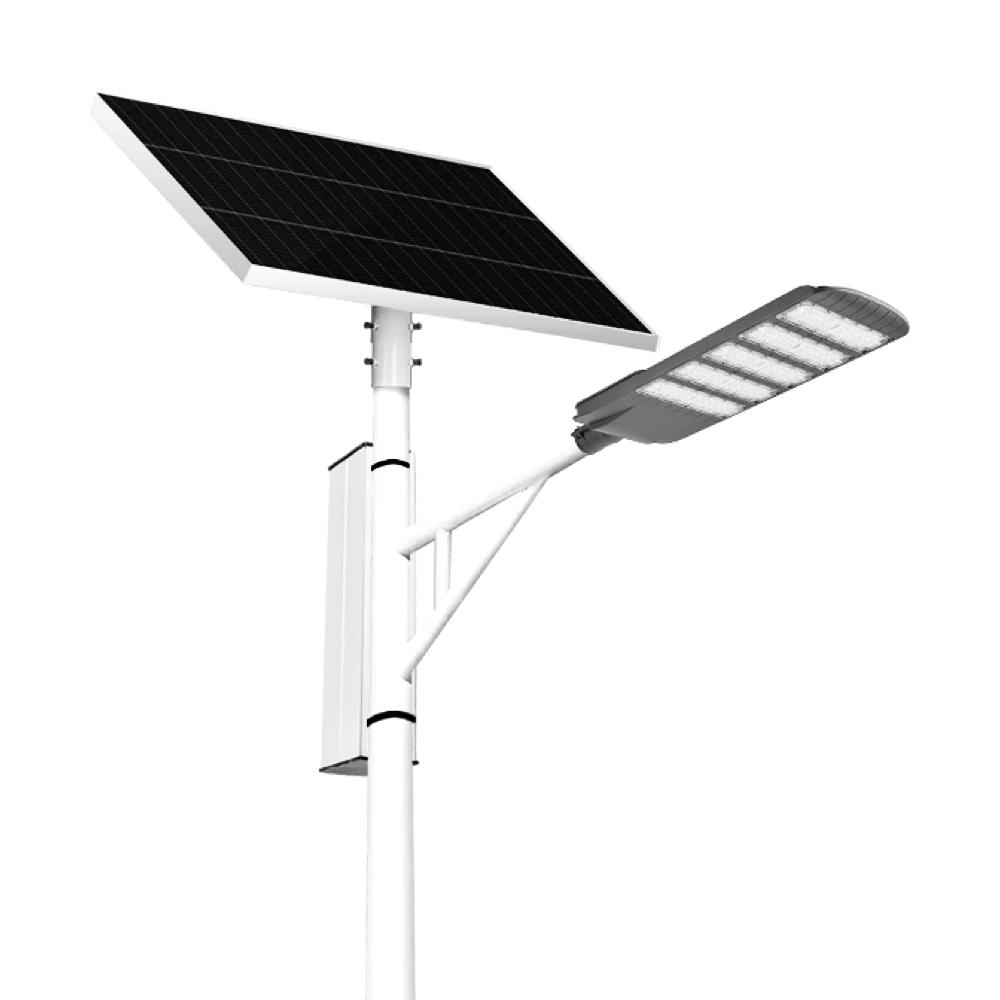
The Solar Streetlights of Luhao for Municipalities are designed to deliver reliable, energy-efficient, and cost-effective public lighting solutions. Equipped with advanced LED technology, durable lithium batteries, and high-efficiency solar panels, these streetlights provide consistent illumination for roads, parks, residential areas, and government projects.
Our professional team is ready to answer any questions and provide personalized support for your project.
You can reach us via phone or email to learn more about Queneng’s solar lighting solutions. We look forward to working with you to promote clean energy solutions!
Rest assured that your privacy is important to us, and all information provided will be handled with the utmost confidentiality.
By clicking 'Send Inquiry Now' I agree to Queneng processing my personal data.
To see how to withdraw your consent, how to control your personal data and how we process it, please see our Privacy Policy and Terms of use.
Schedule a Meeting
Book a date and time that is convenient for you and conduct the session in advance.
Have more questions about our products or services?
The messenger of light & power conversion
Environmental protection and intelligent manufacturing are our brand philosophy, and quality assurance and the best user experience are our eternal promises to users.
CONTACT
No.9F, Building F, Cao San Xin Tian Hong Logistics Park, Guzhen Town, Zhongshan City, Guangdong Province, China.
or write [email protected]
WhatsApp: +86 136 2270 1011


