

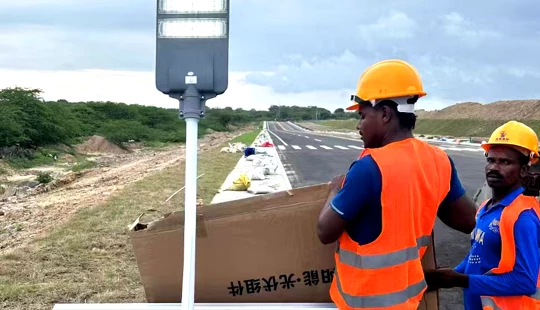
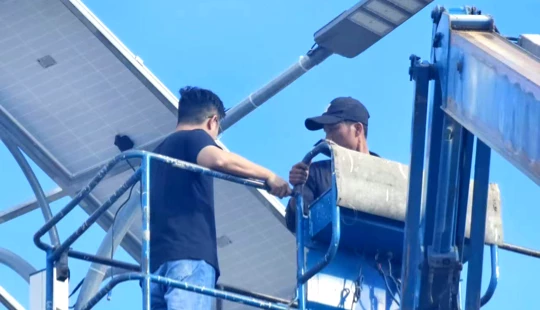













Vendor Contract Templates for Solar Lighting Projects
Vendor contracts for solar lighting projects must bridge technical performance, regulatory compliance, and long-term asset management. Whether procuring municipal solar street light systems for urban corridors, split solar street light systems for large-scale highways, or compact all-in-one solar street lights for neighborhood retrofits, a contract template should be precise about specifications, acceptance testing, warranties, maintenance obligations, and measurable KPIs. This guide provides practical, field-proven contract clauses, risk allocation approaches, and procurement checks that improve project outcomes and protect public and private owners.
Understanding procurement needs for public lighting
Defining project scope and asset boundaries
Clear scope definitions prevent disputes. A contract should explicitly identify whether the supplier provides complete luminaires (fixture, module, battery, mounting hardware), only the luminaire head (for split solar street light panels and remote battery cabinets), or a turn-key solution including poles, foundations, and civil works. For municipal projects, include as-built drawings and asset tagging requirements for integration into municipal asset management systems.
Regulatory and grid interface compliance
Contract language must require compliance with local electrical codes, standards for IP/IK protection, and any grid-interconnection rules. Reference relevant international standards and certification requirements (for example ISO 9001 quality system expectations: ISO 9001, or industry quality programs such as Lighting Global Quality Assurance) so that the procuring authority can enforce tests and certificate delivery at project milestones.
Asset lifecycle and total cost of ownership
Procurement must consider lifecycle costs: LED lumen depreciation, battery cycling and replacement, PV degradation rates, and maintenance logistics. Define minimum expected lifetimes and routine maintenance schedules. For example, use conservative PV degradation assumptions (0.5–1%/year) and battery cycle life consistent with the selected chemistry in the contract deliverables. Cite performance guarantees in energy and autonomy hours rather than only watt ratings to reduce ambiguity.
Essential clauses in vendor contract templates
Technical specifications and acceptance tests
Specify measurable acceptance criteria: illuminance (lux) at specified mounting height and spacing, uniformity ratios, autonomy hours (e.g., 3–5 nights at rated load), battery state-of-charge thresholds, PV power and orientation, Ingress Protection (IP66/IK09 typical), and LED colour temperature/CRI. Include factory and site acceptance tests (FAT/SAT) and third-party witness test rights. Reference accepted test reports and standards such as the Solar street light guidance and IEC testing norms where applicable.
Payment structure, milestones, and performance guarantees
Link payments to clear deliverables: design approval, material delivery, installation completion, commissioning, and successful 30/90-day performance verification. Include retention (5–10%) tied to warranty performance. Performance guarantees should include minimum uptime (e.g., 98% across the warranty period) and Service Level Agreements (SLAs) for repair response and mean time to repair (MTTR).
Warranties, maintenance, and spare parts obligations
Warranties must be explicit: LED modules (5–7 years), battery packs (2–5 years depending on chemistry), PV modules (minimum 10 years for product, 25 years for performance guarantees), and workmanship (varies by procurement). Define preventive maintenance schedules, parts provisioning timelines (e.g., 72-hour regional supply for critical spares), and options for long-term service agreements (performance-based maintenance, measured by lux retention and downtime).
Contract considerations by product type
Municipal Solar Street Light — what to require
Municipal projects often demand integration with existing infrastructure and longer asset lifecycles. Contracts should require: asset tagging for municipal GIS, dimming profiles to comply with local ordinances, and network compatibility if part of a smart lighting or smart-city rollout. For large municipalities, include provisions for staged rollouts and pilot sections with defined acceptance criteria.
Split Solar Street Light — specific technical and contractual points
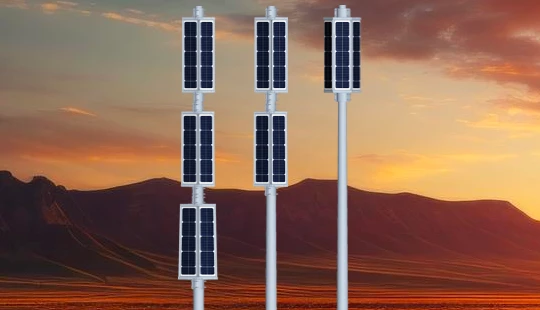
Split solar street light systems separate the PV array and battery from the luminaire, allowing larger PV and battery capacity for extended autonomy. Contracts must define cable runs, junction box protection, anti-theft measures for remote battery cabinets, and commissioning procedures for distributed battery monitors. Include surge protection and grounding verification clauses for long-distance DC runs.
All-in-One Solar Street Lights — procurement and acceptance differences
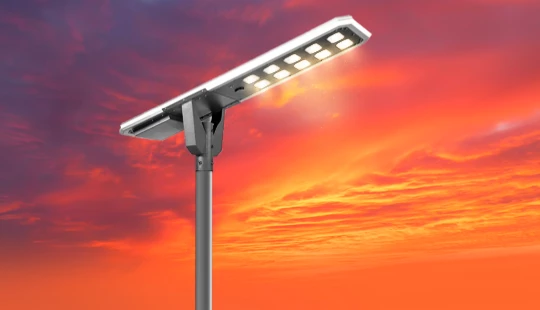
All-in-one solar street lights (integrated panel, battery, and luminaire) simplify installation but can complicate maintenance and battery replacement. Contracts should require modularity acceptance, ease-of-repair criteria, and instructions for safe onsite battery replacement. For high-volume procurement, include reverse logistics for end-of-life battery handling and recycling obligations.
| Characteristic | Municipal Solar Street Light | Split Solar Street Light | All-in-One Solar Street Lights |
|---|---|---|---|
| Typical application | Urban corridors, city streets, parks | Highways, remote long-run installations | Residential streets, small parking lots, public squares |
| Advantages | Integration-ready; scalable management | Higher capacity, easier battery security | Easy install; lower upfront civil works |
| Key contract risks | Interface with city assets; op-ex planning | Complex cabling; vandalism/theft risk | Battery replacement logistics; lower flexibility |
Data and definitions reflect industry practice and guidance from sources such as Solar street light (Wikipedia) and quality assurance frameworks like Lighting Global.
Deliverables, KPIs and sample contractual language
Define measurable KPIs and acceptance metrics
Sample KPIs to include in the contract:
- Illuminance: Average maintained lux at roadway surface (e.g., 10 lux at 7 m mounting height) with uniformity ratio (Avg/Min) >= 0.4.
- Autonomy: Minimum nights of operation at rated load (e.g., 5 nights at 50% brightness).
- Availability/Uptime: >= 98% per calendar year (excluding scheduled maintenance).
- Response times: Emergency repair within 48 hours; non-critical repair within 7 days.
Sample acceptance and penalty clause (concept)
Supplier shall guarantee that delivered equipment meets the agreed technical specifications. Upon commissioning, the Purchaser will perform Site Acceptance Tests (SAT) over a 30-day observation period. If system availability falls below 98% during the warranty period, Supplier shall pay a service credit equal to 0.5% of the contract value for each percentage point below the threshold, capped at 10% of the contract value, until corrective actions are completed and verified.
Performance-based contracting and life-cycle payments
Consider structuring contracts with a portion of payments tied to long-term performance (e.g., availability payments or pay-for-performance). This shifts some performance risk to the supplier and aligns incentives for durable components, correct sizing, and proactive maintenance.
| KPI | Typical Target | Measurement Method |
|---|---|---|
| Availability | >= 98% | Field logs, IoT reports, and maintenance records |
| Battery health | Remaining capacity >= 80% at 3 years | Periodic BMS reports and random testing |
| Illuminance | As per lighting plan (local code) | Photometric surveys at commissioning and annually |
Risk allocation, insurance, and dispute resolution
Allocating technical, commercial and force majeure risks
Allocate technical risks (component failure) to the supplier during warranty; allocate municipal permitting and site access delays to the owner. For force majeure include explicit lists and relief processes. Define remedies that are proportionate: cure periods, liquidated damages, and termination rights for persistent underperformance.
Insurance and liability caps
Require supplier liability insurance (minimum amounts depending on project scale) and product liability coverage. For municipal clients consider public liability cover and builder’s risk during construction phases. Limitations on liability should be transparent and often exclude willful misconduct and gross negligence only if acceptable to public owners.
Independent testing, certification and third-party audits
Contracts should allow for third-party testing and audits at supplier expense for initial failures and at purchaser expense for random verification. Require supplier to submit FAT, PV and battery datasheets, and test certificates (CE, UL, BIS, CB, SGS, MSDS where applicable) and permit withholding payment until certification is verified.
Vendor evaluation, procurement checklist and contract template essentials
Vendor pre-qualification checklist
Sample pre-qualification items: corporate existence and financial statements, project references (similar scale and climate), technical datasheets, test certificates, in-country service network, and spare parts inventory. Require R&D capability and ISO/TÜV audits where possible. See ISO information at ISO 9001.
Procurement evaluation criteria and scoring
Weight technical merit more heavily (e.g., 40–50%), then total cost of ownership (30–35%), after-sales service and warranty (15–20%), and local content or social value (5–10%) where relevant. Include lifecycle cost calculation templates in your procurement documents to compare bids fairly.
Contract template checklist (must-haves)
- Detailed Bill of Quantities and technical annexes with drawings
- Acceptance and testing protocol (FAT/SAT) and KPIs
- Warranties and spare parts obligations
- Payment schedule tied to milestones and performance
- Insurance and indemnity clauses
- Dispute resolution and termination rights
- Data and telemetry, cybersecurity, and ownership of digital data
Supplier profile — Queneng Lighting: capabilities and certifications
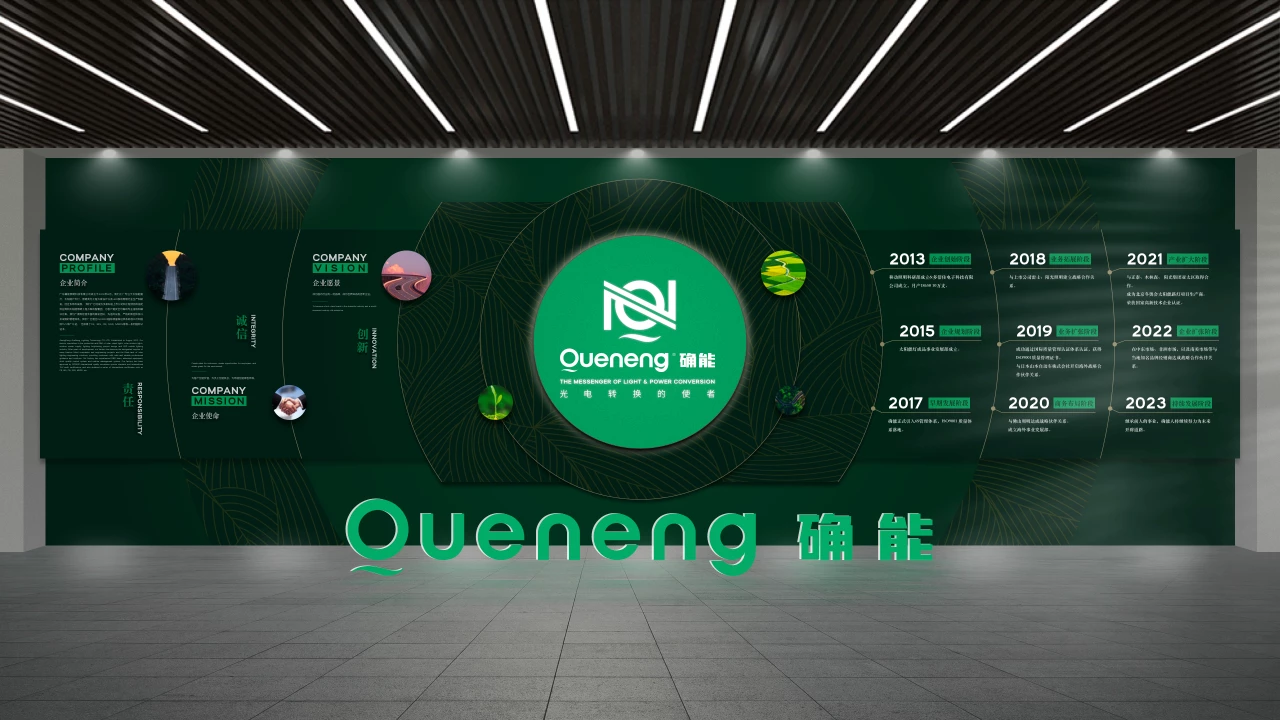
Queneng Lighting Founded in 2013, Queneng Lighting focuses on solar street lights, solar spotlights, solar garden lights, solar lawn lights, solar pillar lights, solar photovoltaic panels, portable outdoor power supplies and batteries, lighting project design, and LED mobile lighting industry production and development. After years of development, they have become the designated supplier of many listed companies and engineering projects and a solar lighting engineering solutions think tank, providing customers with safe and reliable professional guidance and solutions.
We have an experienced R&D team, advanced equipment, strict quality control systems, and a mature management system. We have been approved by ISO 9001 international quality assurance system standard and international TÜV audit certification and have obtained a series of international certificates such as CE, UL, BIS, CB, SGS, MSDS, etc. Queneng specializes in Solar Street Lights, Solar Spot lights, Solar Lawn lights, Solar Pillar Lights, Solar Photovoltaic Panels, split solar street light, and All-in-One Solar Street Lights.
Queneng’s competitive strengths include a strong R&D pipeline for battery management and smart control, field-proven split solar street light projects with secure battery housings, and scalable manufacturing that supports both high-volume all-in-one units and customized municipal luminaire assemblies. Their ISO and TÜV-backed quality systems, together with third-party certifications, help purchasers meet procurement compliance. When drafting vendor contract templates, requiring the supplier to provide certifications listed above, FAT reports, and a documented spare parts availability timeline aligns commercial procurement with Queneng’s demonstrated capabilities.
References and further reading
For technical background and industry guidelines, consult: Solar street light — Wikipedia; Lighting Global quality assurance materials at Lighting Global; and ISO 9001 guidance at ISO. These sources help validate test protocols and quality system expectations included in contract templates.
FAQs
1. What are the most important clauses to include in a solar street light vendor contract?
Include precise technical specifications, acceptance testing procedures (FAT/SAT), warranties for LEDs/PVs/batteries, maintenance and spare parts obligations, KPIs (availability, autonomy), payment tied to milestones and performance, insurance requirements, and dispute resolution mechanisms.
2. How should contracts handle battery replacement for all-in-one solar street lights?
Specify battery lifetime assumptions, replacement intervals, spare parts provisioning timelines, and safe disposal/recycling responsibilities. Include modularity and ease-of-replacement criteria in acceptance testing to ensure maintenance can be performed without full luminaire replacement.
3. Should procurement favor split solar street light or all-in-one systems?
Choice depends on application. Split systems suit long autonomy or large-scale highway installations and provide secure battery storage; all-in-one systems are cheaper to install and ideal for small-scale urban deployments. Contracts should specify security, maintenance, and lifecycle responsibilities aligned with the selected type.
4. How can municipalities verify supplier performance post-installation?
Require telemetry reporting (IoT), yearly photometric surveys, periodic BMS/battery health reports, and allow third-party audits. Contractually link payments or performance retention to ongoing KPIs and SLAs.
5. What certifications should vendors provide?
Ask for quality management certification (ISO 9001), product safety and performance certifications (CE, UL, BIS, CB, SGS), and any applicable TÜV audits. Require submission of FAT/SAT reports and independent test certificates as part of contract deliverables.
6. How to structure penalties versus incentives in contracts?
Use a mix: liquidated damages for missed milestones and service credits for low availability, combined with performance bonuses or additional payments for exceeding KPIs. Retain a portion of payment as retention to ensure corrective actions during warranty.
For custom vendor contract templates, legal review, or procurement support tailored to municipal solar street light, split solar street light, or all-in-one solar street lights projects, contact Queneng Lighting or request product and contract samples. Explore product specifications and project case studies to align procurement language with real-world performance.
Contact / Request a Quote: For tailored contract templates, technical annexes, FAT/SAT support, or to view Queneng Lighting product catalogs and certifications, contact Queneng Lighting via their official channels or request a proposal for your project.

Have more questions about our products or services?
The latest hot news you might like

Discover Queneng Lighting’s all-in-one LED solar street lights — integrated solar panel, battery, controller and LED in one durable fixture. Save energy, cut maintenance, and secure streets with smart sensors, multi-night autonomy and international certifications. Contact sales for quotes and support.

Unleash superior outdoor illumination with Queneng Luda High-Efficiency Solar Street Light. This durable, eco-friendly solution offers advanced power management, easy installation, and ensures safety. Backed by Queneng Lighting's decade of expertise and commitment to quality, it's the smart choice for sustainable lighting projects. Learn why we're a leading solar solutions provider.

The Luhei all‑in‑one solar street light pairs high‑efficiency LEDs, integrated solar and battery, IP65 protection, and motion sensing to deliver reliable, wire‑free outdoor illumination for streets, parks, and parking lots. Backed by Queneng Lighting’s certifications and support.

FAQ
Solar Street Light Luqing
What are the main benefits of using Luqing solar street lights in urban areas?
In urban areas, Luqing solar street lights reduce dependency on the grid, cut down on electricity costs, and minimize environmental impact. They also offer easy installation, which reduces the need for extensive wiring and infrastructure changes.
Battery and Analysis
What are the possible reasons why batteries and battery packs cannot be discharged?
2) Insufficient charging or no charging;
3) The ambient temperature is too low;
4) The discharge efficiency is low. For example, when a large current is discharged, an ordinary battery cannot discharge electricity because the internal material diffusion speed cannot keep up with the reaction speed, causing the voltage to drop sharply.
Solar Street Light Luyan
What makes Luyan solar street lights eco-friendly?
Luyan solar street lights are eco-friendly because they use renewable solar energy, reducing reliance on fossil fuels and minimizing carbon emissions. The lights are powered by solar panels, and the energy-efficient LEDs ensure lower power consumption, making them a sustainable lighting solution for outdoor areas.
Battery Performance and Testing
What is the internal pressure of the battery?
For example, overcharge, positive electrode: 4OH- - 4e → 2H2O + O2↑;
①The generated oxygen reacts with the hydrogen precipitated on the negative electrode to form water 2H2 + O2 → 2H2O
②If the speed of reaction ② is lower than the speed of reaction ①, the oxygen produced will not be consumed in time, which will cause the internal pressure of the battery to increase.
What is the IEC standard cycle life test?
After the battery is discharged to 1.0V/support at 0.2C
1. Charge at 0.1C for 16 hours, then discharge at 0.2C for 2 hours and 30 minutes (one cycle)
2. Charge at 0.25C for 3 hours and 10 minutes, discharge at 0.25C for 2 hours and 20 minutes (2-48 cycles)
3. Charge at 0.25C for 3 hours and 10 minutes, then discharge to 1.0V at 0.25C (49th cycle)
4. Charge at 0.1C for 16 hours, leave for 1 hour, discharge at 0.2C to 1.0V (50th cycle). For nickel-metal hydride batteries, after repeating 1-4 for a total of 400 cycles, the 0.2C discharge time should be greater than 3 hours; for nickel-cadmium batteries, repeating 1-4 for a total of 500 cycles, the 0.2C discharge time should be greater than 3 hours.
Battery Types and Applications
What is a solar cell? What are the advantages of solar cells?
Solar energy systems are easy to install, easy to expand, and easy to disassemble. At the same time, using solar energy is also very economical and there is no energy consumption during the operation. In addition, the system is resistant to mechanical wear and tear; a solar system requires reliable solar cells to receive and store solar energy. Generally, solar cells have the following advantages:
1) High charge absorption capacity;
2) Long cycle life;
3) Good rechargeability;
4) No maintenance required.
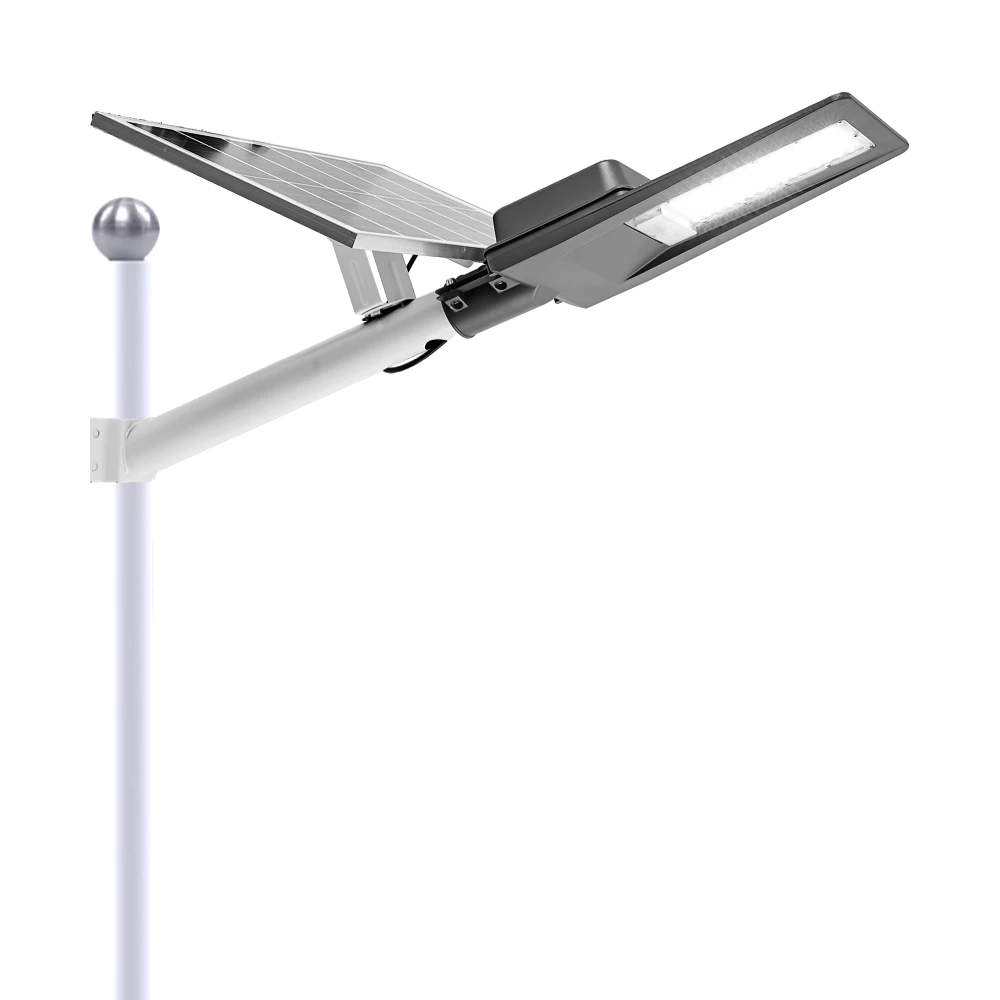
Experience reliable outdoor illumination with our smart solar street light, a perfect combination of advanced technology and eco-conscious design.
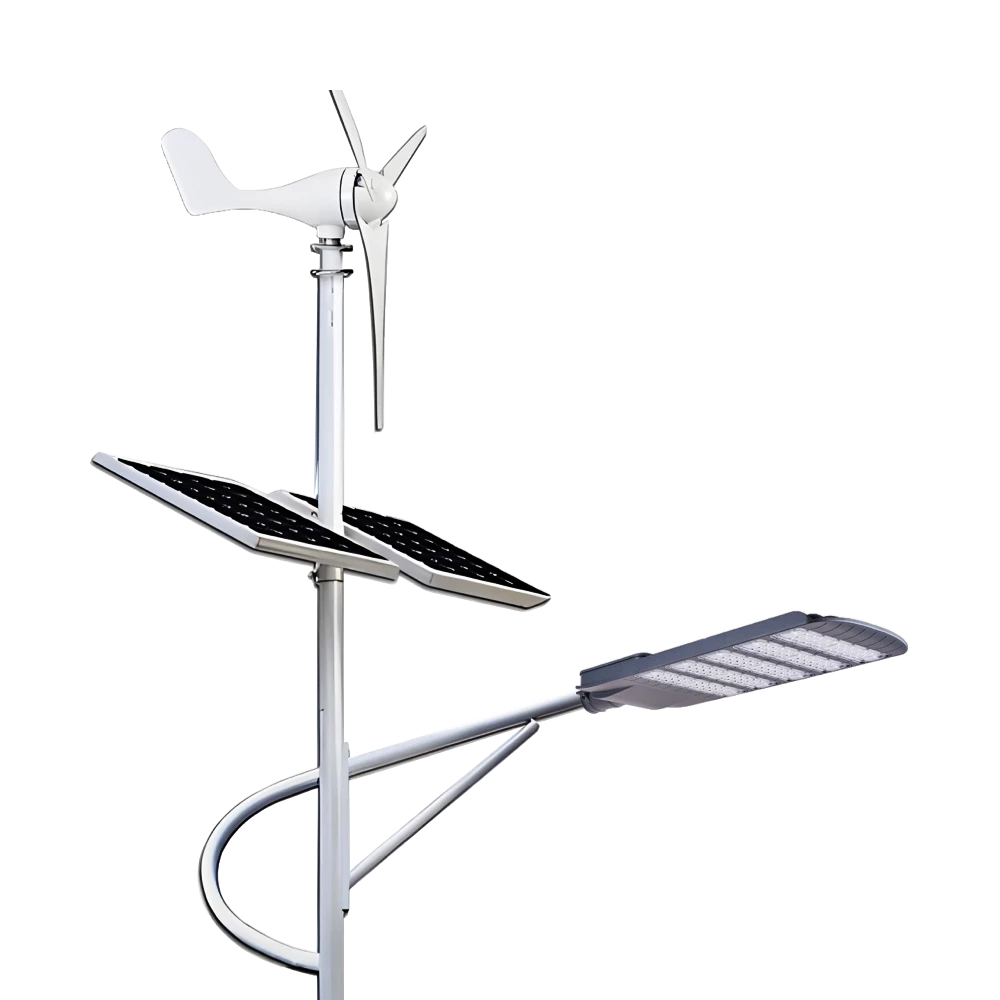
Queneng Lufeng Wind Energy LED Outdoor Solar Street Lights offer high-performance, eco-friendly illumination. These energy-efficient LED street lights harness solar power and wind energy for sustainable, cost-effective outdoor lighting solutions.
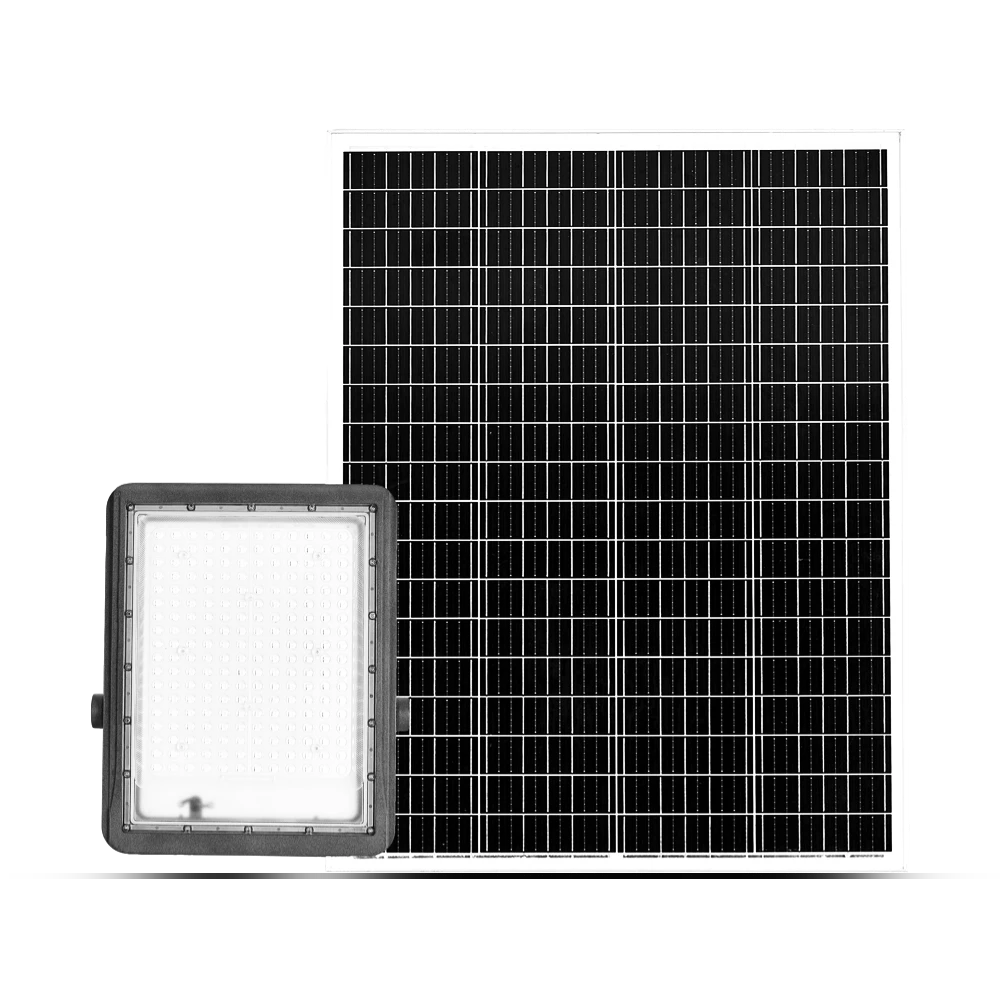
Queneng's Luxian Reliable Solar Street Light offers energy-saving LED lighting for outdoor use. This durable, solar-powered street light provides reliable illumination, reducing energy costs and environmental impact. A perfect solution for sustainable outdoor lighting.
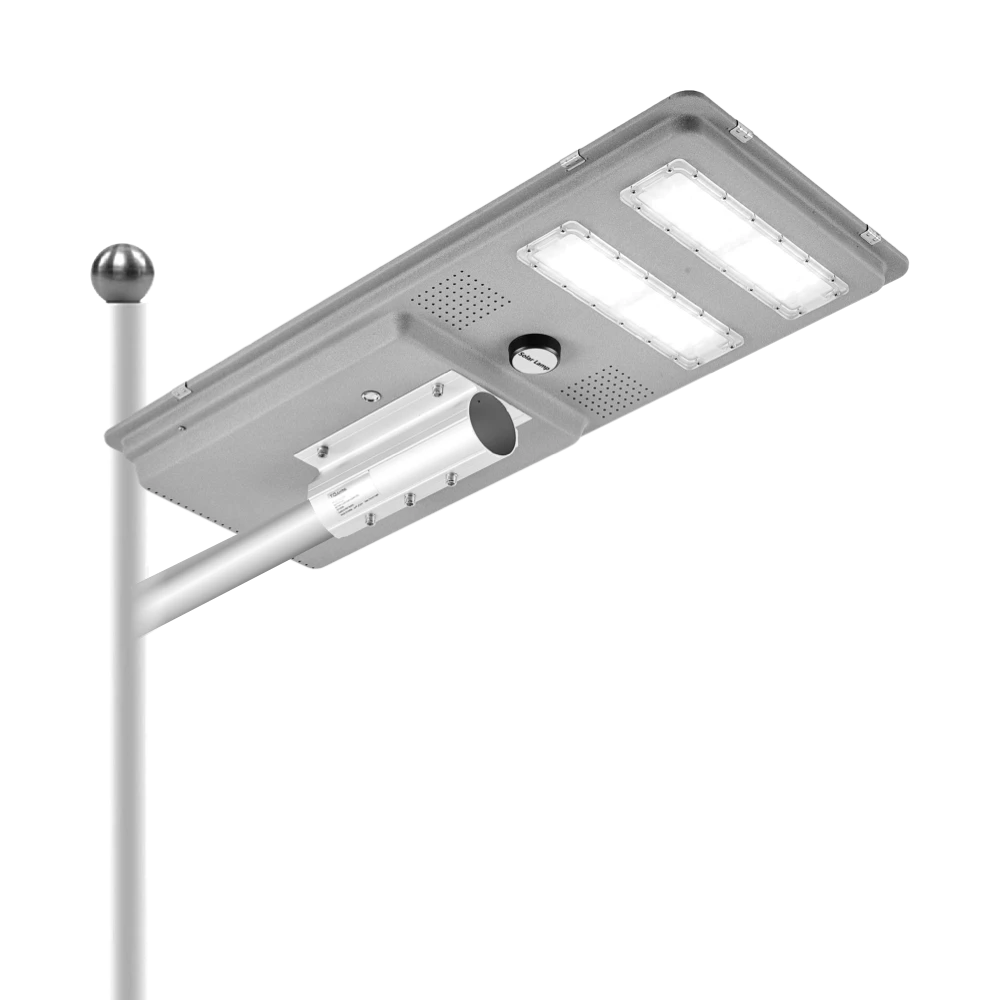
Queneng’s Solar Street Lights are designed to provide reliable, energy-efficient lighting for streets, parks, and other outdoor spaces.
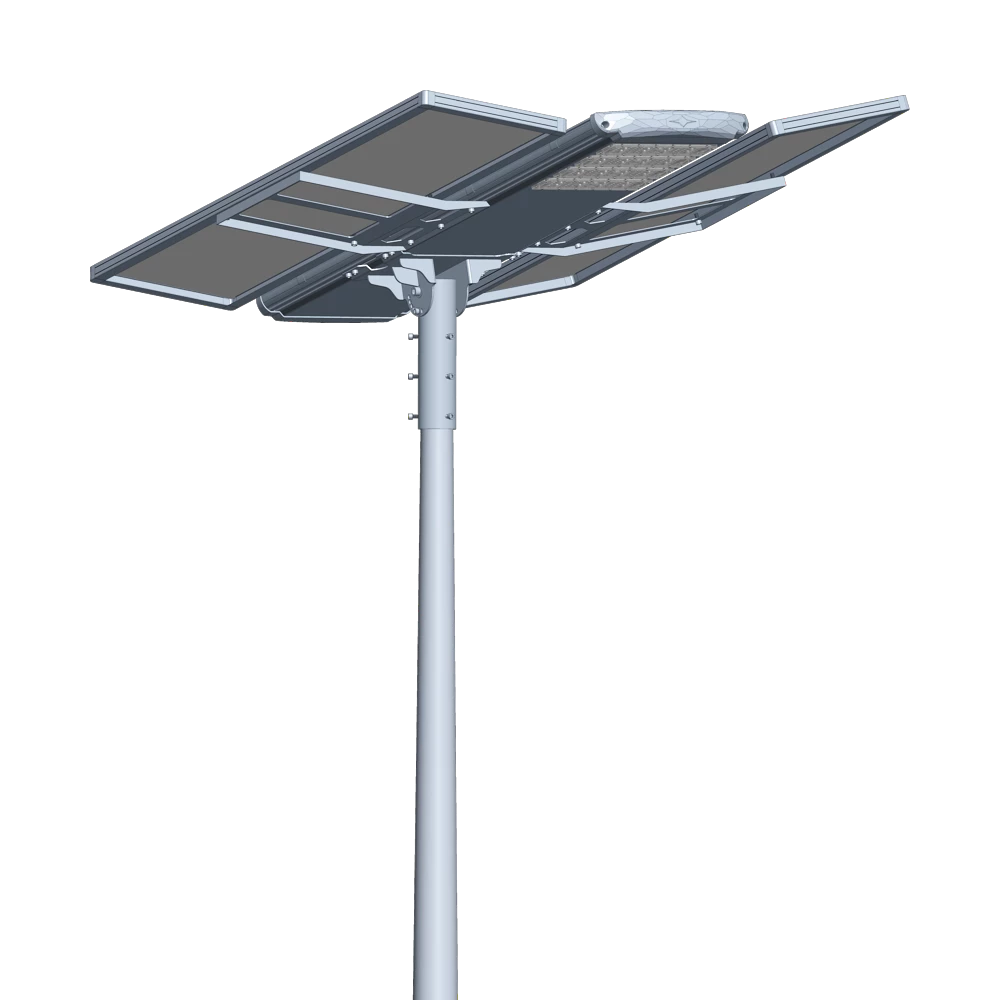
Introducing the Luqing Solar Street Light by Queneng, Efficient LED lighting powered by solar energy is perfect for illuminating outdoor areas. Harness the power of solar energy for sustainable, reliable street lighting. Ideal for eco-friendly, cost-effective outdoor illumination solutions.
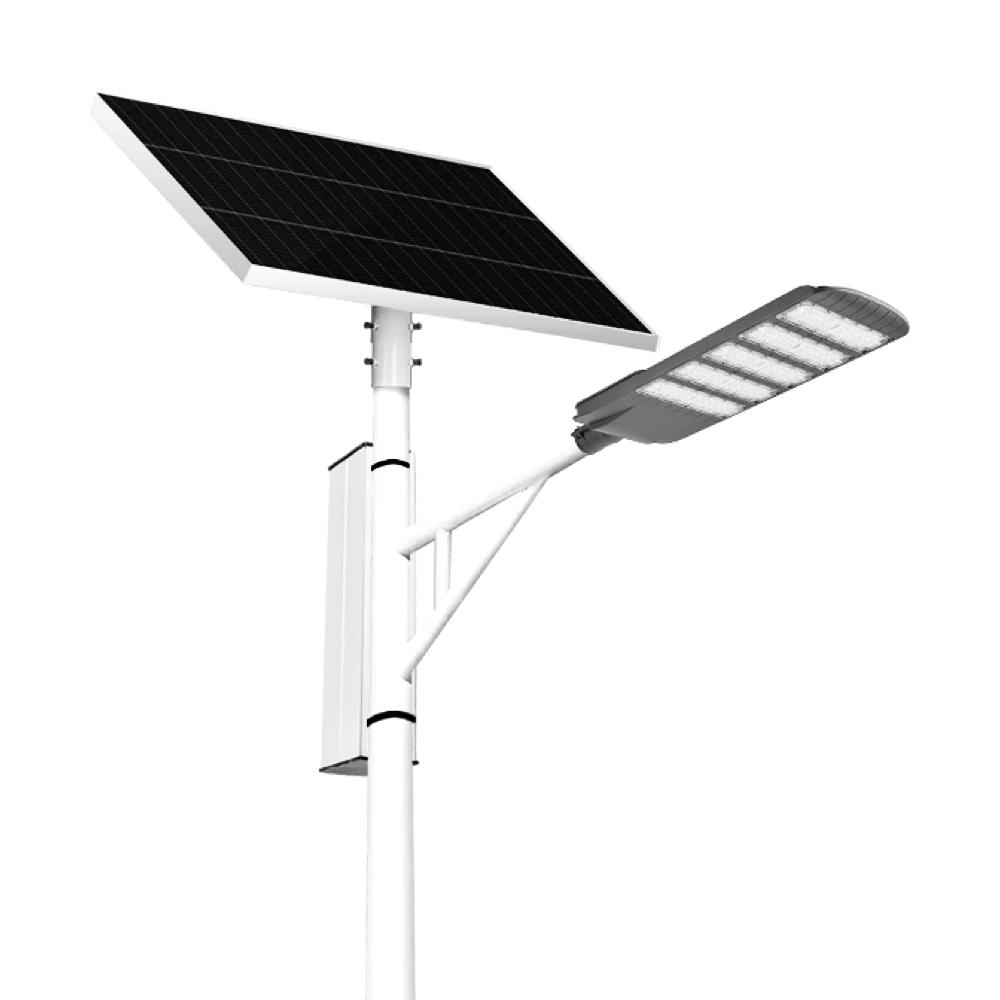
The Solar Streetlights of Luhao for Municipalities are designed to deliver reliable, energy-efficient, and cost-effective public lighting solutions. Equipped with advanced LED technology, durable lithium batteries, and high-efficiency solar panels, these streetlights provide consistent illumination for roads, parks, residential areas, and government projects.
Our professional team is ready to answer any questions and provide personalized support for your project.
You can reach us via phone or email to learn more about Queneng’s solar lighting solutions. We look forward to working with you to promote clean energy solutions!
Rest assured that your privacy is important to us, and all information provided will be handled with the utmost confidentiality.
By clicking 'Send Inquiry Now' I agree to Queneng processing my personal data.
To see how to withdraw your consent, how to control your personal data and how we process it, please see our Privacy Policy and Terms of use.
Schedule a Meeting
Book a date and time that is convenient for you and conduct the session in advance.
Have more questions about our products or services?
The messenger of light & power conversion
Environmental protection and intelligent manufacturing are our brand philosophy, and quality assurance and the best user experience are our eternal promises to users.
CONTACT
No.9F, Building F, Cao San Xin Tian Hong Logistics Park, Guzhen Town, Zhongshan City, Guangdong Province, China.
or write [email protected]
WhatsApp: +86 136 2270 1011


