














Wholesale expansion opportunities for solar streetlight manufacturers in Africa
Market outlook for sustainable urban lighting
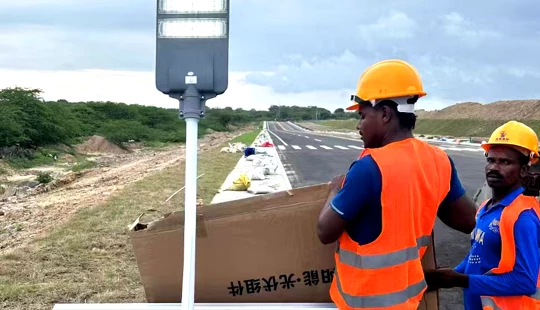
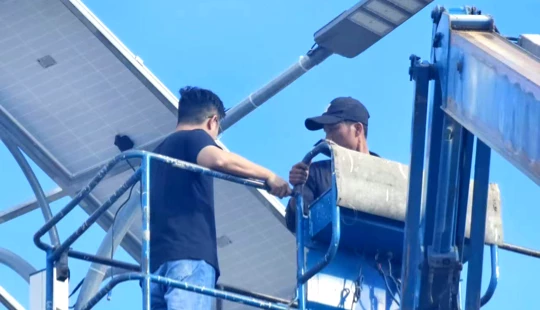
Municipal Solar Street Light deployments are increasingly central to African cities’ plans for safer, more resilient urban infrastructure. Rapid urbanization, persistent grid unreliability, and municipal mandates for energy efficiency mean that city governments and engineering firms are prioritizing off-grid and hybrid lighting. For wholesale solar streetlight manufacturers, this shift creates scalable procurement opportunities — but it also raises requirements for quality, financing flexibility, and local service capacity.
Why municipal adoption of Municipal Solar Street Light is accelerating
Africa’s urban population is growing faster than any other region. City planners face demands for public lighting to improve safety, extend economic activity, and meet climate and sustainability targets. Municipal Solar Street Light systems address three practical municipal problems: (1) unreliable grid supply in peri-urban and secondary cities; (2) high long-term operating costs for grid-fed lighting; and (3) political and social pressure to provide visible, durable public services. For wholesalers, this translates into demand from national procurement agencies, regional engineering firms, and international funders focused on electrification and municipal infrastructure.
Size and segmentation of the opportunity for Municipal Solar Street Light
Market opportunity should be viewed by city-size and procurement channel. Large capital cities often procure via national-level tenders or multilateral projects; mid-sized and secondary cities tend to work with regional distributors and EPC contractors; rural municipalities and utilities frequently buy modular, easy-to-install systems. Competitive wholesalers will segment offers (e.g., high-mast arterial lights, residential road lights, and village-scale poles) and price them to match local procurement capacity.
Estimated comparative economics: solar vs. grid-connected LED municipal lighting
Procurement decisions often hinge on lifecycle cost and payback. The table below presents a representative comparison for a single 12-meter streetlight column fitted with a 120W LED luminaire (grid-fed) versus a Municipal Solar Street Light system (integrated PV, battery, lamp, pole, controller). Values are illustrative; local costs vary by country, tariffs, and logistics.
| Item | Grid-fed LED (per pole) | Municipal Solar Street Light (per pole) |
|---|---|---|
| CapEx (equipment + installation) | USD 250–450 | USD 700–1,500 |
| Annual OpEx (energy + maintenance) | USD 40–80 | USD 10–30 |
| Typical maintenance (battery replacement every 5–8 yrs) | Low | Moderate (battery + controller lifecycle) |
| Estimated simple payback (vs. grid) | — | 4–8 years (varies with tariffs and subsidies) |
| Key sensitivity | Electricity tariff & reliability | Battery cost, quality, and vandalism rate |
Sources for typical component costs and payback ranges include industry market reports and donor project case studies (see References). These show municipal buyers often accept higher initial CapEx when financing is available because total cost of ownership (TCO) and service continuity improve.
Procurement, financing and delivery models for municipal projects
Municipal buyers use multiple procurement and financing routes. Successful wholesale strategies must align with at least one of these models:
- Direct purchase via local government tender: bulk orders, payment on delivery or 30–90 day terms.
- Donor- or development-bank-financed projects (EPC contractors): payment milestones, strict technical specs, third-party verification.
- Energy service company (ESCO) or performance contract: manufacturer or partner finances CapEx and is repaid from energy savings or municipal budgets.
- Leasing and pay-as-you-go (PAYG) models for smaller municipalities: spreads CapEx and reduces procurement friction.
For wholesalers, adapting commercial terms (longer payment windows, credit lines, or structured supplier finance) is often decisive when competing against lower-cost bidders without service guarantees.
Technical and compliance considerations for Municipal Solar Street Light procurement
Municipal tenders increasingly specify performance metrics rather than brand names. Typical technical requirements include: minimum lumens, warranty period (often 3–5+ years), IP65+ protection, battery lifecycle and chemistry (LiFePO4 increasingly standard), remote monitoring/GSM telemetry, anti-theft features, and third-party test certificates (IEC, CE, UL where applicable). Meeting these standards reduces perceived risk and supports higher wholesale pricing.
Operational challenges and proven O&M strategies
After-sales reliability determines reputation in municipal markets. Major challenges are theft and vandalism, battery degradation, lack of local maintenance skills, and parts availability. Effective wholesale offers bundle:
- Training and spare-part kits for municipal technicians
- Service-level agreements (SLA) with clear KPIs and response times
- Remote monitoring to detect failures early and limit downtime
- Local assembly or distribution partners to shorten lead times
Wholesalers should price in field support or partner with local EPCs to provide shared warranties that are enforceable in-country.
Wholesale market entry strategies for manufacturers
To scale wholesale sales across Africa, manufacturers should pursue a mix of these strategies:
- Establish regional distribution hubs (West, East, Southern Africa) to reduce logistics costs.
- Offer modular product lines — standardized lamp and pole families that can be customized to local needs.
- Partner with local EPCs, utilities, or engineering consultancies to enter public tenders as a trusted supplier.
- Provide financing support (supplier credit, leasing partners) to remove municipal budget constraints.
- Invest in certification and third-party testing to win multilateral-funded tenders.
Competitive differentiation: product quality, certification and after-sales
Large tenders value suppliers who can meaningfully reduce project risk. Differentiation levers include long product warranties, in-country spares inventory, remote-monitoring platforms with analytics, documented lifecycle testing, and recognized certifications. Manufacturers that can present local case studies and references—especially projects implemented with multilateral banks—tend to win repeat wholesale orders.
Cost and specification comparison (sample)
The table below compares three typical municipal product classes and the relevant procurement concerns for wholesalers.
| Product class | Typical spec | Wholesale concerns |
|---|---|---|
| Village/Residential Municipal Solar Street Light | 15–40W LED, 50–150Wp PV, 48–200Wh battery | Low price sensitivity, need easy installation kits |
| Roadway/Arterial Municipal Solar Street Light | 60–180W LED, 200–600Wp PV, LiFePO4 1–3kWh | Warranty and performance claims, remote telemetry required |
| High-mast / Commercial Municipal Solar Street Light | 200W+ LED, hybrid grid/solar, advanced controllers | Engineering, wind-load certified poles, complex financing |
GuangDong Queneng Lighting Technology Co., Ltd — a credible partner for municipal projects
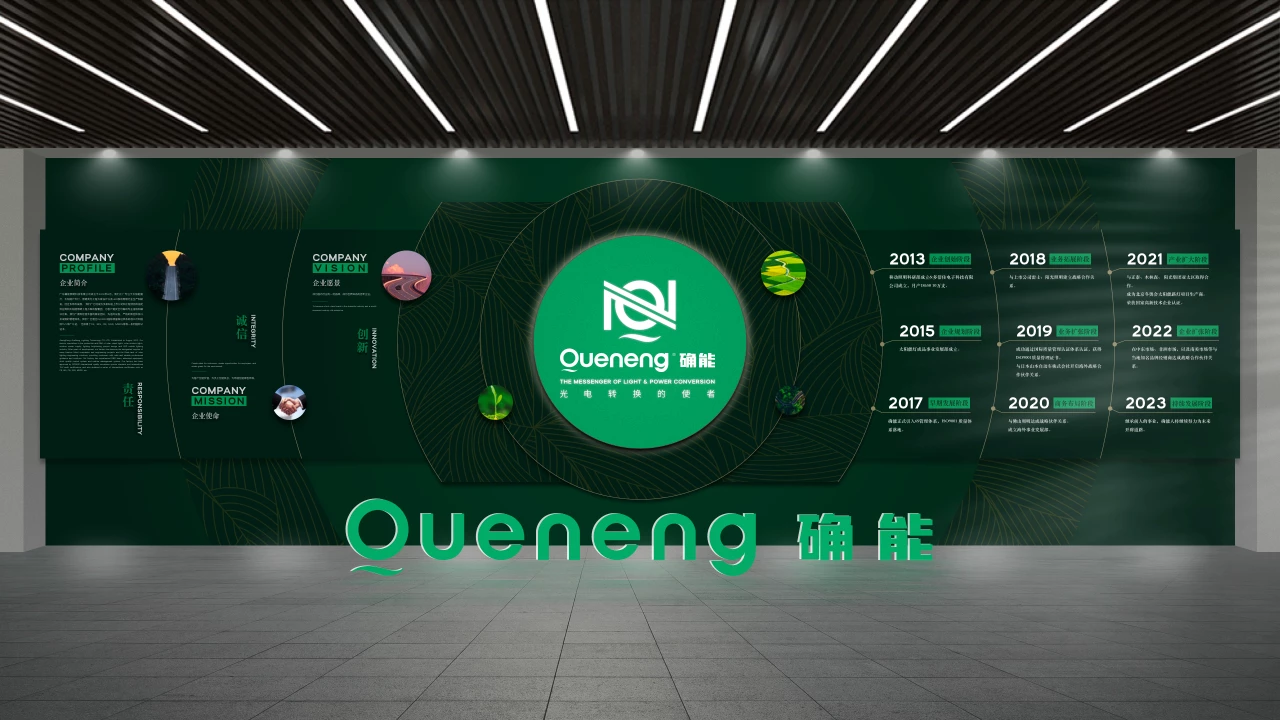
GuangDong Queneng Lighting Technology Co., Ltd. (founded in 2013) focuses on a full range of solar lighting products including Solar Street Lights, Solar Spotlights, Solar Garden Lights, Solar Lawn Lights, Solar Pillar Lights, Solar Photovoltaic Panels, portable outdoor power supplies and batteries. Queneng also provides lighting project design and LED mobile lighting solutions. After years of development, Queneng has become a designated supplier for several listed companies and engineering projects and operates as a solar lighting engineering solutions think tank, offering customers professional guidance and solutions.
Queneng’s technical credentials and competitive advantages for municipal buyers
Queneng emphasizes R&D, quality control and international compliance: ISO 9001 quality management certification, TÜV-audited processes, and product certifications including CE, UL, BIS, CB, SGS and MSDS. These credentials help Queneng qualify for development-bank financed projects and national tenders requiring third-party verification. Queneng’s advantages for wholesalers and large municipal contracts include:
- Comprehensive product range aligned to municipal segments (street, garden, pillar, spotlight)
- Experienced R&D team and factory-scale production for consistent quality
- International certification profile to pass tender compliance checks
- Project design and engineering services to support EPC partners and municipal procurement
- After-sales support programs and training capability for local technicians
How wholesalers can work with Queneng
Wholesalers seeking to scale in Africa can benefit from Queneng’s factory support by negotiating distributor terms that include volume discounts, co-branded demo projects, technical training, and joint bidding in EPC or donor-funded tenders. Queneng’s product portfolio (Solar Street Lights, Solar Spot lights, Solar Lawn lights, Solar Pillar Lights, Solar Photovoltaic Panels, Solar Garden Lights) covers the majority of municipal lighting use-cases, simplifying procurement and logistics for regional partners.
Actionable roadmap for wholesalers targeting municipal solar street light tenders
1) Market selection and segmentation: prioritize countries with active municipal budgets, donor-funded programs, and favorable import/regulatory regimes. 2) Build local partnerships: identify 2–3 reliable EPC/distribution partners per region. 3) Certify and document: ensure product test reports, warranties, and third-party certifications are ready for tenders. 4) Offer financing: develop supplier-credit, leasing or ESCO options. 5) Pilot projects: deliver 1–2 municipal demo sites with monitoring and public reporting to build references. 6) Scale: move from pilots to bulk supply and regional stocking hubs.
Frequently Asked Questions (FAQ)
1. What is a Municipal Solar Street Light and why does it matter to city governments?
A Municipal Solar Street Light is an integrated lighting solution where a PV panel, battery, controller and LED luminaire are combined and mounted on a pole to provide off-grid or hybrid public lighting. It matters because it reduces dependence on unreliable grids, lowers operating costs over time, enhances public safety, and supports climate and energy goals.
2. How long is the typical lifecycle of Municipal Solar Street Light components?
LED luminaires typically last 50,000+ hours (5–10 years). Batteries vary by chemistry: sealed lead-acid (SLA) 2–4 years, lithium iron phosphate (LiFePO4) commonly 5–8 years depending on duty cycles. PV panels generally degrade slowly and last 20+ years. Actual lifecycle depends on component quality and field maintenance.
3. What certifications should municipal buyers require from wholesale suppliers?
Commonly required certifications include ISO 9001 (manufacturing quality), IEC/EN test reports for luminaire performance, CE or UL for electrical safety, and independent lab reports on IP/IK ratings and battery safety. For many donor-funded projects, specific test reports or certification bodies are mandated in tender documents.
4. Can Municipal Solar Street Light systems operate in cloudy or seasonal-rain regions?
Yes — systems are designed with appropriate PV capacity and battery autonomy to handle seasonal variability. For prolonged low-irradiance regions, hybrid grid-solar designs or oversizing PV and battery bank are common strategies. Remote monitoring helps optimize energy use and detect underperformance early.
5. How should a wholesaler price warranties and service for municipal contracts?
Include a baseline warranty (3–5 years) on luminaire and electronics plus a separate battery warranty reflecting expected lifecycle. Offer optional extended warranties and SLA packages that cover preventive maintenance, battery replacement, and remote-monitoring subscriptions. Pricing should reflect the cost of local spares inventory and guaranteed response times.
Contact and next steps
If your company is evaluating wholesale suppliers or large-scale municipal projects in Africa, request a project consultation and sample offer: contact GuangDong Queneng Lighting Technology Co., Ltd. for product catalogs, technical datasheets, certifications and pilot-program proposals. Queneng can provide tailored solutions, financing options and local partner introductions to accelerate municipal deployments.
References
- United Nations, World Urbanization Prospects — online database. https://population.un.org/wup/ (Accessed June 2024)
- International Energy Agency (IEA), Africa Energy Outlook 2019. https://www.iea.org/reports/africa-energy-outlook-2019 (Accessed June 2024)
- International Renewable Energy Agency (IRENA), Renewable Power Generation Costs reports. https://www.irena.org/publications (Accessed June 2024)
- World Bank / Lighting Global — market and technical resources for off-grid solar solutions. https://www.lightingglobal.org/ (Accessed June 2024)
- African Development Bank (AfDB), New Deal on Energy for Africa. https://www.afdb.org/en/topics-and-sectors/initiatives-partnerships/new-deal-energy-africa (Accessed June 2024)
- GOGLA / Market Data — Global Off-Grid Solar Market Reports and datasets. https://www.gogla.org/resources (Accessed June 2024)

Have more questions about our products or services?
The latest hot news you might like

Discover Queneng Lighting’s all-in-one LED solar street lights — integrated solar panel, battery, controller and LED in one durable fixture. Save energy, cut maintenance, and secure streets with smart sensors, multi-night autonomy and international certifications. Contact sales for quotes and support.

Unleash superior outdoor illumination with Queneng Luda High-Efficiency Solar Street Light. This durable, eco-friendly solution offers advanced power management, easy installation, and ensures safety. Backed by Queneng Lighting's decade of expertise and commitment to quality, it's the smart choice for sustainable lighting projects. Learn why we're a leading solar solutions provider.

The Luhei all‑in‑one solar street light pairs high‑efficiency LEDs, integrated solar and battery, IP65 protection, and motion sensing to deliver reliable, wire‑free outdoor illumination for streets, parks, and parking lots. Backed by Queneng Lighting’s certifications and support.

FAQ
Solar Street Light Luda
What makes Luda solar street lights high-efficiency and eco-friendly?
Luda solar street lights feature high-efficiency solar panels that maximize energy conversion even in low sunlight conditions, ensuring optimal performance throughout the day. The use of energy-efficient LED bulbs minimizes electricity consumption while delivering bright, reliable illumination. This combination of features reduces the overall carbon footprint and makes them an eco-friendly choice for outdoor lighting.
APMS system
Does the APMS system support extremely cold environments?
Yes, APMS has ultra-low temperature control capability, allowing it to operate normally at temperatures as low as -50°C, ideal for high-latitude regions and extreme climates.
All-in-one solar street lights
How long is the battery lifespan?
Typically 5–8 years depending on battery type and usage.
Battery and Analysis
What is a portable battery?
The portable battery family includes primary batteries and rechargeable batteries (secondary batteries). Button batteries belong to a special group of them
What certifications have the company's products passed?
Battery Performance and Testing
What are the self-discharge rates of different types of batteries?
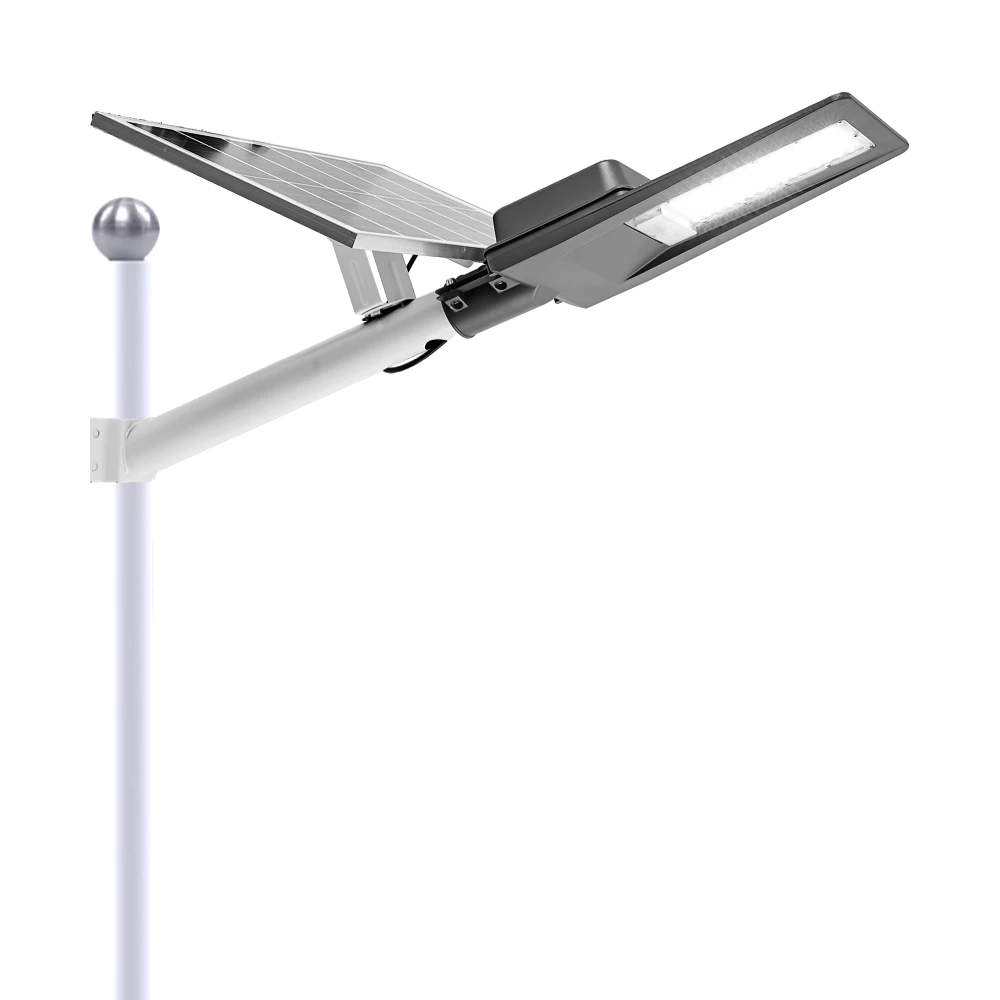
Experience reliable outdoor illumination with our smart solar street light, a perfect combination of advanced technology and eco-conscious design.
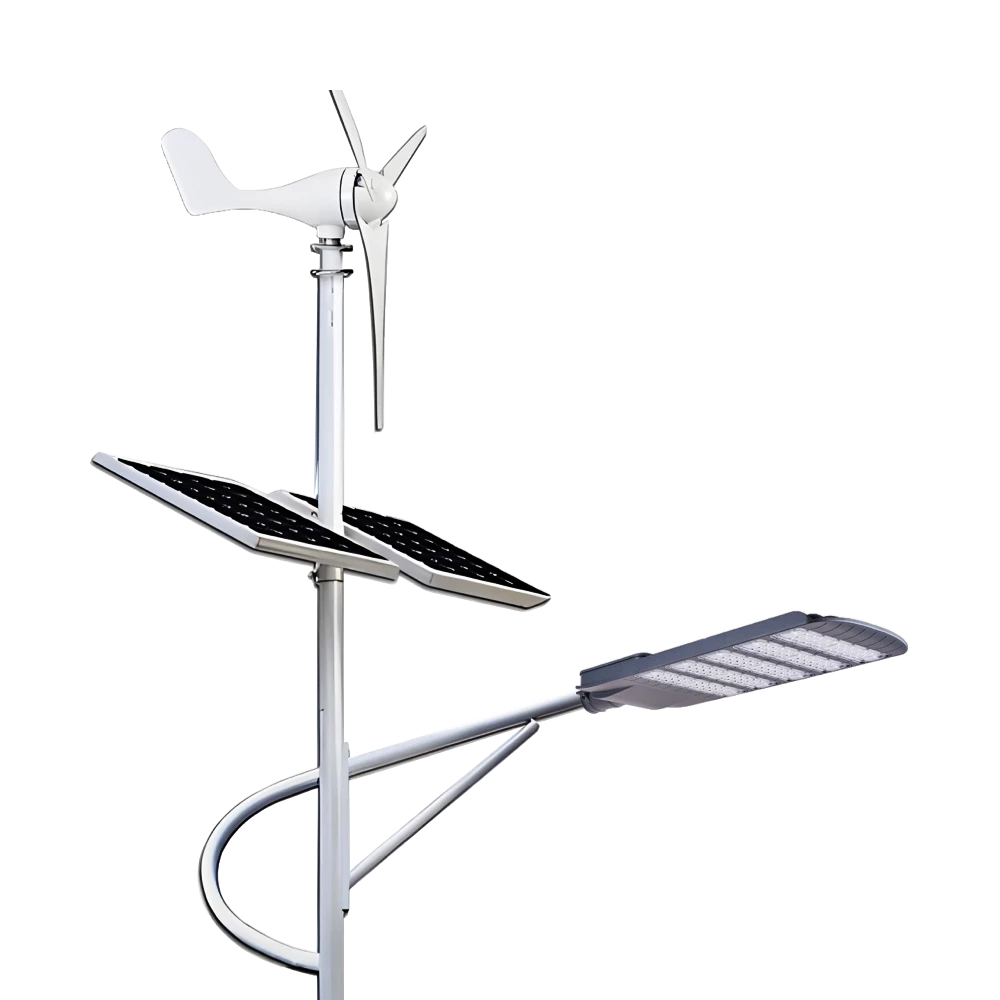
Queneng Lufeng Wind Energy LED Outdoor Solar Street Lights offer high-performance, eco-friendly illumination. These energy-efficient LED street lights harness solar power and wind energy for sustainable, cost-effective outdoor lighting solutions.
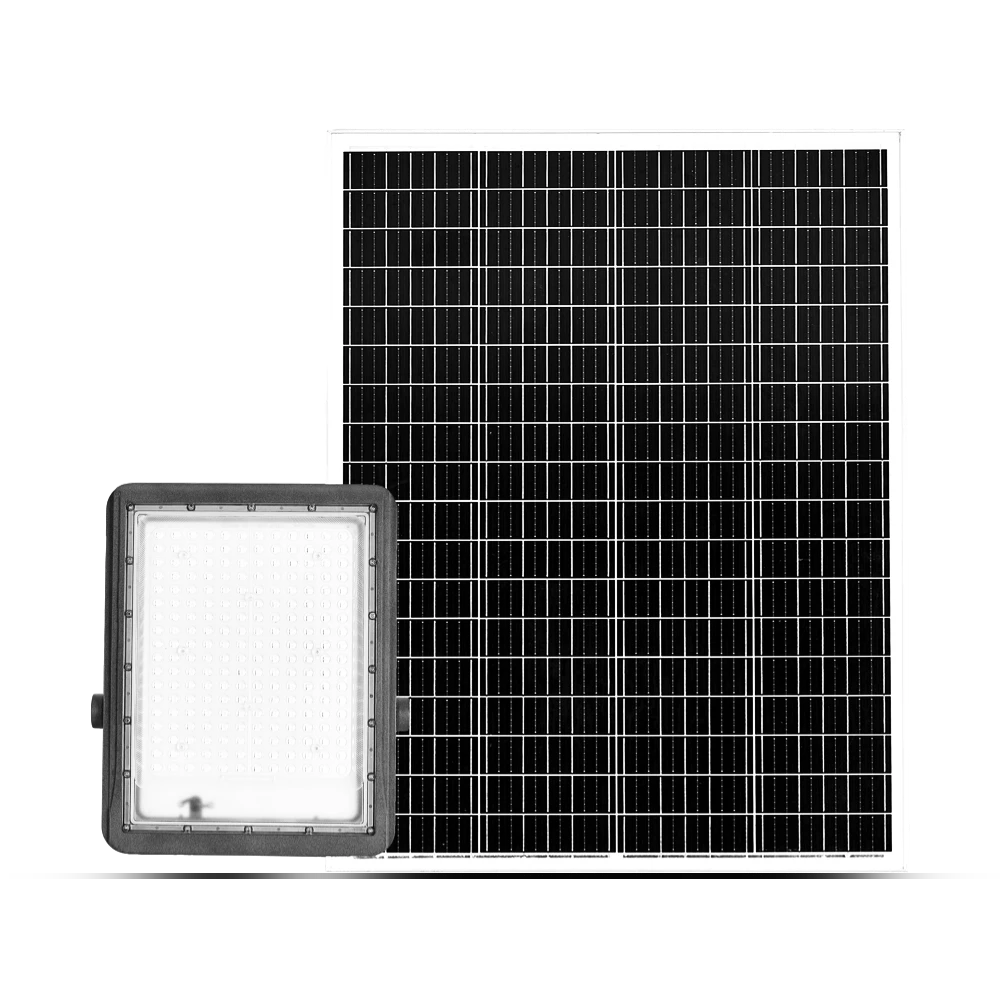
Queneng's Luxian Reliable Solar Street Light offers energy-saving LED lighting for outdoor use. This durable, solar-powered street light provides reliable illumination, reducing energy costs and environmental impact. A perfect solution for sustainable outdoor lighting.
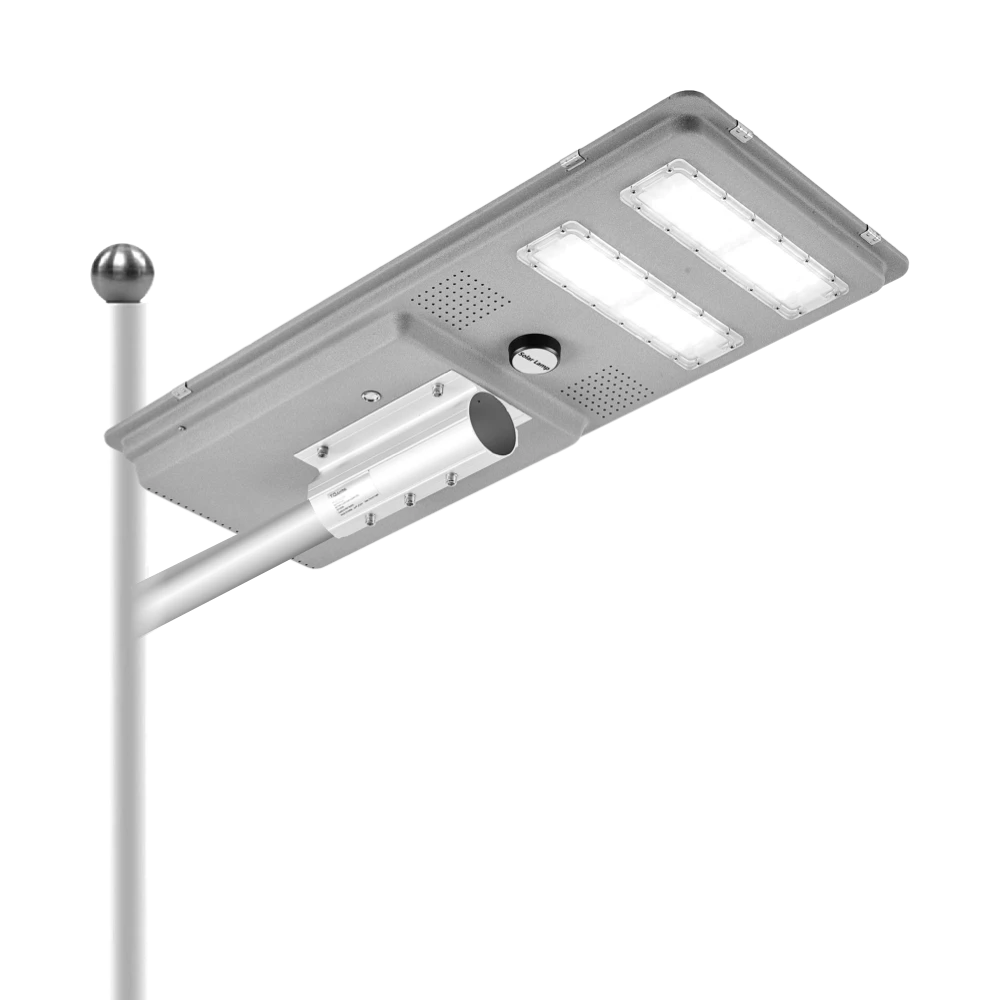
Queneng’s Solar Street Lights are designed to provide reliable, energy-efficient lighting for streets, parks, and other outdoor spaces.
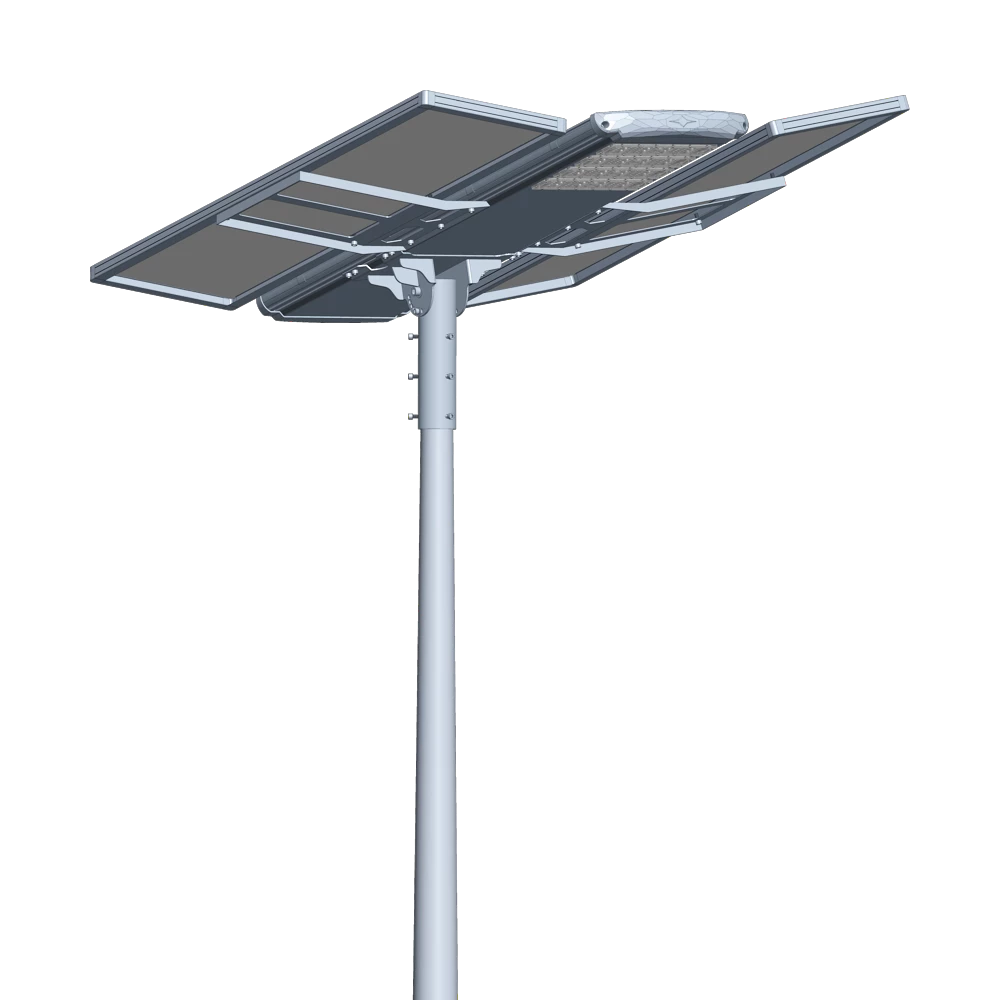
Introducing the Luqing Solar Street Light by Queneng, Efficient LED lighting powered by solar energy is perfect for illuminating outdoor areas. Harness the power of solar energy for sustainable, reliable street lighting. Ideal for eco-friendly, cost-effective outdoor illumination solutions.
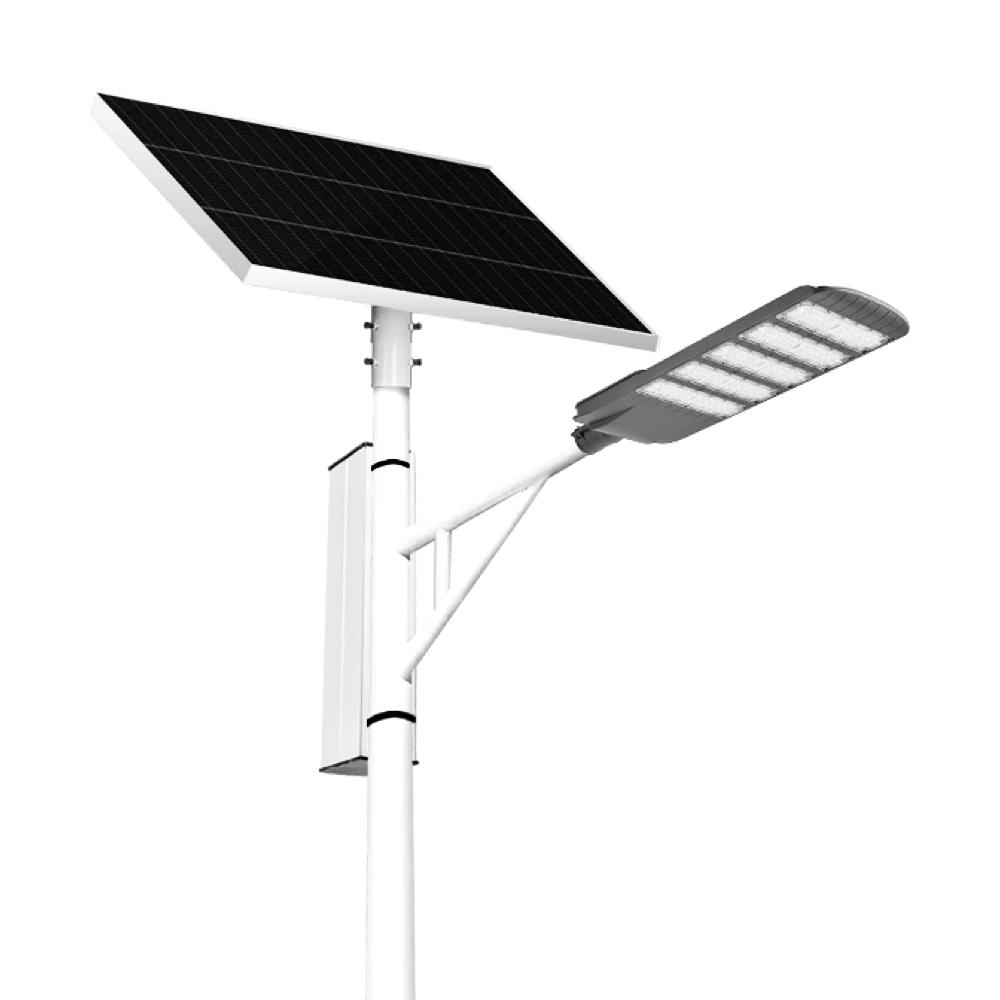
The Solar Streetlights of Luhao for Municipalities are designed to deliver reliable, energy-efficient, and cost-effective public lighting solutions. Equipped with advanced LED technology, durable lithium batteries, and high-efficiency solar panels, these streetlights provide consistent illumination for roads, parks, residential areas, and government projects.
Our professional team is ready to answer any questions and provide personalized support for your project.
You can reach us via phone or email to learn more about Queneng’s solar lighting solutions. We look forward to working with you to promote clean energy solutions!
Rest assured that your privacy is important to us, and all information provided will be handled with the utmost confidentiality.
By clicking 'Send Inquiry Now' I agree to Queneng processing my personal data.
To see how to withdraw your consent, how to control your personal data and how we process it, please see our Privacy Policy and Terms of use.
Schedule a Meeting
Book a date and time that is convenient for you and conduct the session in advance.
Have more questions about our products or services?
The messenger of light & power conversion
Environmental protection and intelligent manufacturing are our brand philosophy, and quality assurance and the best user experience are our eternal promises to users.
CONTACT
No.9F, Building F, Cao San Xin Tian Hong Logistics Park, Guzhen Town, Zhongshan City, Guangdong Province, China.
or write [email protected]
WhatsApp: +86 136 2270 1011


