














Battery Terminology & Usage for Solar Street Light Systems | Queneng
This article provides a comprehensive overview of essential battery terminology and usage in solar street light systems, covering capacity, internal resistance, load capability, internal pressure, and C-rate discharge. It focuses on the practical application of solar lithium batteries in energy storage and lighting. Understanding these basics helps enhance the stability and lifespan of solar lighting systems. Keywords such as solar street light battery, solar energy storage system, and solar lithium battery are naturally included to improve search engine visibility.
Battery Terminology and Usage Basics in Solar Street Light Systems
Batteries play a crucial role in solar street lighting systems, serving as the core component for solar energy storage. Understanding basic battery terminology helps improve system performance, extend battery lifespan, and reduce maintenance costs.
1. Battery Capacity
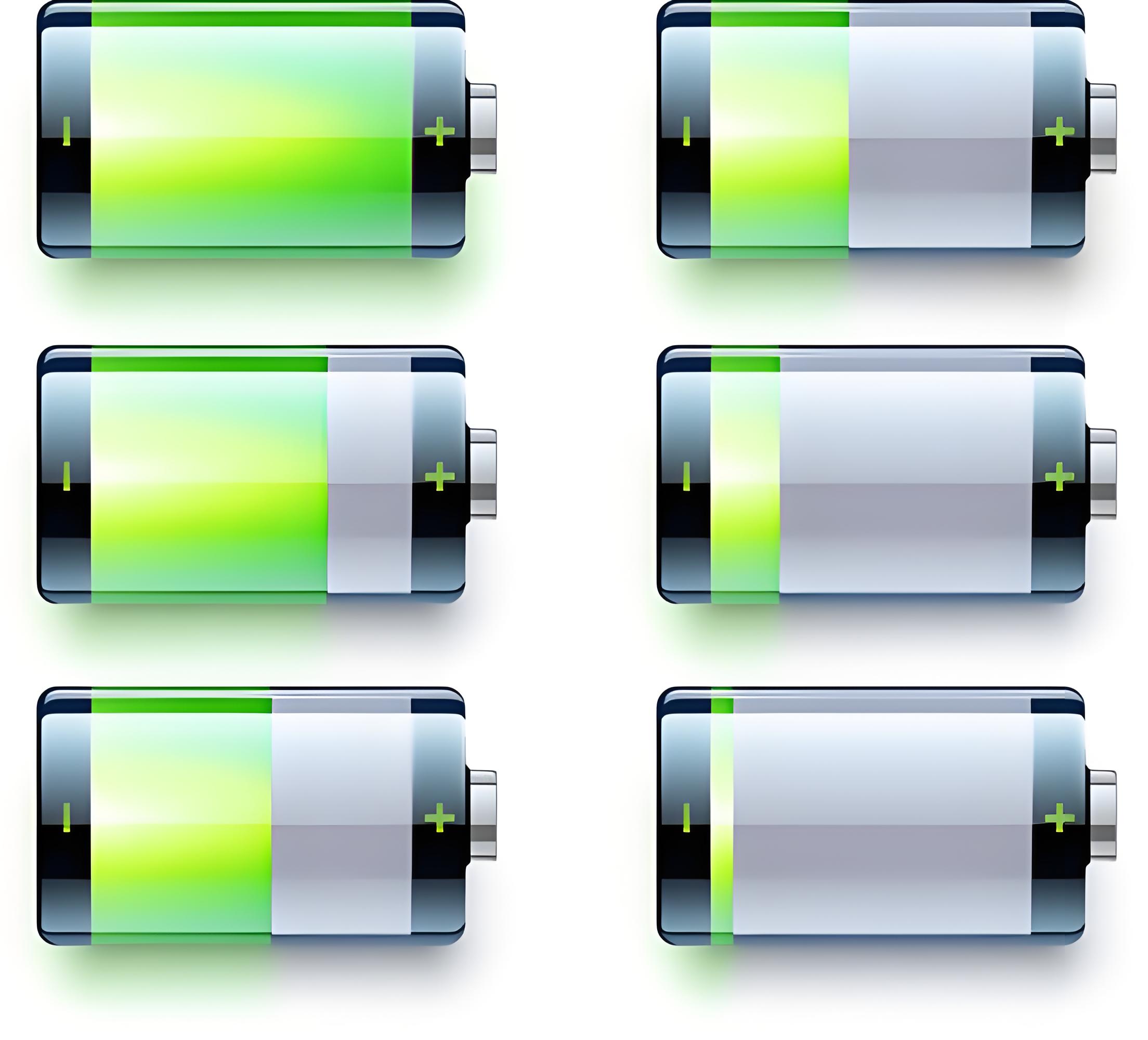
Battery capacity is a key performance indicator for solar lithium battery packs and storage systems.
- Definition: The amount of electric charge a battery can deliver under specific discharge conditions, measured in ampere-hours (Ah) or milliampere-hours (mAh).
- Types:
- Theoretical Capacity: The maximum energy based on the active material content, calculated via Faraday's law.
- Rated Capacity: Also known as guaranteed capacity, defined by national or industry standards.
- Actual Capacity: The real output under working conditions, typically lower than rated capacity.
- Specific Capacity: The capacity per unit weight (mAh/g) or volume (mAh/cm³), often used for comparing different solar battery technologies.
In solar street lights, battery capacity determines how long lighting can last during nighttime.
2. Internal Resistance
Internal resistance directly affects the charge/discharge efficiency and voltage stability of solar lithium batteries.
- Definition: The resistance encountered by current flowing inside the battery.
- Variation Factors: Changes over time during discharge due to electrolyte concentration, temperature, and active material conditions.
- Components:
- Ohmic Resistance: Follows Ohm’s Law.
- Polarization Resistance:
- Electrochemical Polarization
- Concentration Polarization
- Effect:
- During discharge: output voltage drops.
- During charge: voltage rises above open-circuit voltage.
Lower internal resistance is crucial for stable performance in solar-powered LED street lights.
3. Load Capability of Lithium Batteries
- Definition: The ability of the battery to supply power to connected loads, such as solar street lamp fixtures.
- Practical Significance: A battery with higher load capability supports high-brightness, high-power solar lighting systems.
4. Internal Pressure of Lithium Batteries
- Definition: The gas pressure inside sealed batteries, resulting from gas generated during chemical reactions.
- Causes: Water content or organic electrolyte decomposition.
- Influencing Factors: Materials, manufacturing process, and battery design.
In high-quality solar battery storage systems, proper internal pressure control prevents swelling and damage.
5. C-Rate Discharge Ability
Understanding C-rate is essential for optimizing charge and discharge strategies in solar energy storage applications.
- What is C-Rate:
- 1C = Full discharge in 1 hour.
- 0.5C = Discharge in 2 hours.
- 2C = Discharge in 30 minutes.
- Example:
A 1100mAh battery: - 1C discharge = 1100mA current for 1 hour
- 0.2C discharge = 220mA current for 5 hours
-

Have more questions about our products or services?
The latest hot news you might like

Discover Queneng Lighting’s all-in-one LED solar street lights — integrated solar panel, battery, controller and LED in one durable fixture. Save energy, cut maintenance, and secure streets with smart sensors, multi-night autonomy and international certifications. Contact sales for quotes and support.

Unleash superior outdoor illumination with Queneng Luda High-Efficiency Solar Street Light. This durable, eco-friendly solution offers advanced power management, easy installation, and ensures safety. Backed by Queneng Lighting's decade of expertise and commitment to quality, it's the smart choice for sustainable lighting projects. Learn why we're a leading solar solutions provider.

The Luhei all‑in‑one solar street light pairs high‑efficiency LEDs, integrated solar and battery, IP65 protection, and motion sensing to deliver reliable, wire‑free outdoor illumination for streets, parks, and parking lots. Backed by Queneng Lighting’s certifications and support.

FAQ
Municipal and Public Infrastructure
How much maintenance do solar streetlights require?
Solar streetlights are low-maintenance. Routine checks on the solar panels and battery performance every 6-12 months are sufficient to ensure optimal operation.
Can the lights be customized for specific municipal projects?
Yes, we offer tailored solutions to meet the unique requirements of different projects, including variations in design, brightness, height, and operation modes.
Battery and Analysis
What are the advantages and disadvantages of rechargeable batteries?
Ordinary secondary batteries have a high self-discharge rate, so they are suitable for high-current discharge applications such as digital cameras, toys, power tools, emergency lights, etc., but are not suitable for low-current long-term discharge applications such as remote controls, music doorbells, etc. Not suitable for long-term intermittent use such as flashlights.
Battery Types and Applications
How to classify batteries?
Primary batteries: carbon-zinc dry batteries, alkaline- manganese batteries,lithium batteries, activated batteries, zinc-mercury batteries, cadmium-mercury batteries, zinc-air batteries, zinc-silver batteries and solid electrolyte batteries (silver-iodine batteries) etc.
Secondary batteries: lead batteries, Ni-Cd batteries, Ni-MH batteries, Li-ion batteries and sodium-sulfur batteries, etc.
Other batteries: fuel cell batteries, air batteries, thin batteries, light batteries, nano batteries, etc.
Physical battery: Solar cell
OEM&ODM
Can I customize the product appearance and packaging?
Yes! We offer full customization on housing color, logo printing, battery configuration, controller type, and box design.
Commercial and Industrial Parks
How does solar lighting work in industrial parks?
Solar lights use photovoltaic panels to convert sunlight into electricity, stored in batteries, to power LED lamps at night.
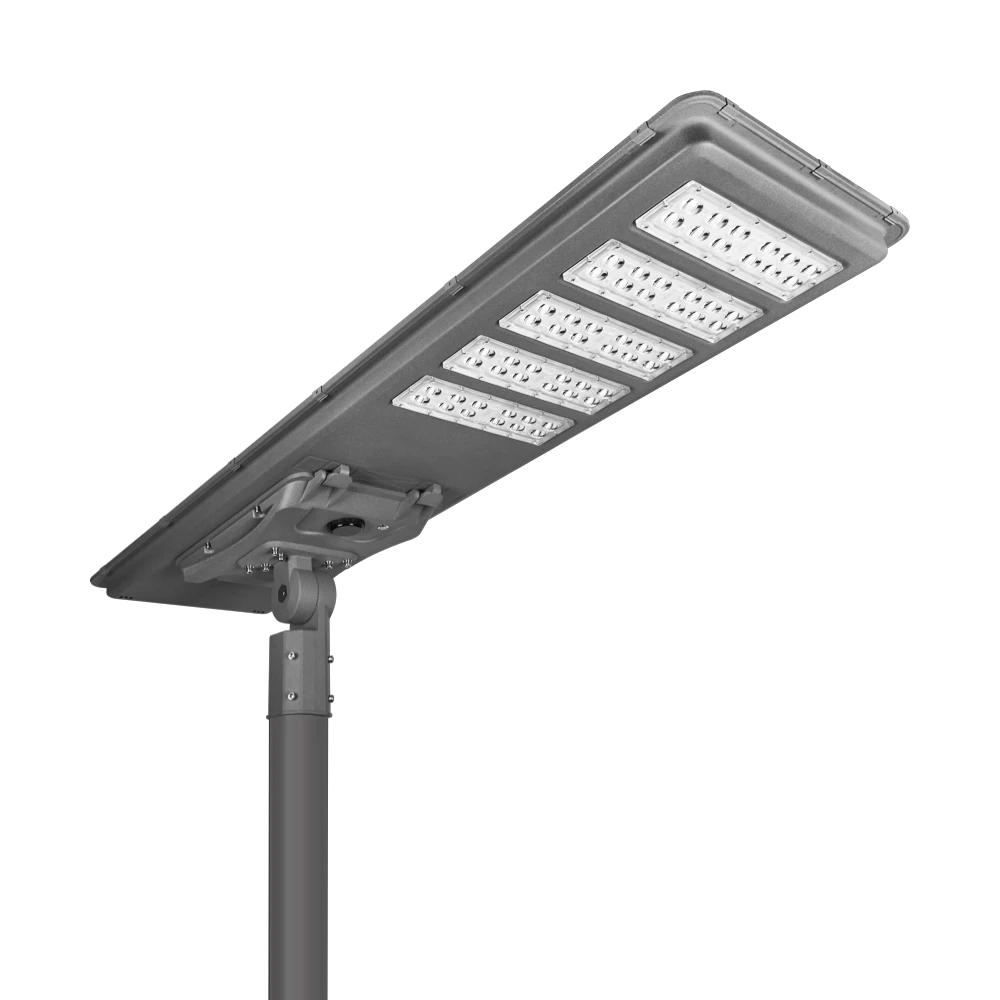
Discover the Lulin High-Performance Solar Street Light by Queneng, a durable and energy-saving outdoor lighting solution. Designed for efficiency and reliability, it harnesses solar power to sustainably illuminate streets and pathways. Optimize your outdoor spaces today with Queneng's innovative solar street lighting technology.
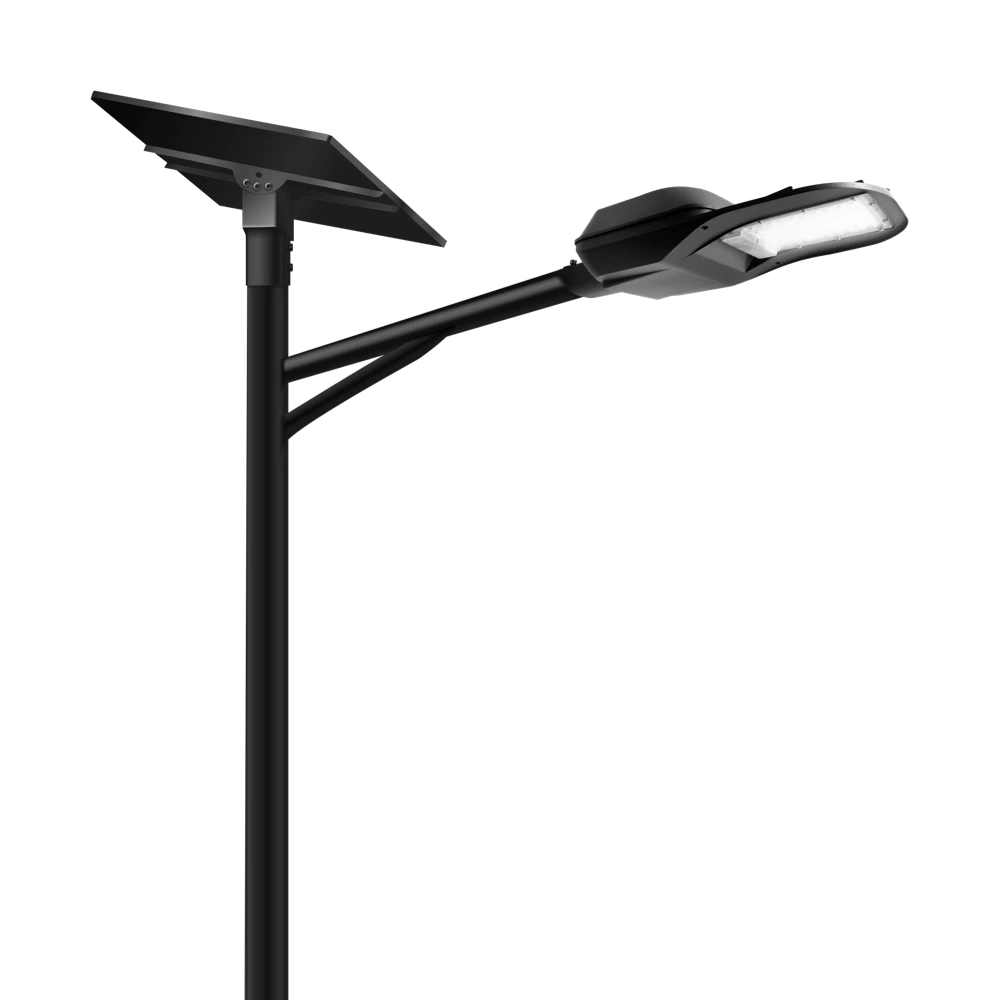
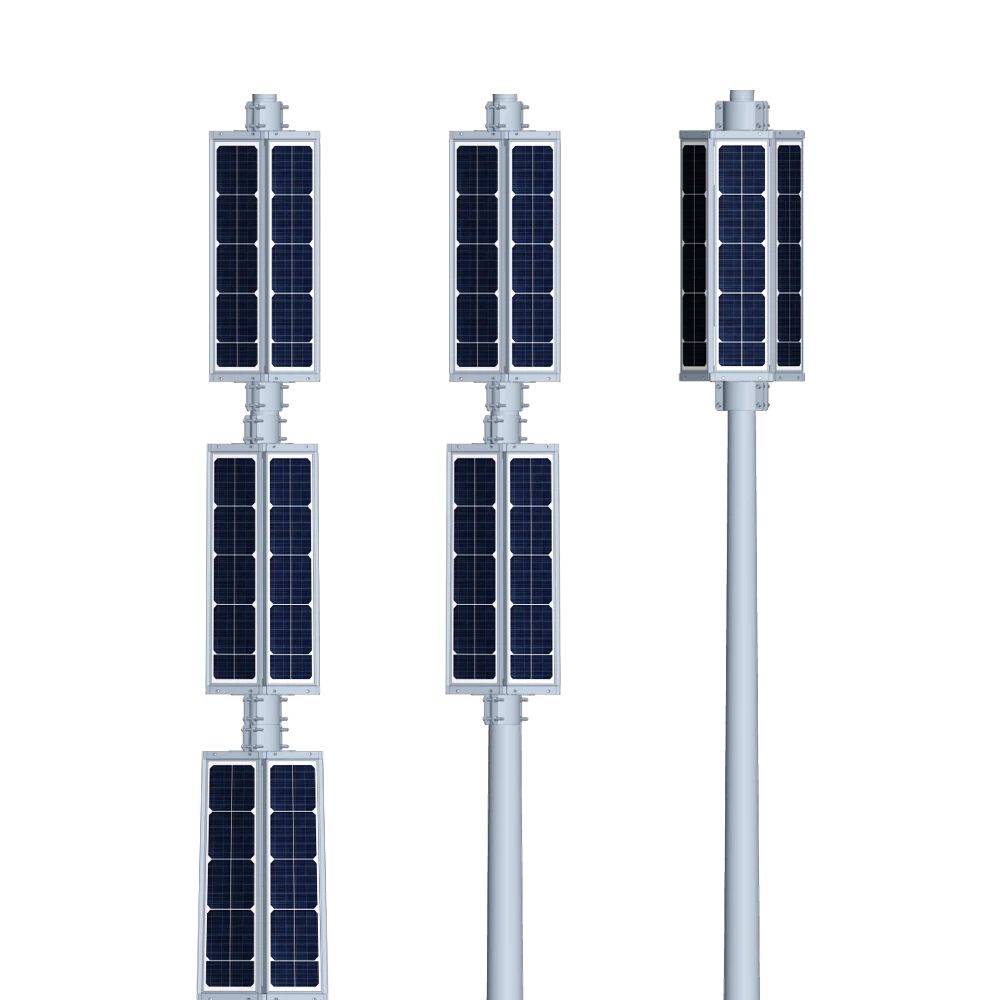
Queneng's Luzhou Solar Street Light provides sustainable, energy-efficient outdoor LED lighting. Powered by solar energy, it's a cost-effective and eco-friendly solution for illuminating streets and pathways. A reliable and durable LED solar street light.
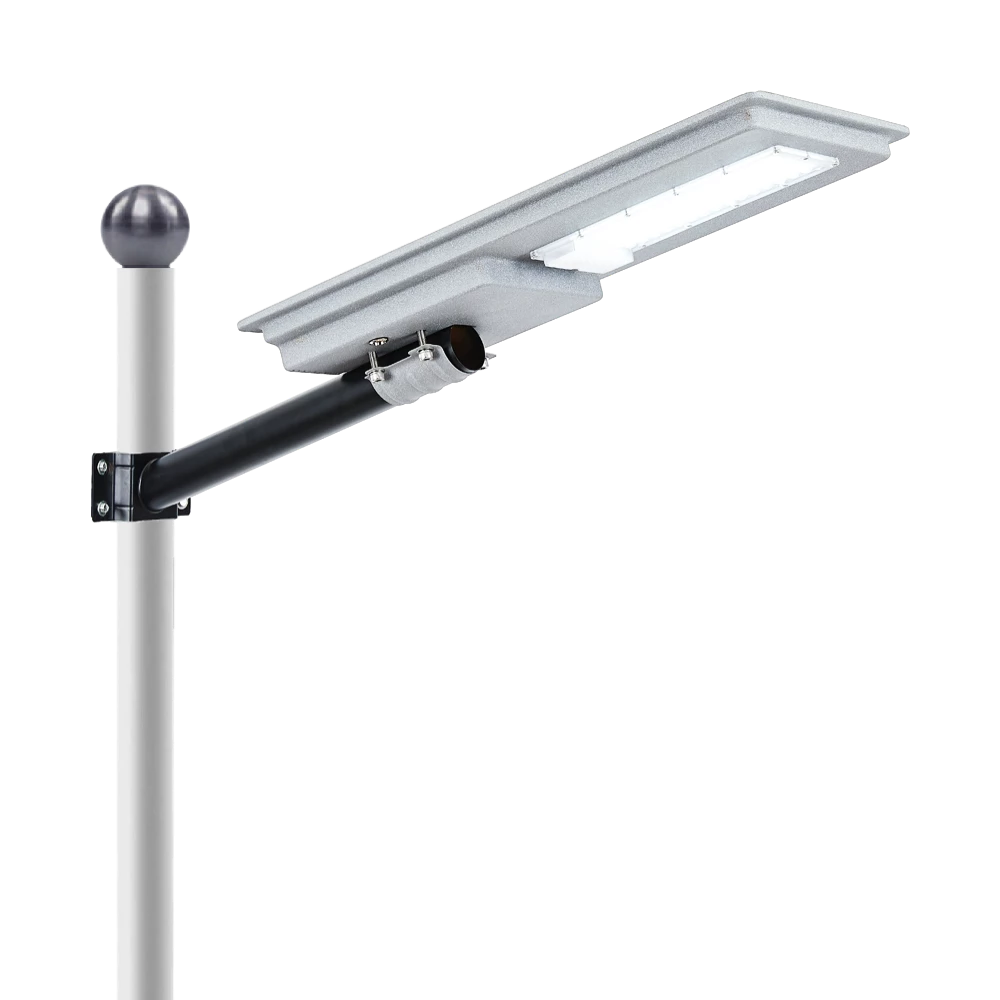
Introducing the Luda Solar Street Light by Queneng: the ultimate in outdoor lighting. This durable, eco-friendly solar street light offers high efficiency and sustainability. Perfect for illuminating streets, pathways and public spaces, it harnesses solar power to reduce energy costs and environmental impact.
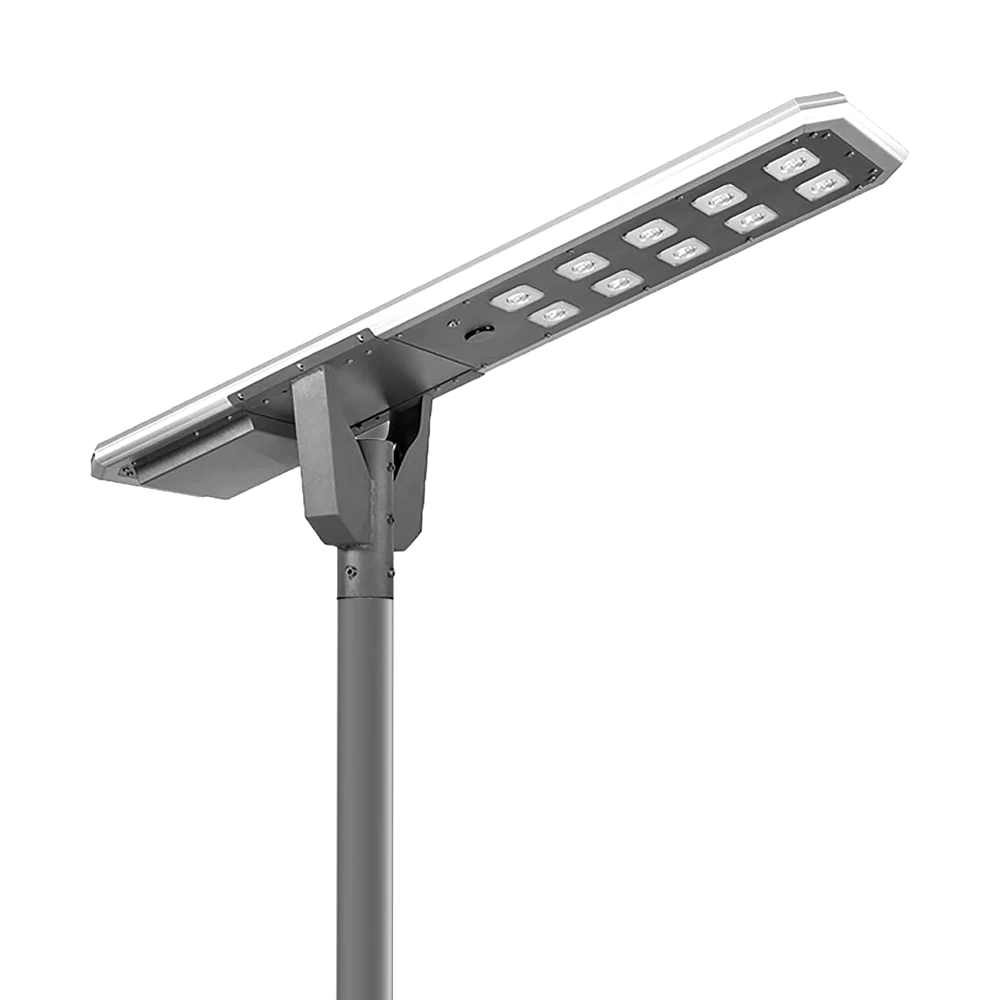
Illuminate your outdoor spaces with the Solar Street Light, a cutting-edge solution combining advanced solar technology and energy-saving LED lighting.
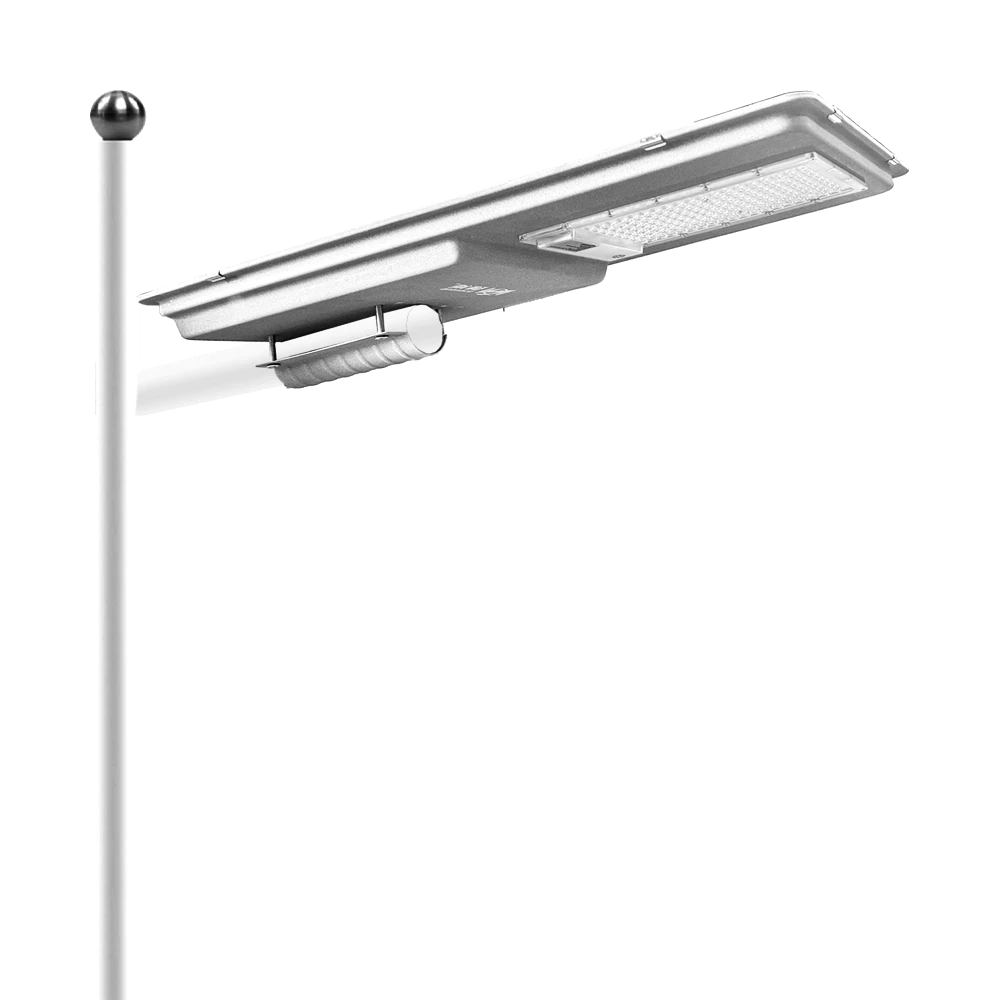
Queneng's Lufa high-efficiency solar LED street lights illuminate urban and commercial spaces brilliantly. These commercial solar LED street lights offer superior energy savings and reliable performance, making them an ideal sustainable lighting solution.
If you would like more information about Queneng solar lighting solutions, please send us a message by filling out the form below. Our professional team will get back to you within 24 hours!
Rest assured that your privacy is important to us, and all information provided will be handled with the utmost confidentiality.
Schedule a Meeting
Book a date and time that is convenient for you and conduct the session in advance.
Have more questions about our products or services?
The messenger of light & power conversion
Environmental protection and intelligent manufacturing are our brand philosophy, and quality assurance and the best user experience are our eternal promises to users.
CONTACT
No.9F, Building F, Cao San Xin Tian Hong Logistics Park, Guzhen Town, Zhongshan City, Guangdong Province, China.
or write [email protected]
WhatsApp: +86 136 2270 1011


