














The Definitive Guide to Integrated Solar Street Lights: 2026 Performance Innovations & Buying Strategy
A comprehensive 2026 outlook on integrated solar street lights, featuring performance benchmarks like bifacial panels, LiFePO₄ batteries, and Smart City IoT integration for maximum ROI.
What is an integrated solar street light, and why is it the 2026 industry standard?
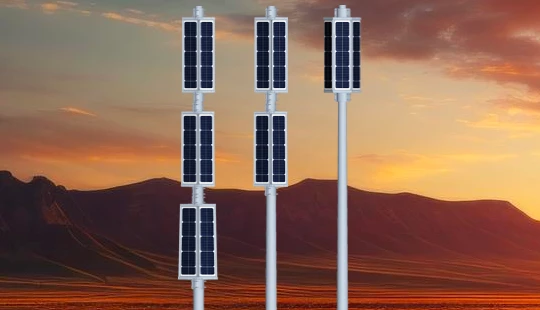
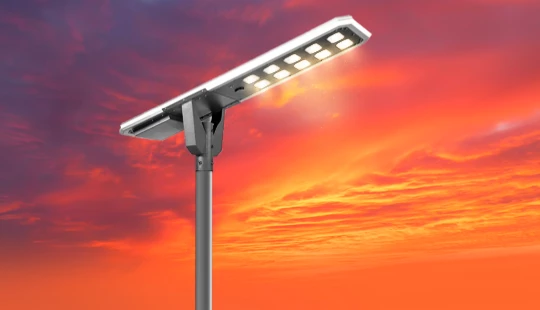
An integrated solar street light (often called an all-in-one solar light) is a compact outdoor lighting solution that merges high-efficiency solar panels, LED luminaires, LiFePO₄ solar battery technology, and smart controllers into a single, weatherproof housing. Unlike traditional systems that require complex trenching and separate battery boxes, these units are designed for "plug-and-play" installation.
The industry is currently witnessing a massive shift. By 2026, market data indicates that integrated systems are replacing split-type architectures in over 80% of new urban and rural projects. This transition is driven by three primary factors:
- Lower Installation Costs: Zero trenching or cabling reduces labor costs by up to 40%.
- Reduced Maintenance: The sealed design prevents dust and water ingress (IP66/67 ratings).
- Aesthetic Appeal: The sleek, modern profile blends seamlessly with Smart City IoT lighting integration initiatives.
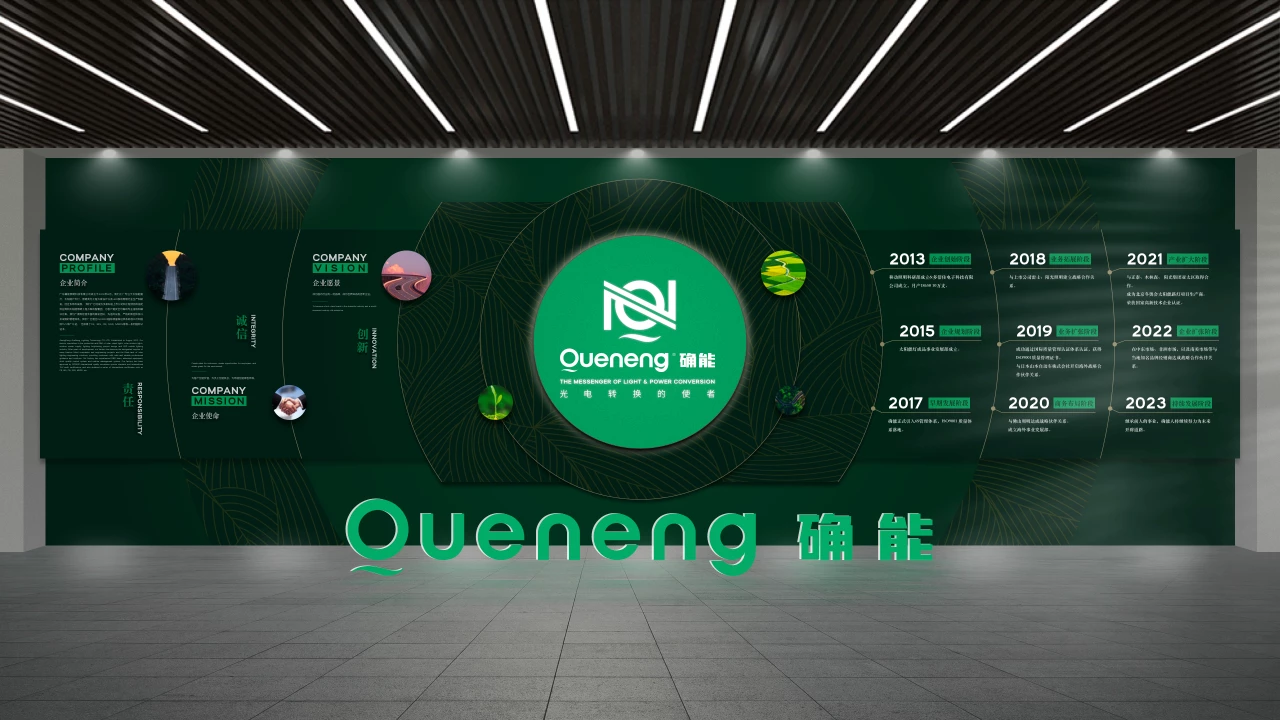
At Queneng Lighting, we have observed this trend firsthand. Since our founding in 2013, our R&D team has transitioned focus toward these compact systems to meet the demands of major engineering projects requiring rapid deployment and high reliability.
Anatomy of a High-Performance System: Beyond the Basics
To meet 2026 performance benchmarks, a solar street light must utilize specific, high-grade components. Understanding these specs is critical for procurement officers and city planners.
1. Bifacial Solar Panel Street Lights
Bifacial solar panel street lights are the new frontier for energy harvesting. Unlike traditional monofacial panels that only catch sunlight from the top, bifacial modules capture reflected light (albedo) from the ground on the rear side. According to recent industry studies, this can increase energy yield by 20-30%, especially in environments with concrete or light-colored pavement.
2. Next-Gen MPPT Controllers
The heart of the system is the controller. MPPT solar charge controller efficiency (Maximum Power Point Tracking) has now reached 99%. In 2026 models, these controllers are vital for low-light conditions, ensuring batteries charge effectively even during overcast days or the rainy season.
3. Luminous Efficacy Benchmarks
Forget the old standard of 130 lm/W. The 2026 minimum benchmark for high-end projects is 200 lm/W. This efficiency allows for brighter output with smaller energy consumption, extending battery autonomy.
4. Thermal Management
Heat is the enemy of electronics. Advanced systems now use what engineers call "Exquisite Cage" thermal designs to dissipate heat rapidly, protecting the LiFePO₄ battery and LED chips from thermal degradation.
Integrated vs. Split-Type: Which Architecture Fits Your Project?
Integrated solar street lights are the superior choice for 80% of applications, but understanding the architectural differences ensures you choose the right tool for the job.
The Comparison Matrix
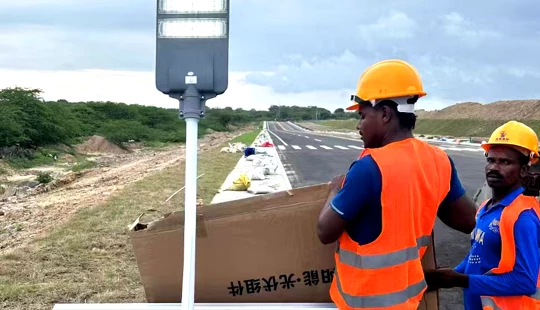
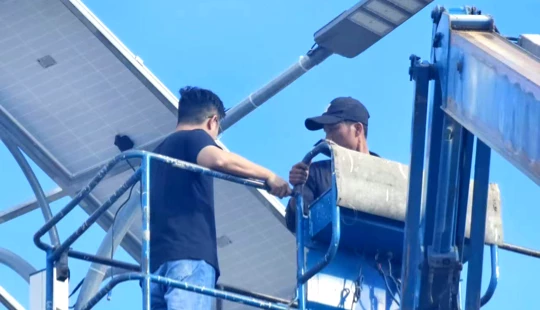
- Installation Speed: Integrated systems can be installed in roughly 15 minutes per pole. Split systems often take 2+ hours due to wiring and battery burial.
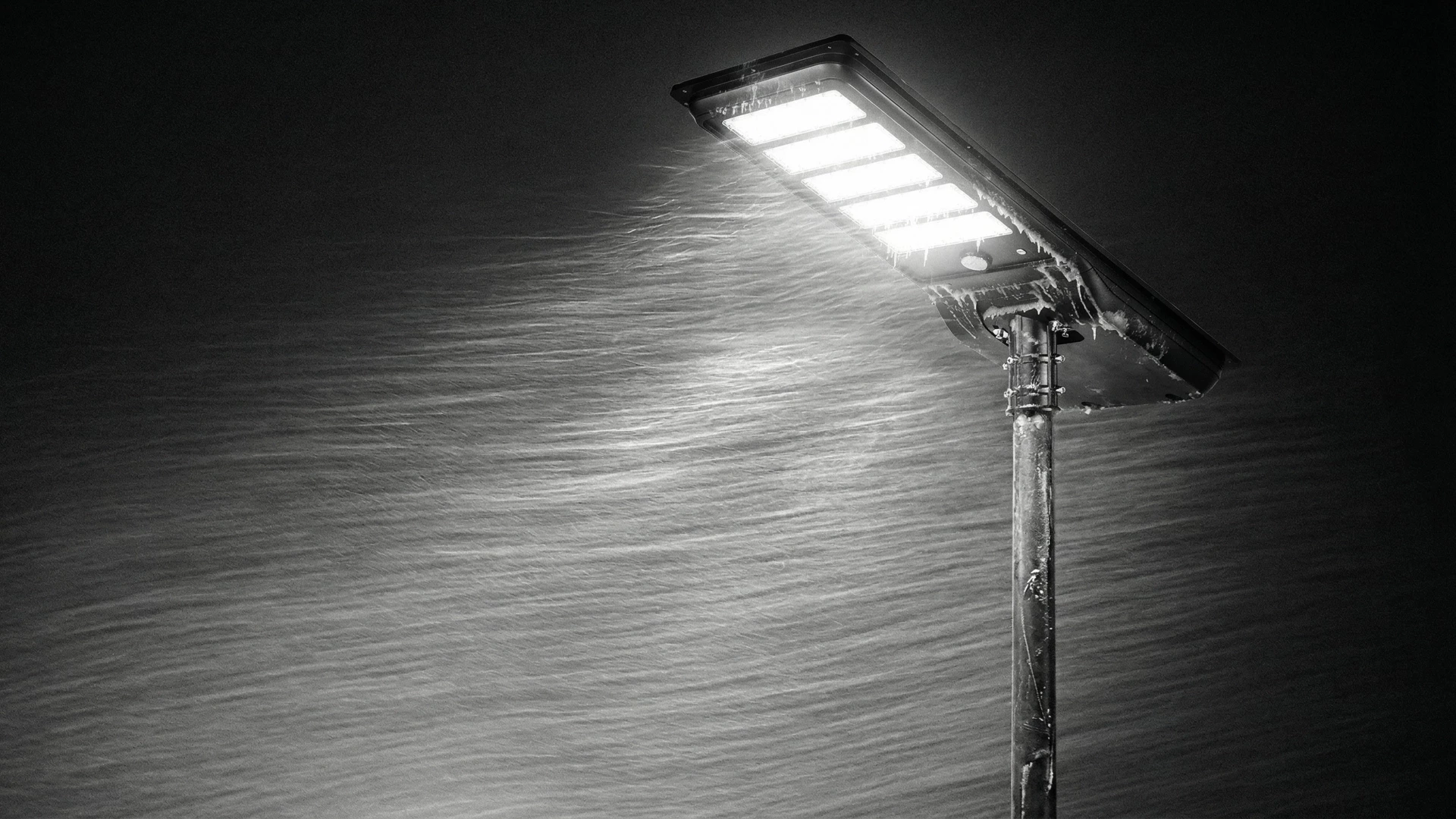
- Wind Resistance: All-in-one designs have a lower aerodynamic profile, making them ideal for coastal areas prone to typhoons. Queneng Lighting products, for instance, utilize high-strength aluminum alloys rated for wind speeds up to 150-180 km/h.
- Customization Limits: Split-type systems are still relevant for high-wattage specialty needs (e.g., 100W+ continuous high-brightness) where a massive solar panel is required.
- Expert Insight: A common critique of integrated lights is the fixed panel angle. However, leading manufacturers now offer adjustable brackets to solve this charging gap, allowing optimization for northern or southern latitudes.
-
The 2026 Tech Frontier: AI, IoT, and Edge Computing
Smart City IoT lighting integration is no longer a buzzword; it is a requirement for municipal tenders. By 2026, street lights will function as data nodes within a broader urban network.
- Edge-AI Dimming: Modern cameras and sensors use local AI processing to distinguish between a pedestrian (triggering 100% brightness) and falling leaves or small animals (maintaining 30% dim mode). This prevents false triggers and wastes less energy.
- IoT Monitoring: Through 5G/6G protocols, facility managers can view real-time health diagnostics. If a unit fails, the system sends an alert with the exact GPS location and error code, eliminating manual patrols.
- Predictive Maintenance: Data from Precedence Research (2025) suggests that AI-driven maintenance can extend infrastructure lifespans to 12+ years by predicting battery failures before they occur.
Strategic Buying Guide: Matching Specs to Environment
Buying the wrong specification for your geography is the most common cause of project failure. Here is how to match specs to your environment:
1. Coastal Regions
Salt spray accelerates corrosion. You must specify C5-M anti-corrosion coatings. At Queneng Lighting, our adherence to ISO 9001 and international certifications like CE and UL ensures our housings withstand harsh marine environments.
2. High-Dust Areas (Sahara/Middle East)
Dust accumulation on panels can drop efficiency by 40%. For these regions, prioritize units with self-cleaning glass coatings or automated wiper systems.
3. Calculating Autonomy
Demand a minimum of 3-5 days of autonomy. This means the battery must have enough capacity to run the light for multiple rainy days without solar input. This is non-negotiable for safety-critical areas like highways.
4. Verification and Certification
Ensure your supplier holds valid 2025/2026 compliance certificates (CE, RoHS, UL, CB). As a designated supplier for listed companies, Queneng Lighting provides full documentation to verify these standards.
Installation and Long-Term Maintenance Protocols
Proper installation is the final step in ensuring the longevity of all-in-one solar lighting systems.
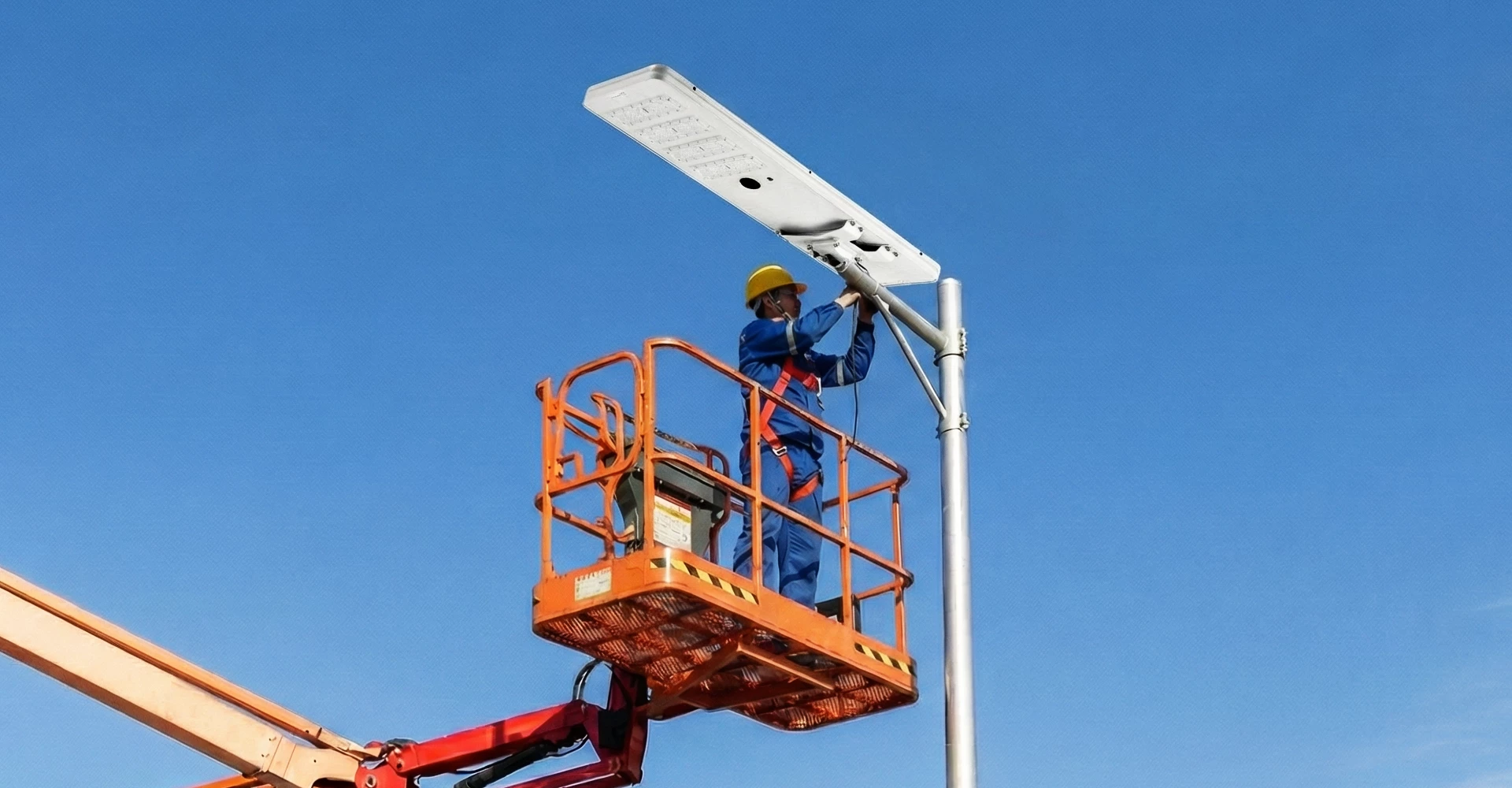
Fool-Style Installation
We recommend a 4-step process designed for non-technical crews:
- Assemble the bracket on the ground.
- Activate the system (usually a switch or remote).
- Mount the fixture to the pole.
- Tighten bolts and verify orientation (south-facing in the Northern Hemisphere).
The Circular Economy
As we approach 2026, disposal is a key concern. LiFePO₄ solar battery technology is non-toxic compared to lead-acid, but recycling protocols must still be followed. Ensure your supplier has a "take-back" program or clear recycling guidelines.
Frequently Asked Questions (FAQ)
How long do integrated solar street lights last?
High-quality systems utilizing LiFePO₄ batteries typically last 8-12 years. The solar panels themselves retain about 80% efficiency after 25 years, while LED chips are rated for 50,000 to 100,000 hours of operation.
Do integrated solar lights work on cloudy days?
Yes. Modern MPPT solar charge controller efficiency allows the system to harvest energy from diffused light. Combined with intelligent power management, this ensures 3-5 days of autonomy even without direct sun.
What is the difference between all-in-one and all-in-two solar lights?
All-in-One houses the panel, battery, and LED in a single shell. All-in-Two separates the solar panel from the body, allowing for independent angle adjustment, which can be beneficial in high-latitude regions.
Are integrated solar street lights bright enough for highways?
Yes. Models with high-lumen outputs (15,000lm+) utilize specialized beam angle optics to ensure uniform light distribution without dark spots, fully meeting highway safety standards.
What is the maintenance cost for integrated solar lighting?
Maintenance costs are approximately 70% lower than traditional grid lighting. The primary requirement is occasional panel cleaning and a battery swap after 8-10 years, compared to constant bulb replacements and wiring fixes for grid lights.
How does a PIR motion sensor improve performance?
A PIR sensor maintains the light at roughly 30% brightness for security, jumping to 100% only when movement is detected. This strategy significantly preserves battery life during late-night hours.
Can these lights withstand typhoons and extreme weather?
Quality units feature an IK10 impact rating and high-strength aluminum alloy casings. Most professional integrated units, like those from Queneng Lighting, are rated for wind speeds of 150-180 km/h.
Is it cheaper to buy solar street lights or grid-tied lights?
While the initial purchase price of solar is higher, the Total Cost of Ownership (TCO) is significantly lower. This is due to $0 electricity bills and the elimination of expensive trenching and cabling costs.
References

Have more questions about our products or services?
The latest hot news you might like
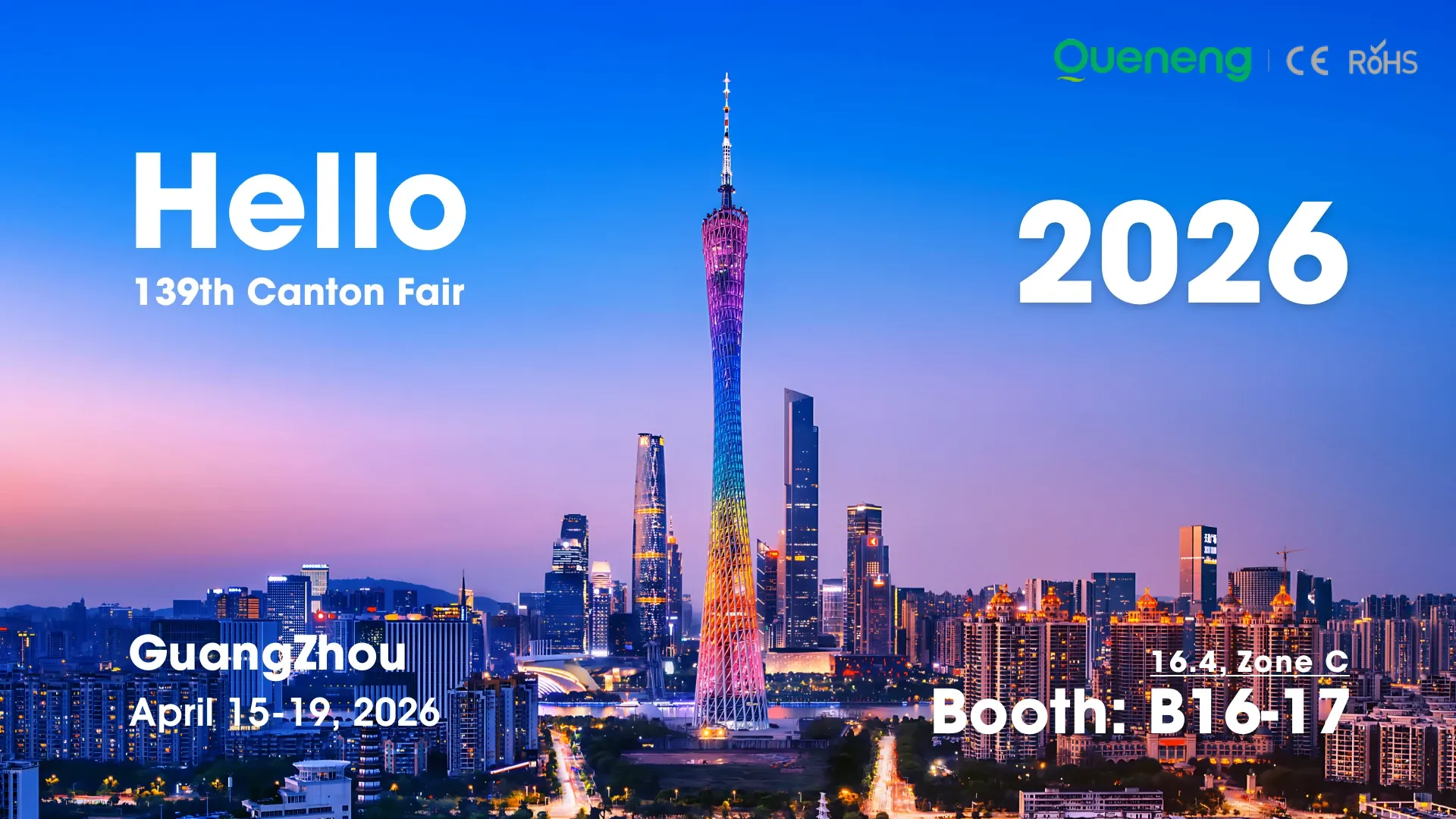
As the global demand for sustainable infrastructure rises, Queneng Lighting is proud to announce its participation in the 139th China Import and Export Fair (Canton Fair), held from April 15th to 19th, 2026, in Guangzhou.
For over 13 years, Queneng has been at the forefront of the solar lighting industry, providing high-efficiency solutions for infrastructure contractors, municipal developers, and EPC companies worldwide. This year, we are bringing our most advanced technology yet to the international stage.

Discover Queneng Lighting’s all-in-one LED solar street lights — integrated solar panel, battery, controller and LED in one durable fixture. Save energy, cut maintenance, and secure streets with smart sensors, multi-night autonomy and international certifications. Contact sales for quotes and support.

Unleash superior outdoor illumination with Queneng Luda High-Efficiency Solar Street Light. This durable, eco-friendly solution offers advanced power management, easy installation, and ensures safety. Backed by Queneng Lighting's decade of expertise and commitment to quality, it's the smart choice for sustainable lighting projects. Learn why we're a leading solar solutions provider.

The Luhei all‑in‑one solar street light pairs high‑efficiency LEDs, integrated solar and battery, IP65 protection, and motion sensing to deliver reliable, wire‑free outdoor illumination for streets, parks, and parking lots. Backed by Queneng Lighting’s certifications and support.
FAQ
Solar Street Light Luhua
How do Luhua solar street lights work?
Luhua solar street lights use high-efficiency solar panels to capture sunlight during the day and store it in lithium-ion batteries. These batteries then power the LED lights at night. The intelligent control system adjusts the light output based on ambient light conditions and detects motion to maximize energy savings by dimming when no motion is detected and increasing brightness when movement is sensed.
Solar Street Light Lufei
What is the warranty on the solar street light?
Queneng offers a warranty of 2-5 years on our solar street lights, covering defects in material and workmanship. The warranty duration may vary based on the model and product components.
All-in-one solar street lights
Can these lights operate in rainy seasons?
Properly designed systems can work for several cloudy or rainy days continuously.
Transportation and Highways
How do solar lights perform in areas with heavy traffic pollution?
Solar panels may require more frequent cleaning in high pollution areas to maintain efficiency, but the system's durability ensures reliable performance.
Split Solar Street Light
Can the battery be installed underground?
Yes. Underground battery boxes are available for high-temperature or vandal-prone areas.
Public Gardens and Landscape Lighting
Are solar lights safe for use in public spaces?
Yes, solar lights are safe for public spaces. They use low-voltage LED lights that do not pose any electrical hazards. Additionally, our lights are designed with weather-resistant and durable materials to withstand outdoor conditions, making them reliable and safe for public use.
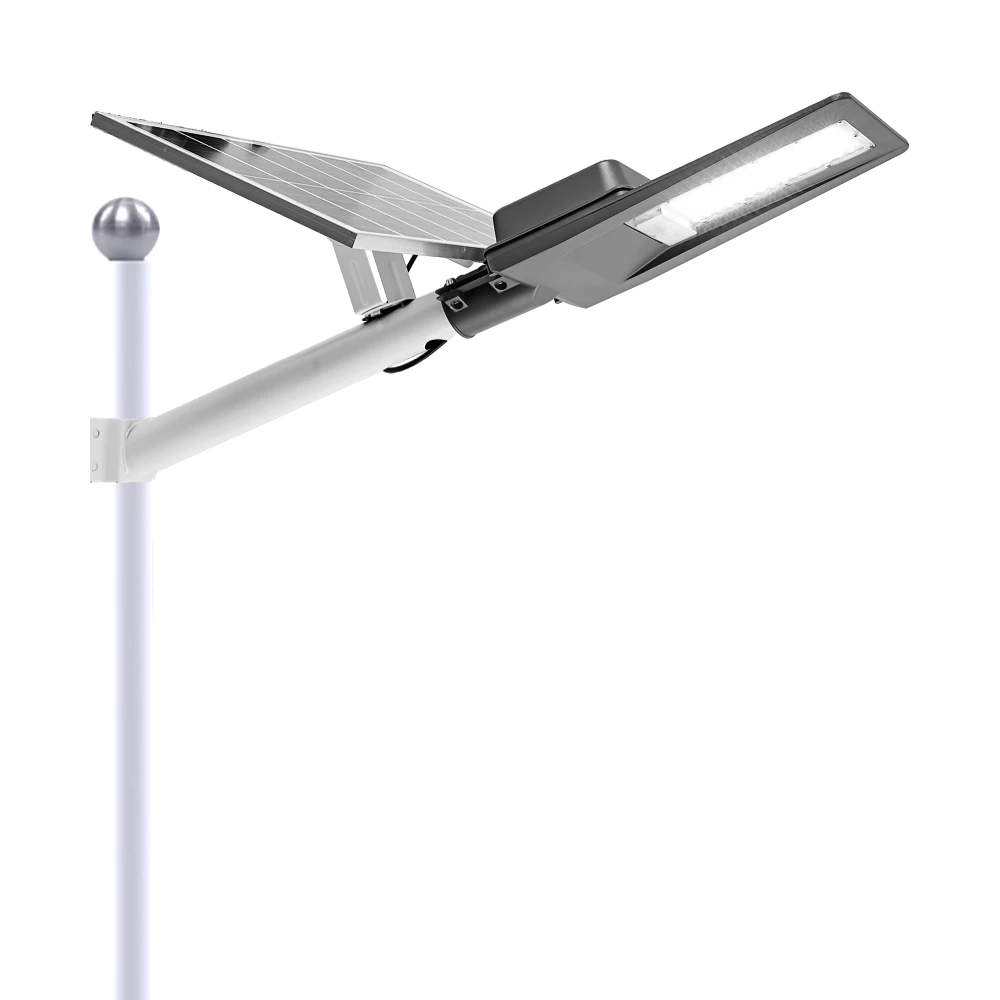
Experience reliable outdoor illumination with our smart solar street light, a perfect combination of advanced technology and eco-conscious design.
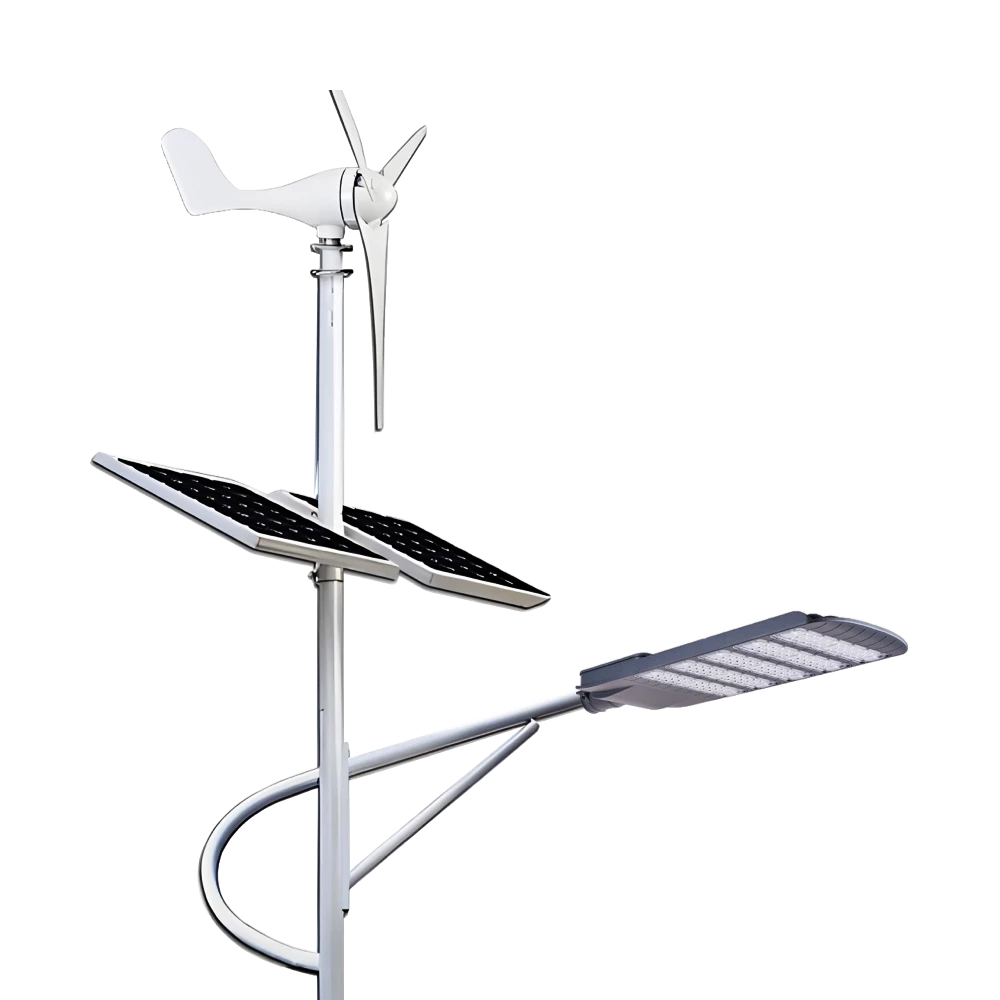
Queneng Lufeng Wind Energy LED Outdoor Solar Street Lights offer high-performance, eco-friendly illumination. These energy-efficient LED street lights harness solar power and wind energy for sustainable, cost-effective outdoor lighting solutions.
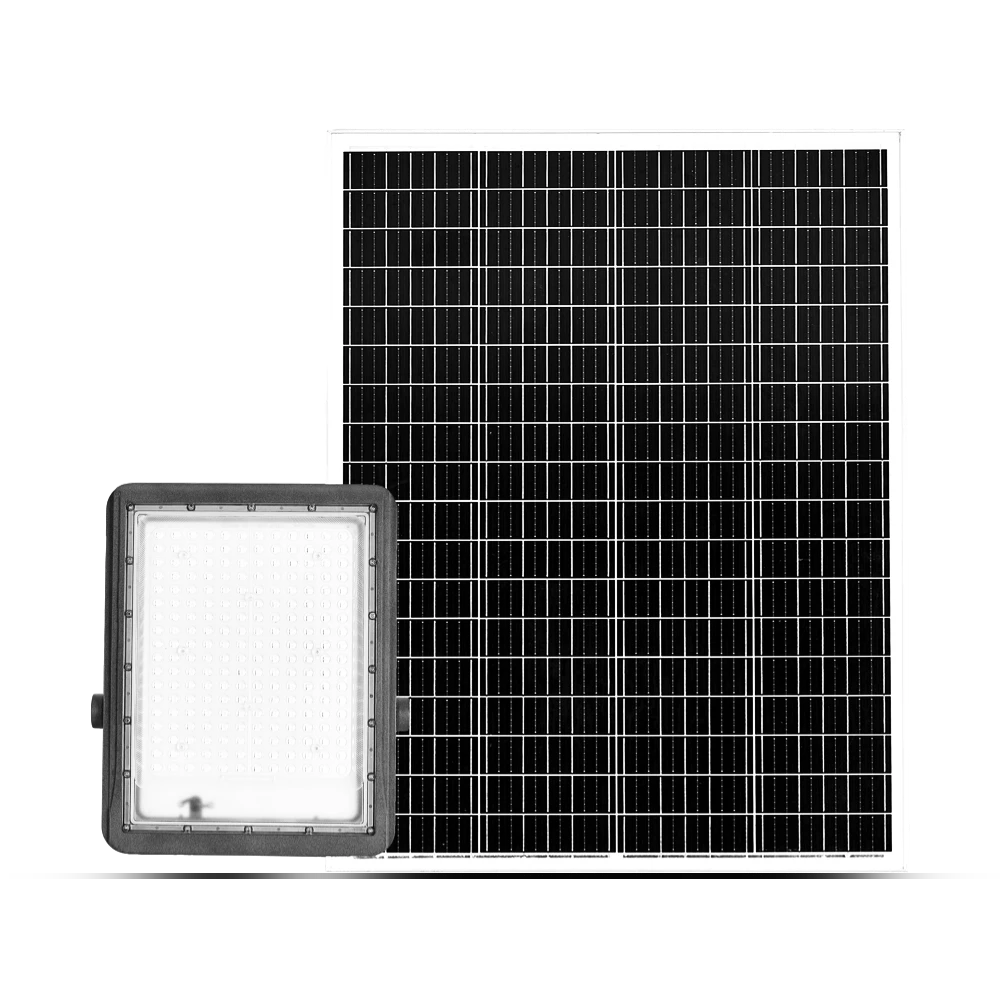
Queneng's Luxian Reliable Solar Street Light offers energy-saving LED lighting for outdoor use. This durable, solar-powered street light provides reliable illumination, reducing energy costs and environmental impact. A perfect solution for sustainable outdoor lighting.
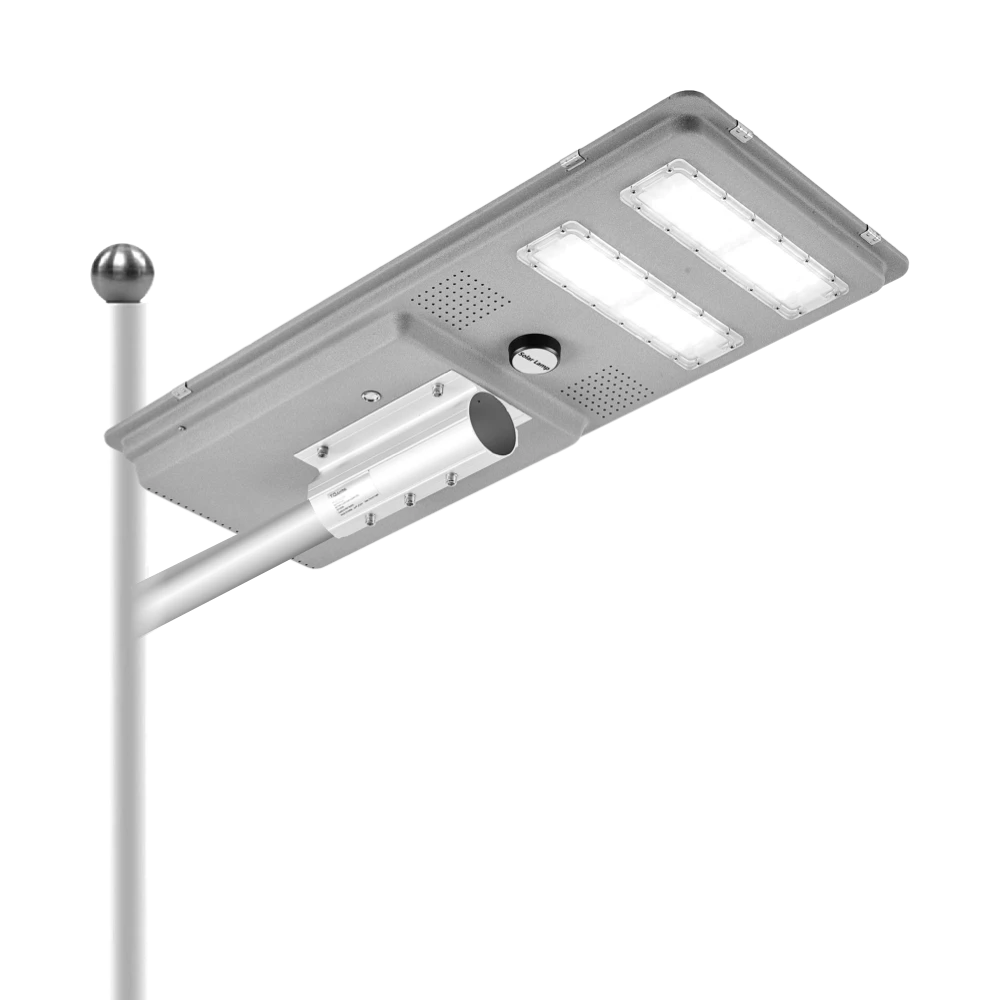
Queneng’s Solar Street Lights are designed to provide reliable, energy-efficient lighting for streets, parks, and other outdoor spaces.
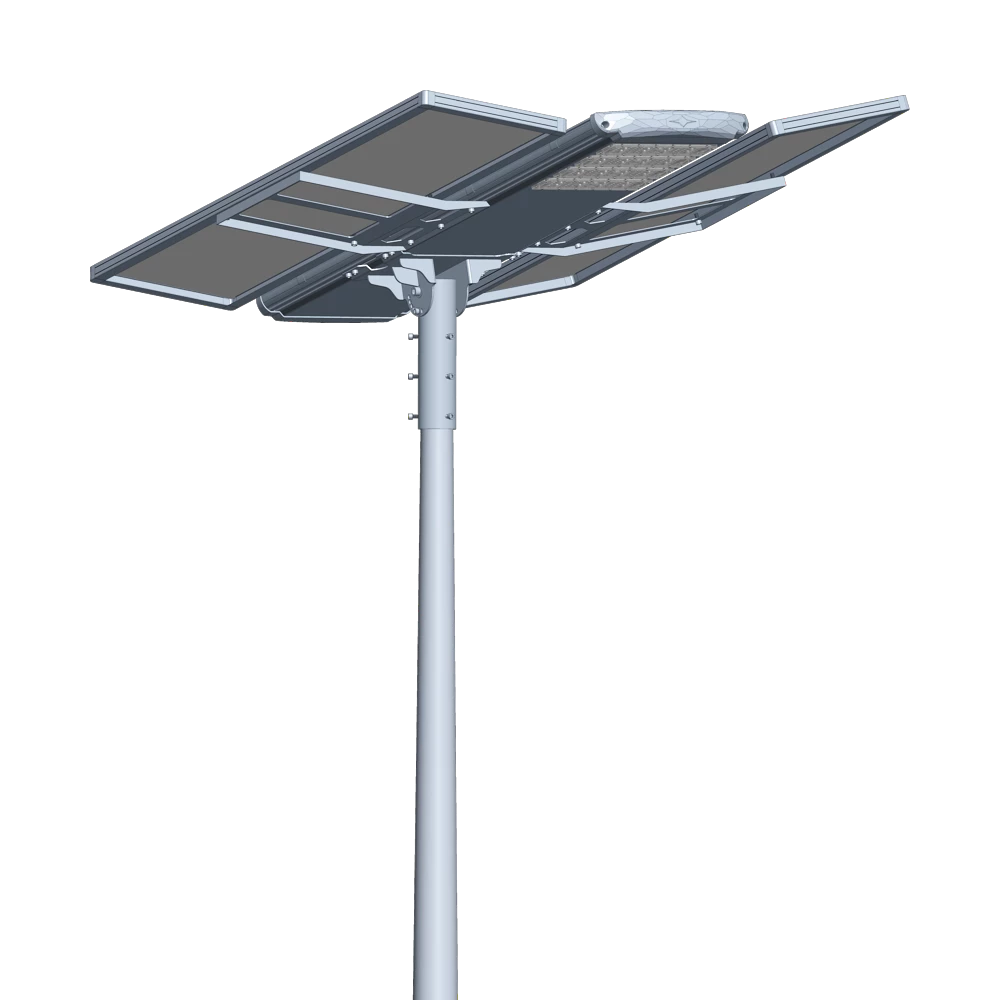
Introducing the Luqing Solar Street Light by Queneng, Efficient LED lighting powered by solar energy is perfect for illuminating outdoor areas. Harness the power of solar energy for sustainable, reliable street lighting. Ideal for eco-friendly, cost-effective outdoor illumination solutions.
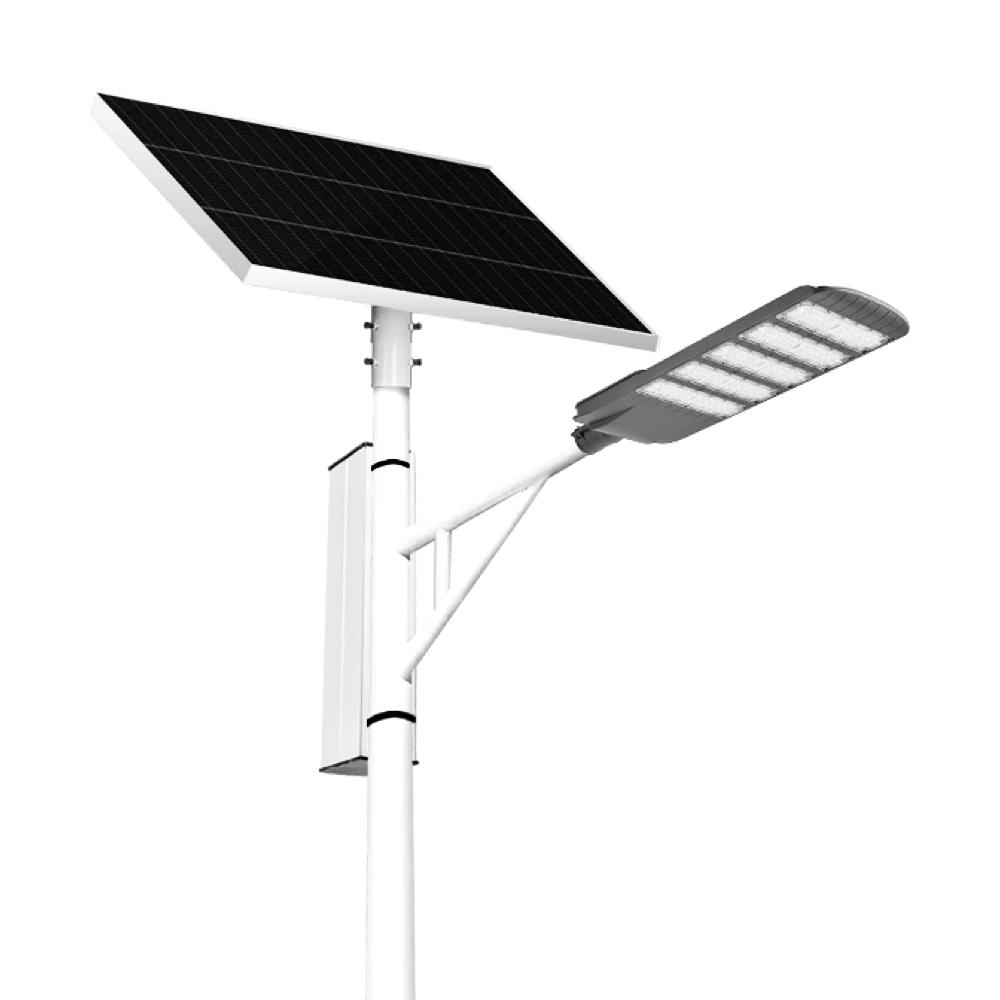
The Solar Streetlights of Luhao for Municipalities are designed to deliver reliable, energy-efficient, and cost-effective public lighting solutions. Equipped with advanced LED technology, durable lithium batteries, and high-efficiency solar panels, these streetlights provide consistent illumination for roads, parks, residential areas, and government projects.
If you would like more information about Queneng solar lighting solutions, please send us a message by filling out the form below. Our professional team will get back to you within 24 hours!
Rest assured that your privacy is important to us, and all information provided will be handled with the utmost confidentiality.
Schedule a Meeting
Book a date and time that is convenient for you and conduct the session in advance.
Have more questions about our products or services?
The messenger of light & power conversion
Environmental protection and intelligent manufacturing are our brand philosophy, and quality assurance and the best user experience are our eternal promises to users.
CONTACT
No.9F, Building F, Cao San Xin Tian Hong Logistics Park, Guzhen Town, Zhongshan City, Guangdong Province, China.
or write [email protected]
WhatsApp: +86 136 2270 1011


