














What's the true cost of a solar street light?
Unveiling the True Cost of Solar Street Lights: A Professional Buyer's Guide
For project managers, procurement specialists, and developers, investing in solar street lighting solutions requires a nuanced understanding that goes far beyond the initial sticker price. The 'true cost' encompasses not just the upfront expenditure but also long-term operational efficiency, maintenance, reliability, and the overall return on investment. This guide aims to demystify the complexities, focusing on the professional considerations for purchasing robust and efficient solar street light systems, particularly the versatile split solar street light configurations.
What's the True Cost of a Solar Street Light System?
The true cost of a solar street light system is a holistic figure that combines the initial purchase price with a life-cycle cost analysis. While a single unit's price can range from approximately $300 to $2500+ USD (excluding pole and installation) depending on specifications, the full investment includes:
- Component Costs: Solar panel, battery, LED luminaire, charge controller, pole, and mounting hardware.
- Logistics & Shipping: Depending on the manufacturer's location and project site.
- Installation Costs: Labor, equipment, foundation work, wiring (for split systems), and potentially specialized crews. These can add 15-30% to the component cost.
- Maintenance Costs: Routine checks, battery replacements, panel cleaning, and potential repairs over the system's lifespan.
- Operational Savings: The significant advantage of solar is zero electricity bills, which contributes to long-term savings and positive ROI.
- Financing Costs: If applicable, interest and loan processing fees.
Understanding these elements is crucial for accurate budgeting and forecasting for industrial-scale projects.
How Do Split Solar Street Lights Compare to All-in-One Models in Cost & Application?
The choice between Split Solar Street Lights and All-in-One Solar Street Lights significantly impacts both cost and suitability for different applications:
- Split Solar Street Lights:
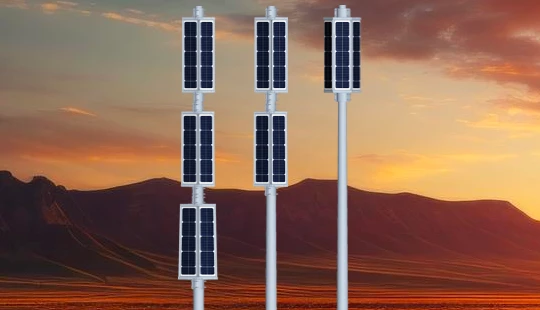
- Design: Solar panel, battery, and LED lamp are separate components, often with the panel and lamp mounted on the pole and the battery housed underground or lower on the pole.
- Advantages: Greater flexibility in panel orientation for optimal sun exposure, larger battery and panel capacity for higher power requirements (e.g., brighter lights, longer runtime), enhanced heat dissipation for the battery, and better wind resistance due to separate component placement. Ideal for areas with inconsistent sunlight or projects requiring higher lumen output and autonomy.
- Cost Implications: Generally have a higher initial material cost due to separate casings, wiring, and potentially more robust components. Installation can be more complex and labor-intensive, increasing installation costs.
- All-in-One Solar Street Lights:
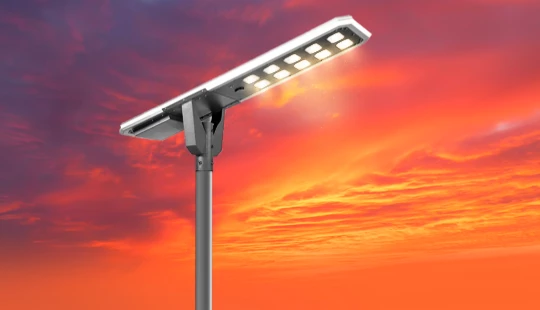
- Design: All primary components (solar panel, battery, LED lamp, controller) are integrated into a single compact unit.
- Advantages: Simpler and faster installation, often lower initial material cost per unit, and aesthetically sleeker. Good for smaller-scale projects or areas with abundant, consistent sunlight.
- Cost Implications: Lower installation costs are a major draw. However, integrated design can limit battery and panel size, potentially affecting autonomy and brightness for demanding applications. Battery life might be impacted by thermal management challenges in hotter climates.
For industrial clients requiring robust, high-performance systems for critical infrastructure, split systems often present a more reliable and customizable solution despite a higher upfront investment.
Which Key Components Drive the Overall Price of a Solar Street Light?
The core components dictate the majority of a solar street light's cost:
- Solar Panel (PV Module): Constitutes 20-30% of the system cost. Monocrystalline panels (typically 20-22% efficiency) are more expensive but offer better performance in low light compared to polycrystalline (15-18% efficiency). Higher wattage panels for faster charging and longer autonomy drive up the price.
- Battery: Accounts for 25-40% of the cost. Lithium Iron Phosphate (LiFePO4) batteries are the industry standard due to their longer lifespan (5-10 years, 2000-4000 cycles) and better performance in varying temperatures compared to cheaper lead-acid options. Larger capacity (Ah) batteries increase cost but ensure longer runtime and backup.
- LED Luminaire: Represents 15-25% of the cost. Factors include LED chip quality (e.g., Philips, Cree, Osram), wattage (e.g., 30W, 60W, 100W), lumen output, light distribution pattern, and housing material (die-cast aluminum for better heat dissipation). High-efficacy LEDs (e.g., 150-180 lm/W) are more expensive but reduce the overall power demand.
- Charge Controller: Around 5-10% of the cost. MPPT (Maximum Power Point Tracking) controllers are more efficient (95-99%) than PWM (Pulse Width Modulation) controllers, leading to faster charging and better battery health, justifying their higher price.
- Pole & Mounting Hardware: Can range widely from 10-25% depending on height (e.g., 6m, 9m, 12m), material (steel, aluminum), finish (hot-dip galvanized, powder-coated), and structural integrity requirements (wind load, seismic resistance).
How Can I Choose a Reputable Solar Street Light Manufacturer?
Selecting the right manufacturer is paramount for project success and long-term reliability:
- Experience & Track Record: Look for manufacturers with extensive experience in solar lighting solutions, especially for projects similar to yours. Request case studies and client testimonials.
- R&D Capability & Technology: A strong R&D department indicates a commitment to innovation, using the latest components (e.g., high-efficiency panels, advanced LiFePO4 batteries, smart controllers) and offering customized solutions.
- Quality Control & Certifications: Verify adherence to international quality standards (ISO 9001, CE, RoHS, IP65/66, IK08/10). These ensure product safety, durability, and performance.
- Warranty & After-Sales Support: A reputable manufacturer will offer comprehensive warranties (e.g., 3-5 years for the whole system, 10-25 years for solar panels) and robust technical support and spare parts availability.
- Customization Capabilities: For industrial projects, the ability to customize wattage, battery capacity, autonomy, and pole design is often critical, especially for split systems.
- Manufacturing Process: Visit the factory if possible, or request detailed videos/audits of their production lines to assess manufacturing quality and processes.
What Factors Determine the Long-Term ROI and Operational Costs of Solar Street Lights?
Calculating the true ROI for solar street lights involves looking beyond the initial capital expenditure:
- Energy Savings: The most significant ROI factor is eliminating electricity bills. Over a system's 20-25 year lifespan, these savings compound substantially.
- Maintenance & Replacements: While solar street lights require minimal maintenance, battery replacement (typically every 5-10 years for LiFePO4) is the primary recurring cost. Regular cleaning of panels is also recommended. Choosing high-quality, durable components reduces the frequency and cost of repairs.
- Lifespan of Components: High-quality solar panels last 20-25 years; LED drivers and chips 50,000-100,000 hours; and controllers 5-10 years. A longer lifespan translates to lower replacement costs over the project's duration.
- Installation & Disassembly Costs: Factor in the ease of installation and eventual decommissioning costs. Split systems might have higher initial installation but potentially easier individual component replacement.
- Government Incentives/Rebates: Check for local or national incentives for renewable energy projects, which can significantly improve ROI.
- Environmental Impact: While not a direct monetary cost, the positive environmental impact (reduced carbon footprint) often aligns with corporate sustainability goals and public image.
What are the Latest Technological Advancements in Solar Street Light Components?
Staying updated with technology ensures you invest in future-proof solutions:
- Higher Efficiency Solar Panels: Monocrystalline panels continue to improve, with commercial modules now exceeding 22% efficiency, meaning more power generation from smaller surface areas.
- Advanced LiFePO4 Batteries: Innovations focus on increased energy density, faster charging capabilities, wider operating temperature ranges, and integrated Battery Management Systems (BMS) for enhanced safety and lifespan.
- Smart Lighting Controls & IoT Integration: MPPT controllers now often integrate with IoT platforms, enabling remote monitoring, dimming schedules, motion sensing (PIR), and adaptive lighting based on real-time conditions. This optimizes energy use and extends battery life.
- High-Efficacy LED Chips: Continuous improvements in LED technology lead to higher lumens per watt (e.g., 180-200 lm/W), reducing the power needed for desired brightness, thus requiring smaller solar panels and batteries.
- Improved Thermal Management: Better heat dissipation designs for LED luminaires and battery compartments (especially critical for all-in-one units and split systems in hot climates) prolong component lifespan and maintain performance.
What Certifications and Warranties Are Essential for Professional Procurement?
For industrial-grade procurement, always verify the following:
- Product Certifications:
- CE (Conformité Européenne): Indicates compliance with European health, safety, and environmental protection standards.
- RoHS (Restriction of Hazardous Substances): Ensures products are free from certain hazardous materials.
- IP Rating (Ingress Protection): Typically IP65 or IP66 for outdoor luminaires, indicating resistance to dust and water.
- IK Rating (Impact Protection): IK08 or IK10 signifies resistance to mechanical impacts, important for public spaces.
- FCC (Federal Communications Commission): For products that might emit radio frequency energy (e.g., smart controls).
- UL (Underwriters Laboratories): A safety certification common in North America.
- Manufacturer Certifications:
- ISO 9001: Demonstrates a robust quality management system.
- ISO 14001: Indicates an environmental management system.
- Warranties:
- System Warranty: A comprehensive warranty covering the entire system (e.g., 3-5 years) is crucial.
- Component-Specific Warranties: Separate warranties for solar panels (10-25 years performance warranty), batteries (3-5 years or cycle-based), and LED drivers/chips (3-5 years) provide additional assurance.
- Service Level Agreements (SLAs): For large projects, ensure the manufacturer offers clear SLAs for support and replacement parts.
Conclusion: Partnering with Queneng Lighting for Superior Solar Street Light Solutions
Navigating the complexities of solar street light procurement demands expertise and a trusted partner. Queneng Lighting stands out as a leading Solar Street Light Manufacturer, committed to delivering high-quality, innovative, and reliable solutions tailored for professional industrial applications. Our advantages include:
- Advanced R&D and Technology: We integrate the latest advancements in high-efficiency solar panels, long-life LiFePO4 batteries, and smart control systems.
- Customization Expertise: Specializing in flexible split solar street light designs, we offer bespoke solutions to meet diverse project requirements, ensuring optimal performance in any environment.
- Rigorous Quality Control: Our products adhere to stringent international standards (CE, RoHS, IP66, IK10, ISO 9001), guaranteeing durability and longevity.
- Comprehensive Support: We provide robust warranties and dedicated after-sales service, ensuring peace of mind throughout the product lifecycle.
- Competitive True Cost: By focusing on component quality and system longevity, Queneng Lighting delivers solutions that offer exceptional long-term ROI and minimal operational costs.
Choose Queneng Lighting for your next solar street light project and experience the difference of true professional partnership and cutting-edge sustainable lighting.
References & Data Sources:
- Solar Panel Efficiency Trends: (General industry data, e.g., NREL, Fraunhofer ISE reports) - *Date: 2023-2024 projections*
- LiFePO4 Battery Lifespan & Performance: (Battery manufacturer specifications, e.g., CATL, BYD technical sheets) - *Date: 2023-2024 specifications*
- LED Efficacy & Lifespan: (LED chip manufacturer datasheets, e.g., Cree, Philips, Osram) - *Date: 2023-2024 specifications*
- Solar Street Light Market Growth Rate: (Various market research reports, e.g., Grand View Research, MarketsandMarkets for 'Solar Street Lighting Market Share, Size, Trends & Forecast') - *Date: 2023-2030 CAGR estimates*
- General component cost breakdown and installation estimates are based on aggregated industry averages and manufacturer quotations. - *Date: Q4 2023 - Q1 2024*

Have more questions about our products or services?
The latest hot news you might like
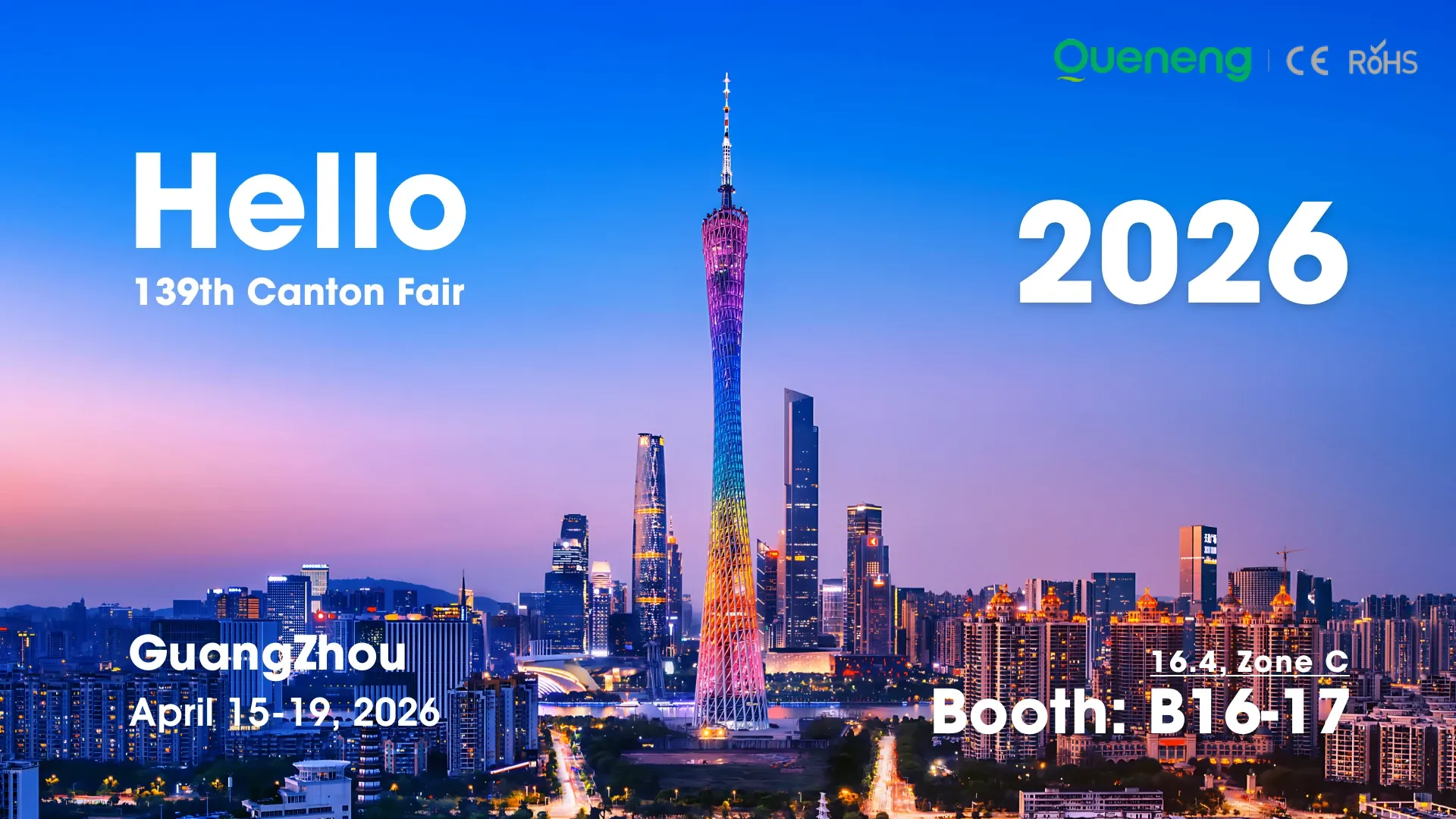
As the global demand for sustainable infrastructure rises, Queneng Lighting is proud to announce its participation in the 139th China Import and Export Fair (Canton Fair), held from April 15th to 19th, 2026, in Guangzhou.
For over 13 years, Queneng has been at the forefront of the solar lighting industry, providing high-efficiency solutions for infrastructure contractors, municipal developers, and EPC companies worldwide. This year, we are bringing our most advanced technology yet to the international stage.

Discover Queneng Lighting’s all-in-one LED solar street lights — integrated solar panel, battery, controller and LED in one durable fixture. Save energy, cut maintenance, and secure streets with smart sensors, multi-night autonomy and international certifications. Contact sales for quotes and support.

Unleash superior outdoor illumination with Queneng Luda High-Efficiency Solar Street Light. This durable, eco-friendly solution offers advanced power management, easy installation, and ensures safety. Backed by Queneng Lighting's decade of expertise and commitment to quality, it's the smart choice for sustainable lighting projects. Learn why we're a leading solar solutions provider.

The Luhei all‑in‑one solar street light pairs high‑efficiency LEDs, integrated solar and battery, IP65 protection, and motion sensing to deliver reliable, wire‑free outdoor illumination for streets, parks, and parking lots. Backed by Queneng Lighting’s certifications and support.
FAQ
Battery and Analysis
What is the operating temperature range of lithium-ion batteries?
Solar Street Light Luhua
Can Luhua solar street lights work in areas with limited sunlight?
Yes, Luhua solar street lights are designed to perform well in areas with limited sunlight. The high-efficiency solar panels can still generate enough energy even in cloudy or rainy weather. The system is equipped with batteries that store excess energy during the day, ensuring the lights operate throughout the night, regardless of weather conditions.
Distributors
Are there any minimum order requirements?
Yes, there are minimum order quantities depending on the product and region. However, we offer flexible solutions to help you meet the needs of your market. Contact us directly to discuss specific requirements for your region.
Solar Street Light Lufeng
What type of LED technology does Lufeng solar street lights use?
Lufeng solar street lights use advanced LED technology, which provides bright, high-quality illumination while consuming less power compared to traditional street lights. LEDs are more energy-efficient, have a longer lifespan, and require less maintenance, making them ideal for outdoor lighting applications.
Battery Performance and Testing
What is a 24-hour self-discharge test?
who we are
What is Queneng?
Queneng is a high-tech enterprise founded in 2011, specializing in solar lighting solutions, batteries, solar photovoltaic panels, and complete solar energy systems. We provide a full range of services from R&D to production, sales, and after-sales support.
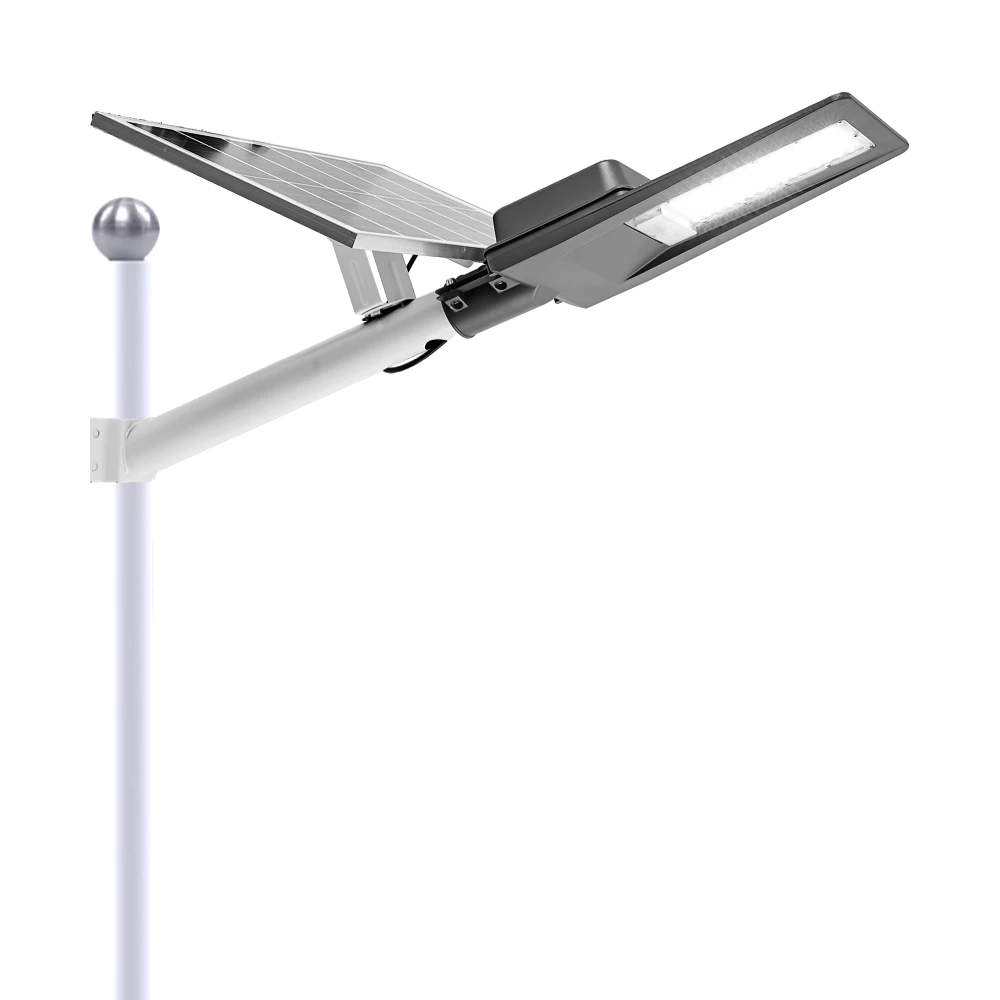
Experience reliable outdoor illumination with our smart solar street light, a perfect combination of advanced technology and eco-conscious design.
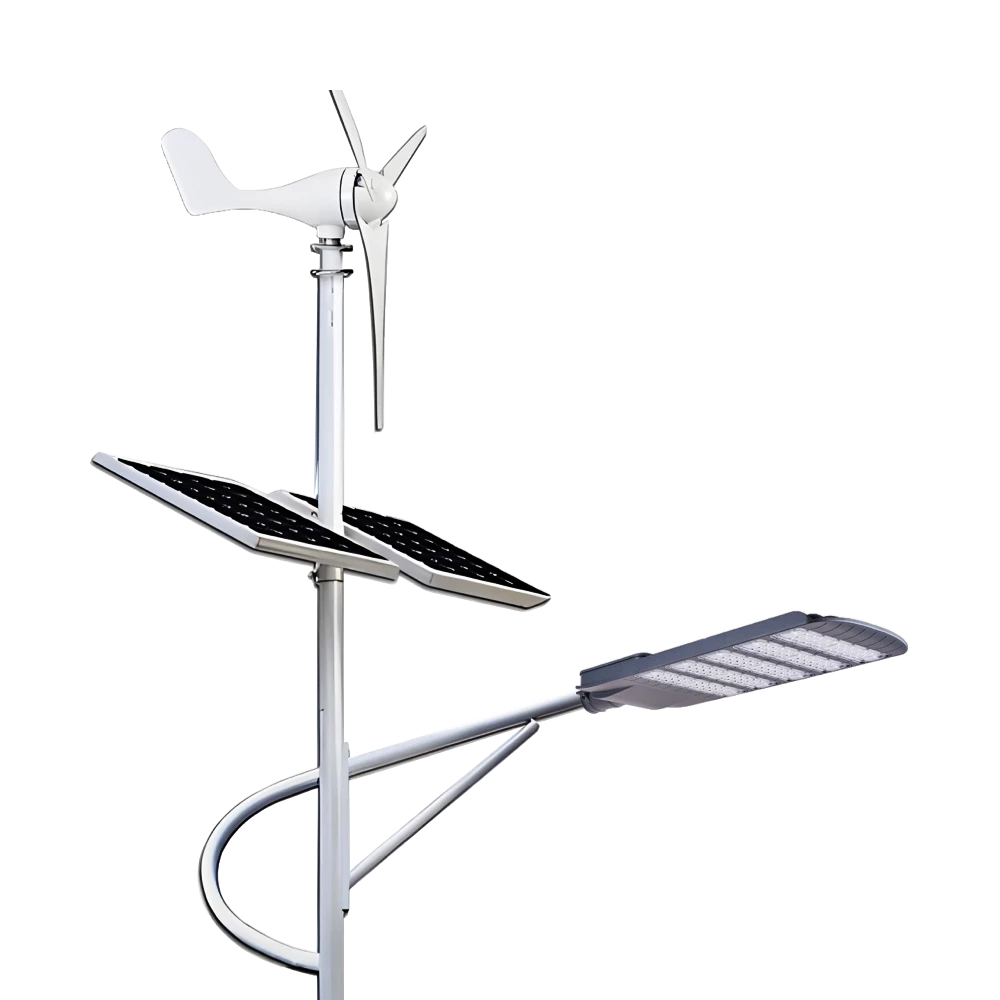
Queneng Lufeng Wind Energy LED Outdoor Solar Street Lights offer high-performance, eco-friendly illumination. These energy-efficient LED street lights harness solar power and wind energy for sustainable, cost-effective outdoor lighting solutions.
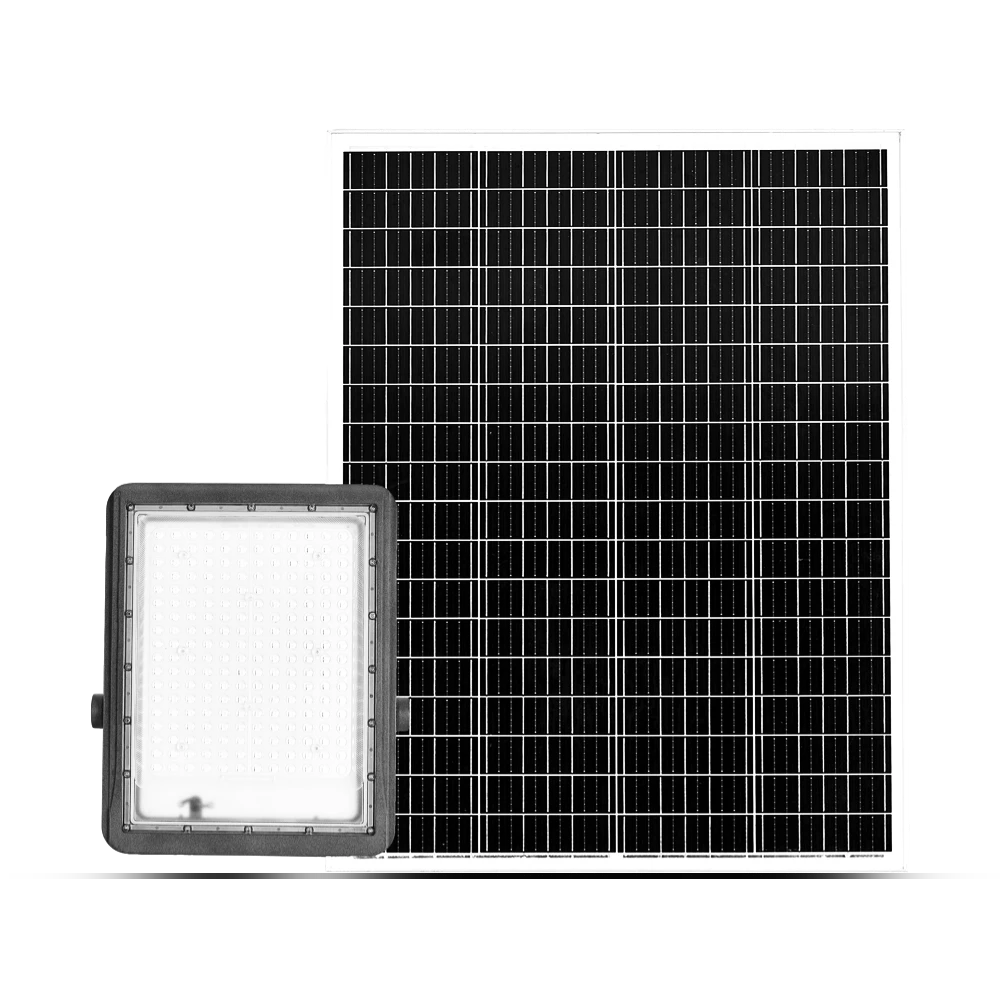
Queneng's Luxian Reliable Solar Street Light offers energy-saving LED lighting for outdoor use. This durable, solar-powered street light provides reliable illumination, reducing energy costs and environmental impact. A perfect solution for sustainable outdoor lighting.
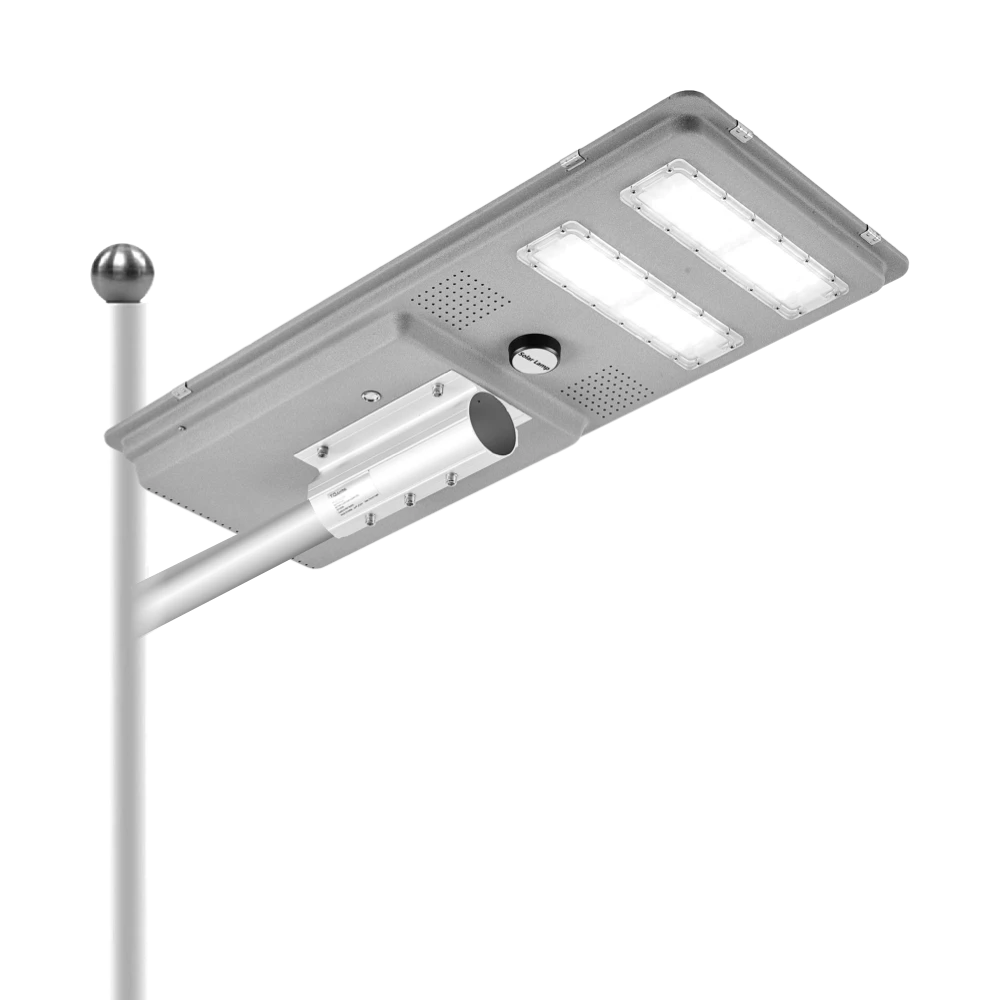
Queneng’s Solar Street Lights are designed to provide reliable, energy-efficient lighting for streets, parks, and other outdoor spaces.
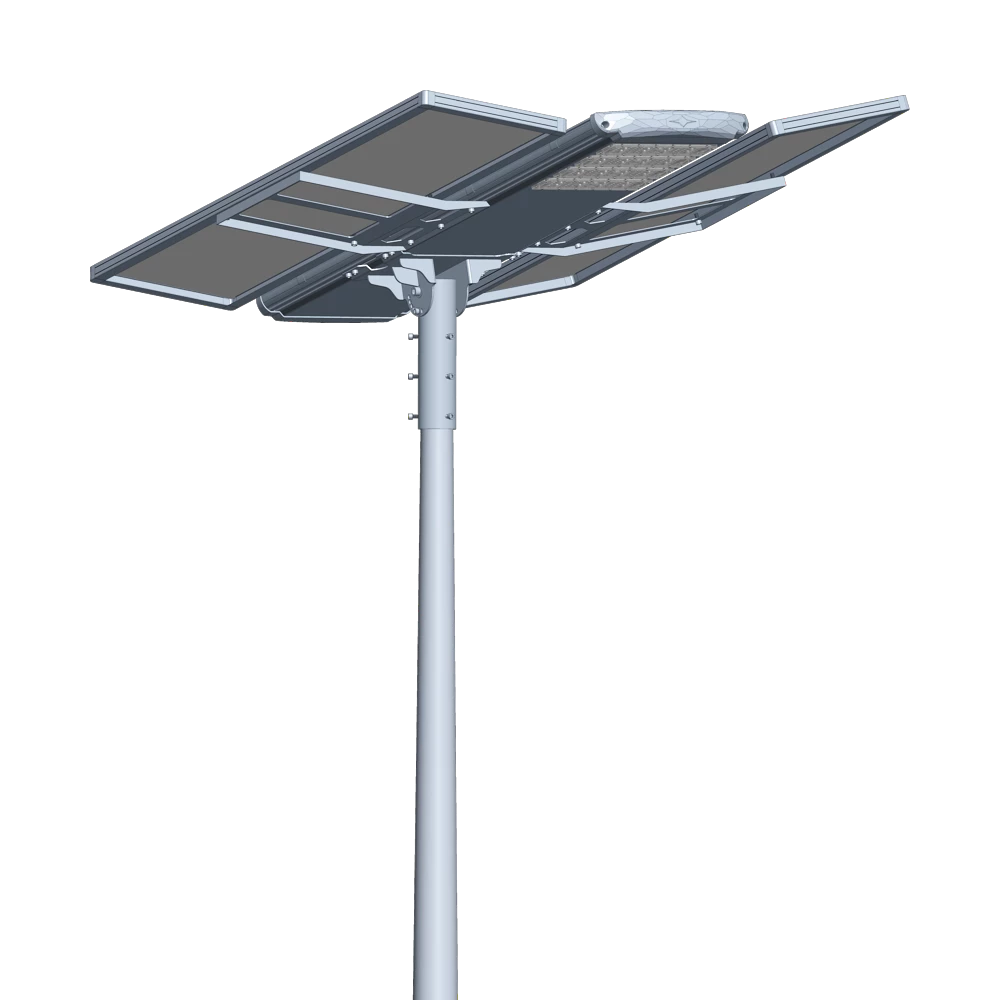
Introducing the Luqing Solar Street Light by Queneng, Efficient LED lighting powered by solar energy is perfect for illuminating outdoor areas. Harness the power of solar energy for sustainable, reliable street lighting. Ideal for eco-friendly, cost-effective outdoor illumination solutions.
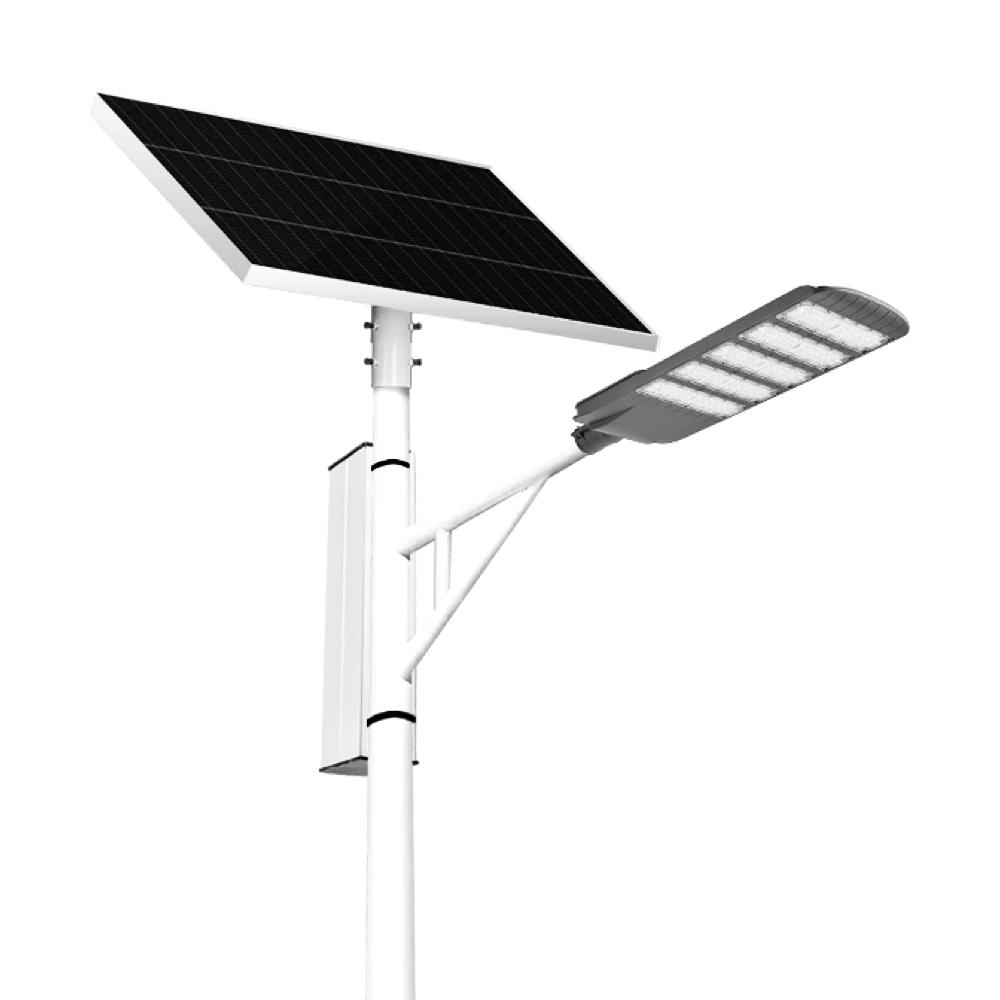
The Solar Streetlights of Luhao for Municipalities are designed to deliver reliable, energy-efficient, and cost-effective public lighting solutions. Equipped with advanced LED technology, durable lithium batteries, and high-efficiency solar panels, these streetlights provide consistent illumination for roads, parks, residential areas, and government projects.
If you would like more information about Queneng solar lighting solutions, please send us a message by filling out the form below. Our professional team will get back to you within 24 hours!
Rest assured that your privacy is important to us, and all information provided will be handled with the utmost confidentiality.
Schedule a Meeting
Book a date and time that is convenient for you and conduct the session in advance.
Have more questions about our products or services?
The messenger of light & power conversion
Environmental protection and intelligent manufacturing are our brand philosophy, and quality assurance and the best user experience are our eternal promises to users.
CONTACT
No.9F, Building F, Cao San Xin Tian Hong Logistics Park, Guzhen Town, Zhongshan City, Guangdong Province, China.
or write [email protected]
WhatsApp: +86 136 2270 1011


