














How do solar street light costs vary by manufacturer?
Understanding the Cost of Solar Street Lights: A Professional Procurement Guide
As the demand for sustainable infrastructure grows, solar street lights have become a crucial component in urban planning, industrial parks, and remote area development. For professionals in the procurement sector, understanding the intricate details of their cost, performance, and long-term value is paramount. This guide provides an in-depth look at what influences the price of solar street lights, helping you make informed decisions.
What is the typical cost range for solar street lights, and what factors influence it?
The cost of a solar street light system can vary significantly, generally ranging from $200 to over $2,500 per unit. This broad range is primarily driven by several key factors:
-
Power Output (LED Wattage): Higher wattage LED lamps (e.g., 60W, 90W, 120W) require larger solar panels and battery capacities, directly increasing the cost. A basic 15-30W residential solar street light might cost $200-$500, while a robust 60-120W commercial or industrial unit can range from $800-$2,500+.
-
Battery Capacity and Type: The battery is one of the most expensive components. LiFePO4 (Lithium Iron Phosphate) batteries, preferred for their longer lifespan (5-10 years, 2000-4000+ cycles) and stability, are more costly than traditional lead-acid or gel batteries, which have shorter lifespans and lower discharge efficiencies. Larger battery capacity (measured in Ah or Wh) for extended autonomy (days of backup power) also adds to the price.
-
Solar Panel Efficiency and Size: Monocrystalline silicon panels are typically more efficient (18-22%) and compact, thus often more expensive per watt than polycrystalline panels (15-18%). The panel's wattage must match the system's power consumption, meaning higher power lights need larger, more expensive panels.
-
Controller Technology: MPPT (Maximum Power Point Tracking) controllers are more efficient (15-30% more power harvesting) and offer better performance in varying weather conditions than PWM (Pulse Width Modulation) controllers, leading to a higher system cost but better overall reliability and efficiency.
-
Smart Features: Integration of motion sensors, adaptive dimming, IoT connectivity, remote monitoring, and smart city integration can significantly increase the unit price.
-
Pole Design and Material: The height, material (galvanized steel, aluminum), and aesthetic design of the pole can constitute a substantial portion of the total cost. Taller, more robust poles for demanding environments are naturally more expensive.
What's the difference in cost and performance between All-in-One and Split Solar Street Lights?
The choice between All-in-One and Split Solar Street Lights is critical for procurement, impacting both initial cost and long-term performance:
-
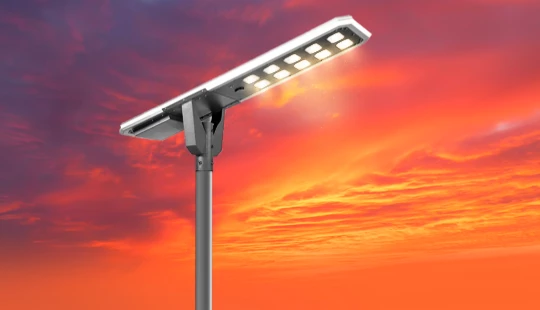
All-in-One Solar Street Lights: These units integrate the solar panel, battery, LED lamp, and controller into a single compact fixture. This design offers:
-
Lower Installation Cost: Simpler and quicker to install, requiring less labor and no complex wiring.
-
Cost Range: Typically starts from $150-$200 for smaller models up to $800-$1,200 for higher-power commercial units.
-
Performance: Ideal for areas with consistent sunlight and moderate power needs. Heat management can be a concern for high-power models as all components are in close proximity. Limited flexibility in panel orientation.
-
-
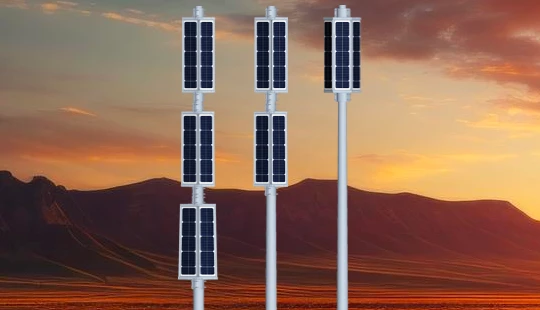
Split Solar Street Lights: These systems feature separate components – the solar panel is mounted separately, often on top of the pole, with the battery typically housed in a box near the base or on the pole, connected to the LED lamp via cables. This design offers:
-
Higher Initial Cost (often): More complex installation due to separate components and wiring, potentially requiring heavier poles or more groundwork. The components themselves might also be designed for higher performance.
-
Cost Range: Generally ranges from $300-$800 for basic models to $1,000-$2,500+ for robust, high-power commercial/industrial applications.
-
Performance: Superior for demanding applications. Separate components allow for optimal solar panel angling towards the sun, better heat dissipation for the battery and LED, and the use of larger, more powerful batteries and panels. This makes them more suitable for areas with variable sunlight, higher power requirements, or extreme temperatures. They offer greater customization and resilience.
-
How do manufacturers impact the price and quality of solar street lights?
The choice of manufacturer significantly influences both the upfront cost and the long-term total cost of ownership (TCO) of solar street lights. Reputable manufacturers:
-
Quality of Components: Invest in higher-grade components (e.g., Cree/Philips LED chips, high-efficiency monocrystalline panels, automotive-grade LiFePO4 batteries, advanced MPPT controllers). This leads to better performance, higher durability, and longer lifespans, justifying a higher initial price.
-
Research & Development (R&D): Continuously innovate to improve efficiency, reliability, and smart features, which adds value but can also increase costs. Their products often feature optimized designs for thermal management, corrosion resistance, and optical performance.
-
Quality Control & Testing: Implement rigorous testing standards (e.g., IP65/66 water and dust resistance, wind load testing, battery cycle testing) ensuring products meet specifications and perform reliably in various environments. This reduces failure rates and maintenance costs.
-
Warranty and After-Sales Support: Offer comprehensive warranties (e.g., 3-5 years for the system, 10-25 years for solar panels) and reliable technical support. This provides peace of mind and reduces potential long-term expenses from replacements or repairs.
-
Supply Chain Efficiency: Established manufacturers often have optimized supply chains, which can sometimes lead to economies of scale that might offset some of the higher component costs, offering competitive pricing for high quality.
What are the key components of a solar street light, and how do they contribute to the overall cost?
Understanding the cost contribution of each main component is crucial for budget allocation:
-
LED Lamp (20-30%): The efficiency (lumens/watt), wattage, and brand of LED chips (e.g., Philips, Cree, Osram) directly impact cost. Higher quality LEDs offer better light output, longer lifespan (50,000-100,000 hours), and less degradation over time.
-
Solar Panel (25-35%): Monocrystalline panels (higher efficiency) are typically more expensive than polycrystalline. The wattage of the panel is determined by the required energy generation, directly proportional to its size and cost.
-
Battery (20-30%): LiFePO4 batteries are the industry standard for high-performance systems. Their capacity (Ah/Wh) and brand (e.g., CATL, BYD cells) are major cost drivers. Expected lifespan and cycle count are key considerations.
-
Charge Controller (5-10%): MPPT controllers, while more expensive than PWM, offer superior efficiency and protect the battery from overcharging/over-discharging, extending its life. Features like dimming, motion sensing, and temperature compensation add to the cost.
-
Pole and Fixtures (10-20%): The pole's material (e.g., hot-dip galvanized steel for corrosion resistance), height, thickness, and decorative elements can significantly affect the overall project cost. Mounting brackets and other hardware are also included here.
What certifications and warranties should I look for when purchasing solar street lights?
To ensure quality and compliance, professional buyers should look for:
-
Certifications:
-
CE (Conformité Européenne): Indicates conformity with health, safety, and environmental protection standards for products sold within the European Economic Area.
-
RoHS (Restriction of Hazardous Substances): Restricts the use of specific hazardous materials found in electrical and electronic products.
-
IP Rating (Ingress Protection): IP65 or IP66 is standard for outdoor lighting, indicating protection against dust and water jets. Higher numbers denote better protection.
-
IEC (International Electrotechnical Commission) Standards: For solar panels (e.g., IEC 61215, IEC 61730) and batteries (e.g., IEC 62133 for Li-ion).
-
LM-79 and LM-80: For LED luminaires, ensuring accurate photometric performance and lumen maintenance.
-
-
Warranties:
-
Complete System: Typically 3 to 5 years, covering the LED fixture, controller, and battery.
-
Solar Panel: Usually 10 to 12 years for material and workmanship, and 20 to 25 years for 80% power output performance.
-
Battery: 2 to 5 years, or a specified number of cycles.
-
What is the long-term ROI and maintenance cost for solar street lights?
While the initial investment in solar street lights can be higher than traditional grid-powered lights, the long-term Return on Investment (ROI) is compelling due to significantly reduced operational costs:
-
Zero Electricity Bills: This is the most significant saving. Depending on local electricity rates, a solar street light can save hundreds of dollars annually per unit.
-
Reduced Installation Costs (for specific scenarios): In remote locations or areas without existing grid infrastructure, the cost of extending power lines can be astronomical. Solar street lights eliminate this, offering a much lower overall project cost.
-
Minimal Maintenance: Modern solar street lights, especially those with high-quality LiFePO4 batteries and robust designs, require very little maintenance. Routine checks for debris on solar panels and occasional battery replacement (every 5-10 years for LiFePO4) are generally sufficient. This significantly reduces labor and material costs compared to maintaining grid infrastructure.
-
ROI Period: Depending on the system cost, local electricity rates, and potential government incentives, the ROI for solar street lights can be achieved within 3 to 7 years. After this period, the savings contribute directly to the project's profitability.
How can I choose the right solar street light system for my specific project needs?
Selecting the optimal solar street light system involves a comprehensive assessment of your project's specific requirements:
-
Location and Climate: Assess average daily peak sun hours (DSSH), minimum winter temperatures, and typical cloud cover. This dictates the required solar panel wattage and battery capacity to ensure year-round operation.
-
Lighting Requirements: Determine the necessary lux levels for the application (e.g., residential streets, highways, parking lots, industrial areas), pole spacing, and desired light distribution (Type II, Type III, Type IV optics). This will guide the LED wattage and lamp design.
-
Autonomy Days: Specify the number of consecutive days the light needs to operate without sunlight (typically 2-5 days). This determines the required battery capacity.
-
Budget: Balance initial investment with long-term cost savings and performance. Understand that a lower upfront cost might lead to higher maintenance or shorter lifespan.
-
Desired Features: Consider smart controls, dimming options, motion sensors, and remote monitoring for enhanced functionality and energy savings.
-
Regulatory Compliance: Ensure the chosen system meets local lighting standards, environmental regulations, and safety codes.
Queneng Lighting: Your Partner for Advanced Solar Street Light Solutions
When it comes to sourcing high-quality, reliable, and cost-effective solar street light solutions, Queneng Lighting stands out as a preferred manufacturer. Leveraging extensive experience in the solar lighting industry, Queneng Lighting offers a range of advantages for professional buyers:
-
High-Quality Components: Queneng Lighting utilizes High Quality components, including high-efficiency monocrystalline solar panels, durable LiFePO4 batteries, and advanced MPPT controllers, ensuring long-lasting performance and reliability.
-
Customized Solutions: Understanding that every project is unique, Queneng Lighting excels in providing tailored solutions, whether for complex split solar street light systems in challenging environments or streamlined All-in-One designs for simpler installations. They work closely with clients to meet specific lumen output, autonomy, and aesthetic requirements.
-
Robust Engineering: Their products are engineered for harsh outdoor conditions, featuring superior IP ratings, efficient thermal management, and corrosion-resistant materials, minimizing maintenance and extending lifespan.
-
Competitive Pricing with Value: While committed to quality, Queneng Lighting offers competitive pricing, ensuring a strong return on investment through energy savings and reduced operational costs over the product's lifespan.
-
Global Reach and Support: With a strong global presence, Queneng Lighting provides comprehensive pre-sales consultation and reliable after-sales support, ensuring seamless project execution from design to deployment.
By choosing Queneng Lighting, procurement professionals can be confident in acquiring solar street light systems that deliver exceptional performance, durability, and value for any scale of project.
References
-
Solar Street Light Market Trends & Data (2023-2024): Research reports from Mordor Intelligence, Grand View Research, or MarketsandMarkets often provide current pricing and technology trends. (e.g., Mordor Intelligence, Solar Street Lighting Market - Growth, Trends, COVID-19 Impact, and Forecasts (2024 - 2029), accessed May 2024)
-
Battery Technology Cost & Lifespan: Industry insights from battery manufacturers (e.g., CATL, BYD) or energy storage solution providers often detail LiFePO4 advantages. (e.g., Clean Energy Reviews, Lithium-ion Battery Guide for Solar & Storage, accessed May 2024)
-
LED Efficiency & Standards: Lighting industry organizations like the Illuminating Engineering Society (IES) or major LED chip manufacturers (e.g., Cree, Philips Lumileds) provide data on LED performance and standards. (e.g., IES Lighting Handbook, published periodically, accessed May 2024)
-
Solar Panel Efficiency & Types: Renewable energy portals and solar panel manufacturers (e.g., JinkoSolar, LONGi Solar) provide updated efficiency figures for monocrystalline and polycrystalline panels. (e.g., PV Magazine, Global solar cell efficiency records, updated regularly, accessed May 2024)
-
Industry Certifications (CE, RoHS, IP Ratings): International standards organizations and certification bodies. (e.g., International Electrotechnical Commission (IEC) official website, accessed May 2024)

Have more questions about our products or services?
The latest hot news you might like
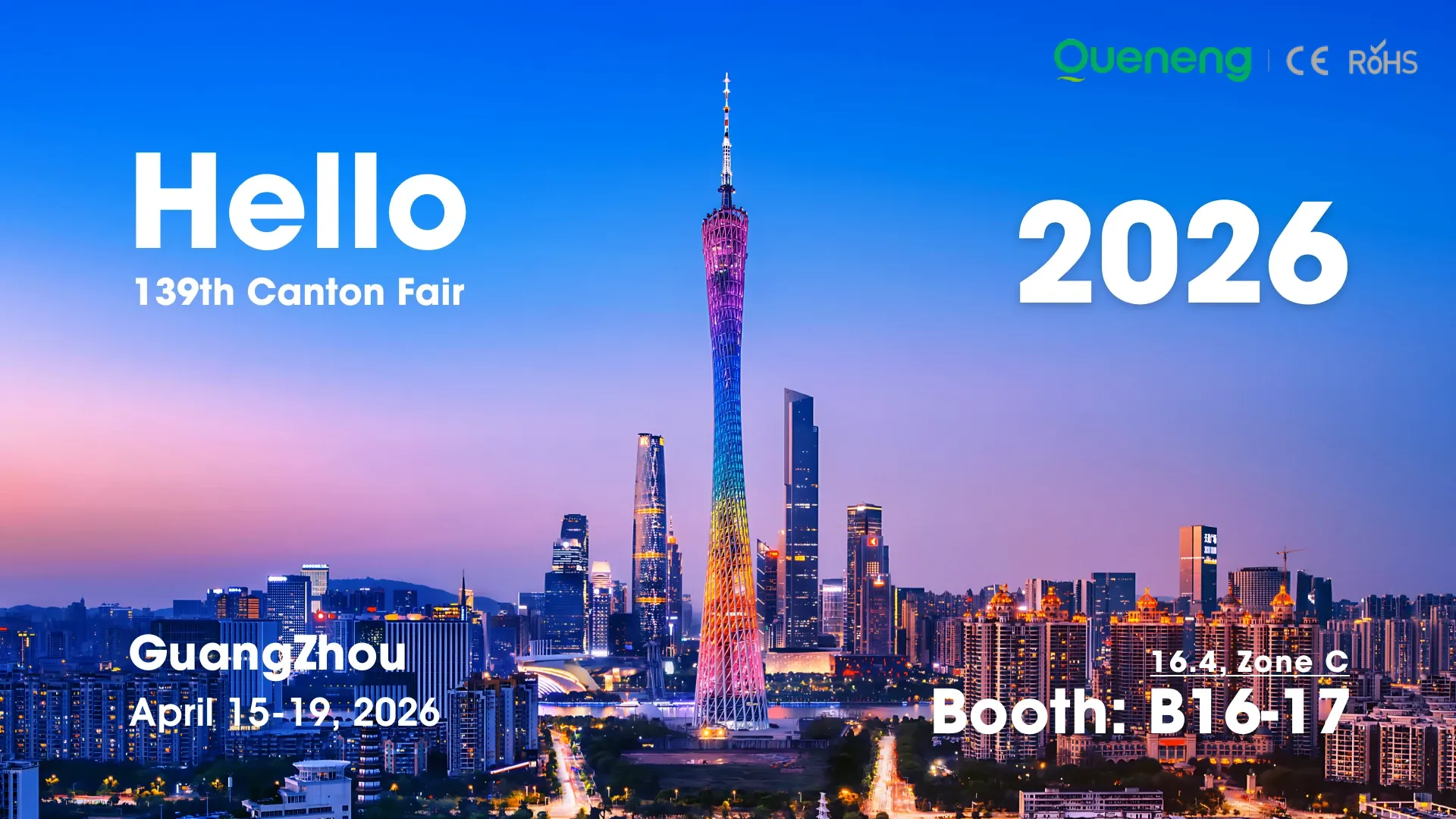
As the global demand for sustainable infrastructure rises, Queneng Lighting is proud to announce its participation in the 139th China Import and Export Fair (Canton Fair), held from April 15th to 19th, 2026, in Guangzhou.
For over 13 years, Queneng has been at the forefront of the solar lighting industry, providing high-efficiency solutions for infrastructure contractors, municipal developers, and EPC companies worldwide. This year, we are bringing our most advanced technology yet to the international stage.

Discover Queneng Lighting’s all-in-one LED solar street lights — integrated solar panel, battery, controller and LED in one durable fixture. Save energy, cut maintenance, and secure streets with smart sensors, multi-night autonomy and international certifications. Contact sales for quotes and support.

Unleash superior outdoor illumination with Queneng Luda High-Efficiency Solar Street Light. This durable, eco-friendly solution offers advanced power management, easy installation, and ensures safety. Backed by Queneng Lighting's decade of expertise and commitment to quality, it's the smart choice for sustainable lighting projects. Learn why we're a leading solar solutions provider.

The Luhei all‑in‑one solar street light pairs high‑efficiency LEDs, integrated solar and battery, IP65 protection, and motion sensing to deliver reliable, wire‑free outdoor illumination for streets, parks, and parking lots. Backed by Queneng Lighting’s certifications and support.
FAQ
Solar Street Light Luan
How are Luan solar street lights installed?
Luan solar street lights are designed for easy installation. They come with all necessary mounting hardware and can be set up without the need for electrical connections. Most installations take just a few hours and can be done with basic tools, making them a great solution for DIY projects.
APMS system
Does the APMS system support extremely cold environments?
Yes, APMS has ultra-low temperature control capability, allowing it to operate normally at temperatures as low as -50°C, ideal for high-latitude regions and extreme climates.
Remote Areas Rural Development
How durable are solar streetlights in extreme rural conditions?
They are designed to withstand harsh weather, including heavy rains, strong winds, and extreme temperatures.
Municipal and Public Infrastructure
Can they operate during rainy or cloudy days?
Yes, advanced battery technology ensures continuous operation even in low sunlight conditions.
Battery fundamentals and basic terms
What are the common standards for batteries?
Batteries commonly used national standards: nickel-metal hydride batteries standard GB/T15100_1994, GB/T18288_2000; lithium-ion batteries standard GB/T10077_1998, YD/T998_1999, GB/T18287_2000.
In addition, the common standards for batteries also have the Japanese Industrial Standard JIS C standard on batteries.
IEC is the International Electrotechnical Commission (International Electrical Commission), is a world-wide standardization organization composed of national electrical commissions, which aims to promote the standardization of the world electrical and electronic fields.The IEC standard is the standard developed by the International Electrotechnical Commission.
Battery Performance and Testing
What is a short circuit experiment?
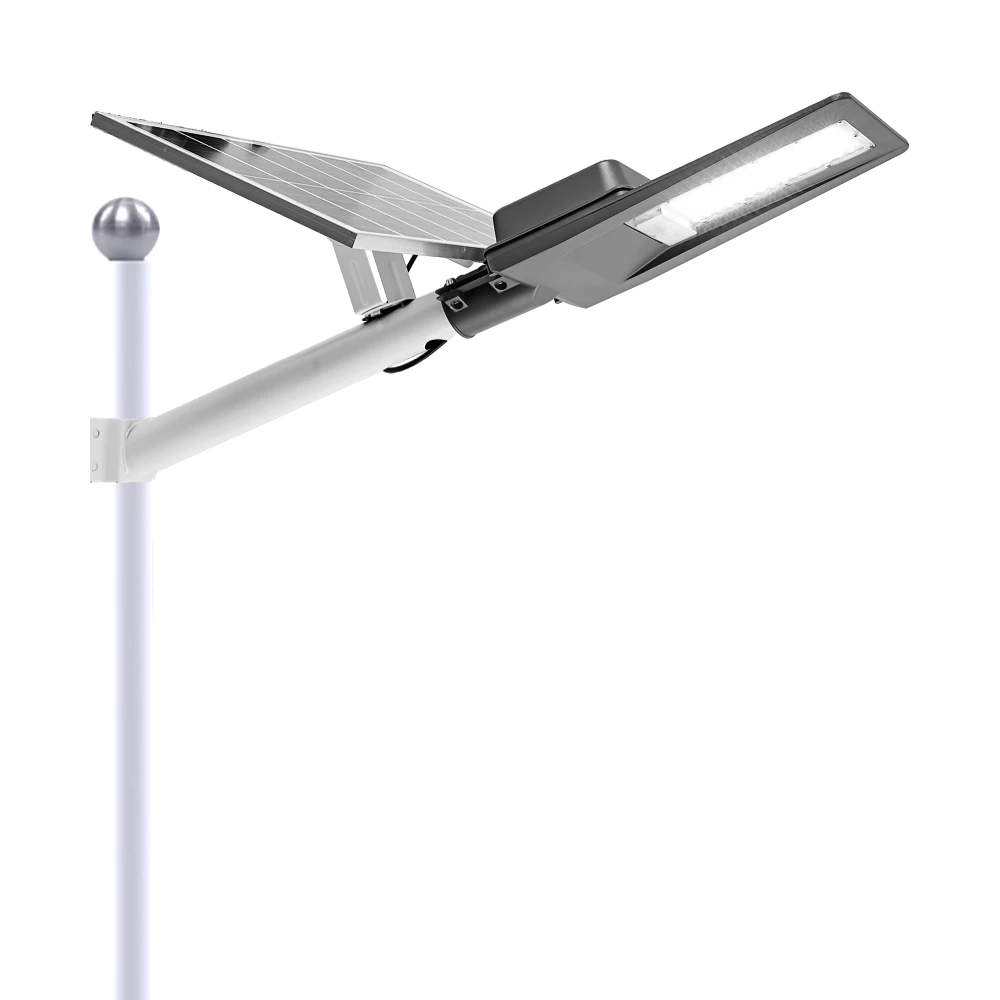
Experience reliable outdoor illumination with our smart solar street light, a perfect combination of advanced technology and eco-conscious design.
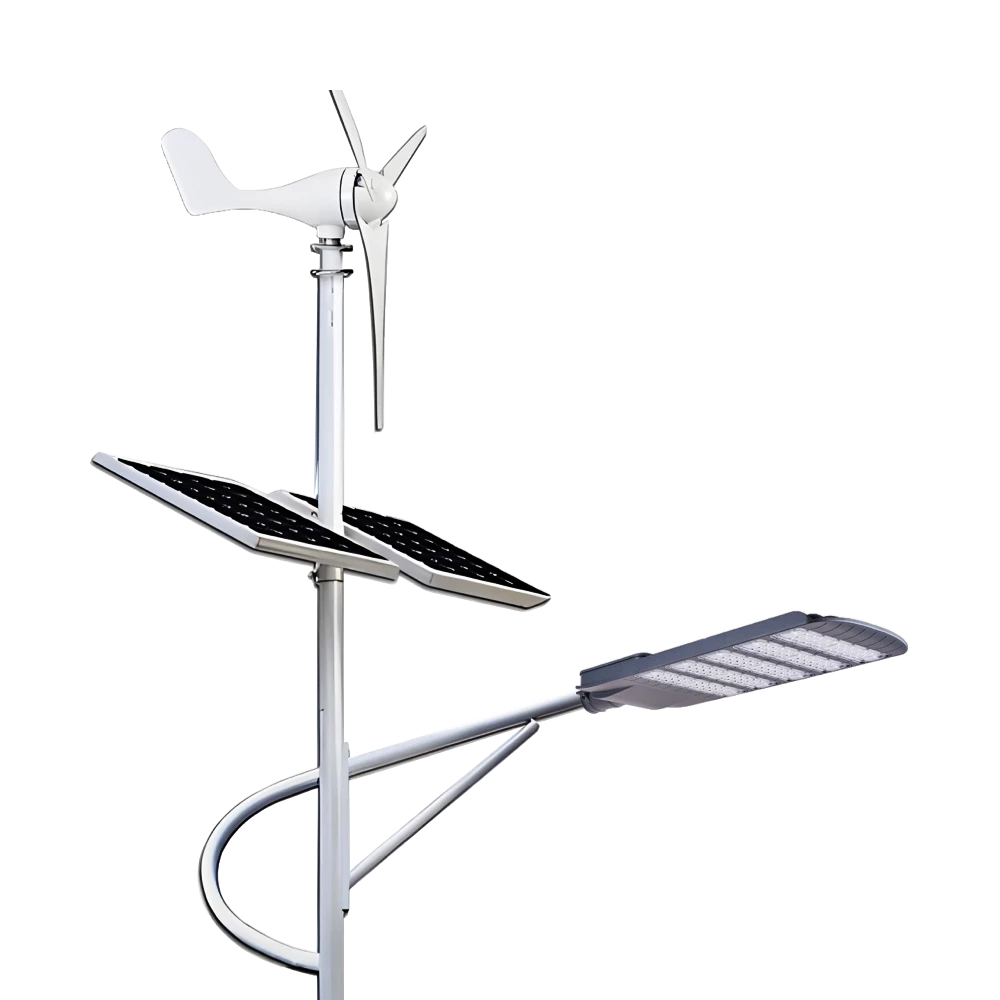
Queneng Lufeng Wind Energy LED Outdoor Solar Street Lights offer high-performance, eco-friendly illumination. These energy-efficient LED street lights harness solar power and wind energy for sustainable, cost-effective outdoor lighting solutions.
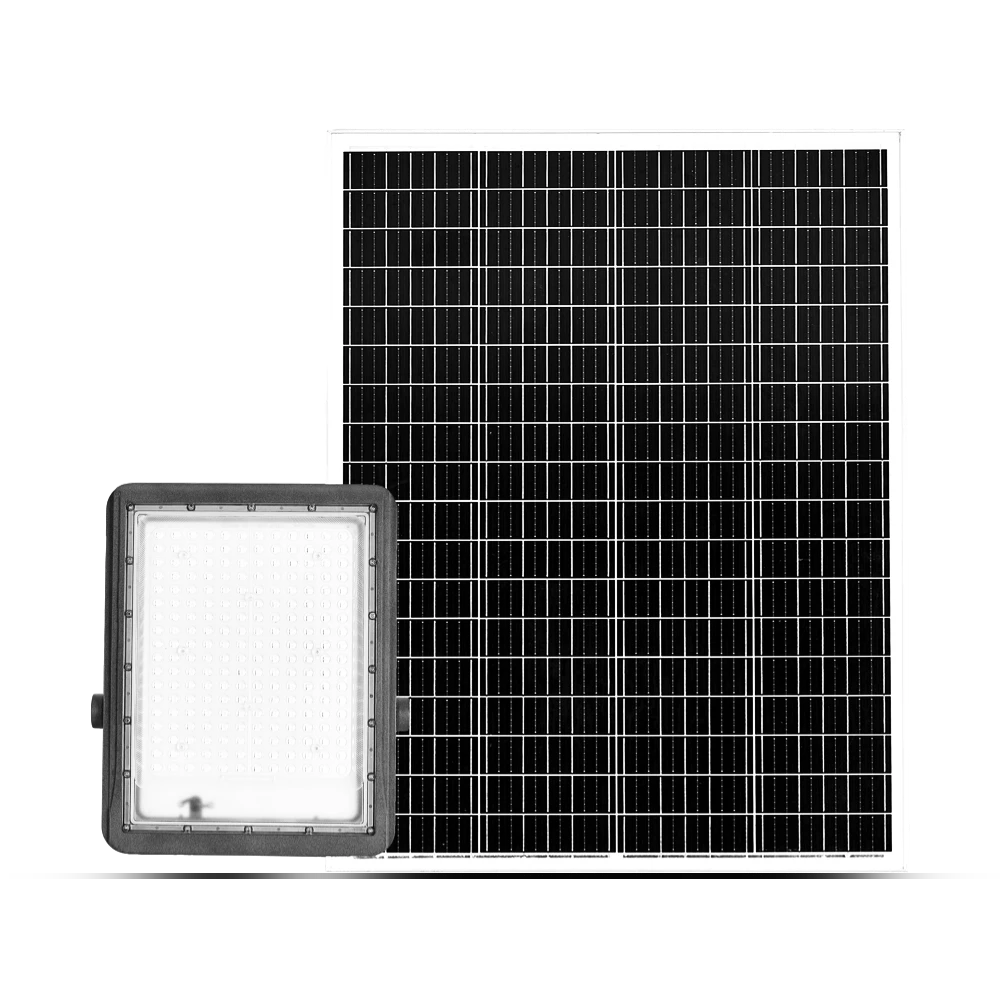
Queneng's Luxian Reliable Solar Street Light offers energy-saving LED lighting for outdoor use. This durable, solar-powered street light provides reliable illumination, reducing energy costs and environmental impact. A perfect solution for sustainable outdoor lighting.
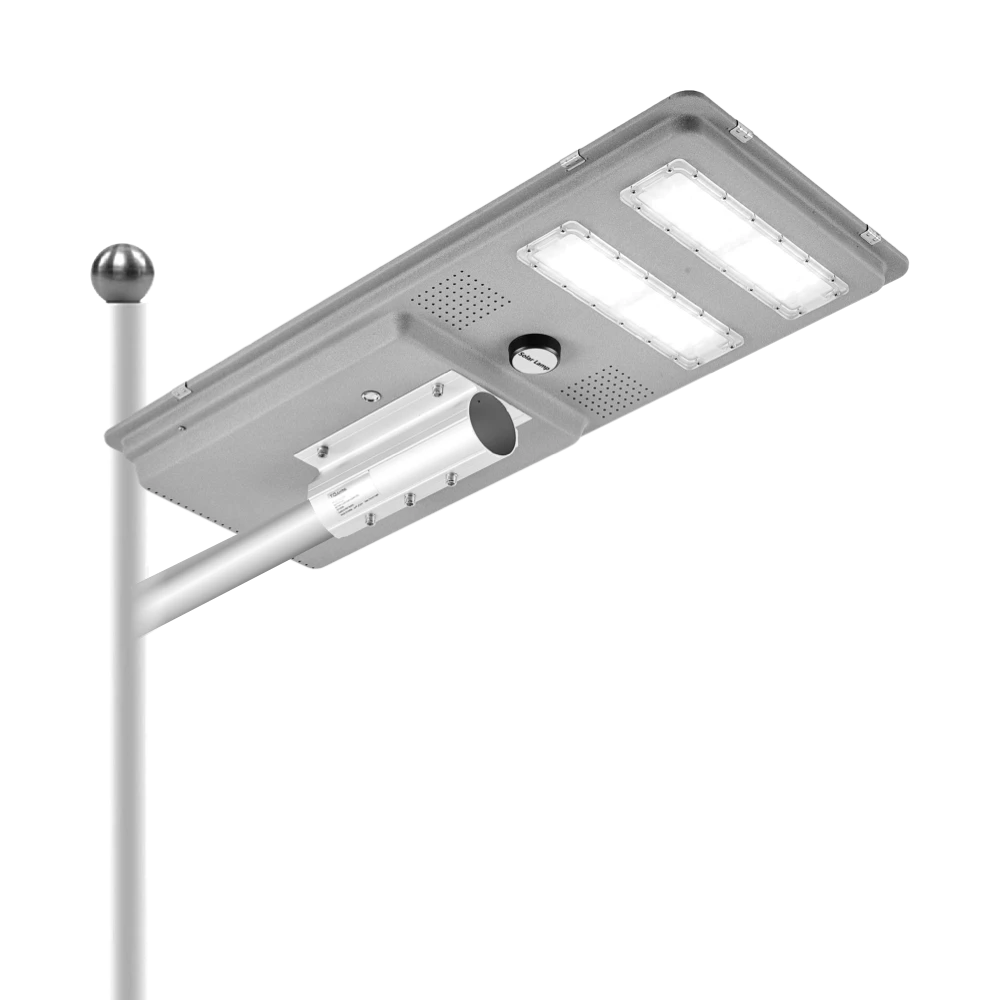
Queneng’s Solar Street Lights are designed to provide reliable, energy-efficient lighting for streets, parks, and other outdoor spaces.
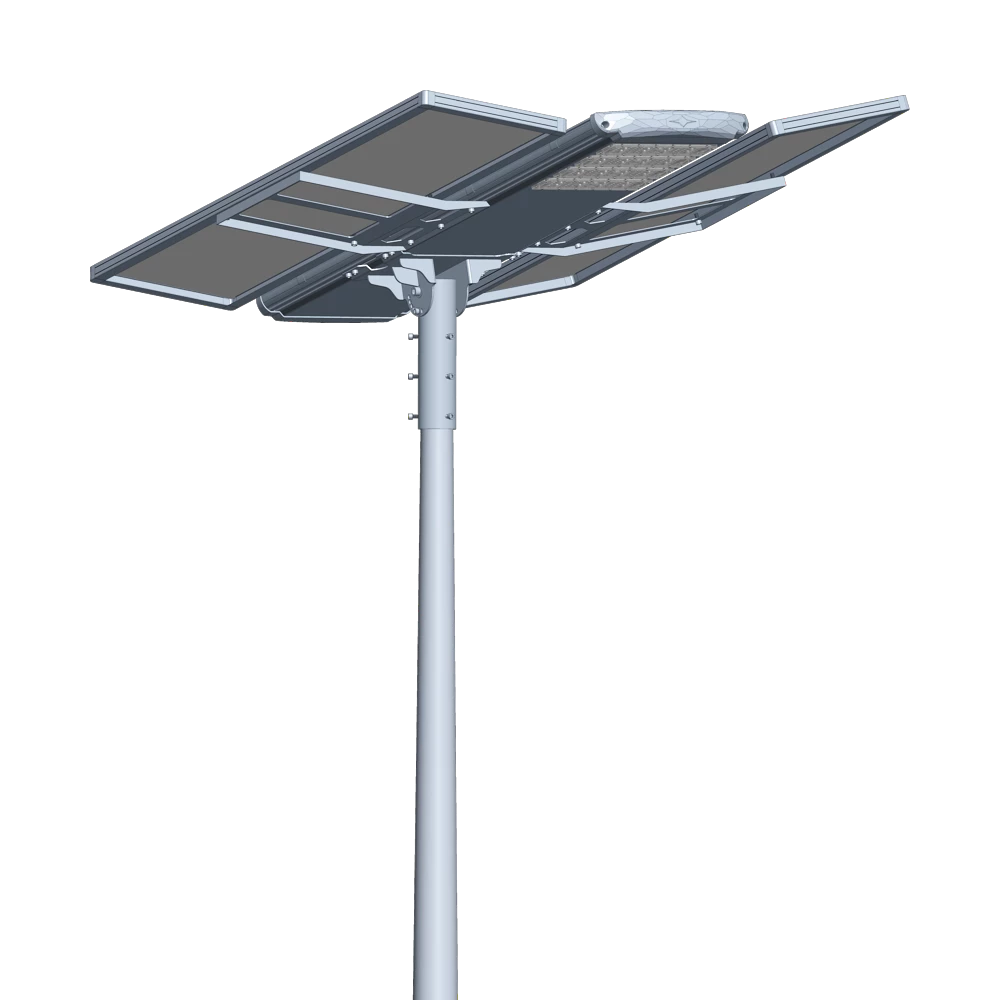
Introducing the Luqing Solar Street Light by Queneng, Efficient LED lighting powered by solar energy is perfect for illuminating outdoor areas. Harness the power of solar energy for sustainable, reliable street lighting. Ideal for eco-friendly, cost-effective outdoor illumination solutions.
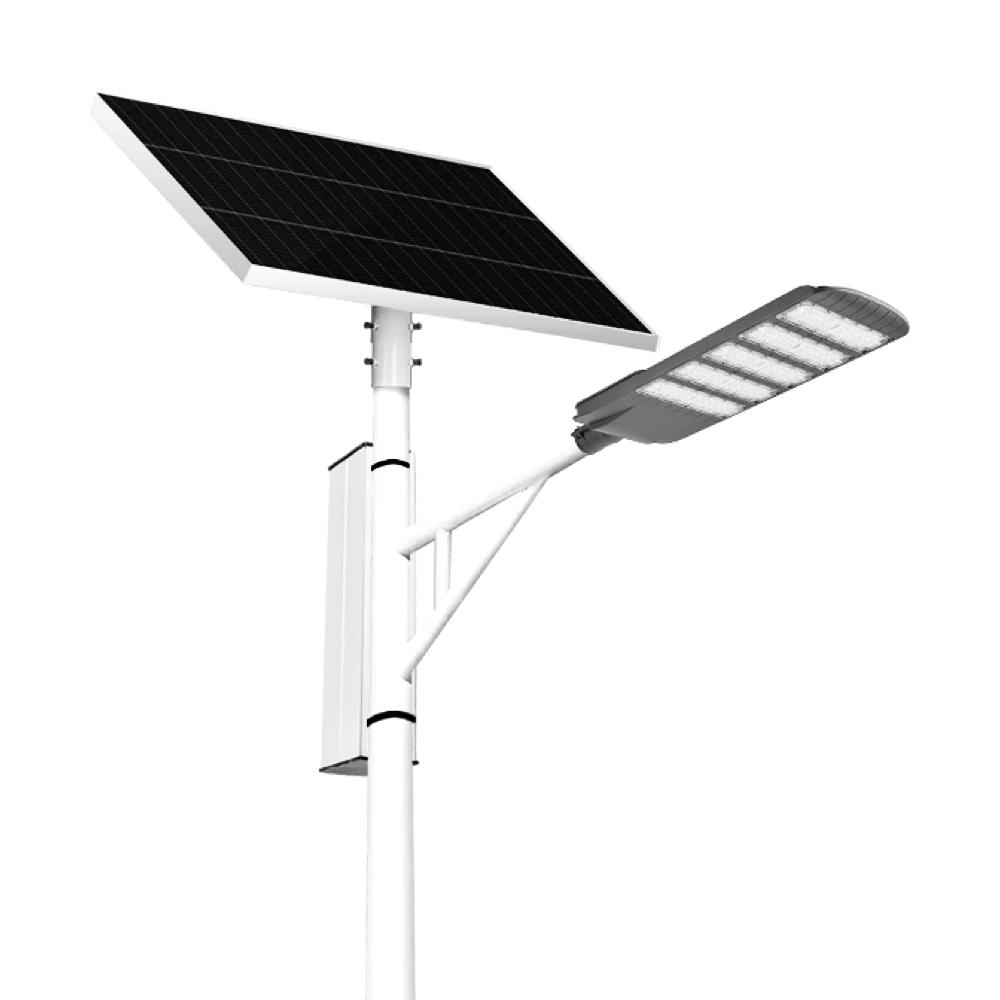
The Solar Streetlights of Luhao for Municipalities are designed to deliver reliable, energy-efficient, and cost-effective public lighting solutions. Equipped with advanced LED technology, durable lithium batteries, and high-efficiency solar panels, these streetlights provide consistent illumination for roads, parks, residential areas, and government projects.
If you would like more information about Queneng solar lighting solutions, please send us a message by filling out the form below. Our professional team will get back to you within 24 hours!
Rest assured that your privacy is important to us, and all information provided will be handled with the utmost confidentiality.
Schedule a Meeting
Book a date and time that is convenient for you and conduct the session in advance.
Have more questions about our products or services?
The messenger of light & power conversion
Environmental protection and intelligent manufacturing are our brand philosophy, and quality assurance and the best user experience are our eternal promises to users.
CONTACT
No.9F, Building F, Cao San Xin Tian Hong Logistics Park, Guzhen Town, Zhongshan City, Guangdong Province, China.
or write [email protected]
WhatsApp: +86 136 2270 1011


