














Is the cheapest solar street light manufacturer reliable?
Navigating the Solar Street Light Market: Costs, Types, and Reliability
Investing in solar street lights is a smart move towards sustainable and cost-effective outdoor illumination. However, the market offers a vast array of options, making procurement challenging. This comprehensive guide, tailored for professionals, addresses critical questions regarding cost, product types, manufacturer reliability, and technical specifications, especially focusing on the benefits and considerations of split solar street light systems.
What is the Typical Cost of a Solar Street Light System, and What Drives the Price?
The cost of a solar street light system can vary significantly, ranging from approximately $300 to over $1500 per unit, excluding installation for basic to high-end models. This wide range is primarily influenced by several key factors:
- LED Wattage and Lumen Output: Higher brightness requirements (e.g., 60W, 100W, 120W LED lamps) necessitate larger components, increasing costs.
- Solar Panel Power and Efficiency: Larger, higher-efficiency monocrystalline panels (e.g., 80Wp to 200Wp) are more expensive than smaller, less efficient ones.
- Battery Capacity and Type: Lithium Iron Phosphate (LiFePO4) batteries are preferred for their longevity (5-10+ years) and performance but are more costly than older lead-acid batteries. The required autonomy (backup days) dictates battery size.
- Pole Height and Material: Taller poles (e.g., 6m to 12m) and robust materials like galvanized steel or aluminum designed for specific wind loads increase cost.
- Charge Controller Technology: MPPT (Maximum Power Point Tracking) controllers, which optimize charging efficiency, are more expensive but offer superior performance compared to simpler PWM (Pulse Width Modulation) controllers.
- Smart Features: PIR sensors, IoT connectivity, dimming capabilities, and remote monitoring add to the system's complexity and price.
- Brand and Warranty: Reputable manufacturers offering extended warranties and comprehensive after-sales support often have higher initial pricing but provide better long-term value and reliability.
For large-scale projects, bulk purchasing can often lead to discounted unit prices.
Split Solar vs. All-in-One: Which Configuration is Right for Your Project?
The choice between split (separated components) and all-in-one (integrated) solar street lights is crucial for project success:
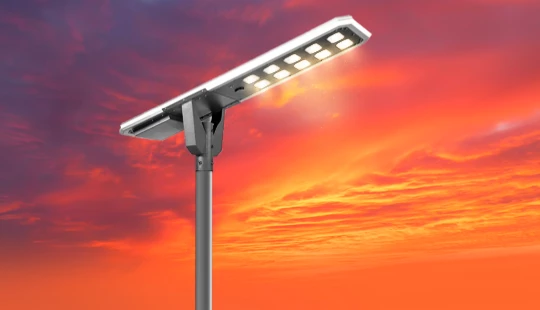
- All-in-One Solar Street Lights: These units integrate the solar panel, battery, LED lamp, and controller into a single compact fixture. They are known for their easier, quicker installation and often lower initial cost for basic applications. However, they typically have limitations in terms of battery and solar panel size, heat dissipation for the battery (which can affect lifespan in hot climates), and fixed panel angles, making them less suitable for high-power demands or areas with complex solar radiation patterns. Component replacement can also be more challenging as the entire unit is integrated.
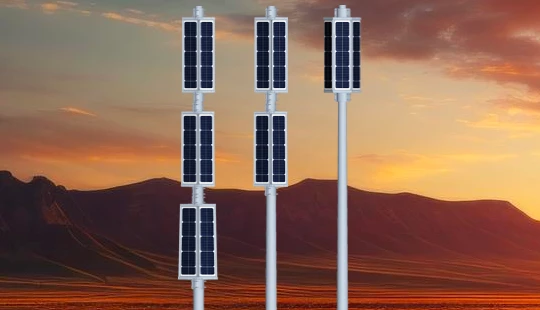
- Split Solar Street Lights: In a split system, the solar panel, battery, and LED lamp are separate components connected by cables. This configuration offers significant advantages for professional procurement:
- Optimal Performance: Allows for larger solar panels and battery capacities, supporting higher wattage LED lamps and longer backup autonomy.
- Flexibility in Installation: The solar panel can be independently oriented towards the sun for maximum energy harvesting, even if the light fixture needs to face a different direction.
- Improved Heat Management: Separating the battery from the LED lamp reduces heat stress, significantly extending battery lifespan.
- Easier Maintenance and Upgrades: Individual components can be easily replaced or upgraded, extending the system's overall life and adaptability.
- Robustness: Often designed for more demanding industrial, commercial, and public infrastructure projects requiring higher power and reliability.
For projects requiring high power output, consistent performance in varied climates, and long-term durability, split solar street light systems are generally the superior choice.
How to Vet a Reliable Solar Street Light Manufacturer and Avoid Common Pitfalls?
The question, Is the cheapest solar street light manufacturer reliable? often leads to costly lessons. While competitive pricing is important, reliability should be paramount. Here’s how to assess a manufacturer:
- Experience and Reputation: Look for manufacturers with a proven track record, extensive project references, and positive industry reviews.
- R&D and Manufacturing Capabilities: A reliable manufacturer invests in research and development, uses automated production lines, and maintains strict quality control processes (e.g., ISO 9001 certified).
- Component Quality: Inquire about the brands and specifications of key components. For example, high-quality systems use branded LED chips (e.g., Philips, Cree, Osram), efficient monocrystalline solar cells, and top-tier LiFePO4 batteries (e.g., CATL, BYD, EVE). Cheap manufacturers often use generic, lower-grade components that lead to early failure.
- Certifications: Verify that products hold relevant international certifications like CE, RoHS, IP (Ingress Protection), IK (Impact Protection), TUV, and UL (where applicable). These ensure products meet safety, performance, and environmental standards.
- Warranty and After-Sales Support: A robust warranty (e.g., 2-5 years for the system, 10-25 years for solar panels, 3-7 years for batteries) and responsive technical support are indicators of a manufacturer's confidence in their product and commitment to customers. Cheap manufacturers often offer minimal or non-existent support post-purchase.
- Transparency: A reputable manufacturer will be transparent about their testing procedures, material sourcing, and product specifications.
Avoid manufacturers whose prices seem too good to be true, as they often cut corners on quality, leading to poor performance, short lifespan, and ly higher total cost of ownership.
What are the Essential Components of a Split Solar Street Light and Their Professional Considerations?
Understanding the core components of a split solar street light system is vital for informed procurement:
- Solar Panel (Photovoltaic Module): Typically monocrystalline silicon for higher efficiency (19-22%) and smaller footprint. Key considerations include power rating (Wp), efficiency, degradation rate, and temperature coefficient.
- Battery: Modern split systems predominantly use LiFePO4 (Lithium Iron Phosphate) batteries due to their long cycle life (2000-4000+ cycles), thermal stability, deep discharge capability (up to 80-90% DoD), and safety. Capacity (Ah or Wh) is determined by LED wattage and required backup autonomy.
- LED Lamp Fixture: Features high-efficiency LED chips (e.g., 150-180 lm/W), robust heat dissipation (aluminum housing), appropriate light distribution (e.g., Type II, Type III for roadways), and high IP rating (IP65/IP66) for weather resistance. Consider lumen output, Correlated Color Temperature (CCT), and Color Rendering Index (CRI).
- Charge Controller: An MPPT (Maximum Power Point Tracking) controller is essential for maximizing solar energy harvesting (15-30% more efficient than PWM). It protects the battery from overcharging, over-discharging, and short circuits, and often includes features like dimming, motion sensing, and temperature compensation.
- Street Light Pole: Must be appropriately sized for height, wind load resistance, and material (galvanized steel or aluminum are common).
- Cables and Connectors: UV-resistant, waterproof, and appropriately gauged cables ensure efficient power transfer and system longevity.
What Key Specifications and Certifications Ensure Quality and Longevity?
When evaluating solar street lights, pay close attention to these professional specifications and certifications:
- IP Rating (Ingress Protection): Indicates protection against dust and water. For outdoor street lights, IP65 or IP66 is crucial, ensuring protection against harsh weather conditions.
- IK Rating (Impact Protection): Measures resistance to mechanical impact. An IK08 or IK10 rating indicates robust construction suitable for public areas.
- Lumen Efficacy (lm/W): The number of lumens produced per watt of electricity consumed. Higher efficacy means more light for less power, improving overall system efficiency.
- Color Temperature (CCT): Measured in Kelvin (K). Common ranges are 3000K (warm white), 4000K (neutral white), and 5000K-6000K (cool white). The choice depends on the application's aesthetic and visibility requirements.
- Battery Cycle Life: The number of charge-discharge cycles a battery can undergo before its capacity significantly degrades. For LiFePO4, look for 2000-4000+ cycles.
- Working Autonomy/Backup Days: How many cloudy or rainy days the system can operate without sunshine. Professional systems typically offer 3-5 days of autonomy.
- Certifications:
- CE, RoHS: European conformity and restriction of hazardous substances.
- ISO 9001: Quality management system standard for manufacturers.
- TUV, UL, CB: Product safety and performance certifications relevant to specific markets.
- LM-79, LM-80: Standards for LED luminaire photometric testing and lumen maintenance.
Understanding Lifespan, Maintenance, and Warranty for Optimal ROI.
Long-term value is critical for solar street light investments:
- Lifespan: A well-designed split solar street light system can have an impressive lifespan. LED lamps typically last 50,000 to 100,000 hours (10-20 years). High-quality LiFePO4 batteries last 5-10+ years, while solar panels maintain over 80% efficiency for 20-25 years.
- Maintenance: Solar street lights require minimal maintenance. Periodic cleaning of solar panels to remove dust, dirt, or snow is usually sufficient to maintain optimal charging efficiency. For split systems, individual components can be inspected and replaced more easily if needed.
- Warranty: A comprehensive warranty is a testament to the manufacturer's confidence in their product. Look for 2-5 years on the complete system, 10-25 years on solar panels (for power output), and 3-7 years on batteries. A strong warranty ensures peace of mind and protects your investment.
By focusing on these aspects, buyers can secure a robust solar lighting solution that delivers exceptional ROI through energy savings and minimal operational costs over its extended lifespan.
Queneng Lighting: Your Partner for Reliable Solar Street Light Solutions
Queneng Lighting stands as a professional and reliable solar street light manufacturer, committed to delivering high-quality, durable, and efficient lighting solutions. Our expertise in split solar street light systems ensures optimal performance for diverse project requirements. We utilize High Quality components, including high-efficiency monocrystalline solar panels, long-cycle-life LiFePO4 batteries, advanced MPPT charge controllers, and high-lumen LED chips (e.g., Philips, Cree). With robust IP66 and IK10 rated designs, comprehensive warranties, and excellent after-sales support, Queneng Lighting provides customized solutions that meet stringent international standards and deliver superior long-term value. Choose Queneng Lighting for your next solar lighting project and experience reliability, efficiency, and sustainability.
Sources:
- U.S. Department of Energy - Solar Photovoltaic Basics (Accessed: 2023-10-26)
- Intertek - CE Marking (Accessed: 2023-10-26)
- UL Solutions - Testing & Certification (Accessed: 2023-10-26)
- Industry estimates and manufacturer specifications on common solar street light component lifespans and efficiency ratings (General knowledge, constantly updated in the industry).

Have more questions about our products or services?
The latest hot news you might like
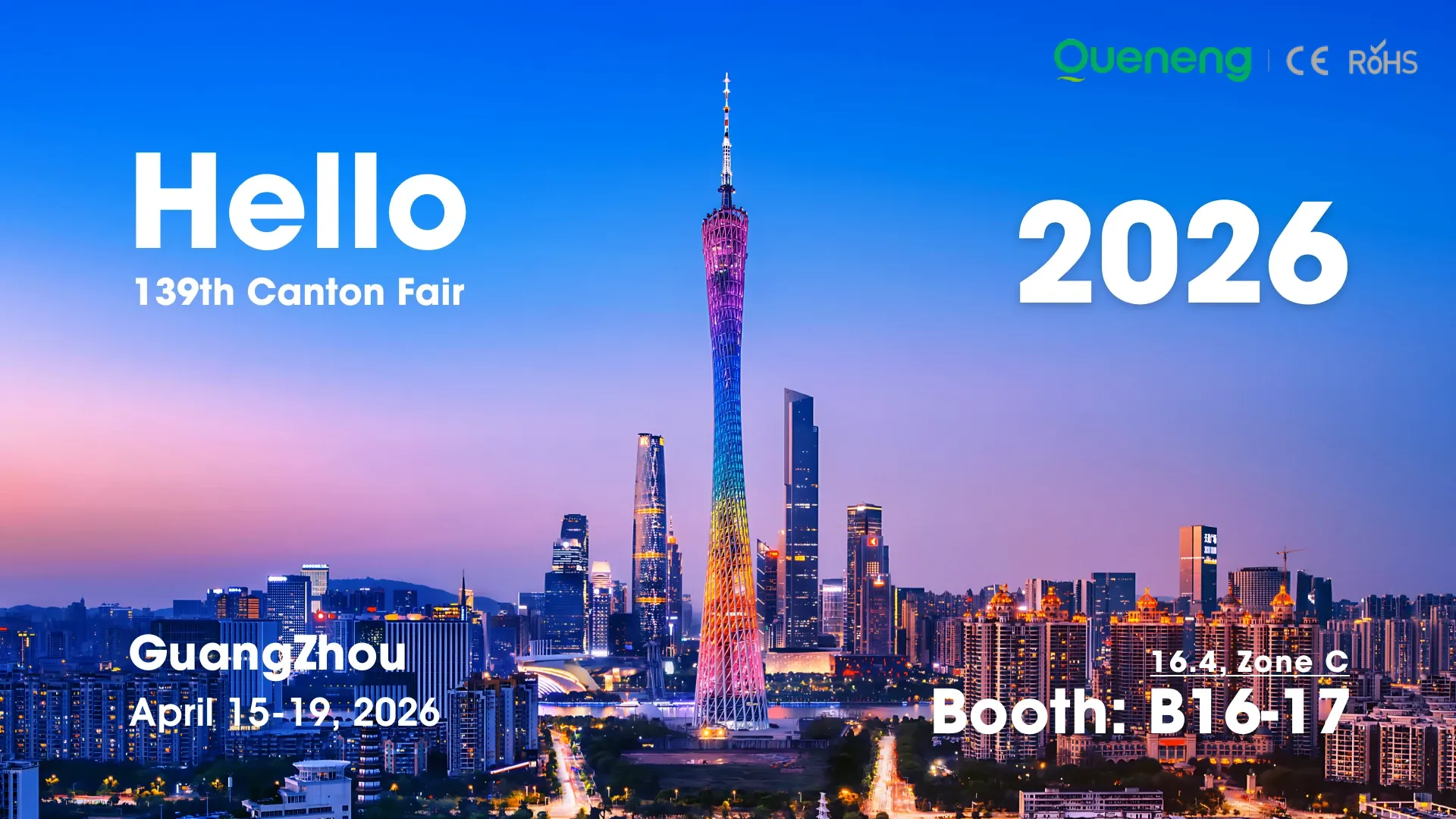
As the global demand for sustainable infrastructure rises, Queneng Lighting is proud to announce its participation in the 139th China Import and Export Fair (Canton Fair), held from April 15th to 19th, 2026, in Guangzhou.
For over 13 years, Queneng has been at the forefront of the solar lighting industry, providing high-efficiency solutions for infrastructure contractors, municipal developers, and EPC companies worldwide. This year, we are bringing our most advanced technology yet to the international stage.

Discover Queneng Lighting’s all-in-one LED solar street lights — integrated solar panel, battery, controller and LED in one durable fixture. Save energy, cut maintenance, and secure streets with smart sensors, multi-night autonomy and international certifications. Contact sales for quotes and support.

Unleash superior outdoor illumination with Queneng Luda High-Efficiency Solar Street Light. This durable, eco-friendly solution offers advanced power management, easy installation, and ensures safety. Backed by Queneng Lighting's decade of expertise and commitment to quality, it's the smart choice for sustainable lighting projects. Learn why we're a leading solar solutions provider.

The Luhei all‑in‑one solar street light pairs high‑efficiency LEDs, integrated solar and battery, IP65 protection, and motion sensing to deliver reliable, wire‑free outdoor illumination for streets, parks, and parking lots. Backed by Queneng Lighting’s certifications and support.
FAQ
Batteries and the environment
How do used batteries pollute the environment?
All-in-one solar street lights
Can these lights operate in rainy seasons?
Properly designed systems can work for several cloudy or rainy days continuously.
Solar Street Light Chuanqi
What makes Chuanqi solar street lights energy-efficient?
Chuanqi solar street lights are equipped with high-efficiency solar panels that maximize energy collection even in less-than-ideal weather conditions. They also use low-energy-consuming LED lights that provide bright illumination without excessive power consumption. Additionally, the lights feature automatic on/off functionality, ensuring they only use energy when needed.
Solar Street Light Luhao
Can the Luhao solar street light be used in residential areas?
Yes, the Luhao solar street light is suitable for both residential and commercial applications. It is perfect for lighting driveways, gardens, pathways, or any outdoor area that requires reliable, energy-efficient illumination.
Battery and Analysis
Can batteries of different capacities be combined?
APMS system
How is the ultra-low temperature control function of the APMS system achieved?
The APMS system uses a specially designed control module that maintains stable operation at extremely low temperatures, ensuring reliability even at -50°C.
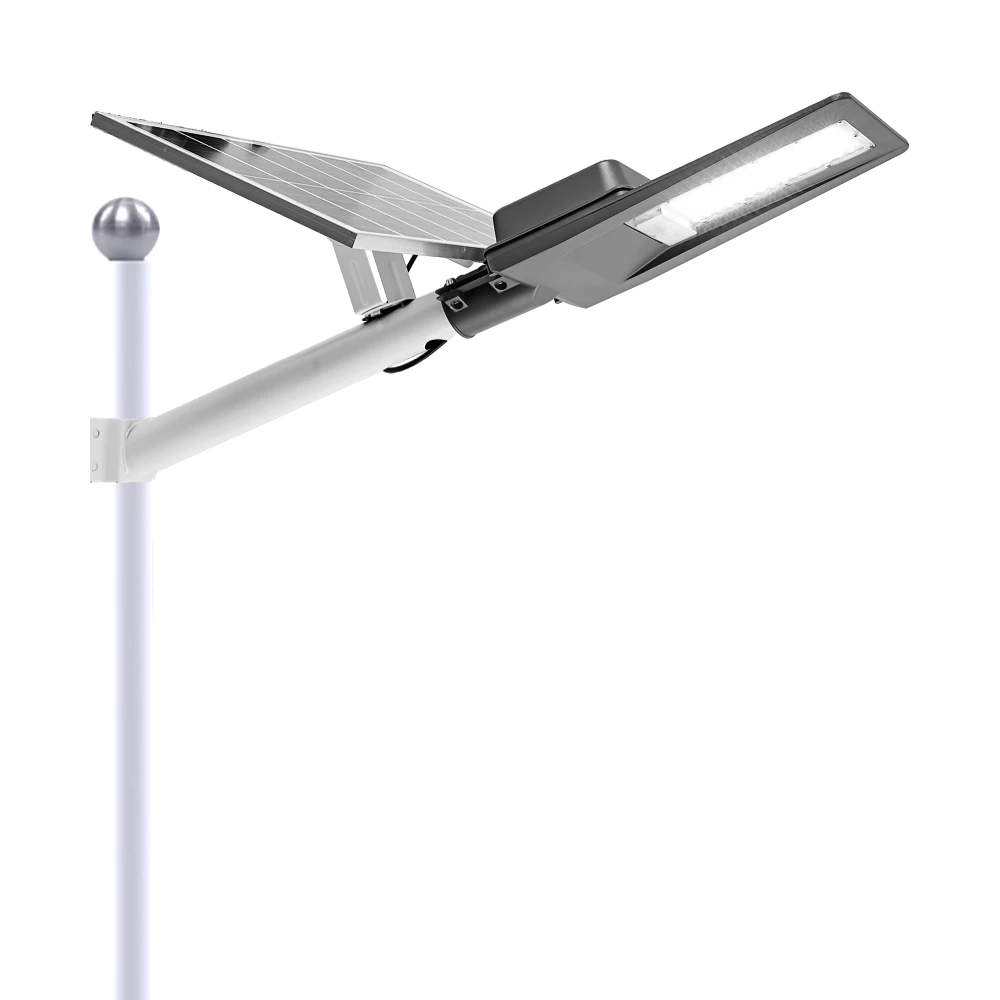
Experience reliable outdoor illumination with our smart solar street light, a perfect combination of advanced technology and eco-conscious design.
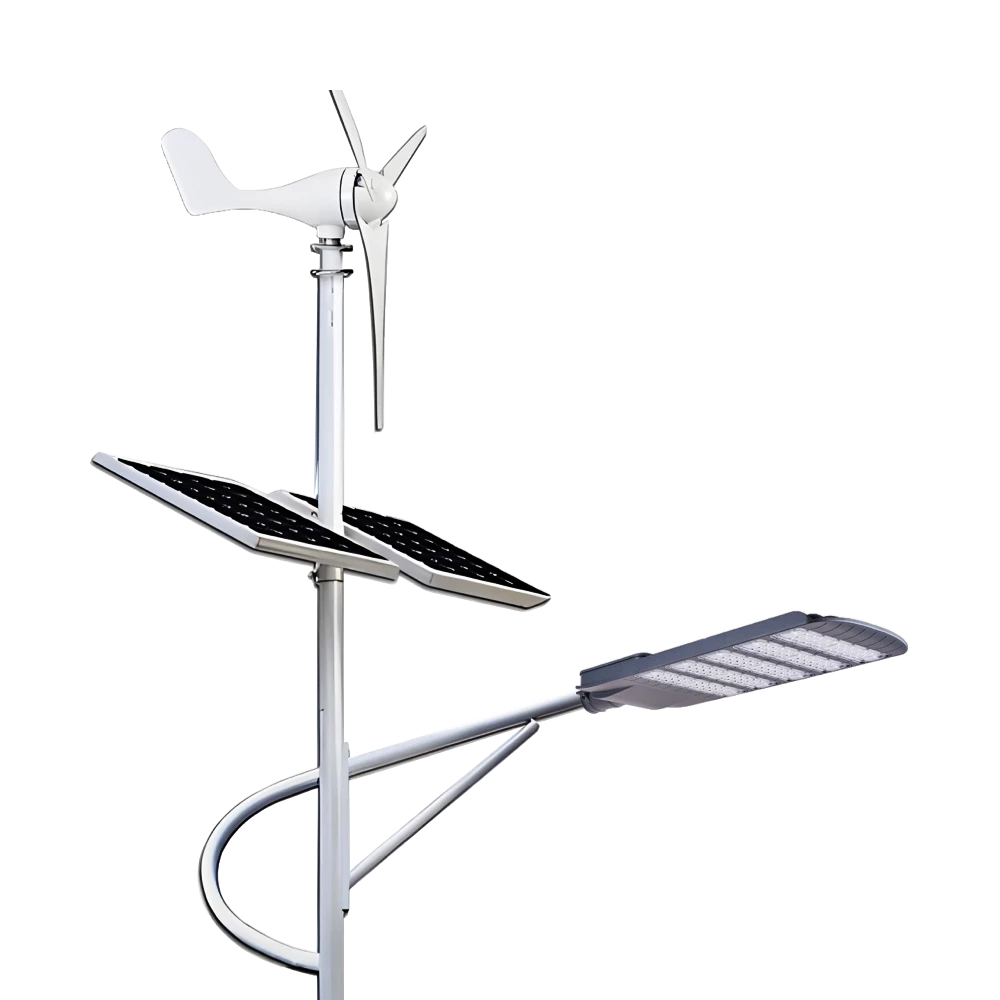
Queneng Lufeng Wind Energy LED Outdoor Solar Street Lights offer high-performance, eco-friendly illumination. These energy-efficient LED street lights harness solar power and wind energy for sustainable, cost-effective outdoor lighting solutions.
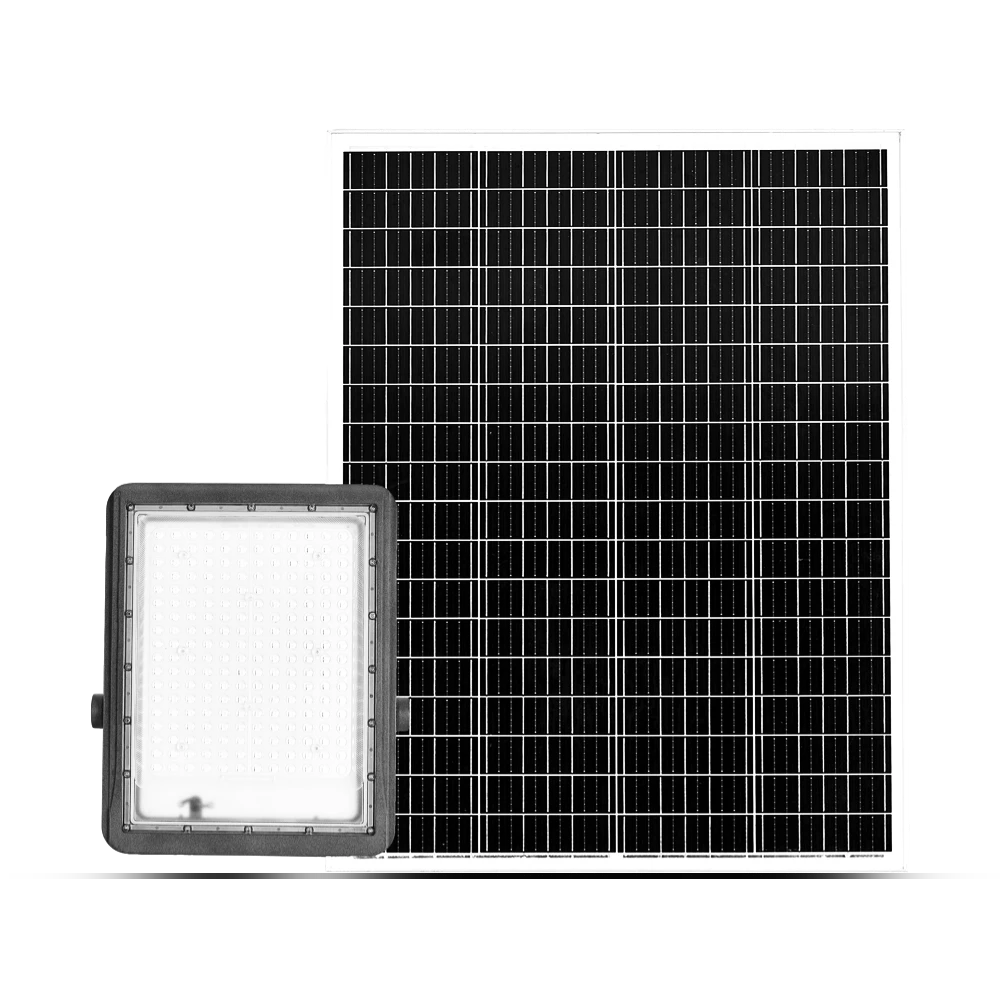
Queneng's Luxian Reliable Solar Street Light offers energy-saving LED lighting for outdoor use. This durable, solar-powered street light provides reliable illumination, reducing energy costs and environmental impact. A perfect solution for sustainable outdoor lighting.
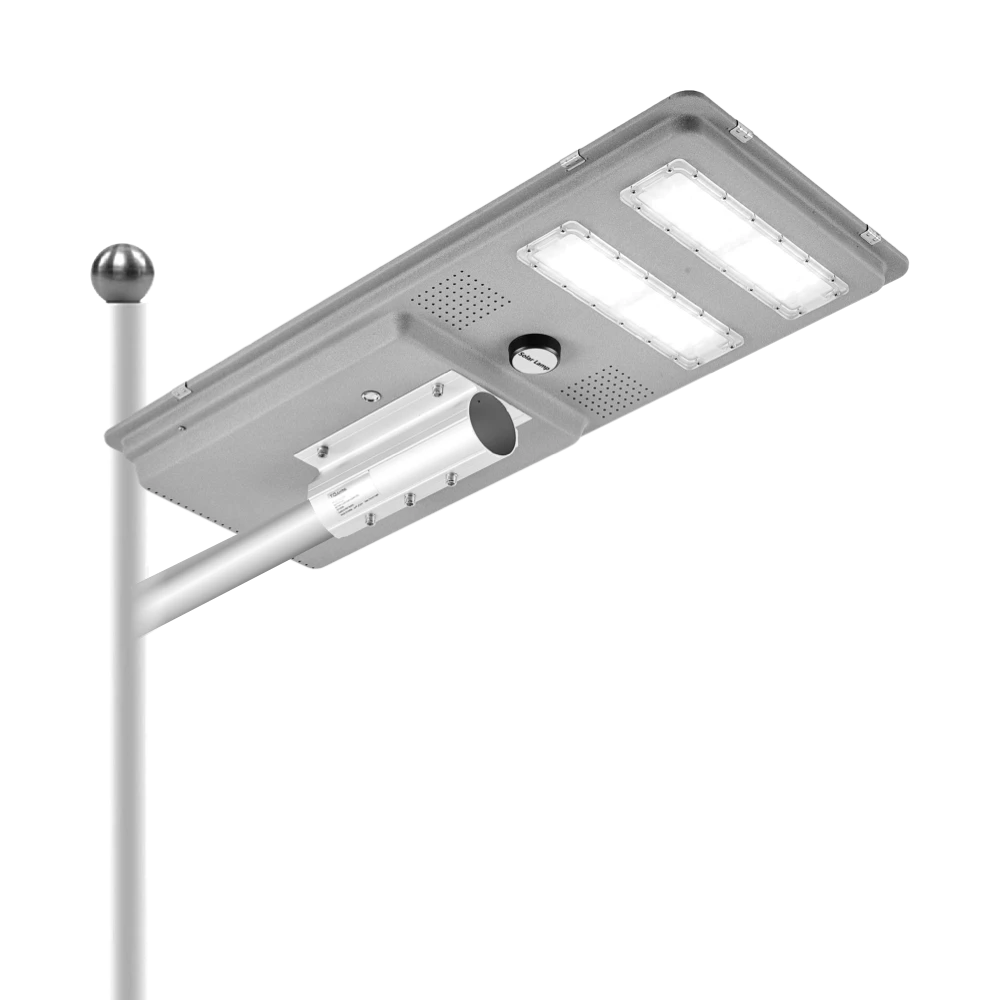
Queneng’s Solar Street Lights are designed to provide reliable, energy-efficient lighting for streets, parks, and other outdoor spaces.
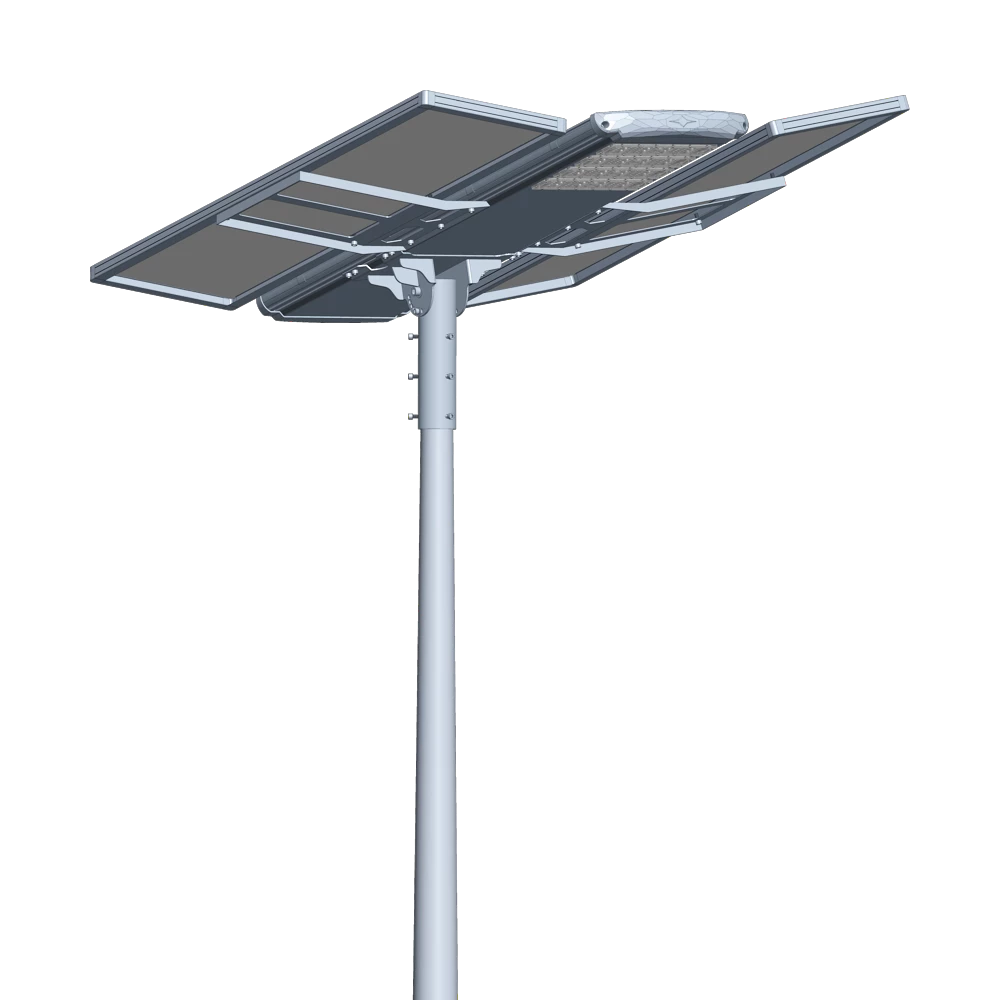
Introducing the Luqing Solar Street Light by Queneng, Efficient LED lighting powered by solar energy is perfect for illuminating outdoor areas. Harness the power of solar energy for sustainable, reliable street lighting. Ideal for eco-friendly, cost-effective outdoor illumination solutions.
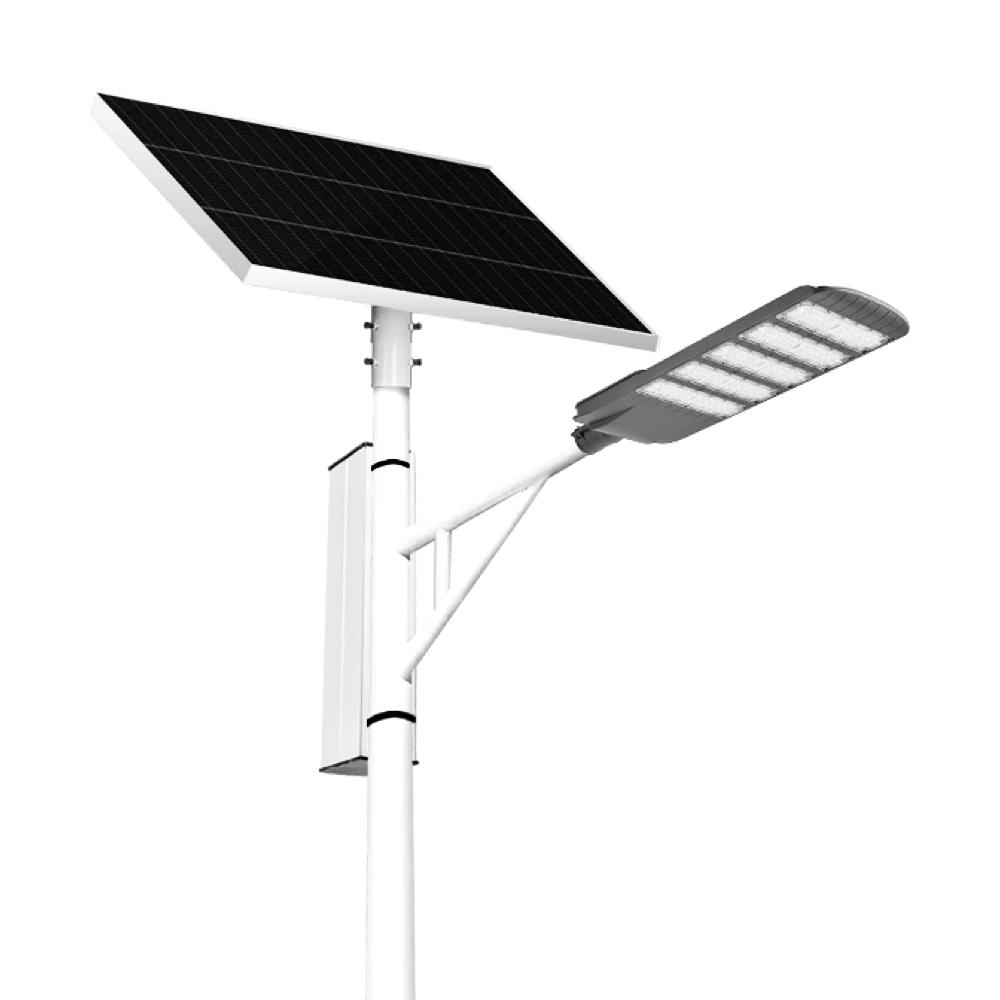
The Solar Streetlights of Luhao for Municipalities are designed to deliver reliable, energy-efficient, and cost-effective public lighting solutions. Equipped with advanced LED technology, durable lithium batteries, and high-efficiency solar panels, these streetlights provide consistent illumination for roads, parks, residential areas, and government projects.
If you would like more information about Queneng solar lighting solutions, please send us a message by filling out the form below. Our professional team will get back to you within 24 hours!
Rest assured that your privacy is important to us, and all information provided will be handled with the utmost confidentiality.
Schedule a Meeting
Book a date and time that is convenient for you and conduct the session in advance.
Have more questions about our products or services?
The messenger of light & power conversion
Environmental protection and intelligent manufacturing are our brand philosophy, and quality assurance and the best user experience are our eternal promises to users.
CONTACT
No.9F, Building F, Cao San Xin Tian Hong Logistics Park, Guzhen Town, Zhongshan City, Guangdong Province, China.
or write [email protected]
WhatsApp: +86 136 2270 1011


