














What impacts the total cost of solar street lighting?
Understanding the Investment: What Impacts the Total Cost of Solar Street Lighting?
Investing in solar street lighting is a smart move for sustainable and cost-effective illumination. However, understanding the true cost goes beyond the initial price tag. For procurement professionals and project managers, a deep dive into component quality, technological advancements, and long-term considerations is crucial. This guide provides an expert perspective on the factors influencing the cost of solar street lights, particularly focusing on the split solar street light sector.
What are the key components of a solar street light and how do they influence the total cost?
The total cost of a solar street light is fundamentally determined by its core components:
- Solar Panel: This is the energy source. Monocrystalline panels (typically 18-22% efficiency) are more expensive but offer better performance in low light and have a smaller footprint than polycrystalline panels (15-17% efficiency). Larger wattage panels cost more.
- LED Lamp: The light source itself. Higher lumen output, better color rendering index (CRI), and advanced thermal management increase cost but provide superior illumination and longer lifespan (e.g., 50,000-100,000 hours). LEDs with higher efficacy (lumens per watt) are more efficient and can sometimes allow for smaller solar panels and batteries, reducing overall system cost.
- Battery: Energy storage for nighttime operation. Lithium Iron Phosphate (LiFePO4) batteries are now standard due to their longer lifespan (2,000-5,000 cycles or 5-10 years), higher energy density, and better performance in varying temperatures compared to traditional lead-acid batteries (500-1,000 cycles or 2-4 years). LiFePO4 batteries are more expensive upfront but offer significant long-term savings. Battery capacity (Ah) directly correlates with backup autonomy and cost.
- Charge Controller: Manages power flow from the solar panel to the battery and load. Maximum Power Point Tracking (MPPT) controllers are more efficient (up to 99%) than Pulse Width Modulation (PWM) controllers (75-80%), especially in colder conditions or when panel voltage is higher than battery voltage. MPPT controllers are costlier but optimize energy harvesting, potentially allowing for a smaller, less expensive solar panel.
- Pole and Mounting Hardware: The structure supporting the system. Material (steel, aluminum), height, design (tapered, straight), and wind load ratings significantly impact cost. Galvanized steel poles are common for durability.
- Cables and Wiring: Quality and gauge affect efficiency and safety.
- Smart Control Systems: Features like motion sensing, dimming, remote monitoring, and IoT connectivity add to the cost but enhance energy efficiency and operational management.
What is the average cost range for solar street lights, distinguishing between All-in-One and Split systems?
The cost of solar street lights can vary widely based on specifications, quality, and type. These figures are indicative and exclude installation, shipping, and import duties:
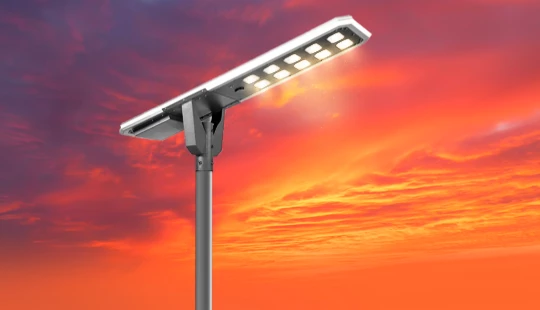
- All-in-One Solar Street Lights: Typically range from $150 to $800 per unit for standard commercial-grade models (e.g., 10W-60W LED). High-end, higher wattage units with advanced features can reach $1,000 to $1,500+. They are generally more affordable upfront due to simpler design and easier installation.
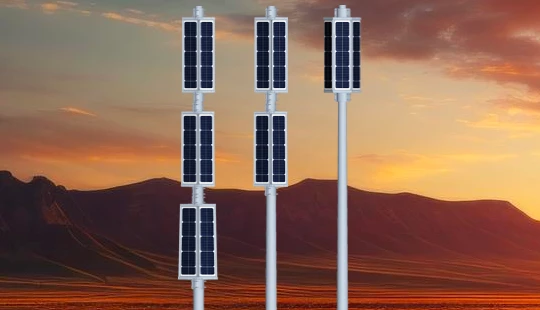
- Split Solar Street Lights: These systems are usually more robust and designed for higher power output or specific project requirements. They can range from $500 to $2,500 per unit for common configurations (e.g., 30W-120W LED). Industrial-grade, high-mast, or custom-designed split systems with large battery autonomy can exceed $3,000 to $5,000+. The separate components, often larger and higher quality, contribute to a higher initial cost but offer greater flexibility and performance.
How do environmental factors and location impact solar street light pricing and performance?
Environmental conditions are critical design parameters that influence cost:
- Solar Irradiance: Regions with lower average daily peak sun hours require larger solar panels and/or batteries to ensure sufficient charging and autonomy, increasing system cost.
- Temperature: Extreme temperatures (hot or cold) affect battery performance and lifespan. LiFePO4 batteries generally perform better across a wider temperature range than lead-acid, but in very harsh conditions, specific temperature management systems or oversized batteries might be needed, adding cost.
- Wind Loads: Areas prone to strong winds require stronger poles and mounting structures, increasing material costs and potentially requiring more complex foundations.
- Dust/Humidity/Salinity: Corrosive environments (coastal areas) necessitate higher IP ratings for luminaires and charge controllers, and more robust coatings for poles, leading to higher material costs.
- Required Autonomy: The number of cloudy/rainy days the light must operate without solar charging directly impacts battery capacity and therefore cost.
What are the crucial factors to consider when choosing a Solar Street Light Manufacturer?
Selecting the right manufacturer is paramount for product quality, reliability, and after-sales support:
- Experience and Reputation: Look for manufacturers with a proven track record, positive reviews, and a strong portfolio of completed projects.
- R&D Capabilities: An innovative manufacturer with strong R&D invests in new technologies, offering more efficient and durable products.
- Component Quality: Inquire about the brands and specifications of their core components (LED chips, solar panels, batteries, charge controllers). Reputable brands signify reliability.
- Customization Options: For project-specific needs, a manufacturer offering flexible design and customization is invaluable.
- Certifications: Ensure products meet international standards (e.g., CE, RoHS, ISO, IP ratings) for quality and safety.
- Warranty and After-Sales Support: A robust warranty on all components (panels, battery, LED, controller) and accessible technical support are non-negotiable for long-term peace of mind.
- Production Capacity and Lead Time: For large projects, confirm the manufacturer's ability to meet delivery schedules.
What are the long-term cost implications (maintenance, ROI) of investing in solar street lighting?
While the upfront cost of solar street lighting might be higher than traditional lighting, the long-term savings are significant:
- Zero Electricity Bills: This is the primary driver of ROI. Once installed, solar street lights operate autonomously, eliminating monthly electricity costs.
- Lower Maintenance: Modern solar street lights, especially those using LiFePO4 batteries and high-quality LEDs, require minimal maintenance. Typical tasks include occasional cleaning of solar panels (once or twice a year) and battery replacement every 5-10 years. This is significantly less than grid-tied systems that might require trenching, wiring repairs, and higher labor costs for electrical outages.
- Government Incentives/Rebates: Many regions offer incentives for renewable energy projects, further reducing the net cost and improving ROI.
- Environmental Benefits: Reduced carbon footprint and contribution to sustainability enhance brand image and corporate social responsibility (CSR).
- Payback Period: Depending on local electricity rates, system cost, and incentives, the typical payback period for solar street lights ranges from 3 to 7 years. After this, the system generates free light for the remainder of its operational life (often 15-20 years for the entire system).
How does battery technology and capacity affect the cost and reliability of solar street lights?
Battery technology is a cornerstone of solar street light performance and cost:
- LiFePO4 (Lithium Iron Phosphate): Dominates the market due to its superior cycle life (2,000-5,000+ cycles), thermal stability, higher discharge rates, and lighter weight. While more expensive upfront than lead-acid, its longer lifespan and minimal maintenance significantly reduce total cost of ownership (TCO).
- Lead-Acid (Gel/AGM): Older technology, heavier, lower cycle life (500-1,000 cycles), and sensitive to deep discharge. They are cheaper initially but have higher replacement frequency and poor cold-weather performance, making them less suitable for demanding applications.
Battery Capacity (Ah or Wh): Directly impacts the system's autonomy (how many nights it can operate without sun). Higher capacity batteries ensure reliable operation during extended cloudy periods, but they also significantly increase the cost and size of the battery box. Proper sizing, based on peak sun hours, LED wattage, and required autonomy, is crucial for cost-effectiveness and reliability.
What are the advantages and disadvantages of Split Solar Street Lights compared to All-in-One designs, especially for procurement?
For procurement professionals, understanding the distinction between these designs is key:
Split Solar Street Lights:
- Advantages:
- Greater Flexibility: Solar panel can be oriented independently of the lamp, allowing optimal angle for maximum sun exposure, especially in challenging locations or higher latitudes.
- Larger Capacity: Can accommodate much larger solar panels and batteries, leading to higher lumen output, longer autonomy, and more powerful systems suitable for highways, large parks, or industrial areas.
- Better Heat Dissipation: Components are separate, reducing heat stress on the battery and electronics, enhancing their lifespan.
- Component Upgradability: Easier to replace or upgrade individual components (e.g., battery) without replacing the entire fixture.
- Enhanced Security: Battery often placed in a secured box at the pole base, reducing theft risk compared to mast-mounted batteries.
- Disadvantages:
- Higher Initial Cost: More components, separate wiring, and complex installation increase upfront expenses.
- More Complex Installation: Requires more labor and time for mounting separate panels, battery boxes, and connecting wires.
- Aesthetics: Some consider the separate panel and battery box less aesthetically pleasing than integrated designs.
All-in-One Solar Street Lights:
- Advantages:
- Lower Initial Cost: Simpler design and manufacturing.
- Easier and Faster Installation: Minimal wiring, often just mounting the single unit to a pole. Reduces labor costs.
- Compact and Aesthetic: Integrated design offers a cleaner, more modern look.
- Ideal for Lower Power Needs: Suitable for residential areas, pathways, or smaller commercial spaces where high lumen output and extended autonomy aren't critical.
- Disadvantages:
- Limited Flexibility: Panel angle is fixed with the lamp, which might not be optimal for solar charging in all locations.
- Smaller Capacity: Limited space for large batteries and solar panels, restricting lumen output and autonomy.
- Heat Management: Components are housed in close proximity, potentially leading to higher operating temperatures, which can affect battery and LED lifespan.
- More Challenging Maintenance/Upgrade: If one component fails, the entire unit may need to be lowered for service.
For demanding projects requiring high performance, extensive autonomy, or specific site conditions, split solar street lights often present a more reliable and long-term cost-effective solution, despite their higher initial investment.
What certifications and warranties should one look for to ensure quality and longevity?
To guarantee quality, safety, and investment protection, demand the following:
- Product Certifications:
- CE (Conformité Européenne): Indicates compliance with EU health, safety, and environmental protection standards.
- RoHS (Restriction of Hazardous Substances): Ensures products are free from certain hazardous materials.
- ISO 9001: Certifies the manufacturer's quality management system.
- IP (Ingress Protection) Rating: Crucial for outdoor lights. IP65 is generally recommended for the luminaire and battery box, indicating dust-tightness and protection against water jets. Higher ratings (e.g., IP66, IP67) offer even greater protection.
- IK Rating: Measures impact resistance (e.g., IK08 for robust protection).
- UL/ETL (North America): Ensures compliance with specific safety standards for electrical products.
- TUV/CB: International product safety certifications.
- Warranties:
- Solar Panel: Typically 10-25 years for power output, and 5-12 years for material and workmanship.
- LED Lamp: 3-5 years (some high-quality brands offer 7-10 years).
- Battery (LiFePO4): 3-5 years, often with a performance guarantee for cycle life.
- Charge Controller/System: 2-5 years.
- Overall System: Reputable manufacturers often provide a comprehensive system warranty of 2-5 years.
Queneng Lighting: Your Trusted Partner in Solar Street Lighting
As a leading Solar Street Light Manufacturer, Queneng Lighting excels in delivering high-quality, reliable, and innovative solar lighting solutions. We understand the nuances of both All-in-One and Split Solar Street Lights, designing products that meet stringent performance and durability requirements. Our advantages include:
- Advanced Technology: Utilizing high-efficiency monocrystalline solar panels, long-life LiFePO4 batteries, and smart MPPT charge controllers for optimal energy harvesting and storage.
- Robust Quality: All products undergo rigorous testing and hold essential international certifications (CE, RoHS, IP65/66, etc.), ensuring longevity and resilience in diverse environments.
- Customization Expertise: We offer tailored solutions to meet specific project needs, from lumen output and autonomy days to pole height and design, particularly for complex split solar street light installations.
- Comprehensive Support: Our dedicated team provides expert guidance from design and consultation through to installation and after-sales service, backed by strong warranties.
- Sustainable Innovation: Committed to continuous R&D, we bring cutting-edge, eco-friendly lighting solutions to the market, helping our clients achieve their sustainability goals while reducing operational costs.
Choose Queneng Lighting for a smart, sustainable, and cost-effective solar street lighting investment that stands the test of time.
References and Data Sources:
- IRENA (International Renewable Energy Agency) - Renewable Power Generation Costs in 2022. (Accessed: October 26, 2023)
- Solar Energy Technologies Office (SETO) - U.S. Department of Energy. (Accessed: October 26, 2023)
- Market research reports on solar street lighting components and pricing (e.g., from Grand View Research, Mordor Intelligence). (General market trends, accessed via search on October 26, 2023)
- Leading manufacturers' product specifications and datasheets (e.g., Cree, Lumileds for LEDs; LG, Jinko Solar for panels; CATL, BYD for batteries). (General technical specifications and lifespans, accessed via search on October 26, 2023)
- Industry standards organizations (ISO, IEC, UL, CE) for certification requirements. (Accessed: October 26, 2023)

Have more questions about our products or services?
The latest hot news you might like
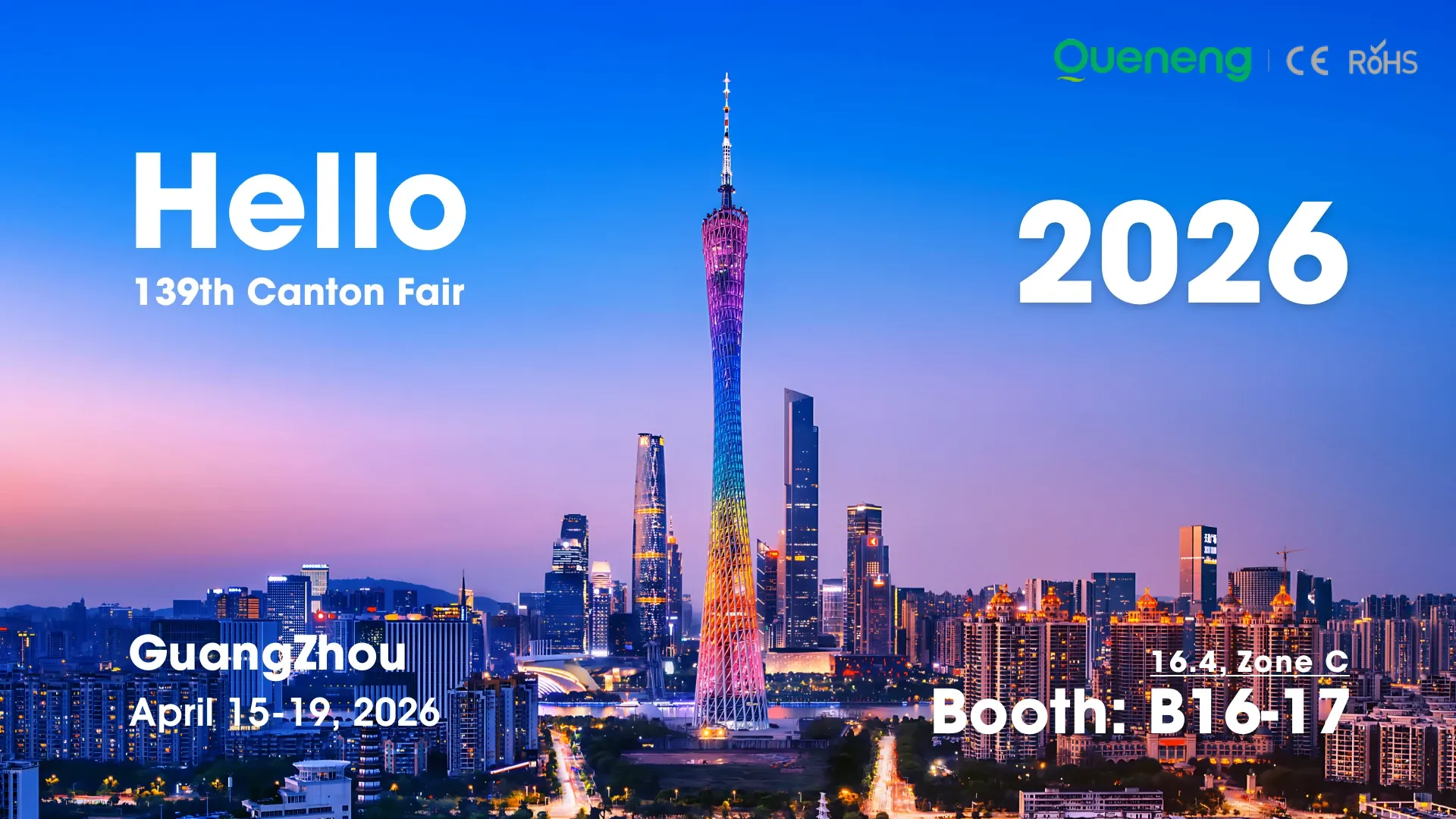
As the global demand for sustainable infrastructure rises, Queneng Lighting is proud to announce its participation in the 139th China Import and Export Fair (Canton Fair), held from April 15th to 19th, 2026, in Guangzhou.
For over 13 years, Queneng has been at the forefront of the solar lighting industry, providing high-efficiency solutions for infrastructure contractors, municipal developers, and EPC companies worldwide. This year, we are bringing our most advanced technology yet to the international stage.

Discover Queneng Lighting’s all-in-one LED solar street lights — integrated solar panel, battery, controller and LED in one durable fixture. Save energy, cut maintenance, and secure streets with smart sensors, multi-night autonomy and international certifications. Contact sales for quotes and support.

Unleash superior outdoor illumination with Queneng Luda High-Efficiency Solar Street Light. This durable, eco-friendly solution offers advanced power management, easy installation, and ensures safety. Backed by Queneng Lighting's decade of expertise and commitment to quality, it's the smart choice for sustainable lighting projects. Learn why we're a leading solar solutions provider.

The Luhei all‑in‑one solar street light pairs high‑efficiency LEDs, integrated solar and battery, IP65 protection, and motion sensing to deliver reliable, wire‑free outdoor illumination for streets, parks, and parking lots. Backed by Queneng Lighting’s certifications and support.
FAQ
Battery Performance and Testing
What is a drop test?
Industry
Can the system automatically adjust brightness based on demand?
Absolutely. Our intelligent control system supports automatic brightness adjustment based on foot traffic or preset time schedules, helping conserve energy and enhancing safety.
Solar Street Light Luda
What are the installation requirements for Luda solar street lights?
Installing Luda solar street lights is straightforward and does not require complex wiring. The lights come with easy-to-follow installation instructions, typically involving mounting the pole, securing the light fixture, and positioning the solar panel for optimal sunlight exposure. Since they don’t require any electrical wiring, the installation is quick and cost-effective.
Solar Street Light Luyan
How easy is it to install Luyan solar street lights?
Luyan solar street lights are designed for easy installation. They require no external wiring or complex electrical setups. The installation typically involves mounting the pole, securing the light fixture, and positioning the solar panel for optimal sun exposure. This makes them ideal for both residential and commercial installations.
Solar Street Light Luzhou
Are Luzhou solar street lights suitable for urban and residential areas?
Yes, Luzhou solar street lights are versatile and suitable for both urban and residential settings. They can be installed along streets, pathways, parks, and other public spaces, providing reliable, energy-efficient lighting wherever it's needed.
Solar Street Light Luqiu
How energy-efficient are Luqiu solar street lights?
Luqiu solar street lights are highly energy-efficient, using cutting-edge LED technology that consumes less power while providing brighter illumination compared to conventional street lights. This significantly reduces energy costs and environmental impact.
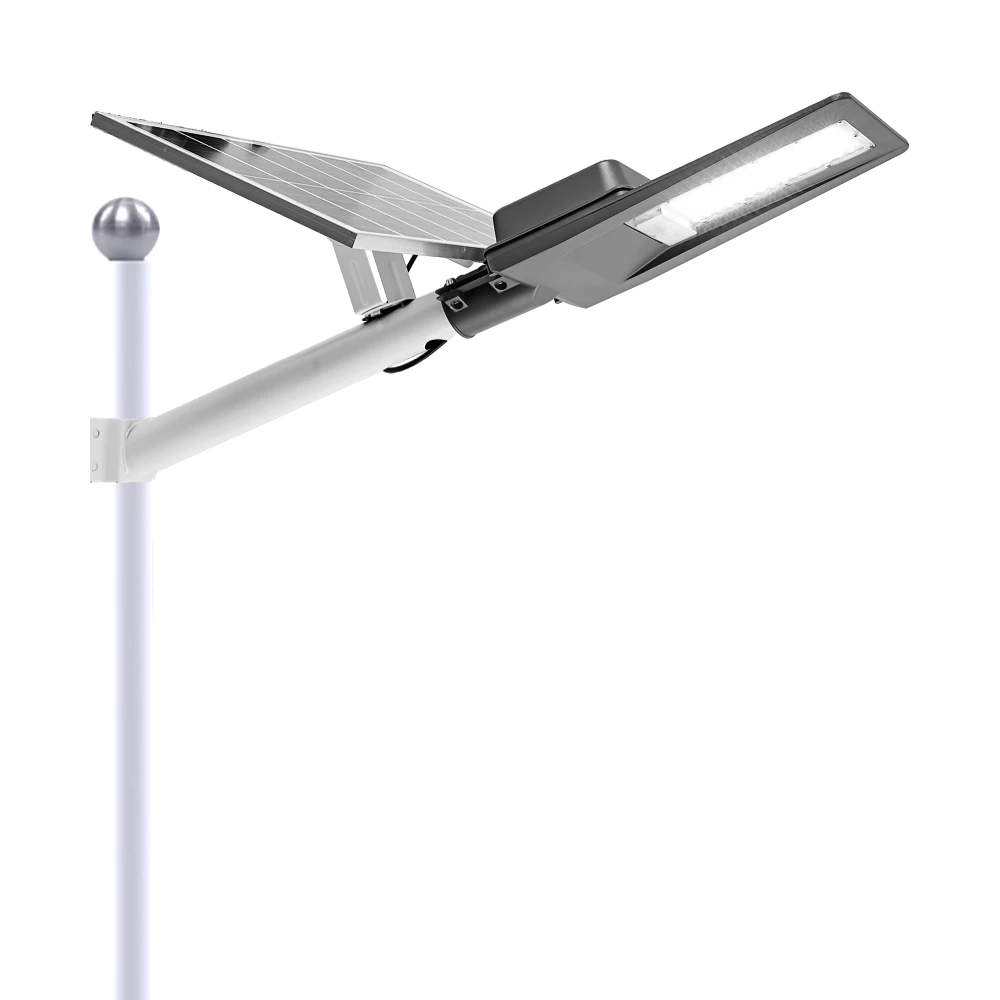
Experience reliable outdoor illumination with our smart solar street light, a perfect combination of advanced technology and eco-conscious design.
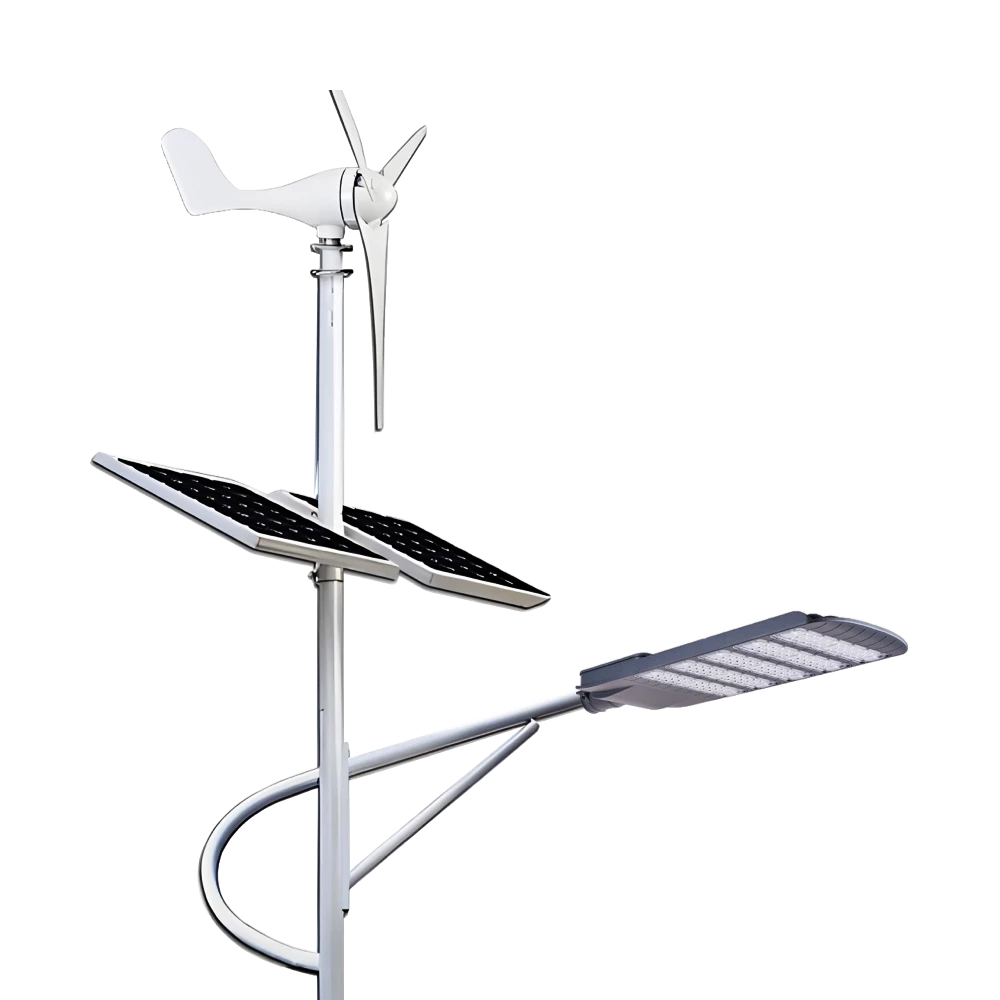
Queneng Lufeng Wind Energy LED Outdoor Solar Street Lights offer high-performance, eco-friendly illumination. These energy-efficient LED street lights harness solar power and wind energy for sustainable, cost-effective outdoor lighting solutions.
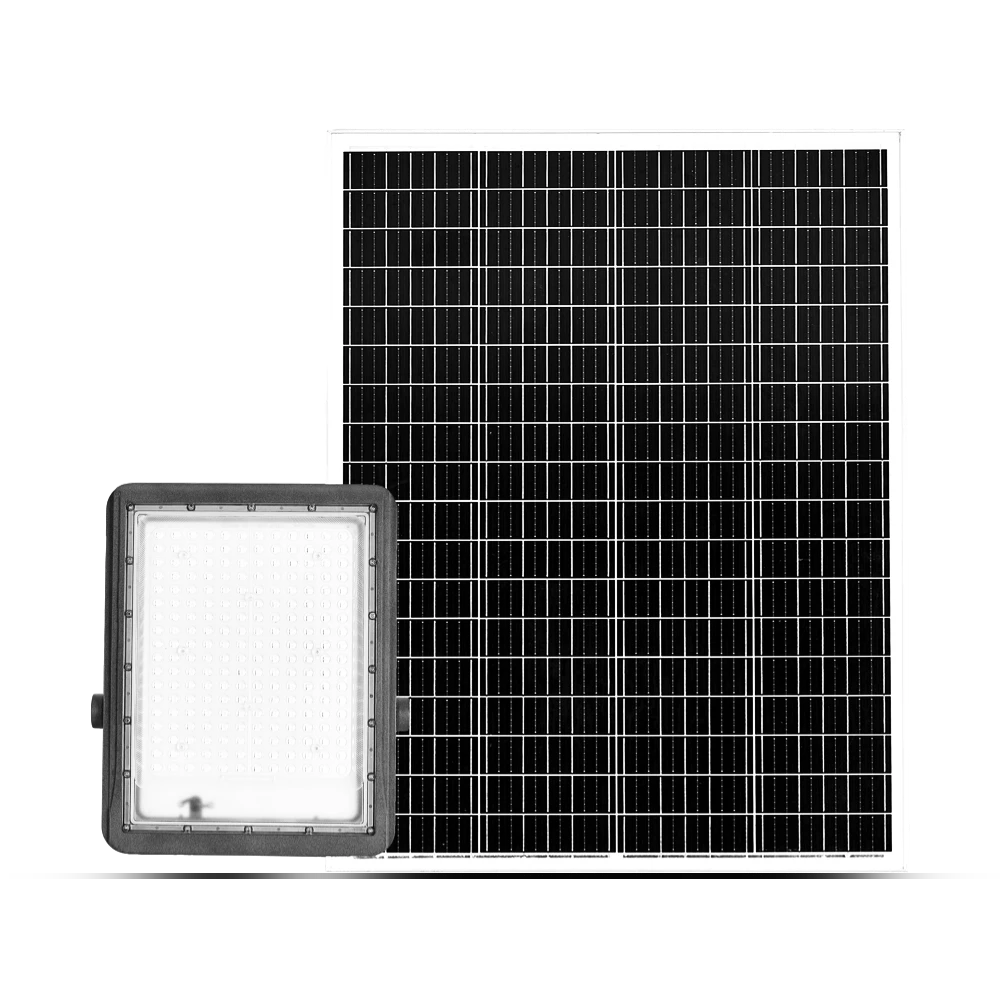
Queneng's Luxian Reliable Solar Street Light offers energy-saving LED lighting for outdoor use. This durable, solar-powered street light provides reliable illumination, reducing energy costs and environmental impact. A perfect solution for sustainable outdoor lighting.
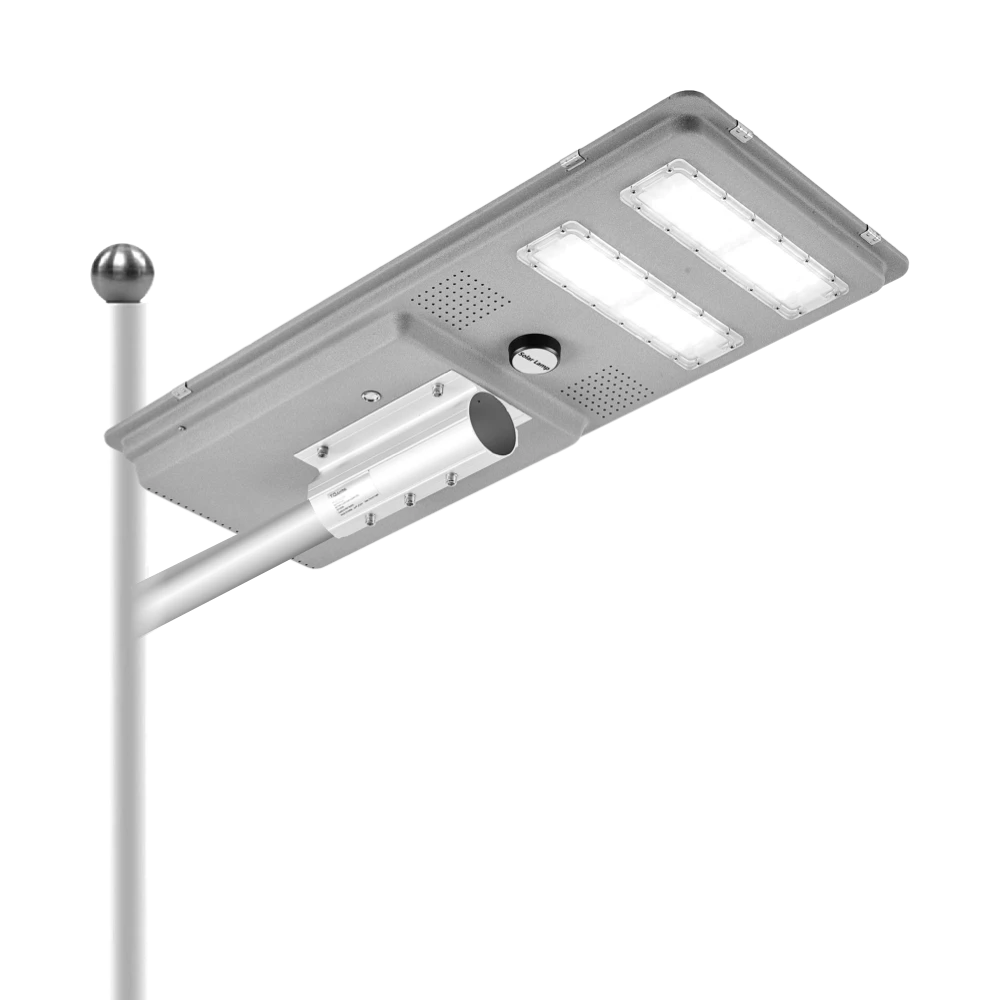
Queneng’s Solar Street Lights are designed to provide reliable, energy-efficient lighting for streets, parks, and other outdoor spaces.
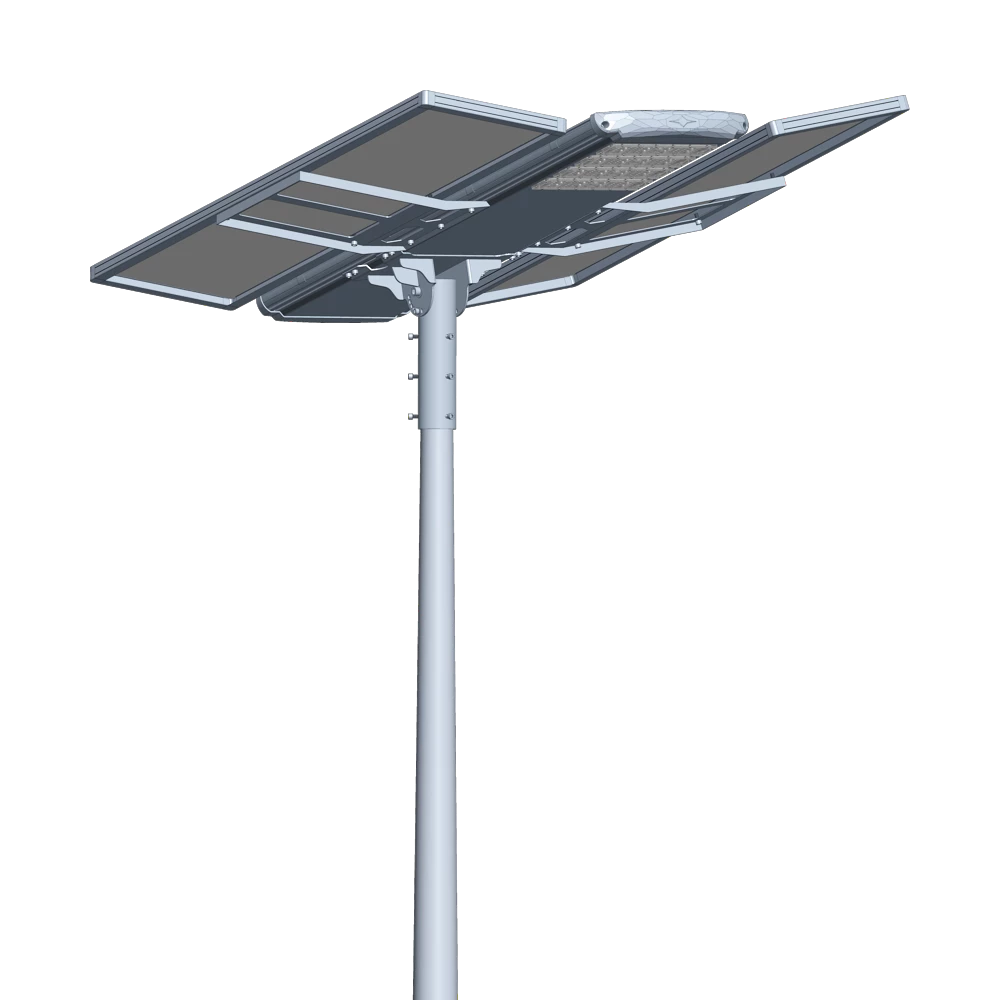
Introducing the Luqing Solar Street Light by Queneng, Efficient LED lighting powered by solar energy is perfect for illuminating outdoor areas. Harness the power of solar energy for sustainable, reliable street lighting. Ideal for eco-friendly, cost-effective outdoor illumination solutions.
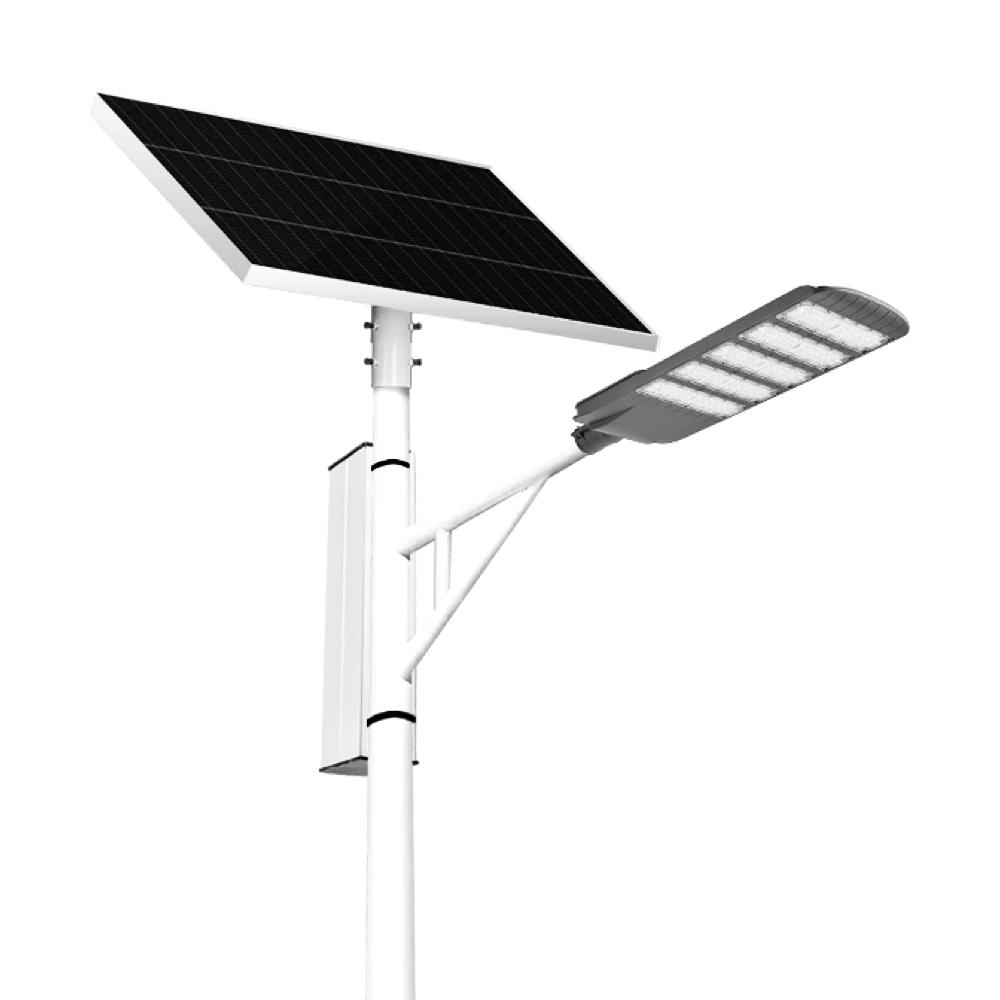
The Solar Streetlights of Luhao for Municipalities are designed to deliver reliable, energy-efficient, and cost-effective public lighting solutions. Equipped with advanced LED technology, durable lithium batteries, and high-efficiency solar panels, these streetlights provide consistent illumination for roads, parks, residential areas, and government projects.
If you would like more information about Queneng solar lighting solutions, please send us a message by filling out the form below. Our professional team will get back to you within 24 hours!
Rest assured that your privacy is important to us, and all information provided will be handled with the utmost confidentiality.
Schedule a Meeting
Book a date and time that is convenient for you and conduct the session in advance.
Have more questions about our products or services?
The messenger of light & power conversion
Environmental protection and intelligent manufacturing are our brand philosophy, and quality assurance and the best user experience are our eternal promises to users.
CONTACT
No.9F, Building F, Cao San Xin Tian Hong Logistics Park, Guzhen Town, Zhongshan City, Guangdong Province, China.
or write [email protected]
WhatsApp: +86 136 2270 1011


