














Choosing a solar street light manufacturer: What to ask?
Mastering Solar Street Light Procurement: Insights for Split Systems
The global shift towards sustainable infrastructure has put solar street lighting in the spotlight. For professionals involved in procurement, understanding the nuances of these systems is crucial, especially when considering the robust and versatile split solar street light. This guide addresses your most pressing questions, helping you navigate the market from cost considerations to manufacturer selection.
What Factors Determine the Cost of a Split Solar Street Light?
The cost of a solar street light, particularly a split system, isn't a single figure but a sum of several high-quality components and services. Typically ranging from $300 to over $3000 USD per unit, the price varies significantly based on:
- LED Lamp Wattage & Lumens: Higher brightness (lumens) and power (watts) require more advanced LED chips and heat dissipation, increasing cost. A 30W LED might output 3000-4500 lumens, while 100W+ can exceed 10,000 lumens.
- Solar Panel Capacity (Wp): Larger, higher-efficiency monocrystalline panels (e.g., 18-22% efficiency) designed to capture sufficient sunlight for demanding applications will drive up the price. Split systems often allow for larger panels than all-in-one units.
- Battery Type & Capacity (Ah): Lithium iron phosphate (LiFePO4) batteries are preferred for their longevity (5-10+ years, 2000-4000 cycles) and stability, but come at a higher cost than lead-acid. Larger capacity batteries are needed for extended autonomy days or higher wattage lights.
- Charge Controller: MPPT (Maximum Power Point Tracking) controllers are more efficient (up to 99% tracking, 95-98% conversion efficiency) than PWM, maximizing energy harvesting but adding to the cost.
- Pole Design & Material: Hot-dip galvanized steel poles with specific wind resistance ratings (e.g., able to withstand 100-120 km/h winds) and varying heights (6m to 12m+) significantly impact the overall cost.
- Smart Features: Dimming, motion sensors, remote monitoring, and IoT connectivity add value and cost.
- Brand & Warranty: Reputable manufacturers offering comprehensive warranties (e.g., 3-5 years) may have higher upfront costs but offer better long-term reliability and support.
What are the Key Differences Between All-in-One and Split Solar Street Lights, and When Should I Choose Split?
While All-in-One Solar Street Lights integrate all components into a single compact unit, offering easier installation, split solar street lights offer distinct advantages for specific applications:
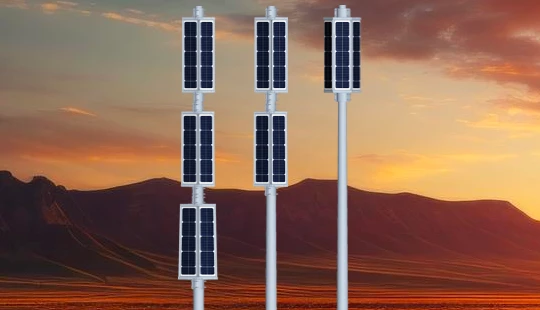
- Larger Components: Split systems allow for larger solar panels and battery capacities, making them ideal for high-power lighting needs, regions with less sunshine, or projects requiring longer autonomy days.
- Optimal Solar Orientation: The solar panel can be mounted separately from the light fixture, allowing it to be angled for maximum sun exposure regardless of the light's direction.
- Better Heat Dissipation: Separating the battery and controller from the LED fixture prevents heat build-up, prolonging component life, especially in hot climates.
- Flexible Installation: Components can be placed strategically, for instance, mounting the solar panel on a nearby rooftop if the pole location is shaded, or burying the battery underground for temperature stability and anti-theft measures.
- Higher Power Output: Due to the ability to use larger panels and batteries, split systems typically deliver higher and more consistent lumen output, suitable for highways, large public spaces, or industrial zones.
Choose split systems when: high power output is required, solar insolation is suboptimal, extended autonomy is critical, components need protection from extreme temperatures, or flexible installation is paramount.
What Critical Technical Specifications Should I Look for When Evaluating Split Solar Street Lights?
Beyond cost, technical specifications dictate performance and longevity:
- LED Efficacy: Aim for high lumens per watt (lm/W), typically 130-170 lm/W for efficient illumination.
- Battery Technology & Capacity: Prioritize LiFePO4 batteries with sufficient Ah capacity (calculated for 3-5 days autonomy in local conditions). Ensure the battery management system (BMS) is robust.
- Solar Panel Efficiency & Power: Look for monocrystalline panels with efficiencies of 18-22% and adequate wattage (Wp) to fully charge the battery daily.
- Charge Controller: MPPT is crucial for efficiency, especially in varying weather. Check for overcharge/discharge protection, short-circuit protection, and temperature compensation.
- Ingress Protection (IP) Rating: IP65 or IP66 is standard for outdoor luminaires, protecting against dust and strong water jets.
- Wind Load Resistance: The pole and fixture must be engineered to withstand local wind speeds, often specified in km/h or m/s.
- Operating Temperature Range: Ensure components can perform reliably in your specific climate's temperature extremes (e.g., -20°C to +60°C).
How Do I Assess the Reliability and Reputation of a Solar Street Light Manufacturer?
Choosing a reliable Solar Street Light Manufacturer is paramount. Ask the following questions:
- What is your manufacturing process and quality control? Look for ISO 9001 certification, in-house testing facilities, and detailed QC protocols at every stage.
- Do you offer design and engineering support? A good manufacturer customizes solutions based on your project's specific requirements (insolation, lighting needs, wind loads).
- Can you provide case studies or references from similar projects? Reviewing past projects demonstrates experience and capability.
- What is your warranty policy, and what does it cover? A comprehensive warranty (e.g., 3-5 years on the entire system, 10+ years on solar panels) indicates confidence in product quality. Clarify after-sales support and spare part availability.
- What certifications do your products hold? Look for CE, RoHS, IEC, TUV, and local electrical safety standards.
- What is your R&D capability? A commitment to innovation suggests a future-proof product line and expertise.
- What is your production capacity and lead time? Ensure they can meet your project deadlines without compromising quality.
What are the Long-Term Maintenance Considerations and Operational Costs for Split Solar Street Lights?
While solar street lights offer significantly lower operational costs compared to grid-tied lights, understanding long-term maintenance is key:
- Battery Replacement: LiFePO4 batteries are designed for 5-10+ years. Factor in potential replacement costs after their lifespan.
- Solar Panel Cleaning: Dust, dirt, and bird droppings can reduce efficiency. Periodic cleaning (every 6-12 months) is recommended. This is a manual task, and its frequency depends on the environment.
- LED Fixture Maintenance: LEDs have long lifespans (50,000+ hours), but drivers or individual diodes might fail. Reputable manufacturers offer modular designs for easy component replacement.
- Pole & Fixture Inspection: Regular checks for structural integrity, corrosion, and secure fittings are advisable, especially after severe weather.
- No Electricity Bills: The primary long-term saving is the complete elimination of electricity bills, making the initial investment pay for itself over time.
How Can I Ensure the Solar Street Light System is Designed for My Specific Geographical and Environmental Conditions?
A crucial step in procurement is ensuring system suitability:
- Solar Insolation Analysis: Provide your exact project location (latitude/longitude) to the manufacturer. They should use solar radiation data to accurately size the solar panel and battery for reliable year-round operation.
- Local Weather Patterns: Communicate temperature extremes, average cloudy/rainy days, and peak wind speeds. This informs battery capacity (autonomy days), heat management, and pole strength.
- Lighting Standards: Define required lux levels (e.g., based on EN 13201 for Europe, or IESNA standards for North America) for the application (road, pathway, park). The manufacturer should provide photometric designs.
- Terrain & Ground Conditions: These affect pole foundation design and installation costs.
- Anti-theft & Vandalism: Discuss solutions like buried batteries or specialized mounting hardware if these are concerns in your area.
Conclusion: Partnering for Success with Queneng Lighting
Procuring solar street lights, especially advanced split systems, requires a deep understanding of technology, quality, and long-term value. By asking the right questions and focusing on professional insights, you can ensure a successful investment.
Queneng Lighting stands out as a leading manufacturer with extensive experience in the solar street lighting sector. We offer:
- Customized Solutions: Our engineering team designs systems tailored to your precise geographical, environmental, and lighting requirements.
- High-Quality Components: We utilize High Quality LiFePO4 batteries, high-efficiency monocrystalline solar panels, and intelligent MPPT controllers, ensuring durability and performance.
- Robust R&D and Quality Control: Committed to innovation and stringent testing, our products meet global certifications (CE, RoHS, ISO 9001, etc.).
- Comprehensive Support: From pre-sales design to after-sales service and extended warranties, Queneng Lighting provides reliable partnership for your projects.
- Expertise in Split Systems: Our deep understanding of split solar street light advantages allows us to provide powerful, flexible, and reliable lighting solutions for diverse and demanding applications.
Partner with Queneng Lighting for sustainable, high-performance solar street lighting solutions that illuminate your projects for years to come.
References and Data Sources:
- LiFePO4 Battery Cycle Life & Lifespan: Industry benchmarks for reputable manufacturers (e.g., CATL, BYD data sheets), typically 2000-4000 cycles for 80% DoD. (Date accessed: November 2023)
- Monocrystalline Solar Panel Efficiency: Typical ranges from major manufacturers like Jinko Solar, LONGi Solar. (Date accessed: November 2023)
- MPPT Controller Efficiency: Technical specifications from leading controller manufacturers (e.g., Victron Energy, EPEVER). (Date accessed: November 2023)
- IP Rating Standards: IEC 60529 standard for Ingress Protection. (Date accessed: November 2023)
- General Solar Street Light Cost Ranges: Based on market analysis of B2B platforms and manufacturer quotes for various specifications. (Date accessed: November 2023)

Have more questions about our products or services?
The latest hot news you might like
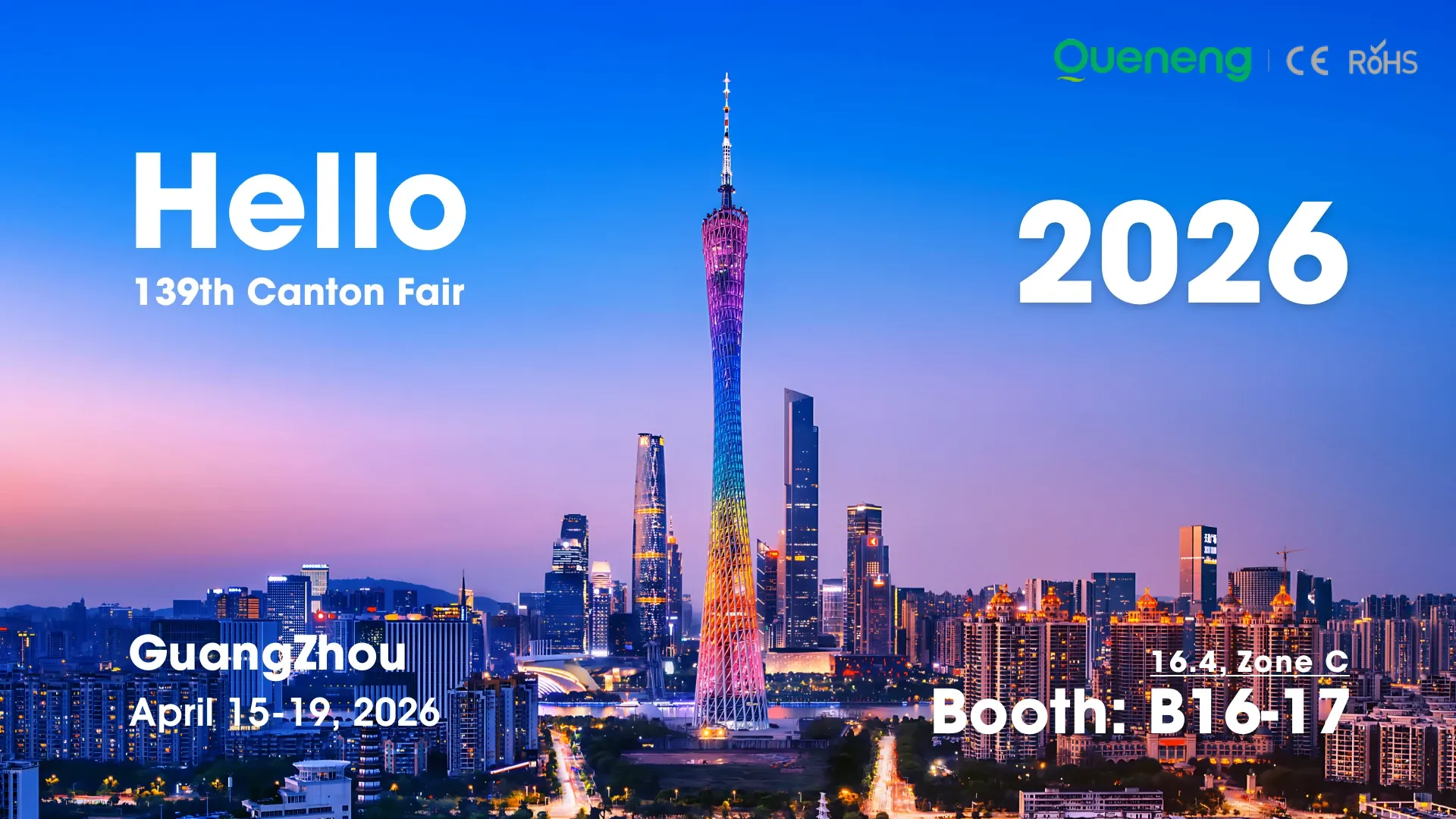
As the global demand for sustainable infrastructure rises, Queneng Lighting is proud to announce its participation in the 139th China Import and Export Fair (Canton Fair), held from April 15th to 19th, 2026, in Guangzhou.
For over 13 years, Queneng has been at the forefront of the solar lighting industry, providing high-efficiency solutions for infrastructure contractors, municipal developers, and EPC companies worldwide. This year, we are bringing our most advanced technology yet to the international stage.

Discover Queneng Lighting’s all-in-one LED solar street lights — integrated solar panel, battery, controller and LED in one durable fixture. Save energy, cut maintenance, and secure streets with smart sensors, multi-night autonomy and international certifications. Contact sales for quotes and support.

Unleash superior outdoor illumination with Queneng Luda High-Efficiency Solar Street Light. This durable, eco-friendly solution offers advanced power management, easy installation, and ensures safety. Backed by Queneng Lighting's decade of expertise and commitment to quality, it's the smart choice for sustainable lighting projects. Learn why we're a leading solar solutions provider.

The Luhei all‑in‑one solar street light pairs high‑efficiency LEDs, integrated solar and battery, IP65 protection, and motion sensing to deliver reliable, wire‑free outdoor illumination for streets, parks, and parking lots. Backed by Queneng Lighting’s certifications and support.
FAQ
Remote Areas Rural Development
What funding options are available for rural solar lighting projects?
We offer flexible financing options, including installment plans and partnerships with NGOs or government programs.
Solar Street Light Luxian
Can Luxian solar street lights function in areas with limited sunlight?
Yes, Luxian solar street lights are designed to function even in areas with limited sunlight. The high-efficiency solar panels are capable of charging the battery during cloudy or overcast conditions, ensuring the lights operate efficiently throughout the night. The large battery storage capacity helps maintain performance in areas with inconsistent sunlight.
Solar Street Light Luan
How bright are Luan solar street lights compared to traditional street lights?
Luan solar street lights offer brightness comparable to or greater than traditional street lights, using far less energy. The LEDs are designed to provide high-quality, focused illumination, enhancing visibility and safety in outdoor areas while saving energy.
Battery Types and Applications
What is a nanobattery?
Solar Street Light Lulin
How durable are Lulin solar street lights?
Lulin solar street lights are built to last. They are constructed using corrosion-resistant aluminum and high-strength tempered glass, making them durable enough to withstand harsh weather conditions, including rain, snow, and extreme temperatures. The lights are also designed to resist UV rays, dust, and other environmental factors, offering a long service life in both urban and rural settings.
All-in-one solar street lights
How long is the battery lifespan?
Typically 5–8 years depending on battery type and usage.
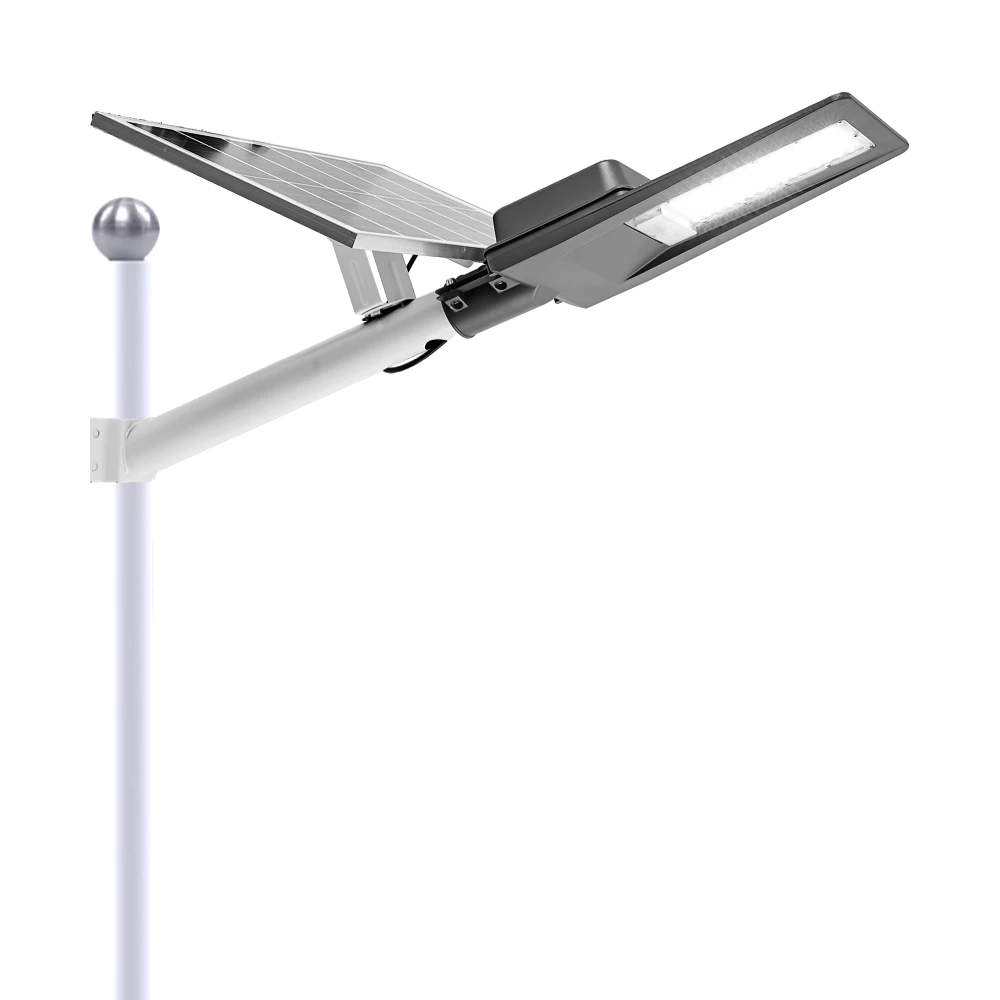
Experience reliable outdoor illumination with our smart solar street light, a perfect combination of advanced technology and eco-conscious design.
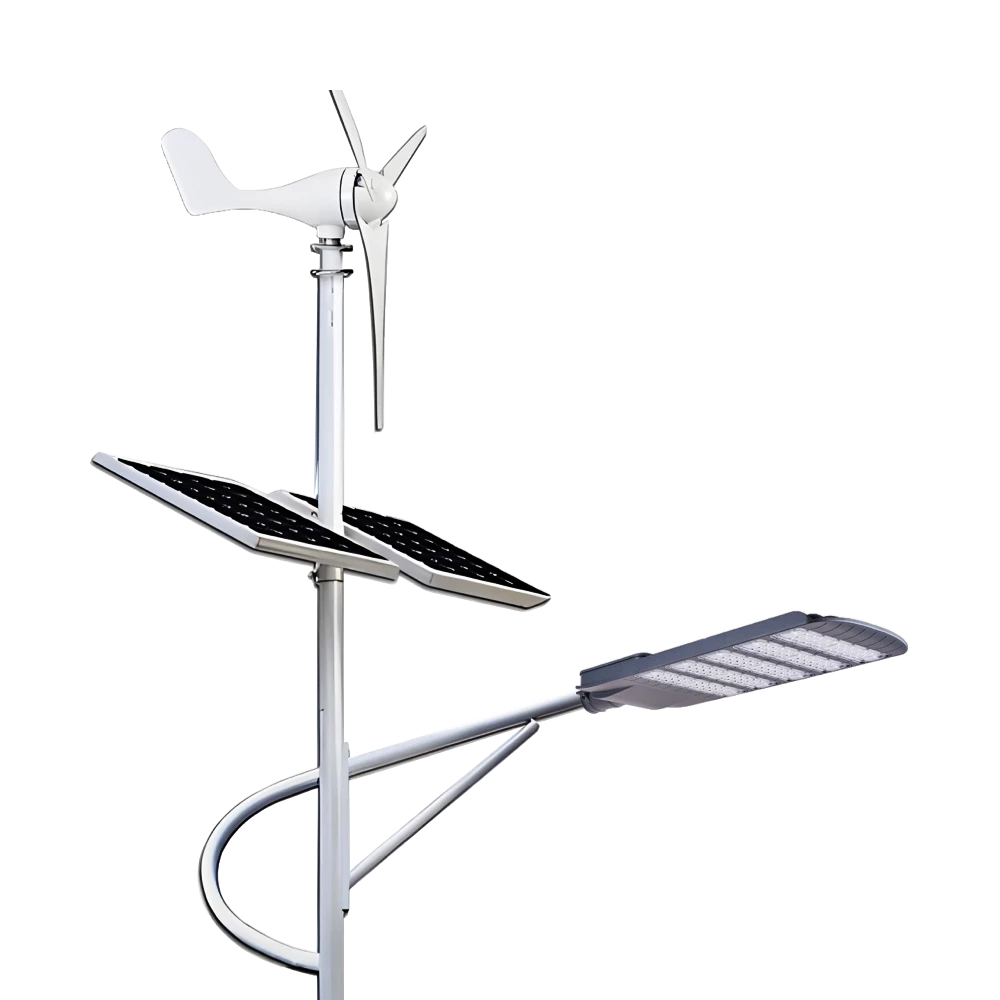
Queneng Lufeng Wind Energy LED Outdoor Solar Street Lights offer high-performance, eco-friendly illumination. These energy-efficient LED street lights harness solar power and wind energy for sustainable, cost-effective outdoor lighting solutions.
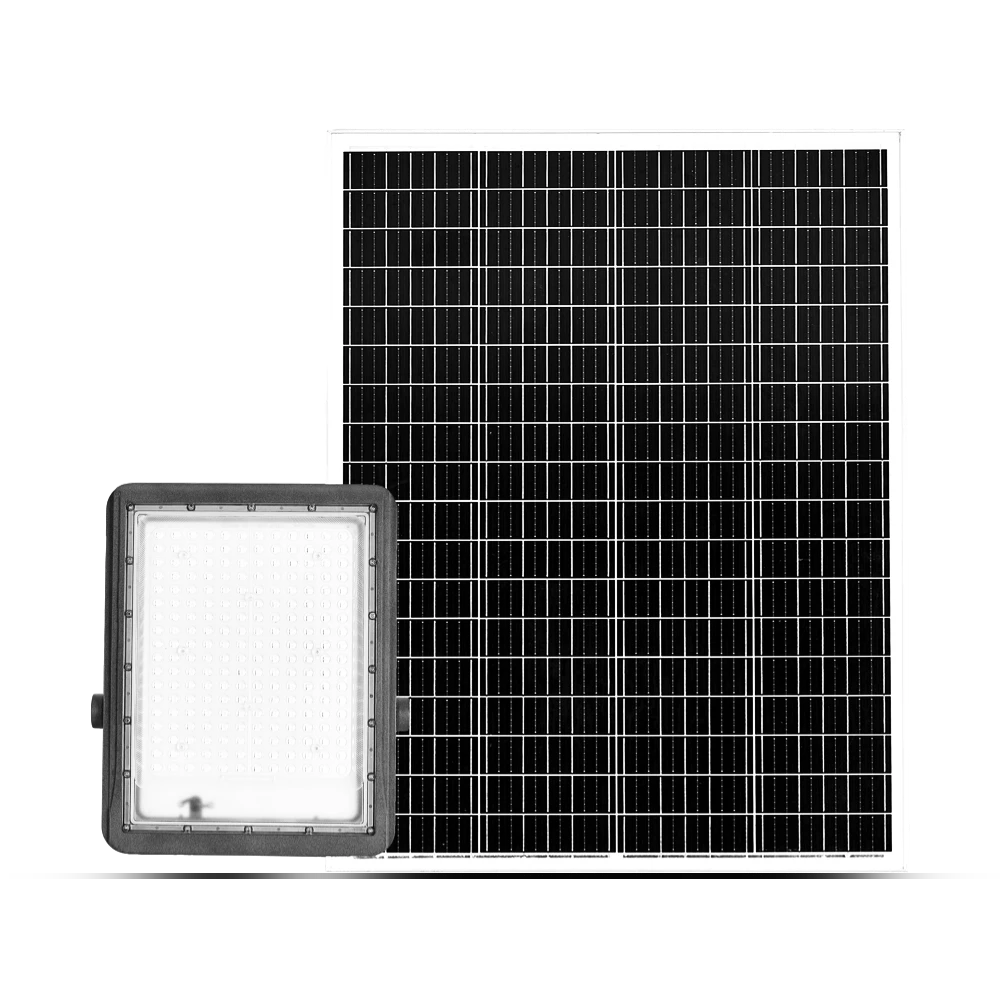
Queneng's Luxian Reliable Solar Street Light offers energy-saving LED lighting for outdoor use. This durable, solar-powered street light provides reliable illumination, reducing energy costs and environmental impact. A perfect solution for sustainable outdoor lighting.
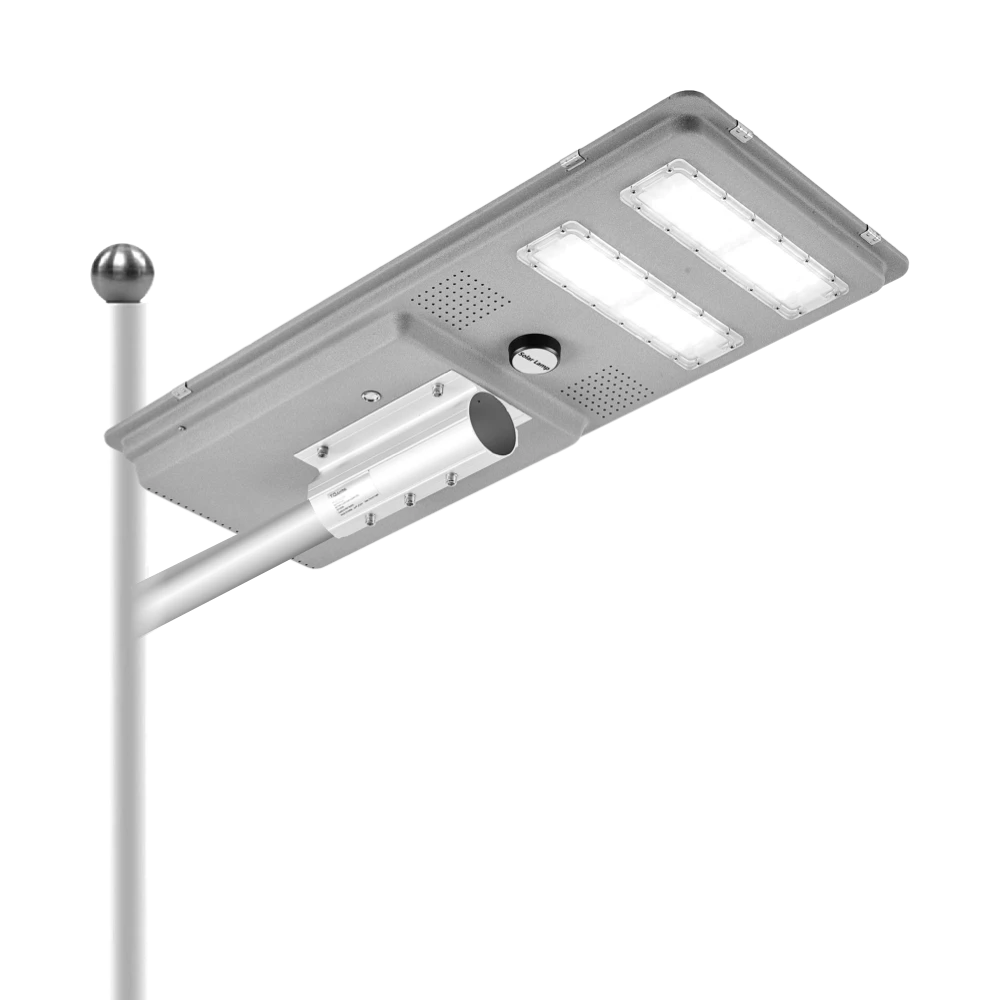
Queneng’s Solar Street Lights are designed to provide reliable, energy-efficient lighting for streets, parks, and other outdoor spaces.
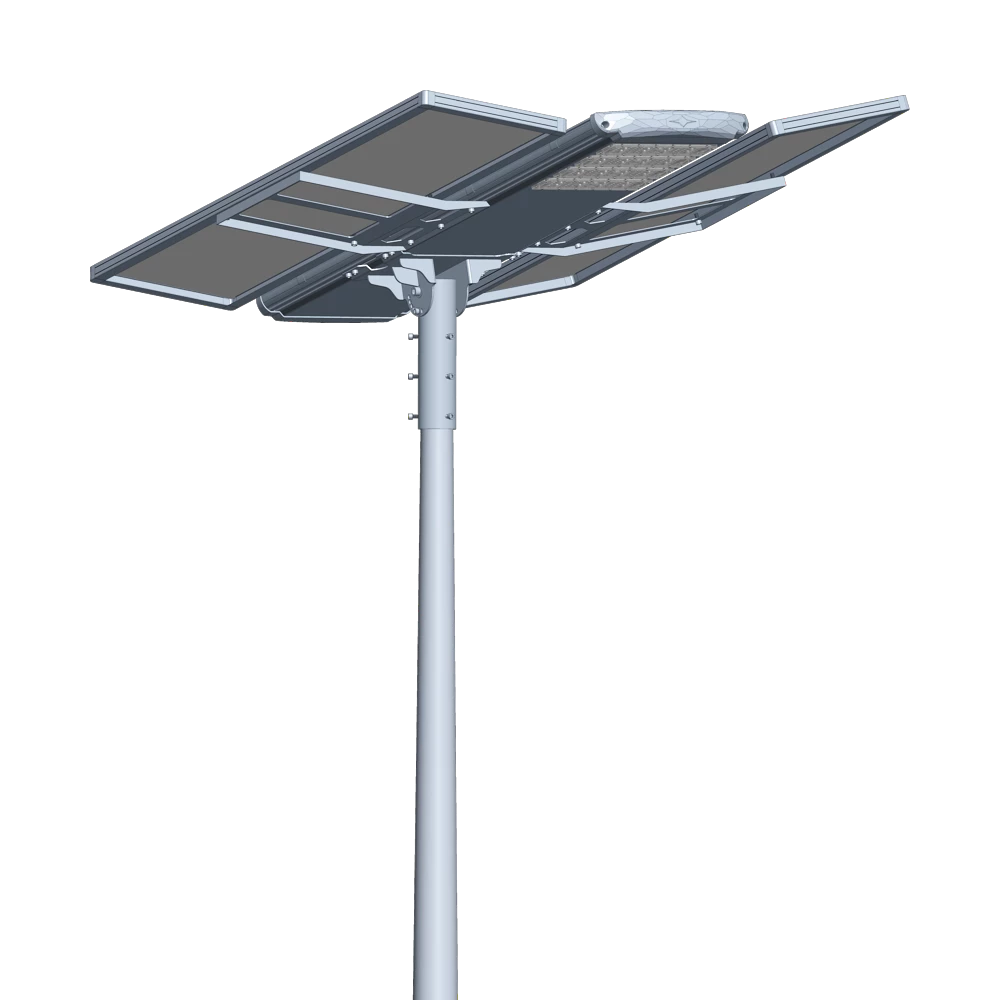
Introducing the Luqing Solar Street Light by Queneng, Efficient LED lighting powered by solar energy is perfect for illuminating outdoor areas. Harness the power of solar energy for sustainable, reliable street lighting. Ideal for eco-friendly, cost-effective outdoor illumination solutions.
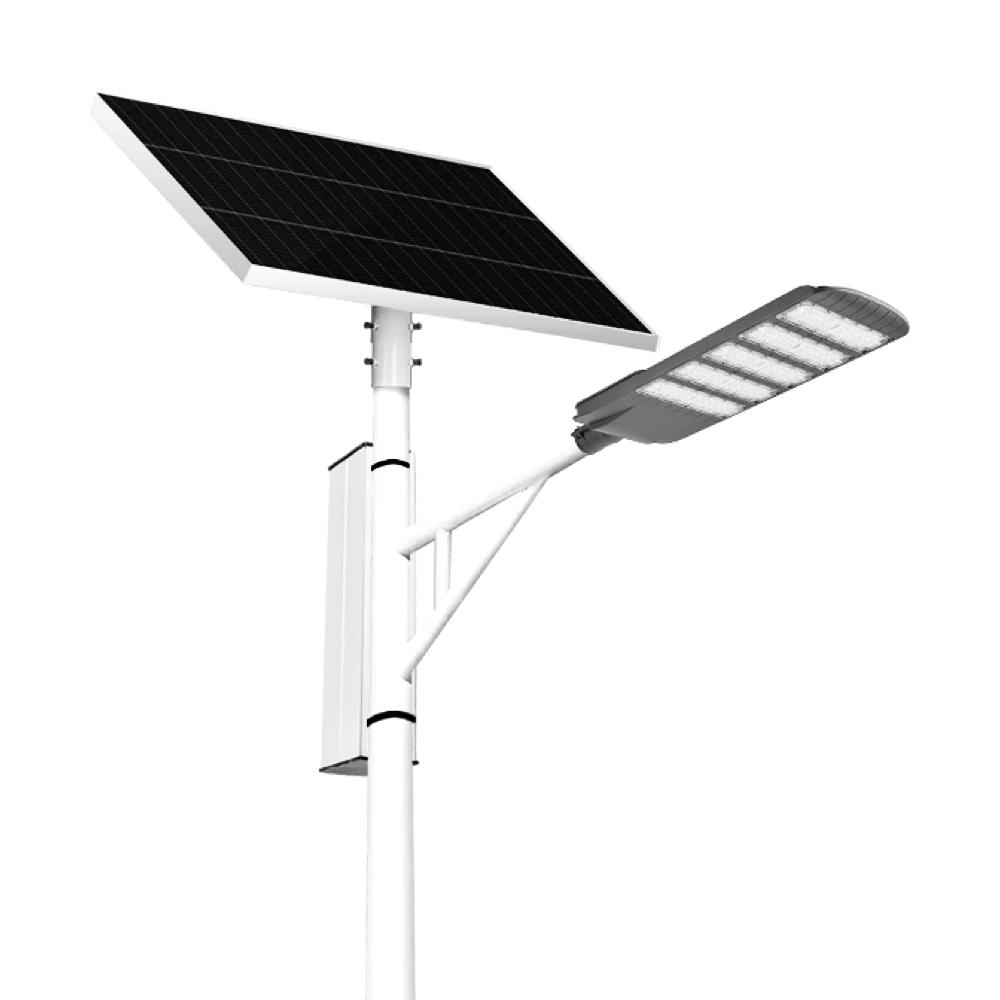
The Solar Streetlights of Luhao for Municipalities are designed to deliver reliable, energy-efficient, and cost-effective public lighting solutions. Equipped with advanced LED technology, durable lithium batteries, and high-efficiency solar panels, these streetlights provide consistent illumination for roads, parks, residential areas, and government projects.
If you would like more information about Queneng solar lighting solutions, please send us a message by filling out the form below. Our professional team will get back to you within 24 hours!
Rest assured that your privacy is important to us, and all information provided will be handled with the utmost confidentiality.
Schedule a Meeting
Book a date and time that is convenient for you and conduct the session in advance.
Have more questions about our products or services?
The messenger of light & power conversion
Environmental protection and intelligent manufacturing are our brand philosophy, and quality assurance and the best user experience are our eternal promises to users.
CONTACT
No.9F, Building F, Cao San Xin Tian Hong Logistics Park, Guzhen Town, Zhongshan City, Guangdong Province, China.
or write [email protected]
WhatsApp: +86 136 2270 1011


