














How to calculate ROI for your solar street lights?
Navigating the World of Solar Street Lights: Costs, ROI, and Smart Procurement
Solar street lights are rapidly becoming the preferred lighting solution for various applications, from public roads and parks to industrial facilities and remote areas. Their eco-friendliness, energy independence, and long-term cost savings make them an attractive investment. However, navigating the market requires a solid understanding of costs, technical specifications, and return on investment. This guide addresses common questions and professional knowledge crucial for smart procurement in the split solar street light industry.
What is the average cost of solar street lights, and what factors influence it?
The cost of solar street lights can vary significantly, generally ranging from $200 to $2,500 USD per unit, with high-end commercial or specialized solutions exceeding this range. This wide variance is due to several key factors:
- Wattage and Lumen Output: Higher brightness (lumens) and power (watts) require larger solar panels, more powerful batteries, and more robust LED fixtures, increasing the cost. For example, a 30W residential light might be at the lower end, while a 120W commercial light for a main road will be significantly more expensive.
- Battery Type and Capacity: Lithium Iron Phosphate (LiFePO4) batteries are standard for their longevity and performance but are more expensive than older lead-acid options. Larger battery capacity (measured in Ah or Wh) provides longer autonomy (days of backup power during cloudy weather) and increases cost. A typical battery capacity for a commercial solar street light could range from 100-300Wh.
- Solar Panel Size and Efficiency: Larger wattage solar panels (e.g., 60W, 120W) are needed to charge higher-capacity batteries, especially in regions with lower solar irradiance. Monocrystalline panels, while more efficient, tend to be pricier than polycrystalline panels.
- Pole Height and Material: The pole itself is a significant cost component. Taller poles (e.g., 6-12 meters or 20-40 feet) and materials like galvanized steel or aluminum alloy contribute to the overall price.
- Smart Features: Integrated smart controls (PIR sensors, motion detection, dimming, remote monitoring, IoT connectivity) add to the cost but enhance energy efficiency and functionality.
- Brand and Manufacturer: Reputable manufacturers with extensive R&D and quality assurance processes often command higher prices but offer better reliability and warranty.
- Quantity and Project Scale: Bulk purchases for large projects can often benefit from volume discounts.
- Installation and Shipping: These are often separate costs but must be factored into the total project budget.
All-in-One vs. Split Solar Street Lights: Which is better for my project?
The choice between all-in-one (integrated) and split solar street lights depends on specific project requirements, budget, and environmental conditions.
All-in-One Solar Street Lights:
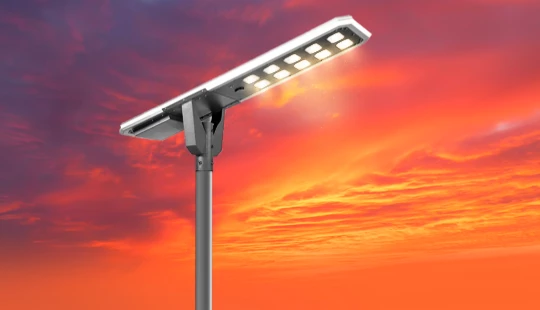
- Design: The solar panel, battery, LED lamp, and controller are all integrated into a single compact unit, typically mounted directly on the pole.
- Pros: Extremely easy and quick to install (often requiring only a few bolts), lower installation costs, aesthetically streamlined design, less susceptible to theft of individual components. Ideal for projects where quick deployment and minimal civil works are priorities.
- Cons: Less flexibility in panel orientation (panel direction is fixed with the light), potential for overheating in very hot climates if not designed properly (battery and controller are close to the LED heat source), limited battery and panel size options for very high power requirements, less efficient heat dissipation for the battery due to integrated design, which can slightly shorten battery life in extreme conditions.
- Ideal for: Residential streets, parks, pathways, small parking lots, remote rural areas with limited access to skilled labor.
Split Solar Street Lights:
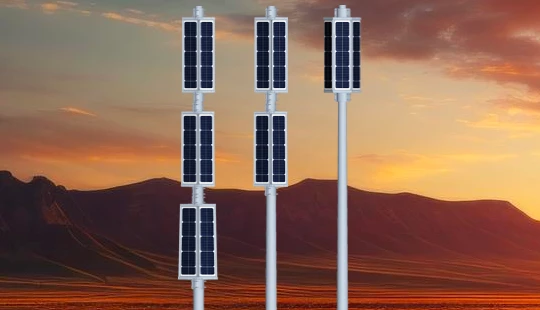
- Design: The solar panel, battery, and LED lamp are separate components. The solar panel is typically mounted on top of the pole or a separate structure, the battery is housed in a box (either on the pole or buried underground), and the LED lamp is mounted on the arm.
- Pros: Greater flexibility in panel orientation (can be angled for optimal sun exposure), better heat dissipation for the battery (especially if underground or in a separate box), allows for larger battery capacities and solar panels for higher power applications or longer autonomy, more robust and customizable for demanding commercial or industrial projects.
- Cons: More complex and costly installation (requires wiring, separate mounting for components, potentially civil works for underground batteries), higher risk of component theft due to separate units.
- Ideal for: Main roads, highways, industrial areas, large parking lots, projects requiring high illumination levels, long autonomy, or in regions with challenging solar conditions, and applications prioritizing maximum performance and longevity.
How do I calculate the Return on Investment (ROI) for solar street lights?
Calculating the ROI for solar street lights involves comparing the initial investment against the savings generated over time. The basic formula for ROI is:
ROI = (Net Benefits - Total Investment Cost) / Total Investment Cost * 100%
Here's how to break down the calculation:
Total Investment Cost:
- Cost of solar street lights (units, poles, fixtures).
- Installation costs (labor, equipment, civil works if applicable).
- Shipping and customs duties.
- Any initial maintenance tools or spare parts.
Net Benefits (Annual Savings):
- Electricity Bill Savings: This is the most significant saving. Calculate the annual electricity consumption of a traditional grid-powered street light (Wattage × Hours of Operation × 365 days / 1000) and multiply by your local electricity rate. Solar street lights eliminate this cost.
- Trenching and Wiring Savings: For new installations in remote areas, avoiding the cost of extending grid power (trenching, cabling, transformers) can be substantial. This is a one-time saving but critical for ROI.
- Reduced Maintenance Costs: While solar lights require some maintenance (e.g., cleaning panels), they eliminate bulb replacements and complex electrical fault finding associated with grid lights. Modern LED solar lights have very long lifespans (50,000-100,000 hours).
- Government Incentives/Rebates: Many regions offer tax credits, grants, or rebates for renewable energy projects, which can significantly reduce the net investment cost.
- Environmental Benefits (Monetary Value): While harder to quantify directly, reducing carbon footprint can have indirect monetary benefits (e.g., carbon credits).
Payback Period: Another useful metric is the payback period, which is the time it takes for the savings to equal the initial investment. It's calculated as:
Total Investment Cost / Annual Net Savings. Typical payback periods for solar street lights can range from 3 to 7 years, depending heavily on grid electricity costs and the efficiency of the solar system.
What are the key technical specifications to consider when purchasing solar street lights?
Professional buyers need to look beyond just the price tag. Key technical specifications dictate performance, reliability, and longevity:
Lumen Output and Luminous Efficacy (lm/W): Lumens indicate brightness. Luminous efficacy (lumens per watt) measures how efficiently the LED converts electricity into light. Higher efficacy means more light for less power, requiring smaller batteries and panels. Typical commercial street lights range from 3,000 to 15,000+ lumens.
Color Temperature (CCT): Measured in Kelvin (K). Warm white (2700K-3000K) is often preferred for aesthetic purposes in parks, while cool white (5000K-6500K) offers better visibility for roads and security areas. Most street lighting falls into the 4000K-5700K range.
Battery Type and Capacity: As discussed, LiFePO4 (Lithium Iron Phosphate) batteries are highly recommended due to their long cycle life (2,000-4,000 cycles), safety, and stable performance across a wide temperature range. Capacity (Ah or Wh) determines autonomy days.
Solar Panel Efficiency and Wattage: Monocrystalline silicon panels typically offer 18-22% efficiency, maximizing energy harvest in smaller footprints. Panel wattage should be appropriately sized to the battery and LED load, often 1.5-2 times the LED power to ensure sufficient charging.
Charge Controller: MPPT (Maximum Power Point Tracking) controllers are superior to PWM (Pulse Width Modulation) controllers. MPPT controllers can increase charging efficiency by 15-30%, especially in varying weather conditions, extending battery life and improving overall system performance.
IP Rating: Ingress Protection (IP) rating indicates resistance to dust and water. For outdoor street lights, an IP rating of IP65 or higher is essential to withstand harsh weather conditions.
Wind Resistance: The pole and fixture design must be rated to withstand local wind speeds, especially in coastal or windy regions.
Operating Temperature Range: Ensure the system components (especially the battery) can operate reliably within the expected ambient temperature range of the installation site.
What is the expected lifespan and maintenance requirement for solar street lights?
Modern solar street lights are designed for long-term, low-maintenance operation:
LED Lamp: High-quality LED chips typically have a lifespan of 50,000 to 100,000 operating hours, translating to 10-20 years of continuous use (assuming 10-12 hours of operation per night).
LiFePO4 Battery: These batteries generally last 8 to 10+ years, or 2,000 to 4,000 charge cycles, before their capacity degrades to 80% of the original. Proper charging, temperature management, and avoidance of deep discharge extend their life.
Solar Panel: Solar panels are highly durable, with a typical lifespan of 20-25 years. Their performance degrades gradually by about 0.5% per year. Most manufacturers offer a 25-year linear power output warranty.
Controller and Housing: These components are generally designed to last 10-15 years or more, protected by robust enclosures.
Maintenance Requirements:
- Periodic Cleaning: Solar panels should be cleaned every 6-12 months (or more frequently in dusty environments) to remove dirt, dust, and debris that can reduce charging efficiency.
- Visual Inspection: Annually inspect for loose connections, damaged wiring, physical damage to the panel or fixture, and ensuring the pole is stable.
- Battery Monitoring: For advanced systems, monitor battery health and performance. Replacement is typically required after 8-10 years.
- Software Updates: For smart systems, occasional firmware updates might be needed.
How do I choose a reliable Solar Street Light Manufacturer?
Selecting the right manufacturer is paramount for product quality, performance, and long-term support:
Experience and Track Record: Look for manufacturers with several years of experience in solar street lighting, a strong portfolio of completed projects, and positive client testimonials.
R&D and Innovation: A reputable manufacturer invests in research and development to offer efficient, durable, and smart solutions, keeping up with technological advancements (e.g., higher efficiency LEDs, advanced MPPT controllers, IoT capabilities).
Quality Certifications: Ensure the manufacturer complies with international quality standards such as ISO 9001 (Quality Management System), ISO 14001 (Environmental Management System), and product-specific certifications like CE, RoHS, TUV, IEC for components (LED, battery, solar panel).
Component Sourcing: Inquire about the source and brand of key components (LED chips, batteries, solar cells, controllers). Reputable brands for these components indicate higher quality and reliability.
Manufacturing Process and QC: A transparent manufacturing process with stringent quality control (QC) at every stage (from raw materials to final assembly and testing) is crucial. Ask about their testing procedures (e.g., aging tests, vibration tests, IP rating tests).
Customization Capabilities: Can they tailor solutions to your specific project needs (e.g., lumen output, pole height, autonomy days, special features)?
Warranty and After-Sales Support: A strong warranty policy and responsive customer service are indicators of a manufacturer's confidence in their product and commitment to client satisfaction. This leads to the next question.
What kind of warranty and after-sales support should I expect?
A comprehensive warranty and reliable after-sales support are critical for peace of mind and protecting your investment:
Standard Warranty Periods:
- Overall System: Typically 3 to 5 years.
- LED Fixture: Often 5 years, with some manufacturers offering up to 7-10 years.
- Solar Panel: Often comes with a 10-12 year product warranty and a 20-25 year linear power output warranty (guaranteeing a certain percentage of original power output after 20-25 years, e.g., 80%).
- Battery (LiFePO4): Typically 3 to 5 years, sometimes extending to 7 years for high-quality batteries in well-managed systems.
- Controller: Generally 3 to 5 years.
Warranty Coverage: Understand what the warranty covers (e.g., manufacturing defects, material failures) and what it excludes (e.g., damage from natural disasters, improper installation, unauthorized modifications).
After-Sales Support:
- Technical Assistance: Availability of skilled technicians to troubleshoot issues remotely or on-site.
- Spare Parts Availability: Ensure the manufacturer can supply spare parts for a reasonable period (e.g., 5-10 years) after your purchase.
- Installation and Maintenance Guides: Comprehensive documentation and sometimes even training for your local installation team.
- Responsive Communication: A manufacturer that provides clear, timely, and effective communication for any inquiries or issues.
Service Level Agreement (SLA): For large projects, consider negotiating an SLA that defines response times for support requests and replacement part delivery.
Why Choose Queneng Lighting for Your Solar Street Light Needs?
When it comes to reliable, high-performance solar street lighting solutions, Queneng Lighting stands out as a premier manufacturer. With a strong commitment to innovation, quality, and customer satisfaction, Queneng Lighting offers a range of advantages for your procurement needs:
- Expertise and Experience: Leveraging years of dedicated experience in solar lighting, Queneng Lighting possesses deep industry knowledge, ensuring optimal solutions for diverse projects.
- Cutting-Edge Technology: Queneng Lighting integrates advanced technologies, including high-efficiency monocrystalline solar panels, long-life LiFePO4 batteries, and smart MPPT charge controllers, delivering superior performance and energy savings.
- Robust Quality Control: Adhering to stringent international quality standards (ISO 9001, CE, RoHS), every product undergoes rigorous testing, guaranteeing durability and reliability in harsh environmental conditions.
- Flexible Solutions: Whether you require compact all-in-one units for rapid deployment or robust split systems for high-power, customized applications, Queneng Lighting offers a comprehensive portfolio designed to meet specific project demands.
- Exceptional ROI: By prioritizing efficiency and longevity, Queneng Lighting's products are engineered to provide a faster return on investment through significant electricity savings and minimal maintenance.
- Dedicated After-Sales Support: Queneng Lighting is committed to providing excellent customer service, offering comprehensive warranties, readily available spare parts, and expert technical assistance to ensure the smooth operation of your solar lighting systems for years to come.
Partner with Queneng Lighting for sustainable, reliable, and cost-effective solar street lighting solutions that illuminate your investment and secure a brighter future.
References and Data Sources:
- Solar Street Light Cost Ranges: Based on industry averages and market research for 2023-2024. (General industry knowledge)
- Battery Lifespan (LiFePO4) & LED Lifespan: Industry standards for high-quality components. (General industry knowledge)
- Solar Panel Efficiency & Degradation: Typical specifications for monocrystalline panels. (General industry knowledge)
- ROI and Payback Period Factors: Standard economic principles applied to renewable energy projects. (General industry knowledge)
- MPPT Controller Efficiency: Recognized industry improvement over PWM. (General industry knowledge)
- IP Ratings: IEC 60529 standard. (General industry knowledge)
- Warranty Periods: Common ranges offered by reputable manufacturers in the solar lighting industry. (General industry knowledge)

Have more questions about our products or services?
The latest hot news you might like
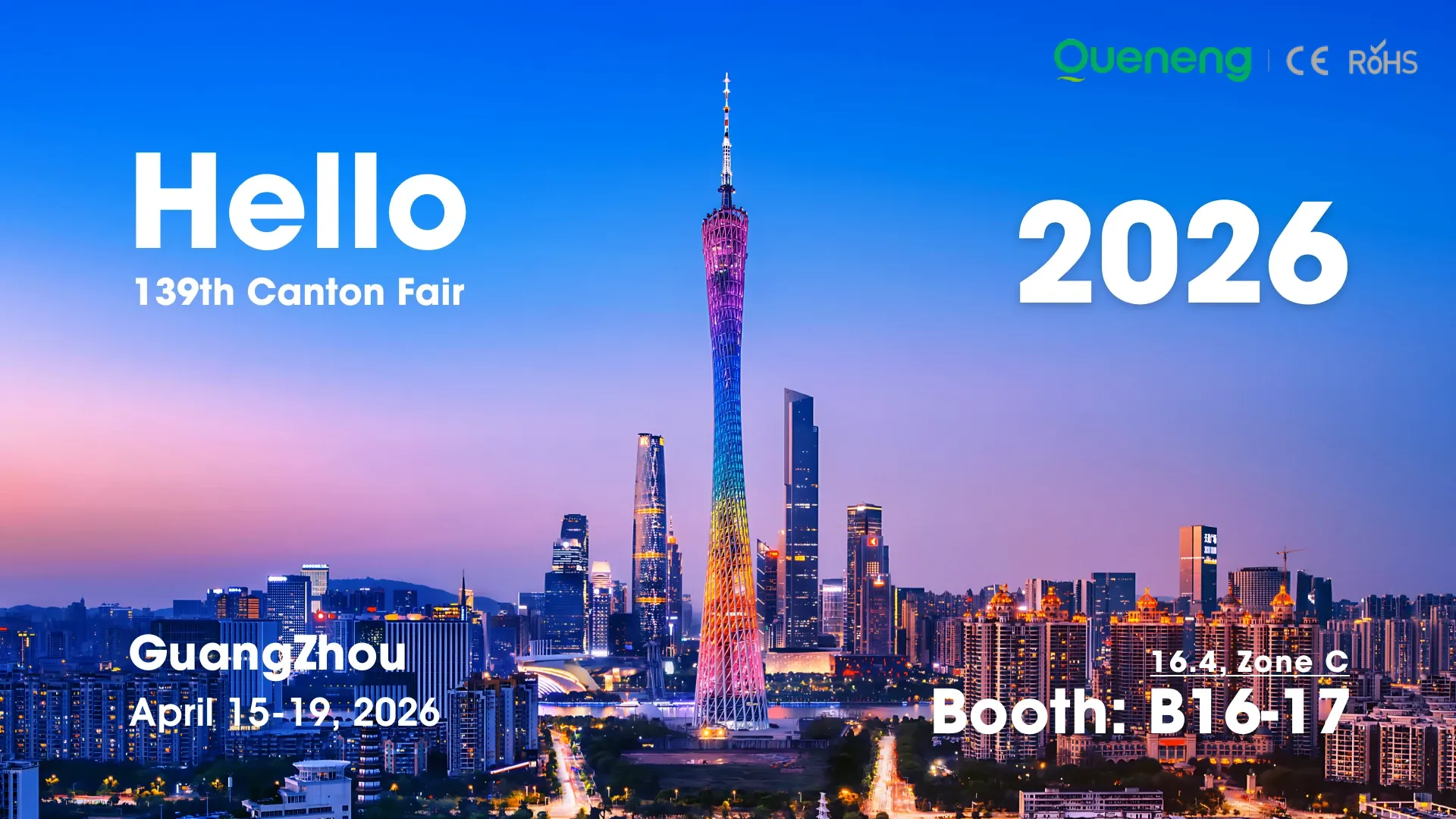
As the global demand for sustainable infrastructure rises, Queneng Lighting is proud to announce its participation in the 139th China Import and Export Fair (Canton Fair), held from April 15th to 19th, 2026, in Guangzhou.
For over 13 years, Queneng has been at the forefront of the solar lighting industry, providing high-efficiency solutions for infrastructure contractors, municipal developers, and EPC companies worldwide. This year, we are bringing our most advanced technology yet to the international stage.

Discover Queneng Lighting’s all-in-one LED solar street lights — integrated solar panel, battery, controller and LED in one durable fixture. Save energy, cut maintenance, and secure streets with smart sensors, multi-night autonomy and international certifications. Contact sales for quotes and support.

Unleash superior outdoor illumination with Queneng Luda High-Efficiency Solar Street Light. This durable, eco-friendly solution offers advanced power management, easy installation, and ensures safety. Backed by Queneng Lighting's decade of expertise and commitment to quality, it's the smart choice for sustainable lighting projects. Learn why we're a leading solar solutions provider.

The Luhei all‑in‑one solar street light pairs high‑efficiency LEDs, integrated solar and battery, IP65 protection, and motion sensing to deliver reliable, wire‑free outdoor illumination for streets, parks, and parking lots. Backed by Queneng Lighting’s certifications and support.
FAQ
Remote Areas Rural Development
What kind of after-sales support do you provide for rural projects?
We offer remote monitoring, regular maintenance schedules, and technical support for all installed systems.
Distributors
Do you offer product training for distributors?
Yes, we provide in-depth product training, both online and in-person (when applicable), to ensure that you and your team are fully equipped with the knowledge needed to sell and support Queneng’s solar products.
Battery and Analysis
What are the possible causes of zero or low voltage in a battery pack?
2) The plug is short-circuited, broken, or poorly connected to the plug;
3) The leads are desoldered and soldered to the battery;
4) The internal connection of the battery is incorrect, and there is missing, weak, or desoldering between the connecting piece and the battery;
5) The internal electronic components of the battery are incorrectly connected and damaged.
All-in-one solar street lights
Can these lights operate in rainy seasons?
Properly designed systems can work for several cloudy or rainy days continuously.
Tourist Attractions and Resorts
How long does it take to install solar lighting at a resort or tourist attraction?
The installation time for solar lighting systems is typically shorter than conventional electrical lighting. Depending on the size and complexity of the site, installation can usually be completed within a few days to a week.
Solar Street Light Lufeng
What type of LED technology does Lufeng solar street lights use?
Lufeng solar street lights use advanced LED technology, which provides bright, high-quality illumination while consuming less power compared to traditional street lights. LEDs are more energy-efficient, have a longer lifespan, and require less maintenance, making them ideal for outdoor lighting applications.
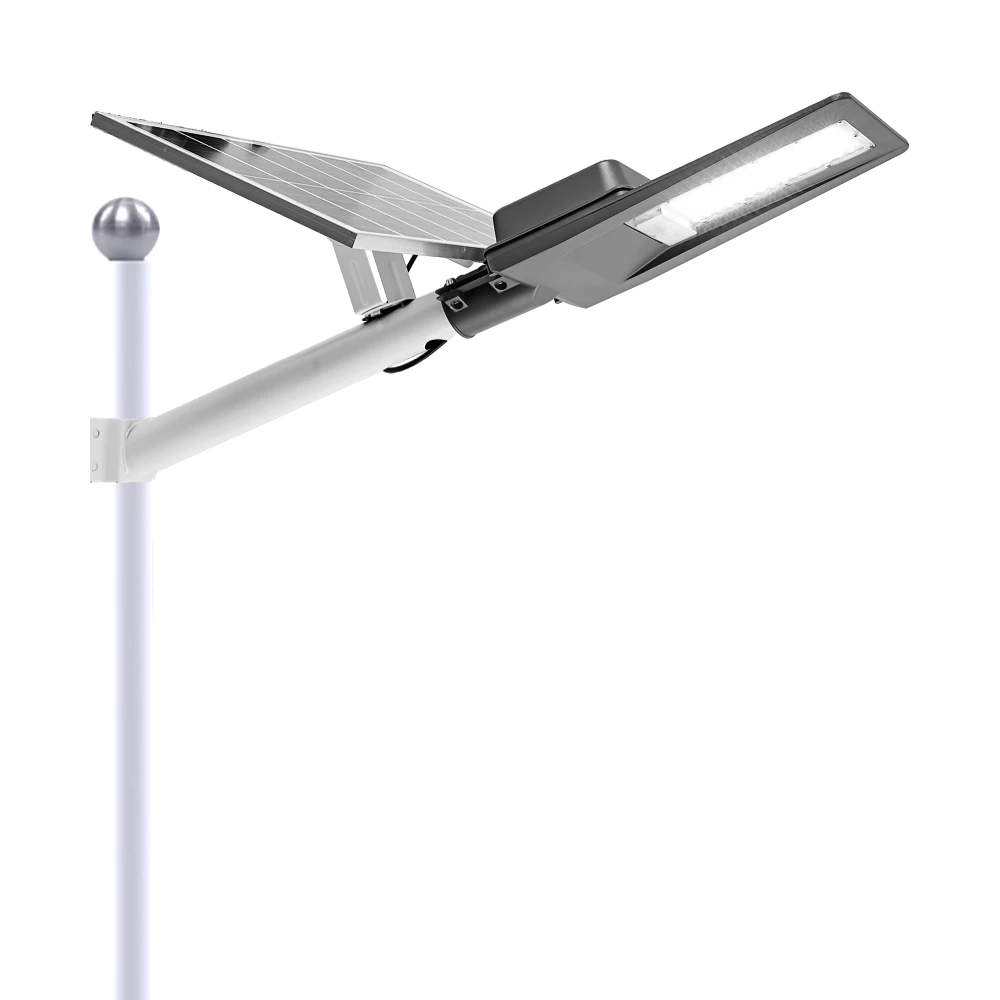
Experience reliable outdoor illumination with our smart solar street light, a perfect combination of advanced technology and eco-conscious design.
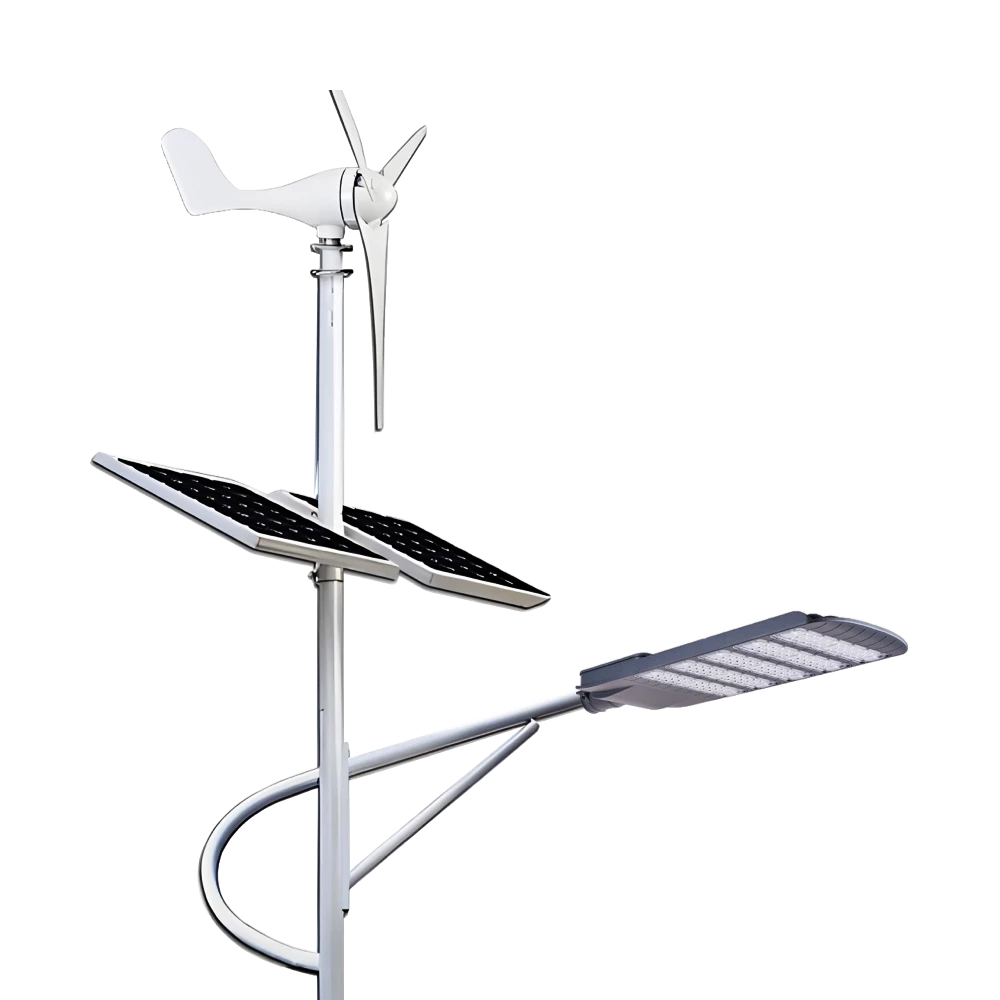
Queneng Lufeng Wind Energy LED Outdoor Solar Street Lights offer high-performance, eco-friendly illumination. These energy-efficient LED street lights harness solar power and wind energy for sustainable, cost-effective outdoor lighting solutions.
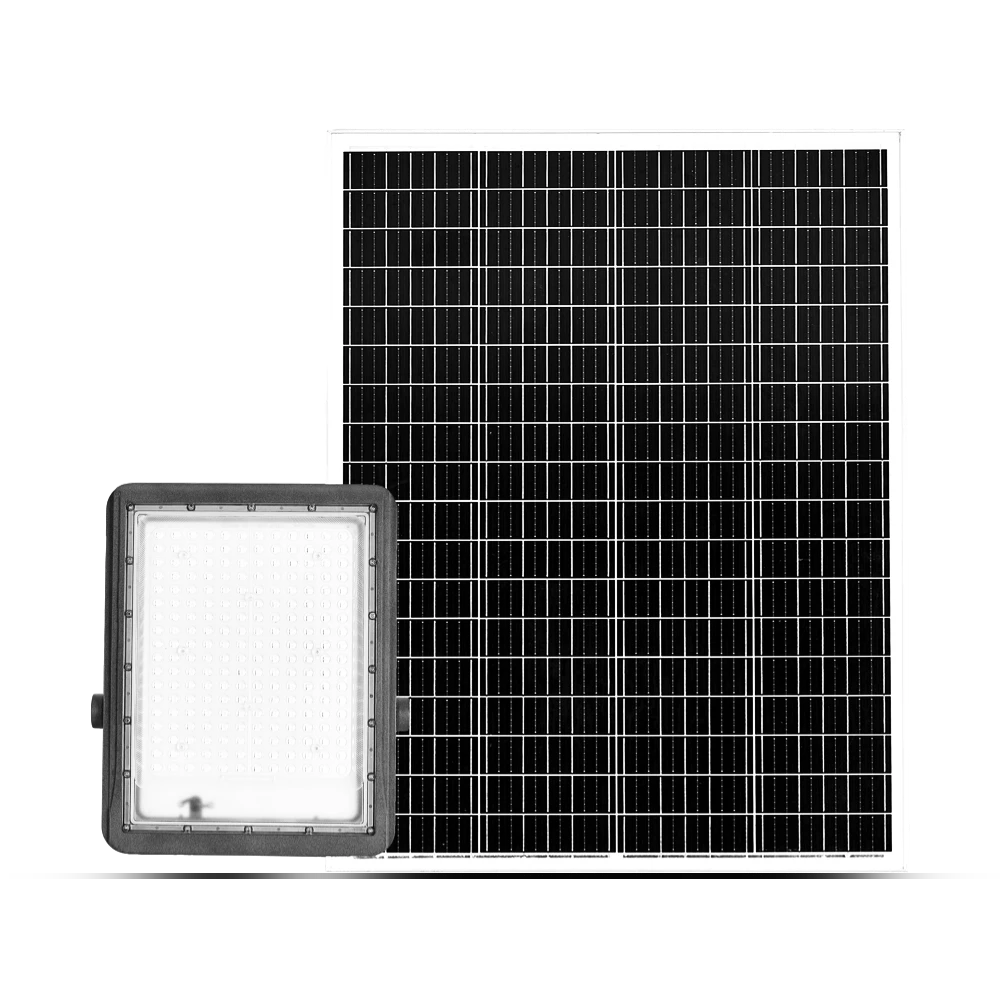
Queneng's Luxian Reliable Solar Street Light offers energy-saving LED lighting for outdoor use. This durable, solar-powered street light provides reliable illumination, reducing energy costs and environmental impact. A perfect solution for sustainable outdoor lighting.
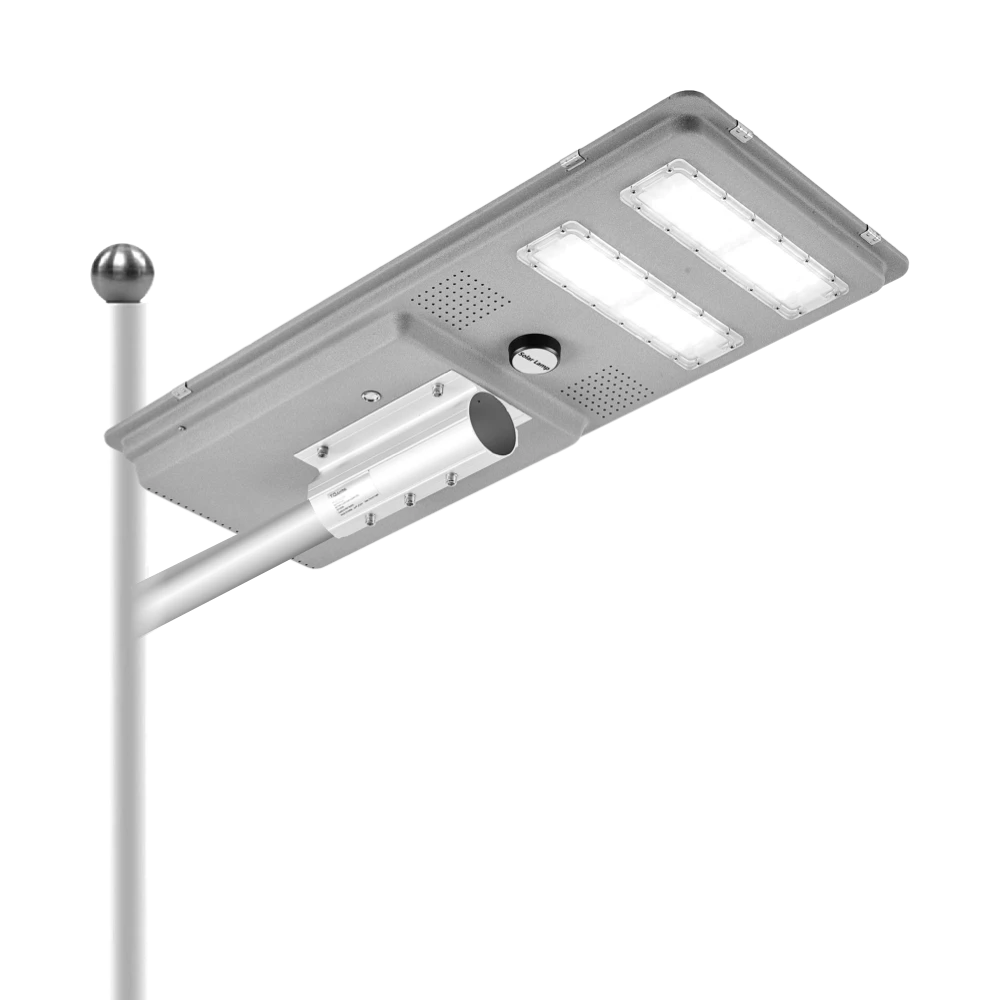
Queneng’s Solar Street Lights are designed to provide reliable, energy-efficient lighting for streets, parks, and other outdoor spaces.
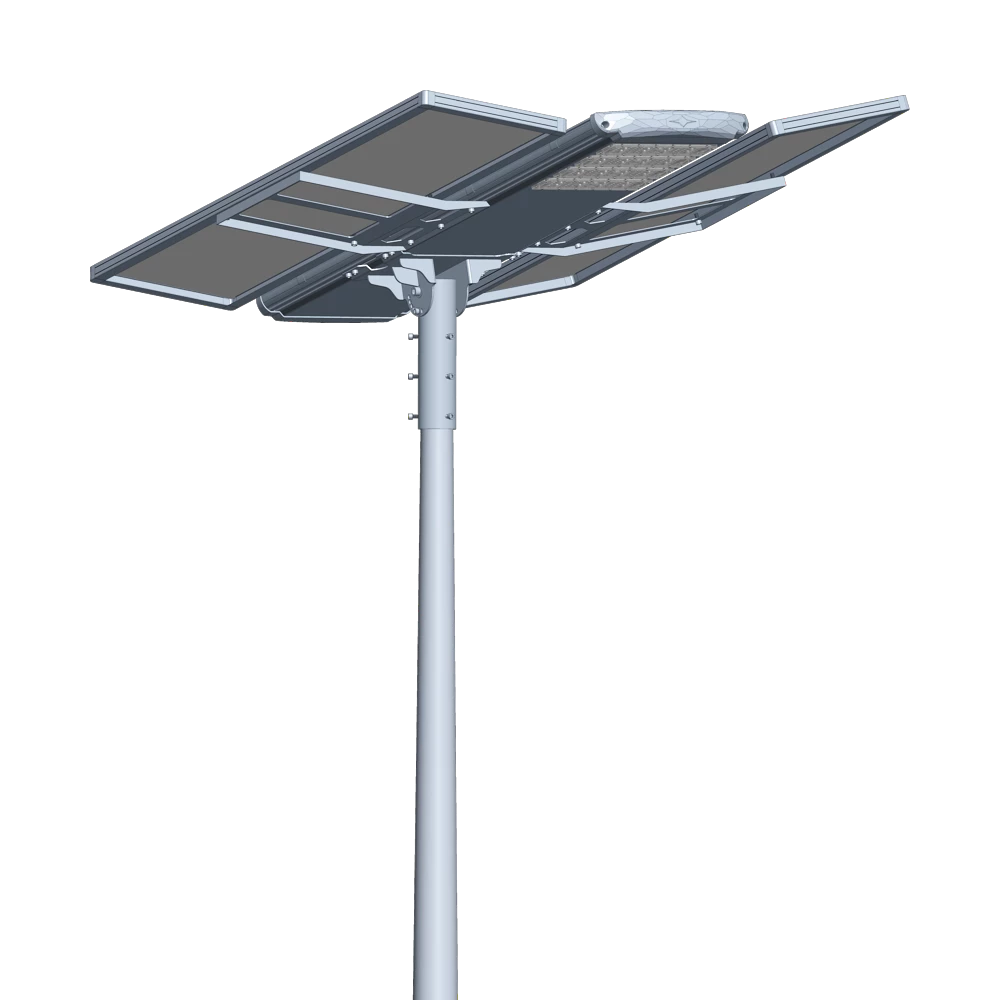
Introducing the Luqing Solar Street Light by Queneng, Efficient LED lighting powered by solar energy is perfect for illuminating outdoor areas. Harness the power of solar energy for sustainable, reliable street lighting. Ideal for eco-friendly, cost-effective outdoor illumination solutions.
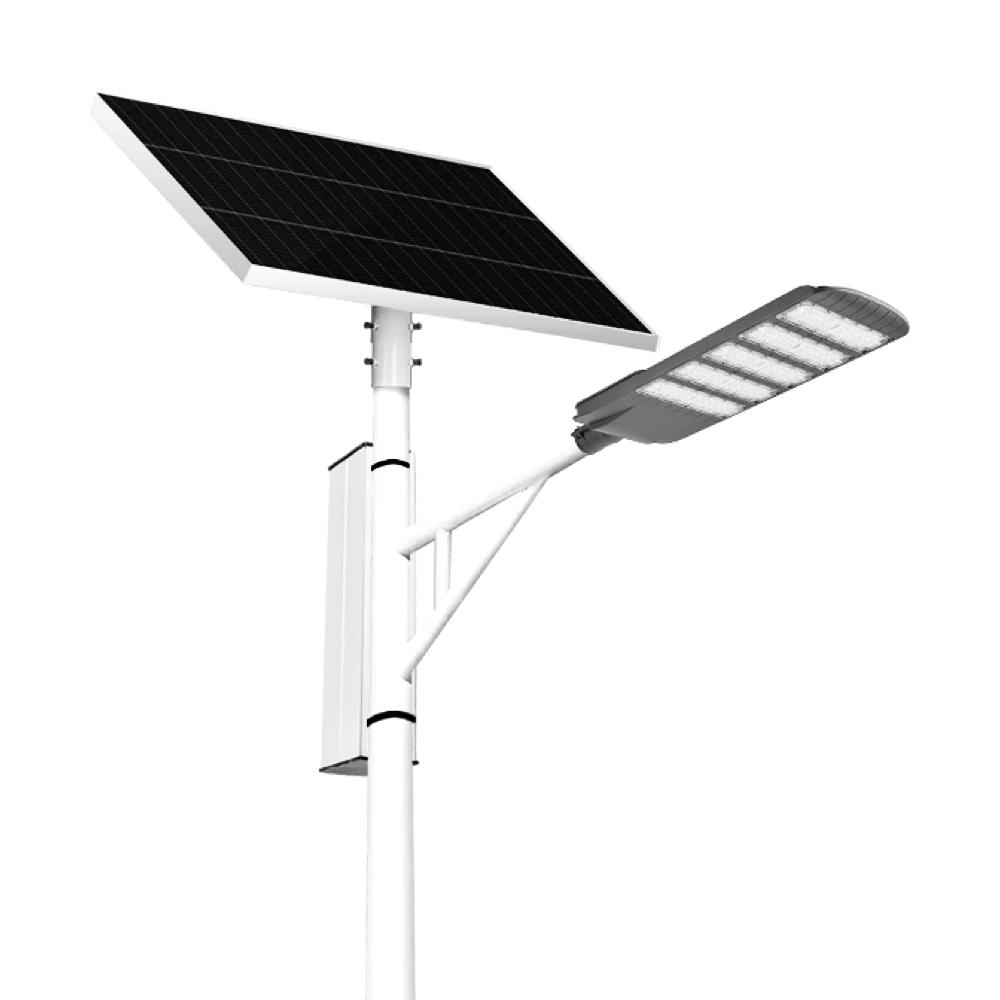
The Solar Streetlights of Luhao for Municipalities are designed to deliver reliable, energy-efficient, and cost-effective public lighting solutions. Equipped with advanced LED technology, durable lithium batteries, and high-efficiency solar panels, these streetlights provide consistent illumination for roads, parks, residential areas, and government projects.
If you would like more information about Queneng solar lighting solutions, please send us a message by filling out the form below. Our professional team will get back to you within 24 hours!
Rest assured that your privacy is important to us, and all information provided will be handled with the utmost confidentiality.
Schedule a Meeting
Book a date and time that is convenient for you and conduct the session in advance.
Have more questions about our products or services?
The messenger of light & power conversion
Environmental protection and intelligent manufacturing are our brand philosophy, and quality assurance and the best user experience are our eternal promises to users.
CONTACT
No.9F, Building F, Cao San Xin Tian Hong Logistics Park, Guzhen Town, Zhongshan City, Guangdong Province, China.
or write [email protected]
WhatsApp: +86 136 2270 1011


