













how to build a solar powered street light | Queneng Guide
How to Build a Solar Powered Street Light
1. System Design and Component Selection
The first step in building a solar-powered street light involves careful system design. This includes determining the required lighting intensity, operating hours, and location-specific environmental factors such as sunlight availability and ambient temperature.
1.1 Solar Panel Selection
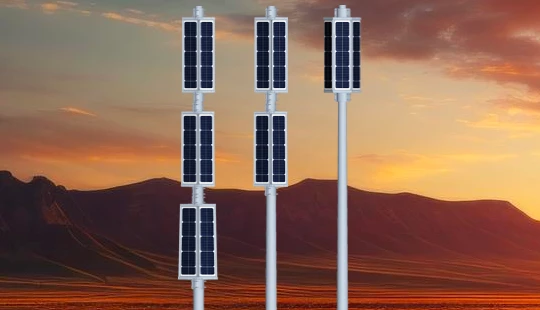
Choose solar panels with appropriate wattage and voltage ratings based on the calculated energy needs. Consider factors like efficiency, durability, and manufacturer warranties. Higher efficiency panels often justify the increased initial cost through long-term energy savings.
1.2 Battery Bank Sizing
Accurate battery sizing is crucial. Consider the desired backup time during periods of low sunlight. Factor in battery capacity, discharge rate, and depth of discharge (DOD) limits to ensure sufficient energy storage. Lithium-ion batteries are increasingly favored for their higher energy density and longer lifespan compared to lead-acid batteries.
1.3 Lighting Fixture Selection
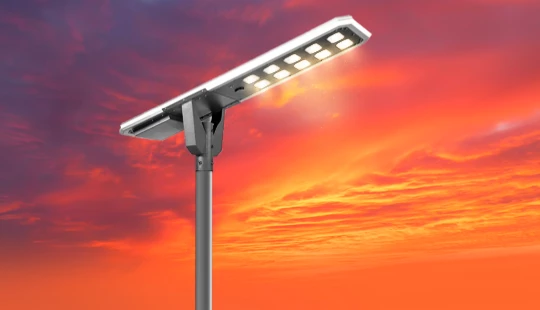
Select energy-efficient LED lighting fixtures. LEDs offer superior energy efficiency, longer lifespan, and improved light quality compared to traditional lighting technologies. Consider factors like lumen output, color temperature, and light distribution patterns.
1.4 Charge Controller Selection
A charge controller regulates the flow of solar energy into the battery bank, preventing overcharging and damage. Choose a controller with appropriate voltage and amperage ratings, and consider features like maximum power point tracking (MPPT) for enhanced efficiency.
2. System Assembly and Installation
Once components are selected, assemble the system according to the manufacturer's instructions. Pay close attention to wiring diagrams and safety precautions.
2.1 Wiring and Connections
Secure and weatherproof all wiring connections to prevent short circuits and ensure longevity. Use appropriate connectors and conduits to protect wiring from environmental elements.
2.2 Mounting and Installation
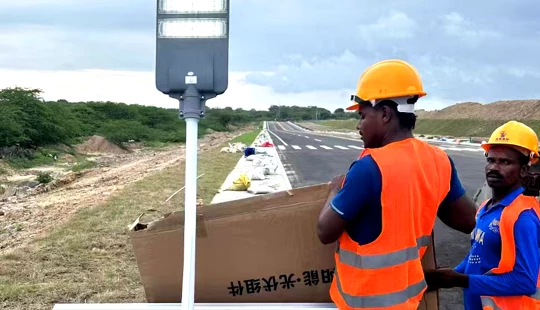
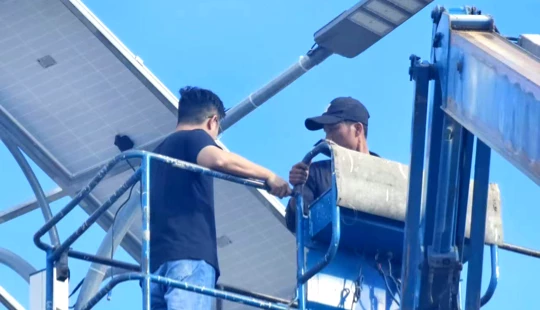
Proper mounting and installation are crucial for optimal solar panel performance and long-term system reliability. Ensure the solar panels are positioned for maximum sun exposure throughout the day. Securely mount the lighting fixture and battery bank at the designated location.
3. Testing and Commissioning
Before deploying the street light, conduct thorough testing to ensure all components are functioning correctly.
3.1 Functional Testing
Verify that the solar panels are charging the battery bank, the charge controller is regulating voltage correctly, and the lighting fixture illuminates as expected.
3.2 Performance Monitoring
Implement a system for monitoring system performance, such as measuring battery voltage and current, and recording daily energy generation. This will help identify potential issues and optimize system operation.
4. Maintenance and Troubleshooting
Regular maintenance is essential for optimal performance and longevity.
4.1 Periodic Inspection
Regularly inspect the system for loose connections, damaged wiring, or any signs of wear and tear. Clean solar panels to ensure maximum light absorption.
4.2 Troubleshooting
Develop a systematic approach to troubleshooting potential problems. Diagnose issues using readily available tools such as multimeters and voltage testers. Consult manufacturer's documentation and manuals as needed.

Have more questions about our products or services?
The latest hot news you might like

Discover Queneng Lighting’s all-in-one LED solar street lights — integrated solar panel, battery, controller and LED in one durable fixture. Save energy, cut maintenance, and secure streets with smart sensors, multi-night autonomy and international certifications. Contact sales for quotes and support.

Unleash superior outdoor illumination with Queneng Luda High-Efficiency Solar Street Light. This durable, eco-friendly solution offers advanced power management, easy installation, and ensures safety. Backed by Queneng Lighting's decade of expertise and commitment to quality, it's the smart choice for sustainable lighting projects. Learn why we're a leading solar solutions provider.

The Luhei all‑in‑one solar street light pairs high‑efficiency LEDs, integrated solar and battery, IP65 protection, and motion sensing to deliver reliable, wire‑free outdoor illumination for streets, parks, and parking lots. Backed by Queneng Lighting’s certifications and support.

FAQ
APMS system
How does the APMS system enhance battery life?
With its dual-system intelligent management mode, APMS reduces frequent charge-discharge cycles, optimizes energy usage, and significantly extends battery lifespan.
Tourist Attractions and Resorts
What is the lifespan of solar lighting systems for tourist attractions and resorts?
The lifespan of solar lighting systems typically ranges from 5 to 10 years, depending on the quality of the materials and the environment in which they are used. Proper maintenance can extend the lifespan significantly.
Public Gardens and Landscape Lighting
How long do solar-powered lights last in public spaces?
Our solar-powered lights are designed for durability and long-term use. The lights typically last for 5-10 years, depending on the quality of the solar panels and the local climate conditions. The batteries last around 2-3 years and can be replaced easily.
Commercial and Industrial Parks
Can your solar lights operate in extreme weather conditions?
Yes, our lights are designed to withstand harsh environments, including heavy rain, high winds, and extreme temperatures.
Battery fundamentals and basic terms
What are the main structural components of a NiMH battery?
Battery Types and Applications
What batteries will dominate the battery market?
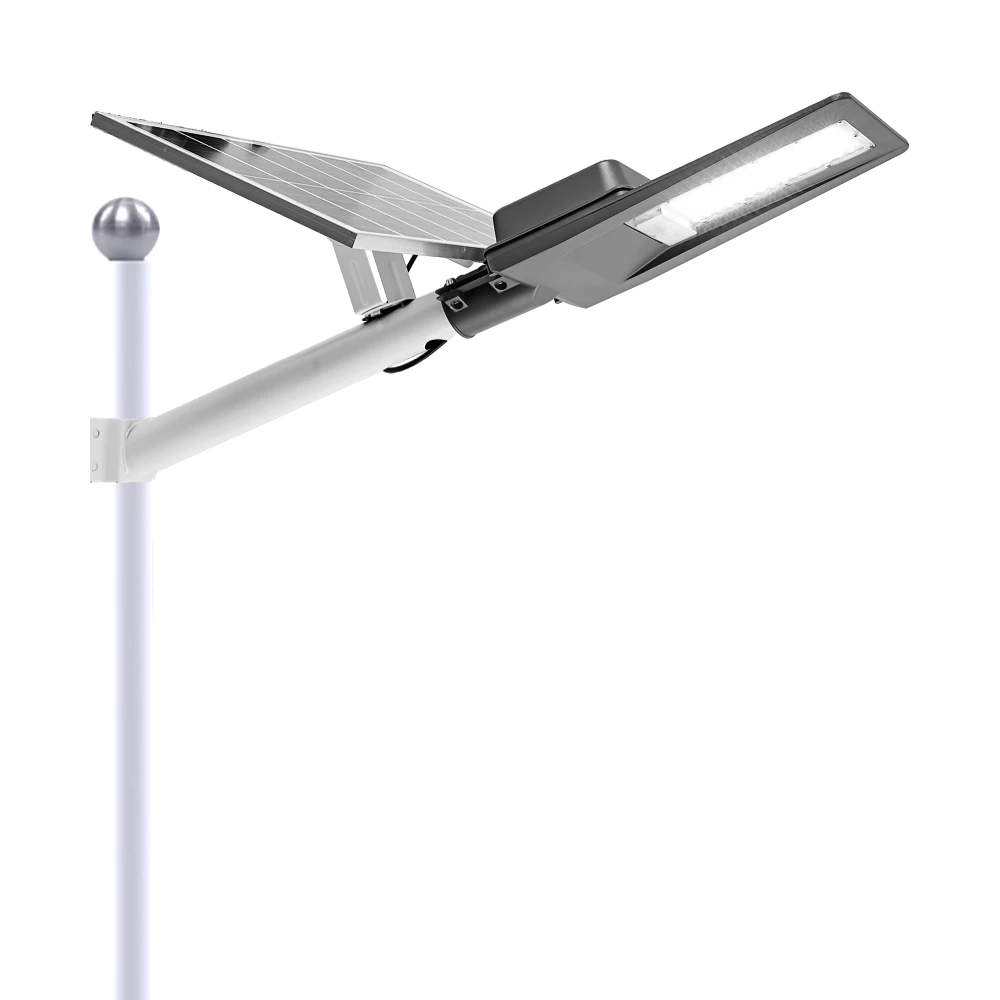
Experience reliable outdoor illumination with our smart solar street light, a perfect combination of advanced technology and eco-conscious design.
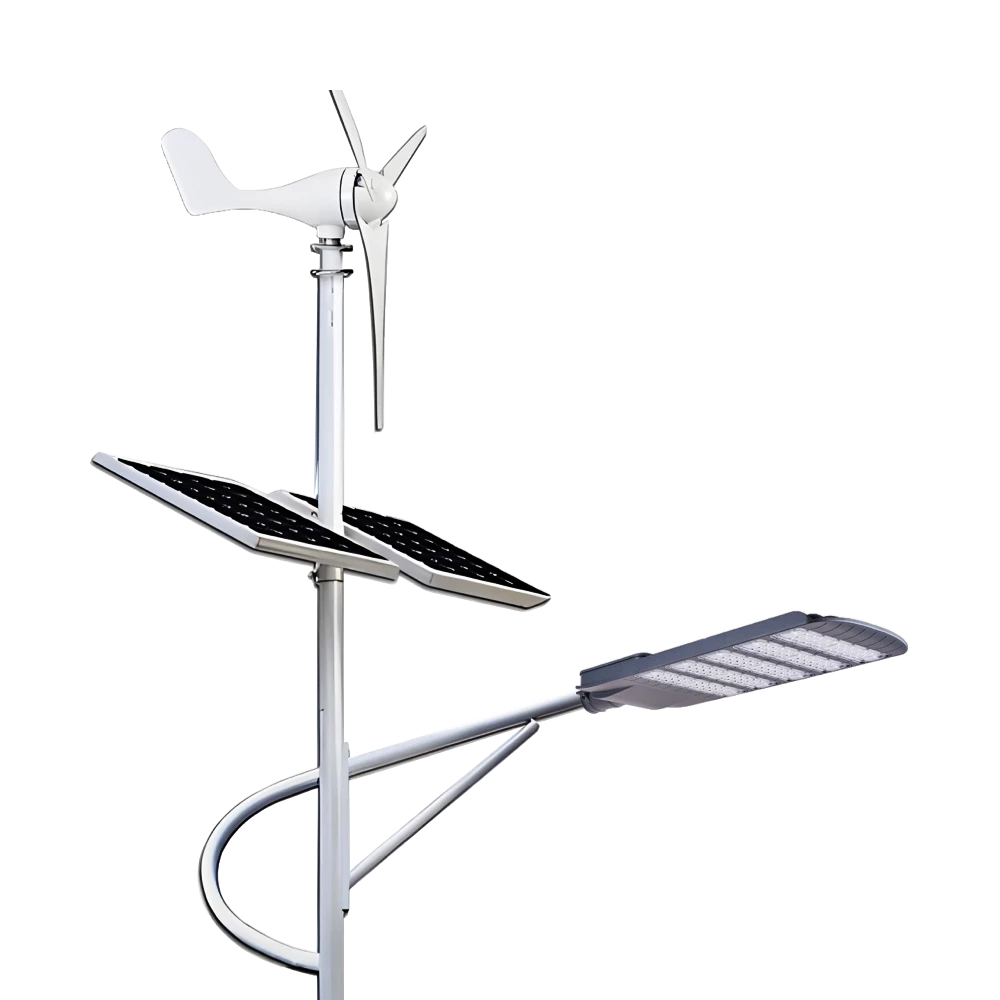
Queneng Lufeng Wind Energy LED Outdoor Solar Street Lights offer high-performance, eco-friendly illumination. These energy-efficient LED street lights harness solar power and wind energy for sustainable, cost-effective outdoor lighting solutions.
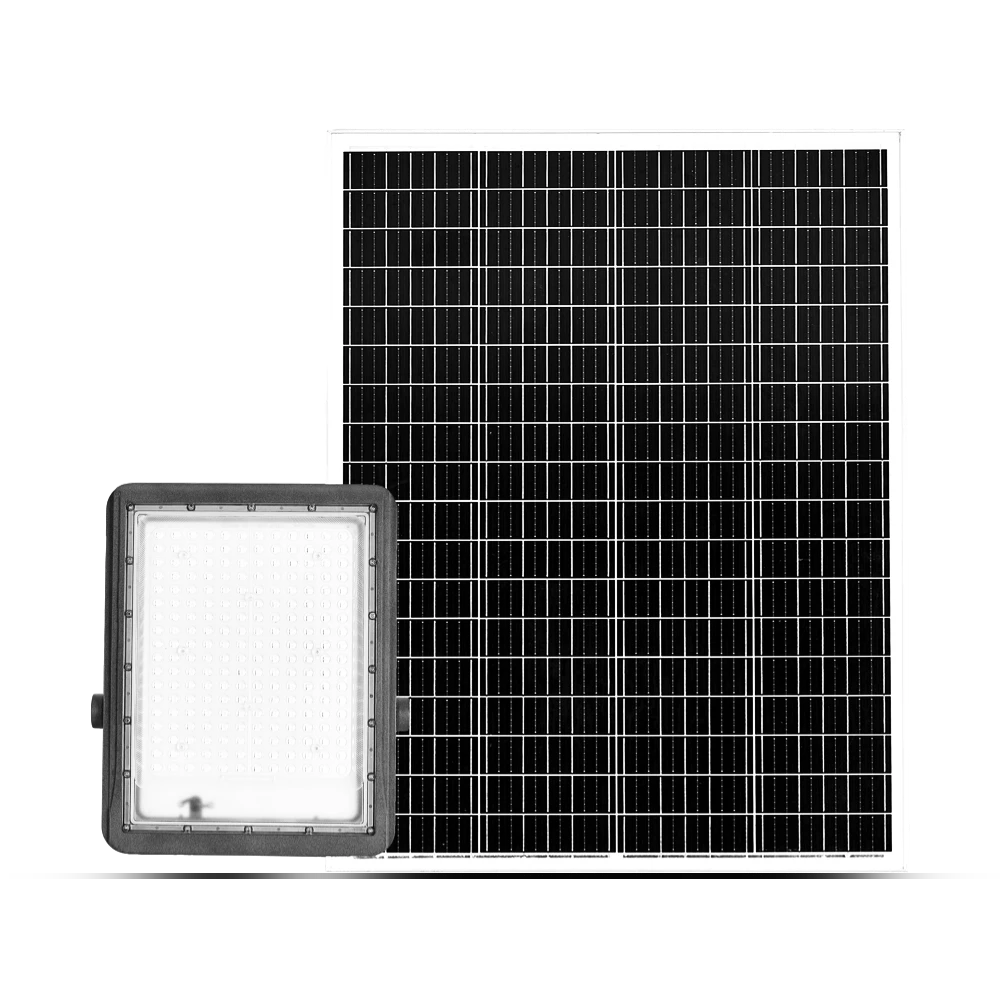
Queneng's Luxian Reliable Solar Street Light offers energy-saving LED lighting for outdoor use. This durable, solar-powered street light provides reliable illumination, reducing energy costs and environmental impact. A perfect solution for sustainable outdoor lighting.
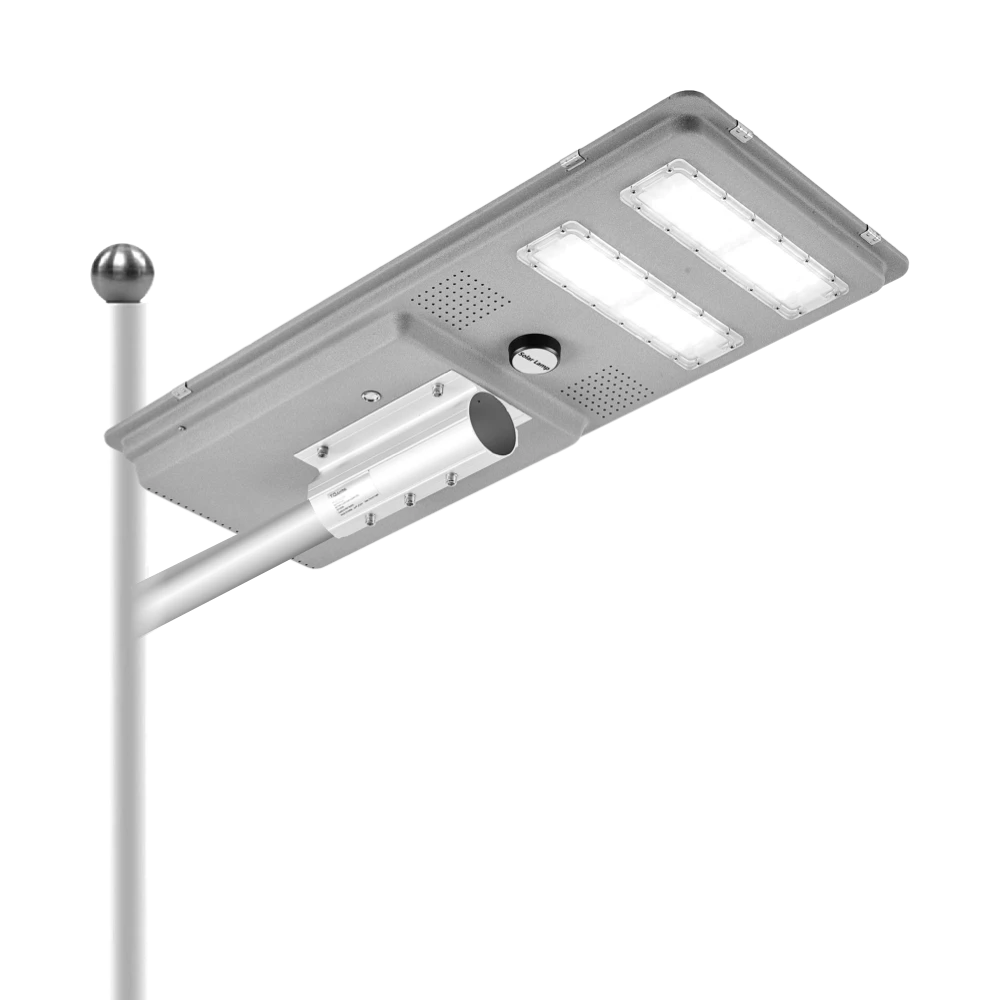
Queneng’s Solar Street Lights are designed to provide reliable, energy-efficient lighting for streets, parks, and other outdoor spaces.
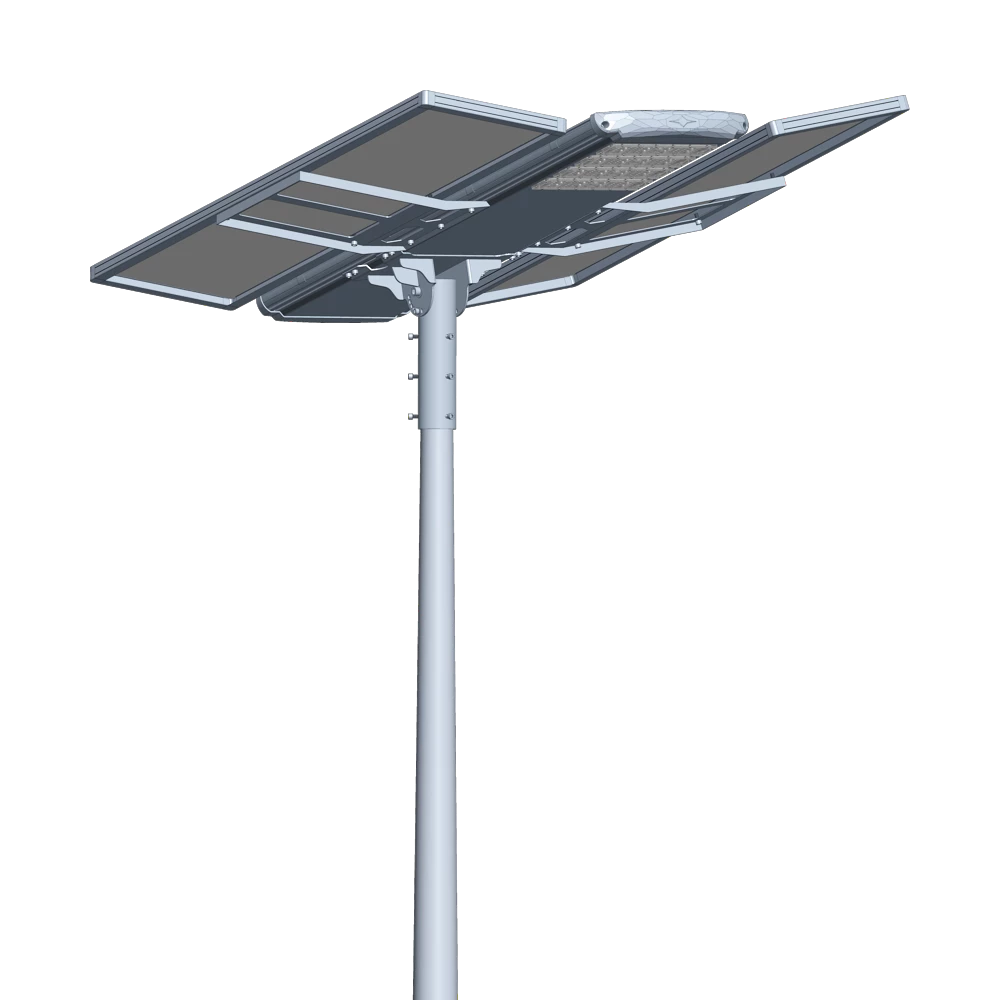
Introducing the Luqing Solar Street Light by Queneng, Efficient LED lighting powered by solar energy is perfect for illuminating outdoor areas. Harness the power of solar energy for sustainable, reliable street lighting. Ideal for eco-friendly, cost-effective outdoor illumination solutions.
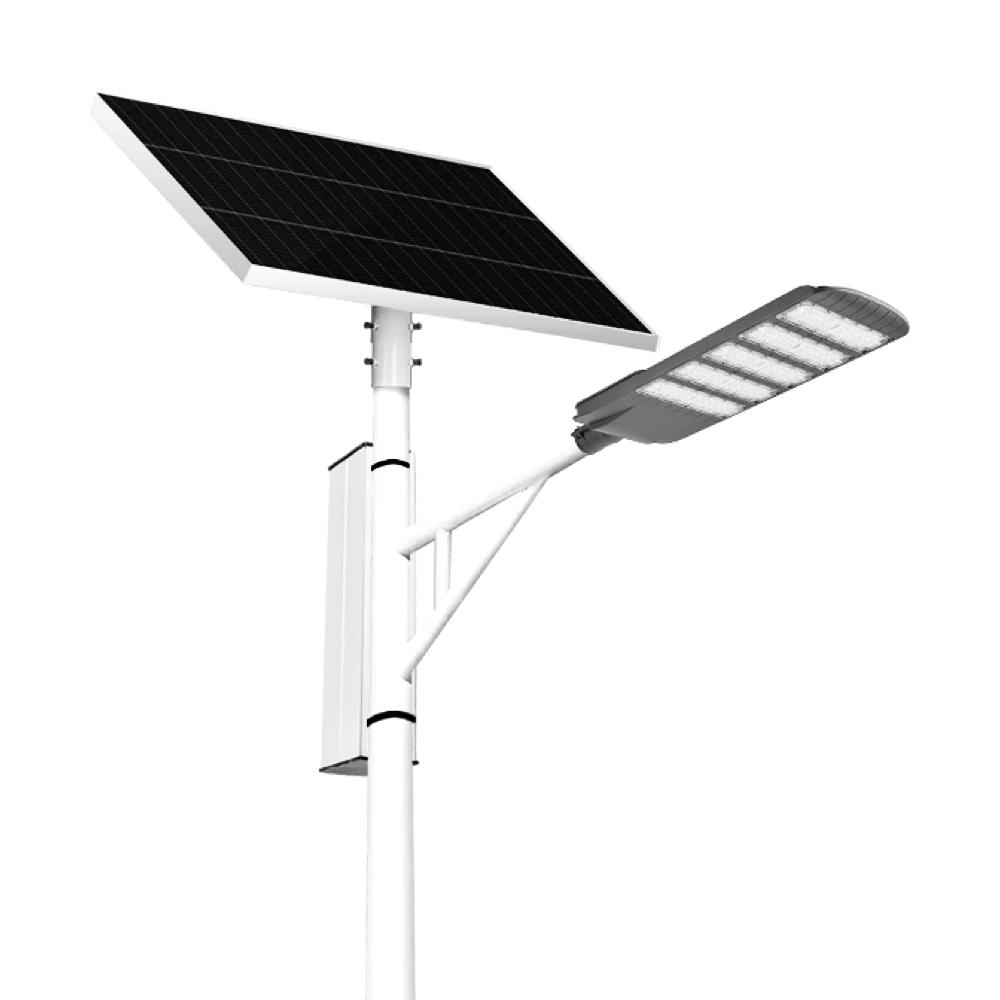
The Solar Streetlights of Luhao for Municipalities are designed to deliver reliable, energy-efficient, and cost-effective public lighting solutions. Equipped with advanced LED technology, durable lithium batteries, and high-efficiency solar panels, these streetlights provide consistent illumination for roads, parks, residential areas, and government projects.
If you would like more information about Queneng solar lighting solutions, please send us a message by filling out the form below. Our professional team will get back to you within 24 hours!
Rest assured that your privacy is important to us, and all information provided will be handled with the utmost confidentiality.
Schedule a Meeting
Book a date and time that is convenient for you and conduct the session in advance.
Have more questions about our products or services?
The messenger of light & power conversion
Environmental protection and intelligent manufacturing are our brand philosophy, and quality assurance and the best user experience are our eternal promises to users.
CONTACT
No.9F, Building F, Cao San Xin Tian Hong Logistics Park, Guzhen Town, Zhongshan City, Guangdong Province, China.
or write [email protected]
WhatsApp: +86 136 2270 1011


