














materials used in high-quality solar lights | Quenenglighting Expert Guide
Understanding High-Quality Solar Light Materials for Informed Procurement
In the rapidly evolving solar lighting industry, selecting the right materials is paramount to ensuring the longevity, efficiency, and reliability of solar lights. For professionals involved in procurement, a deep understanding of these components is not just beneficial—it's essential for making smart investments that yield durable and high-performing solutions. This article delves into the critical materials that define a high-quality solar light, addressing common questions buyers often have.
What Defines High-Quality Solar Light Materials?
A high-quality solar light is a synergy of superior components working in harmony. It's not just about a bright light, but about consistent performance over many years, even in harsh environmental conditions. The key elements that dictate quality include the solar panel, battery, LED light source, charge controller, and the housing structure. Each component's material choice significantly impacts the overall efficiency, durability, and lifespan of the solar light, making material specification a critical aspect of procurement.
The Core of Power: Solar Panel Technologies
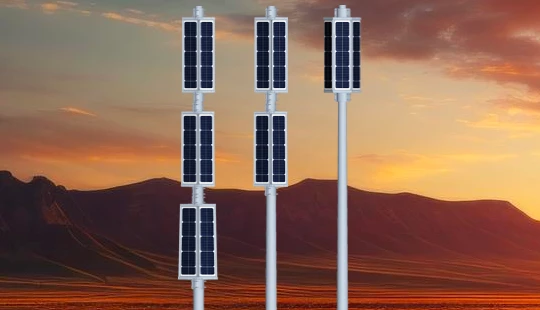
The solar panel is the engine of any solar light, converting sunlight into electricity. For high-quality solar lights, monocrystalline silicon solar panels are generally preferred over polycrystalline. Monocrystalline panels boast higher efficiency rates, typically ranging from 18% to 23% or more, meaning they can generate more power from a smaller surface area. This efficiency is crucial for compact designs and ensuring sufficient energy harvest even on cloudy days. Reputable manufacturers integrate panels with tempered glass for superior impact resistance and EVA encapsulation for moisture protection, ensuring consistent performance for over 25 years.
Sustaining Power: Battery Technologies for Longevity
The battery stores the energy generated by the solar panel, powering the light during the night. The choice of battery significantly affects the light's lifespan and reliability. Lithium Iron Phosphate (LiFePO4) batteries are the gold standard for high-quality solar lights. Compared to older lead-acid or Ni-MH batteries, LiFePO4 offers superior advantages:
- Longer Lifespan: LiFePO4 batteries typically provide 2,000 to 5,000 charge cycles, translating to 8-10 years or more of reliable operation, significantly outperforming lead-acid batteries (300-500 cycles).
- Enhanced Safety: They are inherently more stable and less prone to thermal runaway.
- Better Performance: They maintain a higher voltage throughout their discharge cycle and perform well in a wider temperature range.
- Eco-Friendly: They are non-toxic and recyclable.
For optimal performance, ensure the battery capacity (Ah) is appropriately sized for the light's power consumption and desired autonomy.
Illuminating Efficiency: LED Chips and Optical Lenses
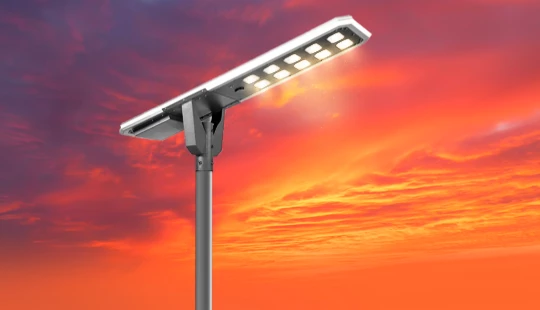
The light source in a high-quality solar light is almost exclusively LED (Light Emitting Diode) technology due to its energy efficiency and long lifespan. Look for lights utilizing high-efficiency LED chips from reputable brands like Philips, Cree, or Bridgelux, which can achieve efficiencies of 150-200 lumens per watt or more. This means more light output with less energy consumption, extending battery life and improving brightness.
Equally important are the optical lenses. Well-designed lenses ensure uniform light distribution and minimize light pollution, directing light precisely where it's needed. For street lighting, Type II, Type III, or Type IV light distribution patterns are common, providing wide and even illumination without excessive glare. The CRI (Color Rendering Index) and CCT (Correlated Color Temperature) are also important considerations, with a CRI of 70-80 and CCTs from 3000K (warm white) to 6000K (cool white) being standard options.
Durability and Protection: Housing and Structural Materials
The external housing and structural components are vital for protecting the internal electronics from environmental factors, heat, and physical impact. High-quality solar lights typically use materials such as:
- Die-cast Aluminum (e.g., ADC12): This is the preferred material for its excellent heat dissipation properties, corrosion resistance, and robust mechanical strength. It ensures the LED chips operate at optimal temperatures, preventing premature degradation.
- High-grade ABS or PC (Polycarbonate): Used for covers or smaller components where toughness and UV resistance are critical.
- Tempered Glass: For lens covers, offering superior clarity and resistance to impacts and scratches.
- Stainless Steel Fasteners: Crucial for preventing rust and ensuring long-term structural integrity in outdoor environments.
Additionally, look for an ingress protection (IP) rating of IP65, IP66, or IP67, indicating high levels of dust and water resistance, essential for outdoor installations.
Quenenglighting's Commitment to Quality
Quenenglighting stands out in the solar lighting industry by prioritizing the use of High Quality materials and advanced technologies across its product range. Our solar lights integrate high-efficiency monocrystalline solar panels, long-lasting LiFePO4 batteries, and top-tier LED chips from renowned manufacturers. We utilize robust die-cast aluminum housings and ensure high IP ratings, guaranteeing superior durability and performance even in the most challenging conditions. By meticulously selecting each component and adhering to strict quality control, Quenenglighting delivers reliable, high-performance solar lighting solutions that offer exceptional value and longevity, providing our clients with peace of mind and sustained illumination.

Have more questions about our products or services?
The latest hot news you might like

Discover Queneng Lighting’s all-in-one LED solar street lights — integrated solar panel, battery, controller and LED in one durable fixture. Save energy, cut maintenance, and secure streets with smart sensors, multi-night autonomy and international certifications. Contact sales for quotes and support.

Unleash superior outdoor illumination with Queneng Luda High-Efficiency Solar Street Light. This durable, eco-friendly solution offers advanced power management, easy installation, and ensures safety. Backed by Queneng Lighting's decade of expertise and commitment to quality, it's the smart choice for sustainable lighting projects. Learn why we're a leading solar solutions provider.

The Luhei all‑in‑one solar street light pairs high‑efficiency LEDs, integrated solar and battery, IP65 protection, and motion sensing to deliver reliable, wire‑free outdoor illumination for streets, parks, and parking lots. Backed by Queneng Lighting’s certifications and support.

FAQ
Distributors
What types of products do Queneng distributors offer?
Queneng offers a range of solar lighting solutions, including street lights, garden lights, floodlights, and customized lighting systems for residential, commercial, and infrastructure applications.
Public Gardens and Landscape Lighting
How much sunlight do solar lights need to function properly?
Solar lights typically require 6-8 hours of direct sunlight during the day to charge fully and provide 8-12 hours of lighting during the night. However, our high-efficiency solar panels are designed to maximize energy capture even in less-than-ideal sunlight conditions.
Schools and Educational Institutions
How long does the battery of solar lights last?
The battery typically lasts for 5-8 years depending on usage and environmental conditions.
Solar Street Light Luxian
How do Luxian solar street lights contribute to reducing carbon emissions?
By using solar power as their energy source, Luxian solar street lights reduce reliance on fossil fuels for electricity generation. This contributes to lower carbon emissions, helping mitigate climate change and promoting environmental sustainability. Their energy efficiency further reduces the overall carbon footprint of lighting systems.
APMS system
How does the APMS system enable continuous lighting on prolonged rainy days?
Queneng's APMS is equipped with rainy-day endurance technology that ensures continuous lighting during extended cloudy periods, maintaining stable power in sun-deprived conditions and ideal for lighting in remote areas.
Split Solar Street Light
Is split solar street light better than all-in-one?
For large-scale or professional projects, yes. Split systems offer higher power capacity and better adaptability.
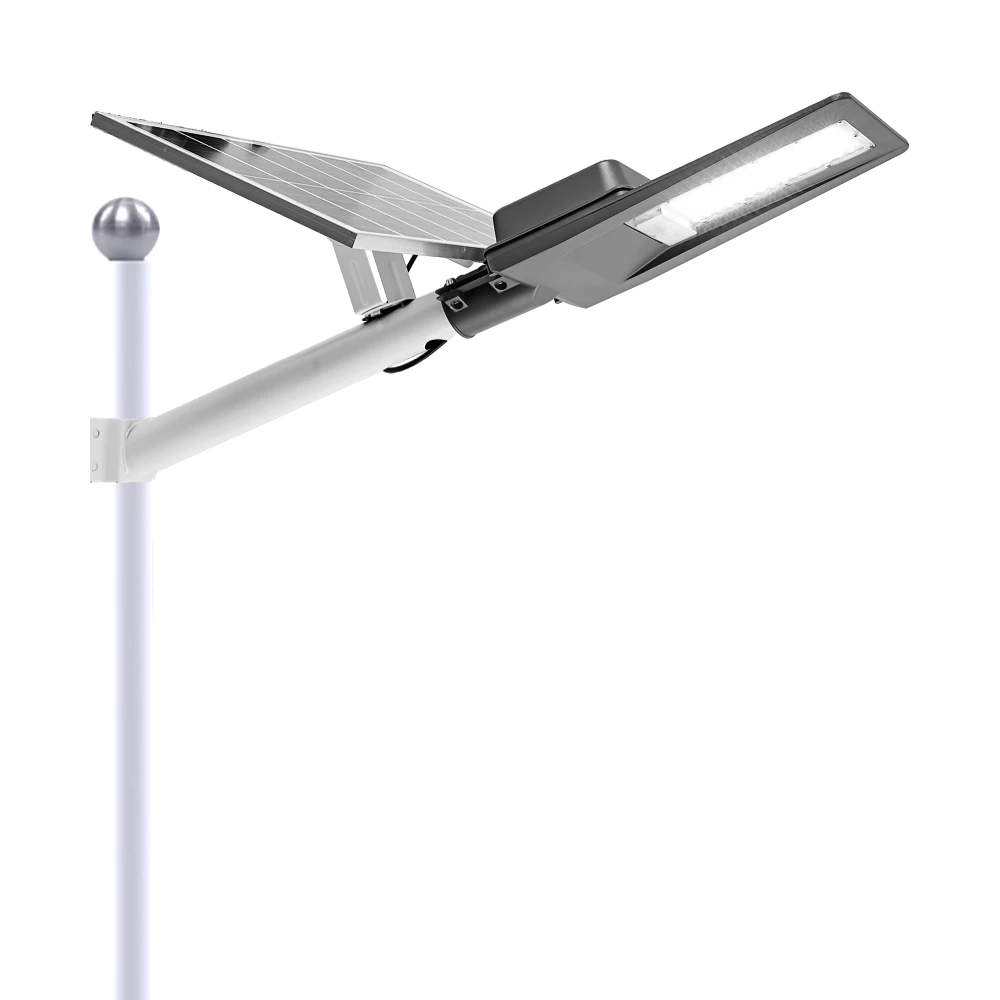
Experience reliable outdoor illumination with our smart solar street light, a perfect combination of advanced technology and eco-conscious design.
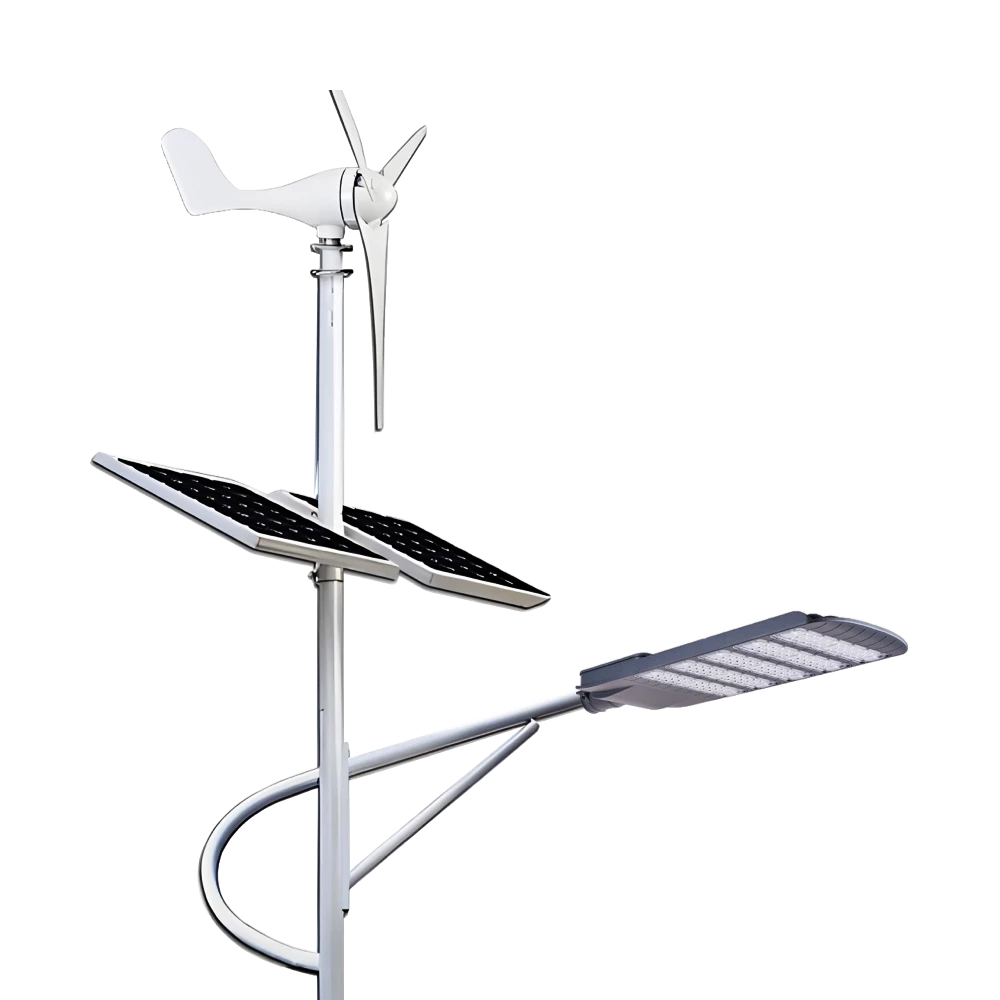
Queneng Lufeng Wind Energy LED Outdoor Solar Street Lights offer high-performance, eco-friendly illumination. These energy-efficient LED street lights harness solar power and wind energy for sustainable, cost-effective outdoor lighting solutions.
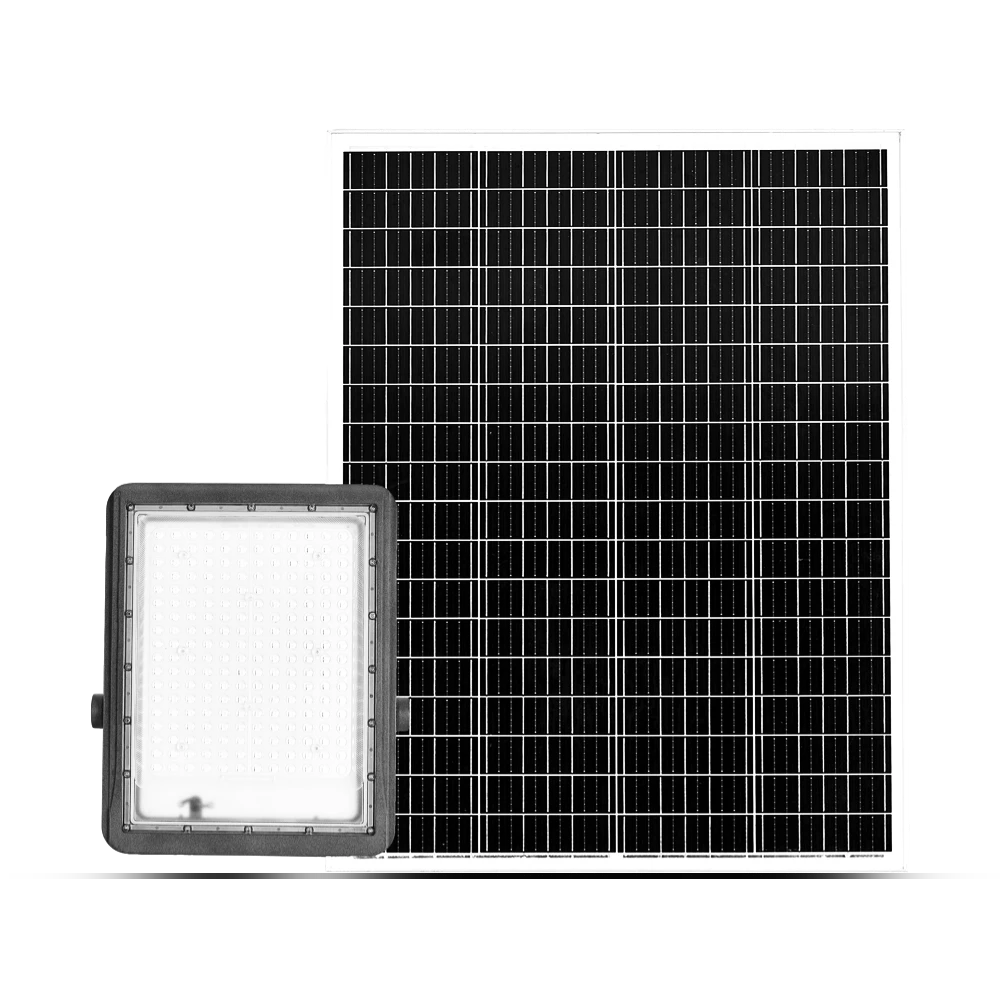
Queneng's Luxian Reliable Solar Street Light offers energy-saving LED lighting for outdoor use. This durable, solar-powered street light provides reliable illumination, reducing energy costs and environmental impact. A perfect solution for sustainable outdoor lighting.
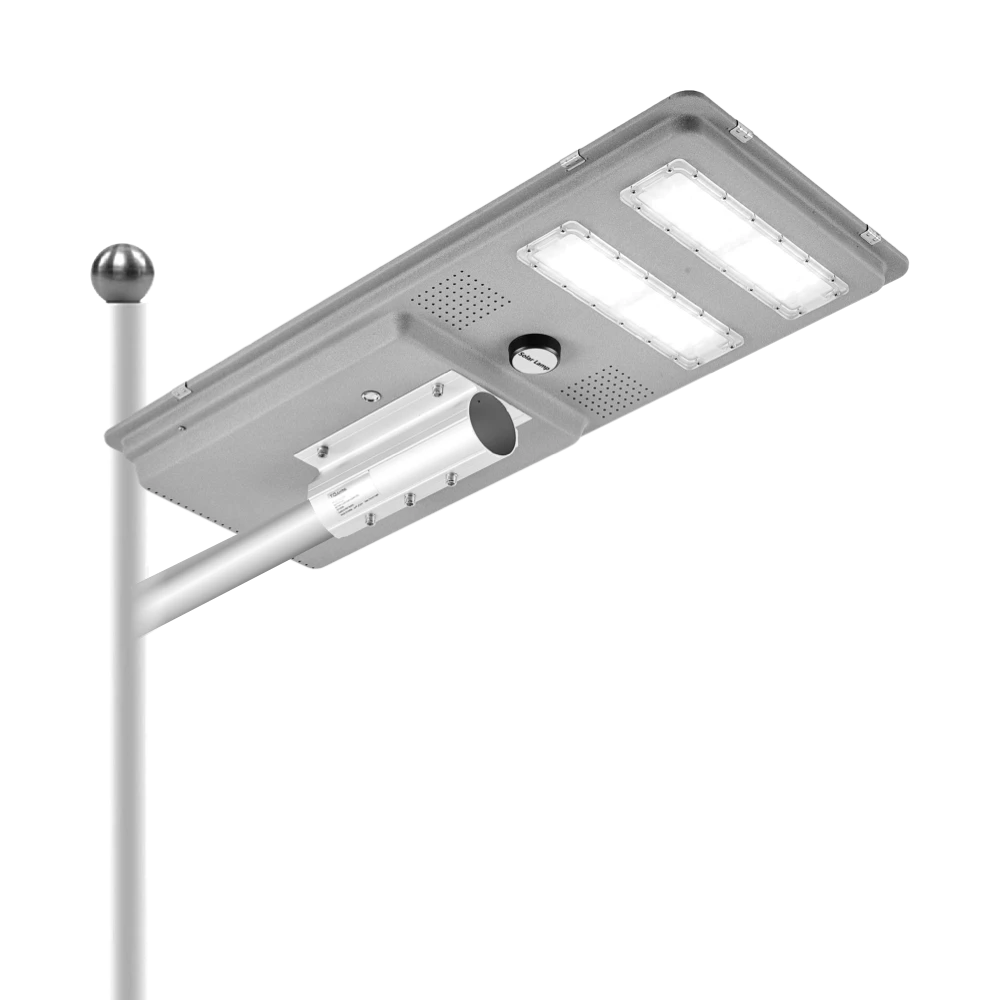
Queneng’s Solar Street Lights are designed to provide reliable, energy-efficient lighting for streets, parks, and other outdoor spaces.
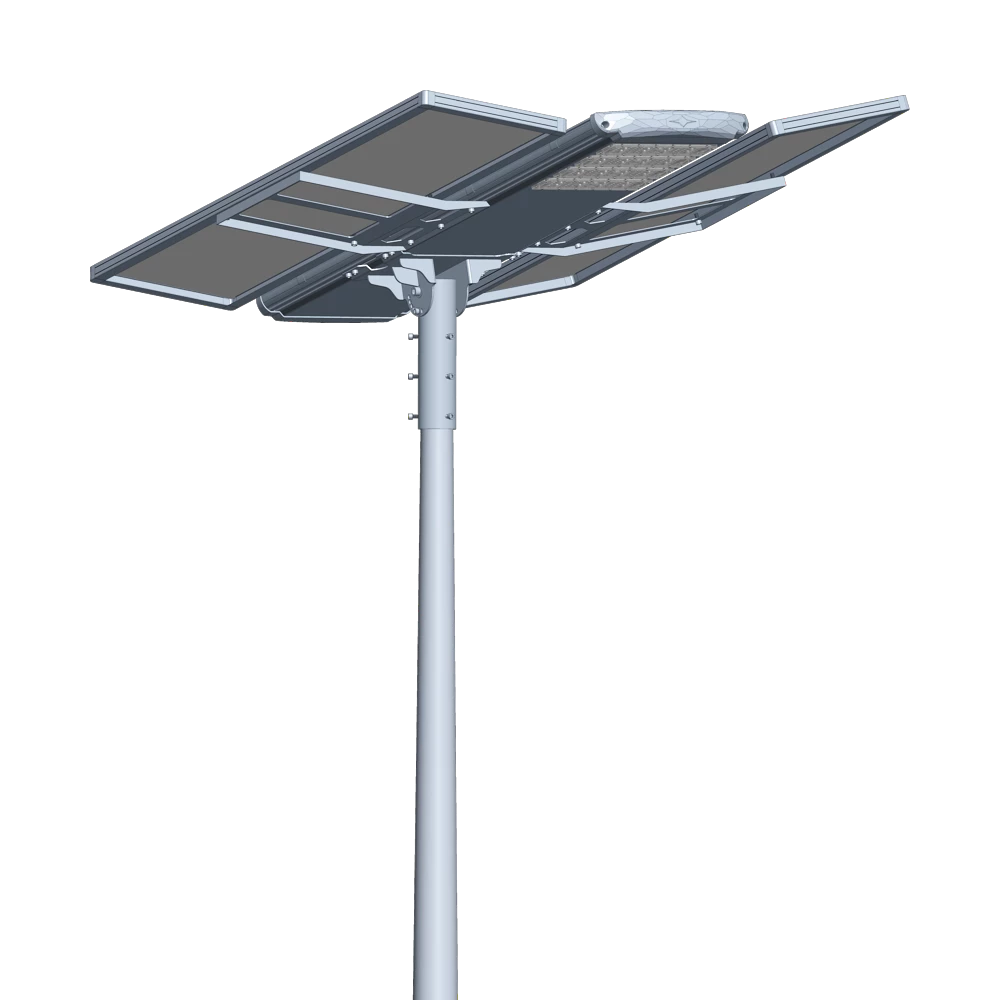
Introducing the Luqing Solar Street Light by Queneng, Efficient LED lighting powered by solar energy is perfect for illuminating outdoor areas. Harness the power of solar energy for sustainable, reliable street lighting. Ideal for eco-friendly, cost-effective outdoor illumination solutions.
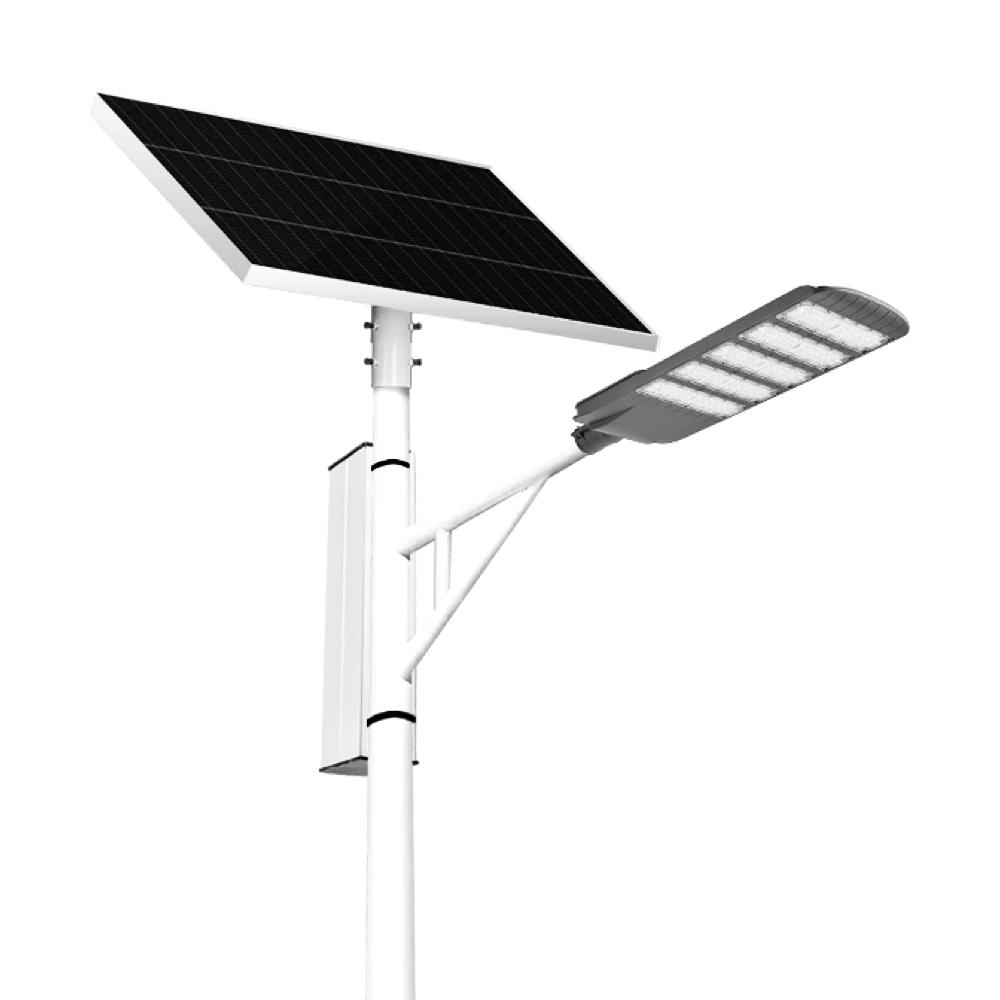
The Solar Streetlights of Luhao for Municipalities are designed to deliver reliable, energy-efficient, and cost-effective public lighting solutions. Equipped with advanced LED technology, durable lithium batteries, and high-efficiency solar panels, these streetlights provide consistent illumination for roads, parks, residential areas, and government projects.
If you would like more information about Queneng solar lighting solutions, please send us a message by filling out the form below. Our professional team will get back to you within 24 hours!
Rest assured that your privacy is important to us, and all information provided will be handled with the utmost confidentiality.
Schedule a Meeting
Book a date and time that is convenient for you and conduct the session in advance.
Have more questions about our products or services?
The messenger of light & power conversion
Environmental protection and intelligent manufacturing are our brand philosophy, and quality assurance and the best user experience are our eternal promises to users.
CONTACT
No.9F, Building F, Cao San Xin Tian Hong Logistics Park, Guzhen Town, Zhongshan City, Guangdong Province, China.
or write [email protected]
WhatsApp: +86 136 2270 1011


