














waterproof features of solar lights | Quenenglighting Expert Guide
Understanding Waterproof Features in Solar Lights for B2B Procurement
In the evolving landscape of renewable energy, solar lighting solutions have become a cornerstone for sustainable infrastructure, from streetlights to pathway illumination and security systems. For B2B buyers, ensuring the longevity and reliability of these investments is paramount, and a critical factor in this equation is a solar light's waterproof capabilities. Water ingress is a leading cause of failure in outdoor electronics, making the waterproof features a non-negotiable aspect of professional procurement. This article delves into the essential waterproof characteristics of solar lights, addressing common questions to equip you with the knowledge needed for informed purchasing decisions.
What do IP ratings mean for solar lights, and why are they crucial?
IP (Ingress Protection) ratings are an international standard (IEC 60529) used to classify the degree of protection provided by electrical enclosures against the intrusion of solids (dust) and liquids (water). An IP rating is represented by two digits: the first digit indicates protection against solids (ranging from 0 to 6), and the second digit indicates protection against liquids (ranging from 0 to 8). For solar lights, the liquid protection rating is especially critical.
- IP65: '6' means total protection against dust ingress. '5' means protection against low-pressure water jets from any direction. This is a common and often sufficient rating for general outdoor use, protecting against rain and sprinklers.
- IP66: Offers protection against strong water jets. Suitable for areas exposed to heavy rain or splashing water.
- IP67: Provides protection against temporary immersion in water (up to 1 meter for 30 minutes). Ideal for lights that might be subjected to flooding or very heavy downpours.
- IP68: Offers protection against continuous submersion in water, under conditions specified by the manufacturer (e.g., depth and duration). This is typically for specialized underwater lighting applications.
For most commercial solar lighting applications, an IP65 or IP66 rating is considered the minimum standard for reliable long-term performance, ensuring the internal components are sealed against environmental elements.
How does water ingress affect solar light performance and lifespan?
Water, especially when combined with dust or minerals, is highly corrosive to electronic components. When water breaches the enclosure of a solar light, it can lead to several critical issues:
- Short Circuits: Water can bridge electrical contacts, causing short circuits that damage circuit boards, LEDs, and power management units.
- Corrosion: Metal components, including wiring, battery terminals, and LED contacts, are susceptible to rust and corrosion, leading to increased resistance, intermittent functionality, and eventual failure.
- Battery Degradation: Batteries are particularly vulnerable to water damage, which can lead to reduced capacity, swelling, and a significantly shortened lifespan. This directly impacts the light's run time and overall efficiency.
- Reduced Luminosity: Water inside the lens can create condensation, clouding, or even algae growth, significantly reducing the light output and aesthetic appeal.
- Complete Failure: Persistent water exposure will inevitably lead to the complete malfunction of the solar light, necessitating costly repairs or replacements.
A robust waterproof design is therefore essential for maximizing the operational lifespan and minimizing maintenance costs for solar lighting deployments.
What are the key waterproofing technologies and materials used in solar lights?
Manufacturers employ a combination of design principles and advanced materials to ensure high levels of water resistance:
- Sealing Gaskets and O-rings: High-quality silicone or rubber gaskets are used to create tight seals between housing parts, lenses, and access panels. The compression and material integrity of these seals are crucial.
- Potting/Encapsulation: Sensitive electronic components, particularly the PCB (Printed Circuit Board) and power drivers, are often

Have more questions about our products or services?
The latest hot news you might like

Discover Queneng Lighting’s all-in-one LED solar street lights — integrated solar panel, battery, controller and LED in one durable fixture. Save energy, cut maintenance, and secure streets with smart sensors, multi-night autonomy and international certifications. Contact sales for quotes and support.

Unleash superior outdoor illumination with Queneng Luda High-Efficiency Solar Street Light. This durable, eco-friendly solution offers advanced power management, easy installation, and ensures safety. Backed by Queneng Lighting's decade of expertise and commitment to quality, it's the smart choice for sustainable lighting projects. Learn why we're a leading solar solutions provider.

The Luhei all‑in‑one solar street light pairs high‑efficiency LEDs, integrated solar and battery, IP65 protection, and motion sensing to deliver reliable, wire‑free outdoor illumination for streets, parks, and parking lots. Backed by Queneng Lighting’s certifications and support.

FAQ
Battery fundamentals and basic terms
What is the purpose of battery packaging, assembly and design?
2.Battery voltage limitation, to get a higher voltage need to connect multiple batteries in series
3. Protect the battery, prevent short-circuit to extend the life of the battery
4. Size limitation
5. Easy transportation
6. Design of special functions, such as waterproof, special appearance design.
Battery and Analysis
Do batteries need to be fully charged for long-term storage?
APMS system
How does the APMS system enhance battery life?
With its dual-system intelligent management mode, APMS reduces frequent charge-discharge cycles, optimizes energy usage, and significantly extends battery lifespan.
Battery Performance and Testing
What are the battery reliability test items?
2) Discharge characteristics at different rates
3) Discharge characteristics at different temperatures
4) Charging characteristics
5) Self-discharge characteristics
6) Storage characteristics
7) Over-discharge characteristics
8) Internal resistance characteristics at different temperatures
9) Temperature cycle test
10) Drop test
11) Vibration test
12) Capacity test
13) Internal resistance test
14) GMS test
15) High and low temperature impact test
16) Mechanical impact test
17) High temperature and high humidity test
Solar Street Light Chuanqi
How do Chuanqi solar street lights differ from traditional street lights?
Chuanqi solar street lights are powered by solar energy, making them a sustainable and eco-friendly alternative to traditional street lights that rely on the electrical grid. They use energy-efficient LED technology that reduces electricity consumption while providing reliable, bright lighting. Unlike traditional lights, Chuanqi solar street lights operate independently of the grid, reducing installation costs and maintenance.
Remote Areas Rural Development
What is the average lifespan of the lighting system?
The system typically lasts 8-10 years, with components like batteries requiring replacement every 5-8 years.
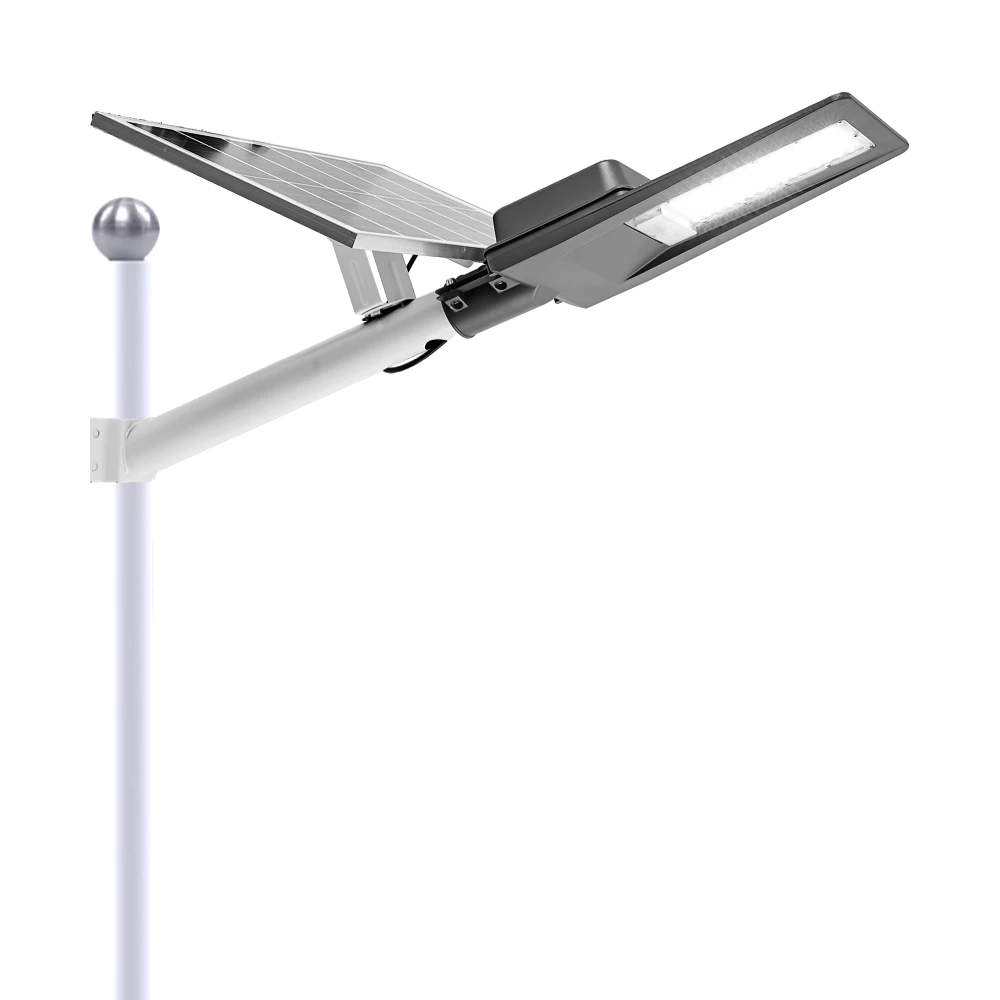
Experience reliable outdoor illumination with our smart solar street light, a perfect combination of advanced technology and eco-conscious design.
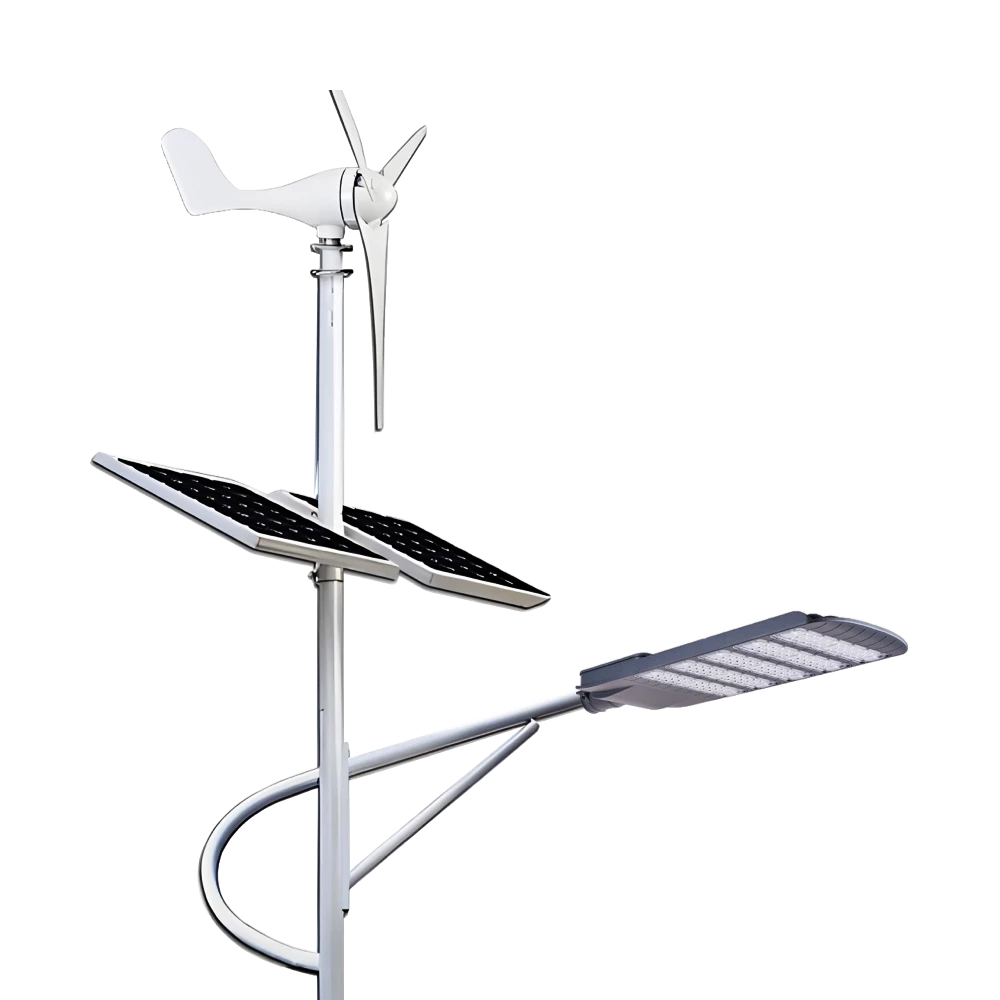
Queneng Lufeng Wind Energy LED Outdoor Solar Street Lights offer high-performance, eco-friendly illumination. These energy-efficient LED street lights harness solar power and wind energy for sustainable, cost-effective outdoor lighting solutions.
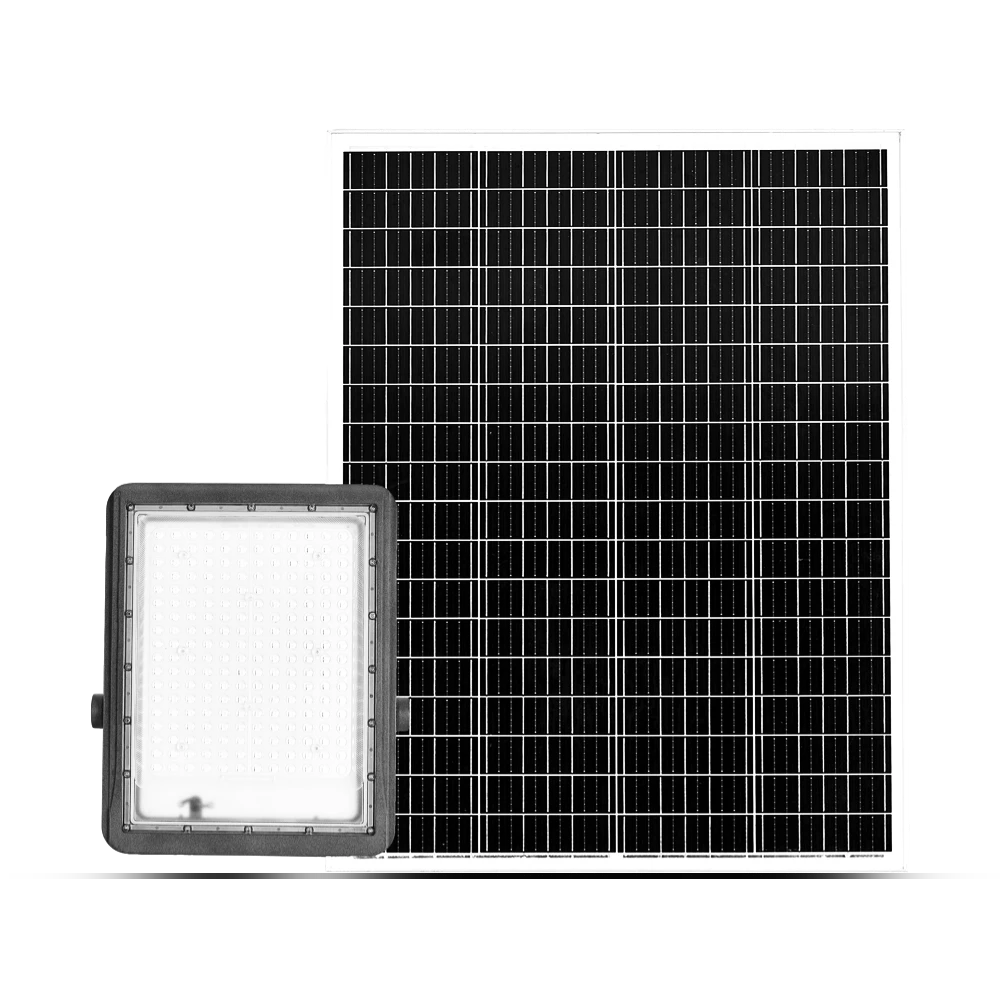
Queneng's Luxian Reliable Solar Street Light offers energy-saving LED lighting for outdoor use. This durable, solar-powered street light provides reliable illumination, reducing energy costs and environmental impact. A perfect solution for sustainable outdoor lighting.
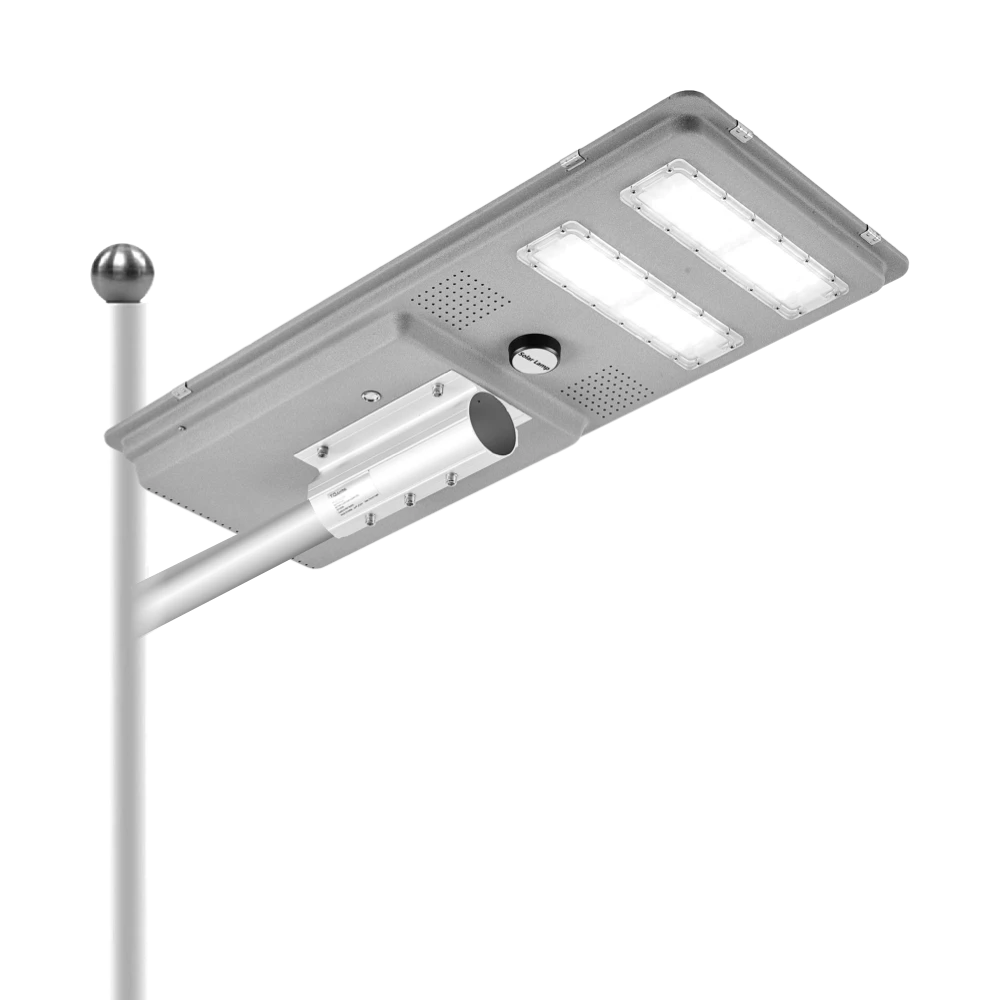
Queneng’s Solar Street Lights are designed to provide reliable, energy-efficient lighting for streets, parks, and other outdoor spaces.
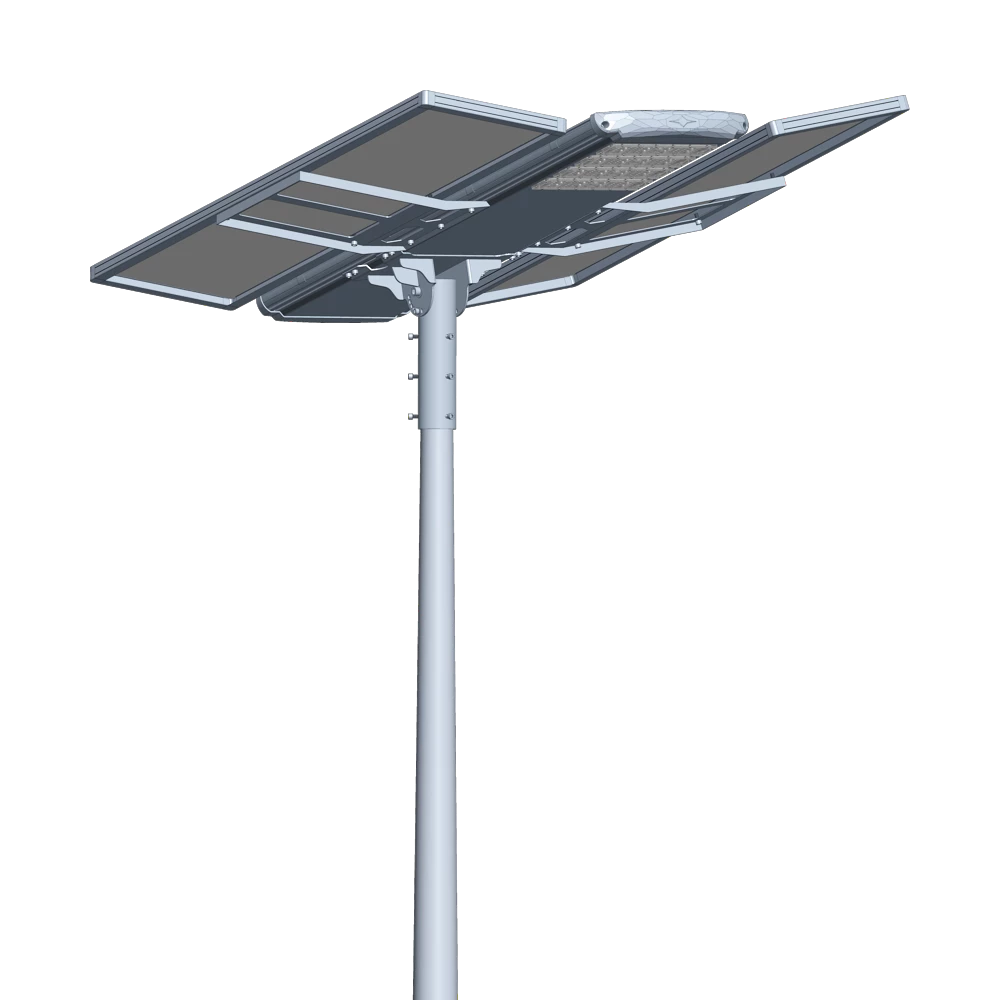
Introducing the Luqing Solar Street Light by Queneng, Efficient LED lighting powered by solar energy is perfect for illuminating outdoor areas. Harness the power of solar energy for sustainable, reliable street lighting. Ideal for eco-friendly, cost-effective outdoor illumination solutions.
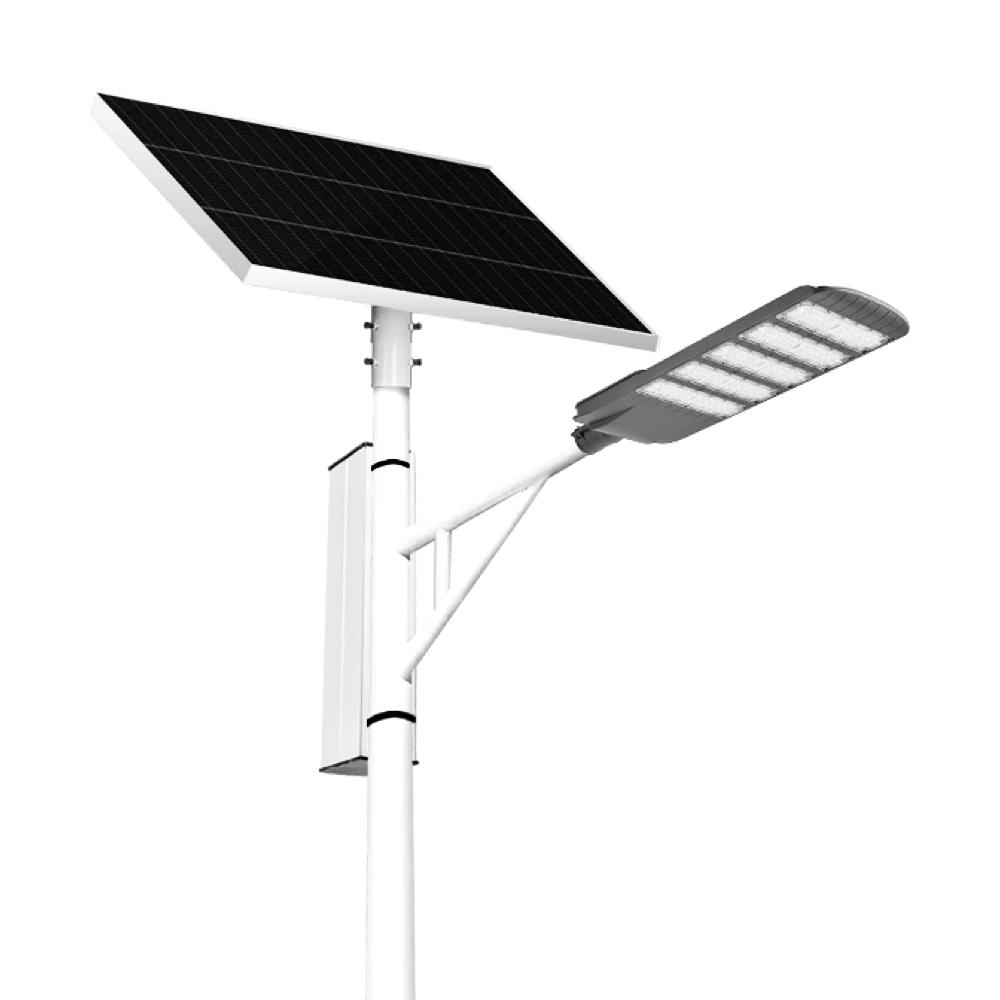
The Solar Streetlights of Luhao for Municipalities are designed to deliver reliable, energy-efficient, and cost-effective public lighting solutions. Equipped with advanced LED technology, durable lithium batteries, and high-efficiency solar panels, these streetlights provide consistent illumination for roads, parks, residential areas, and government projects.
If you would like more information about Queneng solar lighting solutions, please send us a message by filling out the form below. Our professional team will get back to you within 24 hours!
Rest assured that your privacy is important to us, and all information provided will be handled with the utmost confidentiality.
Schedule a Meeting
Book a date and time that is convenient for you and conduct the session in advance.
Have more questions about our products or services?
The messenger of light & power conversion
Environmental protection and intelligent manufacturing are our brand philosophy, and quality assurance and the best user experience are our eternal promises to users.
CONTACT
No.9F, Building F, Cao San Xin Tian Hong Logistics Park, Guzhen Town, Zhongshan City, Guangdong Province, China.
or write [email protected]
WhatsApp: +86 136 2270 1011


