














Cost-benefit analysis of Manufacturer of Solar Street Lights in city zones | Insights by Quenenglighting
The Strategic Edge: Cost-Benefit Analysis of Solar Street Lights for Urban Centers
As cities evolve into smart, sustainable hubs, the demand for efficient and environmentally friendly infrastructure intensifies. Solar street lighting stands out as a critical component of this transformation. For municipalities, urban planners, and developers, understanding the comprehensive cost-benefit analysis of procuring solar street lights is paramount. It’s not just about energy savings; it’s about long-term value, operational efficiency, and community well-being.
Initial Investment: Understanding the Upfront Costs
The upfront cost of solar street lights is often perceived as a barrier. While typically higher than conventional grid-tied LED lights, this initial investment covers a self-sustaining system. For high-quality, integrated solar street lights suitable for urban environments (e.g., 60W-120W LED), prices can range from $800 to $2,500 per unit, excluding installation. This cost includes the solar panel, battery, LED luminaire, controller, and pole. Installation costs can add another 10-30%, depending on site conditions and smart integrations. However, it’s crucial to view this as a one-time capital expenditure that eliminates future energy utility connections and recurring electricity bills.
Maximizing Returns: ROI and Payback Period
The return on investment (ROI) for solar street lights in city zones is compelling, especially given rising electricity costs and the push for decarbonization. Payback periods typically range from 3 to 7 years. This timeframe depends heavily on factors such as local electricity rates (which can be $0.12-$0.25/kWh in many urban areas), solar irradiance levels, available government incentives (e.g., grants, tax credits for renewable energy), and the initial system cost. After the payback period, cities essentially receive free lighting, translating to substantial long-term savings and an ROI that can exceed 20% annually for the remaining lifespan of the system.
Beyond the Bill: Deconstructing Maintenance and Operational Savings
One of the most significant benefits of solar street lighting is the dramatic reduction in operational costs. Eliminating electricity bills is just the beginning. Maintenance for solar street lights primarily involves periodic cleaning of solar panels and eventual battery replacement. High-quality LiFePO4 batteries, commonly used in urban solar lighting, offer a cycle life of 2,000-4,000 cycles, translating to a lifespan of 5-10 years before replacement. LED luminaires themselves boast a lifespan of 50,000 to 100,000 hours. Compared to traditional street lights requiring frequent bulb replacements (e.g., HPS every 2-5 years) and ongoing grid connection maintenance, solar solutions offer significantly lower long-term maintenance expenditures, often reducing operational budgets by 70-90% over a 20-year span (excluding battery replacement cycles).
Ensuring Longevity and Performance: Key Factors for Urban Environments
The performance and longevity of urban solar street lights are critical. Manufacturers must prioritize robust components and intelligent design. Key factors include:
- High-Efficiency Solar Panels: Monocrystalline silicon panels with 20%+ efficiency and a 25-year performance warranty are standard.
- Advanced Battery Technology: LiFePO4 batteries offer stable performance, longer life, and better thermal stability compared to lead-acid.
- Intelligent Charge Controllers: Maximum Power Point Tracking (MPPT) controllers optimize energy harvest from the solar panel.
- Durable Construction: Fixtures with IP66/IP67 ratings ensure resistance against dust and water, crucial for urban weather conditions. Anti-vandalism features and robust pole designs are also essential.
- LED Quality: High-efficacy LEDs (e.g., >150 lm/W) from reputable brands ensure optimal light output and longevity.
The Future is Smart: Integrating Advanced Technologies
For city zones, solar street lights are increasingly becoming nodes in a broader smart city network. Manufacturers are integrating advanced IoT capabilities, offering features such as:
- Remote Monitoring & Control: Adjust dimming schedules, monitor battery status, and detect faults from a central platform.
- Adaptive Lighting: Motion sensors can trigger brighter lighting only when needed, conserving energy and extending battery life.
- Environmental Sensors: Integration with air quality, temperature, and humidity sensors.
- Connectivity: Provision for public Wi-Fi hotspots, CCTV cameras, or even EV charging points (emerging applications).
These smart features enhance public safety, optimize resource management, and provide valuable data for urban planning, significantly increasing the overall benefit of the investment.
Quality Assurance and Manufacturer Reliability: A City's Prerequisite
When procuring solar street lights for city-scale projects, manufacturer reliability is paramount. Cities should look for manufacturers with:
- Industry Certifications: ISO 9001 (Quality Management), ISO 14001 (Environmental Management), CE, RoHS, and country-specific certifications (e.g., UL, FCC).
- Robust Warranties: Standard warranties of 5-10 years for solar panels, 3-5 years for batteries, and 3-5 years for LED fixtures are indicative of product confidence.
- Proven Track Record: Case studies of successful large-scale urban installations.
- Comprehensive Support: Strong pre-sales consultation, project management, and after-sales service, including spare parts availability.
The Broader Impact: Environmental and Societal Benefits
Beyond financial savings, solar street lights deliver substantial environmental and societal benefits:
- Reduced Carbon Footprint: Each solar street light can prevent the emission of approximately 0.5 to 1 ton of CO2 annually, depending on grid electricity sources. This contributes directly to a city's sustainability goals.
- Energy Independence: Reduces reliance on grid infrastructure, enhancing resilience during power outages.
- Enhanced Public Safety: Consistent, high-quality LED lighting improves visibility and reduces crime rates.
- Promotion of Green Initiatives: Visible commitment to renewable energy fosters a positive image and encourages civic engagement.
- Reduced Light Pollution: Directional LED lighting, when properly designed, can minimize skyglow and light trespass.
Why Quenenglighting Stands Out
For cities seeking to make a strategic investment in solar street lighting, Quenenglighting offers a compelling proposition. With a focus on innovative design, high-quality components, and intelligent system integration, Quenenglighting provides solutions tailored for the demanding urban environment. Our commitment to robust engineering ensures product longevity, while comprehensive warranties and dedicated after-sales support give municipalities peace of mind. By choosing Quenenglighting, cities not only invest in cutting-edge solar lighting but also partner with a manufacturer dedicated to delivering sustainable, cost-effective, and smart urban infrastructure.
Data Citation Sources:
- Grand View Research, Solar Street Lighting Market Size, Share & Trends Analysis Report By Type (Stand-alone, Grid-connected), By Application (Commercial, Residential, Industrial), By Region, And Segment Forecasts, 2023 – 2030. (General market trends and values)
- U.S. Department of Energy (DOE) & National Renewable Energy Laboratory (NREL) – Various reports and case studies on municipal lighting upgrades and solar energy economics. (Payback periods, energy savings)
- Industry white papers and manufacturer specifications for high-quality solar street lights. (Component lifespans, efficiency ratings, IP ratings, warranty standards)
- Environmental Protection Agency (EPA) – Greenhouse Gas Equivalencies Calculator. (Carbon footprint reduction estimates)
- Various industry articles and journals on Smart City technologies and IoT integration in urban lighting. (Smart features, emerging trends)

Have more questions about our products or services?
The latest hot news you might like

Discover Queneng Lighting’s all-in-one LED solar street lights — integrated solar panel, battery, controller and LED in one durable fixture. Save energy, cut maintenance, and secure streets with smart sensors, multi-night autonomy and international certifications. Contact sales for quotes and support.

Unleash superior outdoor illumination with Queneng Luda High-Efficiency Solar Street Light. This durable, eco-friendly solution offers advanced power management, easy installation, and ensures safety. Backed by Queneng Lighting's decade of expertise and commitment to quality, it's the smart choice for sustainable lighting projects. Learn why we're a leading solar solutions provider.

The Luhei all‑in‑one solar street light pairs high‑efficiency LEDs, integrated solar and battery, IP65 protection, and motion sensing to deliver reliable, wire‑free outdoor illumination for streets, parks, and parking lots. Backed by Queneng Lighting’s certifications and support.

FAQ
Battery and Analysis
What certifications have the company's products passed?
What are the possible reasons why batteries and battery packs cannot be discharged?
2) Insufficient charging or no charging;
3) The ambient temperature is too low;
4) The discharge efficiency is low. For example, when a large current is discharged, an ordinary battery cannot discharge electricity because the internal material diffusion speed cannot keep up with the reaction speed, causing the voltage to drop sharply.
What is the operating temperature range of lithium-ion batteries?
Commercial and Industrial Parks
Do solar lights work well in large parking areas?
Yes, our solar lights provide uniform illumination ideal for expansive parking areas, ensuring safety and visibility.
Battery Types and Applications
What is a photovoltaic cell?
Battery Performance and Testing
What is the standard overcharge resistance test?
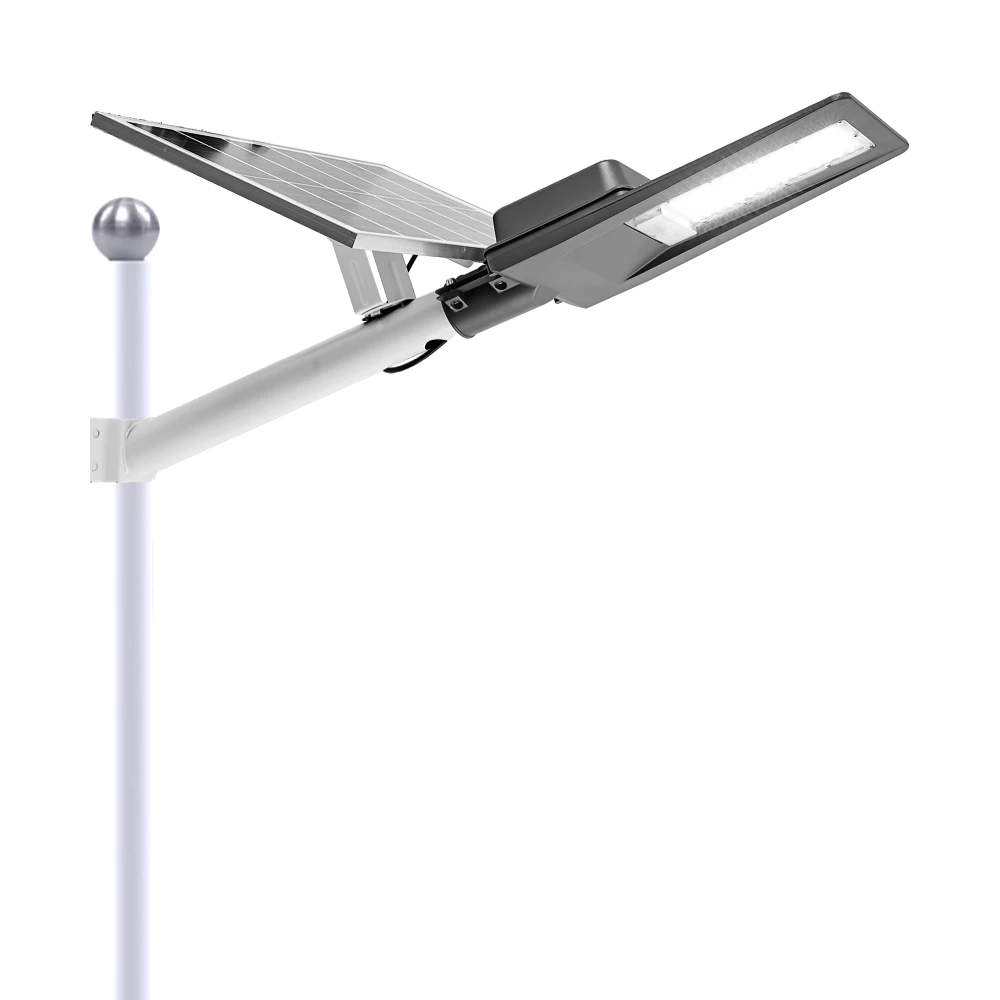
Experience reliable outdoor illumination with our smart solar street light, a perfect combination of advanced technology and eco-conscious design.
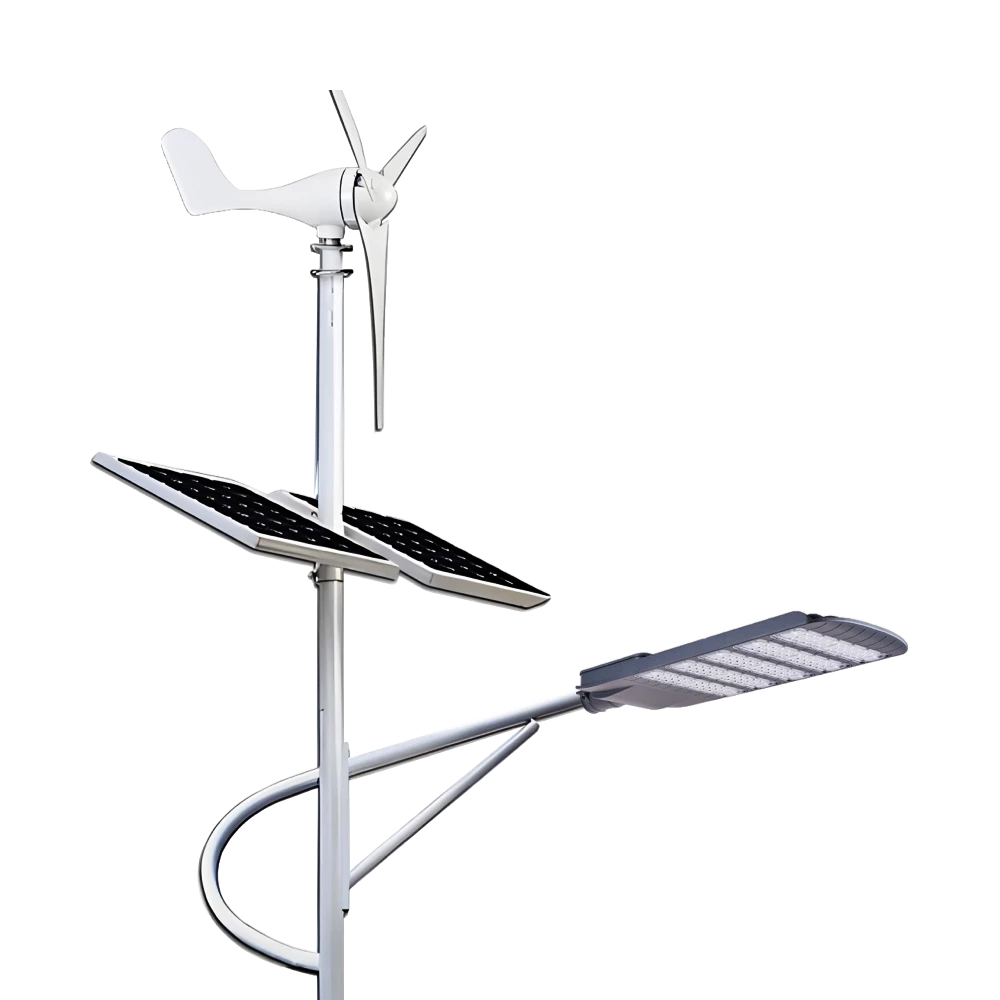
Queneng Lufeng Wind Energy LED Outdoor Solar Street Lights offer high-performance, eco-friendly illumination. These energy-efficient LED street lights harness solar power and wind energy for sustainable, cost-effective outdoor lighting solutions.
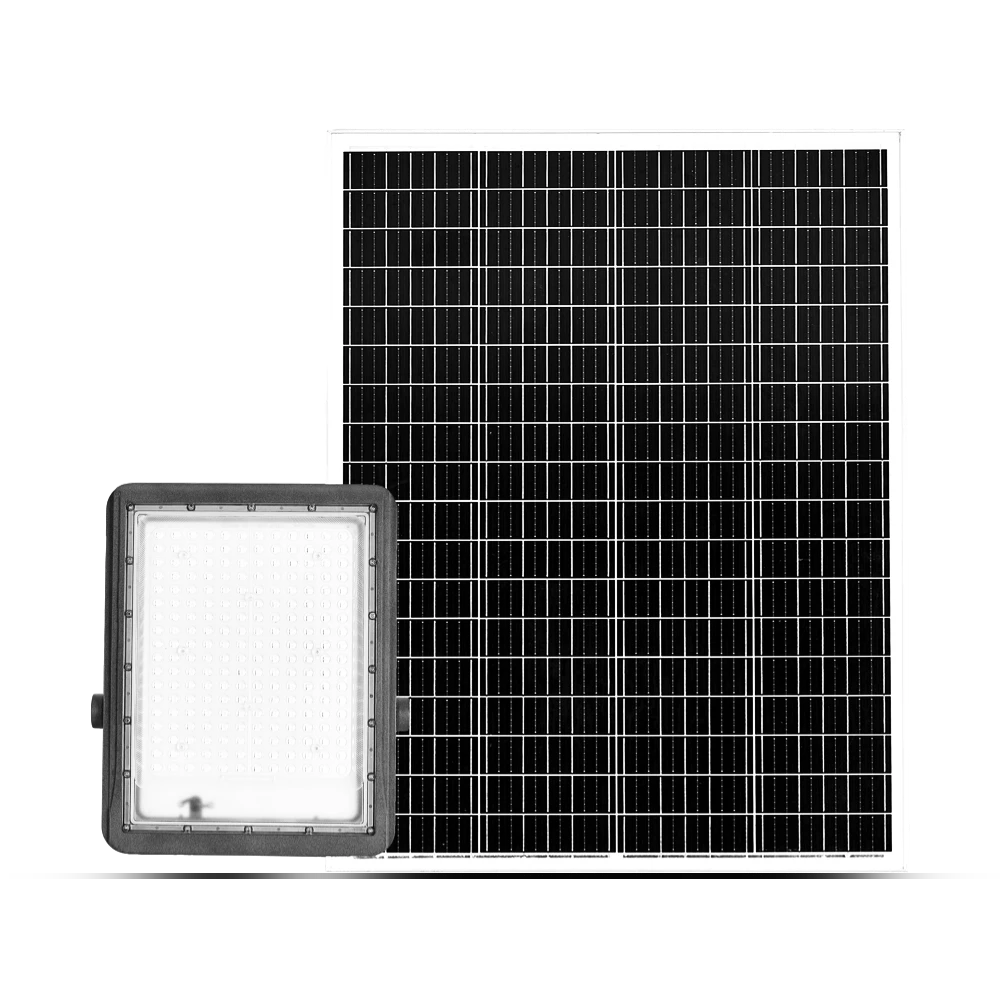
Queneng's Luxian Reliable Solar Street Light offers energy-saving LED lighting for outdoor use. This durable, solar-powered street light provides reliable illumination, reducing energy costs and environmental impact. A perfect solution for sustainable outdoor lighting.
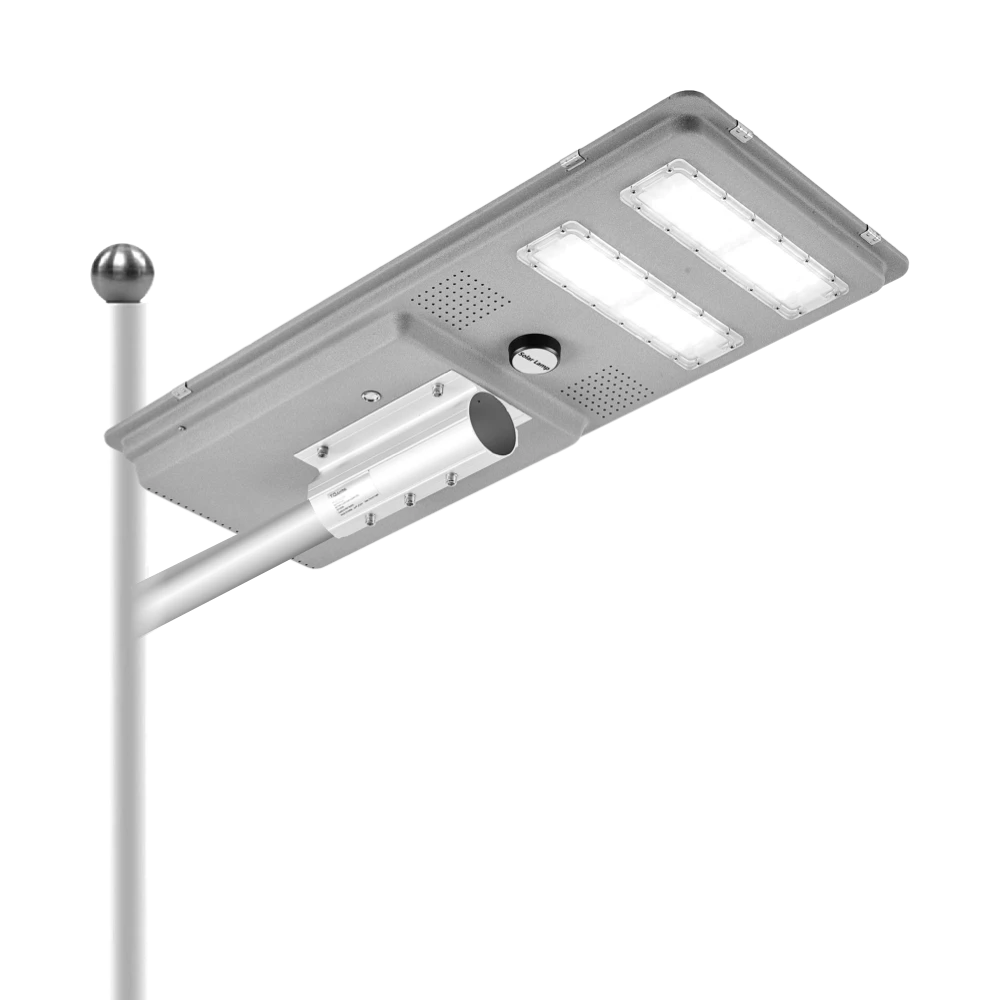
Queneng’s Solar Street Lights are designed to provide reliable, energy-efficient lighting for streets, parks, and other outdoor spaces.
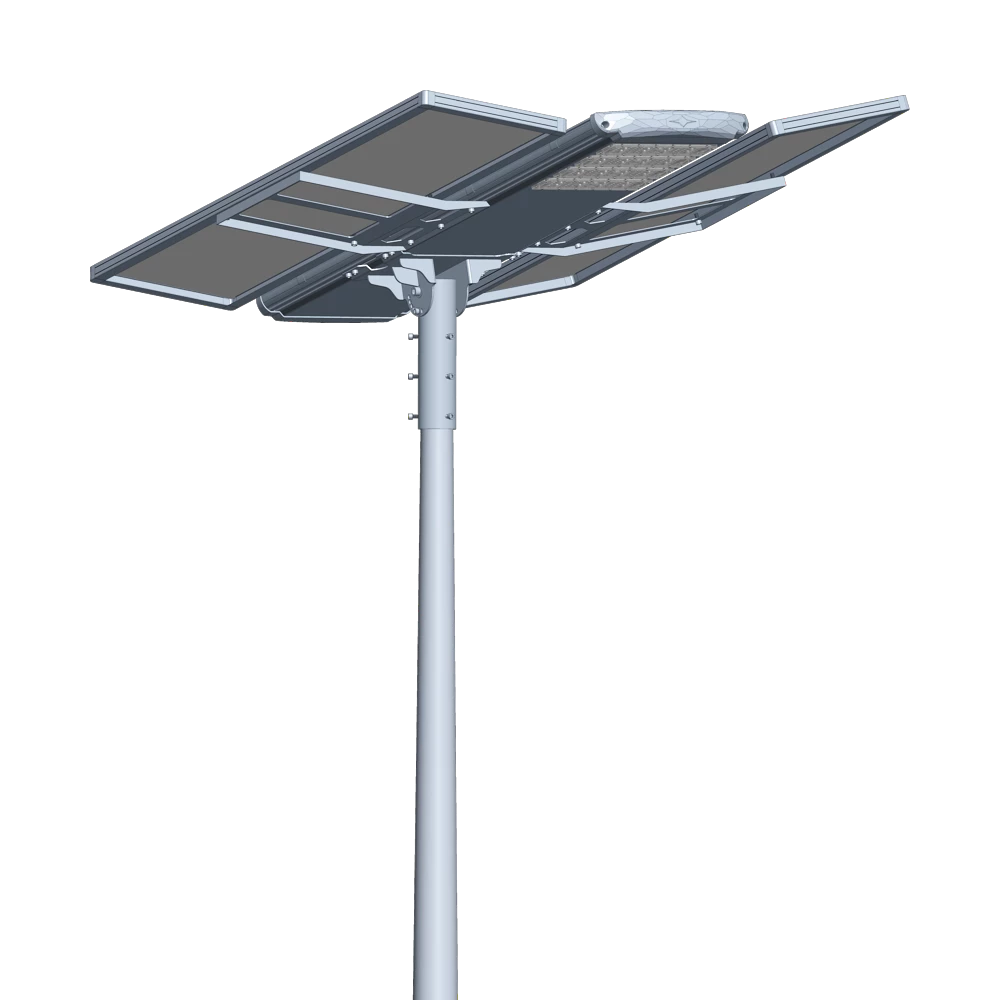
Introducing the Luqing Solar Street Light by Queneng, Efficient LED lighting powered by solar energy is perfect for illuminating outdoor areas. Harness the power of solar energy for sustainable, reliable street lighting. Ideal for eco-friendly, cost-effective outdoor illumination solutions.
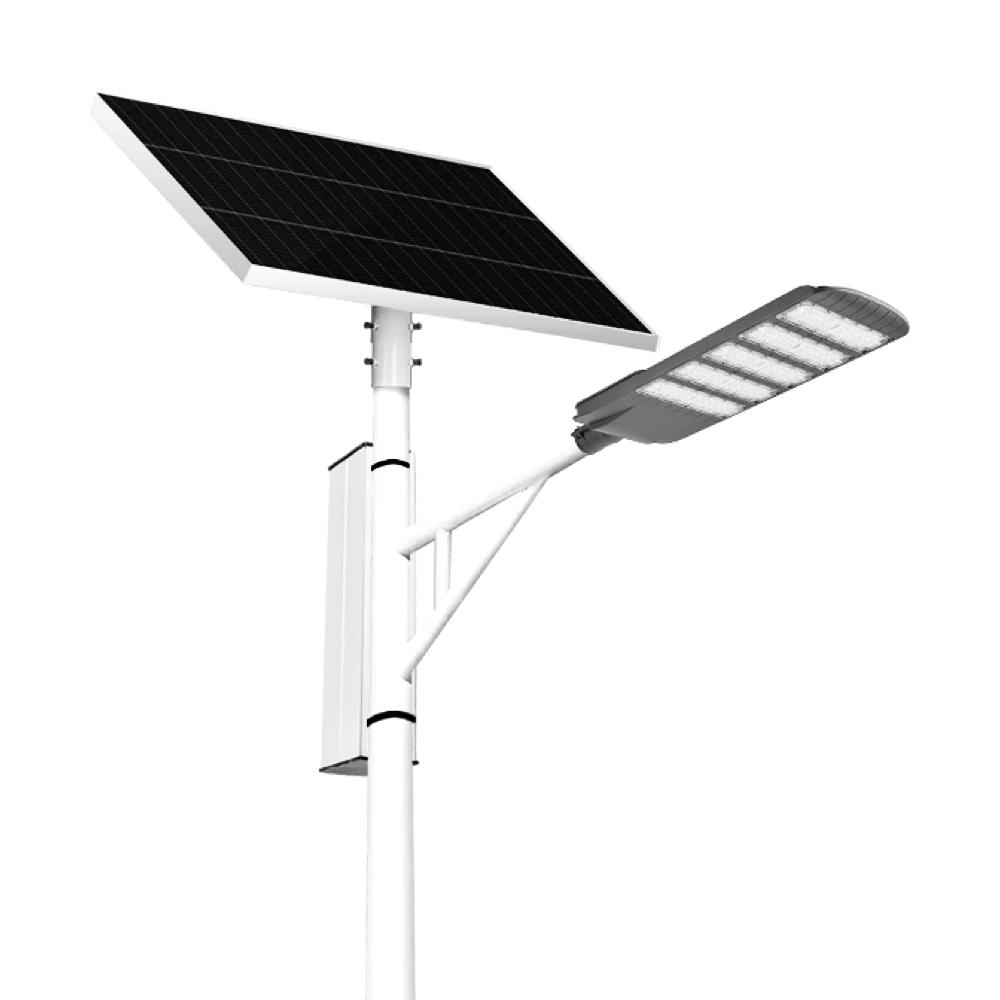
The Solar Streetlights of Luhao for Municipalities are designed to deliver reliable, energy-efficient, and cost-effective public lighting solutions. Equipped with advanced LED technology, durable lithium batteries, and high-efficiency solar panels, these streetlights provide consistent illumination for roads, parks, residential areas, and government projects.
If you would like more information about Queneng solar lighting solutions, please send us a message by filling out the form below. Our professional team will get back to you within 24 hours!
Rest assured that your privacy is important to us, and all information provided will be handled with the utmost confidentiality.
Schedule a Meeting
Book a date and time that is convenient for you and conduct the session in advance.
Have more questions about our products or services?
The messenger of light & power conversion
Environmental protection and intelligent manufacturing are our brand philosophy, and quality assurance and the best user experience are our eternal promises to users.
CONTACT
No.9F, Building F, Cao San Xin Tian Hong Logistics Park, Guzhen Town, Zhongshan City, Guangdong Province, China.
or write [email protected]
WhatsApp: +86 136 2270 1011


