














Installation and wiring tutorial for solar-powered lighting poles | Insights by Quenenglighting
Navigating Solar-Powered Lighting Pole Installation & Wiring: A Comprehensive Procurement Guide
Solar-powered lighting poles represent a sustainable and cost-effective solution for diverse outdoor illumination needs, from urban streets to remote pathways. However, successful deployment hinges on meticulous planning, proper installation, and informed procurement. This guide provides an in-depth look at these critical aspects, equipping you with the professional knowledge necessary to make sound purchasing decisions and ensure flawless execution.
What are the Foundational Steps for Installing a Solar Lighting Pole System?
A robust installation begins with a strong foundation. The typical steps include:
- Site Assessment and Planning: Evaluate sun exposure, shade obstructions, soil conditions, and wind load requirements. Determine optimal pole height and spacing for desired illumination levels.
- Foundation Construction: Digging and pouring a reinforced concrete foundation is paramount. The size and depth of the foundation depend on the pole height, weight of components, and local wind zone regulations. For a typical 6-8 meter pole, a foundation of 0.8m x 0.8m x 1.2m is often required, reinforced with rebar cages. Anchor bolts must be precisely aligned and protrude adequately for pole mounting.
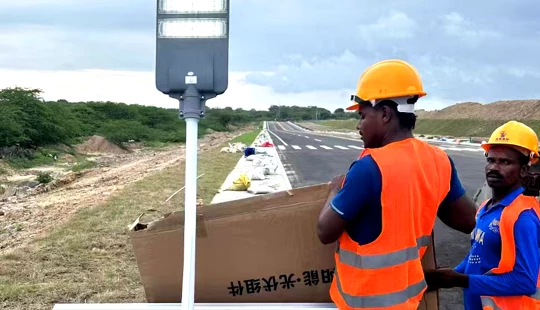
- Pole Erection: Using appropriate lifting equipment (e.g., crane), carefully raise the lighting pole onto the anchor bolts. Ensure the pole is perfectly vertical using a spirit level before tightening the nuts securely.
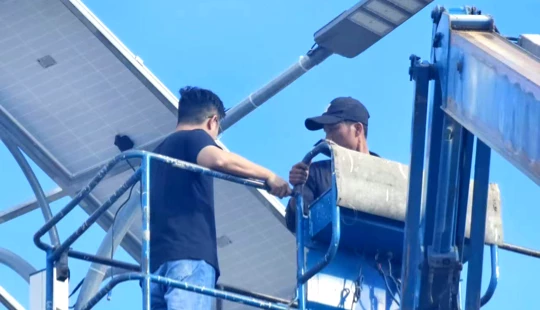
- Solar Panel Mounting: Attach the solar panel array to the designed bracket on the pole. Proper orientation (typically south-facing in the Northern Hemisphere, north-facing in the Southern Hemisphere) and tilt angle (often between 15-45 degrees, optimized for year-round sun exposure or specific seasons) are crucial for maximizing energy harvest. Monocrystalline panels, offering 18-22% efficiency, are commonly preferred for their performance in limited space.
- Battery Housing Installation: Depending on the design, the battery housing will either be mounted within the pole base, on the pole itself, or buried underground. Ensure the housing is waterproof (minimum IP67 for underground or exposed units) and provides adequate ventilation if required for certain battery types.
- LED Fixture Attachment: Securely mount the LED lamp head to the pole's outreach arm. Adjust the angle as needed to achieve the desired light distribution pattern. Modern LED luminaires often boast an efficacy of 150-180 lumens per watt.
The Critical Art of Wiring: Connecting Solar Panel, Battery, Controller, and LED Lamp.
Correct wiring is the backbone of a reliable solar lighting system. Any errors can lead to system failure, reduced lifespan, or safety hazards.
- Safety First: Always disconnect power sources before wiring. Use insulated tools and follow local electrical codes.
- Solar Panel to Charge Controller: Connect the positive (+) and negative (-) terminals of the solar panel to the designated 'PV input' terminals on the charge controller. Ensure correct polarity. Use UV-resistant, appropriately sized cables (e.g., 4mm² or 6mm² for typical systems) to minimize voltage drop, especially over longer runs.
- Battery to Charge Controller: Connect the battery's positive (+) and negative (-) terminals to the 'Battery input' terminals on the charge controller. This connection should always be made before connecting the solar panel. The charge controller detects the battery voltage (e.g., 12V or 24V). LiFePO4 battery management systems (BMS) are integral for their safety and longevity.
- LED Lamp to Charge Controller: Connect the LED lamp's positive (+) and negative (-) wires to the 'Load output' terminals on the charge controller. The controller manages power delivery to the lamp, often incorporating dimming functions and dusk-to-dawn operation.
- Grounding: Ensure proper grounding of the pole and electrical components to protect against lightning strikes and electrical faults.
- Waterproofing: All connections, especially those exposed to the elements, must be sealed with IP67/IP68 rated connectors or junction boxes to prevent moisture ingress and corrosion.
Key Technical Specifications for Strategic Solar Lighting Pole Procurement.
Making an informed purchase requires understanding the core technical specifications that dictate performance, reliability, and return on investment (ROI).
- Solar Panel Power (Wp): Specifies the peak power output. It directly influences charging capability. A common ratio of panel to LED power might be 2-3 times the LED wattage to ensure sufficient charging.
- Battery Capacity (Ah/Wh): Determines the system's autonomy (how many nights it can operate without sun). Calculate based on LED power consumption and desired backup days. For example, a 30W LED running for 10 hours daily requires 300Wh/day. With 3 days autonomy, a 900Wh battery would be needed, accounting for system inefficiencies.
- LED Luminance (Lumens) and Efficacy (lm/W): Lumens indicate brightness, while efficacy measures efficiency. Aim for high efficacy LEDs (e.g., >150 lm/W) to get more light with less power consumption.
- Charge Controller Type (MPPT/PWM): MPPT controllers offer superior efficiency (15-30% more efficient than PWM) by optimizing power harvest from the solar panel, especially in varying light conditions.
- IP Rating: Ingress Protection rating for luminaires, battery enclosures, and controllers. IP65 is suitable for general outdoor use, while IP66 or IP67 offers higher protection against dust and water jets/temporary immersion.
- Pole Material and Wind Resistance: Galvanized steel or aluminum alloy are common. Ensure the pole's design meets local wind load requirements (e.g., rated for 120 km/h wind speeds).
- Operating Temperature Range: All components, especially batteries and controllers, must be rated for the extreme temperatures of the installation site.
Deep Dive into Battery Technologies: LiFePO4 vs. Gel - Lifespan, Performance, and ROI.
The battery is arguably the most critical component, influencing system lifespan and reliability.
- Lithium Iron Phosphate (LiFePO4):
- Lifespan: 8-10+ years, offering 2,000 to 4,000+ charge/discharge cycles at 80% Depth of Discharge (DoD). Some High Quality models exceed 6,000 cycles.
- Performance: High energy density, stable voltage output, excellent performance in cold temperatures (down to -20°C with reduced capacity, some variants operate lower), and fast charging capabilities. They can be discharged much deeper (up to 90%) without significant damage compared to lead-acid.
- Safety: Inherently safer than other lithium-ion chemistries due to thermal and chemical stability. Integrated Battery Management Systems (BMS) protect against overcharge, over-discharge, over-current, and temperature fluctuations.
- ROI: Higher initial cost but significantly lower total cost of ownership (TCO) due to longer lifespan and superior performance.
- Gel (VRLA Lead-Acid):
- Lifespan: 3-5 years, typically offering 500-1000 cycles at 50% DoD.
- Performance: Lower energy density, sensitive to deep discharge (should not exceed 50% DoD), and performance degrades significantly in cold temperatures. Slower charging.
- Safety: Generally safe, but susceptible to gassing if overcharged, though sealed to prevent spills.
- ROI: Lower initial cost, but higher TCO due to shorter lifespan, requiring more frequent replacements and associated labor costs.
Procurement Insight: For most professional solar lighting applications, LiFePO4 batteries are the preferred choice due to their extended lifespan, deeper discharge capability, and better overall value despite the higher upfront investment. The global solar street lighting market is experiencing significant growth, with projections of a CAGR around 18% from 2023-2030, largely driven by advancements in battery and LED technologies.
Optimizing Energy Management: Understanding MPPT and PWM Charge Controllers.
The charge controller is the 'brain' of the solar lighting system, regulating power flow between the solar panel, battery, and LED lamp.
- PWM (Pulse Width Modulation) Controllers:
- Operation: Works by rapidly switching the solar panel's connection to the battery on and off, matching the battery voltage.
- Efficiency: Less efficient, particularly when the solar panel voltage significantly differs from the battery voltage. It essentially 'chops' the excess voltage from the panel, wasting energy.
- Cost: Generally more affordable and simpler.
- Best Use: Smaller systems where the solar panel voltage is close to the battery voltage, or budget is a primary concern.
- MPPT (Maximum Power Point Tracking) Controllers:
- Operation: Continuously tracks the solar panel's maximum power point (MPP) – the optimal combination of voltage and current where the panel produces the most power. It then converts this power efficiently to match the battery's voltage requirements.
- Efficiency: Significantly more efficient, typically 15-30% more power harvest than PWM controllers, especially in varying weather conditions (cloudy skies, temperature changes) or when the panel voltage is much higher than the battery voltage (e.g., 24V panel charging a 12V battery).
- Cost: Higher initial cost.
- Best Use: Medium to large solar lighting systems, systems in areas with variable weather, or when maximizing energy yield is crucial for reliability and longevity.
Procurement Insight: While PWM controllers are cheaper, the long-term energy savings and improved reliability offered by MPPT controllers usually justify their higher cost for most professional solar lighting projects.
Preventing Pitfalls: Common Installation Challenges and Best Practices.
Awareness of common issues can significantly reduce project risks and post-installation headaches.
- Incorrect Solar Panel Orientation/Tilt: Leads to drastically reduced energy generation.
Prevention: Conduct a thorough site survey, use a solar pathfinder or compass and inclinometer to ensure optimal alignment with the sun's path.
- Poor Waterproofing of Connections: Moisture ingress causes short circuits, corrosion, and system failure.
Prevention: Use IP67/IP68 rated connectors, waterproof junction boxes, and apply dielectric grease where appropriate. Route cables internally within the pole where possible.
- Undersized Battery or Solar Panel: Insufficient power generation or storage leads to lights not lasting through the night or dimming prematurely.
Prevention: Perform accurate sizing calculations based on LED power, operating hours, local solar irradiance data (peak sun hours), and desired autonomy (backup days for cloudy weather). A minimum of 3-5 days autonomy is often recommended.
- Incorrect Wire Gauge: Using too thin a wire can lead to significant voltage drop, power loss, and even overheating.
Prevention: Calculate appropriate wire gauges based on current, cable length, and acceptable voltage drop (typically <3%).
- Inadequate Foundation: Can lead to pole instability, especially in high winds.
Prevention: Engineer foundations to local soil conditions and wind load requirements. Ensure proper rebar reinforcement and concrete mix.
- Theft and Vandalism: Batteries and solar panels are often targets.
Prevention: Utilize anti-theft designs (e.g., integrated batteries within the pole, tamper-proof bolts, robust battery enclosures), and consider security features where appropriate.
Quenenglighting: Your Partner in Sustainable Illumination
Quenenglighting stands as a leader in innovative and reliable solar lighting solutions. We pride ourselves on:
- High Quality Component Integration: Utilizing high-efficiency monocrystalline solar panels, long-life LiFePO4 batteries with advanced BMS, and intelligent MPPT controllers to maximize energy harvest and system longevity.
- Robust & Durable Design: Our lighting poles and fixtures are engineered from high-grade materials like galvanized steel and aluminum, offering superior wind resistance and IP-rated protection against harsh environmental conditions.
- Customized Solutions: We understand that every project is unique. Quenenglighting offers tailored designs, optimizing lumen output, autonomy, and pole specifications to meet precise project requirements and environmental factors.
- Exceptional Quality & Certifications: Adhering to stringent international quality standards, our products come with relevant certifications, ensuring safety, performance, and compliance.
- Comprehensive Support: From detailed installation guides and wiring diagrams to responsive technical assistance and after-sales service, Quenenglighting is committed to supporting your project from inception to successful operation.
Data Citation Sources:
- Industry reports on solar street lighting market analysis and growth projections (e.g., Grand View Research, MarketsandMarkets).
- Technical specifications and application guidelines from leading solar panel, battery (e.g., CATL, BYD), LED (e.g., Cree, Osram), and charge controller manufacturers.
- Electrical engineering and solar energy installation best practice guides.
- General industry accepted standards for IP ratings and material durability.

Have more questions about our products or services?
The latest hot news you might like

Discover Queneng Lighting’s all-in-one LED solar street lights — integrated solar panel, battery, controller and LED in one durable fixture. Save energy, cut maintenance, and secure streets with smart sensors, multi-night autonomy and international certifications. Contact sales for quotes and support.

Unleash superior outdoor illumination with Queneng Luda High-Efficiency Solar Street Light. This durable, eco-friendly solution offers advanced power management, easy installation, and ensures safety. Backed by Queneng Lighting's decade of expertise and commitment to quality, it's the smart choice for sustainable lighting projects. Learn why we're a leading solar solutions provider.

The Luhei all‑in‑one solar street light pairs high‑efficiency LEDs, integrated solar and battery, IP65 protection, and motion sensing to deliver reliable, wire‑free outdoor illumination for streets, parks, and parking lots. Backed by Queneng Lighting’s certifications and support.

FAQ
Schools and Educational Institutions
What is the warranty for the solar lights?
We offer a 5-year warranty on our solar lighting systems, covering parts and defects.
Solar Street Light Luyan
How do Luyan solar street lights reduce environmental impact?
Luyan solar street lights are an eco-friendly lighting solution because they use solar power, a renewable energy source, to generate electricity. By relying on solar energy, they eliminate the need for grid electricity, helping to reduce carbon emissions and decrease the overall carbon footprint. Additionally, the energy-efficient LED lights consume less power, ensuring that the system uses minimal energy while providing bright, reliable illumination.
Solar Street Light Luqing
Can solar street lights be used in cloudy or rainy weather?
Yes, solar street lights can still function in cloudy or rainy conditions, though their performance may be reduced due to lower sunlight. The battery is designed to store enough energy to power the light for several days of overcast weather.
Public Gardens and Landscape Lighting
How can I order solar lighting products for my public garden or landscape project?
To order solar lighting solutions for your project, simply contact our sales team via phone, email, or our website. We will work with you to understand your specific requirements and provide customized solutions that fit your needs. We also offer installation support and after-sales services to ensure your project is a success.
Battery fundamentals and basic terms
What is battery internal resistance?
Solar Street Light Luyi
Can Luyi solar street lights be integrated into smart city infrastructure?
Yes, Luyi solar street lights can be integrated into smart city infrastructure. With their advanced control systems, they can be connected to a central monitoring system for real-time performance tracking, remote control of lighting schedules, and energy management. This integration helps optimize energy use and allows for easy maintenance and monitoring of large-scale installations.
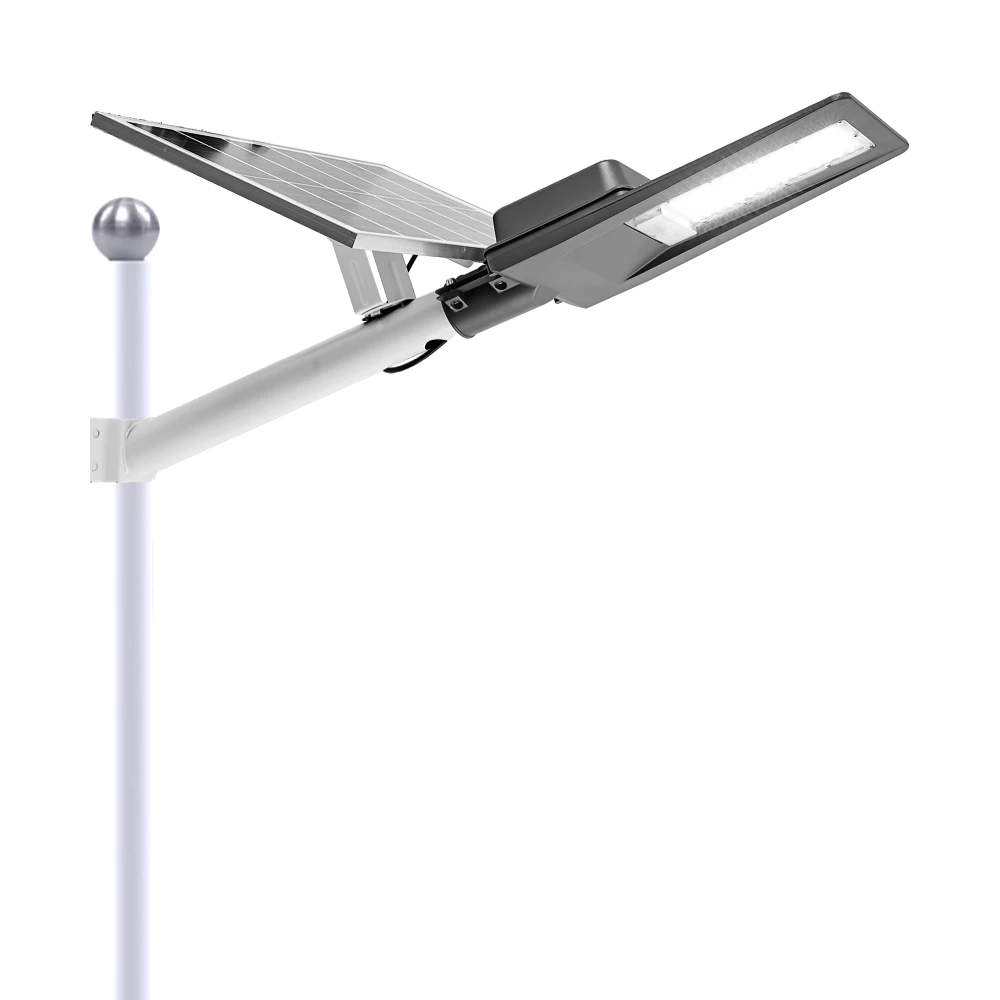
Experience reliable outdoor illumination with our smart solar street light, a perfect combination of advanced technology and eco-conscious design.
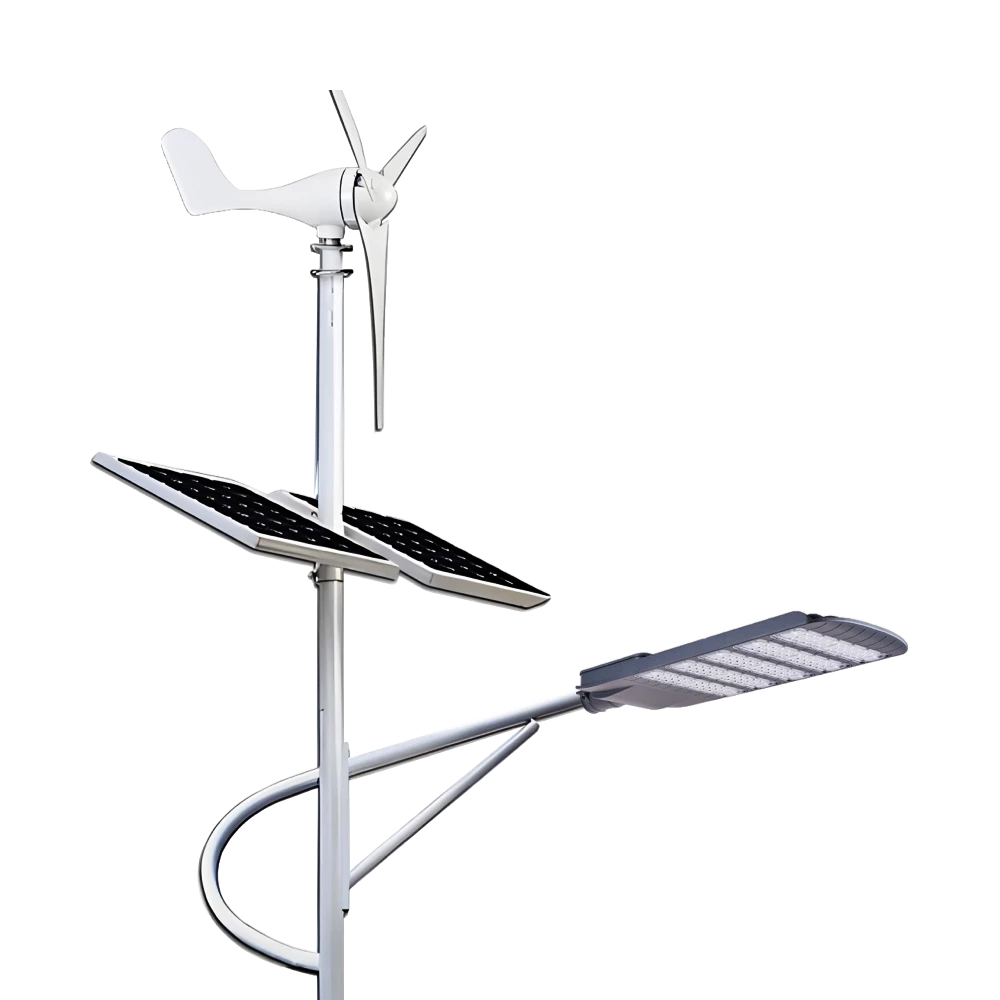
Queneng Lufeng Wind Energy LED Outdoor Solar Street Lights offer high-performance, eco-friendly illumination. These energy-efficient LED street lights harness solar power and wind energy for sustainable, cost-effective outdoor lighting solutions.
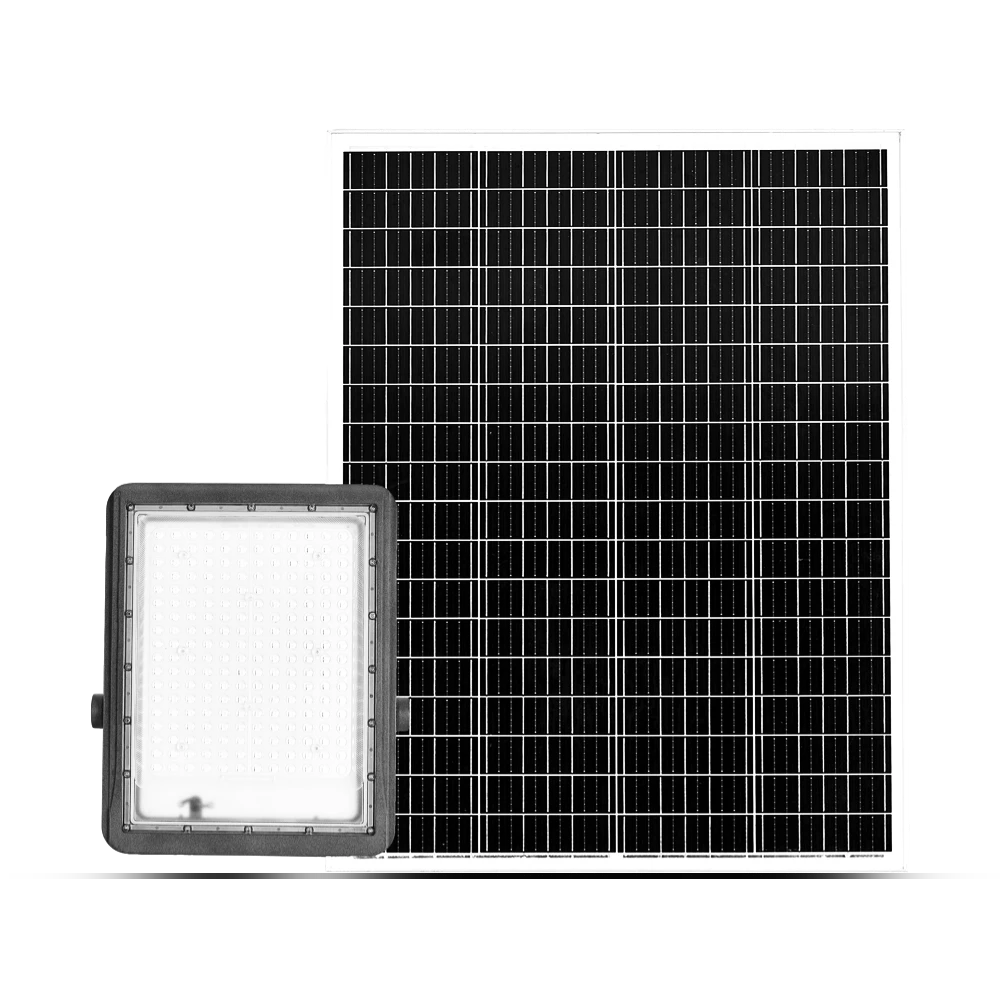
Queneng's Luxian Reliable Solar Street Light offers energy-saving LED lighting for outdoor use. This durable, solar-powered street light provides reliable illumination, reducing energy costs and environmental impact. A perfect solution for sustainable outdoor lighting.
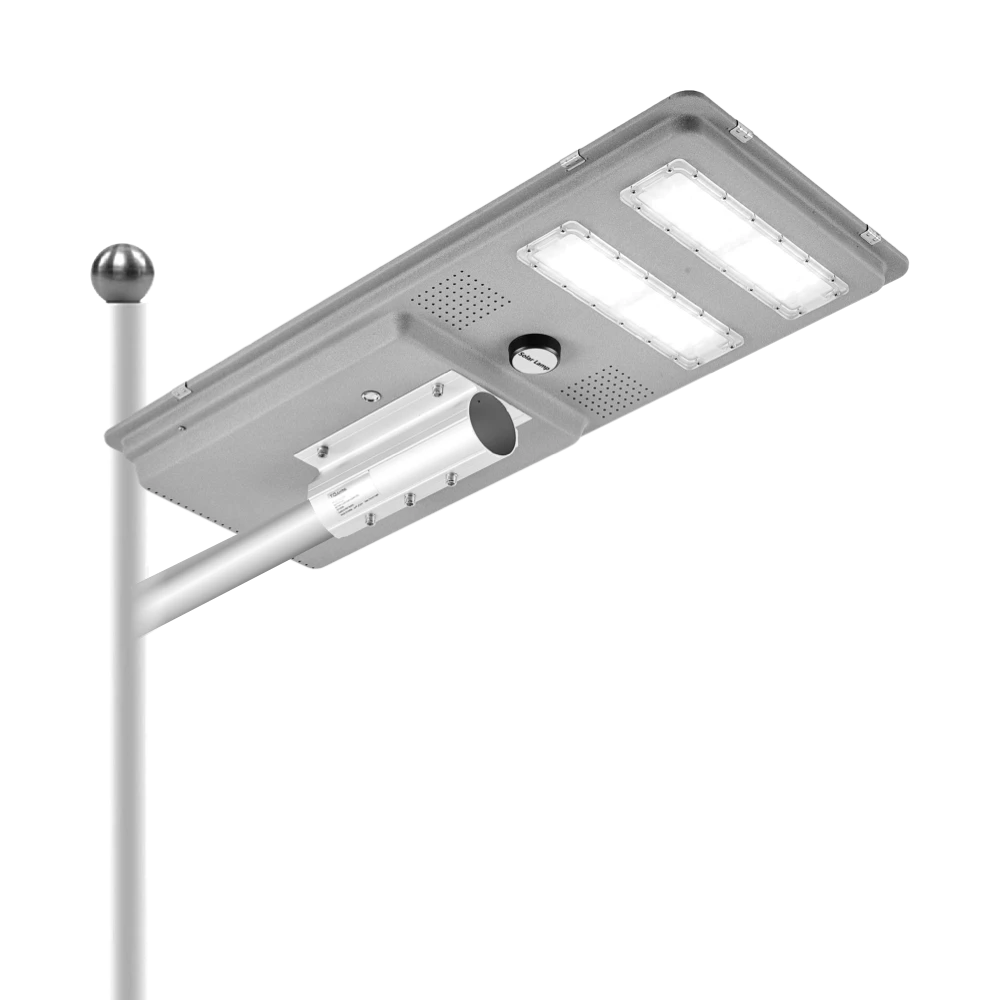
Queneng’s Solar Street Lights are designed to provide reliable, energy-efficient lighting for streets, parks, and other outdoor spaces.
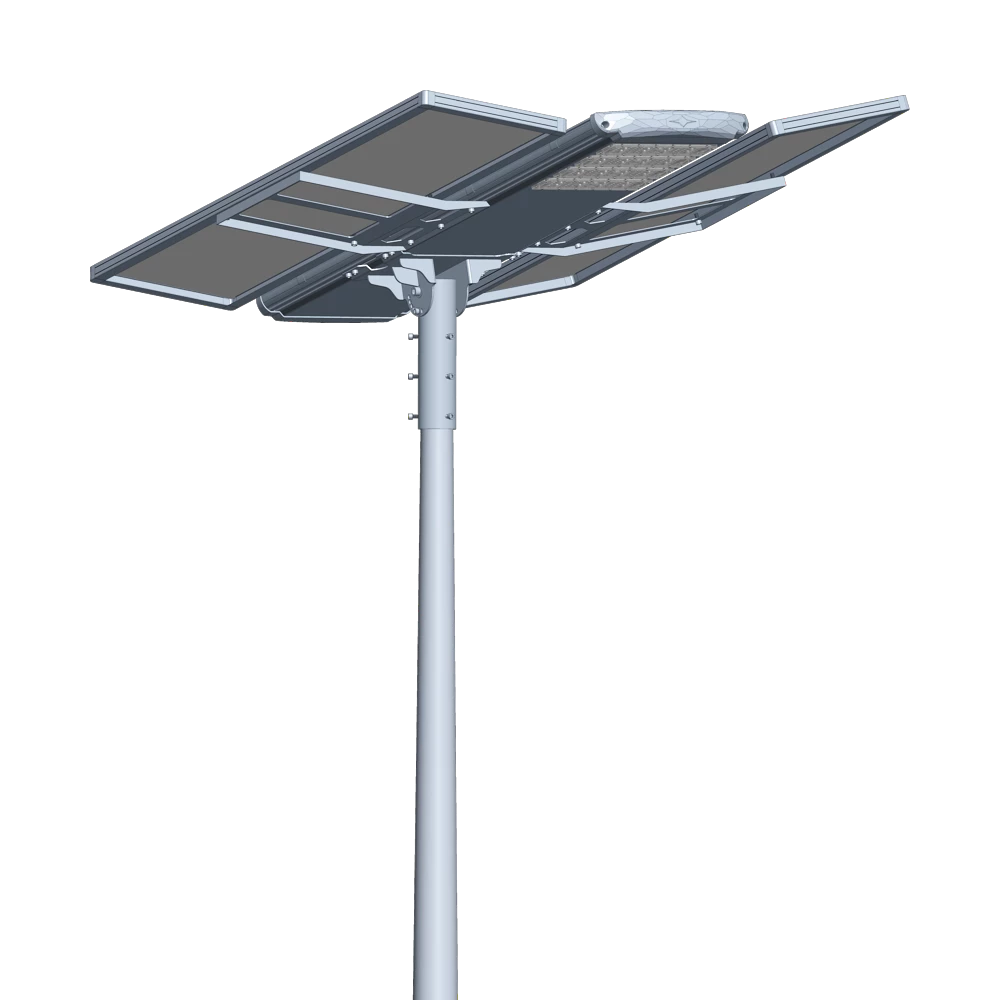
Introducing the Luqing Solar Street Light by Queneng, Efficient LED lighting powered by solar energy is perfect for illuminating outdoor areas. Harness the power of solar energy for sustainable, reliable street lighting. Ideal for eco-friendly, cost-effective outdoor illumination solutions.
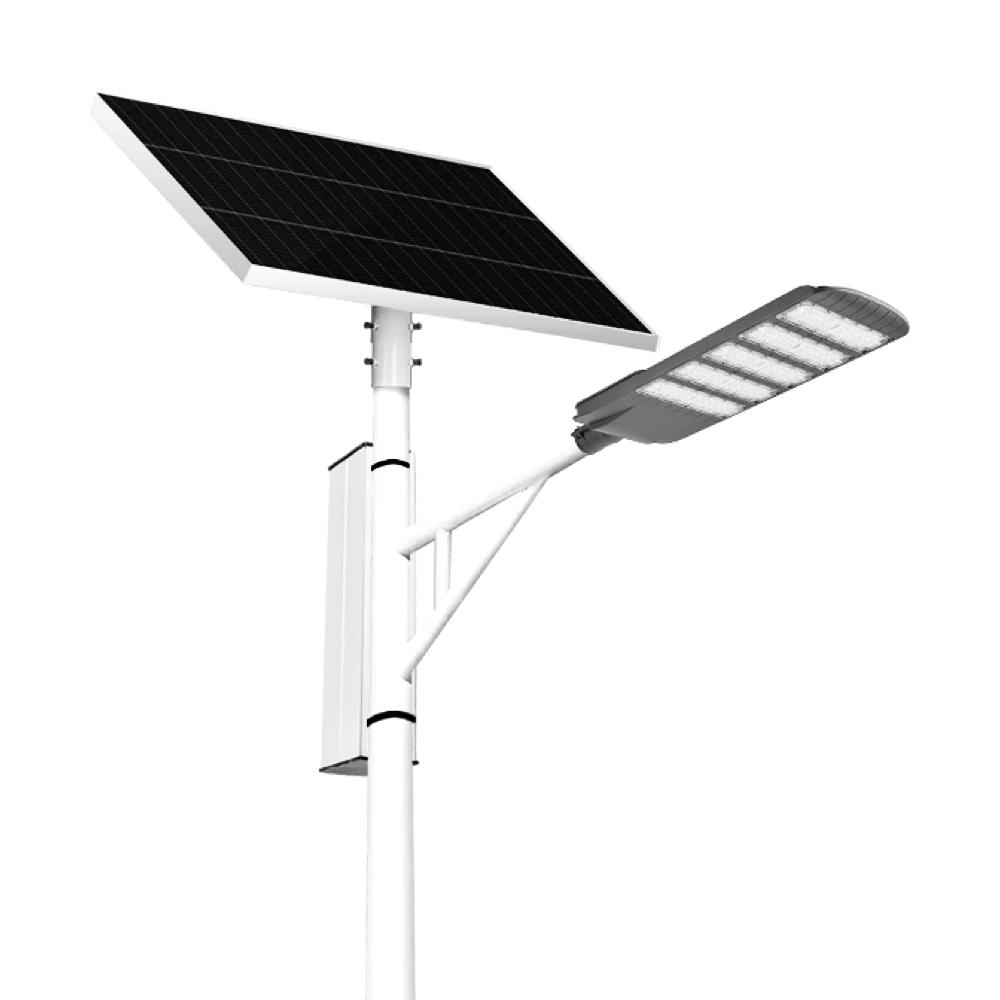
The Solar Streetlights of Luhao for Municipalities are designed to deliver reliable, energy-efficient, and cost-effective public lighting solutions. Equipped with advanced LED technology, durable lithium batteries, and high-efficiency solar panels, these streetlights provide consistent illumination for roads, parks, residential areas, and government projects.
If you would like more information about Queneng solar lighting solutions, please send us a message by filling out the form below. Our professional team will get back to you within 24 hours!
Rest assured that your privacy is important to us, and all information provided will be handled with the utmost confidentiality.
Schedule a Meeting
Book a date and time that is convenient for you and conduct the session in advance.
Have more questions about our products or services?
The messenger of light & power conversion
Environmental protection and intelligent manufacturing are our brand philosophy, and quality assurance and the best user experience are our eternal promises to users.
CONTACT
No.9F, Building F, Cao San Xin Tian Hong Logistics Park, Guzhen Town, Zhongshan City, Guangdong Province, China.
or write [email protected]
WhatsApp: +86 136 2270 1011


