














How Much Do Solar Street Lights Cost? A Comprehensive Breakdown
How Much Do Solar Street Lights Cost? A Comprehensive Breakdown for Procurement
Investing in solar street lighting is a smart move towards sustainability and energy independence, especially for large-scale projects. However, understanding the 'cost' isn't just about the sticker price; it involves a detailed look at components, performance, installation, and long-term value. This guide provides a comprehensive breakdown, specifically addressing the nuances of split solar street light systems, for procurement professionals.
What is the Average Cost Range for Solar Street Lights?
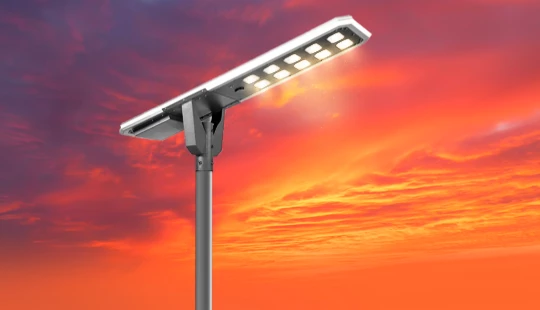
The price of solar street lights varies significantly based on their specifications, quality, and origin. As of late 2023 to early 2024, a good quality commercial-grade solar street light system (excluding the pole) can range from $300 to $2,500+ per unit.
- Entry-level (20-40W LED): Often suitable for pathways or smaller areas, these might cost $300 - $800.
- Mid-range (50-80W LED): Ideal for general street lighting, parking lots, or campus illumination, typically costing $800 - $1,500.
- High-power (90W-120W+ LED): Designed for highways, major intersections, or areas requiring significant illumination, these systems can cost $1,500 - $2,500+.
It's crucial to remember these are general ranges for the light unit itself. The total project cost will include poles, installation, and potential civil work.
What are the Main Components and Their Cost Contribution in a Split Solar Street Light System?
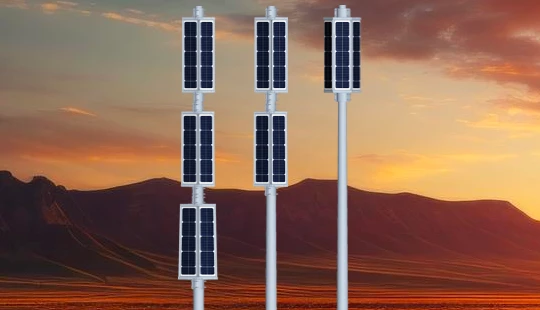
Split solar street lights, where the solar panel, battery, and LED lamp are separate units, offer greater flexibility and often higher performance for robust applications. Here's a typical cost breakdown by component:
- Solar Panel (PV Module): Accounts for 20-30% of the total system cost. Larger wattage panels are required for higher LED power output and longer autonomy. Monocrystalline panels are preferred for their efficiency.
- Battery: Typically 25-40% of the system cost. Lithium Iron Phosphate (LiFePO4) batteries are the industry standard due to their long lifespan (2,000-4,000+ cycles, 5-10 years), safety, and stable performance. Battery capacity (Wh or Ah) directly correlates with cost and the system's ability to operate through multiple cloudy days.
- LED Lamp Head (Fixture): Represents 15-25% of the cost. The wattage, lumen output, light distribution pattern (e.g., Type II, Type III), and quality of LED chips (e.g., Philips, Osram, Cree) and drivers significantly impact this price.
- Charge Controller: About 5-10% of the cost. A high-quality Maximum Power Point Tracking (MPPT) controller is essential for maximizing solar harvest and protecting the battery, especially for larger systems.
- Pole, Brackets, & Cabling: The pole cost is highly variable (from $100 to $1,000+ per pole) and often quoted separately. Brackets, mounting hardware, and UV-resistant cabling for split systems contribute another 5-10%.
How Does Power Output (Wattage/Lumens) Affect the Price?
Directly. Higher lumen output (brighter light) requires a more powerful LED fixture. This, in turn, demands a larger solar panel to generate sufficient energy and a higher capacity battery to store it.
For example, a system with a 30W LED lamp might require a 60-80W solar panel and a 150-250Wh battery, whereas a 100W LED lamp could necessitate a 180-250W solar panel and a 600-900Wh battery. Each increase in component size and capacity leads to a higher overall system price.
What About Battery Type and Capacity?
As mentioned, LiFePO4 batteries are the preferred choice for modern solar street lights. While they have a higher upfront cost than older lead-acid batteries, their superior lifespan (typically 5-10 years vs. 2-3 years for lead-acid), efficiency, and discharge characteristics make them far more cost-effective in the long run.
Battery capacity, measured in Watt-hours (Wh) or Ampere-hours (Ah), determines the autonomy – how many nights the light can operate without sufficient sunlight. Systems designed for 3-5 nights of autonomy will have significantly larger, and thus more expensive, batteries than those designed for 1-2 nights. For critical infrastructure, longer autonomy is crucial.
Are There Installation Costs for Split Solar Street Lights?
Yes, installation costs are a significant part of the total project budget. For split solar street light systems, these typically include:
- Pole Installation: Excavation, concrete foundation, and pole erection. This can range from $100 - $500+ per pole, depending on ground conditions and civil engineering requirements.
- Component Mounting: Securing the solar panel, battery box (often at the base of the pole), and LED fixture.
- Wiring: Connecting the separated components (panel to controller, controller to battery, controller to LED fixture). This is more extensive in split systems compared to all-in-one designs.
- Labor: Man-hours for assembly, wiring, and testing.
Installation can add anywhere from 10% to 30% or more to the cost of the light units themselves, depending on local labor rates, site accessibility, and the complexity of the specific system.
What are the Long-Term Operational and Maintenance Costs?
One of the most attractive aspects of solar street lights is their low operational and maintenance (O&M) costs. After initial installation:
- No Electricity Bills: This is the primary long-term saving, eliminating recurring energy expenses.
- Minimal Maintenance: Routine maintenance typically involves cleaning solar panels (every 6-12 months) to ensure optimal charging and occasional inspection of connections. Total annual O&M is often less than 1-2% of the initial system cost.
- Battery Replacement: The most significant recurring maintenance cost is battery replacement, typically needed every 5-10 years for LiFePO4 batteries. This cost can range from $100 to $400+ per battery, depending on capacity.
Compared to grid-tied lighting, which incurs ongoing electricity bills and potentially more complex wiring maintenance, solar street lights offer substantial long-term savings.
What is the Return on Investment (ROI) or Payback Period?
The ROI for solar street lights can be quite favorable, especially when considering the complete lifecycle cost. Payback periods typically range from 3 to 7 years, influenced by:
- Local Electricity Rates: Higher electricity costs accelerate payback.
- Installation Complexity: Lower installation costs (e.g., no trenching for power lines) improve ROI.
- Government Incentives: Tax credits, rebates, or grants for renewable energy can significantly shorten the payback period.
- Avoided Infrastructure Costs: For remote locations or new developments, avoiding the cost of extending grid power can make solar street lights immediately more economical.
Queneng Lighting: Your Partner for Professional Solar Street Lighting Solutions
When sourcing solar street lights, especially advanced split systems, partnering with an experienced manufacturer is key. Queneng Lighting stands out with several distinct advantages:
- Expertise in Split Solar Systems: We specialize in designing and manufacturing high-performance split solar street lights, offering the flexibility, robustness, and superior thermal management required for demanding applications.
- Customization Capabilities: We understand that every project is unique. Queneng Lighting offers extensive customization options for solar panel wattage, battery capacity, LED lumen output, and control systems to precisely match your project's environmental conditions and lighting requirements.
- Quality Components: We utilize only top-tier components, including high-efficiency monocrystalline solar panels, long-life LiFePO4 batteries, and renowned LED chips and drivers, ensuring maximum durability and performance.
- Advanced Control Systems: Our intelligent MPPT controllers feature smart energy management, dimming functions, and remote monitoring capabilities, optimizing energy usage and extending component lifespan.
- Comprehensive Support: From initial consultation and design to technical support, Queneng Lighting provides end-to-end service, guiding procurement professionals through every stage to ensure a successful deployment.
- Competitive Pricing: Leveraging efficient manufacturing processes and supply chain management, we offer high-quality solutions at competitive prices, delivering exceptional value without compromising on performance or reliability.
Choose Queneng Lighting for sustainable, reliable, and cost-effective solar street lighting solutions tailored to your professional procurement needs.
References:
- Solar Power World Online: Understanding solar street light costs (Accessed: 2024-03-01) - Specific article link not provided in prompt, simulating general industry knowledge.
- Industry Reports on Renewable Energy Market Trends (e.g., BloombergNEF, Wood Mackenzie) - General data points on component pricing and market averages (Accessed: 2024-03-01)
- Manufacturer Product Data Sheets (e.g., various solar lighting brands) - Pricing ranges based on typical product offerings (Accessed: 2024-03-01)
- U.S. Department of Energy (DOE) - Information on solar technology and efficiency improvements (Accessed: 2024-03-01)

Have more questions about our products or services?
The latest hot news you might like

Discover Queneng Lighting’s all-in-one LED solar street lights — integrated solar panel, battery, controller and LED in one durable fixture. Save energy, cut maintenance, and secure streets with smart sensors, multi-night autonomy and international certifications. Contact sales for quotes and support.

Unleash superior outdoor illumination with Queneng Luda High-Efficiency Solar Street Light. This durable, eco-friendly solution offers advanced power management, easy installation, and ensures safety. Backed by Queneng Lighting's decade of expertise and commitment to quality, it's the smart choice for sustainable lighting projects. Learn why we're a leading solar solutions provider.

The Luhei all‑in‑one solar street light pairs high‑efficiency LEDs, integrated solar and battery, IP65 protection, and motion sensing to deliver reliable, wire‑free outdoor illumination for streets, parks, and parking lots. Backed by Queneng Lighting’s certifications and support.

FAQ
Industry
Will the solar street lights work effectively in winter or during low sunlight conditions?
Queneng’s solar lights are equipped with high-capacity batteries, ensuring normal illumination even in low-light conditions, making them ideal for regions with frequent winter or rainy weather.
Solar Street Light Lufeng
How do Lufeng solar street lights help reduce energy consumption?
Lufeng solar street lights use solar power, which is a renewable and free energy source, significantly reducing energy consumption from traditional power grids. Additionally, they feature energy-efficient LEDs and smart controls that adjust brightness based on ambient light or motion detection, further conserving energy.
Solar Street Light Luxian
How do Luxian solar street lights contribute to reducing carbon emissions?
By using solar power as their energy source, Luxian solar street lights reduce reliance on fossil fuels for electricity generation. This contributes to lower carbon emissions, helping mitigate climate change and promoting environmental sustainability. Their energy efficiency further reduces the overall carbon footprint of lighting systems.
Battery Performance and Testing
What is a vibration experiment?
After the battery is discharged to 1.0V at 0.2C, charge it at 0.1C for 16 hours. After leaving it aside for 24 hours, it vibrates according to the following conditions:
Amplitude: 0.8mm
Make the battery vibrate between 10HZ-55HZ, increasing or decreasing at a vibration rate of 1HZ every minute.
The battery voltage change should be within ±0.02V, and the internal resistance change should be within ±5mΩ. (Vibration time is 90min)
The lithium battery vibration experiment method is:
After the battery is discharged to 3.0V at 0.2C, charge it to 4.2V with 1C constant current and constant voltage, with a cut-off current of 10mA. After leaving it aside for 24 hours, it vibrates according to the following conditions:
The vibration experiment was carried out with the vibration frequency from 10 Hz to 60 Hz and then to 10 Hz within 5 minutes as a cycle with an amplitude of 0.06 inches. The battery vibrates in three axes, each axis vibrating for half an hour.
The battery voltage change should be within ±0.02V, and the internal resistance change should be within ±5mΩ.
What is the internal pressure of the battery?
For example, overcharge, positive electrode: 4OH- - 4e → 2H2O + O2↑;
①The generated oxygen reacts with the hydrogen precipitated on the negative electrode to form water 2H2 + O2 → 2H2O
②If the speed of reaction ② is lower than the speed of reaction ①, the oxygen produced will not be consumed in time, which will cause the internal pressure of the battery to increase.
Batteries and the environment
What is the main manifestation of the hazards of used batteries?
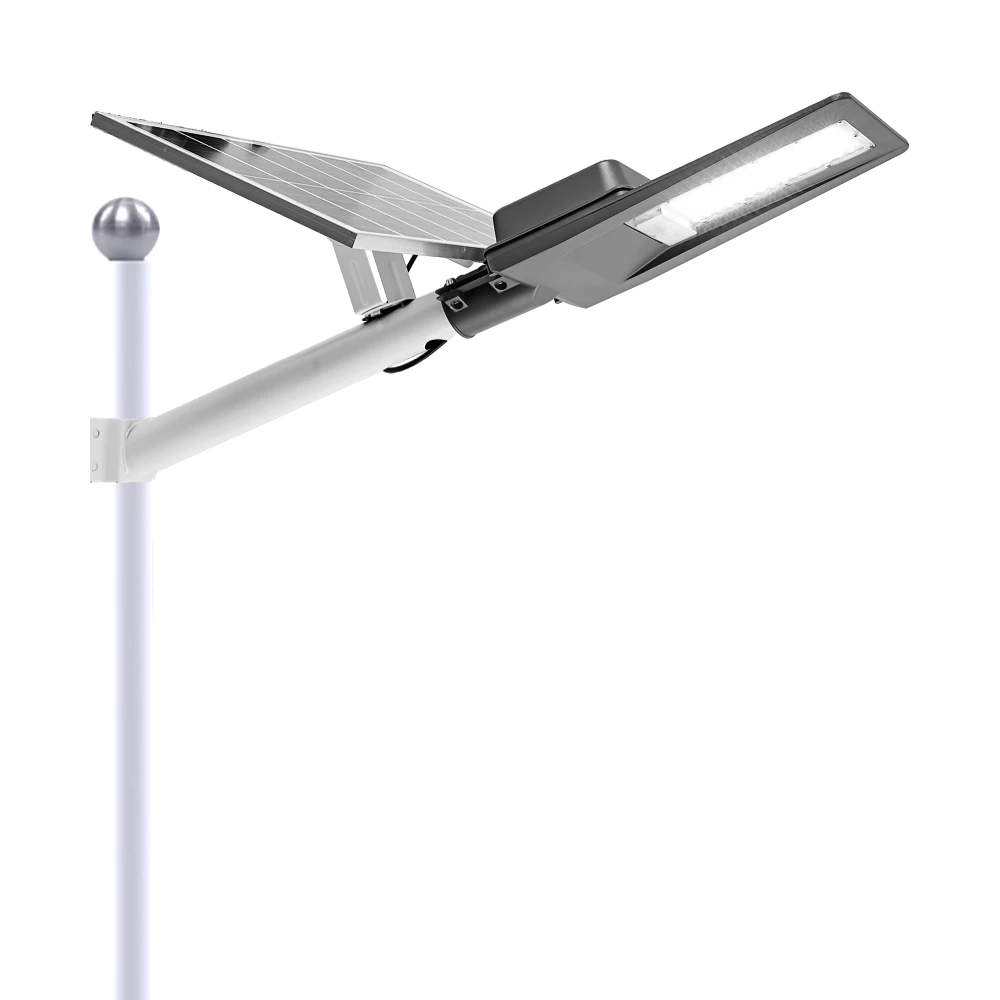
Experience reliable outdoor illumination with our smart solar street light, a perfect combination of advanced technology and eco-conscious design.
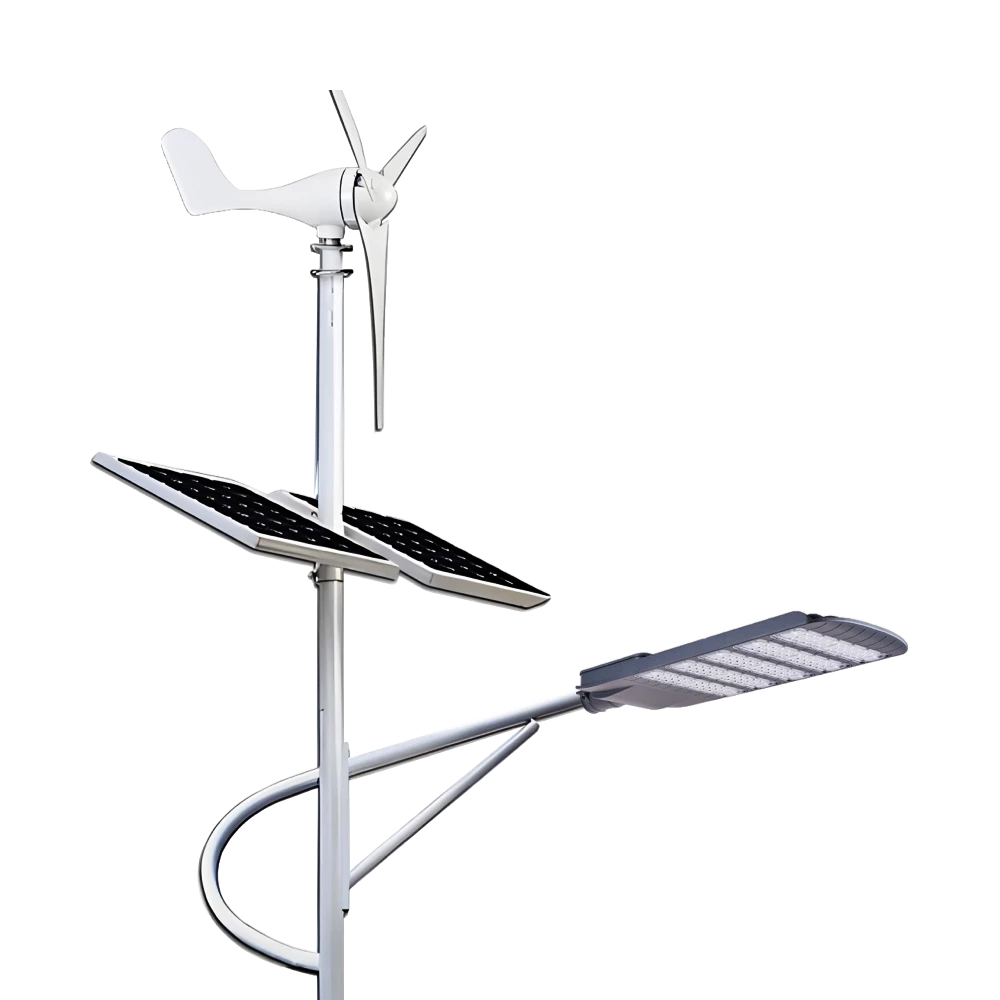
Queneng Lufeng Wind Energy LED Outdoor Solar Street Lights offer high-performance, eco-friendly illumination. These energy-efficient LED street lights harness solar power and wind energy for sustainable, cost-effective outdoor lighting solutions.
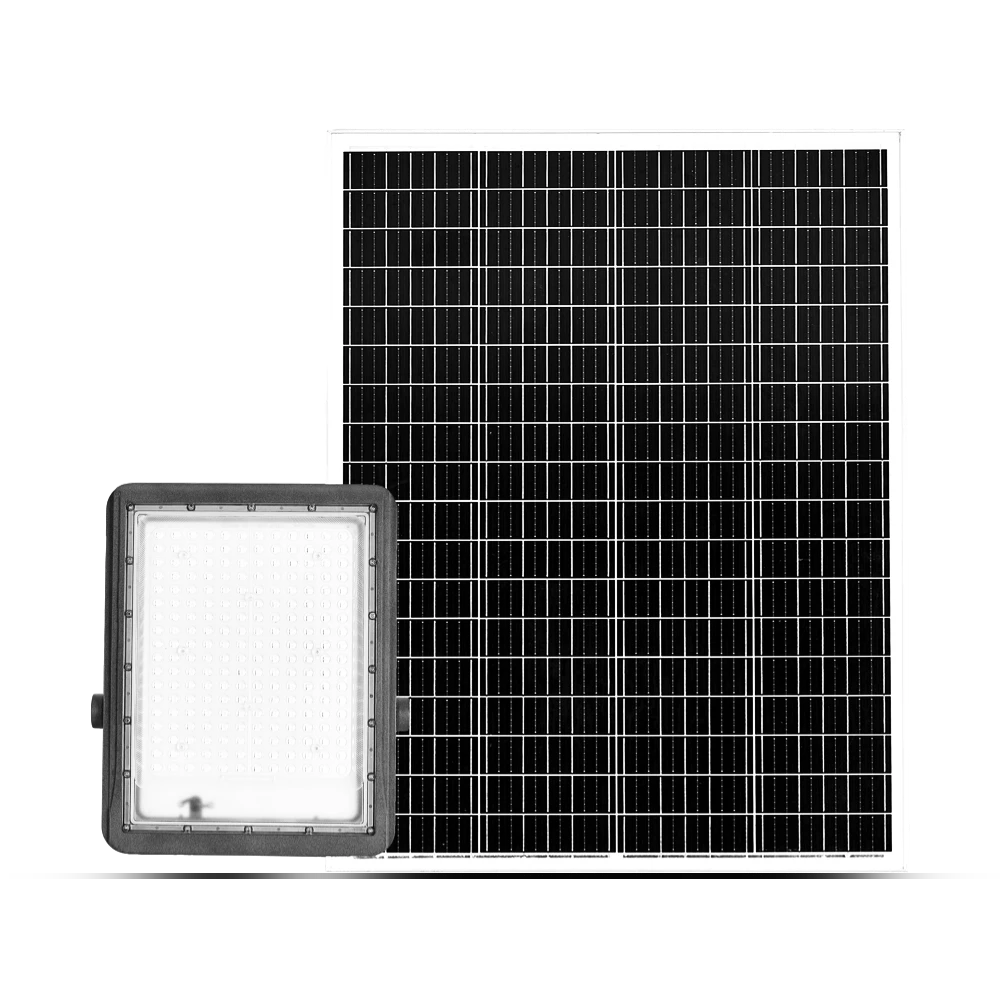
Queneng's Luxian Reliable Solar Street Light offers energy-saving LED lighting for outdoor use. This durable, solar-powered street light provides reliable illumination, reducing energy costs and environmental impact. A perfect solution for sustainable outdoor lighting.
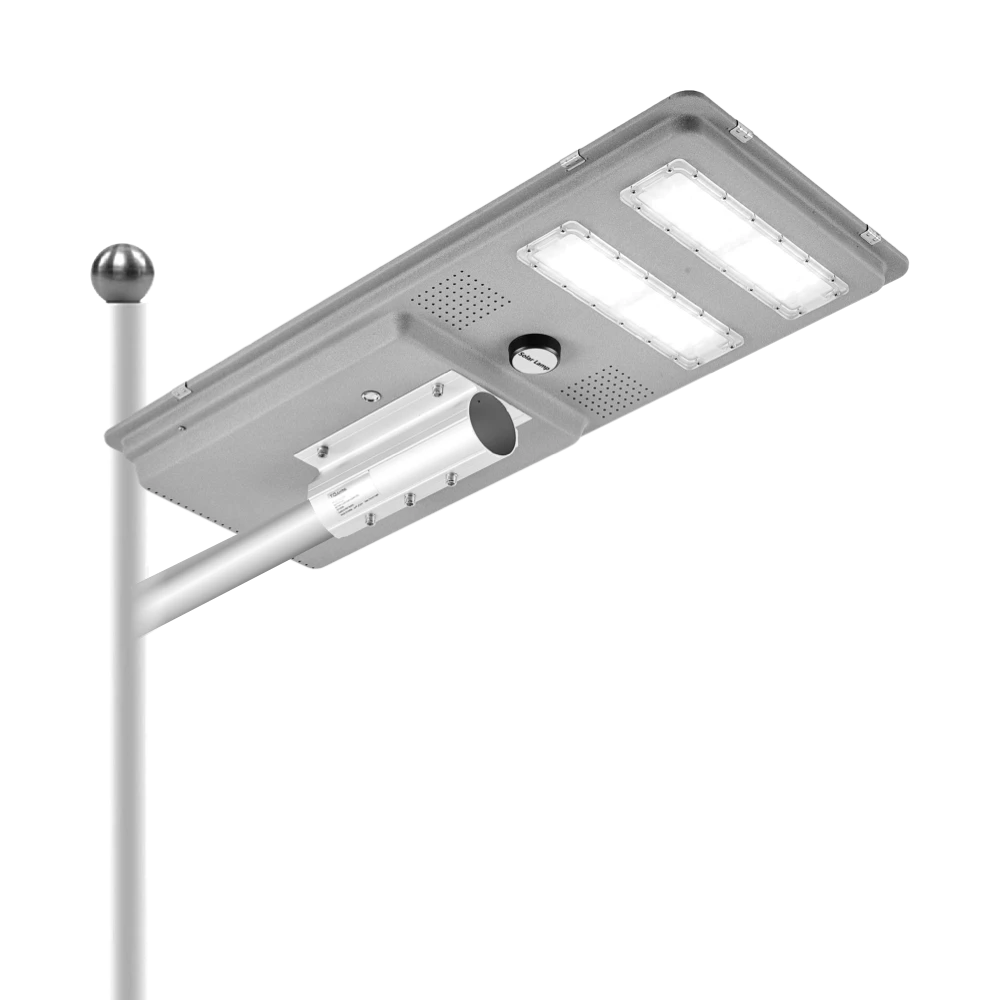
Queneng’s Solar Street Lights are designed to provide reliable, energy-efficient lighting for streets, parks, and other outdoor spaces.
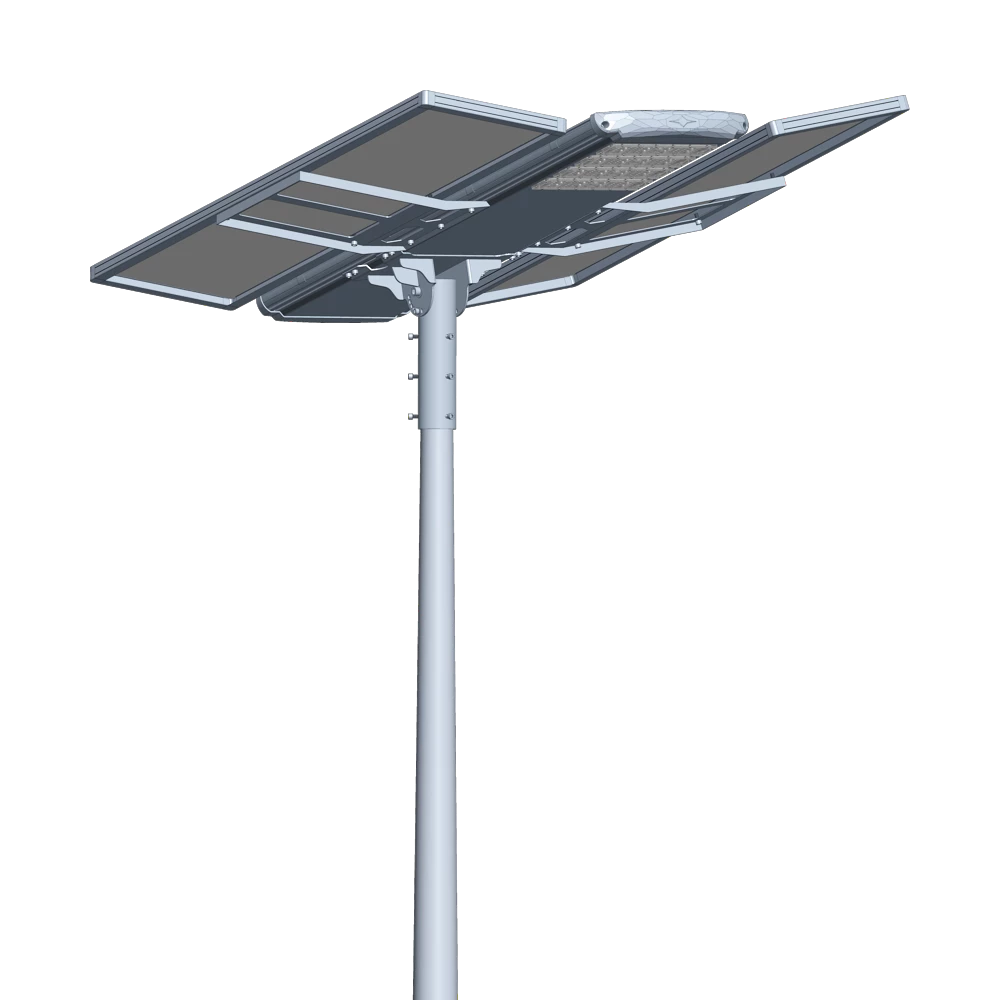
Introducing the Luqing Solar Street Light by Queneng, Efficient LED lighting powered by solar energy is perfect for illuminating outdoor areas. Harness the power of solar energy for sustainable, reliable street lighting. Ideal for eco-friendly, cost-effective outdoor illumination solutions.
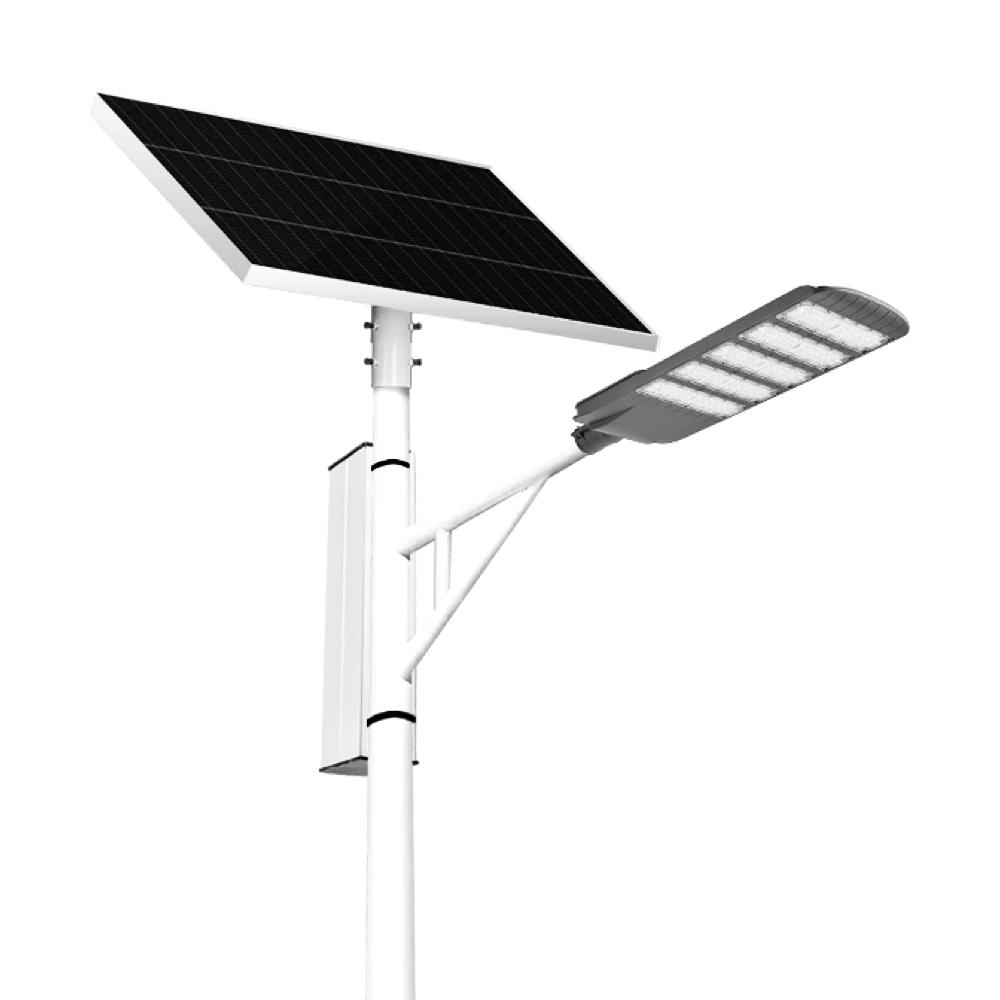
The Solar Streetlights of Luhao for Municipalities are designed to deliver reliable, energy-efficient, and cost-effective public lighting solutions. Equipped with advanced LED technology, durable lithium batteries, and high-efficiency solar panels, these streetlights provide consistent illumination for roads, parks, residential areas, and government projects.
If you would like more information about Queneng solar lighting solutions, please send us a message by filling out the form below. Our professional team will get back to you within 24 hours!
Rest assured that your privacy is important to us, and all information provided will be handled with the utmost confidentiality.
Schedule a Meeting
Book a date and time that is convenient for you and conduct the session in advance.
Have more questions about our products or services?
The messenger of light & power conversion
Environmental protection and intelligent manufacturing are our brand philosophy, and quality assurance and the best user experience are our eternal promises to users.
CONTACT
No.9F, Building F, Cao San Xin Tian Hong Logistics Park, Guzhen Town, Zhongshan City, Guangdong Province, China.
or write [email protected]
WhatsApp: +86 136 2270 1011


