














What's the typical installation cost for solar street lights?
Decoding Solar Street Light Costs & Making Informed Procurement Decisions
As the world increasingly shifts towards sustainable infrastructure, solar street lighting has emerged as a compelling solution for public and private illumination projects. For professional buyers and project managers in the split solar street light industry, understanding the nuances of cost, installation, performance, and manufacturer selection is paramount. This comprehensive guide addresses the most pressing questions to help you make informed decisions.
What's the Typical Cost Range for Solar Street Lights, and What Factors Influence It?
The cost of solar street lights varies significantly, generally ranging from $300 to $3,000+ per unit. This broad range is influenced by several critical factors:
- Wattage and Lumens: Higher brightness (lumens) requires more powerful LED fixtures, larger solar panels, and higher-capacity batteries, directly increasing the cost.
- Battery Capacity & Type: The battery is one of the most expensive components. Lithium Iron Phosphate (LiFePO4) batteries, known for their longer lifespan (5-8 years) and stability, are standard in quality systems and cost more than older lead-acid options. Larger capacity (Ah) for extended autonomy (days of backup power) also drives up the price.
- Solar Panel Size & Efficiency: Larger, higher-efficiency monocrystalline solar panels required for reliable charging in varied sunlight conditions contribute to the overall cost.
- Pole Height & Material: Poles can range from 3 meters to 12 meters or more. Taller poles require stronger, often galvanized steel or aluminum poles, which are more expensive due to material and engineering.
- All-in-One vs. Split Systems: While All-in-One units (where all components are integrated into the fixture) can sometimes appear cheaper upfront due to simplified installation, high-power or high-autonomy projects often demand Split Solar Street Light systems. Split systems, with separate, larger solar panels and batteries, offer greater flexibility in panel orientation, better thermal management for batteries, and often higher performance for demanding applications, leading to a higher unit cost for components but better long-term reliability.
- Smart Features: Motion sensors (PIR), dimming capabilities, remote monitoring, and smart control systems add to the unit cost but offer significant energy savings and operational efficiency.
- Brand and Warranty: Reputable manufacturers offering extended warranties and certified products typically have higher prices but provide greater assurance of quality and longevity.
What's the Typical Installation Cost for Solar Street Lights, and How Do They Compare to Traditional Lighting?
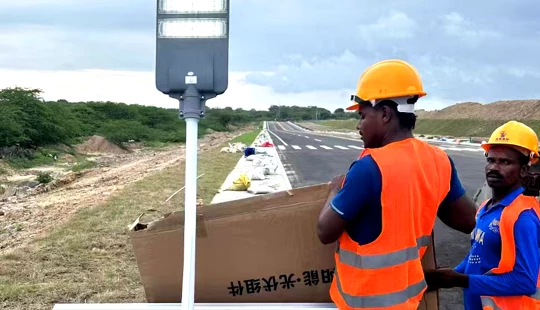
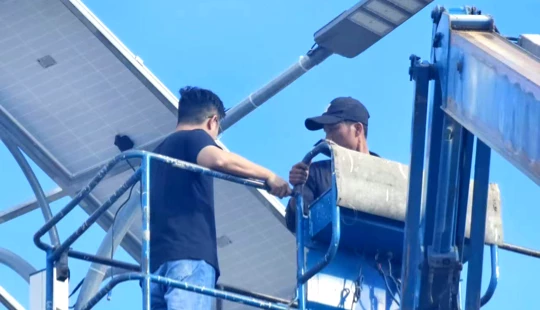
The typical installation cost for a solar street light unit can range from $100 to $500 per pole, excluding civil engineering work like trenching for underground cables. This cost is significantly lower than traditional grid-tied street lights. Key factors influencing installation costs include:
- Labor Rates: Varies by region and the specialized skills required.
- Ground Conditions: Rocky terrain or unstable soil can increase foundation costs and labor.
- Equipment Access: Difficult-to-reach locations may require specialized lifting equipment.
- Pole Height: Taller poles naturally incur higher installation costs due to the need for larger machinery and more complex rigging.
- Split System Complexity: While All-in-One systems are simpler to mount, Split Solar Street Light installations, requiring separate mounting of the solar panel and battery box, might involve slightly more labor but offer advantages in performance and component longevity, especially when battery boxes are placed at the base of the pole for easier maintenance.
Comparison to Traditional Lighting: Traditional grid-tied street lights require extensive trenching for underground cabling, transformer installations, and connection to the main grid, which can add thousands of dollars per pole in infrastructure costs. Solar street lights eliminate these significant civil engineering and electrical grid extension expenses, making their total installed cost often much lower, especially in remote or off-grid locations.
What are the Key Differences Between All-in-One and Split Solar Street Lights, and Which is Better for Commercial Projects?
Understanding the distinction between these two primary types is crucial for professional procurement:
-
All-in-One Solar Street Lights:
- Design: All components (solar panel, battery, LED fixture, controller) are integrated into a single compact unit.
- Advantages: Simpler, faster, and cheaper installation; aesthetically cleaner look.
- Disadvantages: Limited solar panel and battery size (due to integration), making them less suitable for high-power demands or areas with limited sunlight. Batteries are exposed to higher temperatures on the pole, potentially shortening lifespan. Panel angle is fixed with the lamp, which might not be optimal for solar harvesting.
- Best For: Residential areas, pathways, smaller commercial lots, areas with ample sunlight, and where lower upfront cost and ease of installation are primary drivers.
-
Split Solar Street Lights (or Separated Solar Street Lights):
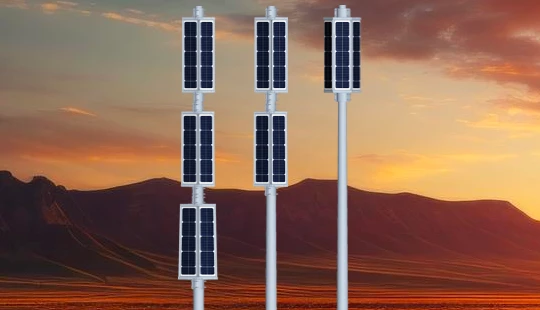
- Design: The solar panel, battery box, and LED fixture are separate components, connected by cables. The solar panel is typically mounted on top of the pole, the LED fixture below, and the battery box either attached lower on the pole or buried underground at the base.
- Advantages: Greater flexibility in component sizing (larger solar panels and batteries for higher power and autonomy), optimal solar panel angling for maximum sun exposure, better thermal management for batteries (especially when placed underground or at the pole base, protecting them from extreme temperatures), and easier maintenance/replacement of individual components. They generally offer superior performance and reliability for demanding applications.
- Disadvantages: Slightly more complex installation (connecting components), potentially higher upfront material cost due to larger components and wiring.
- Best For: Commercial and industrial projects, highways, main roads, parking lots, public squares, remote locations, areas with challenging weather conditions, or projects requiring high illumination levels and extended autonomy. Their robust design and performance are ideal for professional procurement where reliability and longevity are critical.
For most commercial and industrial projects, Split Solar Street Lights are generally the superior choice due to their enhanced performance, durability, and adaptability to specific project requirements, ensuring a more reliable and longer-lasting lighting solution.
How Long Do Solar Street Lights Last, and What is Their Typical Maintenance Requirement?
The longevity of solar street lights is determined by the lifespan of their key components:
- LED Fixture: High-quality LED luminaires can last 50,000 to 100,000 operating hours, translating to 10-20 years of typical night-time use.
- LiFePO4 Battery: The most crucial component for lifespan, LiFePO4 batteries typically offer 2,000 to 4,000 charge cycles, equating to a practical lifespan of 5-8 years. After this period, their capacity might degrade, requiring replacement.
- Solar Panel: Photovoltaic panels are extremely durable, with an expected lifespan of 20-25 years, often retaining 80% of their initial output after two decades.
- Pole and Fixture Housing: Galvanized steel poles and robust aluminum alloy housings can last 20+ years, resisting corrosion and environmental wear.
Maintenance Requirements: Solar street lights are inherently low-maintenance compared to traditional lighting. Routine maintenance typically involves:
- Cleaning Solar Panels: Annually or semi-annually, remove dust, dirt, bird droppings, or snow to ensure optimal charging efficiency.
- Battery Inspection/Replacement: Monitor battery performance (often remotely with smart systems) and plan for replacement every 5-8 years for LiFePO4 batteries. For split systems, battery replacement is easier as the battery box is often more accessible.
- LED Fixture Check: Infrequent checks for physical damage or degradation.
- Pole Inspection: Periodically check for structural integrity, corrosion, or loosening of bolts, especially after severe weather.
What Are the Essential Factors to Consider When Choosing a Solar Street Light Manufacturer?
Selecting the right manufacturer is paramount for project success and long-term reliability:
- Experience & Reputation: Look for manufacturers with a proven track record, extensive experience in solar lighting solutions, and positive industry reputation.
- Product Quality & Certifications: Ensure products meet international standards (e.g., CE, RoHS, IP ratings for dust/water ingress, IESNA for lighting performance) and use high-grade components (e.g., Bridgelux/Philips LEDs, high-efficiency solar cells, LiFePO4 batteries).
- R&D Capabilities & Innovation: A strong R&D team indicates a commitment to improving technology, offering advanced features (e.g., smart controls, MPPT controllers), and adapting to evolving market needs.
- Customization & Design Flexibility: For commercial projects, the ability to customize pole height, lumen output, autonomy days, and battery placement (especially for split systems) is crucial.
- Warranty & After-Sales Support: A comprehensive warranty (e.g., 5 years for the entire system, 10+ years for solar panels) and responsive technical support are non-negotiable.
- Project Portfolio & References: Review their past projects, especially those similar in scale and scope to yours, and request client references.
- Supply Chain & Production Capacity: Evaluate their manufacturing capabilities, quality control processes, and ability to deliver large orders on schedule.
What is the ROI for Investing in Solar Street Lighting, Especially for Large-Scale Projects?
Investing in solar street lighting offers a compelling Return on Investment (ROI), particularly for large-scale projects, due to several key factors:
- Elimination of Electricity Bills: The most direct saving. Once installed, solar street lights operate entirely off-grid, eliminating ongoing electricity consumption costs.
- Reduced Installation Costs: As discussed, avoiding trenching, cabling, and grid connection infrastructure significantly lowers upfront civil engineering and electrical costs compared to traditional lighting.
- Minimal Maintenance Costs: With no bulbs to change frequently and reduced reliance on electricians for grid-related issues, maintenance is largely limited to occasional cleaning and battery replacement every 5-8 years.
- Government Incentives & Subsidies: Many regions offer tax credits, grants, or subsidies for adopting renewable energy solutions, further improving the financial viability.
- Environmental Benefits: While harder to quantify monetarily, the reduction in carbon footprint enhances corporate social responsibility (CSR) and public image.
- Enhanced Safety & Reliability: Off-grid operation means lights remain functional during power outages, enhancing public safety and security, especially critical for infrastructure and remote areas.
Typical Payback Period: For well-designed and implemented solar street light projects, the payback period can range from 3 to 7 years, after which the system generates free light for the remainder of its operational life (15-20+ years for the entire system, with battery replacements). For large-scale projects, the cumulative savings in energy and maintenance can lead to substantial long-term financial benefits.
How Do Environmental Factors (Weather, Sunlight) Affect Solar Street Light Performance?
Environmental conditions play a critical role in the efficiency and reliability of solar street lights:
- Sunlight Irradiance: The amount and intensity of sunlight directly impact the solar panel's charging efficiency. Regions with less peak sun hours (e.g., cloudy climates, higher latitudes in winter) require larger solar panels and batteries to achieve the desired autonomy.
- Temperature: Extreme temperatures affect battery performance. Cold reduces battery capacity and efficiency, while high heat accelerates battery degradation. High-quality split systems often place batteries in insulated boxes at the base of the pole or underground to mitigate temperature fluctuations, extending battery life.
- Dust, Dirt, & Snow: Accumulation on solar panels can significantly reduce their ability to convert sunlight into electricity. Regular cleaning is essential in dusty or snowy environments. The separate mounting of solar panels in split systems often allows for easier access for cleaning compared to integrated units.
- Wind & Storms: Poles and fixtures must be engineered to withstand local wind loads. Reputable manufacturers provide wind load certifications. Robust design and proper installation are crucial to prevent damage during severe weather events.
Understanding these factors is vital during the design phase to size the components correctly and ensure reliable performance throughout the year, especially for split systems where component placement can be optimized.
Queneng Lighting: Your Trusted Partner in Solar Street Lighting
At Queneng Lighting, we understand the intricate demands of commercial and industrial solar street lighting projects. With extensive experience as a leading Solar Street Light Manufacturer, we specialize in delivering high-performance, durable, and cost-effective solutions, particularly for robust split solar street light applications.
- Expertise in Split Systems: We excel in designing and manufacturing advanced split solar street lights, offering customized solutions with optimal solar panel sizing, LiFePO4 battery capacities, and robust pole designs to meet diverse project requirements and environmental conditions.
- Uncompromised Quality: We use only High Quality-grade components—high-efficiency monocrystalline solar panels, long-life LiFePO4 batteries, and high-lumen, energy-efficient LED chips—ensuring superior performance and longevity.
- Comprehensive Customization: From pole height and fixture lumen output to autonomy days and smart control features, our solutions are tailored to your exact specifications, ensuring perfect integration and optimal lighting outcomes.
- Robust & Reliable: Our products are engineered for extreme durability, designed to withstand harsh weather conditions and provide reliable illumination for over two decades.
- Dedicated Support: We offer exceptional pre-sales consultation, project design assistance, and robust after-sales support, including extensive warranties, to ensure your project's success from concept to completion.
Choose Queneng Lighting for sustainable, high-performance, and economically viable solar street lighting solutions that illuminate your future.
Sources:
- Industry Market Research Reports (Early 2024 data, e.g., on solar panel efficiency, battery lifespans).
- Leading Solar Street Light Manufacturers' Technical Specifications & Data Sheets (e.g., Queneng Lighting internal data).
- Renewable Energy and Sustainable Technology Publications (e.g., Solar Power World, Renewable Energy World – typical component lifespan and ROI calculations, accessed Q1 2024).
- Consultancy Reports on Smart City Infrastructure & Off-Grid Lighting Solutions (e.g., Frost & Sullivan, Navigant Research – insights on market trends and technology comparisons, accessed Q1 2024).

Have more questions about our products or services?
The latest hot news you might like

Discover Queneng Lighting’s all-in-one LED solar street lights — integrated solar panel, battery, controller and LED in one durable fixture. Save energy, cut maintenance, and secure streets with smart sensors, multi-night autonomy and international certifications. Contact sales for quotes and support.

Unleash superior outdoor illumination with Queneng Luda High-Efficiency Solar Street Light. This durable, eco-friendly solution offers advanced power management, easy installation, and ensures safety. Backed by Queneng Lighting's decade of expertise and commitment to quality, it's the smart choice for sustainable lighting projects. Learn why we're a leading solar solutions provider.

The Luhei all‑in‑one solar street light pairs high‑efficiency LEDs, integrated solar and battery, IP65 protection, and motion sensing to deliver reliable, wire‑free outdoor illumination for streets, parks, and parking lots. Backed by Queneng Lighting’s certifications and support.

FAQ
Split Solar Street Light
Can the battery be installed underground?
Yes. Underground battery boxes are available for high-temperature or vandal-prone areas.
Is split solar street light installation more complicated?
Slightly more steps, but no special tools required, and flexibility often simplifies complex sites.
OEM&ODM
Can I get free samples before placing an order?
Free samples are available for serious OEM/ODM inquiries. Shipping charges may apply.
Solar Street Light Luhao
What are the key features of the Luhao solar street light?
The Luhao solar street light combines advanced LED technology with solar power, providing a sustainable, energy-efficient lighting solution. Key features include high-performance LEDs, solar panel charging, long-lasting batteries, and weather-resistant construction for reliable outdoor illumination.
Battery fundamentals and basic terms
What is the residual discharge capacity of a battery?
Batteries and the environment
What is a green battery?
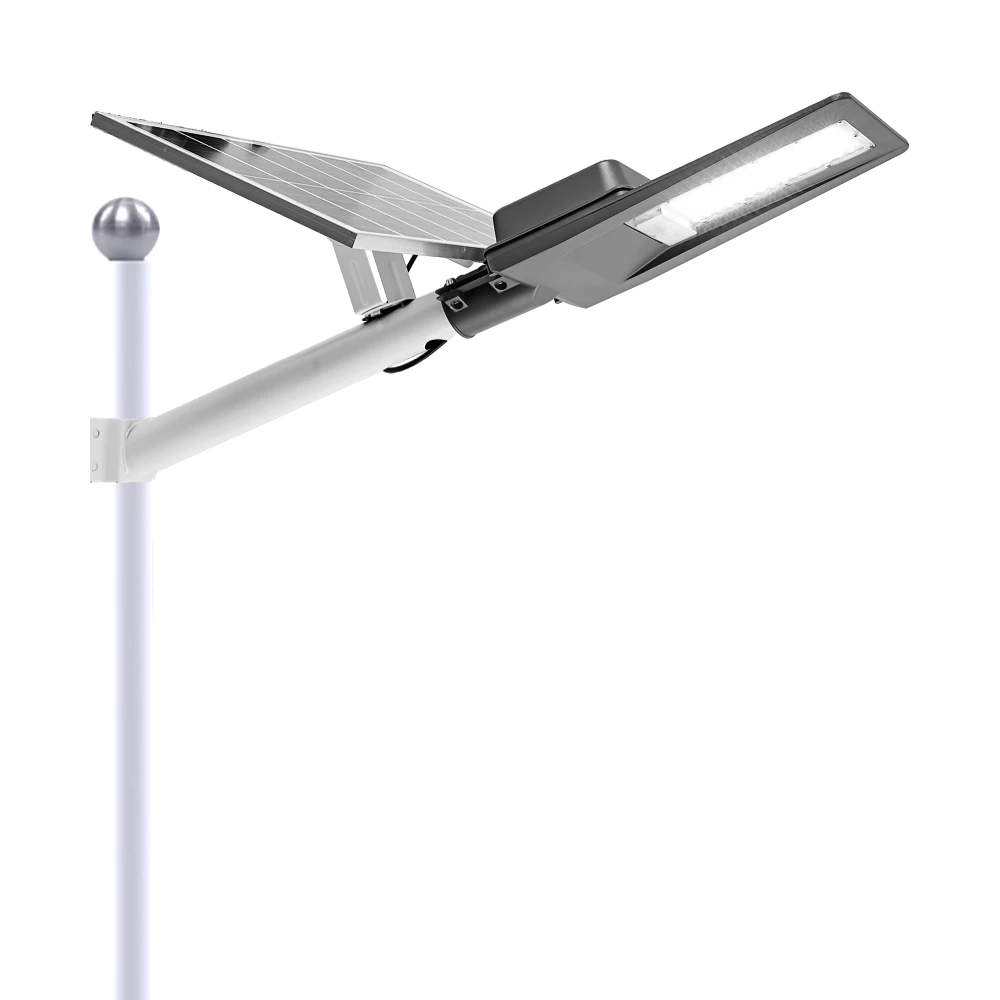
Experience reliable outdoor illumination with our smart solar street light, a perfect combination of advanced technology and eco-conscious design.
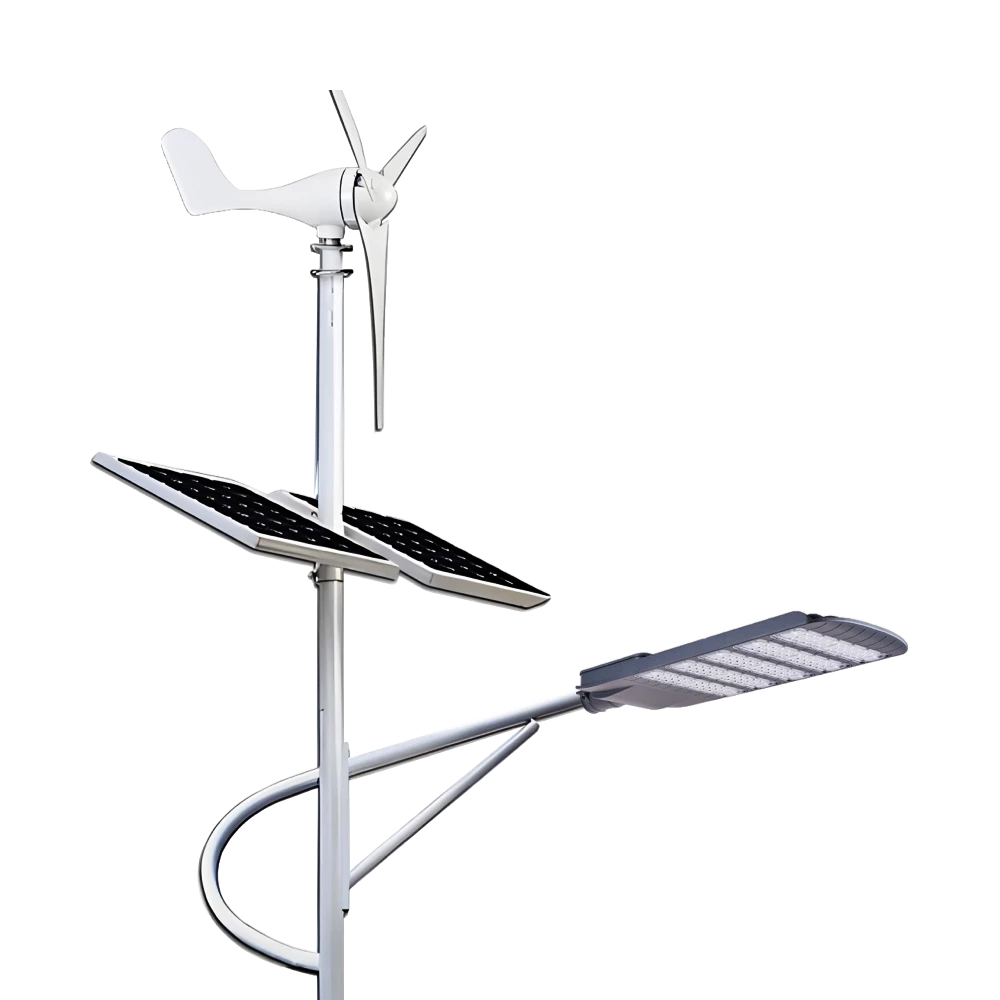
Queneng Lufeng Wind Energy LED Outdoor Solar Street Lights offer high-performance, eco-friendly illumination. These energy-efficient LED street lights harness solar power and wind energy for sustainable, cost-effective outdoor lighting solutions.
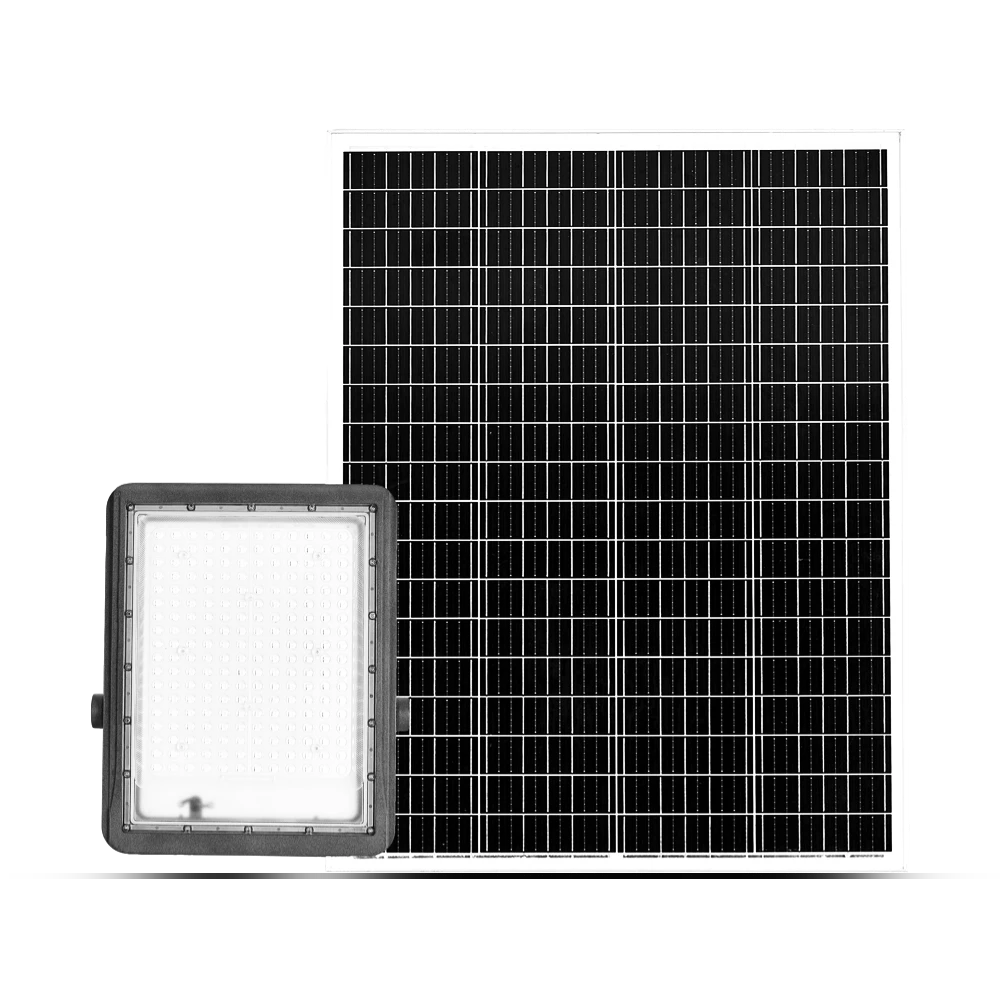
Queneng's Luxian Reliable Solar Street Light offers energy-saving LED lighting for outdoor use. This durable, solar-powered street light provides reliable illumination, reducing energy costs and environmental impact. A perfect solution for sustainable outdoor lighting.
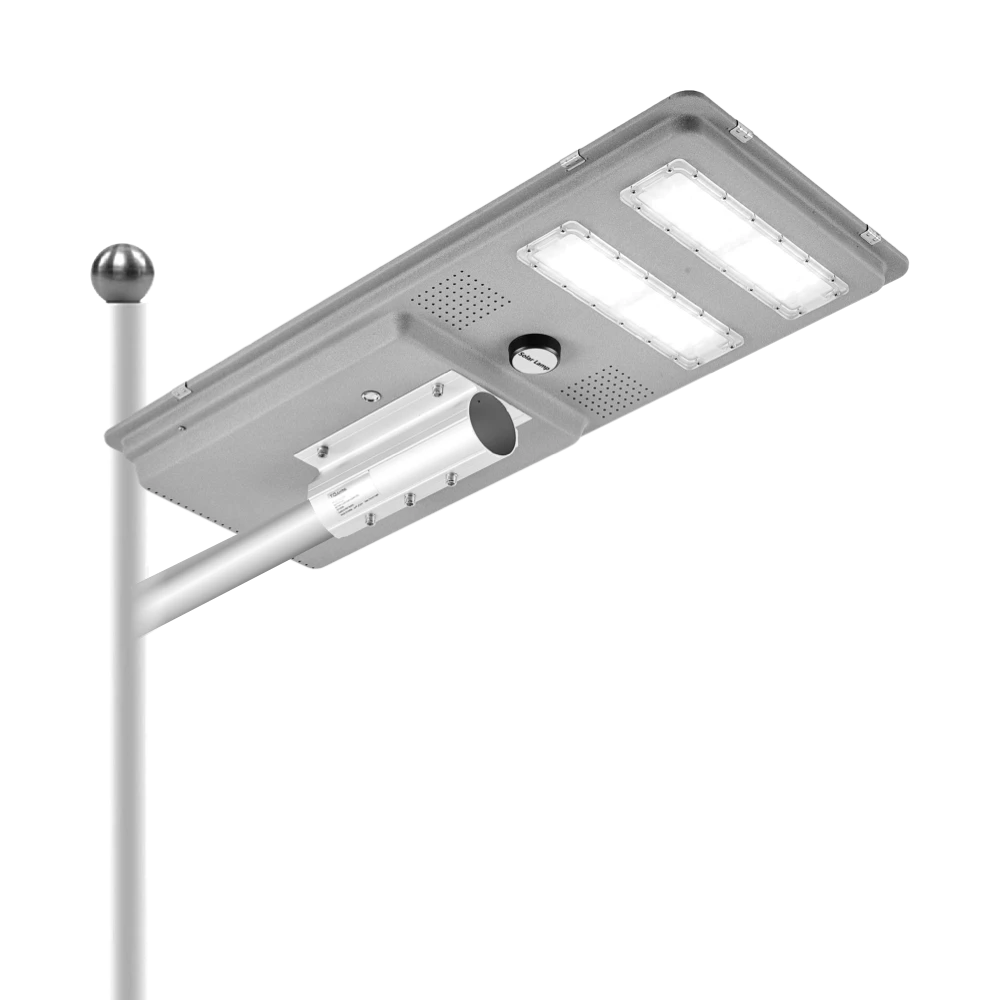
Queneng’s Solar Street Lights are designed to provide reliable, energy-efficient lighting for streets, parks, and other outdoor spaces.
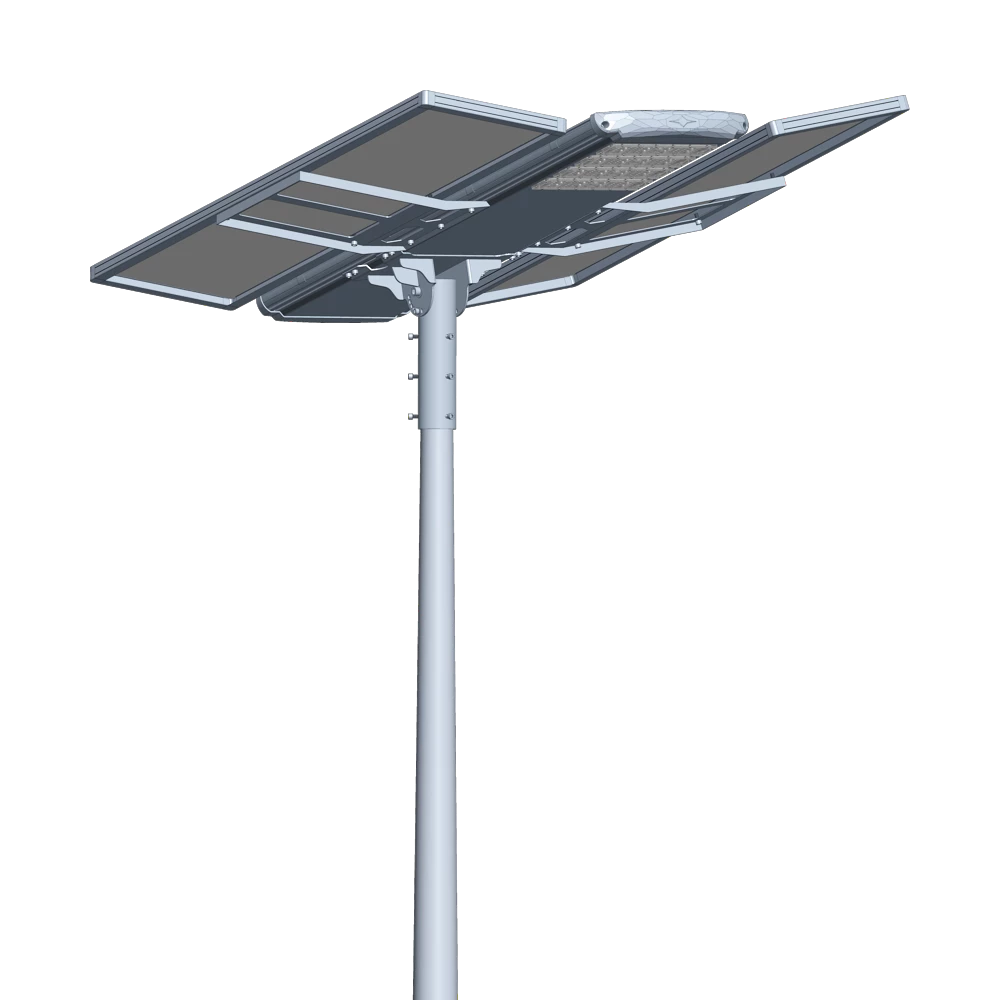
Introducing the Luqing Solar Street Light by Queneng, Efficient LED lighting powered by solar energy is perfect for illuminating outdoor areas. Harness the power of solar energy for sustainable, reliable street lighting. Ideal for eco-friendly, cost-effective outdoor illumination solutions.
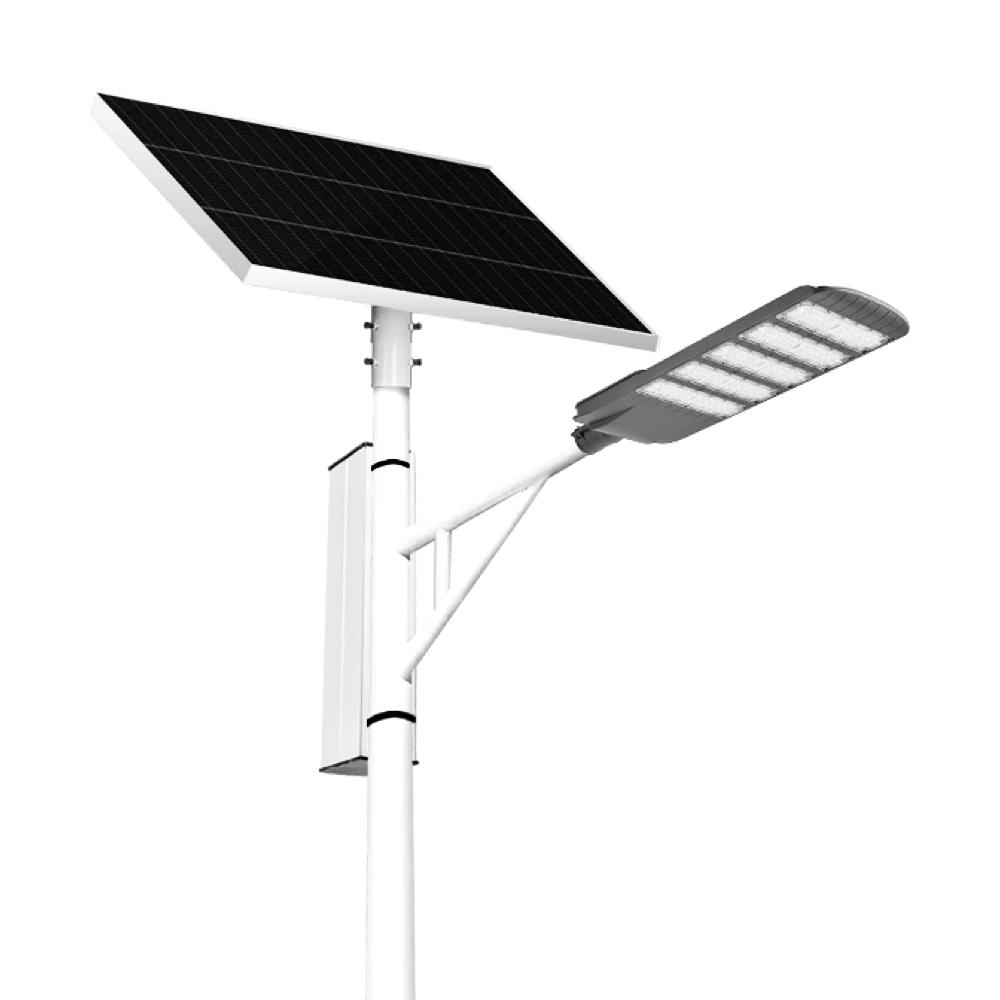
The Solar Streetlights of Luhao for Municipalities are designed to deliver reliable, energy-efficient, and cost-effective public lighting solutions. Equipped with advanced LED technology, durable lithium batteries, and high-efficiency solar panels, these streetlights provide consistent illumination for roads, parks, residential areas, and government projects.
If you would like more information about Queneng solar lighting solutions, please send us a message by filling out the form below. Our professional team will get back to you within 24 hours!
Rest assured that your privacy is important to us, and all information provided will be handled with the utmost confidentiality.
Schedule a Meeting
Book a date and time that is convenient for you and conduct the session in advance.
Have more questions about our products or services?
The messenger of light & power conversion
Environmental protection and intelligent manufacturing are our brand philosophy, and quality assurance and the best user experience are our eternal promises to users.
CONTACT
No.9F, Building F, Cao San Xin Tian Hong Logistics Park, Guzhen Town, Zhongshan City, Guangdong Province, China.
or write [email protected]
WhatsApp: +86 136 2270 1011


