


















How Smart Solar Street Lamps Improve Urban Safety and Sustainability
Smart solar street lamps combine solar power, LED lighting, sensors, and IoT connectivity to deliver reliable, energy-efficient illumination that enhances urban safety. This article explains components, safety benefits, deployment best practices, costs and ROI, and implementation steps for cities and communities.
Introduction
Modern cities face twin pressures: improving public safety and reducing energy and carbon footprints. Smart solar street lamps — combining photovoltaic power, efficient LED lighting, sensors, and networked control — offer a proven, scalable solution. These systems deliver consistent illumination when and where it’s needed, improve emergency response, and lower operating costs. This article explains how smart solar street lamps work, why they matter for urban safety, and how municipalities and community planners can deploy them effectively.
What are smart solar street lamps?
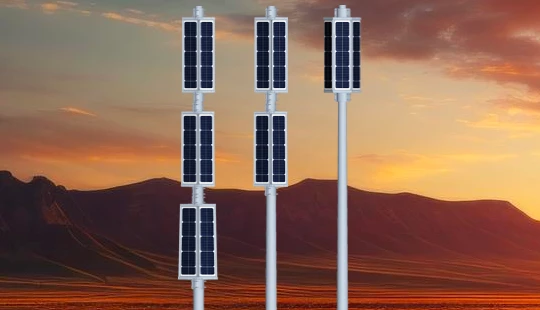
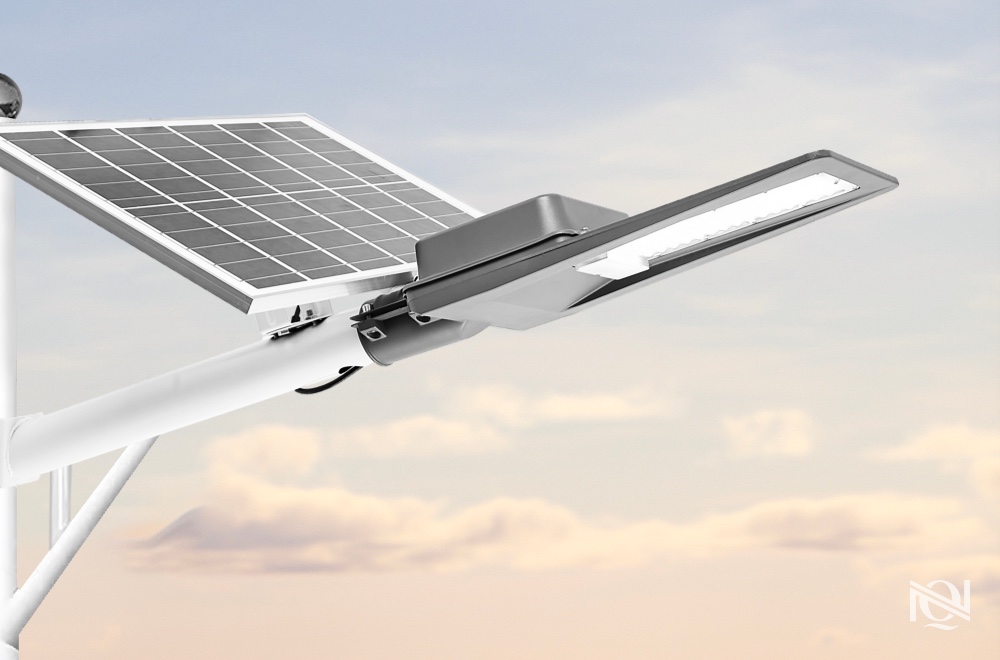
Smart solar street lamps are self-contained lighting units that generate electricity from sunlight and use advanced electronics and connectivity to manage light output and performance. Key components include:
- Solar panels (PV modules) to convert sunlight into electricity.
- Battery storage to power lights overnight and during low-sun periods.
- Energy-efficient LED luminaires for high-quality illumination.
- Motion, ambient-light, or presence sensors to enable adaptive lighting.
- Controllers and drivers that manage charge, discharge, and LED output.
- Communication modules (LoRa, NB-IoT, GSM, or mesh networks) for remote monitoring and control.
How smart solar street lamps enhance urban safety
- Consistent, high-quality illumination: LEDs provide uniform light with better color rendering, improving visibility for pedestrians, cyclists, and drivers.
- Adaptive brightness: Sensor-driven dimming preserves energy while increasing brightness when motion or activity is detected, keeping areas safe without wasting power.
- Reliable operation during outages: Independent solar power and batteries keep lights functioning during grid failures, ensuring streets remain lit during emergencies.
- Emergency signaling and alerts: Networked lamps can flash, brighten, or send location-based signals during incidents, aiding first responders and directing the public.
- Integration with surveillance and smart city systems: Tying lights to CCTV, traffic sensors, and city dashboards enables coordinated responses and quicker incident detection.
- Crime deterrence and perception of safety: Well-lit public spaces reduce opportunities for crime and increase perceived safety, encouraging evening commerce and community activity.
Energy, environmental, and economic benefits
- Reduced grid consumption: Solar street lamps rely primarily on renewable energy, lowering municipal electricity bills.
- Lower maintenance costs: LED fixtures and smart controls reduce lamp replacements and enable predictive maintenance via remote health monitoring.
- Faster ROI in off-grid or high-utility-cost areas: Energy savings and avoided trenching for grid connections often make solar solutions cost-competitive.
- Reduced carbon footprint: Using renewable solar power and efficient LEDs supports city-level climate goals.
Deployment and design considerations
- Site assessment: Evaluate solar access, shading, light needs, pedestrian and vehicle activity, and mounting locations.
- Sizing solar and battery systems: Match panel capacity and battery storage to local solar irradiance, expected night hours, and backup requirements.
- Lighting design and standards: Ensure illumination levels meet local safety standards and appropriate lux levels for roads, bike lanes, and pedestrian zones.
- Connectivity and data: Choose robust communication protocols for remote monitoring, OTA updates, and integration with city platforms.
- Durability and vandal resistance: Specify tamper-proof poles, secure battery enclosures, and surge protection to increase longevity.
- Maintenance planning: Use remote diagnostics, scheduled inspections, and modular components for easy replacement.
Integration with broader smart city infrastructure
Smart solar street lamps gain value when integrated into city systems:
- Link to traffic management for adaptive signal timing.
- Feed occupancy and movement data to urban planners.
- Integrate with public safety dispatch to auto-notify responders during detected incidents.
- Support public Wi-Fi and EV chargers at strategic locations for additional services.
Case examples and expected outcomes
- A residential neighborhood replacing old lights with smart solar lamps can expect immediate improvements in nighttime visibility and a measurable drop in energy bills.
- In off-grid communities, solar street lamps provide street-level lighting without costly grid extension, improving safety and local commerce.
- Cities piloting sensor-controlled lighting report reductions in light pollution and improved citizen satisfaction with nighttime safety.
Challenges and mitigation
- Initial capital cost: Use phased rollouts, public-private partnerships, and grants to spread costs.
- Weather and seasonal variability: Oversize battery capacity and include hybrid grid backup where needed.
- Data privacy and security: Implement encryption, regular firmware updates, and strict access controls.
- Vandalism and theft: Use secure mounting, tamper alarms, and community engagement to reduce incidents.
Implementation roadmap (recommended steps)
1. Conduct pilot projects in representative neighborhoods to validate design.
2. Perform site surveys and establish baseline safety and energy metrics.
3. Select vendors with proven track records and open communication protocols.
4. Deploy interoperable systems that allow integration with city dashboards.
5. Monitor performance, gather data, and iterate on lighting schedules and sensor settings.
6. Scale gradually while optimizing lifecycle costs and community impact.
Conclusion
Smart solar street lamps are a practical, scalable way to improve urban safety while advancing sustainability goals. By combining renewable energy, efficient LEDs, sensor-driven controls, and networked management, cities can deliver reliable illumination, reduce costs, and enable smarter public services. Municipal leaders and planners should pilot solutions, design to local conditions, and integrate lighting into broader smart-city strategies to maximize benefits.
If you’re planning a lighting upgrade or smart city initiative, start with a targeted pilot and data-driven design. For help developing a deployment plan or choosing technology partners, request a site assessment or technical proposal from experienced vendors.

Have more questions about our products or services?
The latest hot news you might like

Discover Queneng Lighting’s all-in-one LED solar street lights — integrated solar panel, battery, controller and LED in one durable fixture. Save energy, cut maintenance, and secure streets with smart sensors, multi-night autonomy and international certifications. Contact sales for quotes and support.

Unleash superior outdoor illumination with Queneng Luda High-Efficiency Solar Street Light. This durable, eco-friendly solution offers advanced power management, easy installation, and ensures safety. Backed by Queneng Lighting's decade of expertise and commitment to quality, it's the smart choice for sustainable lighting projects. Learn why we're a leading solar solutions provider.

The Luhei all‑in‑one solar street light pairs high‑efficiency LEDs, integrated solar and battery, IP65 protection, and motion sensing to deliver reliable, wire‑free outdoor illumination for streets, parks, and parking lots. Backed by Queneng Lighting’s certifications and support.

FAQ
Solar Street Light Lufei
What type of solar panel is used in the solar street light?
Queneng’s solar street lights use high-efficiency monocrystalline or polycrystalline solar panels, which provide better performance and greater energy conversion efficiency than standard panels.
Solar Street Light Luqing
Are solar street lights easy to install?
Yes, solar street lights are easy to install. They do not require external wiring or connections to the electrical grid. The installation process is straightforward and typically involves mounting the light pole, positioning the solar panel, and securing the battery and lighting unit.
Solar Street Light Luqiu
Can Luqiu solar street lights be used in remote or off-grid locations?
Yes, Luqiu solar street lights are ideal for remote or off-grid locations where access to electricity is limited or unavailable. They operate independently, relying solely on solar energy, making them a perfect solution for rural areas, pathways, and off-grid communities.
Sustainability
If the light or battery fails, can it be replaced individually?
Yes. Queneng’s solar street lights are designed with a modular structure, so components such as photovoltaic panels, batteries, lights, and controllers can be replaced individually, making maintenance convenient and cost-effective.
Transportation and Highways
Are the lights compliant with transportation safety standards?
Yes, our products meet international standards such as CE, RoHS, and ISO certifications.
Solar Street Light Luxian
What are the primary benefits of using Luxian solar street lights for outdoor lighting?
Luxian solar street lights offer several key benefits, including energy savings, environmental friendliness, and independence from the electrical grid. They use solar energy to power LED lights, reducing electricity costs while providing reliable, high-quality lighting for outdoor spaces. The durable construction and low maintenance needs make them ideal for long-term use in various outdoor environments.
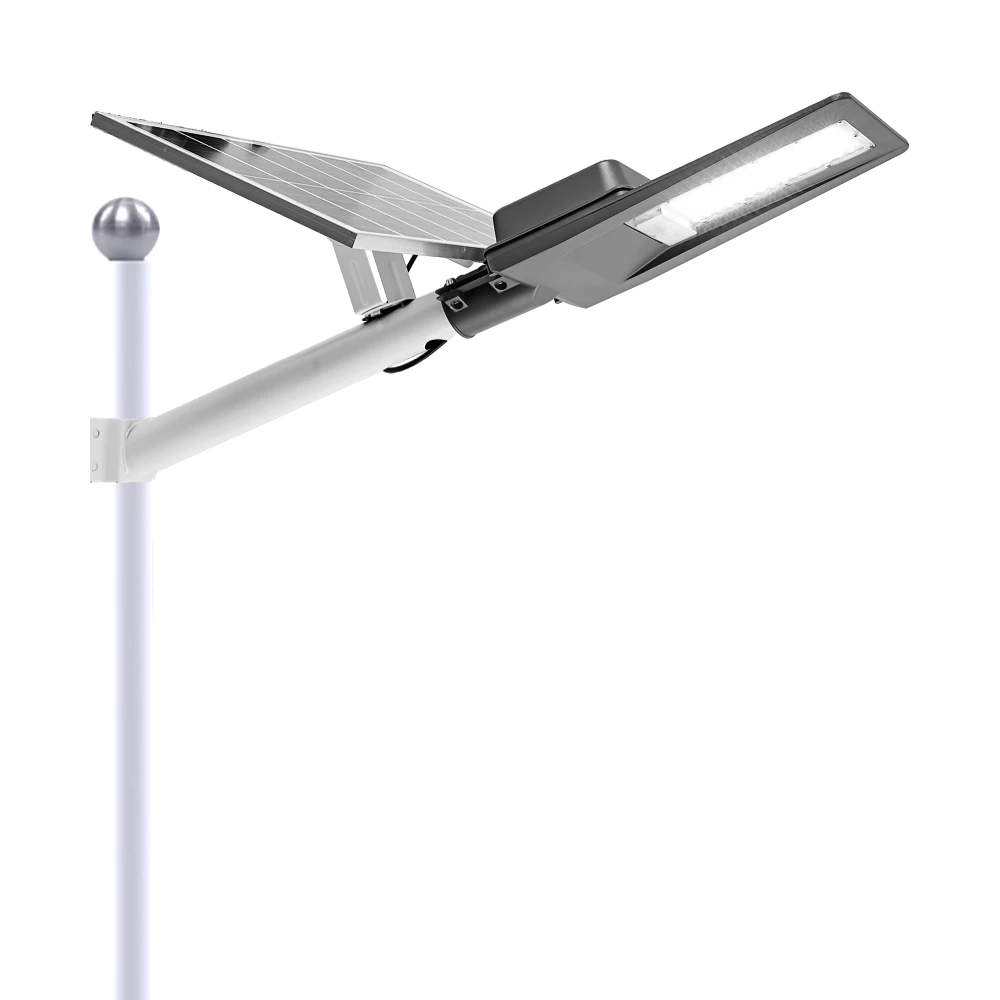
Experience reliable outdoor illumination with our smart solar street light, a perfect combination of advanced technology and eco-conscious design.
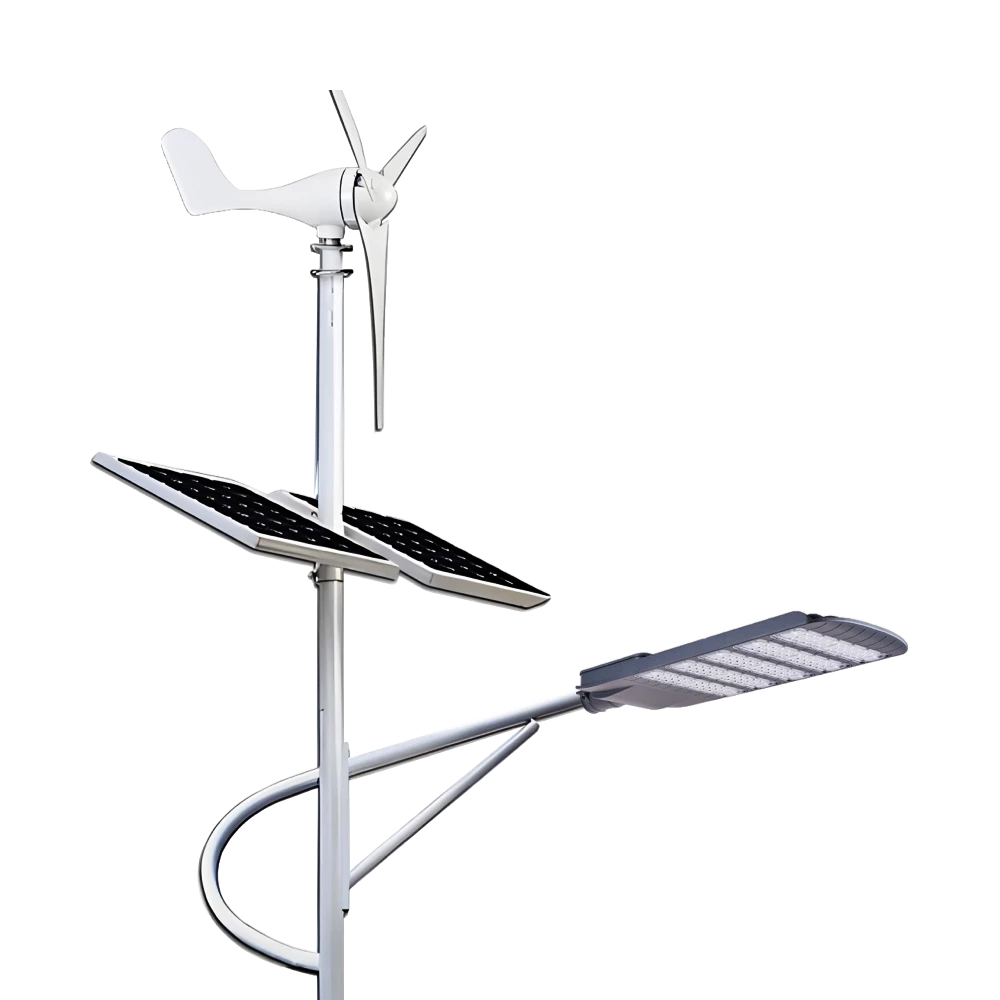
Queneng Lufeng Wind Energy LED Outdoor Solar Street Lights offer high-performance, eco-friendly illumination. These energy-efficient LED street lights harness solar power and wind energy for sustainable, cost-effective outdoor lighting solutions.
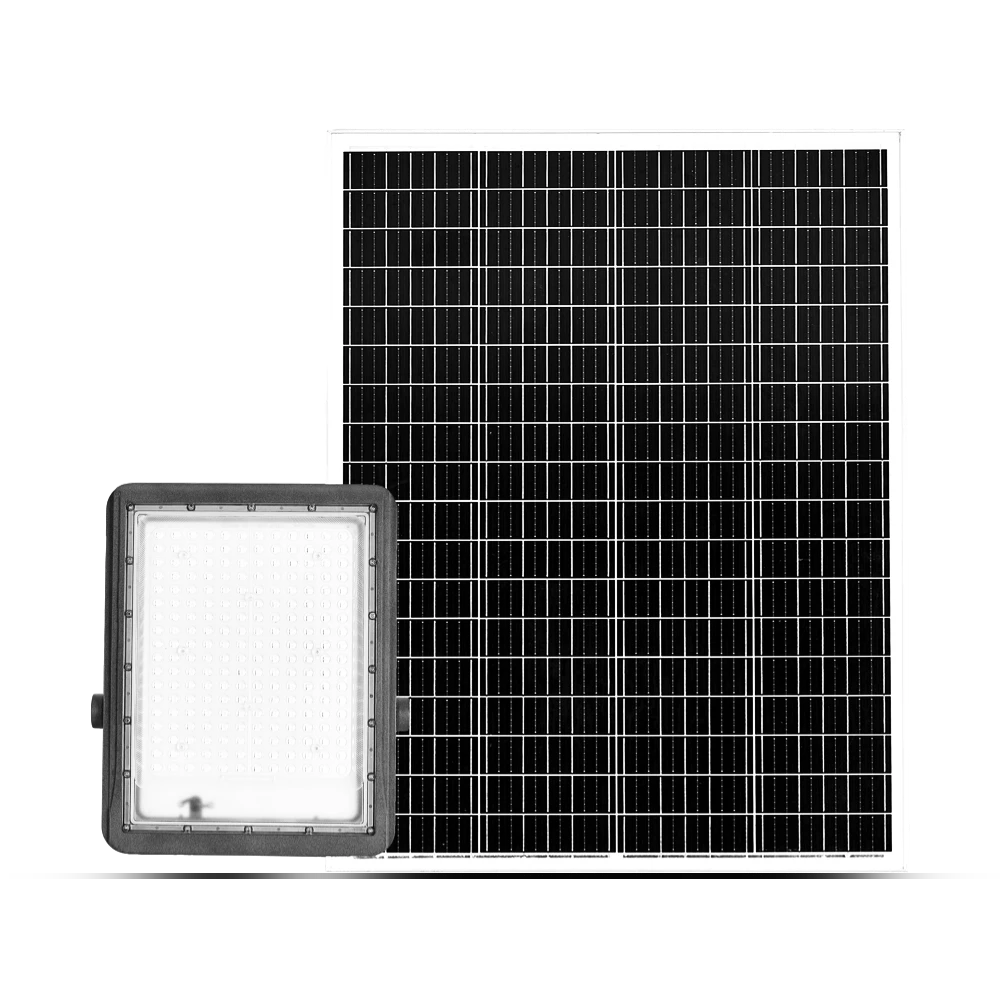
Queneng's Luxian Reliable Solar Street Light offers energy-saving LED lighting for outdoor use. This durable, solar-powered street light provides reliable illumination, reducing energy costs and environmental impact. A perfect solution for sustainable outdoor lighting.
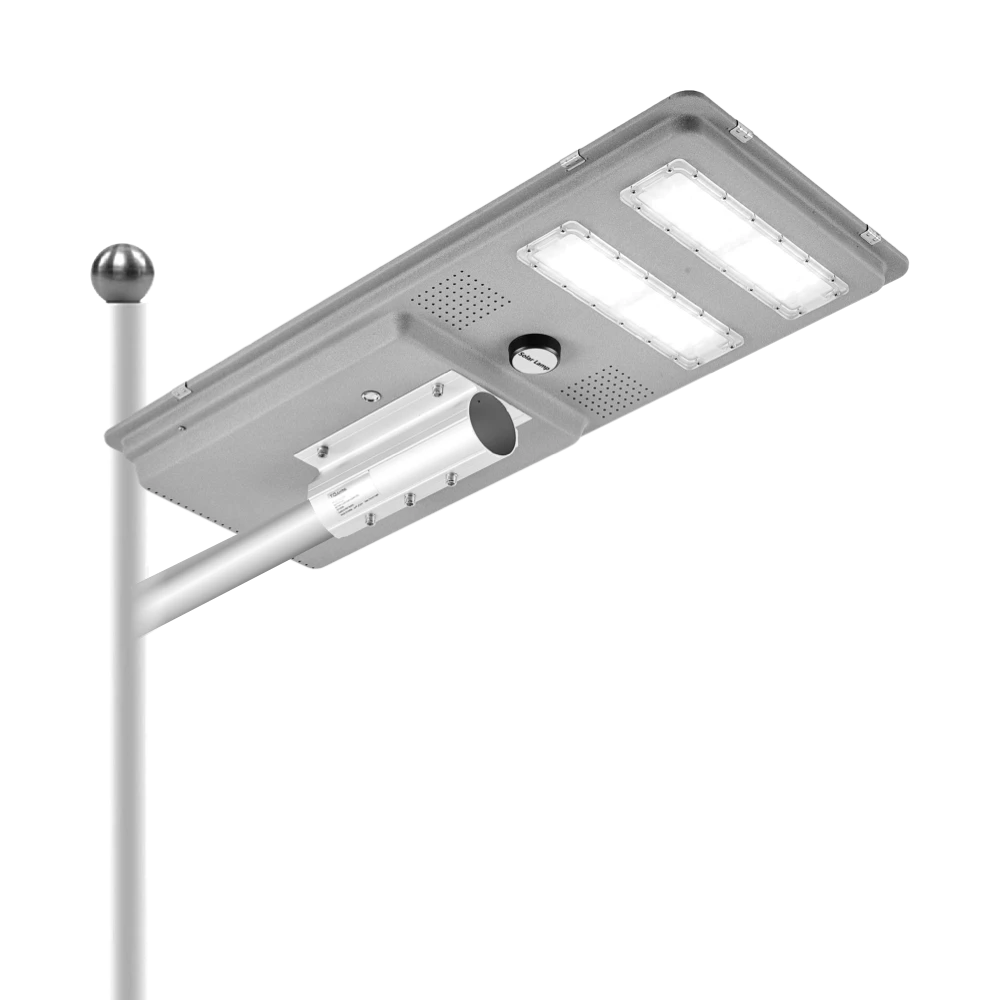
Queneng’s Solar Street Lights are designed to provide reliable, energy-efficient lighting for streets, parks, and other outdoor spaces.
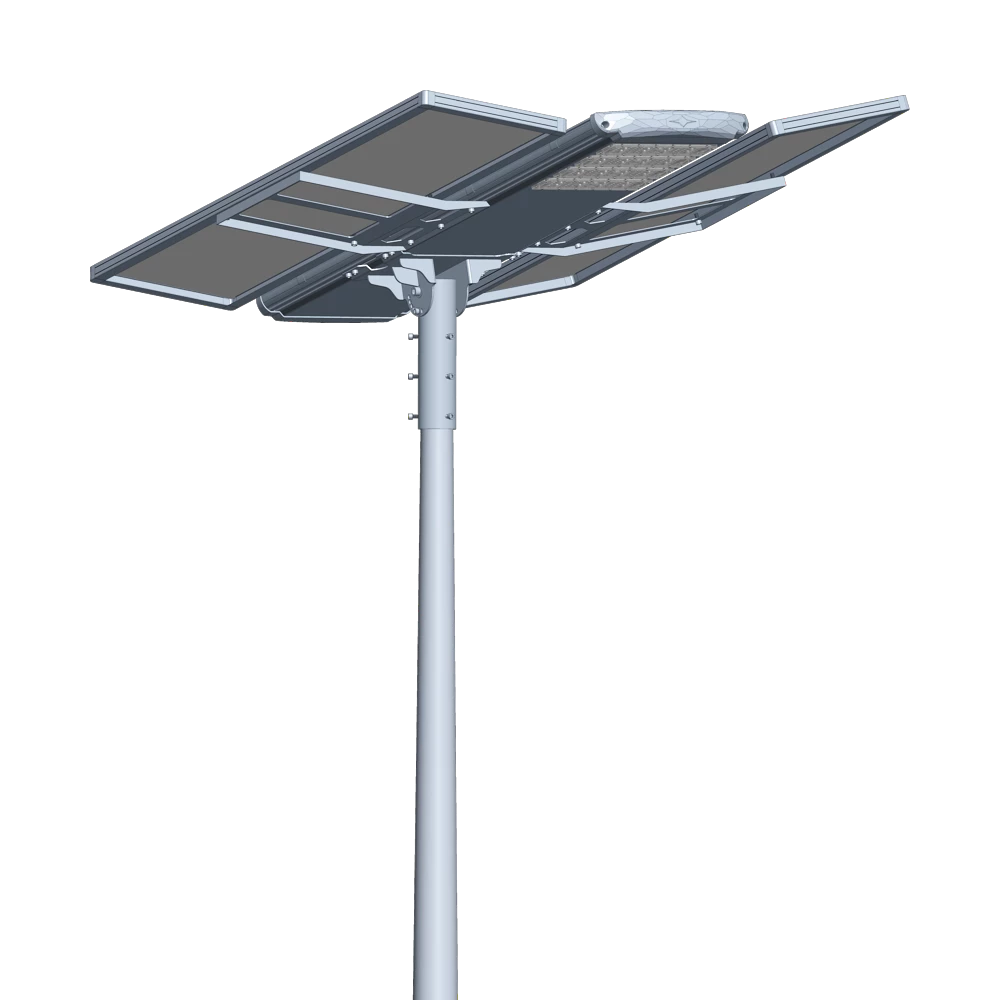
Introducing the Luqing Solar Street Light by Queneng, Efficient LED lighting powered by solar energy is perfect for illuminating outdoor areas. Harness the power of solar energy for sustainable, reliable street lighting. Ideal for eco-friendly, cost-effective outdoor illumination solutions.
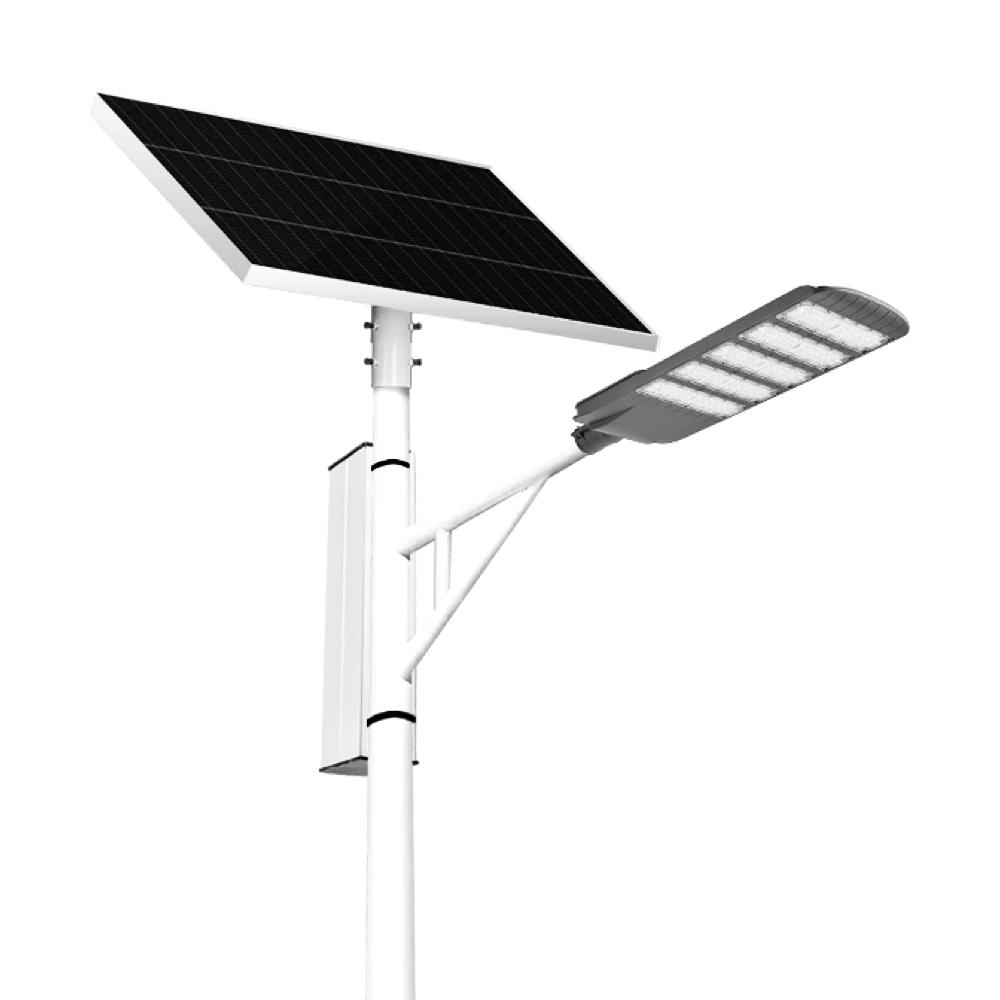
The Solar Streetlights of Luhao for Municipalities are designed to deliver reliable, energy-efficient, and cost-effective public lighting solutions. Equipped with advanced LED technology, durable lithium batteries, and high-efficiency solar panels, these streetlights provide consistent illumination for roads, parks, residential areas, and government projects.
If you would like more information about Queneng solar lighting solutions, please send us a message by filling out the form below. Our professional team will get back to you within 24 hours!
Rest assured that your privacy is important to us, and all information provided will be handled with the utmost confidentiality.
Schedule a Meeting
Book a date and time that is convenient for you and conduct the session in advance.
Have more questions about our products or services?
The messenger of light & power conversion
Environmental protection and intelligent manufacturing are our brand philosophy, and quality assurance and the best user experience are our eternal promises to users.
CONTACT
No.9F, Building F, Cao San Xin Tian Hong Logistics Park, Guzhen Town, Zhongshan City, Guangdong Province, China.
or write [email protected]
WhatsApp: +86 136 2270 1011


