

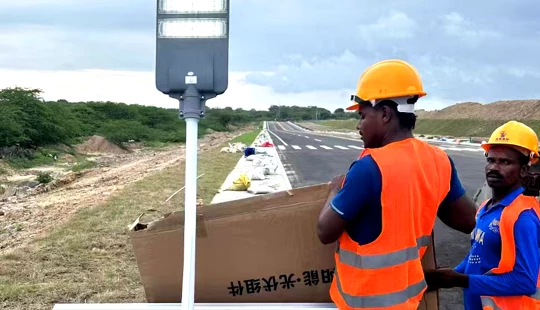
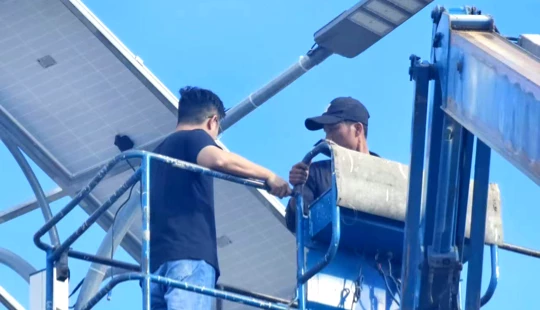













The Future of Public Lighting: How Smart Solar Street Lamps are Transforming Urban Safety
The convergence of renewable energy and artificial intelligence is reshaping our urban landscapes. IoT-enabled street lighting is no longer a futuristic concept; it is the backbone of modern smart city safety infrastructure, offering municipalities a way to cut costs while significantly improving public security.
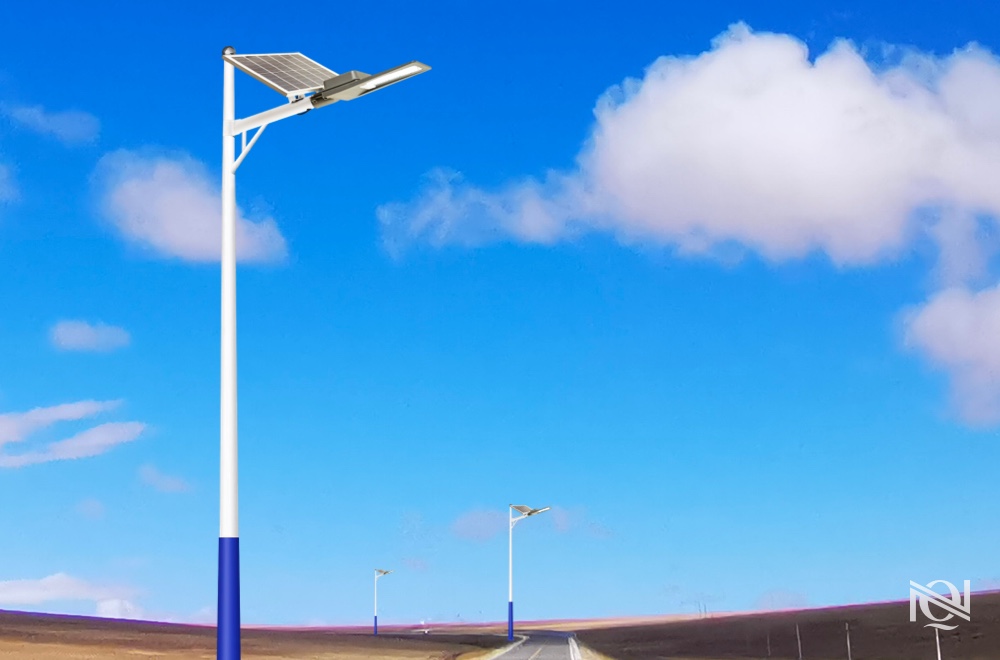
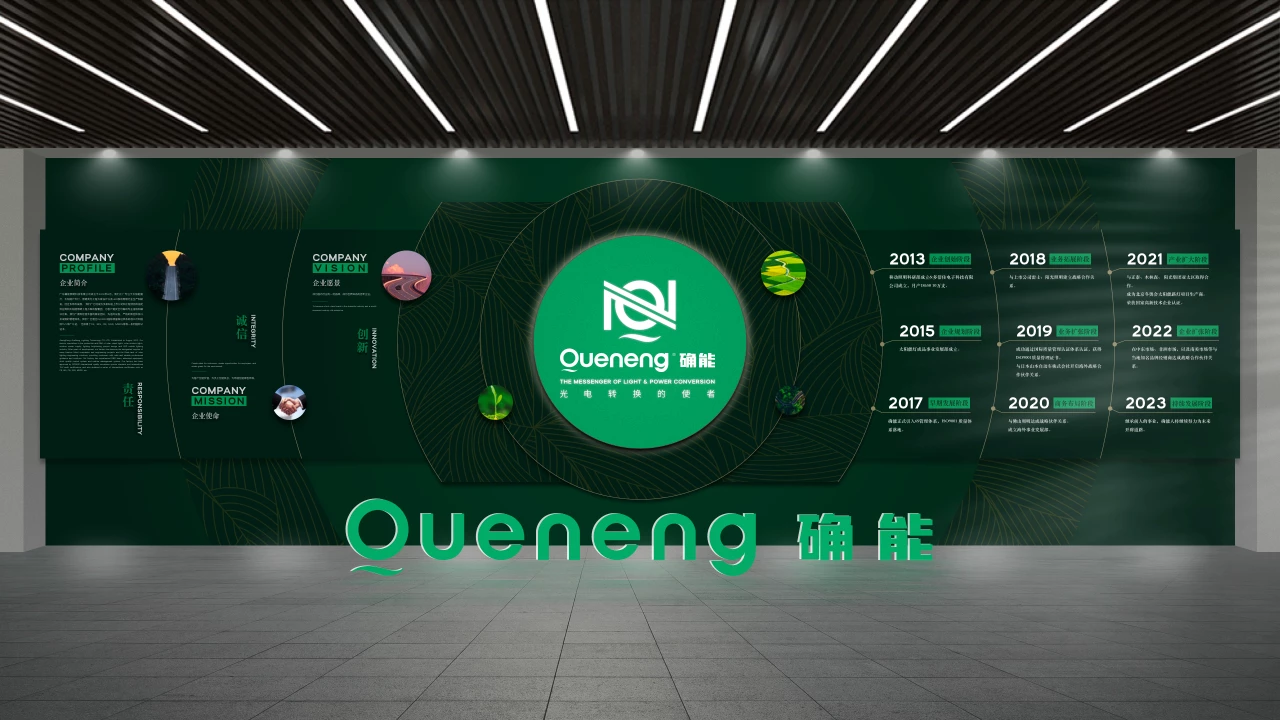
At GuangDong Queneng Lighting Technology Co., Ltd., we have witnessed this shift firsthand. Since 2013, we have moved from basic solar solutions to advanced, data-driven systems that actively protect communities. This article explores how autonomous urban lighting is defining the next decade of public safety.
Key Takeaways: The Evolution of Public Solar Lighting
Smart solar street lamps are shifting from simple illumination tools to sophisticated, data-driven urban assets that interact with their environment.
This evolution is driven by the urgent need for sustainable, off-grid public lighting systems that can withstand climate instability while providing smarter security features. The transition offers several critical advantages:
- Data Integration: Integration with IoT sensors significantly improves pedestrian safety and aids in real-time crime prevention.
- Resilience: Modern LiFePO4 batteries allow for reliable operation even during grid failures or natural disasters.
- AI Adoption: By 2026, AI-driven adaptive lighting will become the standard for municipal infrastructure, reducing waste and light pollution.
- Sustainability: Massive reductions in carbon footprint aligning with global Zero-Carbon goals.
What Are Smart Solar Street Lamps and How Do They Enhance Safety?
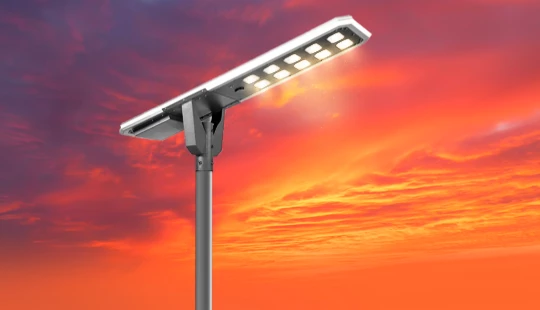
Smart solar street lamps are autonomous public lighting systems powered by photovoltaic panels and managed by intelligent controllers that adjust brightness based on real-time data.
Unlike traditional grid-tied lights, these systems operate independently. This autonomy ensures continuous lighting during power outages or extreme weather events, which is critical for maintaining public order when the grid goes down. By eliminating the reliance on underground wiring, cities can deploy solar LED street lamp technology in remote or high-crime areas without expensive trenching.
These systems utilize motion sensors and remote monitoring to provide light exactly when and where it is needed. This capability eliminates dark spots in urban areas, directly addressing zones where visibility is often compromised.
The Core Technology: Components Driving the Revolution
The efficiency of modern solar lighting relies on the seamless integration of high-density energy storage, adaptive controllers, and high-efficacy LED fixtures.
To achieve true autonomous urban lighting, every component must be optimized for durability and performance. At Queneng Lighting, our R&D team focuses on the following core technologies:
- High-Efficiency Monocrystalline Panels: These maximize energy capture in smaller footprints, essential for crowded urban poles.
- LiFePO4 Battery Storage: Offering longer lifecycles (up to 8 years) and safer thermal stability compared to traditional lead-acid or lithium-ion options.
- MPPT Controllers: Maximum Power Point Tracking optimizes charging efficiency under varying weather conditions, ensuring batteries fill even on cloudy days.
- LED Fixtures with High Luminous Efficacy: Providing better visibility with lower energy consumption, often exceeding 160lm/W.
How IoT and Connectivity Transform Street Lamps into "Smart" Hubs
IoT connectivity transforms a standard street light into a digital node capable of transmitting data, monitoring environmental conditions, and communicating with central management systems.
This connectivity is what separates a standard solar light from smart city safety infrastructure. through protocols like LoRaWAN or 5G, these lamps become the eyes and ears of the city.
- Remote Management Software (RMS): Allows for real-time monitoring of battery health and light output, reducing maintenance trips.
- Motion Sensing & Adaptive Dimming: Increases brightness instantly when pedestrians or vehicles are detected, deterring potential threats.
- Environmental Monitoring: Lamps act as nodes to measure air quality, temperature, and traffic flow.
- Integration with Emergency Services: Automated alerts can be sent during accidents or unusual activity patterns.
Impact on Urban Safety: A Data-Driven Perspective
Consistent, reliable street lighting has a proven correlation with reduced crime rates and improved traffic safety in dense urban environments.
Data supports the investment in smarter lighting. According to a study by the University of Chicago Crime Lab, improved lighting can reduce nighttime outdoor index crimes by as much as 36%. This is not just about visibility; it is about the psychological safety of the community.
- Crime Deterrence: Well-lit pathways discourage opportunistic street crime and vandalism.
- Traffic Safety: Improved visibility at crosswalks and intersections significantly reduces vehicle-pedestrian accidents.
- Disaster Resilience: Off-grid public lighting systems maintain safety corridors during grid blackouts caused by storms or infrastructure failure.
- Psychological Safety: Bright, warm lighting increases community confidence to use public spaces at night, fostering a stronger local economy.
Future Trends 2026+: AI and Autonomous Maintenance
The next generation of street lighting will utilize Artificial Intelligence to predict component failures and optimize energy usage without human intervention.
As we look toward 2026, solar LED street lamp technology is becoming self-sufficient. This shift reduces the operational burden on municipal governments and ensures higher uptime.
- Predictive Maintenance: AI algorithms analyze battery voltage curves to predict failure before it happens.
- Self-Cleaning Technologies: Automated mechanisms or hydrophobic coatings keep solar panels free of dust and snow to maintain charging efficiency.
- Vehicle-to-Infrastructure (V2I) Communication: Lights will communicate directly with autonomous vehicles to warn of pedestrians.
- Energy Sharing: Micro-grids allowing street lamps to share excess power with nearby devices or sensors.
Expert Tips: Mistakes to Avoid When Upgrading Public Lighting
The most common failure in solar lighting projects is undersizing the system for the specific geographic location and worst-case weather scenarios.
Drawing from our experience as a designated supplier for major engineering projects, here are the critical pitfalls to avoid:
- Undersizing the Battery Bank: Failing to account for "days of autonomy" (backup power) leads to blackouts during winter months.
- Ignoring Color Temperature: Choosing harsh blue light (6000K+) instead of warm tones (3000K-4000K) can worsen light pollution and visibility in fog.
- Overlooking Wind Load Ratings: Failing to ensure poles can withstand local weather extremes, such as typhoons or hurricanes.
- Neglecting the CMS: Installing smart lights without a Central Management System renders the data collection features useless.
Case Study: Implementing Industry-Leading Solar Solutions
A recent municipal retrofit project successfully replaced 500 outdated grid-tied lights with split-design solar lamps, achieving 100% uptime during the monsoon season.
The municipality faced significant challenges with shading from high-rise buildings and high traffic density, which made trenching for new cables impossible. They turned to GuangDong Queneng Lighting Technology Co., Ltd. for a solution.
- The Challenge: Inconsistent sunlight due to urban shading and a need for high-intensity lighting for traffic safety.
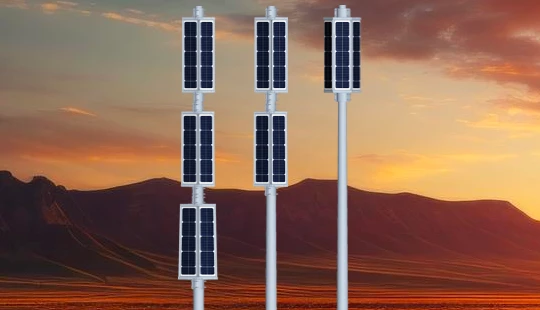
- The Solution: We deployed our custom-engineered split solar street light systems. This design allowed us to mount the photovoltaic panels high on the pole and angled specifically to catch sunlight over the buildings, separate from the LED fixture.
- The Results: The city reported a 60% reduction in energy costs and zero reported downtime during the last storm season. Furthermore, the IoT-enabled street lighting features allowed them to dim lights during low-traffic hours, extending battery life.
Conclusion
The transition to smart solar street lamps represents a critical step toward safer, more resilient, and sustainable cities. By combining renewable energy with IoT-enabled street lighting intelligence, municipalities can reduce costs while enhancing the quality of life for residents. As noted by the US Environmental Protection Agency (EPA), energy-efficient upgrades are essential for meeting future environmental standards. As we look toward 2026, early adoption of these technologies ensures infrastructure is future-proofed against energy crises.
Contact GuangDong Queneng Lighting Technology Co., Ltd. today to discuss your specific needs and request a free consultation.
Frequently Asked Questions (FAQ)
How do solar street lamps stay lit during cloudy days? Solar street lamps utilize high-capacity batteries (usually Lithium-ion or LiFePO4) sized to provide "autonomy". A properly sized system creates a reserve of 3-5 days of energy to ensure operation during overcast weather.
Are smart solar street lights cost-effective compared to grid lights? While the initial investment can be higher, smart solar lights eliminate trenching and wiring costs. They operate with zero electricity bills and lower maintenance costs, resulting in a strong ROI over 3-5 years.
What is the lifespan of a modern solar street lamp battery? Modern LiFePO4 batteries typically last between 5 to 8 years depending on usage cycles and temperature. Smart controllers protect the battery from overcharging and deep discharging to extend its life.
Can solar street lamps be integrated into existing smart city networks? Yes, most smart solar lamps use protocols like LoRaWAN, Zigbee, or 4G/5G to connect to central management systems. This allows them to exchange data with other smart city assets like traffic lights and security cameras.
How does motion sensing improve public safety? Motion sensors allow lights to stay dim to save energy but brighten instantly when a person or car approaches. This sudden change in brightness alerts others to presence and ensures maximum visibility for the user.
Do solar street lamps require heavy maintenance? Solar lamps generally require less maintenance than grid lights due to the lack of underground wiring. Routine maintenance involves occasional cleaning of panels and battery checks every few years.
What happens to solar street lights during a hurricane or severe storm? Since they are not connected to the grid, they are not affected by widespread power outages. Provided the poles are structurally rated for high winds, they remain operational, providing crucial light for emergency response.
Is the light from solar lamps as bright as traditional street lights? Yes, modern LED technology allows solar lamps to produce high lumen outputs comparable to or better than traditional HPS lamps. They also offer better color rendering (CRI), making it easier to distinguish colors and objects at night.

Have more questions about our products or services?
The latest hot news you might like

Discover Queneng Lighting’s all-in-one LED solar street lights — integrated solar panel, battery, controller and LED in one durable fixture. Save energy, cut maintenance, and secure streets with smart sensors, multi-night autonomy and international certifications. Contact sales for quotes and support.

Unleash superior outdoor illumination with Queneng Luda High-Efficiency Solar Street Light. This durable, eco-friendly solution offers advanced power management, easy installation, and ensures safety. Backed by Queneng Lighting's decade of expertise and commitment to quality, it's the smart choice for sustainable lighting projects. Learn why we're a leading solar solutions provider.

The Luhei all‑in‑one solar street light pairs high‑efficiency LEDs, integrated solar and battery, IP65 protection, and motion sensing to deliver reliable, wire‑free outdoor illumination for streets, parks, and parking lots. Backed by Queneng Lighting’s certifications and support.

FAQ
Battery and Analysis
What is overcharging and what effect does it have on battery performance?
Positive electrode: 4OH- - 4e → 2H2O + O2↑;①
Negative electrode: 2H2 + O2 → 2H2O②
Since the negative electrode capacity is higher than the positive electrode capacity during design, the oxygen generated by the positive electrode passes through the separator paper and combines with the hydrogen generated by the negative electrode. Therefore, under normal circumstances, the internal pressure of the battery will not increase significantly. However, if the charging current is too large, Or if the charging time is too long, the generated oxygen will not be consumed in time, which may cause the internal pressure to rise, battery deformation, leakage and other adverse phenomena. At the same time, its electrical properties will also be significantly reduced.
What are the advantages of lithium-ion batteries?
2) High working voltage;
3) No memory effect;
4) Long cycle life;
5) No pollution;
6) Light weight;
7) Small self-discharge.
APMS system
How does the APMS system enable continuous lighting on prolonged rainy days?
Queneng's APMS is equipped with rainy-day endurance technology that ensures continuous lighting during extended cloudy periods, maintaining stable power in sun-deprived conditions and ideal for lighting in remote areas.
Schools and Educational Institutions
Can solar lights be installed in remote locations without easy access to power sources?
Yes, solar lights are perfect for remote locations where it is difficult to lay electrical wiring. They provide autonomous lighting without the need for external power sources.
How long will it take to install solar lights on my campus?
Installation can typically be completed in a few days, depending on the size of the campus and the number of lights.
Battery Performance and Testing
What is the internal resistance in charging state and what is the difference between internal resistance in discharging state?
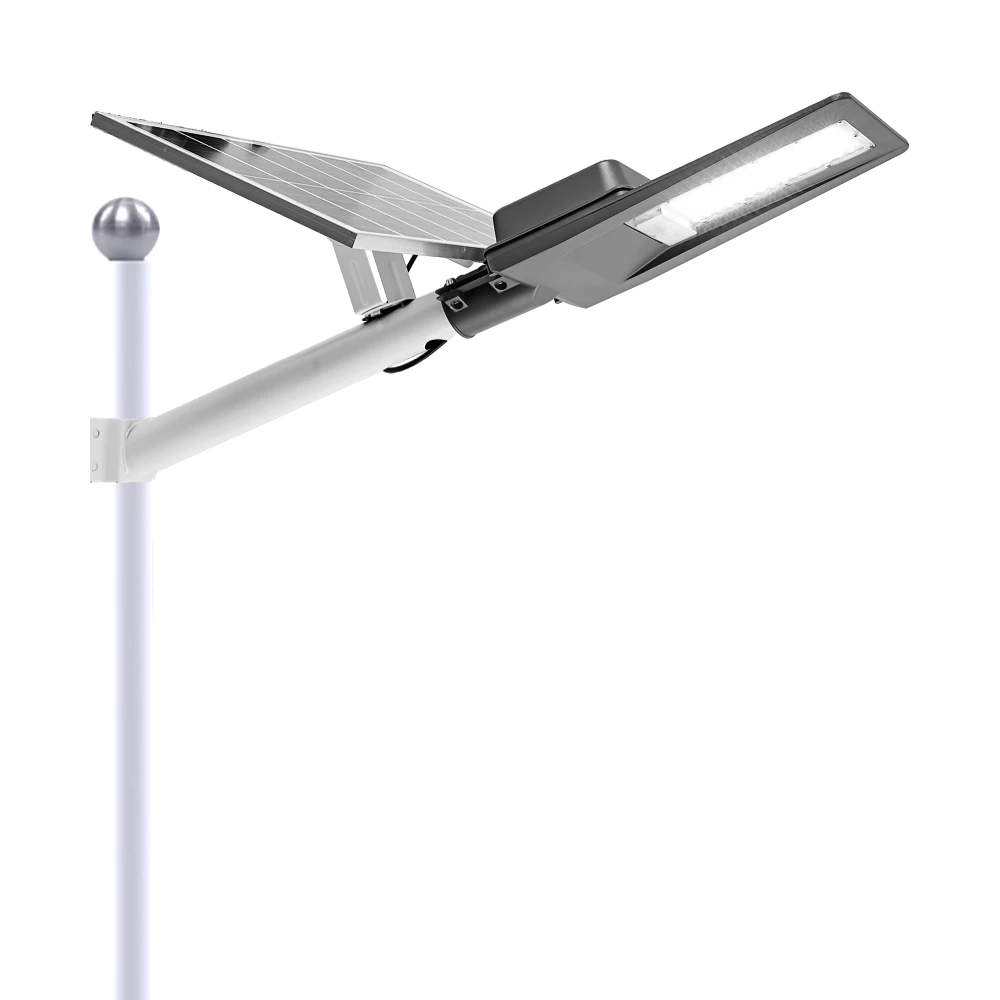
Experience reliable outdoor illumination with our smart solar street light, a perfect combination of advanced technology and eco-conscious design.
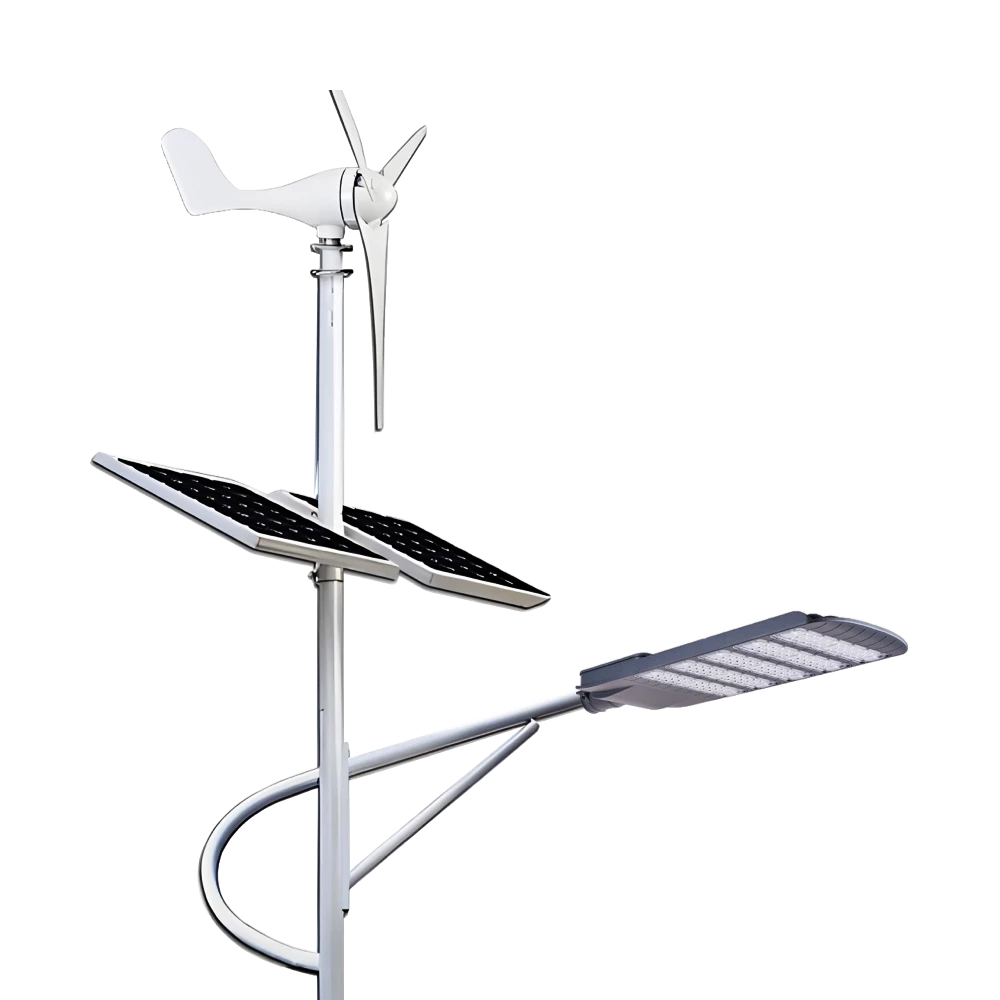
Queneng Lufeng Wind Energy LED Outdoor Solar Street Lights offer high-performance, eco-friendly illumination. These energy-efficient LED street lights harness solar power and wind energy for sustainable, cost-effective outdoor lighting solutions.
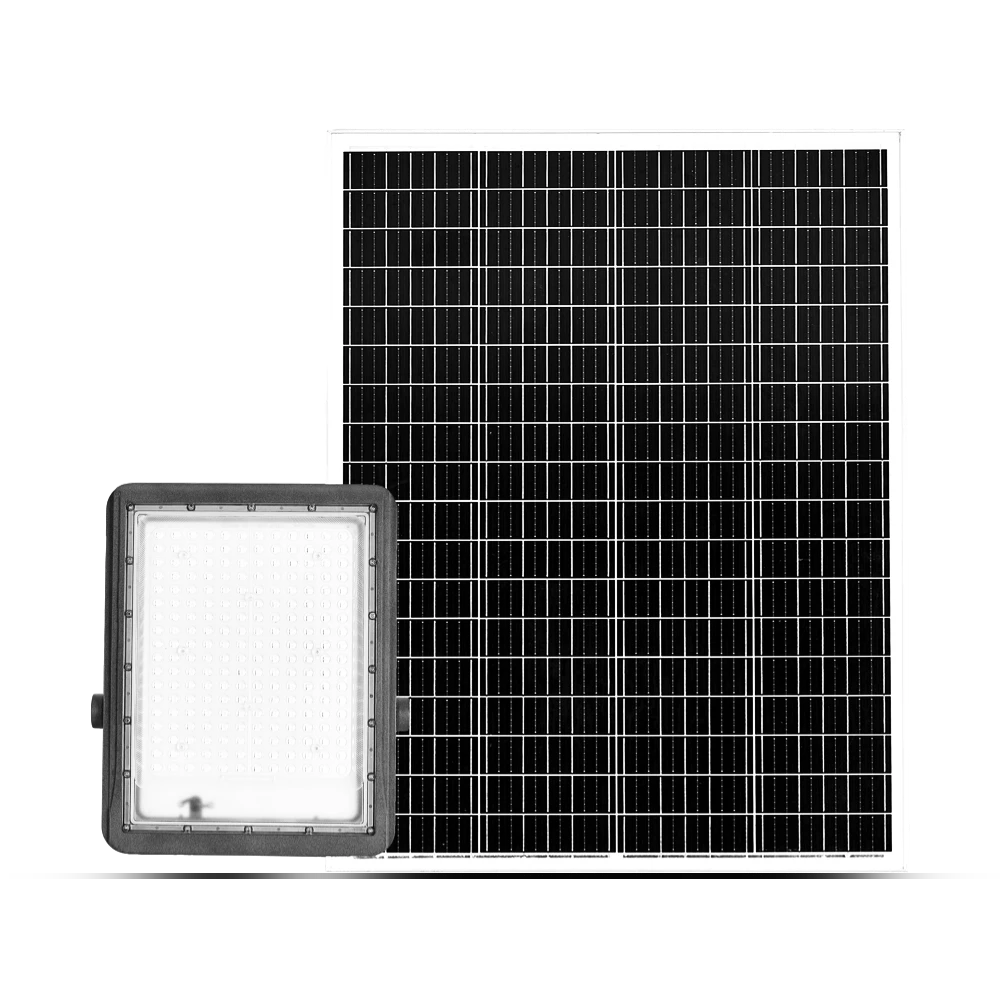
Queneng's Luxian Reliable Solar Street Light offers energy-saving LED lighting for outdoor use. This durable, solar-powered street light provides reliable illumination, reducing energy costs and environmental impact. A perfect solution for sustainable outdoor lighting.
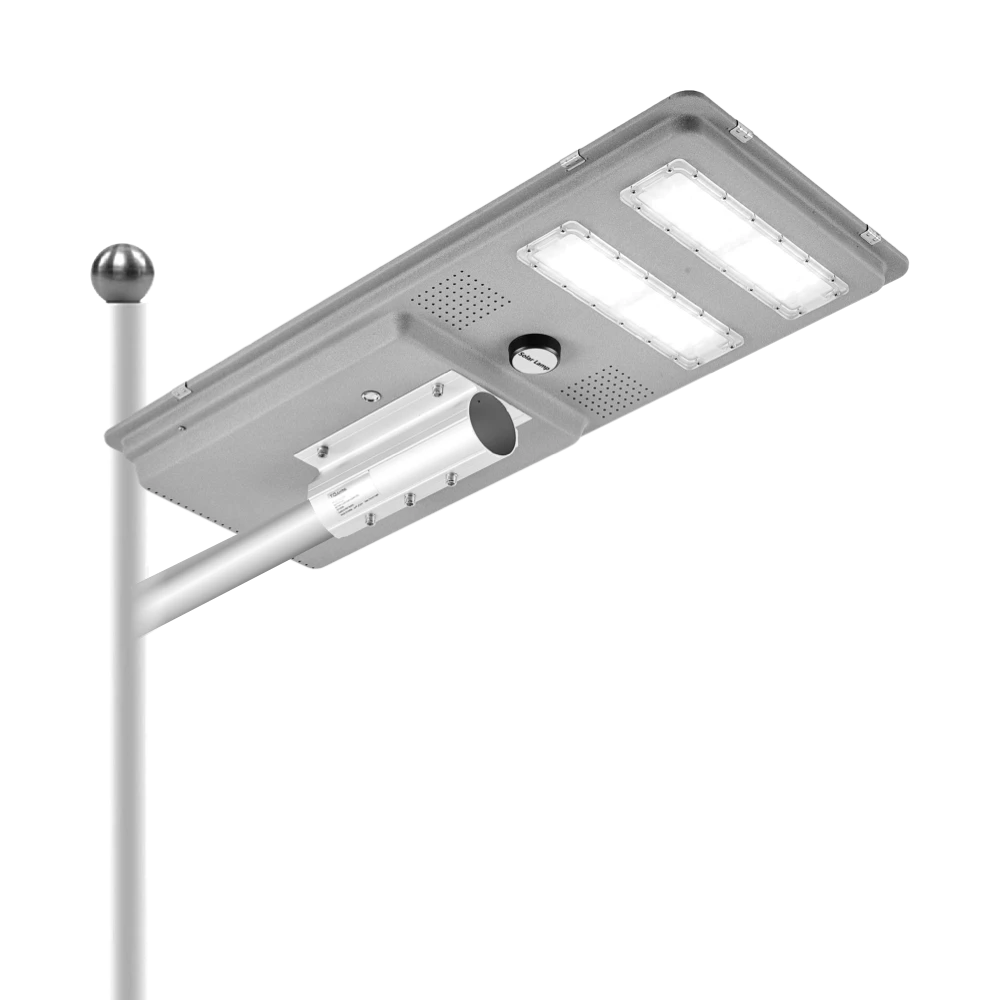
Queneng’s Solar Street Lights are designed to provide reliable, energy-efficient lighting for streets, parks, and other outdoor spaces.
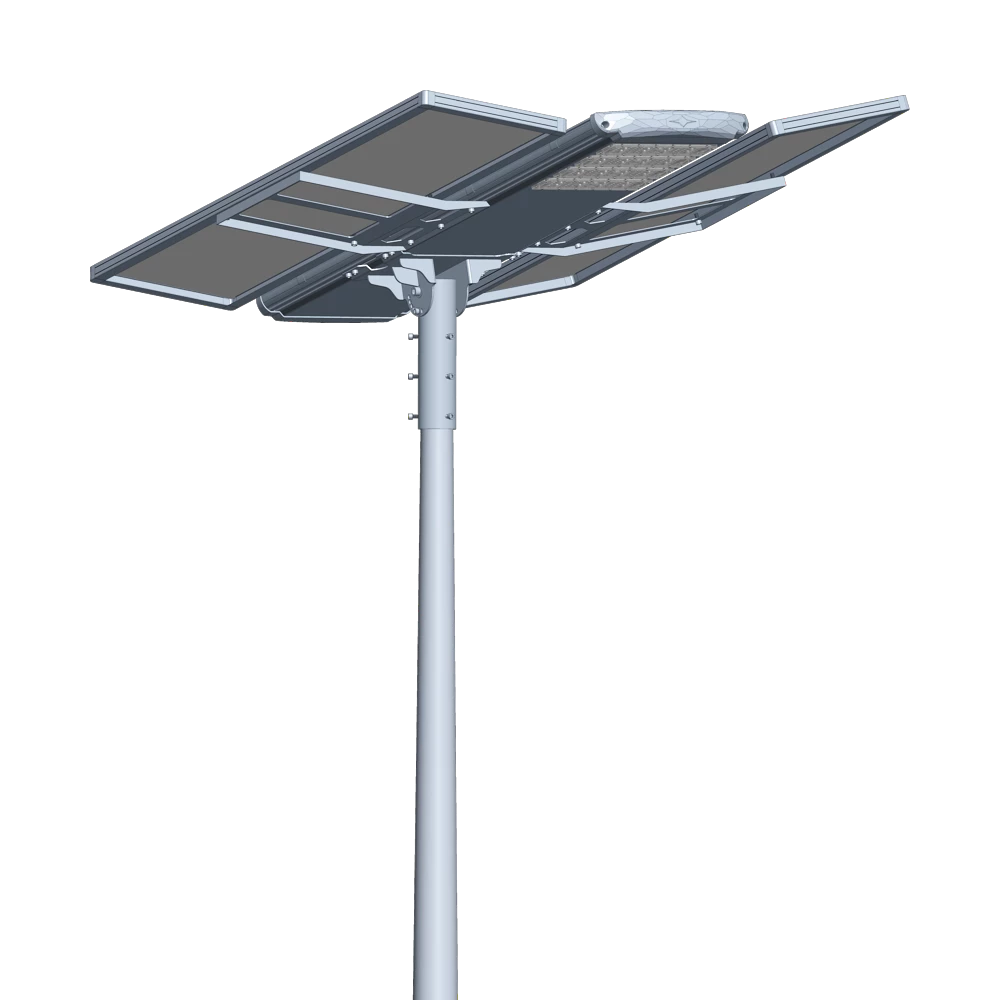
Introducing the Luqing Solar Street Light by Queneng, Efficient LED lighting powered by solar energy is perfect for illuminating outdoor areas. Harness the power of solar energy for sustainable, reliable street lighting. Ideal for eco-friendly, cost-effective outdoor illumination solutions.
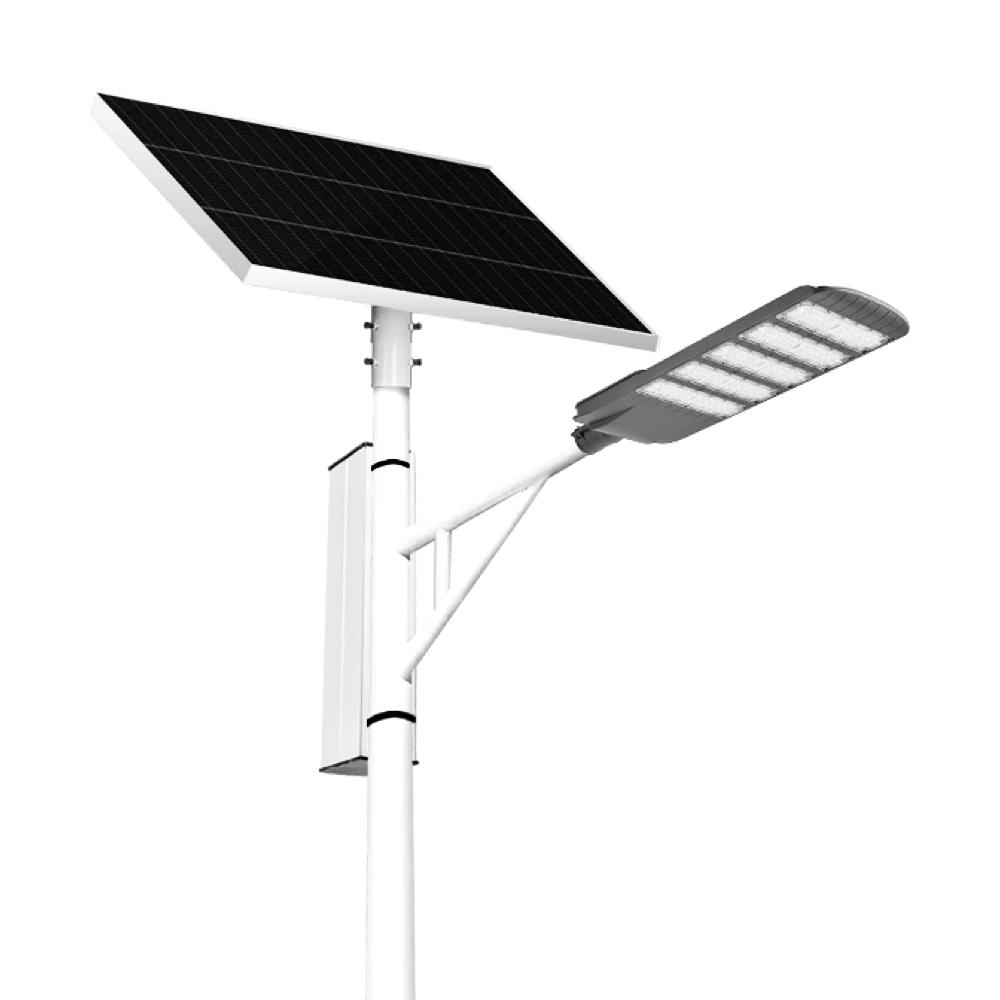
The Solar Streetlights of Luhao for Municipalities are designed to deliver reliable, energy-efficient, and cost-effective public lighting solutions. Equipped with advanced LED technology, durable lithium batteries, and high-efficiency solar panels, these streetlights provide consistent illumination for roads, parks, residential areas, and government projects.
If you would like more information about Queneng solar lighting solutions, please send us a message by filling out the form below. Our professional team will get back to you within 24 hours!
Rest assured that your privacy is important to us, and all information provided will be handled with the utmost confidentiality.
Schedule a Meeting
Book a date and time that is convenient for you and conduct the session in advance.
Have more questions about our products or services?
The messenger of light & power conversion
Environmental protection and intelligent manufacturing are our brand philosophy, and quality assurance and the best user experience are our eternal promises to users.
CONTACT
No.9F, Building F, Cao San Xin Tian Hong Logistics Park, Guzhen Town, Zhongshan City, Guangdong Province, China.
or write [email protected]
WhatsApp: +86 136 2270 1011


