














The Complete Blueprint for Municipal Solar Street Light Projects: Funding, Technical Specs, and Installation
Executive Summary: Key Takeaways for City Planners
Municipal solar lighting systems are rapidly becoming the preferred infrastructure standard for forward-thinking cities, offering a permanent solution to rising utility costs and grid instability. This guide outlines the transition from traditional grid-tied sodium lamps to autonomous, renewable lighting grids.

- Transition Driver: Moving from expensive OpEx models (utility bills) to sustainable CapEx investments.
- ROI Timeline: Most municipalities achieve a return on investment within 3-5 years.
- Carbon Metrics: Significant reduction in municipal carbon footprints, aligning with global sustainability goals.
- The Blueprint: A structured approach covering Funding, Specification, and Installation.
What Are Municipal Solar Street Lights and Why Are Cities Switching?
Municipal solar street lights are standalone, off-grid lighting systems powered by photovoltaic panels, battery energy storage, and smart controllers, designed to provide reliable illumination for public roadways without grid dependency.
Beyond simple illumination, these systems represent a critical shift toward infrastructure resilience. Traditional street lights rely on underground copper wiring, which is expensive to install, prone to theft, and vulnerable to grid failures. By switching to solar, cities eliminate the "single point of failure" risk—if the grid goes down during a storm, the streets remain lit.
Why the shift is accelerating:
- Grid Resilience: Lights remain operational during hurricanes, blackouts, or brownouts.
- Cost Elimination: $0 monthly utility bills and zero cost for trenching or cabling.
- Sustainability: Immediate contribution to municipal "Net Zero" targets.
Phase 1: Securing Funding and Calculating ROI
Securing funding involves leveraging specific public works lighting grants and shifting budget models from operational expenditure (maintenance/electricity) to capital expenditure (infrastructure upgrades).
Many city planners make the mistake of comparing only the unit price of a solar light against a grid light. This is a flawed comparison. The true calculation must include the Total Cost of Ownership (TCO), which factors in the elimination of trenching (often costing more than the lights themselves) and 20 years of electricity savings.
Financial strategies for municipalities:
- Energy Savings Performance Contracts (ESPC): Partner with ESCOs to pay for the upgrade using the future energy savings.
- Infrastructure Grants: Federal and state programs often earmark funds specifically for renewable energy integration. According to the U.S. Department of Energy, the transition to solid-state lighting (LED) is projected to save significant amounts of energy annually, a metric that strengthens grant applications.
- Lighting-as-a-Service (LaaS): A subscription model where a third-party provider installs and maintains the lights for a monthly fee.
Phase 2: Technical Specifications & The "2026 Standard"
High-performance solar LED roadway lighting specifications must mandate LiFePO4 batteries, high-efficacy LEDs (200lm/w+), and MPPT controllers to ensure reliability through winter months.
Writing a weak specification is the primary cause of project failure. "Frankenstein" systems—assembled from mismatched cheap components—will fail within 18 months. To ensure longevity, your Request for Proposal (RFP) must demand components that work in harmony.
Critical Technical Requirements:
- Battery Chemistry: LiFePO4 (Lithium Iron Phosphate) is mandatory. Unlike unstable Lithium-Ion or heavy Lead-Acid, LiFePO4 offers 2000+ cycles and is safe for public spaces.
- Solar Engines: Monocrystalline panels with high conversion efficiency (21%+) are required to charge batteries quickly, even on cloudy days.
- Controller Logic: MPPT (Maximum Power Point Tracking) controllers are essential, harvesting 30% more energy than older PWM types.
- Dark Sky Compliance: To reduce light pollution, fixtures should meet the standards set by organizations like DarkSky International, ensuring light is directed downward and not into the atmosphere.
At Queneng Lighting, we adhere strictly to these high standards. Since 2013, our R&D team has focused on optimizing these core components, achieving international certifications including ISO 9001, CE, UL, and TÜV to guarantee system reliability.
Phase 3: Smart City Integration (The Missing Gap)
Smart city solar illumination refers to the networking of street lights via IoT protocols like LoRaWAN or Zigbee, enabling remote monitoring, dimming, and predictive maintenance from a central dashboard.
Modern municipal projects are not just about light; they are about data. A stand-alone light is good, but a networked light is a powerful asset for public works departments.
Features of Connected Lighting:
- Remote Monitoring: Instantly see battery levels and panel health for every unit on a map.
- Predictive Maintenance: The system alerts crews before a light fails, reducing patrol costs.
- Adaptive Lighting: Motion sensors (microwave or PIR) dim lights to 30% when roads are empty, boosting battery autonomy by up to 50%.
Phase 4: Installation and Site Logistics
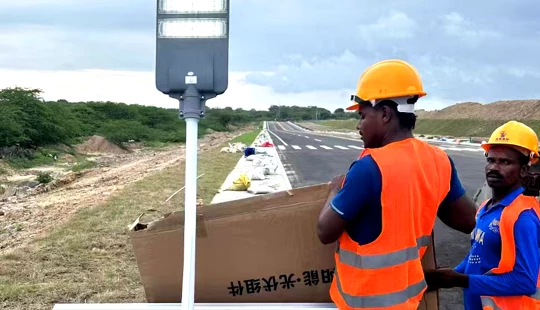
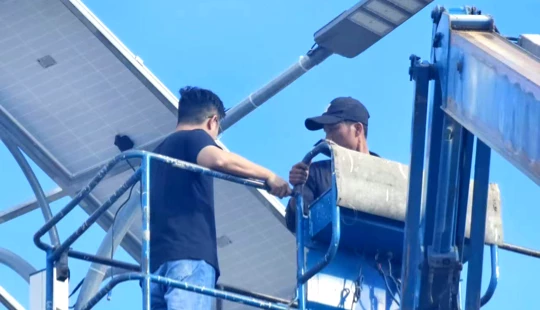
Installation of commercial grade solar street lights requires specific site assessments for solar insolation (sun hours) and wind load ratings to ensure structural integrity and lighting performance.
One of the massive advantages of solar is the "No-Trenching Advantage." You do not need to tear up sidewalks or shut down traffic lanes to lay cable. However, physical installation still requires engineering precision.
Key Installation Factors:
- Solar Insolation: Calculate the "peak sun hours" for the specific latitude. A system designed for Arizona will fail in Seattle if the panel size isn't adjusted.
- Wind Load Ratings: Poles must be rated for the local EPA (Effective Projected Area) wind zone, especially in hurricane-prone coastal regions.
- Foundation Types:
- Anchor Bolt Cage: Standard for concrete bases.
- Direct Burial: Suitable for specific soil types and smaller poles.
Procurement Guide: How to Write a Winning RFP
A successful RFP must define system autonomy (backup days), demand system-level warranties rather than component warranties, and require proof of previous municipal deployments.
Avoid vague terms like "solar light." Be specific to weed out low-quality vendors.
RFP Checklist:
- Autonomy: "System must provide 5 nights of backup power without solar charge."
- Warranty: "5-year comprehensive warranty on the entire system (Battery, Panel, Controller, LED)."
- Vendor Vetting: Request case studies. For example, Queneng Lighting has been a designated supplier for major listed companies and engineering projects globally, serving as a "solar lighting engineering solutions think tank."
- Certifications: Require UL, CE, and CB certificates to ensure safety compliance.
Expert Tips: Common Mistakes in Municipal Projects
The most common mistakes include undersizing the battery for winter operations, ignoring color temperature preferences, and neglecting anti-theft hardware for accessible components.
- The Winter Gap: Designing for summer sun leads to winter blackouts. Always size the panel for the worst month of the year.
- Color Temperature: Residents often hate the harsh, blue-white glare of 6000K light. Stick to 3000K-4000K for a warmer, more inviting atmosphere in residential zones.
- Theft Prevention: Batteries are valuable. Use tamper-proof screws and, if possible, integrate the battery into the pole or top fixture rather than a ground-level box.
- Cheap Controllers: Using a non-IP68 controller leads to moisture damage. Ensure the brain of the system is waterproof.
Conclusion & Call to Action
The shift to off-grid municipal lighting is inevitable. It saves money, protects against grid failure, and lowers carbon emissions. However, success depends entirely on choosing the right specifications and a partner who understands the engineering nuances of solar power.
GuangDong Queneng Lighting Technology Co., Ltd. combines over a decade of R&D with advanced manufacturing to deliver commercial-grade solar solutions that meet rigorous international standards.
Contact us today to discuss your specific needs and let our engineering team design a lighting solution that fits your budget and climate.

Have more questions about our products or services?
The latest hot news you might like

Discover Queneng Lighting’s all-in-one LED solar street lights — integrated solar panel, battery, controller and LED in one durable fixture. Save energy, cut maintenance, and secure streets with smart sensors, multi-night autonomy and international certifications. Contact sales for quotes and support.

Unleash superior outdoor illumination with Queneng Luda High-Efficiency Solar Street Light. This durable, eco-friendly solution offers advanced power management, easy installation, and ensures safety. Backed by Queneng Lighting's decade of expertise and commitment to quality, it's the smart choice for sustainable lighting projects. Learn why we're a leading solar solutions provider.

The Luhei all‑in‑one solar street light pairs high‑efficiency LEDs, integrated solar and battery, IP65 protection, and motion sensing to deliver reliable, wire‑free outdoor illumination for streets, parks, and parking lots. Backed by Queneng Lighting’s certifications and support.

FAQ
Solar Street Light Luan
How bright are Luan solar street lights compared to traditional street lights?
Luan solar street lights offer brightness comparable to or greater than traditional street lights, using far less energy. The LEDs are designed to provide high-quality, focused illumination, enhancing visibility and safety in outdoor areas while saving energy.
Schools and Educational Institutions
Can solar lights be installed in remote locations without easy access to power sources?
Yes, solar lights are perfect for remote locations where it is difficult to lay electrical wiring. They provide autonomous lighting without the need for external power sources.
Battery fundamentals and basic terms
What is the electrochemistry of lithium-ion batteries?
The main component of the positive electrode of lithium-ion battery is LiCoO2 and the negative electrode is mainly C. When charging,
Anode reaction: LiCoO2 → Li1-xCoO2 + xLi+ + xe-
Negative reaction: C + xLi+ + xe- → CLix
Total battery reaction: LiCoO2 + C → Li1-xCoO2 + CLix
The reverse reaction of the above reaction occurs during discharge.
Battery Performance and Testing
What is the internal resistance in charging state and what is the difference between internal resistance in discharging state?
Solar Street Light Luhao
What is the energy efficiency of the Luhao solar street light?
The Luhao solar street light is highly energy-efficient, using solar panels to convert sunlight into electricity without relying on grid power. The LED lights consume very little energy compared to traditional street lights, making them both cost-effective and eco-friendly.
who we are
Can Queneng provide custom solar lighting solutions?
Yes, we specialize in providing customized solar lighting systems based on your specific needs. Whether it’s for residential, commercial, or industrial applications, our team works with you to design and deliver tailored solutions that meet your requirements.
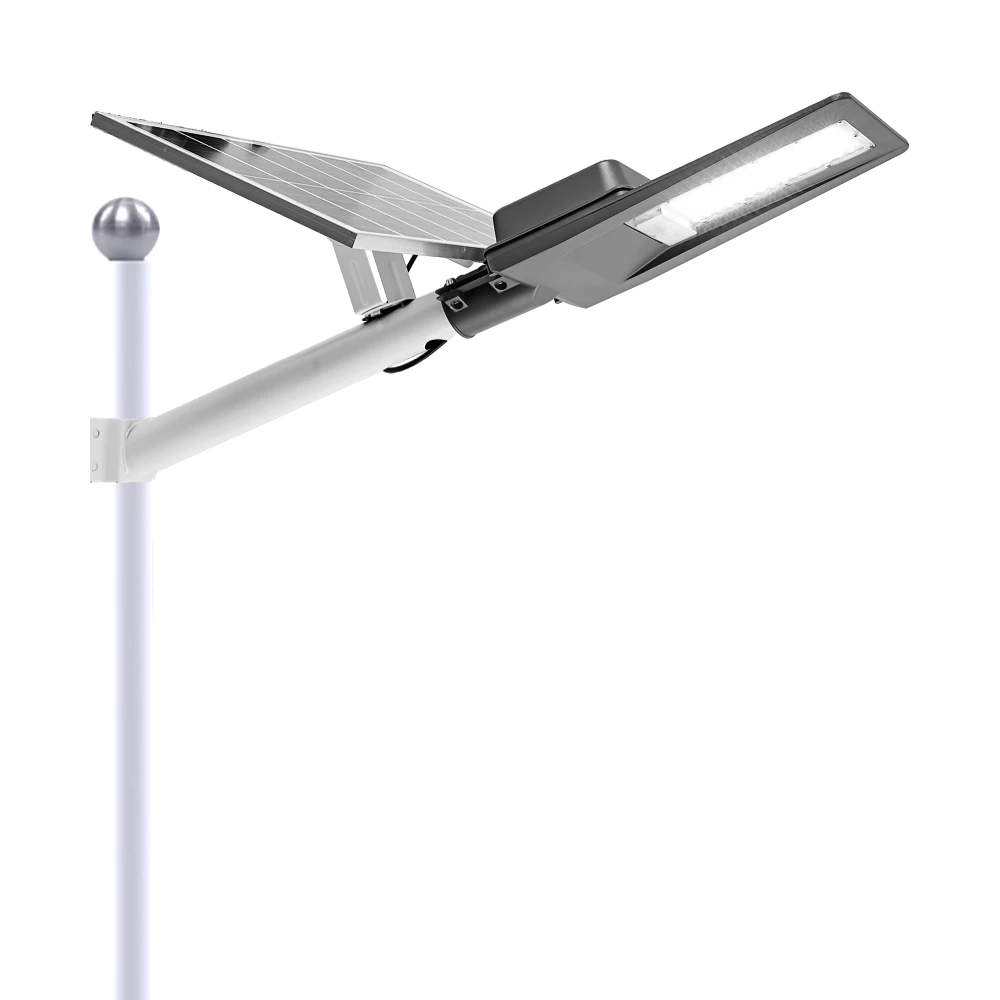
Experience reliable outdoor illumination with our smart solar street light, a perfect combination of advanced technology and eco-conscious design.
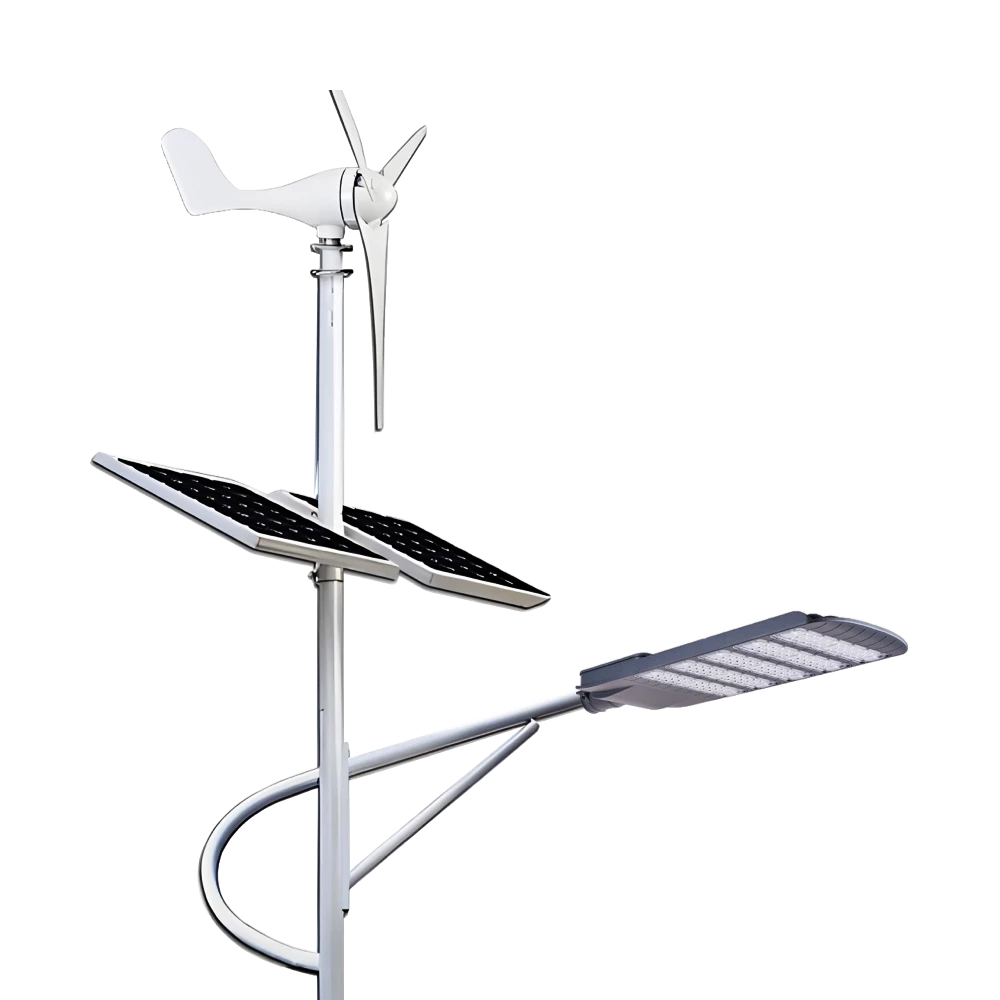
Queneng Lufeng Wind Energy LED Outdoor Solar Street Lights offer high-performance, eco-friendly illumination. These energy-efficient LED street lights harness solar power and wind energy for sustainable, cost-effective outdoor lighting solutions.
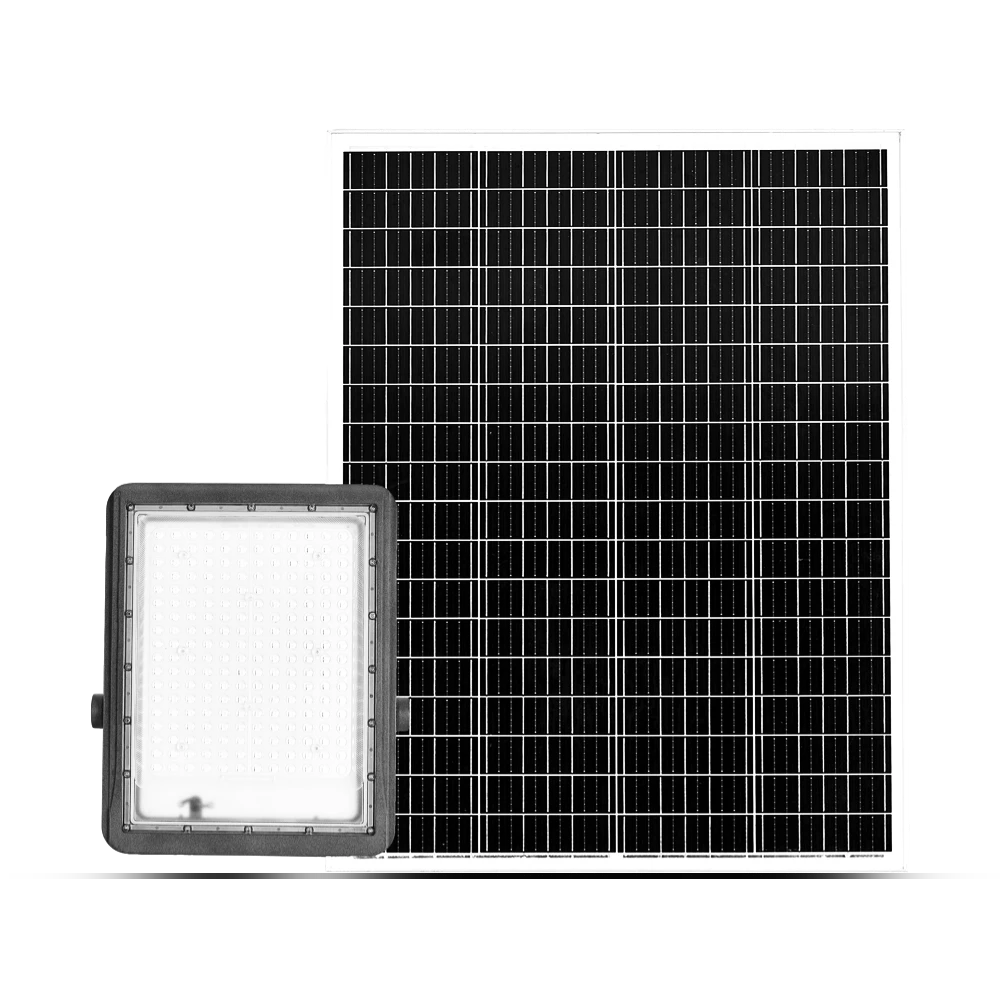
Queneng's Luxian Reliable Solar Street Light offers energy-saving LED lighting for outdoor use. This durable, solar-powered street light provides reliable illumination, reducing energy costs and environmental impact. A perfect solution for sustainable outdoor lighting.
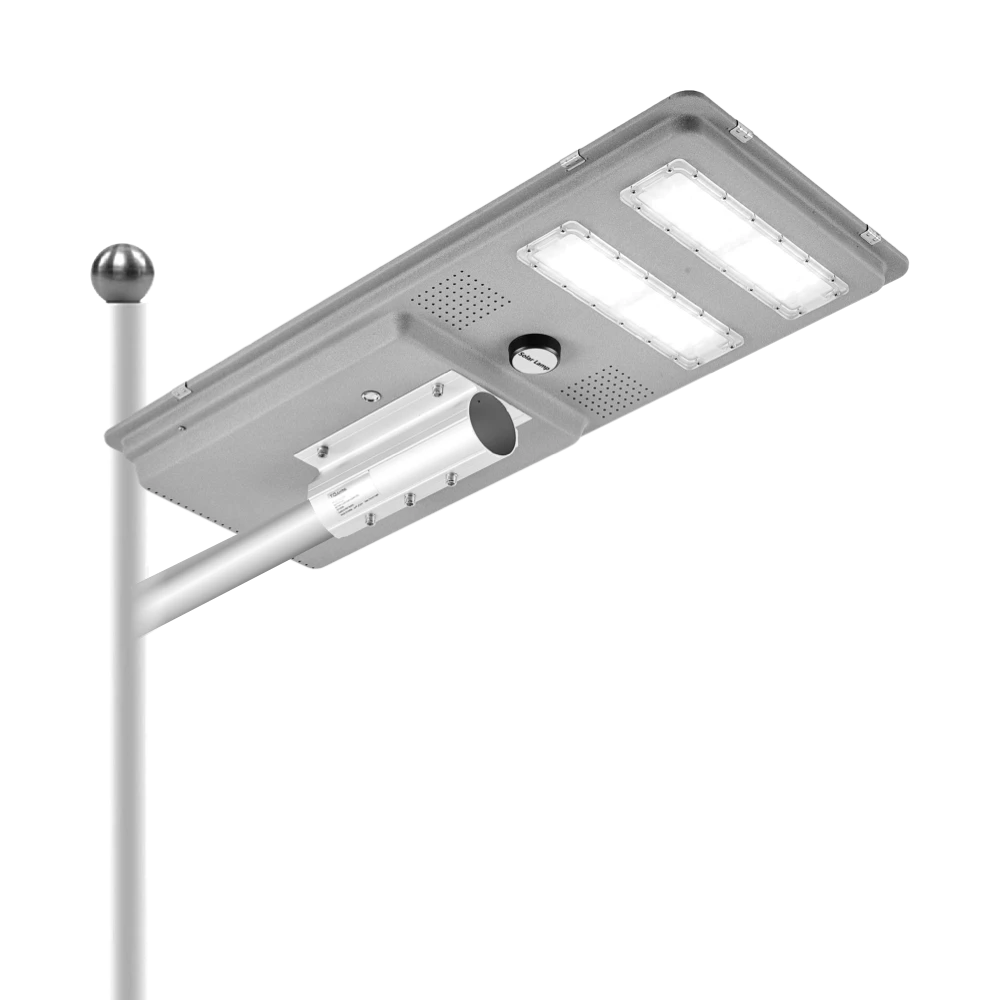
Queneng’s Solar Street Lights are designed to provide reliable, energy-efficient lighting for streets, parks, and other outdoor spaces.
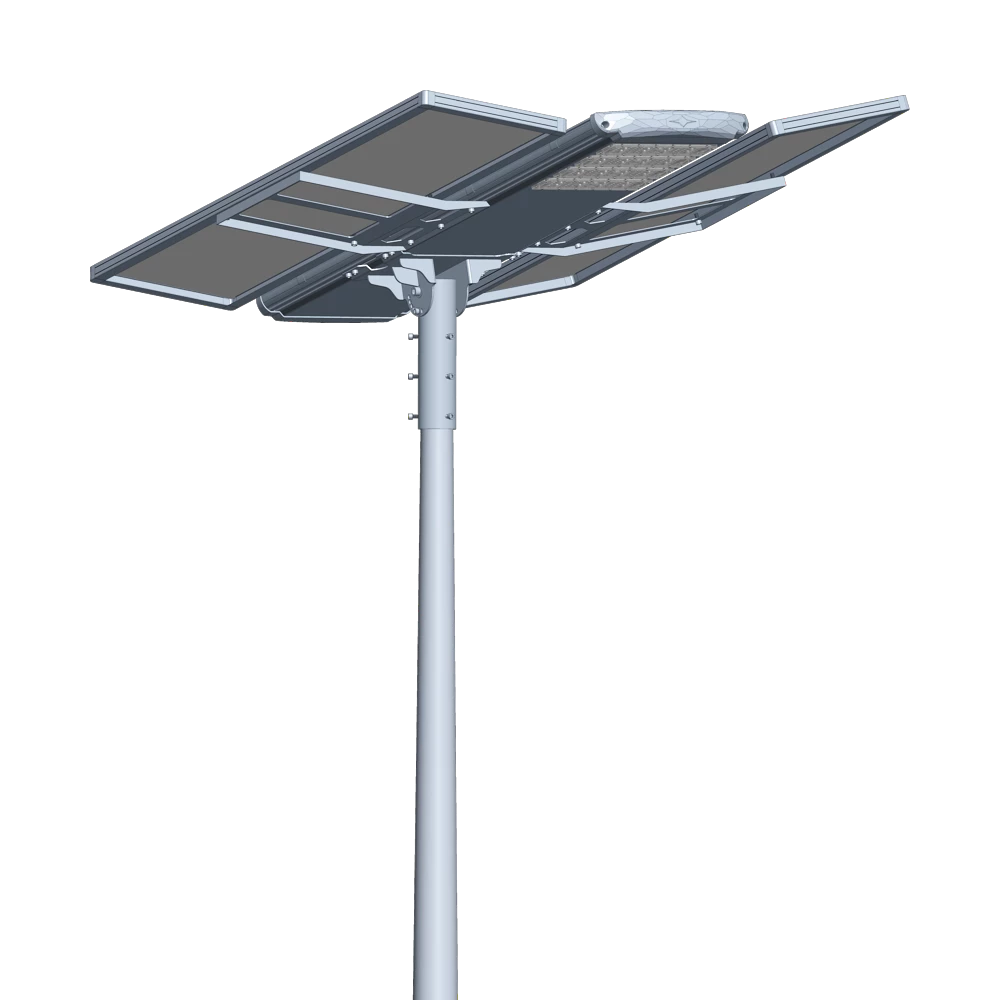
Introducing the Luqing Solar Street Light by Queneng, Efficient LED lighting powered by solar energy is perfect for illuminating outdoor areas. Harness the power of solar energy for sustainable, reliable street lighting. Ideal for eco-friendly, cost-effective outdoor illumination solutions.
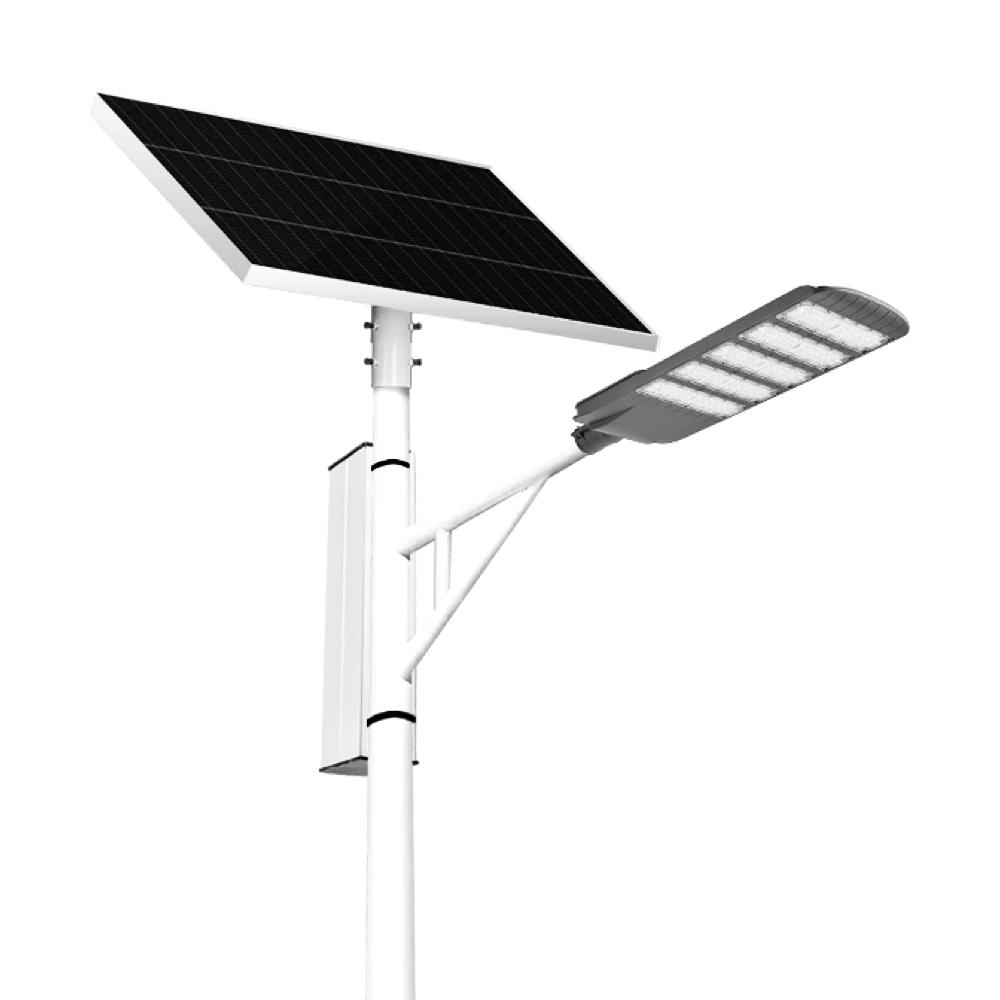
The Solar Streetlights of Luhao for Municipalities are designed to deliver reliable, energy-efficient, and cost-effective public lighting solutions. Equipped with advanced LED technology, durable lithium batteries, and high-efficiency solar panels, these streetlights provide consistent illumination for roads, parks, residential areas, and government projects.
If you would like more information about Queneng solar lighting solutions, please send us a message by filling out the form below. Our professional team will get back to you within 24 hours!
Rest assured that your privacy is important to us, and all information provided will be handled with the utmost confidentiality.
Schedule a Meeting
Book a date and time that is convenient for you and conduct the session in advance.
Have more questions about our products or services?
The messenger of light & power conversion
Environmental protection and intelligent manufacturing are our brand philosophy, and quality assurance and the best user experience are our eternal promises to users.
CONTACT
No.9F, Building F, Cao San Xin Tian Hong Logistics Park, Guzhen Town, Zhongshan City, Guangdong Province, China.
or write [email protected]
WhatsApp: +86 136 2270 1011


