

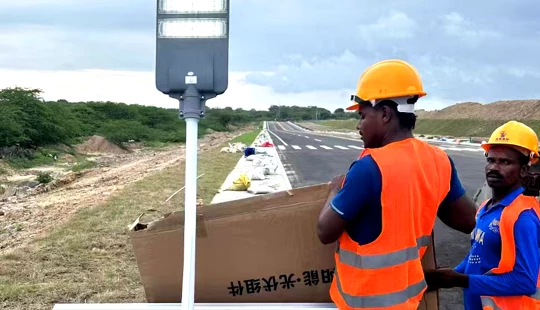
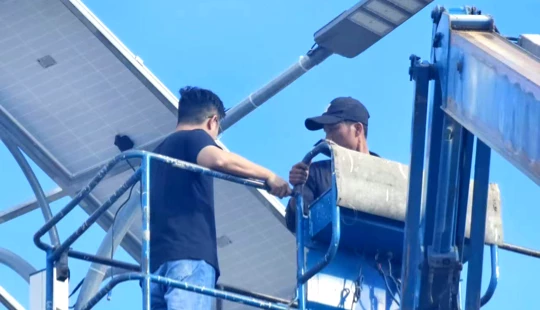













Are all solar street light manufacturers equal in quality?
Navigating Solar Street Light Procurement: A Comprehensive Guide for Buyers
Investing in solar street lighting is a smart choice for sustainable, cost-effective illumination. However, with a multitude of options and manufacturers, understanding the nuances—especially for split solar street light systems—is paramount for making an informed decision. As a professional content writer with extensive experience in SEO and , this guide is designed to equip you with the expert knowledge needed for successful procurement.
What is the Real Cost of Solar Street Lights, and What Factors Drive Pricing?
The cost of solar street lights varies significantly, typically ranging from $100 for basic residential units to $3,000+ for high-power commercial or industrial-grade systems. Understanding these factors is crucial for budgeting:
LED Wattage and Lumen Output: Higher wattage LEDs (e.g., 80W-120W) with greater lumen output naturally command higher prices. A common 40W-60W commercial fixture might cost between $500-$1500.
Battery Type and Capacity: Lithium Iron Phosphate (LiFePO4) batteries are the industry standard for longevity (2000-4000 cycles, 7-10+ years lifespan) and performance in varying temperatures, making them more expensive than outdated lead-acid batteries. Larger battery capacity (Ah) for extended autonomy days also increases cost.
Solar Panel Wattage and Efficiency: Higher wattage (Wp) monocrystalline solar panels offer better efficiency (often above 20%) and faster charging, contributing to a higher price point than less efficient polycrystalline panels.
Charge Controller Technology: MPPT (Maximum Power Point Tracking) controllers are more efficient (15-30% more effective at power harvesting) and sophisticated than PWM (Pulse Width Modulation) controllers, adding to the cost but improving system performance.
Pole and Mounting Hardware: The height, material (galvanized steel, aluminum), thickness, and design of the pole, along with robust mounting brackets, significantly impact the overall cost.
Brand and Warranty: Reputable manufacturers often have higher prices due to superior quality control, R&D, and comprehensive warranties. These brands typically offer a better long-term ROI.
Split vs. All-in-One Design: Split solar street lights, with separate panels, batteries, and lamps, often have a higher initial installation cost due to more complex wiring and mounting. However, they offer advantages discussed below.
Are All Solar Street Light Manufacturers Equal in Quality? How to Vet a Reliable Supplier?
Absolutely not. Quality varies immensely among manufacturers. To vet a reliable supplier, consider the following:
Certifications and Standards: Look for manufacturers holding ISO 9001 (Quality Management), ISO 14001 (Environmental Management), CE, RoHS (EU safety/environmental), and IEC (International Electrotechnical Commission) for solar panels. An IP (Ingress Protection) rating of at least IP65 for the lamp and battery housing is essential for outdoor durability.
R&D and Innovation: A manufacturer with strong R&D capabilities indicates a commitment to improving technology, efficiency, and product reliability.
Manufacturing Process and Quality Control: Inquire about their production lines, quality assurance (QA), and quality control (QC) procedures. Reputable manufacturers will be transparent about their testing protocols.
Experience and Case Studies: Assess their track record. How long have they been in business? Can they provide verifiable case studies or project references, especially for projects similar to yours?
Component Sourcing: A reliable manufacturer uses high-quality, branded components (e.g., Philips/Cree LEDs, reputable LiFePO4 cells, MPPT controllers) rather than generic, unbranded parts.
Warranty and After-Sales Support: A robust warranty (e.g., 3-5 years for the whole system, 5-10 years for panels, 3-7 years for batteries) and responsive technical support are hallmarks of a trustworthy manufacturer.
Split Solar Street Lights vs. All-in-One: Understanding the Best Choice for Your Project.
Choosing between split and all-in-one designs depends on your specific project requirements, environmental conditions, and budget. While all-in-one units are popular for their simplicity, split systems offer distinct advantages for many professional applications:
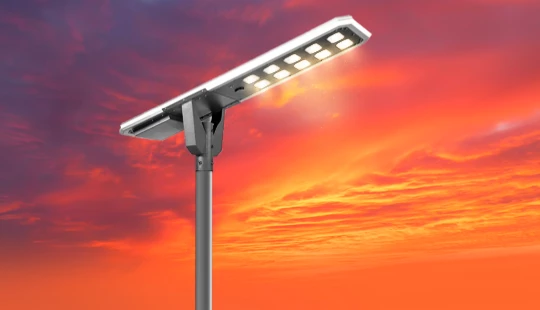
All-in-One Solar Street Lights: These units integrate the solar panel, battery, LED lamp, and controller into a single compact fixture. They are typically easier and quicker to install, and generally have a lower initial product cost. They are ideal for applications requiring quick deployment, moderate power, and where aesthetics dictate a sleeker look. However, the battery is often exposed to the heat generated by the LED and direct sunlight, which can reduce its lifespan.
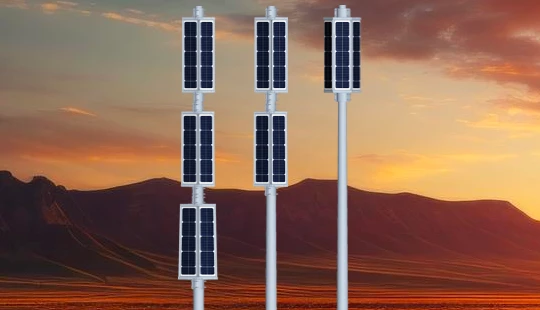
Split Solar Street Lights: In a split system, the solar panel, battery, and lamp are separate components, connected by wiring. The battery is often housed at the base of the pole or underground, and the solar panel is mounted independently. This design offers several critical advantages:
Optimal Solar Panel Orientation: The solar panel can be independently tilted and oriented to achieve maximum sun exposure throughout the day, significantly enhancing charging efficiency, especially in regions with varying sun angles.
Superior Thermal Management: Separating the battery from the LED light engine prevents heat transfer, which is crucial for extending battery life. Batteries perform best within a specific temperature range; separating them allows for better heat dissipation or even burying the battery for temperature stability.
Larger Capacity and Higher Power: Split systems can accommodate larger solar panels and battery banks, making them suitable for high-wattage lighting, longer autonomy periods (e.g., 5-7 days without sun), and demanding environmental conditions.
Easier Component Replacement and Maintenance: Individual components can be accessed, maintained, or replaced without affecting the entire system, potentially reducing long-term maintenance costs.
Enhanced Vandalism Resistance: The battery can be secured at the base of the pole or underground, making it less accessible to vandals.
For demanding commercial, industrial, or public infrastructure projects where reliability, long autonomy, and maximum efficiency are paramount, split solar street lights are often the preferred and more robust solution.
Beyond Lumens: What Key Components Determine the Performance and Longevity of Your Solar Street Light?
While lumen output indicates brightness, the quality of individual components dictates the overall performance and lifespan:
Solar Panel: Monocrystalline silicon panels (e.g., 20%+ efficiency) offer superior performance in smaller footprints compared to polycrystalline. Look for certifications like IEC 61215/61730 ensuring panel reliability and safety.
Battery: LiFePO4 batteries are the gold standard due to their high cycle life (2000-4000 cycles, 7-10+ years), safety, thermal stability, and deep discharge capability. Avoid lead-acid batteries for serious applications due to their short lifespan (300-500 cycles) and poor performance in extreme temperatures.
LED Lamp: The quality of LED chips (e.g., Philips, Cree, Osram) determines luminous efficacy (lumens/watt), color rendering index (CRI), and color temperature (CCT). High-efficiency LEDs mean more light for less power, extending battery life. A good heat sink design is crucial for LED longevity.
Charge Controller: An MPPT controller is essential for maximizing solar energy harvest (up to 30% more efficient than PWM) and protecting the battery from overcharging, deep discharging, and reverse current. It also manages lighting modes (e.g., dimming, motion sensing).
Pole and Fixture Housing: Galvanized steel or aluminum poles with anti-corrosion treatment ensure structural integrity. The fixture housing should have an IP65 or higher rating to withstand dust and water ingress, crucial for harsh outdoor environments.
Procurement Checklist: Essential Questions to Ask Before Investing in Solar Street Lighting.
To ensure a sound investment, ask your potential supplier these critical questions:
What is the complete system specification? (LED wattage, lumen output, solar panel wattage, battery capacity (Ah/Wh), battery type, controller type).
What is the rated autonomy (days of backup)? (How many consecutive cloudy days can the system operate without recharging?). Aim for 3-5 days for critical applications.
What are the warranty terms for each component? (Panel, battery, LED, controller, pole). Ensure clarity on what is covered and for how long.
What is the IP rating of the lamp and battery enclosure? (At least IP65 for outdoor use, higher for extreme conditions).
Are installation guides and technical support provided? (Crucial for proper setup and troubleshooting).
Does the system include intelligent control features? (e.g., dimming options, motion sensors, time-based programming, remote monitoring for smart city applications).
What certifications does the product and manufacturer hold? (CE, RoHS, ISO, IEC, etc.).
Can the system be customized for my specific geographical location and lighting requirements? (E.g., pole height, wind load, specific lumen output, operating hours).
Ensuring Long-Term Performance: The Importance of Warranty and After-Sales Support.
A solar street light is a long-term investment, making warranty and after-sales support non-negotiable. A strong warranty typically offers:
Full System Warranty: Usually 3-5 years, covering the entire fixture.
Specific Component Warranties: Often 5-10 years for solar panels (performance degradation), and 3-7 years for LiFePO4 batteries (capacity retention).
Clear Terms and Conditions: What specific failures or performance degradations are covered? What voids the warranty?
Responsive Technical Support: The ability to get timely assistance for troubleshooting, spare parts, or technical queries. A manufacturer with readily available spare parts is a significant advantage.
Always verify the manufacturer's ability to honor their warranty and provide ongoing support. Check their reputation for customer service.
Customization for Optimal Performance: Why One-Size-Fits-All Doesn't Work for Solar Street Lights.
Effective solar street lighting is not a generic product; it's a precisely engineered solution. Customization ensures optimal performance and longevity:
Geographical Location and Solar Irradiance: The amount of available sunlight (insolation) varies dramatically by region. A system designed for a sunny equatorial region will fail in a high-latitude area with less direct sun. Reputable manufacturers perform solar radiation analysis for your specific location.
Required Illumination Levels (Lux): Different applications (pathways, main roads, parking lots) require specific lux levels. Customization involves matching the LED wattage, lens type, and pole height to achieve the desired illumination footprint.
Autonomy Days: The number of days the light needs to operate without sun (due to cloudy weather) dictates the battery capacity. This is a critical design parameter.
Operating Hours and Dimming Profiles: Some projects require all-night full brightness, while others can utilize dimming during off-peak hours to conserve energy, extending battery life and reducing system size.
Wind Load and Environmental Factors: Poles and fixtures must be designed to withstand local wind speeds, temperature extremes, and corrosive environments (e.g., coastal areas). A customized solution accounts for these engineering requirements.
A professional manufacturer will offer design services, taking your project's unique variables into account to engineer a perfectly matched split solar street light solution.
Why Choose Queneng Lighting for Your Solar Street Light Needs?
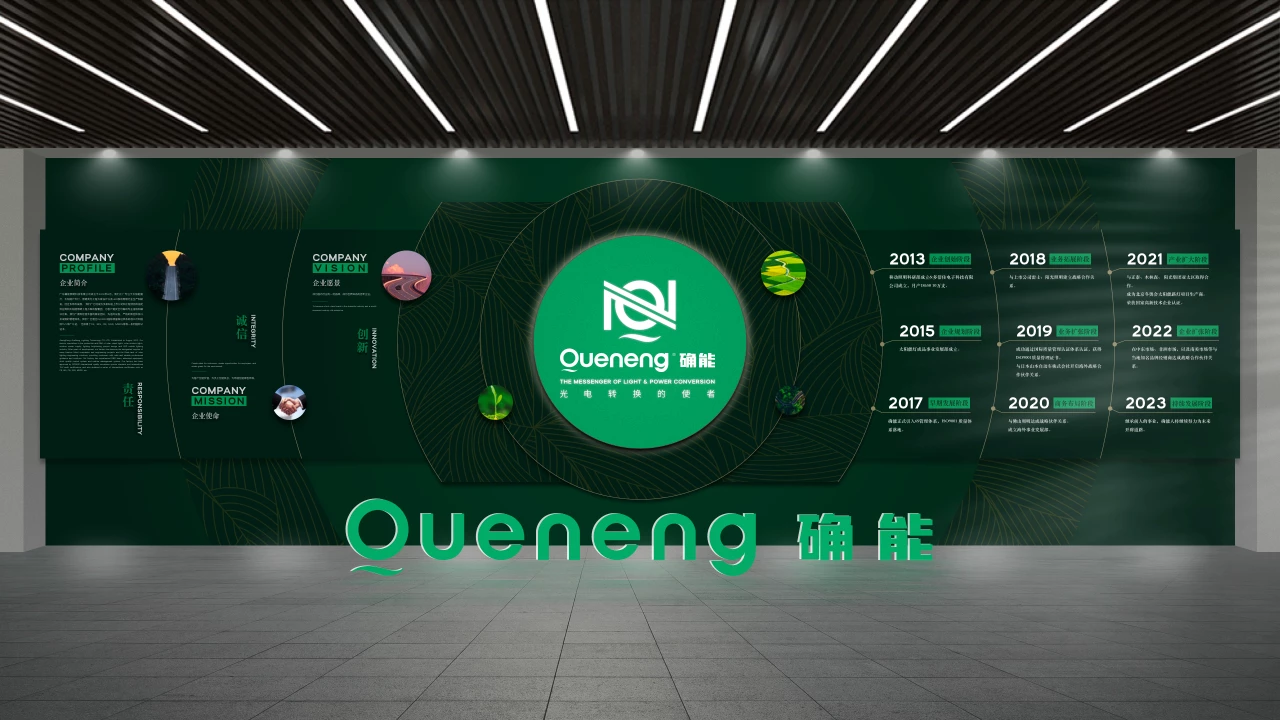
Queneng Lighting stands out as a reliable and innovative partner in the solar street lighting industry, particularly for robust split solar street light solutions. Our advantages include:
Proven Expertise: Years of experience in designing and manufacturing high-quality solar lighting systems, with a deep understanding of split system optimization.
High Quality Components: We utilize only top-tier components, including high-efficiency monocrystalline solar panels, long-life LiFePO4 batteries, branded LED chips, and advanced MPPT controllers, ensuring durability and superior performance.
Customized Solutions: Our in-house R&D and engineering teams specialize in tailoring solar street light designs to your exact project specifications, considering local insolation, required lux levels, autonomy, and environmental conditions.
Rigorous Quality Control: Adhering to international standards (e.g., ISO, CE, RoHS, IEC), our products undergo stringent testing at every stage of manufacturing, guaranteeing reliability and consistent quality.
Comprehensive Warranty & Support: We back our products with robust warranties and provide responsive after-sales technical support, ensuring peace of mind throughout the product's lifespan.
Focus on Sustainability & Performance: Queneng Lighting is committed to delivering solutions that not only meet your immediate lighting needs but also contribute to long-term energy savings and environmental sustainability.
Choose Queneng Lighting for a partner that combines cutting-edge technology, meticulous quality, and tailored expertise to illuminate your projects effectively and sustainably.

Have more questions about our products or services?
The latest hot news you might like

Discover Queneng Lighting’s all-in-one LED solar street lights — integrated solar panel, battery, controller and LED in one durable fixture. Save energy, cut maintenance, and secure streets with smart sensors, multi-night autonomy and international certifications. Contact sales for quotes and support.

Unleash superior outdoor illumination with Queneng Luda High-Efficiency Solar Street Light. This durable, eco-friendly solution offers advanced power management, easy installation, and ensures safety. Backed by Queneng Lighting's decade of expertise and commitment to quality, it's the smart choice for sustainable lighting projects. Learn why we're a leading solar solutions provider.

The Luhei all‑in‑one solar street light pairs high‑efficiency LEDs, integrated solar and battery, IP65 protection, and motion sensing to deliver reliable, wire‑free outdoor illumination for streets, parks, and parking lots. Backed by Queneng Lighting’s certifications and support.

FAQ
Battery Performance and Testing
What is the power output of the battery?
The smaller the internal resistance of the battery, the higher the output power. The internal resistance of the battery should be smaller than the internal resistance of the electrical appliance. Otherwise, the power consumed by the battery itself will be greater than the power consumed by the electrical appliance, which is uneconomical and may damage the battery.
What is a 24-hour self-discharge test?
What is static resistance? What is dynamic resistance?
What is self-discharge of secondary batteries?
Battery and Analysis
What is the principle of charger? What are the main categories?
Industry
Will the solar street lights work effectively in winter or during low sunlight conditions?
Queneng’s solar lights are equipped with high-capacity batteries, ensuring normal illumination even in low-light conditions, making them ideal for regions with frequent winter or rainy weather.
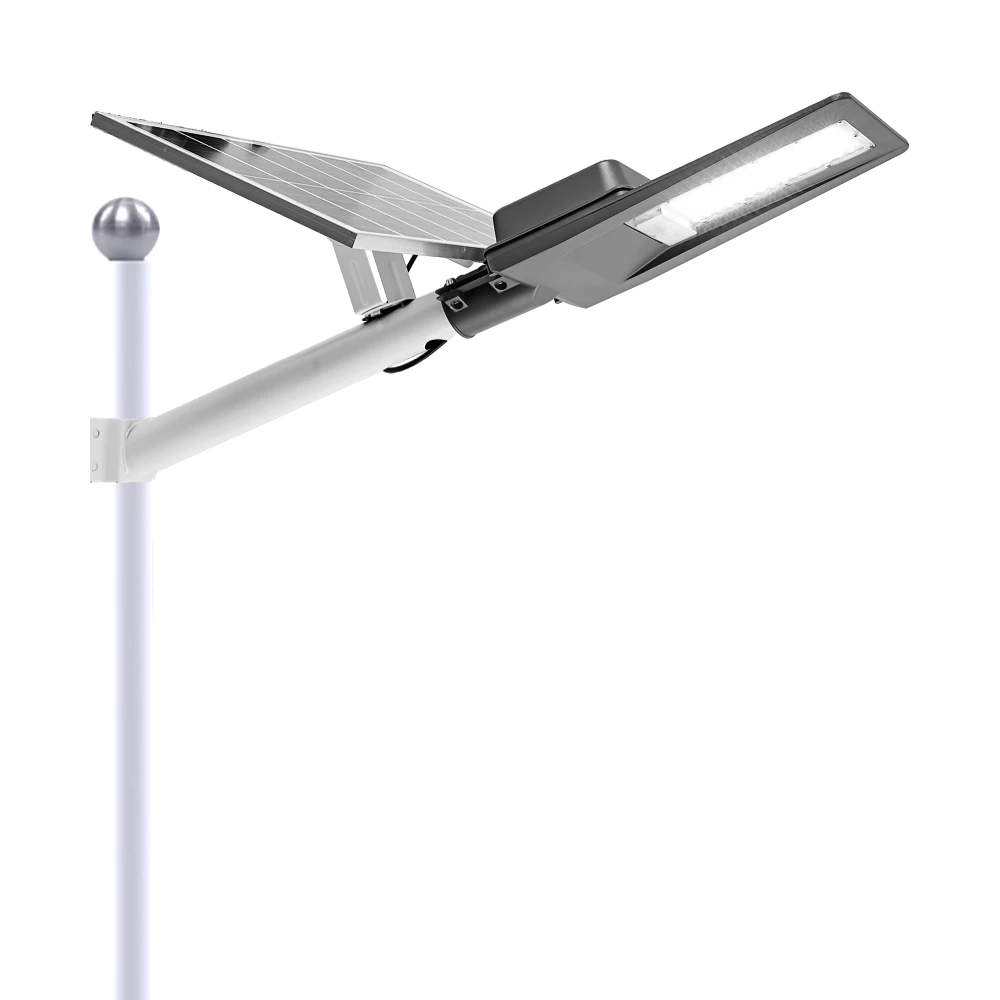
Experience reliable outdoor illumination with our smart solar street light, a perfect combination of advanced technology and eco-conscious design.
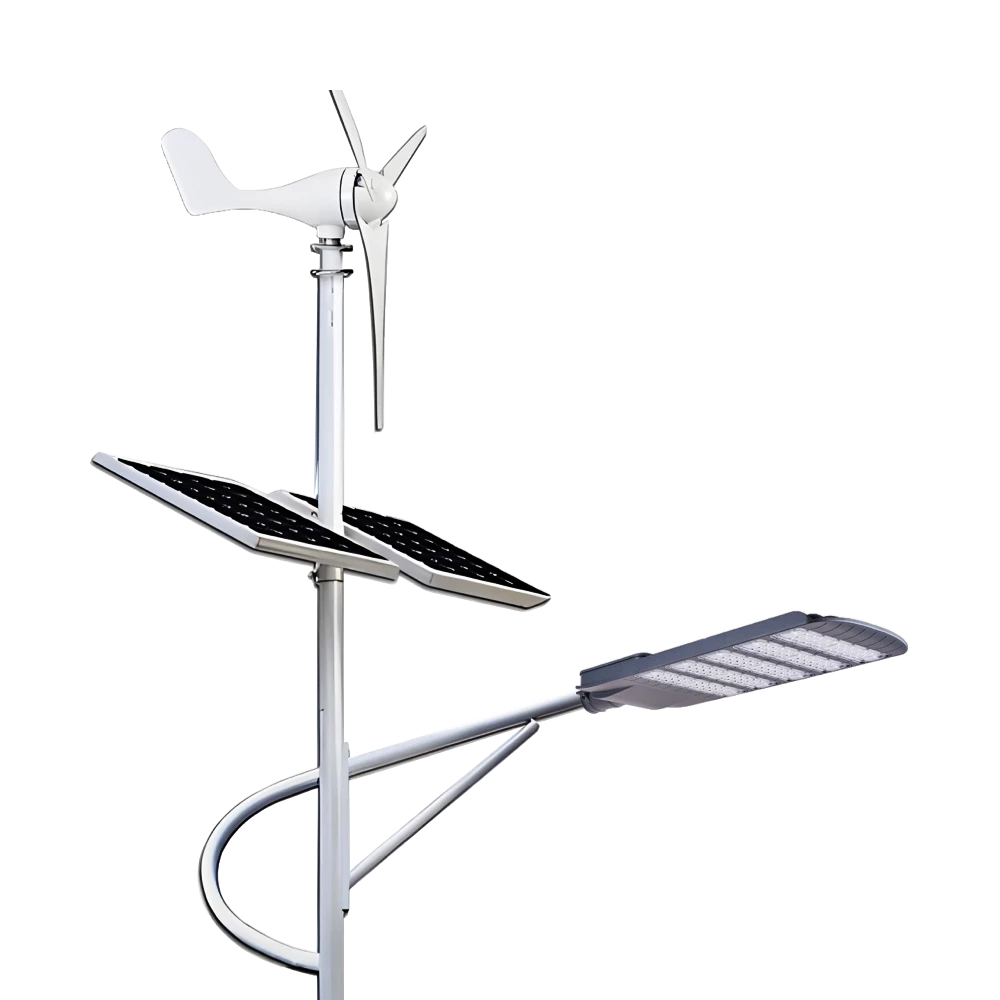
Queneng Lufeng Wind Energy LED Outdoor Solar Street Lights offer high-performance, eco-friendly illumination. These energy-efficient LED street lights harness solar power and wind energy for sustainable, cost-effective outdoor lighting solutions.
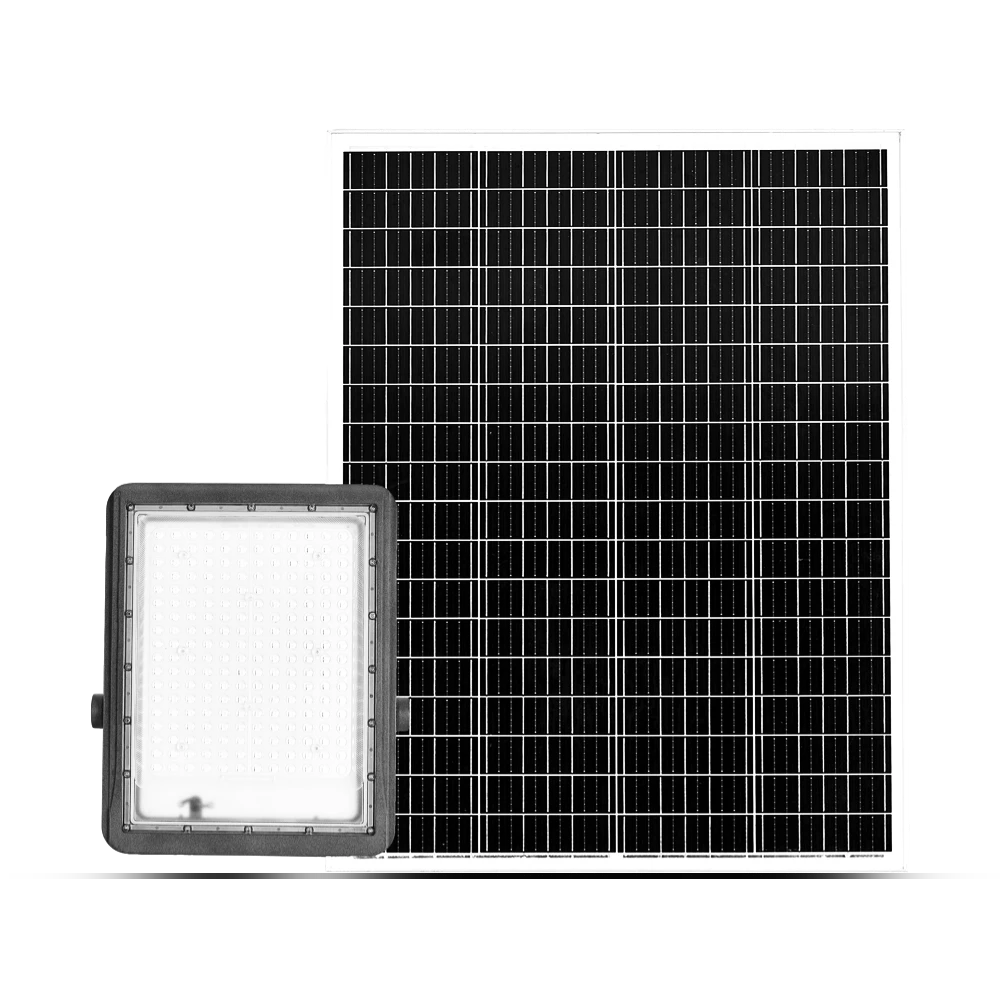
Queneng's Luxian Reliable Solar Street Light offers energy-saving LED lighting for outdoor use. This durable, solar-powered street light provides reliable illumination, reducing energy costs and environmental impact. A perfect solution for sustainable outdoor lighting.
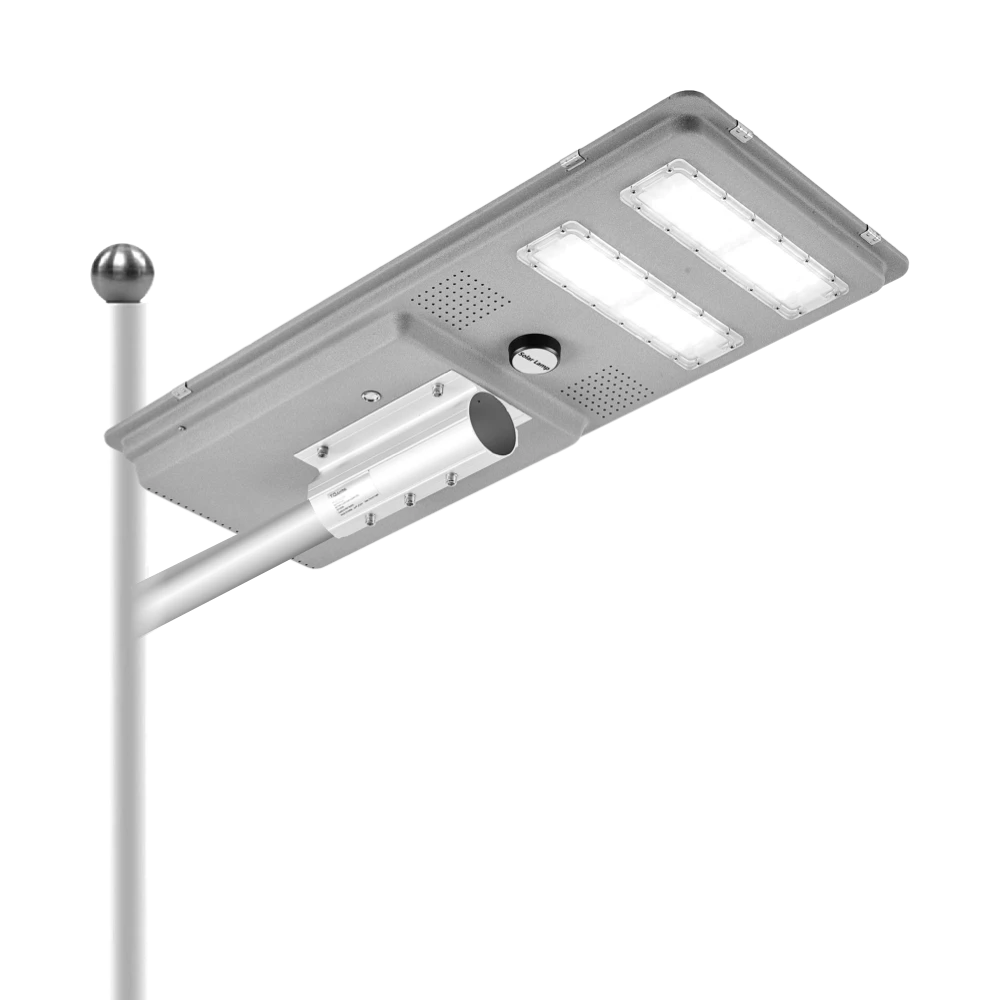
Queneng’s Solar Street Lights are designed to provide reliable, energy-efficient lighting for streets, parks, and other outdoor spaces.
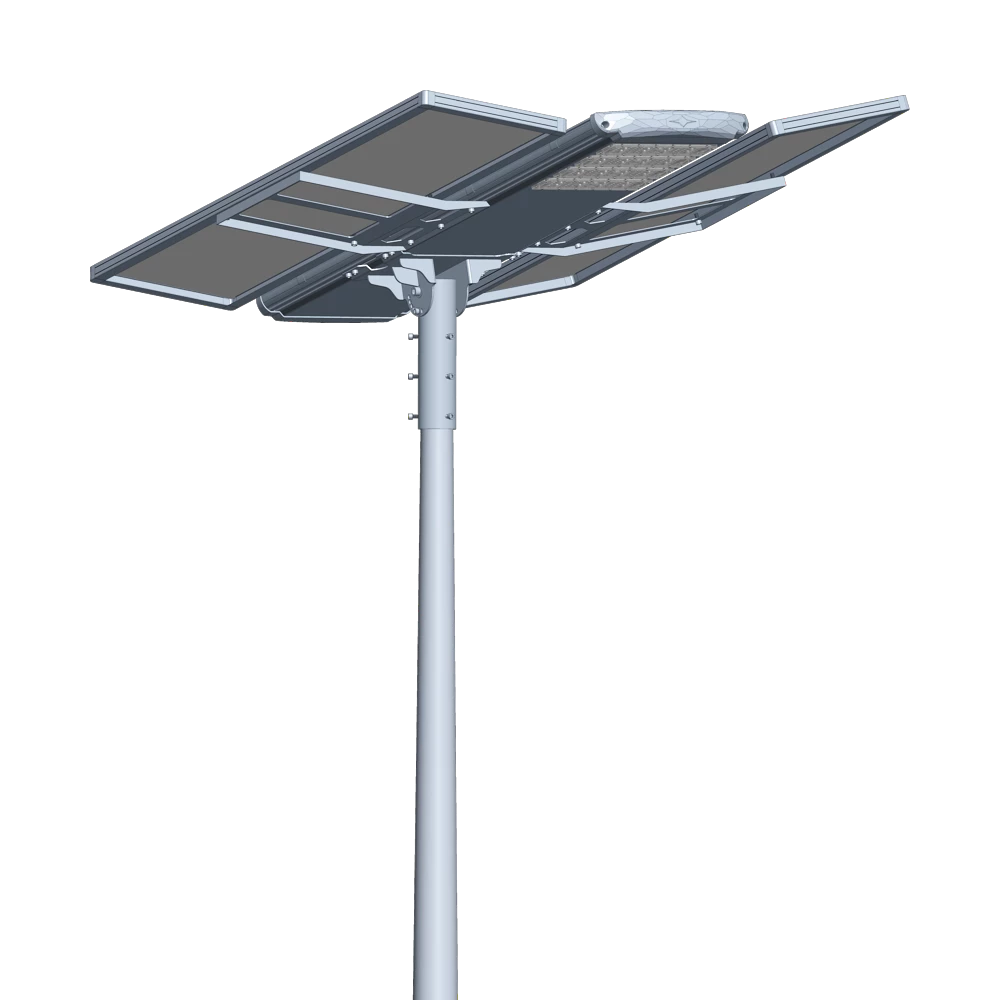
Introducing the Luqing Solar Street Light by Queneng, Efficient LED lighting powered by solar energy is perfect for illuminating outdoor areas. Harness the power of solar energy for sustainable, reliable street lighting. Ideal for eco-friendly, cost-effective outdoor illumination solutions.
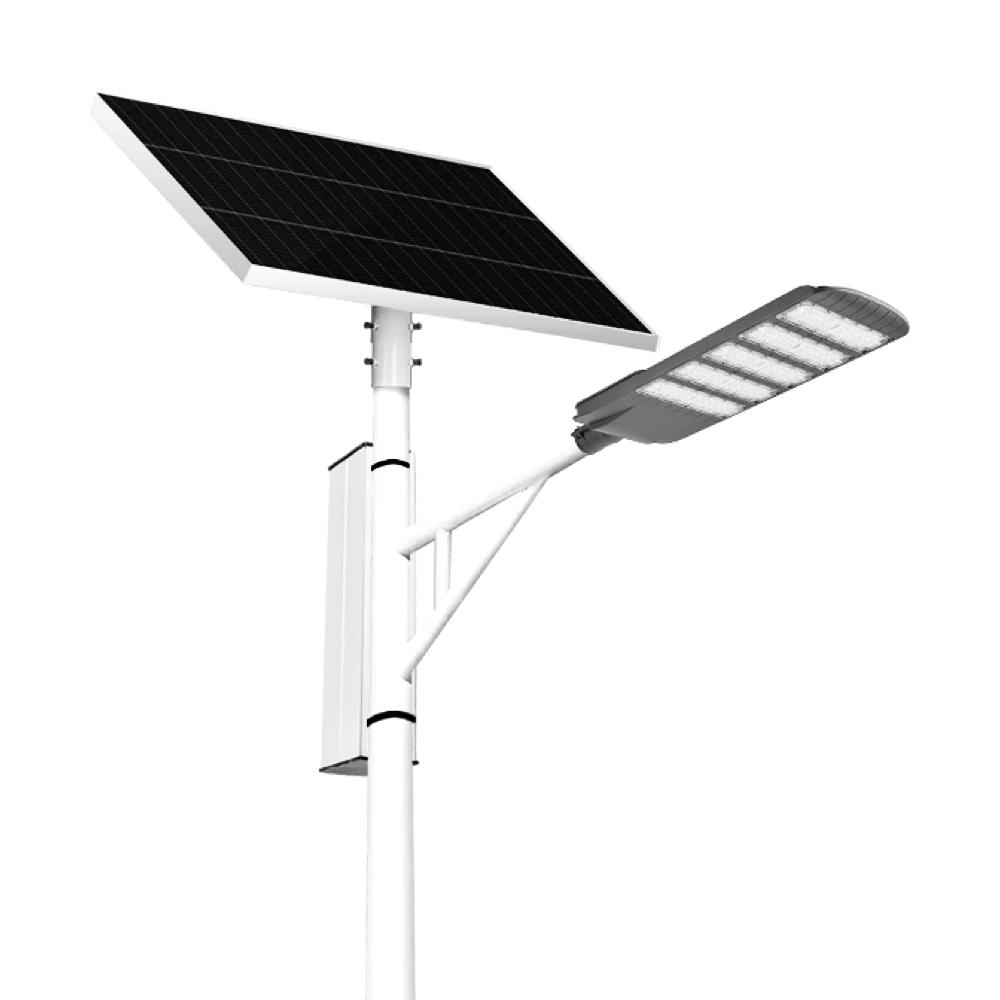
The Solar Streetlights of Luhao for Municipalities are designed to deliver reliable, energy-efficient, and cost-effective public lighting solutions. Equipped with advanced LED technology, durable lithium batteries, and high-efficiency solar panels, these streetlights provide consistent illumination for roads, parks, residential areas, and government projects.
If you would like more information about Queneng solar lighting solutions, please send us a message by filling out the form below. Our professional team will get back to you within 24 hours!
Rest assured that your privacy is important to us, and all information provided will be handled with the utmost confidentiality.
Schedule a Meeting
Book a date and time that is convenient for you and conduct the session in advance.
Have more questions about our products or services?
The messenger of light & power conversion
Environmental protection and intelligent manufacturing are our brand philosophy, and quality assurance and the best user experience are our eternal promises to users.
CONTACT
No.9F, Building F, Cao San Xin Tian Hong Logistics Park, Guzhen Town, Zhongshan City, Guangdong Province, China.
or write [email protected]
WhatsApp: +86 136 2270 1011


