














How do municipalities evaluate solar street light procurement bids?
Navigating Municipal Solar Street Light Procurement: A Comprehensive Guide for Buyers
As urban areas globally prioritize sustainability and energy efficiency, solar street lighting has emerged as a compelling solution for municipalities. The global solar street light market, valued at USD 6.5 billion in 2022, is projected to reach USD 24.5 billion by 2032, growing at a CAGR of 16.5%. This growth underscores the increasing adoption and technological advancements in the sector. However, for procurement professionals, navigating the myriad of options and making informed decisions can be challenging. This guide addresses key questions to help municipalities make strategic and effective solar street light procurement choices.
1. What are the key cost components of solar street lights, and what's the typical price range for municipal projects?
The total cost of a solar street light system for municipal applications is influenced by several critical components:
- LED Fixture: The wattage and lumen output of the LED light itself. Higher lumens mean more powerful LEDs and often higher cost. Modern LEDs boast efficiencies of 150-180 lumens per watt.
- Solar Panel: The wattage (Wp) and efficiency (typically 19-22% for monocrystalline silicon) of the solar panel, which determines power generation. Larger panels are needed for higher power lights or areas with less sunlight.
- Battery: The capacity (Ah) and type of battery. Lithium Iron Phosphate (LiFePO4) batteries are now standard due to their longer lifespan (2,000-4,000 cycles, 8-10 years) and better performance compared to lead-acid.
- Charge Controller: An MPPT (Maximum Power Point Tracking) controller is essential for maximizing solar panel efficiency and extending battery life.
- Pole and Mounting Hardware: The height, material (steel, aluminum, fiberglass), and design of the pole, which must withstand local wind loads and environmental conditions.
- Installation & Shipping: Costs associated with transportation to the site and professional installation.
- Warranty: The extent and duration of the warranty for individual components and the entire system.
For robust, municipal-grade solar street lights (e.g., 60W-120W LED with 3-5 days autonomy), the typical price range can vary significantly. Integrated (all-in-one) systems might range from $800 to $2,000 per unit (including a standard pole), while more powerful split systems for major roads or specialized applications can cost upwards of $2,500 to $5,000+ per unit, especially when including high-grade poles and advanced features. These figures generally reflect the system cost excluding complex installation or foundation work in challenging terrains.
2. How do municipalities ensure they select a reliable Solar Street Light Manufacturer?
Choosing a reliable manufacturer is paramount for a successful and long-lasting solar lighting project. Municipalities should conduct thorough due diligence by considering:
- Certifications and Standards: Verify international quality certifications like ISO 9001 (Quality Management), ISO 14001 (Environmental Management), CE, RoHS, UL, and specific lighting standards such as IESNA LM-79 (for photometric performance) and LM-80 (for LED lumen maintenance).
- R&D and Innovation: A manufacturer with strong R&D capabilities is more likely to offer cutting-edge technology, efficient designs, and smart solutions.
- Manufacturing Quality Control: Inquire about their manufacturing processes, quality assurance protocols, and testing facilities to ensure product consistency and reliability.
- Project Experience and References: Request a portfolio of past municipal or large-scale projects and contact references to assess their track record and client satisfaction.
- Financial Stability: A financially stable manufacturer can guarantee long-term support and warranty fulfillment.
- Warranty and After-Sales Support: Evaluate the comprehensiveness and responsiveness of their warranty terms and post-purchase service.
- Customization Capabilities: The ability to tailor solutions to specific project requirements (e.g., pole height, lumen output, battery autonomy for local weather) is a significant advantage.
3. What technical specifications are crucial for municipalities to consider in solar street light bids?
Beyond price, technical specifications dictate the performance, durability, and suitability of a solar street light system. Key specifications to scrutinize include:
- Lumen Output and Efficacy (lm/W): Ensure the specified lumen output meets IESNA or local lighting standards for the intended application (e.g., residential street, park, highway). High efficacy ensures more light with less power.
- Battery Autonomy (Days of Backup): This specifies how many consecutive cloudy days the light can operate without charging. For municipal reliability, 3-5 days of autonomy is typically recommended.
- Battery Type and Life Cycles: LiFePO4 batteries are preferred for their longevity and safety. Confirm the number of charge/discharge cycles the battery is rated for.
- Solar Panel Wattage and Efficiency: Ensure the panel is adequately sized to charge the battery and power the light, considering local solar insolation levels. Monocrystalline panels are generally more efficient.
- IP Rating: Ingress Protection (IP) rating for the fixture and battery enclosure. IP65 or IP66 is crucial for outdoor durability against dust and water.
- Wind Resistance: The pole and fixture design must be rated to withstand maximum local wind speeds, adhering to structural engineering standards.
- Operating Temperature Range: Verify that the system components (especially the battery) can operate reliably within the local climate's extreme temperature variations.
- Control System: Look for MPPT charge controllers and programmable lighting profiles (e.g., time-based dimming, motion sensing for adaptive lighting).
- LED Chip Quality: Reputable brands like Cree, Philips, or Osram ensure higher quality, efficiency, and consistent light output.
4. Beyond initial purchase price, what are the long-term cost benefits and considerations for solar street lights in municipal applications?
Municipalities should adopt a Total Cost of Ownership (TCO) or Levelized Cost of Energy (LCOE) perspective when evaluating solar street lights, rather than solely focusing on the upfront purchase price. Long-term benefits and considerations include:
- Zero Electricity Bills: The most significant long-term saving, eliminating recurring energy costs associated with grid-powered lighting.
- Reduced Installation Costs: Solar street lights do not require trenching, cabling, or connection to the grid, significantly reducing civil works and labor costs, especially in remote or underdeveloped areas.
- Lower Maintenance: Modern solar street lights, particularly those using LiFePO4 batteries and robust components, require minimal maintenance compared to traditional lighting that might necessitate bulb replacements, wiring repairs, or frequent inspections.
- Environmental Benefits: Reduced carbon footprint aligns with municipal sustainability goals and can attract green funding or grants.
- Increased Public Safety: Reliable lighting enhances safety and security in public spaces, contributing to community well-being.
- Resilience: Solar street lights are independent of the grid, providing reliable lighting during power outages, which is crucial for emergency preparedness.
- Potential for Grants and Incentives: Many governments and organizations offer grants or tax incentives for renewable energy projects, further reducing the overall project cost.
5. How do municipalities effectively evaluate solar street light procurement bids?
An effective bid evaluation process requires a comprehensive, multi-criteria approach:
- Technical Compliance: First, ensure all bids meet the mandatory technical specifications outlined in the Request for Proposal (RFP). Create a scoring matrix for desirable features beyond the minimum requirements.
- Total Cost of Ownership (TCO): Analyze not just the unit price but also installation costs, estimated maintenance over the product's lifespan, and the energy savings. Factor in the warranty's scope and duration.
- Manufacturer's Track Record: Evaluate the manufacturer's experience, reputation, project references, and financial stability. Site visits to completed projects, if feasible, can provide invaluable insights.
- Warranty and Service Level Agreements (SLAs): Thoroughly review warranty terms, including coverage for parts, labor, and shipping. Assess the manufacturer's ability to provide timely technical support and spare parts.
- Innovation and Smart Features: Award points for solutions that offer advanced features like remote monitoring, adaptive lighting, or IoT integration, which can enhance efficiency and future-proof the investment.
- Environmental Impact: Consider the sustainability aspects of the materials used, battery recycling programs, and the overall carbon footprint.
- Project Management and Support: Assess the manufacturer's capacity to provide installation guidance, project management support, and training for municipal staff.
6. What role do warranty and after-sales support play in municipal solar street light procurement?
Warranty and after-sales support are critical for protecting a municipality's long-term investment. A robust warranty demonstrates the manufacturer's confidence in their product's durability and performance. Key aspects to consider:
- Warranty Duration: A standard warranty typically covers 3-5 years for the entire system, with longer warranties (e.g., 5-10 years) for key components like the LiFePO4 battery and solar panel.
- Coverage Scope: Clarify what is covered (parts, labor, shipping) and what might void the warranty. Some warranties might not cover normal wear and tear or damage from extreme weather events not accounted for in the initial specifications.
- Claim Process: Understand the procedure for making a warranty claim, including required documentation and expected response times.
- Availability of Spare Parts: Ensure that spare parts (especially for proprietary components) will be available for the lifespan of the product.
- Technical Support: Access to knowledgeable technical support is vital for troubleshooting, maintenance advice, and addressing any performance issues promptly.
- Local Presence/Partners: A manufacturer with local service partners or a strong regional presence can offer faster support and minimize downtime.
7. What smart features and advanced technologies should municipalities look for in modern solar street lighting systems?
Modern solar street lights are no longer just about illumination; they are becoming integral to smart city infrastructure. Municipalities should explore systems offering:
- Remote Monitoring and Control (IoT): Cloud-based platforms allow real-time monitoring of battery status, solar panel performance, LED working status, and energy consumption. This enables remote dimming, scheduling adjustments, and proactive maintenance, significantly reducing operational costs.
- Adaptive Lighting: Integration with motion sensors (PIR) allows lights to dim when no one is present and brighten upon detecting movement, saving energy and extending battery life. Time-based dimming profiles can also be programmed.
- CCTV and Wi-Fi Integration: Some advanced poles can host CCTV cameras, Wi-Fi hotspots, or environmental sensors (e.g., for air quality monitoring), turning street lights into multi-functional smart city nodes.
- Smart Energy Management: Advanced algorithms optimize battery charging and discharging based on weather forecasts and historical usage patterns, ensuring maximum autonomy and battery longevity.
- Over-the-Air (OTA) Updates: Firmware updates for the control system can be deployed remotely, adding new features or improving performance without physical intervention.
Conclusion: Quenenglighting's Advantage in Municipal Solar Street Light Procurement
For municipalities embarking on solar street light projects, making informed choices is crucial for long-term success and cost-effectiveness. Quenenglighting stands as a reliable partner, offering cutting-edge solar street light solutions designed for municipal needs. Our advantages include:
- High-Efficiency Components: We utilize High Quality LiFePO4 batteries, high-efficiency monocrystalline solar panels, and high-lumen LED chips with MPPT controllers to ensure maximum performance and longevity.
- Robust and Durable Design: Our products feature IP66-rated enclosures and designs engineered to withstand harsh weather conditions, ensuring reliable operation for years.
- Comprehensive Warranty & Support: Quenenglighting provides industry-leading warranties and responsive after-sales support, guaranteeing peace of mind for your investment.
- Customization Capabilities: We work closely with municipalities to design tailored solutions that meet specific lighting requirements, environmental conditions, and aesthetic preferences.
- Advanced Smart Features: Our systems integrate remote monitoring, adaptive lighting, and smart energy management to optimize efficiency and provide smart city readiness.
- Proven Track Record: With extensive project experience globally, Quenenglighting has a strong reputation for delivering high-quality, reliable solar lighting solutions.
Partner with Quenenglighting to illuminate your communities sustainably and intelligently, ensuring a brighter, more efficient future.
References
- Fortune Business Insights. (2023). Solar Street Light Market, 2023-2032. Retrieved from: https://www.fortunebusinessinsights.com/solar-street-light-market-103399 (Accessed: November 15, 2023)
- Various manufacturer specifications and B2B platform data (e.g., Alibaba, Global Sources) for product pricing and technical ranges (Accessed: November 2023)
- Industry whitepapers and articles on solar lighting technology and procurement best practices (Accessed: November 2023)

Have more questions about our products or services?
The latest hot news you might like

Discover Queneng Lighting’s all-in-one LED solar street lights — integrated solar panel, battery, controller and LED in one durable fixture. Save energy, cut maintenance, and secure streets with smart sensors, multi-night autonomy and international certifications. Contact sales for quotes and support.

Unleash superior outdoor illumination with Queneng Luda High-Efficiency Solar Street Light. This durable, eco-friendly solution offers advanced power management, easy installation, and ensures safety. Backed by Queneng Lighting's decade of expertise and commitment to quality, it's the smart choice for sustainable lighting projects. Learn why we're a leading solar solutions provider.

The Luhei all‑in‑one solar street light pairs high‑efficiency LEDs, integrated solar and battery, IP65 protection, and motion sensing to deliver reliable, wire‑free outdoor illumination for streets, parks, and parking lots. Backed by Queneng Lighting’s certifications and support.

FAQ
Public Gardens and Landscape Lighting
Can solar lights be customized for specific landscaping needs?
Yes, we offer customizable solar lighting solutions to meet the unique needs of different landscaping projects. From adjusting the brightness to selecting the appropriate lighting style and design, we can tailor our products to fit your vision.
Battery Performance and Testing
What is a drop test?
What is a vibration experiment?
After the battery is discharged to 1.0V at 0.2C, charge it at 0.1C for 16 hours. After leaving it aside for 24 hours, it vibrates according to the following conditions:
Amplitude: 0.8mm
Make the battery vibrate between 10HZ-55HZ, increasing or decreasing at a vibration rate of 1HZ every minute.
The battery voltage change should be within ±0.02V, and the internal resistance change should be within ±5mΩ. (Vibration time is 90min)
The lithium battery vibration experiment method is:
After the battery is discharged to 3.0V at 0.2C, charge it to 4.2V with 1C constant current and constant voltage, with a cut-off current of 10mA. After leaving it aside for 24 hours, it vibrates according to the following conditions:
The vibration experiment was carried out with the vibration frequency from 10 Hz to 60 Hz and then to 10 Hz within 5 minutes as a cycle with an amplitude of 0.06 inches. The battery vibrates in three axes, each axis vibrating for half an hour.
The battery voltage change should be within ±0.02V, and the internal resistance change should be within ±5mΩ.
Solar Street Light Luqing
Are solar street lights easy to install?
Yes, solar street lights are easy to install. They do not require external wiring or connections to the electrical grid. The installation process is straightforward and typically involves mounting the light pole, positioning the solar panel, and securing the battery and lighting unit.
Solar Street Light Lufei
Can I adjust the brightness of the solar street light?
Some models of Queneng’s solar street lights come with adjustable brightness settings, allowing you to customize the light output based on your needs. Additionally, some models feature motion sensors that increase brightness when movement is detected.
Battery and Analysis
What is over-discharge and what effect does it have on battery performance?
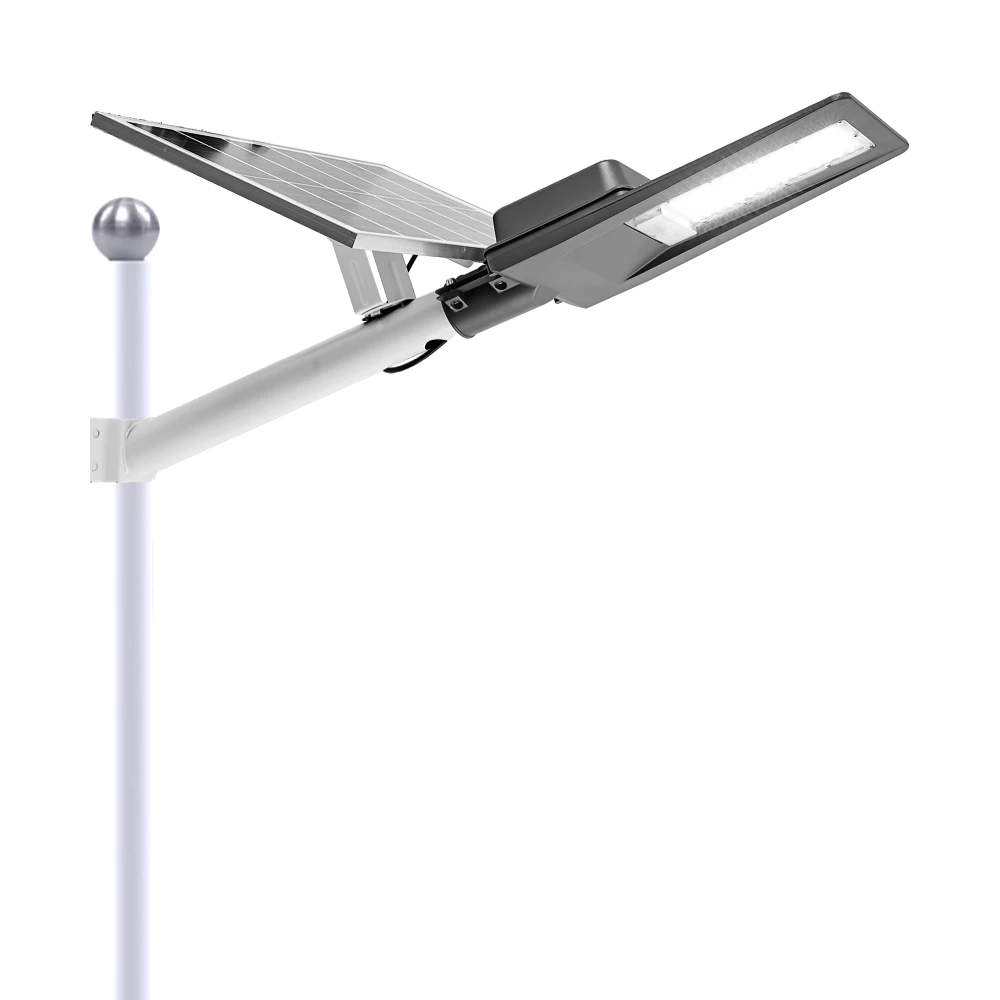
Experience reliable outdoor illumination with our smart solar street light, a perfect combination of advanced technology and eco-conscious design.
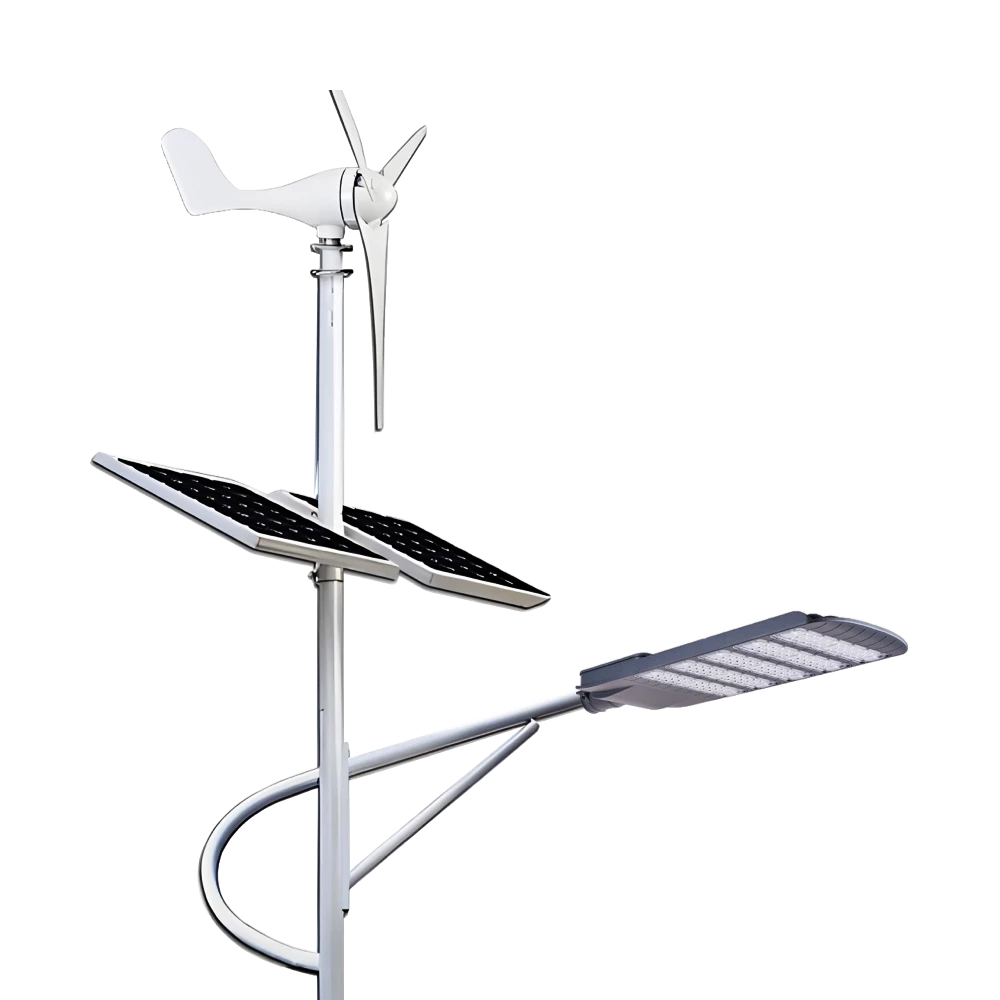
Queneng Lufeng Wind Energy LED Outdoor Solar Street Lights offer high-performance, eco-friendly illumination. These energy-efficient LED street lights harness solar power and wind energy for sustainable, cost-effective outdoor lighting solutions.
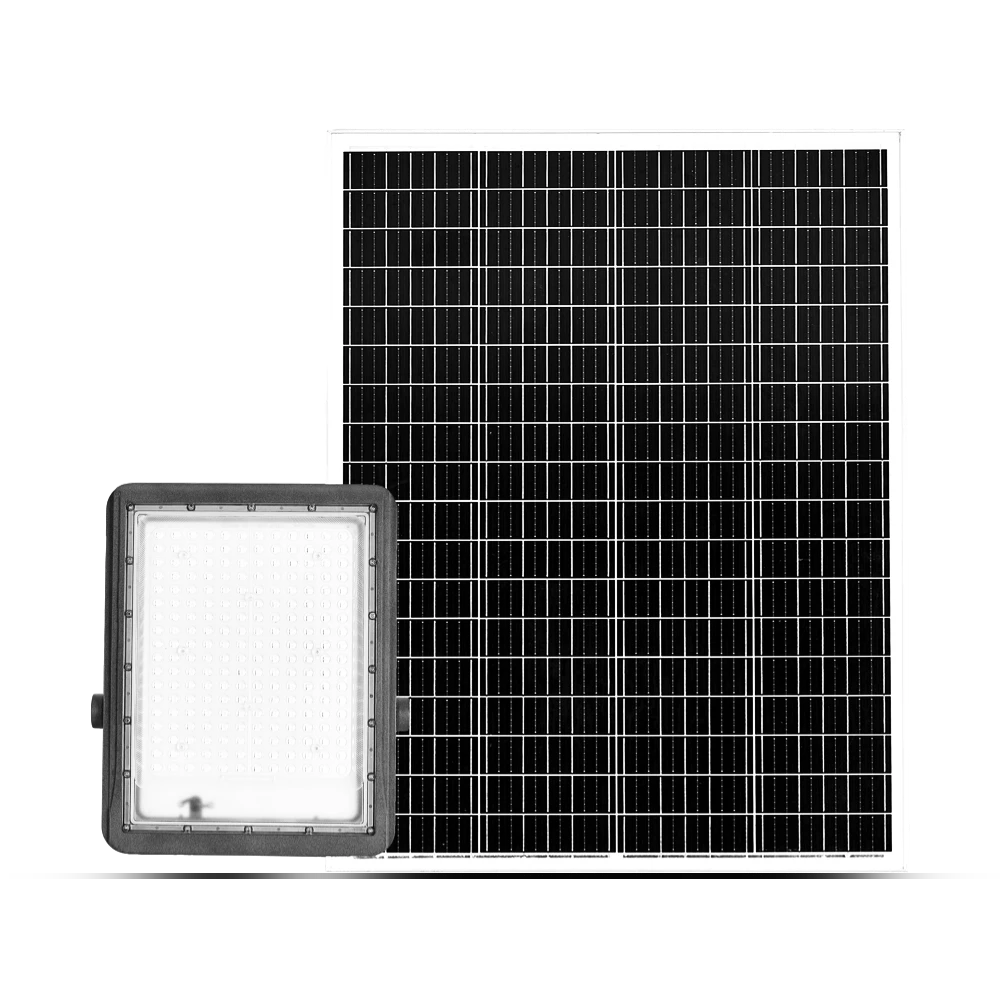
Queneng's Luxian Reliable Solar Street Light offers energy-saving LED lighting for outdoor use. This durable, solar-powered street light provides reliable illumination, reducing energy costs and environmental impact. A perfect solution for sustainable outdoor lighting.
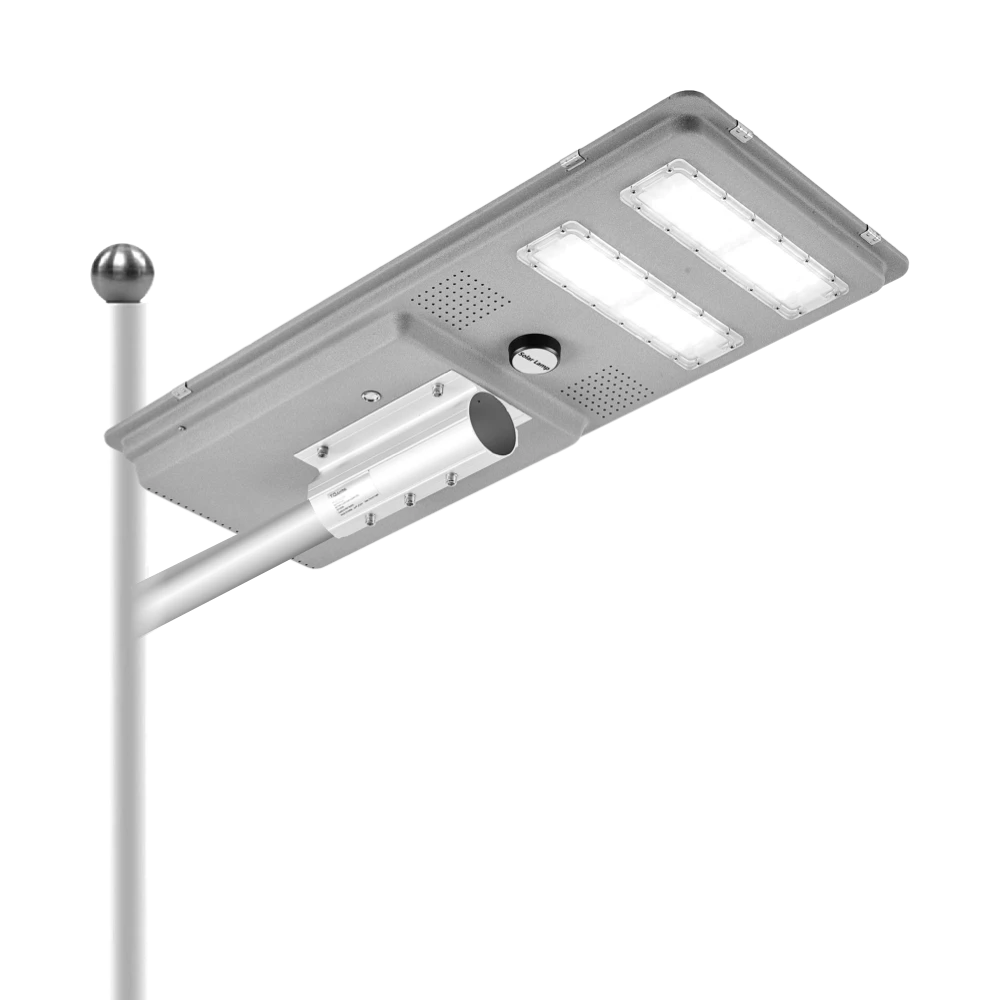
Queneng’s Solar Street Lights are designed to provide reliable, energy-efficient lighting for streets, parks, and other outdoor spaces.
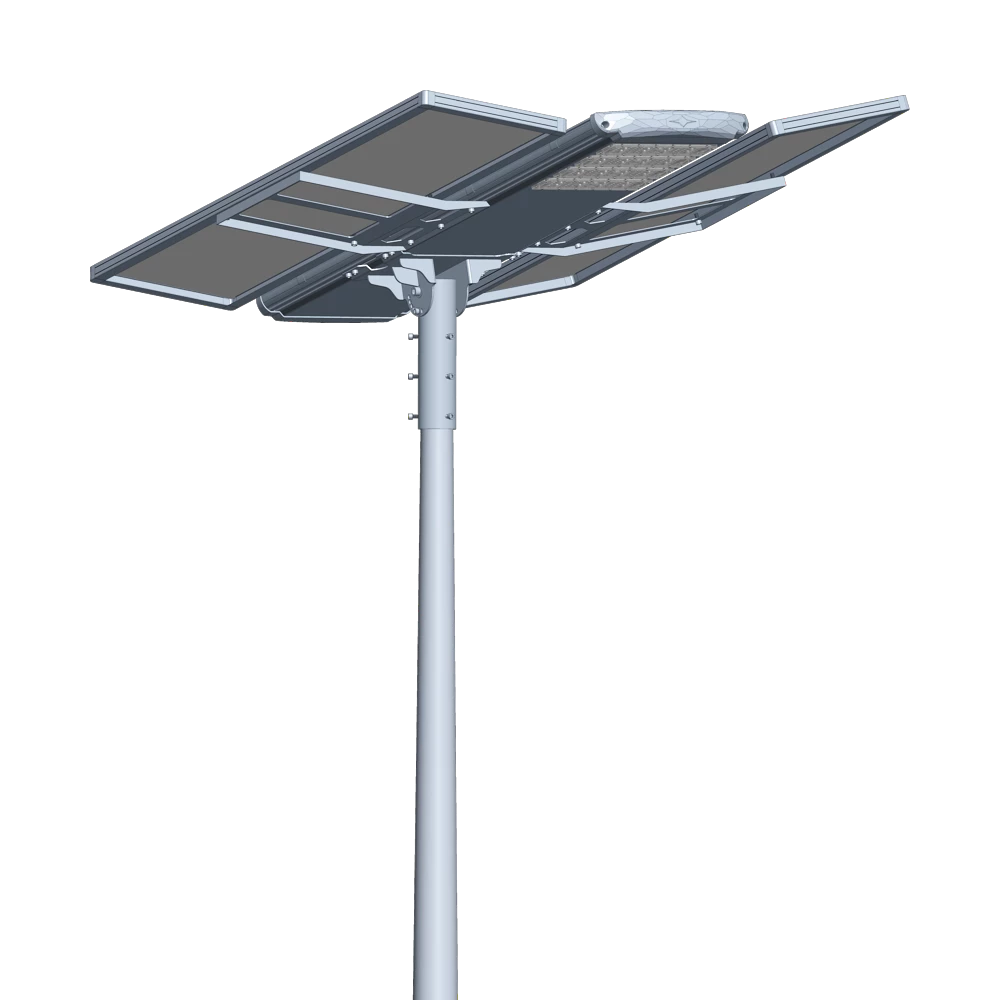
Introducing the Luqing Solar Street Light by Queneng, Efficient LED lighting powered by solar energy is perfect for illuminating outdoor areas. Harness the power of solar energy for sustainable, reliable street lighting. Ideal for eco-friendly, cost-effective outdoor illumination solutions.
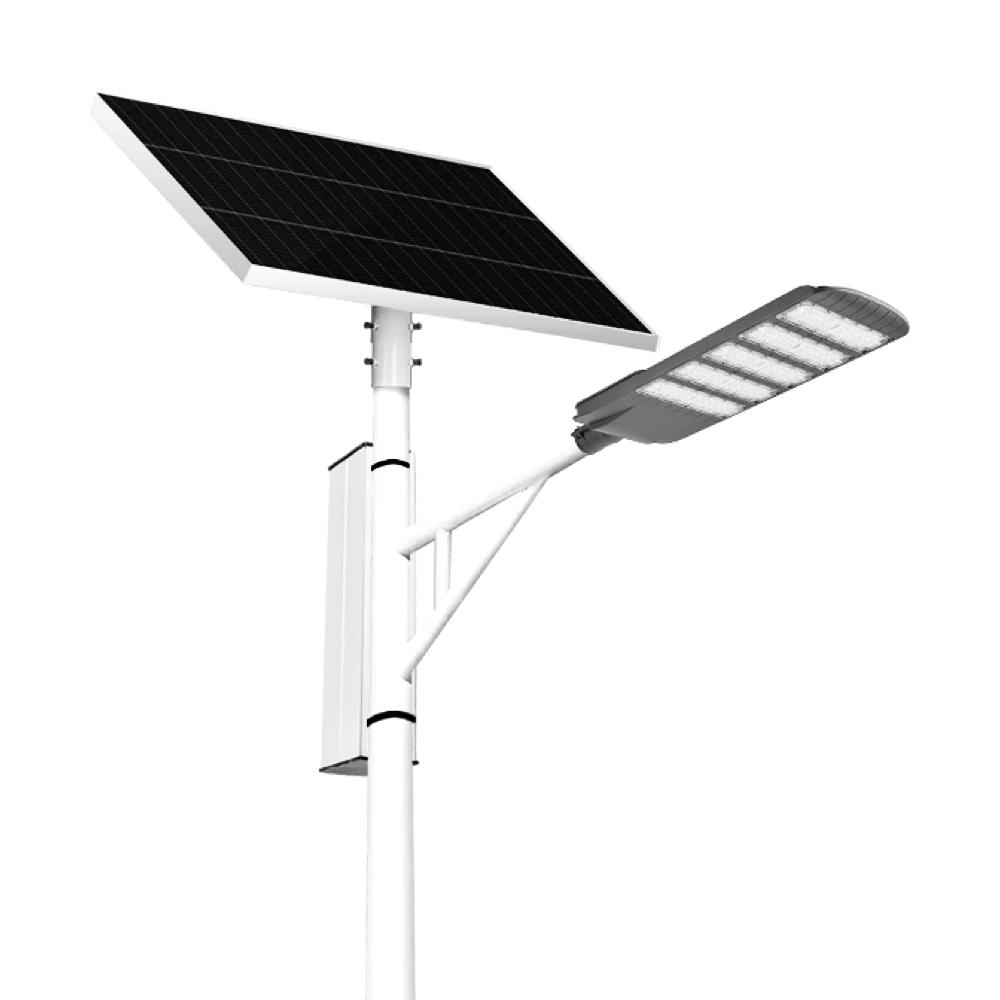
The Solar Streetlights of Luhao for Municipalities are designed to deliver reliable, energy-efficient, and cost-effective public lighting solutions. Equipped with advanced LED technology, durable lithium batteries, and high-efficiency solar panels, these streetlights provide consistent illumination for roads, parks, residential areas, and government projects.
If you would like more information about Queneng solar lighting solutions, please send us a message by filling out the form below. Our professional team will get back to you within 24 hours!
Rest assured that your privacy is important to us, and all information provided will be handled with the utmost confidentiality.
Schedule a Meeting
Book a date and time that is convenient for you and conduct the session in advance.
Have more questions about our products or services?
The messenger of light & power conversion
Environmental protection and intelligent manufacturing are our brand philosophy, and quality assurance and the best user experience are our eternal promises to users.
CONTACT
No.9F, Building F, Cao San Xin Tian Hong Logistics Park, Guzhen Town, Zhongshan City, Guangdong Province, China.
or write [email protected]
WhatsApp: +86 136 2270 1011


