














What battery type is best for sustainable urban street light schemes?
Navigating Solar Street Light Procurement: Your Comprehensive Guide
Investing in solar street lighting is a strategic move towards sustainable urban development, offering significant long-term benefits in energy savings and environmental responsibility. For procurement professionals, understanding the nuances of this technology is crucial to making informed decisions. This guide addresses your most pressing questions to ensure a successful procurement process.
What is the average cost of a solar street light system, and what factors influence it?
The cost of a solar street light system varies significantly based on its specifications and intended application. For commercial and urban-grade installations, you can expect a range from approximately $1,500 to $4,000+ per unit. However, high-end integrated smart systems can go even higher. Key factors influencing this cost include:
- LED Wattage & Lumens: Higher brightness (e.g., 60W-120W) requires more power and larger components.
- Solar Panel Power (Wattage): The size and efficiency of the solar panel (e.g., 80W-300W monocrystalline) directly impact its ability to charge the battery, especially in varied sunlight conditions.
- Battery Capacity (Wh/Ah): A larger battery capacity (e.g., 200Wh-1000Wh) provides longer autonomy (days of operation without sun), with LiFePO4 batteries being a High Quality choice for durability.
- Pole Height & Material: Taller poles (e.g., 6m-12m) and robust materials (galvanized steel, aluminum alloy) designed for specific wind loads increase cost.
- Control System: Advanced MPPT controllers, programmable dimming, motion sensors, and IoT connectivity add to the system's intelligence and cost.
- Quality of Components: Reputable brands for LEDs (Cree, Philips), solar cells, and battery cells ensure longevity and performance.
- Brand & Warranty: Established manufacturers often command higher prices due to superior quality, R&D, and comprehensive warranties.
- Project Scale & Customization: Bulk orders may offer discounts, while highly customized solutions can increase per-unit costs.
It's worth noting that while the initial investment can be substantial, solar street lights eliminate electricity bills and reduce installation complexities (no trenching or cabling), leading to a quicker return on investment (ROI), often within 3-5 years.
What are the critical components of a high-quality solar street light, and how do they impact performance?
A robust solar street light system is an integration of several key components, each playing a vital role in its overall performance and longevity:
- LED Luminaire: This is the light source. High-quality LEDs from reputable brands (e.g., Cree, Philips) offer high luminous efficacy (lumens per watt), long operational lifespans (typically 50,000 to 100,000 hours), and consistent light quality. The beam angle and color temperature (e.g., 4000K-5000K) are crucial for effective illumination.
- Solar Panel: Converts sunlight into electrical energy. Monocrystalline silicon panels are preferred for their higher efficiency (typically 18-22% conversion efficiency) and smaller footprint compared to polycrystalline, ensuring optimal power generation even in challenging conditions.
- Battery: Stores the energy generated by the solar panel for nighttime operation. Lithium Iron Phosphate (LiFePO4) batteries are the industry standard for urban solar street lights due to their superior cycle life, safety, and performance (discussed further below). The battery's capacity determines the system's autonomy (how many nights it can operate without sunlight).
- Charge Controller: This intelligent device manages the power flow between the solar panel, battery, and LED light. An MPPT (Maximum Power Point Tracking) controller is essential, as it optimizes the power output from the solar panel and protects the battery from overcharging or deep discharging, thereby extending its lifespan.
- Pole & Fixture: More than just structural support, the pole must be engineered to withstand local wind loads and environmental conditions. Materials like hot-dip galvanized steel or aluminum alloy with appropriate anti-corrosion treatments ensure durability.
- Smart Controls (Optional but Recommended): Features like motion sensors, programmable dimming, and remote monitoring (via IoT platforms) enhance energy efficiency, extend battery life, and provide operational flexibility.
How can I identify a reliable Solar Street Light Manufacturer?
Choosing the right manufacturer is paramount to the success and sustainability of your solar lighting project. Look for these indicators of reliability and quality:
- Certifications and Standards: Verify ISO 9001 (Quality Management) and ISO 14001 (Environmental Management) certifications. Ensure products meet international standards such as CE, RoHS, FCC, and have appropriate ingress protection ratings (IP65 or IP66) for outdoor use.
- R&D and Quality Control: A manufacturer with strong in-house Research & Development capabilities and rigorous Quality Control processes (e.g., component testing, burn-in tests, environmental chambers) is more likely to produce high-performing and durable products.
- Component Sourcing Transparency: Reliable manufacturers are transparent about their component suppliers, using reputable brands for LEDs, solar cells, and battery cells.
- Comprehensive Warranty & After-Sales Support: A robust warranty (e.g., 3-5 years for the entire system, 10-25 years for solar panels, and 5-8 years for batteries) indicates confidence in product quality. Accessible technical support, spare parts availability, and clear replacement policies are crucial.
- Project Portfolio & References: Review their track record of successful projects, especially those similar in scale and scope to yours. Client testimonials and references can provide valuable insights.
- Customization Capabilities: The ability to design and manufacture systems tailored to specific project requirements, environmental conditions, and aesthetic preferences is a strong indicator of expertise.
- Manufacturing Process: Visit facilities if possible or request detailed information on their production lines and quality assurance procedures.
What battery type is best for sustainable urban street light schemes, and why?
For sustainable urban street light schemes, Lithium Iron Phosphate (LiFePO4 or LFP) batteries are unequivocally the best choice, significantly outperforming traditional lead-acid batteries. Here’s why:
- Exceptional Lifespan: LiFePO4 batteries offer a significantly longer cycle life, typically 2,000 to 6,000+ charge/discharge cycles at 80% Depth of Discharge (DoD). This translates to an operational lifespan of 8-10+ years, drastically reducing replacement frequency and associated waste compared to lead-acid batteries (3-5 years).
- High Depth of Discharge (DoD): They can be regularly discharged to 80-100% of their capacity without significant impact on their lifespan, maximizing the usable energy stored.
- Superior Safety: LiFePO4 chemistry is inherently more stable and resistant to thermal runaway than other lithium-ion chemistries (like Li-ion NMC or LCO), making them safer for outdoor public installations.
- Wide Operating Temperature Range: LiFePO4 batteries perform reliably across a broader temperature range, making them suitable for diverse urban climates, from hot summers to cold winters.
- Higher Energy Density & Lighter Weight: They are more compact and lighter than lead-acid batteries of equivalent capacity, simplifying installation and design.
- Environmental Benefits: While lithium battery recycling infrastructure is still evolving, their longer lifespan and the non-toxic nature of their cathode material (iron phosphate) make them a more sustainable and environmentally responsible choice over lead-acid batteries.
While their initial cost is higher than lead-acid, the long-term benefits in terms of reliability, reduced maintenance, and sustainability make LiFePO4 the most cost-effective and responsible choice for modern solar street lighting.
What is the typical lifespan and maintenance requirement for solar street lights?
One of the significant advantages of solar street lights is their low maintenance and long operational lifespan:
- Lifespan of Components:
- LED Luminaire: 50,000 to 100,000 hours (equivalent to 10-20+ years of typical nighttime operation).
- Solar Panel: Typically 20-25 years, with most manufacturers guaranteeing at least 80% power output after 25 years.
- LiFePO4 Battery: 8-10+ years (as discussed above).
- Charge Controller & Electronics: 5-10 years.
- Maintenance Requirements: Solar street lights require minimal maintenance, significantly less than traditional grid-tied lights.
- Solar Panel Cleaning: Periodic cleaning of the solar panels (every 6-12 months, or more frequently in dusty/polluted areas) is recommended to remove dirt, dust, and debris that can reduce charging efficiency.
- Battery Replacement: The battery will eventually need replacement, typically every 8-10 years for LiFePO4 types.
- Visual Inspection: Occasional checks for loose connections, physical damage, or obstruction of the solar panel.
This low maintenance profile translates to significant operational cost savings over the system's lifetime.
What are the primary benefits of investing in solar street lights for urban development?
Adopting solar street lighting offers a multitude of benefits that align with modern urban development goals:
- Cost Savings: Eliminates recurring electricity bills and significantly reduces installation costs by avoiding expensive trenching, cabling, and grid connections.
- Environmental Sustainability: Utilizes 100% clean, renewable solar energy, resulting in zero carbon emissions during operation and contributing to a greener urban footprint.
- Energy Independence & Resilience: Operates entirely off-grid, providing reliable lighting even during power outages, natural disasters, or in areas where grid connection is impractical or too costly.
- Quick & Flexible Deployment: Much faster and easier to install than traditional lighting, with minimal disruption to existing infrastructure. Ideal for rapidly expanding urban areas, parks, pathways, and remote communities.
- Enhanced Safety & Security: Provides consistent illumination for public safety in streets, pedestrian areas, and public spaces, deterring crime and improving visibility for residents and motorists.
- Smart City Integration: Modern solar street lights can be equipped with IoT capabilities, allowing for remote monitoring, adaptive lighting schedules, fault detection, and integration with other smart city applications.
- Reduced Light Pollution: Many systems can be programmed for precise lighting control, reducing unnecessary light spill and skyglow.
In summary, solar street lights offer a compelling blend of economic, environmental, and operational advantages for any forward-thinking urban development.
Quenenglighting: Your Partner in Sustainable Urban Lighting
At Quenenglighting, we specialize in delivering high-quality, reliable, and sustainable solar street lighting solutions tailored to meet the evolving needs of urban environments. Our commitment to excellence is reflected in our rigorous R&D, use of High Quality components (including top-tier LiFePO4 batteries and high-efficiency solar panels), and adherence to international quality standards. We offer comprehensive customization options, robust warranties, and dedicated after-sales support to ensure your projects are illuminated efficiently and sustainably for years to come. Choose Quenenglighting for innovative solutions that brighten your cities and empower a greener future.
References:
- Solar Lighting International. (Accessed November 2023). How Much Do Solar Street Lights Cost?
- Victron Energy. (Accessed November 2023). What are the advantages of LiFePO4 batteries?
- EnergySage. (Accessed November 2023). How Long Do Solar Panels Last?
- Industry reports and technical specifications from leading solar lighting component manufacturers (e.g., LED manufacturers, battery cell manufacturers), accessed throughout 2023.

Have more questions about our products or services?
The latest hot news you might like

Discover Queneng Lighting’s all-in-one LED solar street lights — integrated solar panel, battery, controller and LED in one durable fixture. Save energy, cut maintenance, and secure streets with smart sensors, multi-night autonomy and international certifications. Contact sales for quotes and support.

Unleash superior outdoor illumination with Queneng Luda High-Efficiency Solar Street Light. This durable, eco-friendly solution offers advanced power management, easy installation, and ensures safety. Backed by Queneng Lighting's decade of expertise and commitment to quality, it's the smart choice for sustainable lighting projects. Learn why we're a leading solar solutions provider.

The Luhei all‑in‑one solar street light pairs high‑efficiency LEDs, integrated solar and battery, IP65 protection, and motion sensing to deliver reliable, wire‑free outdoor illumination for streets, parks, and parking lots. Backed by Queneng Lighting’s certifications and support.

FAQ
Sustainability
Does Queneng offer installation services?
Yes, we provide installation support based on project requirements, including professional installation guidance and technical consultation. If needed, our team can arrange on-site installation services.
Industry
How can I know if Queneng’s solar lighting system is suitable for my project?
Our team conducts a comprehensive analysis based on your project needs, location, and lighting requirements, ensuring that the system is both appropriate and cost-effective for your application.
All-in-one solar street lights
Are all-in-one solar street lights easy to maintain?
Yes, integrated design simplifies inspection and replacement.
Battery Performance and Testing
What is the standard charge retention test?
After the battery is discharged to 1.0V at 0.2C, it is charged at 0.1C for 16 hours, stored at a temperature of 20℃±5℃ and a humidity of 65%±20% for 28 days, and then discharged to 1.0V at 0.2C. NiMH batteries should last longer than 3 hours.
The national standard stipulates that the standard charge retention test of lithium batteries is: (IEC has no relevant standards) The battery is discharged to 3.0/unit at 0.2C, and then charged to 4.2V at 1C constant current and constant voltage, with a cut-off current of 10mA, at a temperature of 20 ℃±5℃, after 28 days of storage, discharge at 0.2C to 2.75V, calculate the discharge capacity, and compare it with the battery's nominal capacity, it should not be less than 85% of the initial capacity.
Solar Street Light Luqing
Can solar street lights be used in cloudy or rainy weather?
Yes, solar street lights can still function in cloudy or rainy conditions, though their performance may be reduced due to lower sunlight. The battery is designed to store enough energy to power the light for several days of overcast weather.
Commercial and Industrial Parks
Do solar lights work well in large parking areas?
Yes, our solar lights provide uniform illumination ideal for expansive parking areas, ensuring safety and visibility.
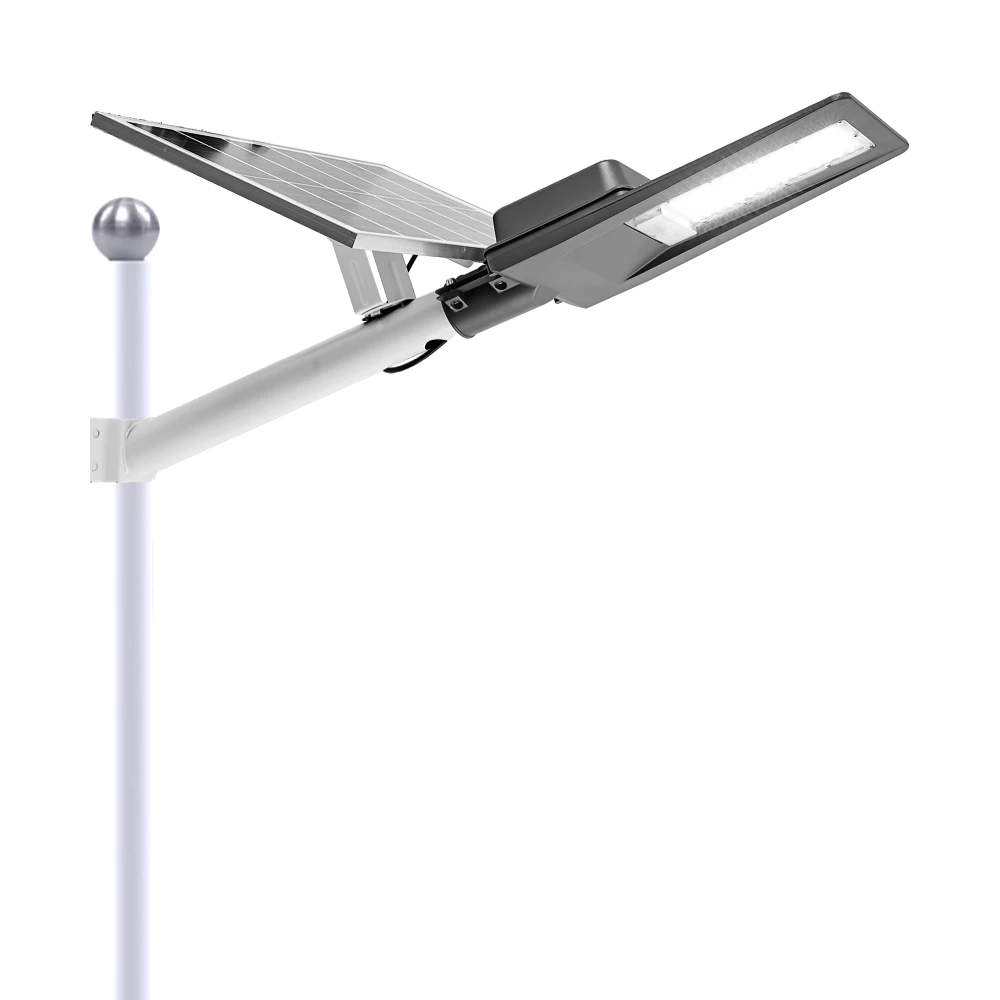
Experience reliable outdoor illumination with our smart solar street light, a perfect combination of advanced technology and eco-conscious design.
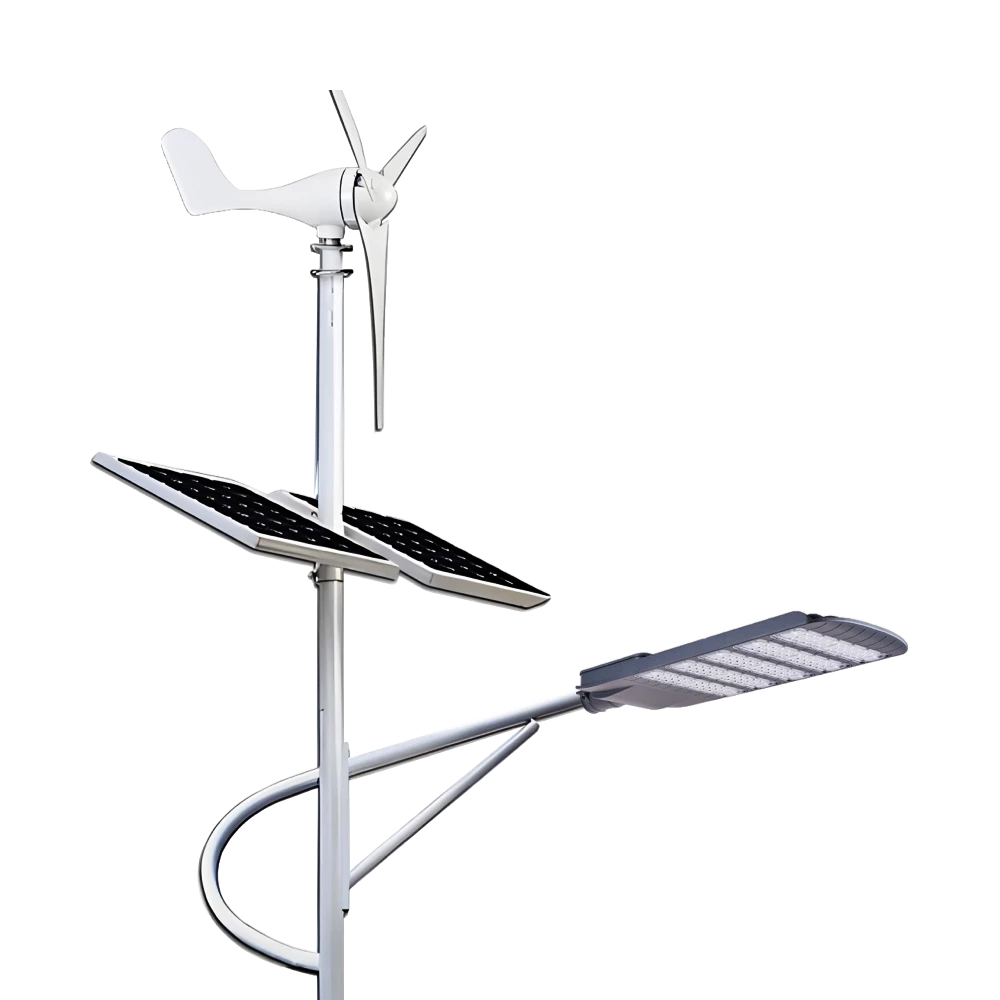
Queneng Lufeng Wind Energy LED Outdoor Solar Street Lights offer high-performance, eco-friendly illumination. These energy-efficient LED street lights harness solar power and wind energy for sustainable, cost-effective outdoor lighting solutions.
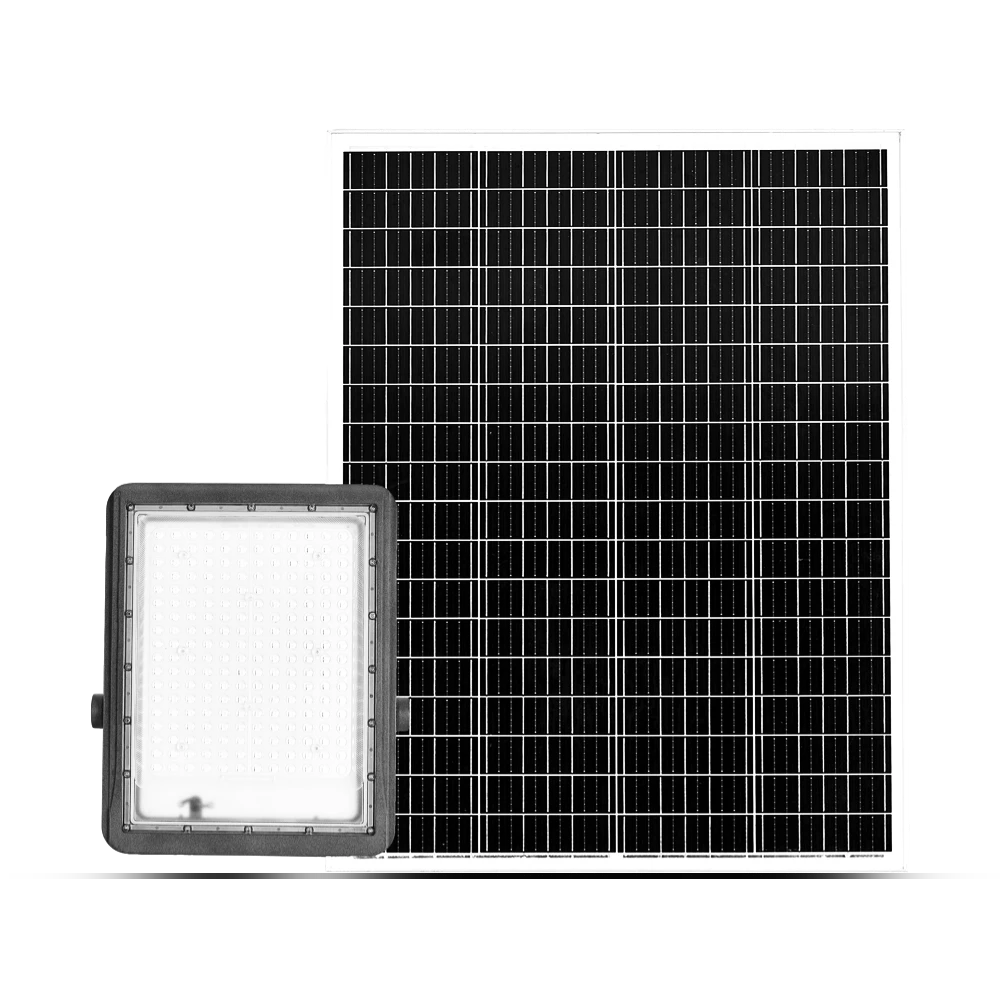
Queneng's Luxian Reliable Solar Street Light offers energy-saving LED lighting for outdoor use. This durable, solar-powered street light provides reliable illumination, reducing energy costs and environmental impact. A perfect solution for sustainable outdoor lighting.
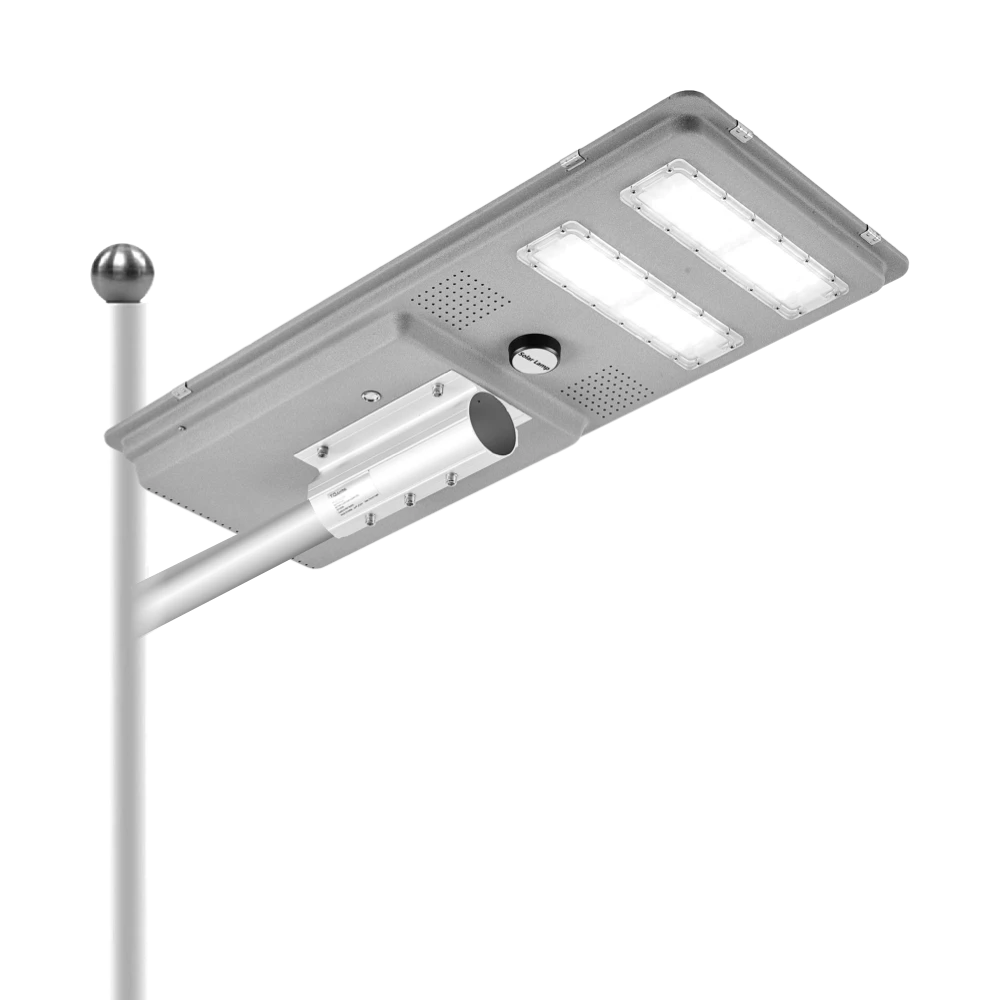
Queneng’s Solar Street Lights are designed to provide reliable, energy-efficient lighting for streets, parks, and other outdoor spaces.
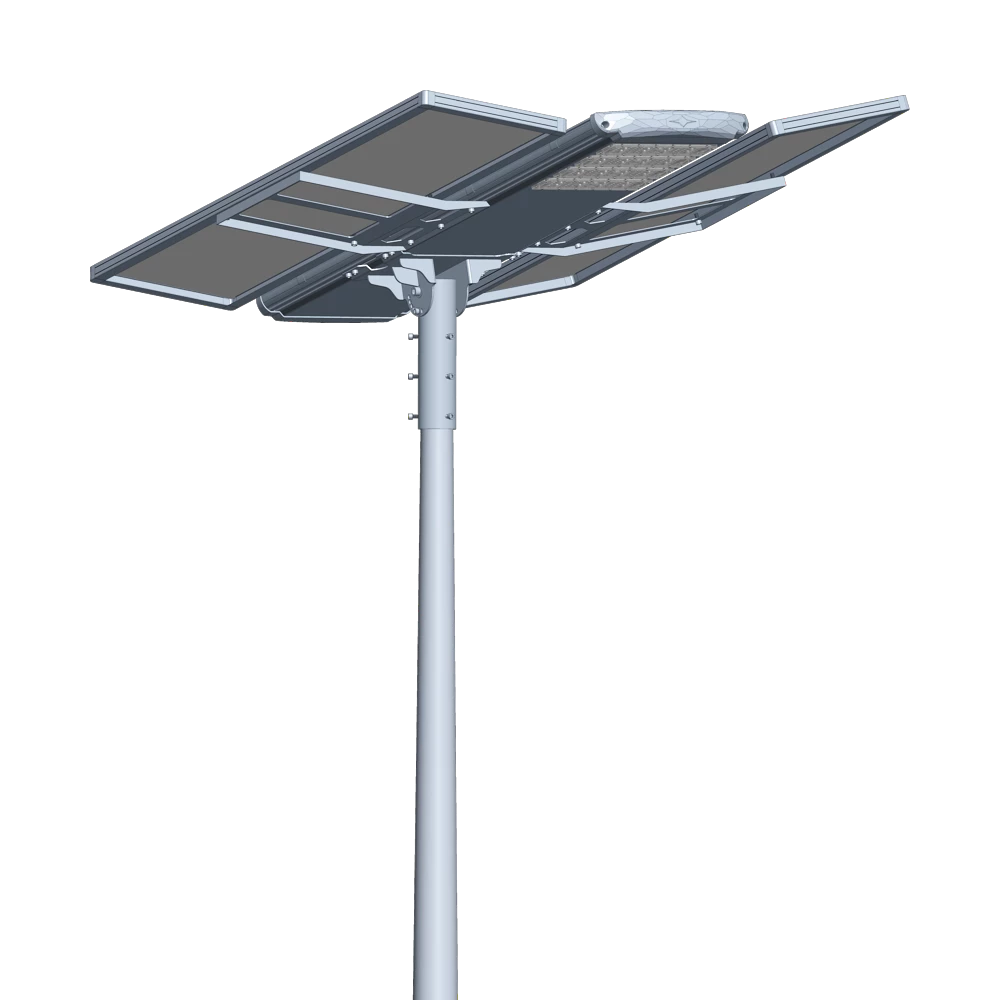
Introducing the Luqing Solar Street Light by Queneng, Efficient LED lighting powered by solar energy is perfect for illuminating outdoor areas. Harness the power of solar energy for sustainable, reliable street lighting. Ideal for eco-friendly, cost-effective outdoor illumination solutions.
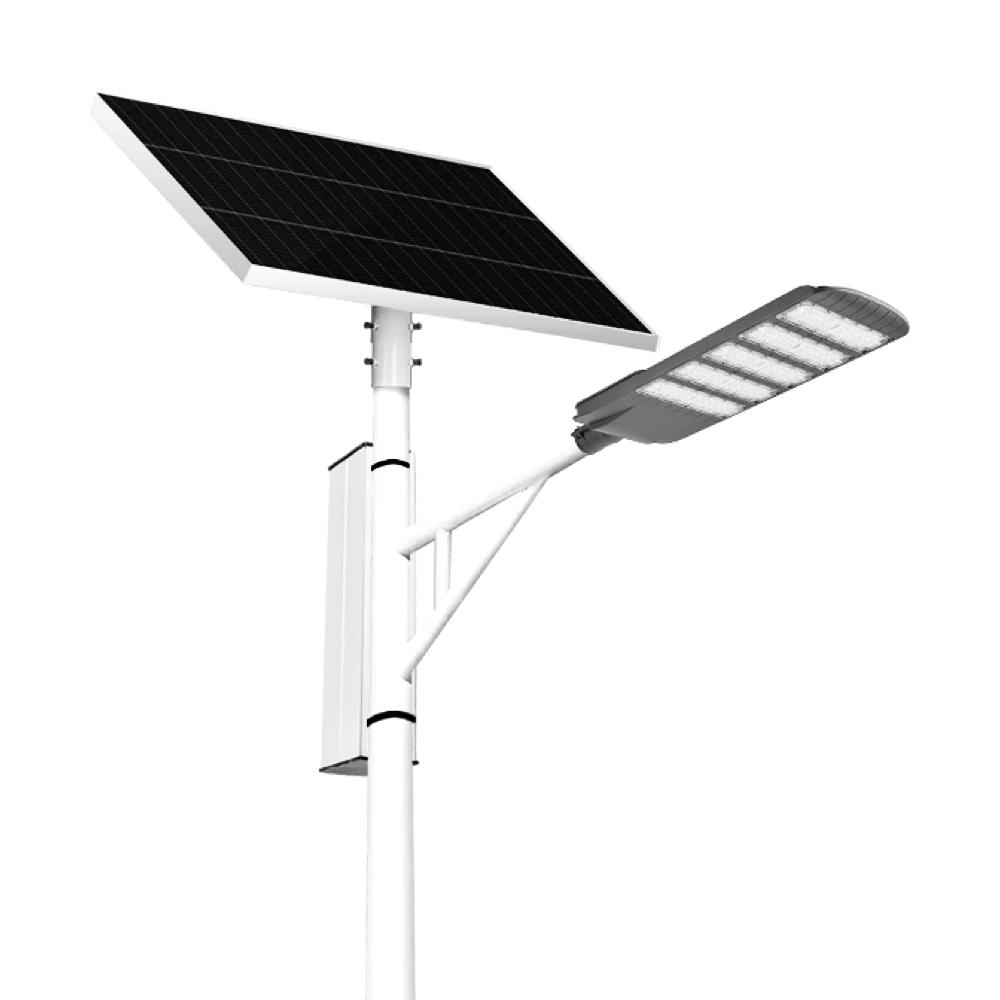
The Solar Streetlights of Luhao for Municipalities are designed to deliver reliable, energy-efficient, and cost-effective public lighting solutions. Equipped with advanced LED technology, durable lithium batteries, and high-efficiency solar panels, these streetlights provide consistent illumination for roads, parks, residential areas, and government projects.
If you would like more information about Queneng solar lighting solutions, please send us a message by filling out the form below. Our professional team will get back to you within 24 hours!
Rest assured that your privacy is important to us, and all information provided will be handled with the utmost confidentiality.
Schedule a Meeting
Book a date and time that is convenient for you and conduct the session in advance.
Have more questions about our products or services?
The messenger of light & power conversion
Environmental protection and intelligent manufacturing are our brand philosophy, and quality assurance and the best user experience are our eternal promises to users.
CONTACT
No.9F, Building F, Cao San Xin Tian Hong Logistics Park, Guzhen Town, Zhongshan City, Guangdong Province, China.
or write [email protected]
WhatsApp: +86 136 2270 1011


