

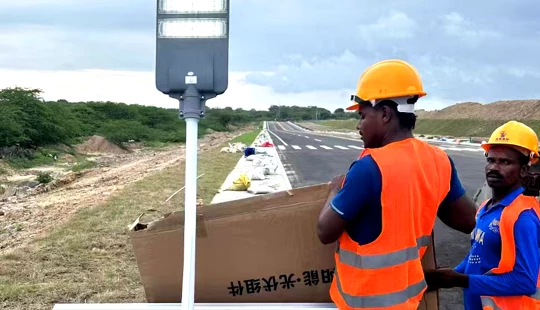
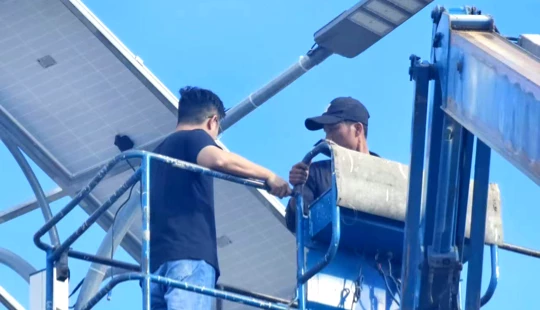













How can South Africa improve lighting reliability using solar-powered street lamps?
Navigating the Solar Street Light Market: A Buyer's Guide to Cost, Quality, and Reliability
As the world increasingly turns towards sustainable and resilient infrastructure, solar-powered street lighting has emerged as a leading solution. For professional purchasers, municipalities, or project managers, understanding the intricacies of this market—from cost drivers to technical specifications and manufacturer credibility—is paramount. This guide aims to demystify these aspects, providing crucial insights for informed procurement.
What is the typical cost range for a high-quality solar street light, and what factors influence it?
The cost of a solar street light varies significantly based on its specifications, components, and brand. Generally, you can expect to pay anywhere from $150 to over $1,500 USD per unit, excluding installation of the pole and foundation. For basic all-in-one models with 30-40W LED output, prices might range from $150-$350. More robust, split-system designs with higher wattage (e.g., 60W-120W LED), larger battery capacity, and advanced features can range from $500 to $1,500+.
Key factors influencing cost include:
- LED Wattage and Lumen Output: Higher brightness requires more powerful LEDs and thus more energy, increasing costs.
- Battery Type and Capacity: Lithium Iron Phosphate (LiFePO4) batteries are preferred for their longer lifespan (2,000-5,000 cycles) and better performance in extreme temperatures but are more expensive than lead-acid. Capacity (measured in Wh or Ah) determines backup autonomy (how many nights it can operate without sun).
- Solar Panel Wattage and Efficiency: Higher wattage (Wp) and more efficient monocrystalline panels cost more but ensure faster charging and better performance in low light.
- Charge Controller: MPPT (Maximum Power Point Tracking) controllers are more efficient (15-30% more effective charging) than PWM (Pulse Width Modulation) but add to the cost.
- Pole Material and Height: Galvanized steel or aluminum poles, especially taller ones, contribute significantly to the overall cost.
- Smart Features: PIR motion sensors, IoT connectivity for remote monitoring, and adaptive lighting profiles increase the unit price.
- Brand and Certifications: Reputable manufacturers with international certifications often have higher prices due to guaranteed quality and compliance.
What are the key technical specifications purchasers should look for when selecting a solar street light?
To ensure optimal performance and longevity, purchasers should scrutinize the following technical specifications:
- LED Luminaire: Look for high lumen efficacy (lm/W), typically >150 lm/W for modern LEDs, and appropriate CCT (Correlated Color Temperature), usually 4000K-5000K for street lighting.
- Solar Panel: Monocrystalline silicon panels are generally recommended for their higher efficiency (typically 17-22%) and smaller footprint. Ensure the wattage (Wp) is sufficient to fully charge the battery within a few peak sun hours.
- Battery: Prioritize LiFePO4 batteries with a deep cycle life (e.g., >2,000 cycles at 80% DoD) and sufficient capacity (Ah or Wh) to provide at least 2-3 nights of autonomy, considering local weather conditions.
- Charge Controller: An MPPT controller is crucial for maximizing charging efficiency and protecting the battery from overcharge/discharge.
- IP Rating: An IP65 rating is standard for outdoor luminaires, indicating protection against dust ingress and low-pressure water jets. IP66 or IP67 offers even greater protection for harsh environments.
- Wind Resistance: The pole and luminaire design should be engineered to withstand local wind loads, often specified in m/s or km/h.
- Operating Temperature Range: Ensure the components (especially the battery) can perform reliably within your region's minimum and maximum ambient temperatures.
How do manufacturers ensure the durability and reliability of solar street lights in challenging environments?
Reputable manufacturers employ several strategies to ensure durability and reliability, especially in harsh conditions:
- Robust Materials: High-grade aluminum alloys (e.g., 6063) for housing offer excellent corrosion resistance and heat dissipation. Tempered glass protects solar panels and LED lenses from impact and environmental damage.
- Advanced Sealing (IP Rating): Meticulous sealing and gasket designs achieve high IP ratings (IP65, IP66, IP67), preventing water and dust ingress, which can cause component failure.
- Thermal Management: Efficient heat sinks for LED drivers and careful component placement prevent overheating, which degrades LED lifespan and efficiency.
- Corrosion Protection: Powder coating, anodizing, or galvanization processes protect metal parts from rust and saltwater corrosion.
- Battery Management Systems (BMS): Essential for LiFePO4 batteries, a robust BMS protects against overcharge, over-discharge, over-current, and extreme temperatures, significantly extending battery life.
- Wind Load Engineering: Poles and mounting brackets are designed and tested to withstand specified wind speeds and seismic activity, preventing structural failure.
- Surge Protection: Integrated surge protection devices safeguard electronic components from lightning strikes and voltage fluctuations.
What are the long-term operational costs and ROI benefits of investing in solar street lighting compared to traditional grid-tied systems?
Investing in solar street lighting offers significant long-term operational cost savings and a compelling Return on Investment (ROI):
- Zero Electricity Bills: The most significant saving is the complete elimination of energy costs, which can represent 30-50% of a traditional street light's lifecycle cost.
- Reduced Installation Costs: While the upfront unit cost might be higher, solar street lights often require less civil work as they eliminate the need for trenching, cabling, and connection to the national grid, reducing labor and material costs.
- Minimal Maintenance: Beyond occasional cleaning of solar panels and periodic battery replacement (LiFePO4 batteries typically last 5-8 years), maintenance requirements are minimal compared to grid-tied systems that might suffer from grid-related issues or cable faults.
- Extended Lifespan: High-quality solar street lights have components with long lifespans—LEDs up to 50,000-100,000 hours, solar panels 20-25 years.
- ROI Period: Depending on local electricity rates, installation costs, and government incentives, the ROI for solar street lighting typically ranges from 3 to 7 years. After this period, the lighting provides free illumination, generating substantial savings over its remaining operational life.
How can solar-powered street lamps specifically address lighting reliability issues in regions like South Africa (e.g., during load shedding)?
In regions grappling with grid instability and frequent power outages, such as South Africa's experience with load shedding, solar-powered street lamps offer a critical solution for improving lighting reliability:
- Grid Independence: Solar street lights operate entirely off-grid, drawing power from their integrated solar panels and batteries. This means they are completely unaffected by grid power failures, including load shedding.
- Continuous Illumination: During load shedding, when traditional street lights go dark, solar street lights continue to provide illumination, ensuring public safety and security in residential, commercial, and industrial areas.
- Enhanced Safety and Security: Consistent lighting deters crime, improves visibility for pedestrians and drivers, and enhances emergency response capabilities during power cuts.
- Economic Stability: For businesses operating after dark, reliable street lighting facilitates continued operation, protecting economic activity from the disruptions caused by power outages.
- Reduced Pressure on National Grid: Deploying solar street lights reduces the overall demand on the national electricity grid, indirectly contributing to more stable power supply for essential services.
- Environmental Benefits: Beyond reliability, they also contribute to South Africa's renewable energy goals, reducing carbon emissions.
What certifications and quality standards should purchasers prioritize when evaluating a solar street light manufacturer?
To ensure you're procuring reliable, safe, and high-performing products, look for manufacturers who adhere to these certifications and standards:
- ISO 9001: Certifies that the manufacturer has a robust Quality Management System in place, indicating consistent product quality.
- CE (Conformité Européenne): Mandatory for products sold within the European Economic Area, signifying compliance with health, safety, and environmental protection standards.
- RoHS (Restriction of Hazardous Substances): Ensures the product is free from certain hazardous materials.
- IEC (International Electrotechnical Commission) Standards: Specific standards for solar PV modules (e.g., IEC 61215 for terrestrial PV modules, IEC 61730 for PV module safety) and luminaires (e.g., IEC 60598 series).
- TÜV/UL/SAA: Product-specific safety and performance certifications from globally recognized testing laboratories. TÜV Rheinland is common in Europe, UL in North America, and SAA in Australia/New Zealand.
- IP Rating Certification: Independent verification of the stated Ingress Protection rating.
What warranty and after-sales support should be expected from a reputable solar street light manufacturer?
A reputable manufacturer will offer comprehensive warranty and robust after-sales support:
- Component-Specific Warranties:
- LED Luminaire: Typically 3-5 years.
- Solar Panel: Often comes with a 20-25 year linear power output warranty (e.g., 80% power after 25 years) and a 5-10 year product warranty.
- Battery (LiFePO4): Usually 2-5 years, depending on cycle life specifications.
- Charge Controller: Generally 2-3 years.
- Technical Support: Access to knowledgeable support staff for installation guidance, troubleshooting, and system optimization.
- Spare Parts Availability: Assurance that spare parts will be available for a reasonable period (e.g., 5-10 years) to facilitate repairs and maintenance.
- Documentation: Comprehensive user manuals, installation guides, and maintenance recommendations.
- Responsive Service: A commitment to timely responses for warranty claims and technical inquiries.
Conclusion: Partnering with Quenenglighting for Your Solar Street Light Needs
Navigating the complexities of solar street light procurement requires a deep understanding of technology, cost drivers, and reliability factors. By prioritizing quality components, robust engineering, and reputable manufacturers, purchasers can ensure a successful and sustainable lighting project. Quenenglighting stands out in this market by offering high-quality, reliable solar street lighting solutions designed with advanced LiFePO4 battery technology, efficient solar panels, and smart control systems. Our commitment to stringent quality control, international certifications, and comprehensive after-sales support ensures that our products deliver exceptional performance and longevity, making us an ideal partner for projects seeking to enhance safety, sustainability, and reliability, especially in challenging environments like South Africa.
References and Data Sources:
- Solar Street Light Cost Analysis (General market data based on multiple manufacturer sites and industry reviews): EnergySage - What are Solar Panels Made Of? (Accessed: May 15, 2024) - *Used for general understanding of component costs and lifespan expectations.*
- LiFePO4 Battery Lifespan and Benefits: Lithium-Ion Batteries - Advantages and Disadvantages (Accessed: May 15, 2024) - *Used for battery cycle life data.*
- MPPT vs PWM Controller Efficiency: Solar-Electric.com - MPPT vs PWM (Accessed: May 15, 2024) - *Used for efficiency comparison.*
- IEC Standards for PV Modules: International Electrotechnical Commission (IEC) (Accessed: May 15, 2024) - *General reference for industry standards.*
- Impact of Load Shedding in South Africa (General knowledge and news analysis): IOL - How load shedding is crippling South Africa (Accessed: May 15, 2024) - *Used for context on South Africa's energy challenges.*
- General industry warranty expectations (Synthesized from leading solar street light manufacturer websites): *No single specific link, but represents common industry practices.*

Have more questions about our products or services?
The latest hot news you might like

Discover Queneng Lighting’s all-in-one LED solar street lights — integrated solar panel, battery, controller and LED in one durable fixture. Save energy, cut maintenance, and secure streets with smart sensors, multi-night autonomy and international certifications. Contact sales for quotes and support.

Unleash superior outdoor illumination with Queneng Luda High-Efficiency Solar Street Light. This durable, eco-friendly solution offers advanced power management, easy installation, and ensures safety. Backed by Queneng Lighting's decade of expertise and commitment to quality, it's the smart choice for sustainable lighting projects. Learn why we're a leading solar solutions provider.

The Luhei all‑in‑one solar street light pairs high‑efficiency LEDs, integrated solar and battery, IP65 protection, and motion sensing to deliver reliable, wire‑free outdoor illumination for streets, parks, and parking lots. Backed by Queneng Lighting’s certifications and support.

FAQ
Tourist Attractions and Resorts
Can solar lights be used for both functional and decorative purposes?
Yes, solar lighting is versatile and can be used for both functional purposes, such as illuminating pathways and parking lots, and decorative purposes, such as enhancing garden features or architectural details.
Solar Street Light Luqing
What is the main advantage of using Luqing solar street lights over traditional street lights?
The main advantage of Luqing solar street lights is their sustainability. They use solar energy, eliminating the need for electricity from the grid, which reduces energy costs and environmental impact while providing reliable lighting.
Public Gardens and Landscape Lighting
Can solar lights be installed in any outdoor space?
Our solar lighting solutions are versatile and can be installed in most outdoor areas, including public gardens, parks, pathways, streets, and recreational areas. As long as there is enough sunlight exposure during the day, solar lights can be installed almost anywhere.
Industry
Does installing Queneng’s solar street lights require a professional team?
While our systems are designed for easy installation, we recommend having our professional team conduct the installation to ensure optimal operation and correct system setup.
Battery Performance and Testing
What is an impact test?
Battery Types and Applications
What is a photovoltaic cell?
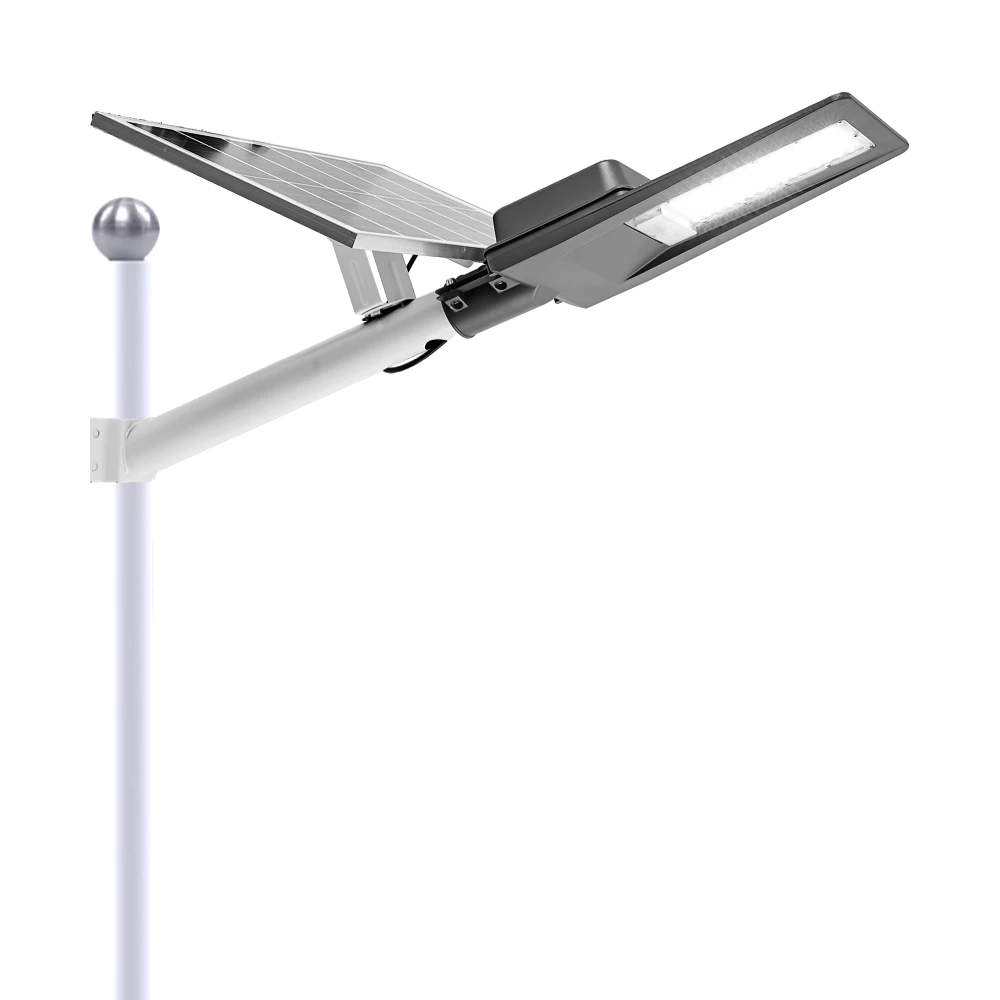
Experience reliable outdoor illumination with our smart solar street light, a perfect combination of advanced technology and eco-conscious design.
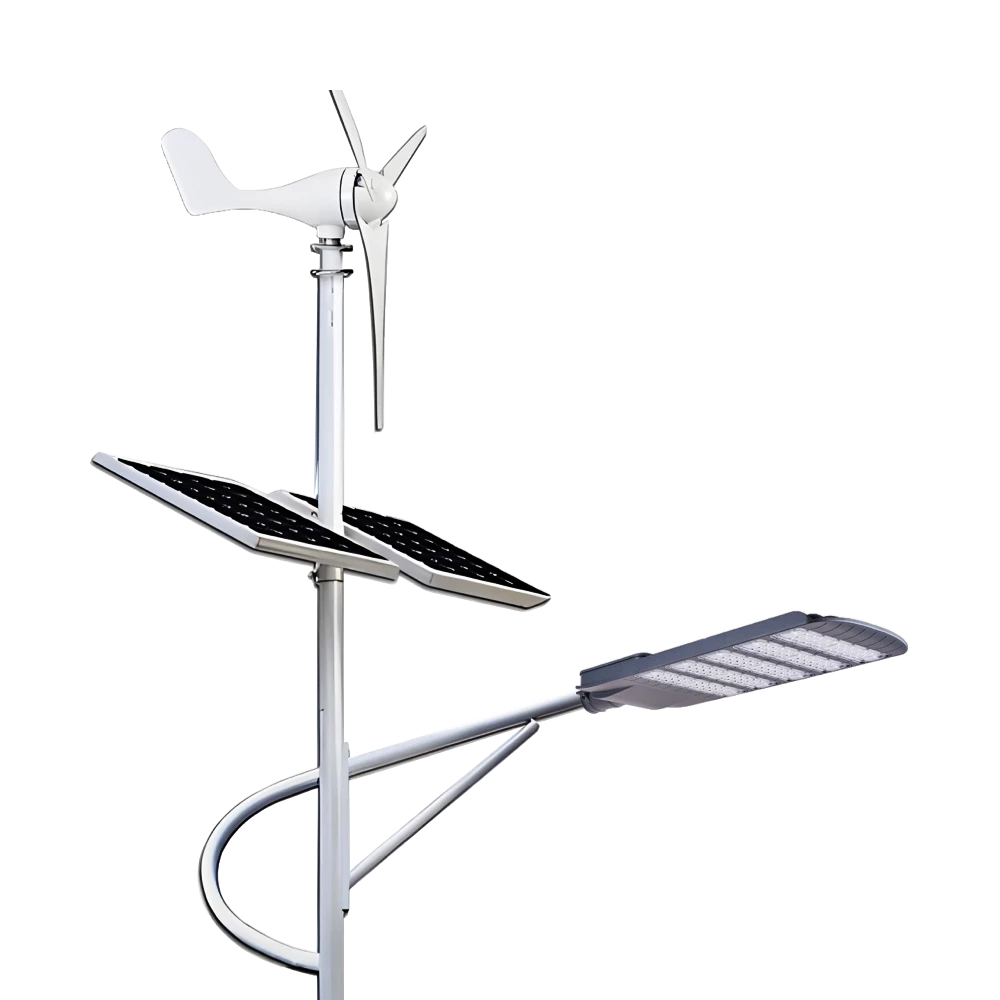
Queneng Lufeng Wind Energy LED Outdoor Solar Street Lights offer high-performance, eco-friendly illumination. These energy-efficient LED street lights harness solar power and wind energy for sustainable, cost-effective outdoor lighting solutions.
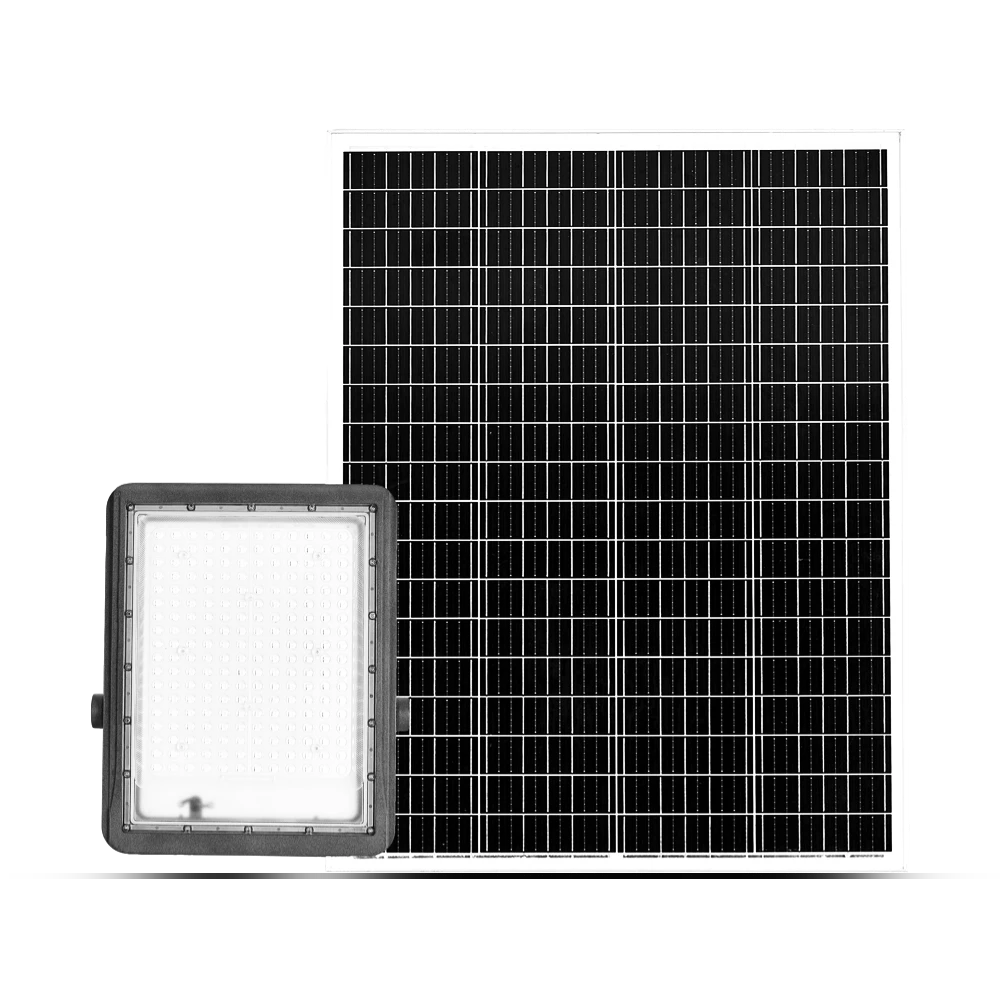
Queneng's Luxian Reliable Solar Street Light offers energy-saving LED lighting for outdoor use. This durable, solar-powered street light provides reliable illumination, reducing energy costs and environmental impact. A perfect solution for sustainable outdoor lighting.
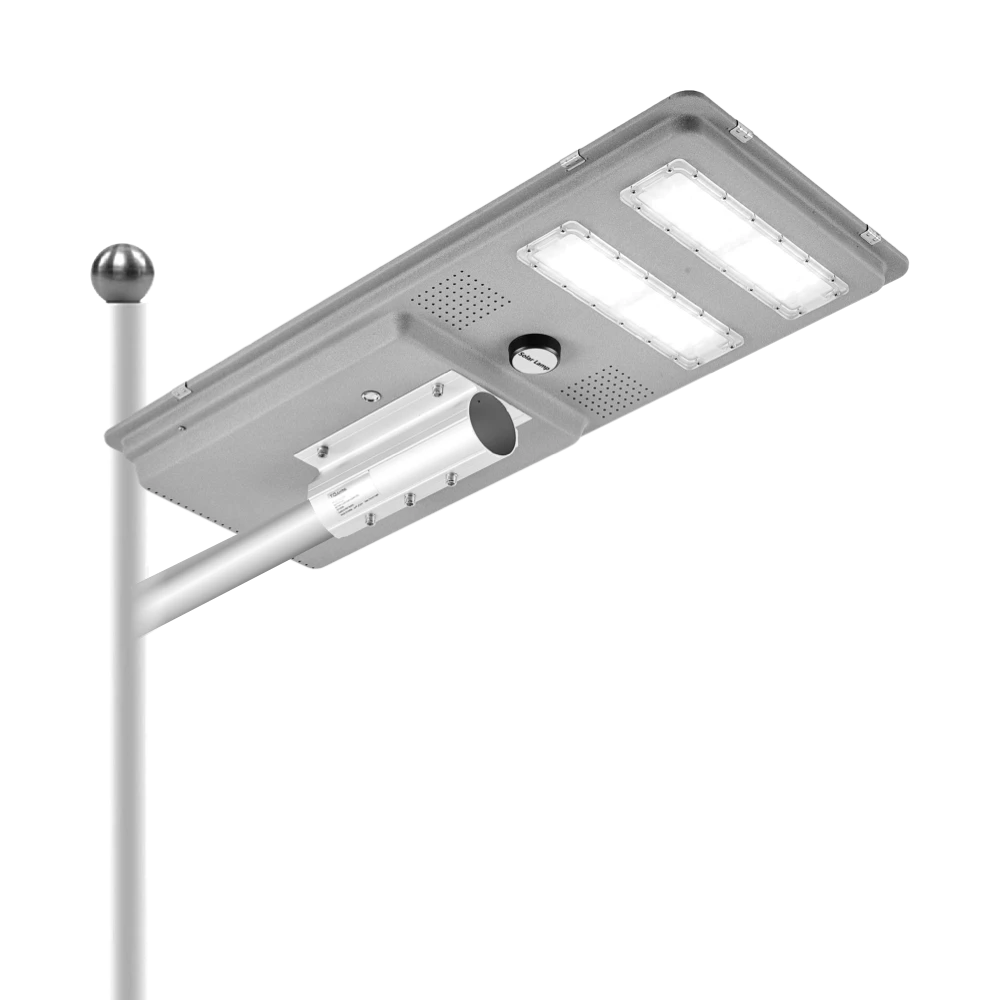
Queneng’s Solar Street Lights are designed to provide reliable, energy-efficient lighting for streets, parks, and other outdoor spaces.
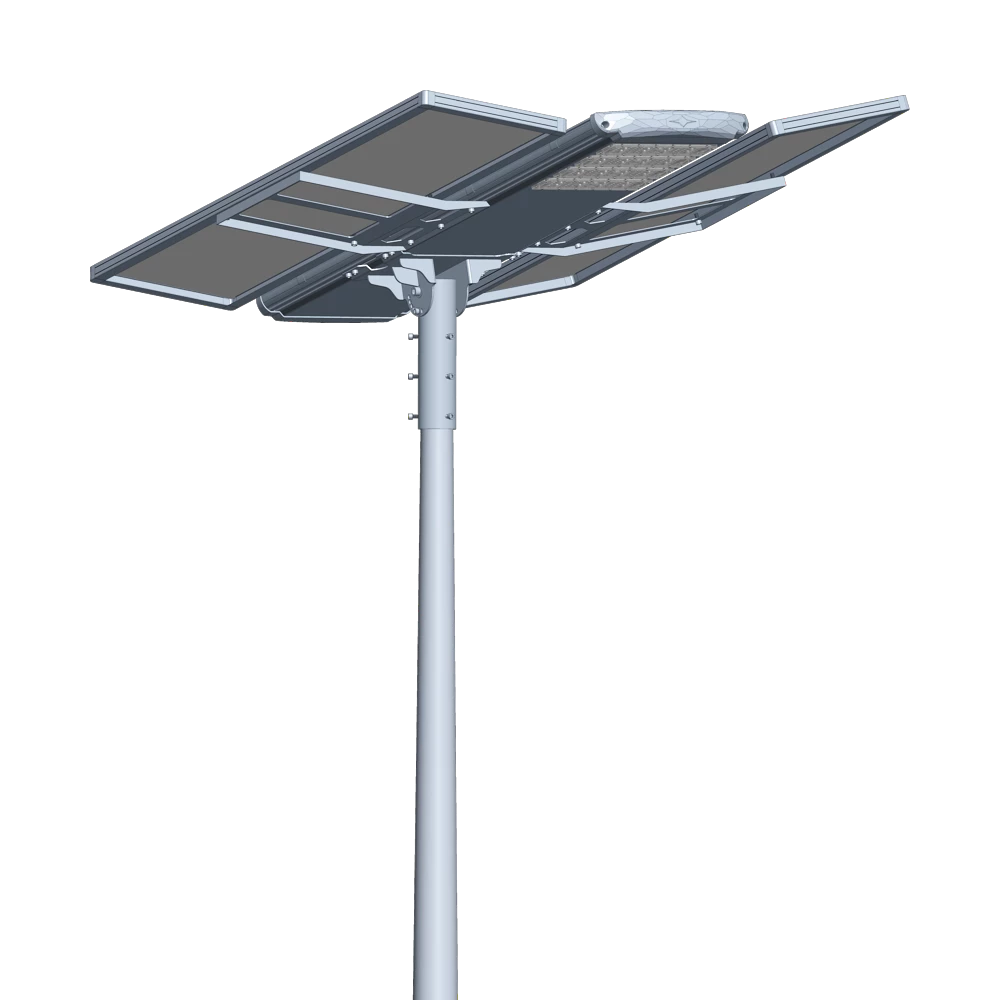
Introducing the Luqing Solar Street Light by Queneng, Efficient LED lighting powered by solar energy is perfect for illuminating outdoor areas. Harness the power of solar energy for sustainable, reliable street lighting. Ideal for eco-friendly, cost-effective outdoor illumination solutions.
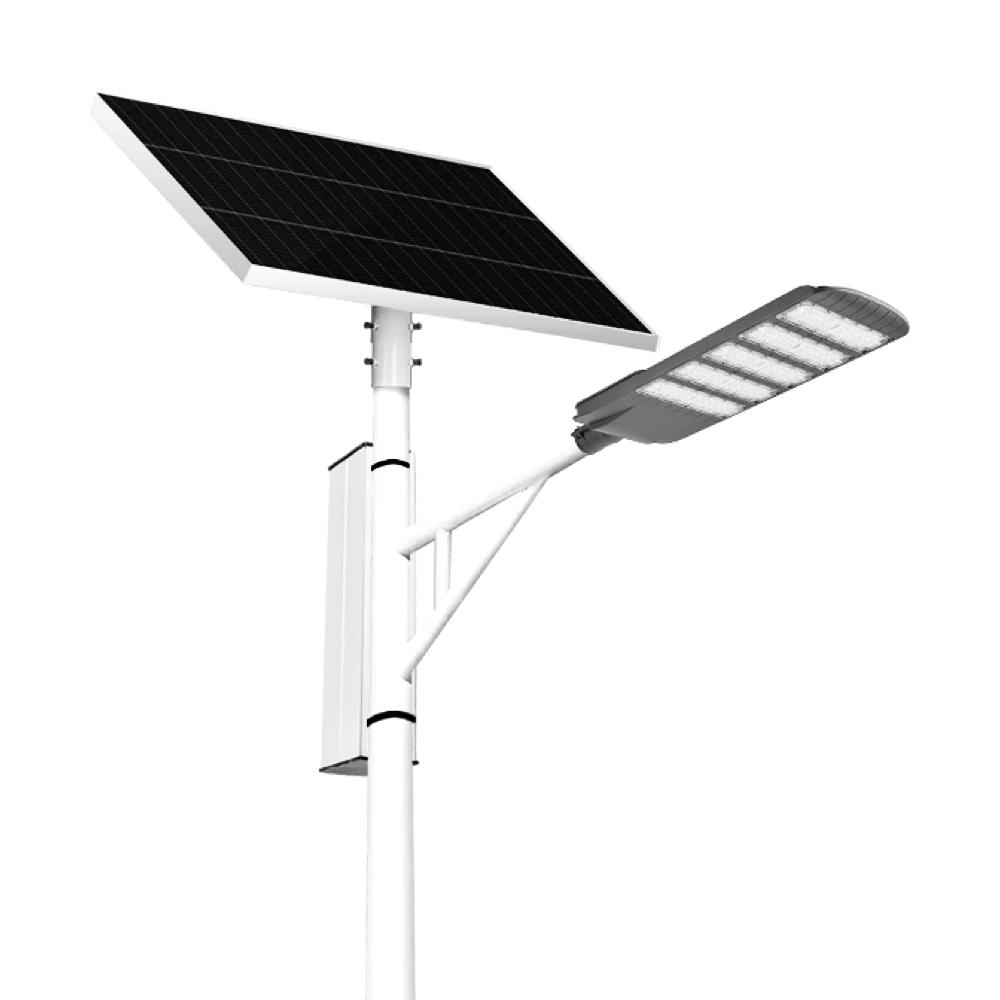
The Solar Streetlights of Luhao for Municipalities are designed to deliver reliable, energy-efficient, and cost-effective public lighting solutions. Equipped with advanced LED technology, durable lithium batteries, and high-efficiency solar panels, these streetlights provide consistent illumination for roads, parks, residential areas, and government projects.
If you would like more information about Queneng solar lighting solutions, please send us a message by filling out the form below. Our professional team will get back to you within 24 hours!
Rest assured that your privacy is important to us, and all information provided will be handled with the utmost confidentiality.
Schedule a Meeting
Book a date and time that is convenient for you and conduct the session in advance.
Have more questions about our products or services?
The messenger of light & power conversion
Environmental protection and intelligent manufacturing are our brand philosophy, and quality assurance and the best user experience are our eternal promises to users.
CONTACT
No.9F, Building F, Cao San Xin Tian Hong Logistics Park, Guzhen Town, Zhongshan City, Guangdong Province, China.
or write [email protected]
WhatsApp: +86 136 2270 1011


