













What is the payback period for solar-powered street lighting in Uzbekistan?
Illuminating the Path: A Buyer's Guide to Solar Street Light Costs & Uzbekistan Payback
As the world shifts towards sustainable energy, solar street lighting stands out as an increasingly viable and cost-effective solution for public, commercial, and private illumination. For procurement professionals, understanding the intricate details of costs, manufacturing quality, and return on investment (ROI) is crucial. This guide delves into these aspects, with a special focus on the payback period in high-solar-irradiance regions like Uzbekistan.
What Influences the Cost of Solar Street Lights?
The price of a solar street light system can vary significantly, typically ranging from $150 for basic residential models to over $3,000 for high-performance commercial or industrial-grade units (excluding installation). Several key factors determine this cost:
- LED Wattage and Lumens: Higher brightness (lumens) and wattage for the LED lamp require more power, which translates to larger batteries and solar panels, increasing cost.
- Battery Capacity and Type: The battery is one of the most critical and often priciest components. Lithium Iron Phosphate (LiFePO4) batteries are preferred for their longer lifespan (5-8+ years, 2000-4000 cycles) and better performance in varying temperatures compared to lead-acid batteries, but they come at a higher cost.
- Solar Panel Size and Efficiency: Larger, more efficient monocrystalline solar panels generate more power and charge faster, ensuring longer backup autonomy, but are more expensive.
- Charge Controller Technology: MPPT (Maximum Power Point Tracking) controllers are more efficient than PWM (Pulse Width Modulation) controllers, optimizing power harvest from the solar panel, which adds to the system cost.
- Pole Material and Height: Poles made from galvanized steel or aluminum, especially those designed for high wind loads or specific aesthetic requirements, can add significantly to the overall cost. Taller poles require more robust designs.
- Smart Features and Controls: PIR motion sensors, dimming capabilities, remote monitoring, and smart city integration features enhance functionality but increase complexity and cost.
- Brand and Warranty: Reputable manufacturers offering extended warranties and proven track records typically command higher prices, reflecting their commitment to quality and support.
How to Choose a Reliable Solar Street Light Manufacturer?
Selecting the right manufacturer is paramount for project success and long-term reliability. Look for:
- Certifications and Standards: Ensure the manufacturer complies with international quality standards such as ISO 9001, CE, RoHS, and IEC, which indicate adherence to stringent manufacturing processes and product safety.
- R&D Capabilities: A manufacturer with strong research and development can offer innovative, energy-efficient, and customized solutions, staying ahead of technological advancements.
- Component Quality: Inquire about the origin and specifications of key components like LED chips (e.g., Philips, Cree), solar cells (e.g., Longi, Jinko), and battery cells (e.g., CATL, BYD). Quality components ensure performance and longevity.
- Warranty and After-Sales Support: A comprehensive warranty (e.g., 5 years for the system, 10-25 years for solar panels) and accessible after-sales service are critical for addressing potential issues and maximizing product lifespan.
- Project Portfolio and References: Reviewing past projects and seeking references can provide insights into a manufacturer's experience, reliability, and capability to handle large-scale deployments.
- Customization Options: The ability to customize wattage, battery autonomy, pole height, and smart features ensures the solution precisely meets your project's specific requirements.
Key Components of a High-Quality Solar Street Light System
A robust solar street light system relies on the synergy of its core components:
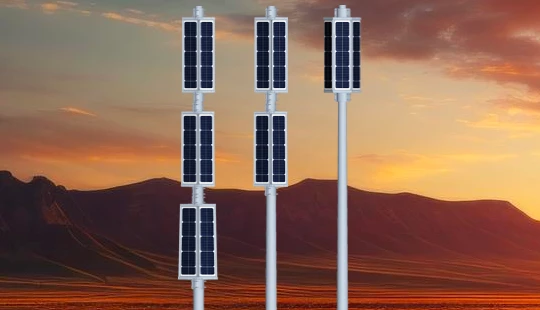
- Solar Panel: Typically monocrystalline silicon for higher efficiency, converting sunlight into electricity.
- Battery: LiFePO4 (Lithium Iron Phosphate) battery pack, offering long cycle life, stable performance, and safety, storing energy for nighttime operation.
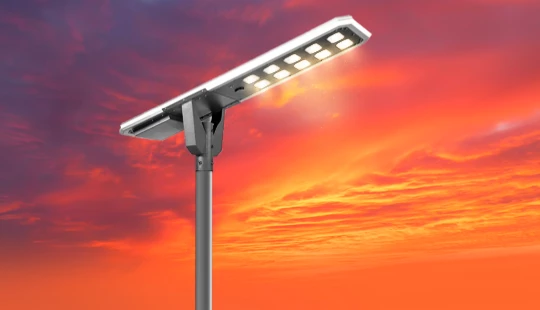
- LED Lamp: High-efficiency LED luminaires with excellent light distribution and color rendering, designed for durability and low power consumption.
- Smart Charge Controller: An MPPT controller that optimizes battery charging, protects against overcharging/discharging, and manages light operation (e.g., dusk-to-dawn, dimming).
- Light Pole: Galvanized steel or aluminum pole, designed to withstand local wind conditions and support the solar panel and luminaire securely.
- Mounting Hardware: Durable, corrosion-resistant brackets and fasteners for secure installation of all components.
What is the Payback Period for Solar-Powered Street Lighting in Uzbekistan?
Uzbekistan presents an exceptionally favorable environment for solar-powered street lighting due to its abundant solar resources. The country receives an average annual solar irradiance of 4.5 to 7 kWh/m²/day, translating to roughly 5-6 peak sun hours daily across much of its territory (World Bank ESMAP).
Calculating the payback period for solar street lighting in Uzbekistan involves comparing the total cost of a solar solution against the total cost of a traditional grid-connected system over its lifespan, factoring in both initial investment and ongoing operational savings. The primary drivers of rapid payback are:
- Avoided Grid Connection Costs: For new installations, remote areas, or sites far from existing grid infrastructure, the cost of trenching, cabling, transformers, and connecting to the main power grid can be substantial—often $1,000 to $3,000+ per pole. Solar street lights eliminate these significant upfront costs entirely.
- Eliminated Electricity Bills: Solar street lights operate independently, drawing no power from the grid. Uzbekistan's electricity tariffs, while relatively low compared to some Western nations, still represent an ongoing operational expense. As of December 2023, residential electricity tariffs were around 450 UZS/kWh (approximately $0.035 USD/kWh), with commercial rates potentially higher (ranging from approximately $0.04 to $0.06 USD/kWh for commercial applications, depending on consumption blocks). Annual savings from avoiding these bills accumulate quickly.
- Reduced Maintenance Costs: While solar street lights require periodic battery replacement (every 5-8 years) and cleaning, they generally incur fewer routine maintenance issues compared to grid-connected lights (e.g., no cable faults, no grid power fluctuations affecting lifespan).
Let's consider a simplified example for a high-quality commercial solar street light in Uzbekistan:
Assumptions:
- Solar Street Light (60W LED, 150W solar panel, 300-400Wh LiFePO4 battery): Total installed cost in Uzbekistan: $1,800 - $2,500 (factoring product, shipping, customs, local labor). Let's use $2,200 for this example.
- Equivalent Grid-Connected Light (150W HPS/MH or equivalent LED, pole): Initial hardware cost: $800 - $1,200. Let's use $1,000.
- Critical Variable: Avoided Grid Infrastructure Cost: This is highly variable.
- Annual Energy Consumption of Equivalent Grid Light: 150W * 12 hours/night * 365 days/year / 1000 = 657 kWh/year.
- Electricity Cost in Uzbekistan (for commercial): $0.05 USD/kWh.
- Annual Electricity Bill Saved: 657 kWh * $0.05/kWh = $32.85/year.
Scenario 1: Significant Grid Infrastructure Avoided (e.g., new development, rural road)
- Cost of Grid Light + Infrastructure: $1,000 (hardware) + $1,500 (grid extension) = $2,500
- Initial Cost Difference: Solar ($2,200) is cheaper by $300 than the grid alternative ($2,500).
- Payback: Effectively immediate on capital investment. You save $300 upfront and then realize annual electricity savings of $32.85 for the system's lifespan.
Scenario 2: Moderate Grid Infrastructure Avoided (e.g., existing grid nearby but new connection needed)
- Cost of Grid Light + Infrastructure: $1,000 (hardware) + $500 (minor grid extension) = $1,500
- Initial Cost Difference: Solar ($2,200) is $700 more expensive than the grid alternative ($1,500).
- Payback Period: $700 (initial difference) / $32.85 (annual savings) = ~21.3 years.
As this example shows, the payback period for solar street lighting in Uzbekistan can range significantly. However, in many practical scenarios where extending grid power is costly or logistically challenging, solar solutions offer a very attractive return. Commonly, for projects where grid connection costs are a significant factor, the payback period for quality solar street lighting ranges from 3 to 7 years, making it a highly compelling investment for municipalities, developers, and businesses in Uzbekistan.
Beyond Cost: Long-Term Benefits and ROI of Solar Street Lighting
While cost and payback are critical, the long-term benefits of solar street lighting extend far beyond immediate financial returns:
- Environmental Sustainability: Zero carbon emissions during operation, reducing reliance on fossil fuels and contributing to a greener environment.
- Energy Independence: Immunity from grid failures, blackouts, and escalating electricity prices, ensuring consistent illumination.
- Enhanced Safety and Security: Reliable lighting improves visibility, reducing accidents and deterring crime in public spaces.
- Rapid Deployment and Scalability: No trenching or complex wiring means faster installation, particularly beneficial for remote areas or temporary lighting needs. Systems can be easily expanded.
- Lower Operational Costs: Beyond electricity savings, reduced infrastructure maintenance and fewer interventions on grid-related issues contribute to lower total cost of ownership.
- Brand Image and Social Responsibility: Investing in solar technology demonstrates a commitment to sustainability, enhancing public image and corporate social responsibility.
By carefully considering these factors, procurement professionals can make informed decisions that not only save costs in the long run but also contribute to a more sustainable and well-lit future.
Quenenglighting specializes in designing and manufacturing high-quality, durable, and efficient solar street lights. Our products feature top-tier LiFePO4 batteries, high-efficiency monocrystalline solar panels, and intelligent MPPT controllers, ensuring optimal performance and longevity. We offer customized solutions tailored to specific project requirements, backed by robust warranties and dedicated after-sales support. Partner with Quenenglighting to illuminate your projects with reliable, sustainable, and cost-effective solar lighting solutions.
References
- World Bank Group. ESMAP - Global Solar Atlas. (Accessed: June 1, 2024). https://globalsolaratlas.info/
- GlobalPetrolPrices.com. Uzbekistan Electricity prices, December 2023. (Accessed: June 1, 2024). https://www.globalpetrolprices.com/Uzbekistan/electricity_prices/
- Various industry reports and manufacturer specifications for solar street light components and lifespan (e.g., LED Magazine, Solar Power World, specific battery/panel datasheets).

Have more questions about our products or services?
The latest hot news you might like

Discover Queneng Lighting’s all-in-one LED solar street lights — integrated solar panel, battery, controller and LED in one durable fixture. Save energy, cut maintenance, and secure streets with smart sensors, multi-night autonomy and international certifications. Contact sales for quotes and support.

Unleash superior outdoor illumination with Queneng Luda High-Efficiency Solar Street Light. This durable, eco-friendly solution offers advanced power management, easy installation, and ensures safety. Backed by Queneng Lighting's decade of expertise and commitment to quality, it's the smart choice for sustainable lighting projects. Learn why we're a leading solar solutions provider.

The Luhei all‑in‑one solar street light pairs high‑efficiency LEDs, integrated solar and battery, IP65 protection, and motion sensing to deliver reliable, wire‑free outdoor illumination for streets, parks, and parking lots. Backed by Queneng Lighting’s certifications and support.

FAQ
Industry
Can Queneng’s solar street lighting system operate in harsh weather conditions?
Yes, Queneng’s solar street lighting systems are specially designed to function well in extreme weather. Our equipment is waterproof, corrosion-resistant, and windproof, making it suitable for a variety of climates.
Batteries and the environment
What impact do batteries have on the environment?
Battery Types and Applications
What types of rechargeable batteries are there? Which devices are they suitable for?
Features: High capacity, environmentally friendly (no mercury, lead, cadmium), overcharge protection
Application equipment: audio equipment, video recorders, mobile phones, cordless phones, emergency lights, notebook computers
Ni-MH prismatic battery
Features: High capacity, environmentally friendly, overcharge protection
Application equipment: audio equipment, video recorders, mobile phones, cordless phones, emergency lights, notebook computers
NiMH button battery
Features: High capacity, environmentally friendly, overcharge protection
Application equipment: mobile phones, cordless phones
Nickel cadmium round battery
Features: High load capacity
Application equipment: audio equipment, power tools
Nickel cadmium button battery
Features: High load capacity
Application equipment: Cordless phones, memory
Lithium Ion Battery
Features: High load capacity, high energy density
Application equipment: mobile phones, laptops, video recorders
Lead-acid batteries
Features: Cheap, easy to process, short life, heavy weight
Application equipment: ships, automobiles, miner's lamps, etc.
Battery Performance and Testing
What is the power output of the battery?
The smaller the internal resistance of the battery, the higher the output power. The internal resistance of the battery should be smaller than the internal resistance of the electrical appliance. Otherwise, the power consumed by the battery itself will be greater than the power consumed by the electrical appliance, which is uneconomical and may damage the battery.
Remote Areas Rural Development
What kind of after-sales support do you provide for rural projects?
We offer remote monitoring, regular maintenance schedules, and technical support for all installed systems.
APMS system
How does the dual-system management mode in the APMS system work?
The APMS system uses intelligent algorithms to automatically charge during the day and discharge at night. The dual-system management mode monitors battery status in real-time and adjusts the charge/discharge mode to ensure optimal efficiency under any condition.
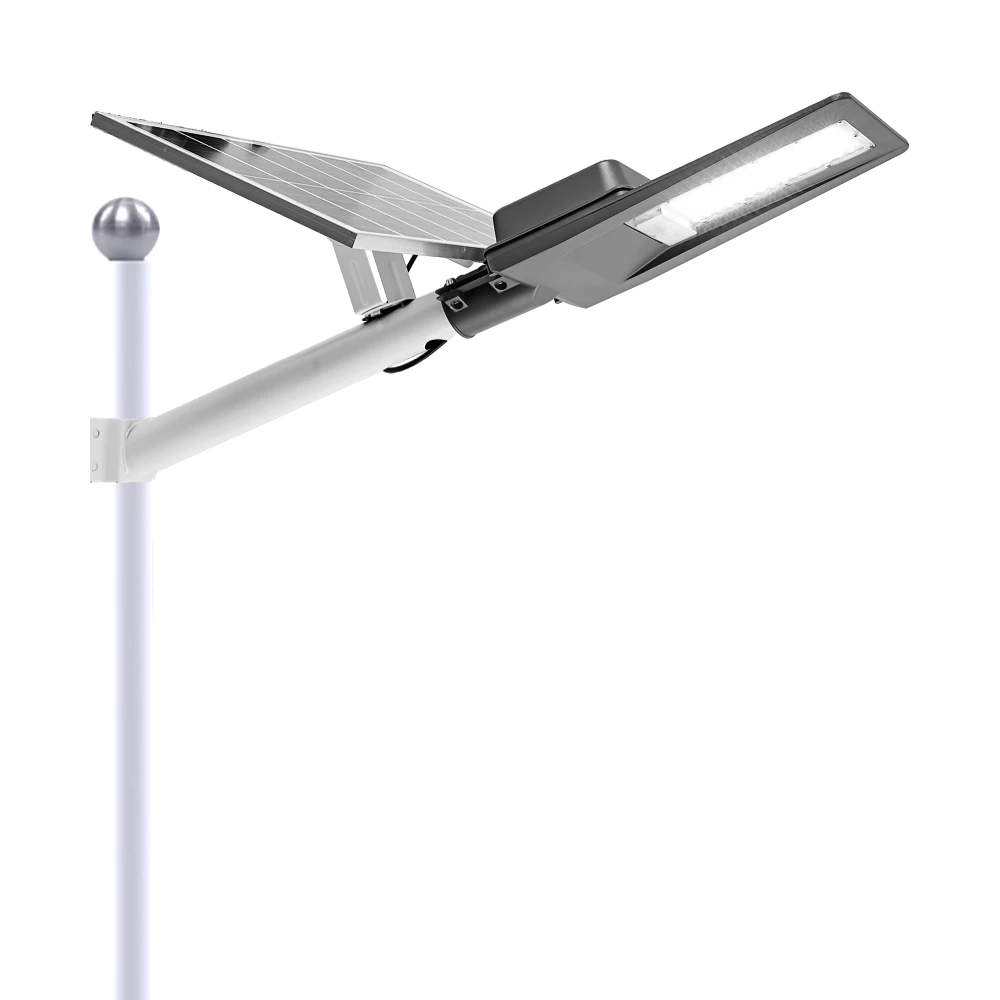
Experience reliable outdoor illumination with our smart solar street light, a perfect combination of advanced technology and eco-conscious design.
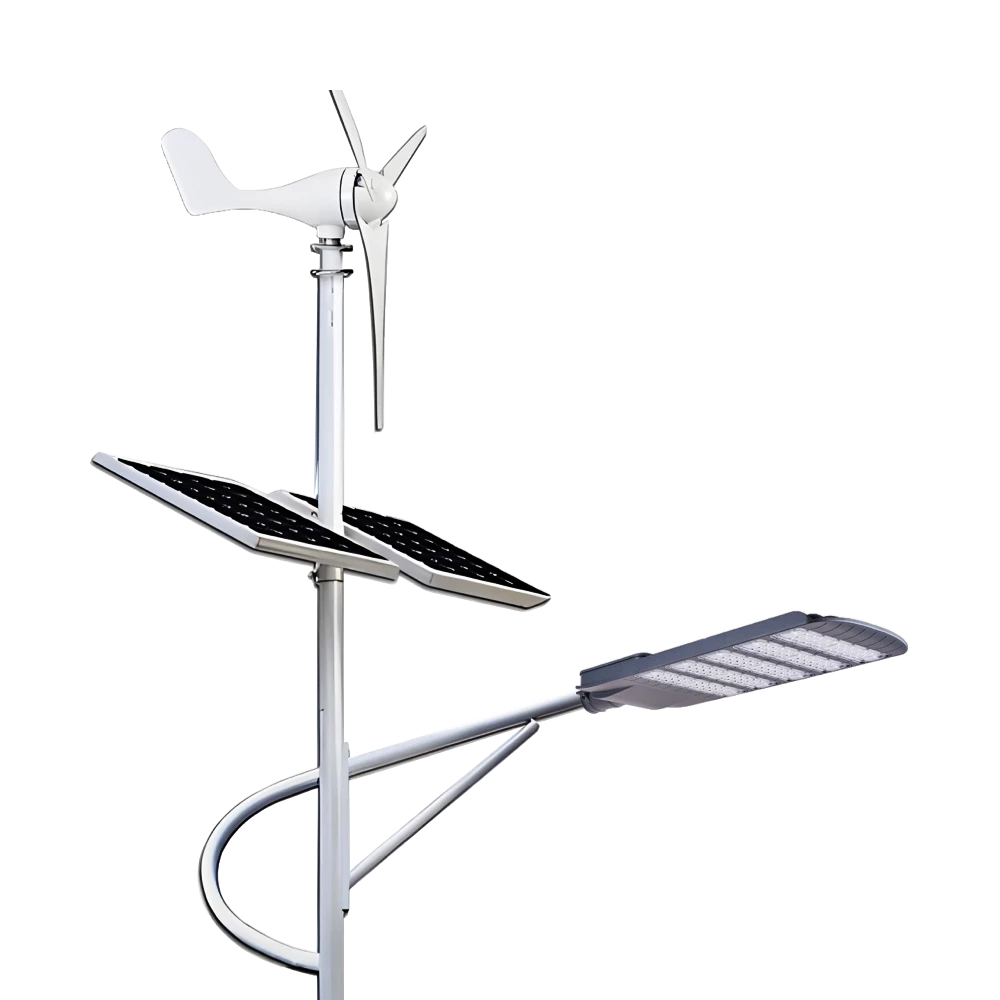
Queneng Lufeng Wind Energy LED Outdoor Solar Street Lights offer high-performance, eco-friendly illumination. These energy-efficient LED street lights harness solar power and wind energy for sustainable, cost-effective outdoor lighting solutions.
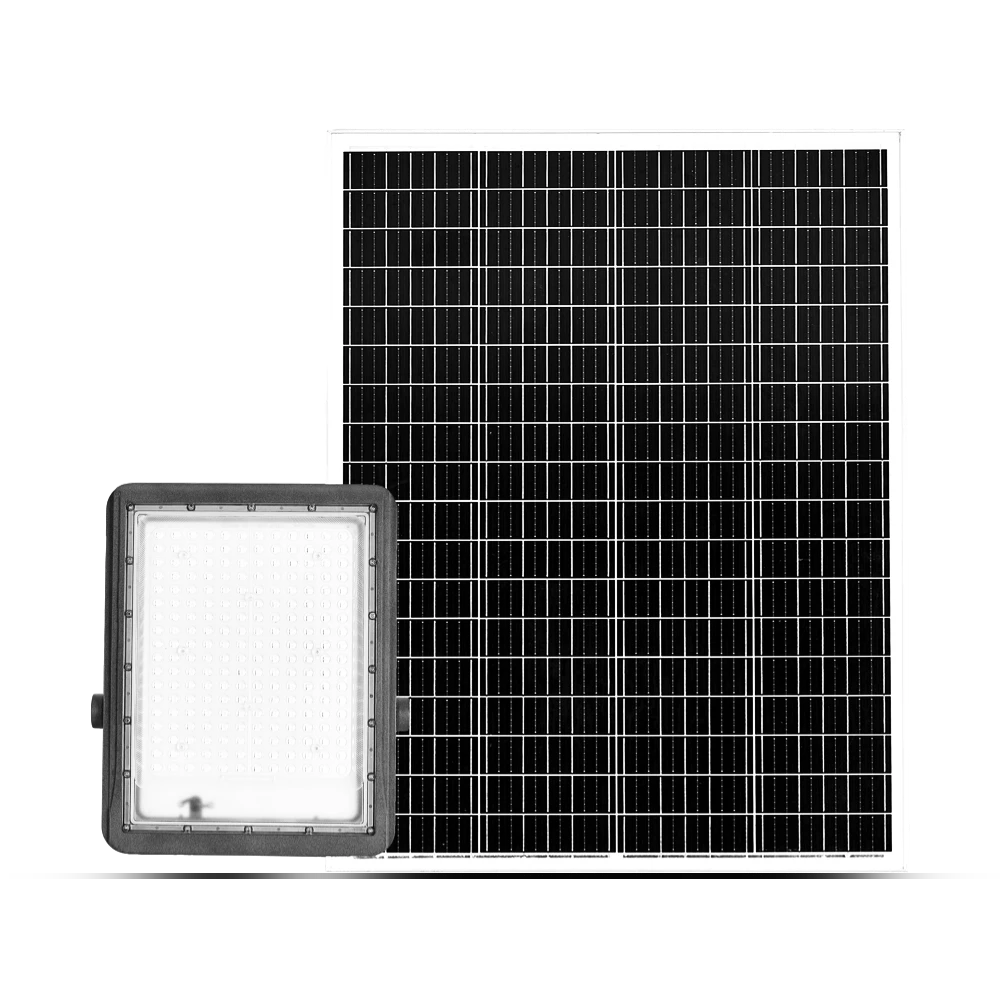
Queneng's Luxian Reliable Solar Street Light offers energy-saving LED lighting for outdoor use. This durable, solar-powered street light provides reliable illumination, reducing energy costs and environmental impact. A perfect solution for sustainable outdoor lighting.
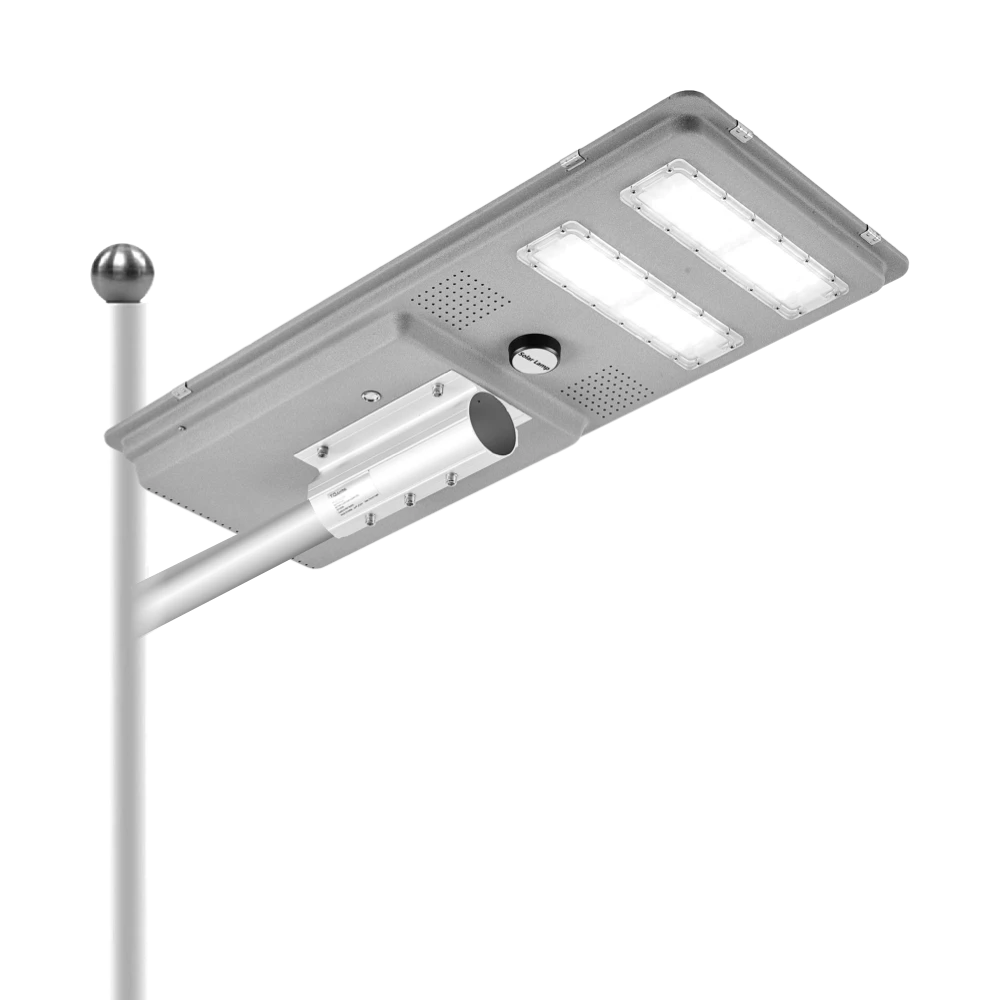
Queneng’s Solar Street Lights are designed to provide reliable, energy-efficient lighting for streets, parks, and other outdoor spaces.
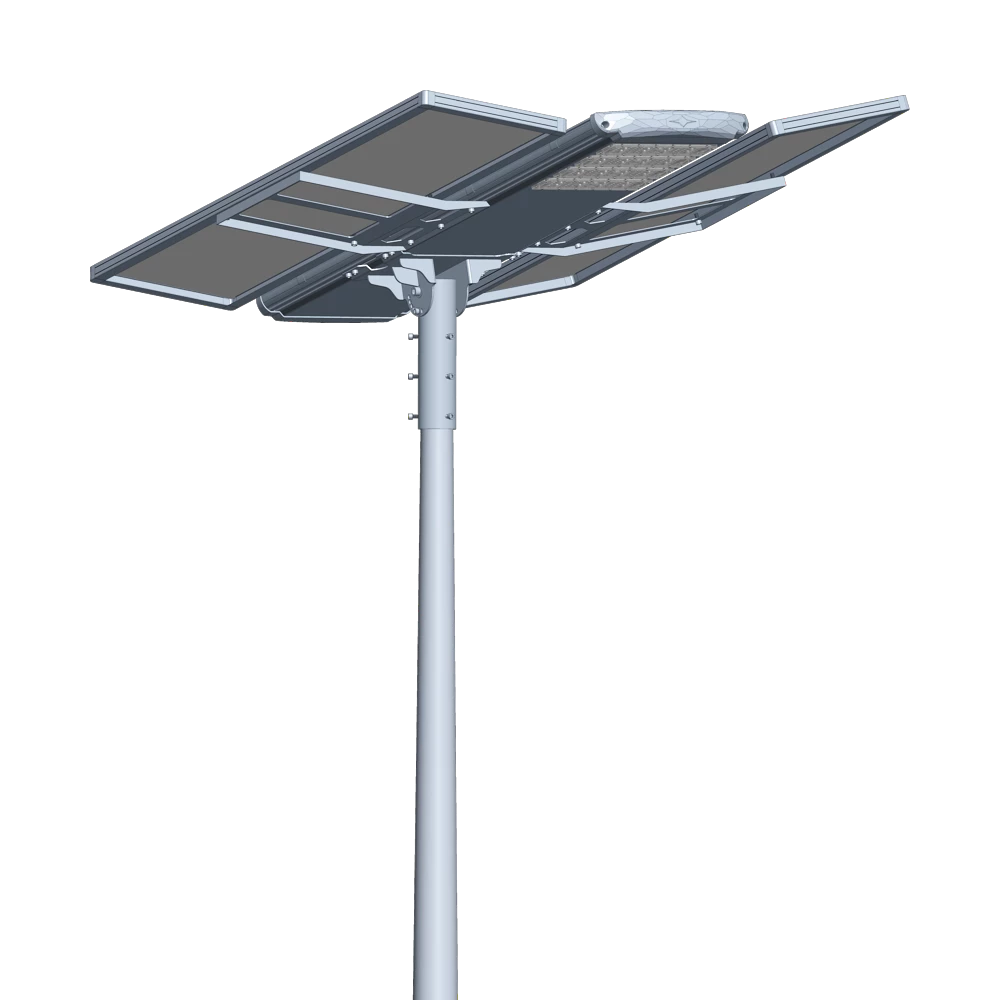
Introducing the Luqing Solar Street Light by Queneng, Efficient LED lighting powered by solar energy is perfect for illuminating outdoor areas. Harness the power of solar energy for sustainable, reliable street lighting. Ideal for eco-friendly, cost-effective outdoor illumination solutions.
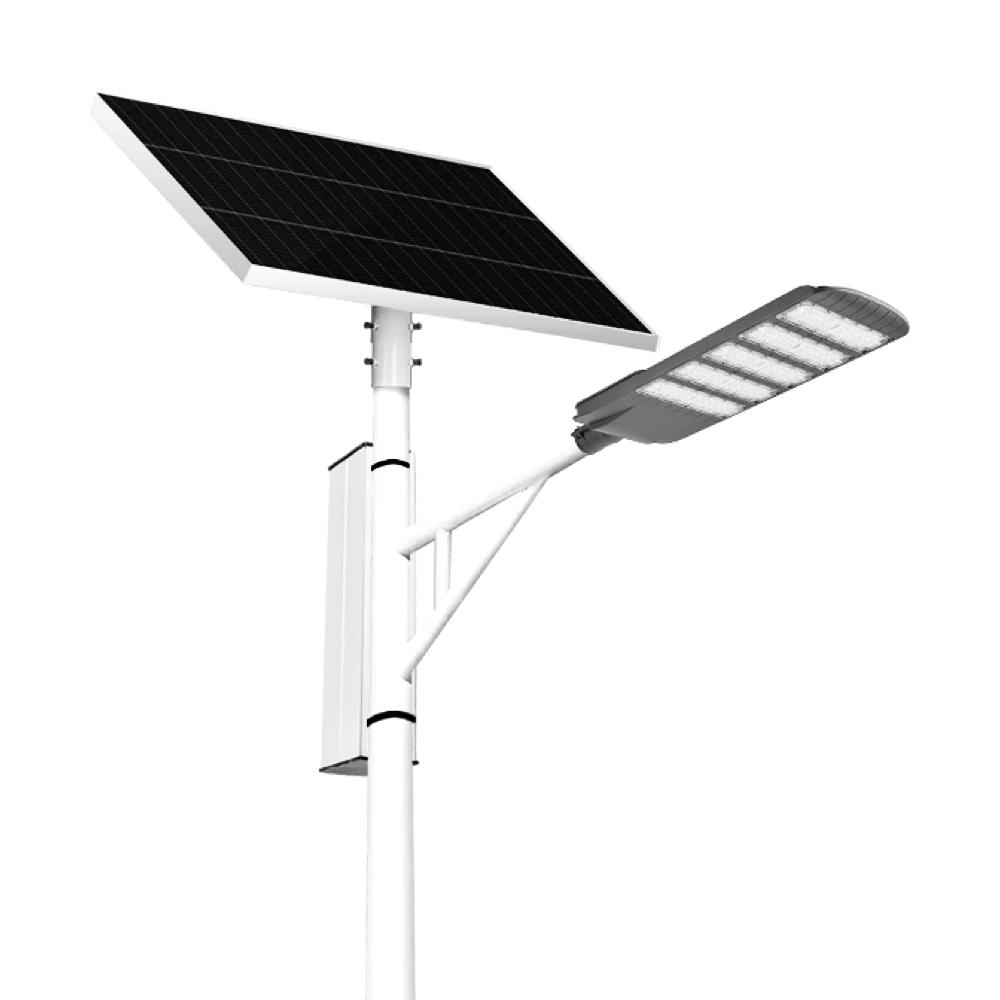
The Solar Streetlights of Luhao for Municipalities are designed to deliver reliable, energy-efficient, and cost-effective public lighting solutions. Equipped with advanced LED technology, durable lithium batteries, and high-efficiency solar panels, these streetlights provide consistent illumination for roads, parks, residential areas, and government projects.
If you would like more information about Queneng solar lighting solutions, please send us a message by filling out the form below. Our professional team will get back to you within 24 hours!
Rest assured that your privacy is important to us, and all information provided will be handled with the utmost confidentiality.
Schedule a Meeting
Book a date and time that is convenient for you and conduct the session in advance.
Have more questions about our products or services?
The messenger of light & power conversion
Environmental protection and intelligent manufacturing are our brand philosophy, and quality assurance and the best user experience are our eternal promises to users.
CONTACT
No.9F, Building F, Cao San Xin Tian Hong Logistics Park, Guzhen Town, Zhongshan City, Guangdong Province, China.
or write [email protected]
WhatsApp: +86 136 2270 1011


