














How does weather impact the performance of solar street lights?
Demystifying Solar Street Lights: Your Buyer's Guide
Solar street lights are revolutionizing outdoor illumination, offering a sustainable, cost-effective, and independent lighting solution. Whether you're a municipality, a business owner, or a developer, understanding the intricacies of these systems is crucial before making a purchasing decision. This guide aims to answer your most pressing questions, providing professional insights into cost, manufacturing, performance, and more.
What is the typical cost of a solar street light, and what factors influence it?
The cost of a solar street light can vary significantly, generally ranging from $300 to $1500+ per unit, excluding installation. This wide range depends on several critical factors:
- Wattage and Brightness: Higher lumen output (e.g., 60W vs. 30W LED) requires larger components and thus higher costs.
- Battery Capacity and Type: Lithium Iron Phosphate (LiFePO4) batteries are now standard due to their longer lifespan and better performance, but they are more expensive than older lead-acid options. Larger capacity (Ah) for extended autonomy (days of backup) increases cost.
- Solar Panel Size and Efficiency: Larger, more efficient monocrystalline solar panels capture more sunlight and contribute to higher costs.
- Pole Height and Material: Taller poles (e.g., 6m, 8m, 10m) and stronger materials (galvanized steel) are more expensive.
- Integrated vs. Split Design: Integrated (all-in-one) designs can sometimes be more cost-effective for smaller units, while split designs offer more flexibility for larger projects.
- Smart Features: Motion sensors, dimming capabilities, remote monitoring, and IoT connectivity add to the price.
- Brand and Warranty: Reputable manufacturers offering extended warranties typically command a higher price point due to their proven quality and support.
For example, a basic 30W integrated solar street light might cost around $400-$600, while a robust 60-80W split system designed for demanding conditions could exceed $1000-$1500.
How can I choose a reliable Solar Street Light Manufacturer?
Selecting the right manufacturer is paramount to the success and longevity of your solar lighting project. Look for manufacturers with:
- Proven R&D and Innovation: A manufacturer investing in research and development is more likely to offer cutting-edge technology (e.g., advanced MPPT controllers, efficient LED drivers, smart management systems).
- Certifications and Quality Standards: Ensure products meet international standards like CE, RoHS, FCC, and have appropriate IP ratings (e.g., IP65 or IP66 for outdoor use). ISO 9001 certification indicates robust quality management.
- Extensive Project Experience: A company with a track record of successful projects in various climates and applications demonstrates reliability and expertise.
- Comprehensive Warranty and After-Sales Support: A minimum 3-5 year warranty on the entire system (not just components) is a good indicator of confidence in their product. Excellent technical support and readily available spare parts are also crucial.
- Customization Capabilities: The ability to tailor solutions to specific project requirements (e.g., pole height, autonomy days, lumen output) shows flexibility and client focus.
- Transparency in Component Sourcing: Reputable manufacturers use high-quality, branded components (e.g., Bridgelux/Philips LEDs, LiFePO4 batteries from known suppliers, efficient solar cells).
What are the key components of a high-quality solar street light?
Understanding the core components helps assess quality:
- Solar Panel: Monocrystalline silicon panels are generally preferred for their higher efficiency (typically 18-22%) and better performance in low-light conditions compared to polycrystalline panels.
- Battery: Lithium Iron Phosphate (LiFePO4) batteries are the industry standard. They offer a long cycle life (2000-4000 cycles, translating to 5-10+ years), excellent thermal stability, and are safer than other lithium-ion chemistries.
- LED Light Source: High-efficiency LED chips (e.g., Philips, Osram, Bridgelux, Cree) with high lumen per watt output (e.g., >150lm/W) and a good Color Rendering Index (CRI >70).
- Charge Controller: An MPPT (Maximum Power Point Tracking) controller is essential. It optimizes the power output from the solar panel to charge the battery efficiently, boosting charging efficiency by 15-30% compared to PWM controllers, especially in variable weather.
- Pole and Fixture: Durable, corrosion-resistant materials (e.g., hot-dip galvanized steel with powder coating) and a robust, well-sealed fixture (IP65/IP66) are critical for longevity.
How does weather impact the performance of solar street lights, and what mitigation strategies are employed?
Weather significantly influences solar street light performance:
- Cloudy/Overcast Days: Cloud cover drastically reduces solar panel output. Light clouds might reduce output by 50-70%, while heavy, dark clouds can reduce it by 80-90% or more.
- Rain: Rain itself does not generate power, but it can clean dust and debris from the solar panel surface, improving efficiency after the rain. However, heavy rain often accompanies cloud cover, reducing overall solar gain.
- Snow: Snowfall is perhaps the most detrimental. A layer of snow completely covering the panel blocks all sunlight, reducing output to zero. While some systems are designed with tilted panels to help snow slide off, manual clearing might be necessary in heavy snow regions.
- Temperature: Extreme temperatures affect battery performance. Cold weather reduces battery capacity and can slow charging. Hot weather can accelerate battery degradation. Solar panels also become slightly less efficient at very high temperatures.
Mitigation Strategies:
- Oversized Solar Panels and Batteries: Systems are often designed with larger solar panels (e.g., 20-30% larger than strictly needed) and higher capacity batteries to store more energy, providing 2-5 days of autonomy for cloudy weather.
- MPPT Charge Controllers: These controllers maximize energy harvesting even under sub-optimal conditions.
- Smart Energy Management: Systems with intelligent dimming (e.g., 100% brightness upon motion detection, dimming to 30% otherwise) and timed lighting schedules conserve battery power during periods of low solar gain.
- LiFePO4 Batteries: Their wider operating temperature range and longer cycle life make them more resilient to temperature extremes.
- Appropriate Tilt Angles: Panels can be installed at an optimal tilt angle to maximize sun exposure and facilitate snow run-off, especially in winter.
What is the typical lifespan of solar street lights and their components?
A well-designed and manufactured solar street light system can offer impressive longevity:
- Solar Panels: High-quality monocrystalline panels typically have a lifespan of 20-25 years, often guaranteed to produce 80% of their rated power after 25 years.
- LED Light Source: LEDs boast very long operational lives, often rated for 50,000 to 100,000 hours, meaning 10-20 years of typical night-time use.
- LiFePO4 Batteries: These are rated for 2000-4000+ charge/discharge cycles. Depending on daily usage and depth of discharge, they can last 5-10 years or more before requiring replacement.
- Charge Controller & Other Electronics: Generally, these components are designed to last 5-10 years, though environmental factors can influence this.
- Poles and Fixtures: With proper galvanization and powder coating, poles can last 20-30 years, and well-sealed fixtures can last equally long.
Are solar street lights a good investment? What are the economic benefits?
Absolutely. Solar street lights offer significant long-term economic and environmental benefits:
- Zero Electricity Bills: This is the most direct saving. Once installed, there are no ongoing utility costs.
- Lower Installation Costs: No trenching, cabling, or connection to the grid is required, significantly reducing initial civil works and electrical infrastructure costs. This can offset the higher upfront unit cost compared to traditional grid lights in remote or new development areas.
- Low Maintenance: Modern solar street lights, especially those with LiFePO4 batteries and efficient LEDs, require minimal maintenance (e.g., occasional panel cleaning), reducing operational expenditures.
- Environmental Benefits: Reduced carbon footprint, no reliance on fossil fuels, and promotion of green energy initiatives.
- Energy Independence: Immunity from power outages and grid fluctuations, ensuring reliable lighting.
- Increased Property Value: Enhances the appeal and safety of properties and public spaces.
The payback period for solar street lights can range from 3 to 7 years, depending on electricity rates, installation complexity, and initial investment, making them a sound long-term investment.
Choosing solar street lights is a forward-thinking decision. By understanding these key aspects, you can make an informed choice that brings both reliability and sustainability to your projects.
Quenenglighting: Your Partner in Sustainable Illumination
Quenenglighting stands at the forefront of the solar street lighting industry, offering innovative and high-quality solutions. Our commitment to excellence is reflected in our advanced R&D, utilizing high-efficiency monocrystalline solar panels, durable LiFePO4 batteries, and intelligent MPPT charge controllers to ensure optimal performance and longevity. We pride ourselves on providing robust, IP66-rated designs capable of withstanding diverse weather conditions, backed by comprehensive warranties and dedicated after-sales support. With Quenenglighting, you invest in a reliable, efficient, and sustainable lighting future, tailored to meet your unique project demands.
References:
- Solar Panel Efficiency & Lifespan: Energy.gov (Accessed: October 26, 2023)
- LiFePO4 Battery Lifespan: Battery Guru (Accessed: October 26, 2023)
- MPPT vs PWM Controllers: AltaRays (Accessed: October 26, 2023)
- General Solar Street Light Cost Factors: Industry average analysis, various manufacturer websites, and trade publications. (Accessed: October 2023)

Have more questions about our products or services?
The latest hot news you might like

Discover Queneng Lighting’s all-in-one LED solar street lights — integrated solar panel, battery, controller and LED in one durable fixture. Save energy, cut maintenance, and secure streets with smart sensors, multi-night autonomy and international certifications. Contact sales for quotes and support.

Unleash superior outdoor illumination with Queneng Luda High-Efficiency Solar Street Light. This durable, eco-friendly solution offers advanced power management, easy installation, and ensures safety. Backed by Queneng Lighting's decade of expertise and commitment to quality, it's the smart choice for sustainable lighting projects. Learn why we're a leading solar solutions provider.

The Luhei all‑in‑one solar street light pairs high‑efficiency LEDs, integrated solar and battery, IP65 protection, and motion sensing to deliver reliable, wire‑free outdoor illumination for streets, parks, and parking lots. Backed by Queneng Lighting’s certifications and support.

FAQ
Solar Street Light Luqing
What kind of maintenance does the solar street light require?
Solar street lights are designed for low maintenance. The primary maintenance task is to ensure the solar panels are clean and free of debris to optimize their charging efficiency. Periodic checks of the battery and LED performance may also be necessary to ensure long-term functionality.
Industry
How long is the expected lifespan of Queneng’s solar lighting system?
Under normal maintenance, our solar lighting systems can last over 10 years. High-quality materials and advanced technology contribute to their long-lasting durability and reliability.
who we are
How can I contact Queneng for inquiries or product support?
You can contact us through our website, where you can find contact forms, customer service phone numbers, and email addresses. Our support team is available to assist with any inquiries, product information, or technical support you may need.
Solar Street Light Luhao
How does the Luhao solar street light contribute to sustainability?
The Luhao solar street light reduces carbon emissions by utilizing solar power instead of electricity from non-renewable sources. It provides a clean, green alternative to traditional lighting, helping to lower environmental impact and promote sustainability in outdoor lighting.
Battery and Analysis
What are the control methods to prevent battery overcharging?
1) Peak voltage control: Determine the end of charging by detecting the peak voltage of the battery;
2) dT/dt control: determine the end point of charging by detecting the battery peak temperature change rate;
3) △T control: When the battery is fully charged, the difference between the temperature and the ambient temperature will reach the maximum;
4) -△V control: When the battery is fully charged and reaches a peak voltage, the voltage will drop by a certain value;
5) Timing control: Control the charging end point by setting a certain charging time. Generally, set the time required to charge 130% of the nominal capacity;
Sustainability
What factors should be considered when choosing an installation location?
Solar street lights should be installed in areas with abundant sunlight and minimal obstructions to ensure the photovoltaic panels receive maximum sunlight. Avoid locations close to trees or tall buildings that could cast shadows on the panels.
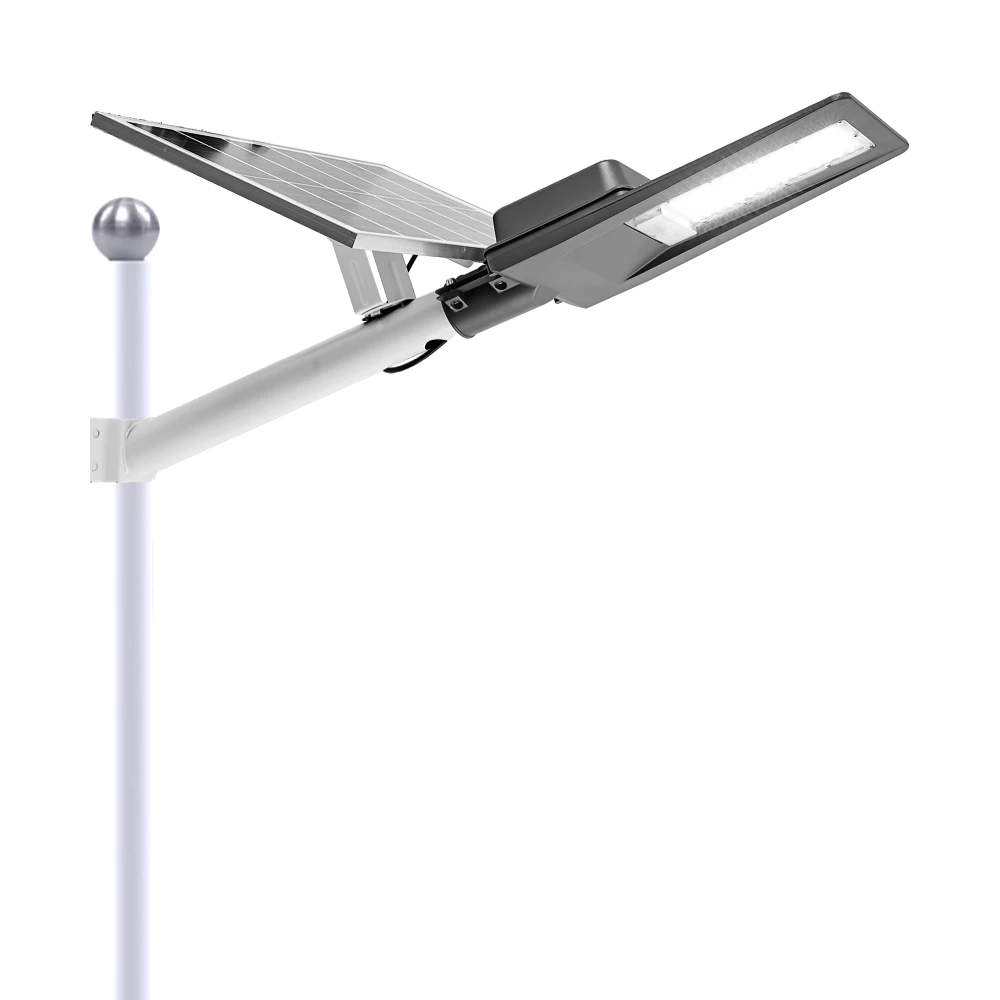
Experience reliable outdoor illumination with our smart solar street light, a perfect combination of advanced technology and eco-conscious design.
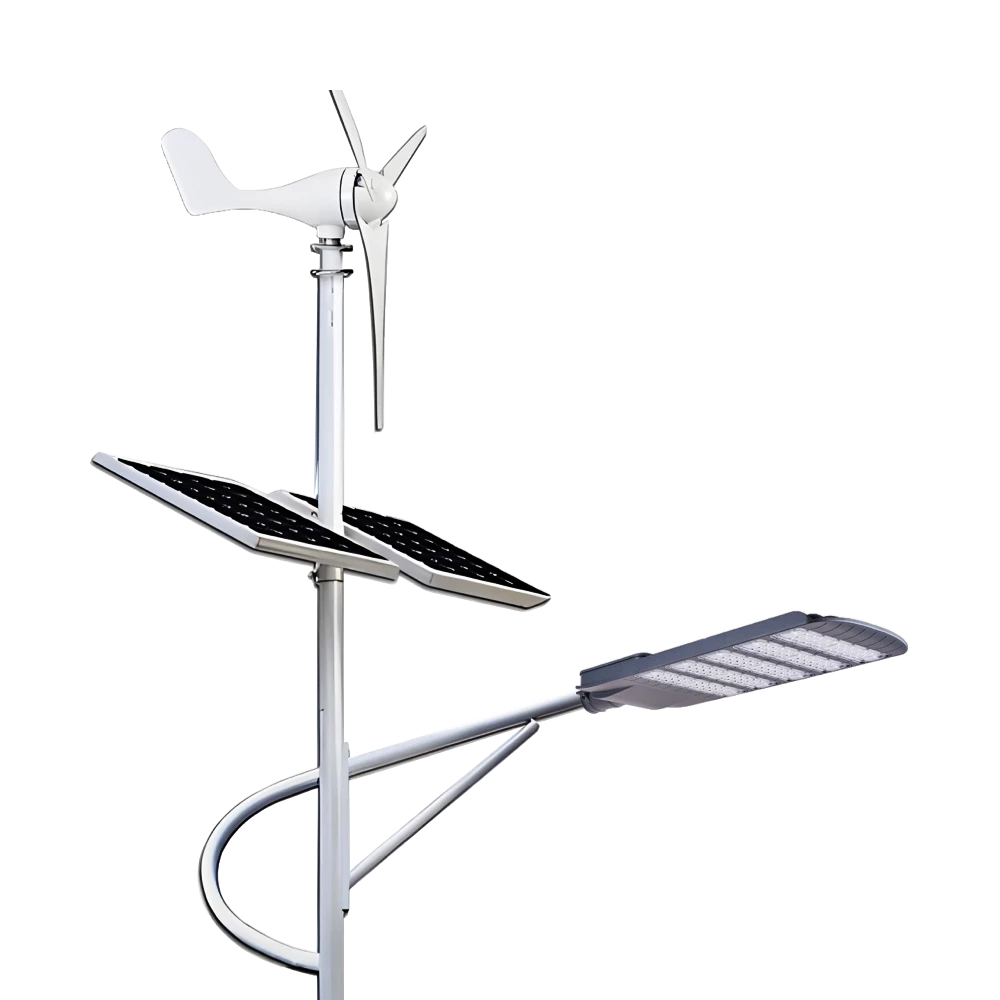
Queneng Lufeng Wind Energy LED Outdoor Solar Street Lights offer high-performance, eco-friendly illumination. These energy-efficient LED street lights harness solar power and wind energy for sustainable, cost-effective outdoor lighting solutions.
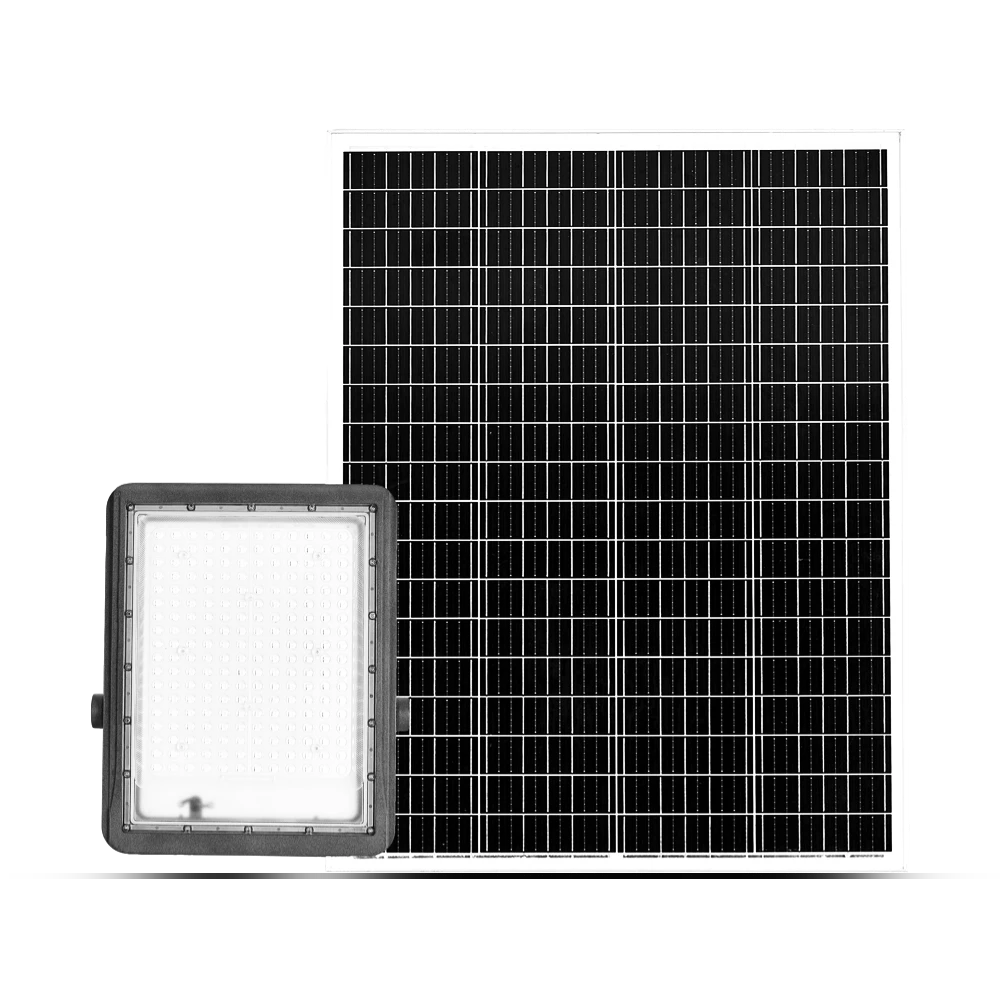
Queneng's Luxian Reliable Solar Street Light offers energy-saving LED lighting for outdoor use. This durable, solar-powered street light provides reliable illumination, reducing energy costs and environmental impact. A perfect solution for sustainable outdoor lighting.
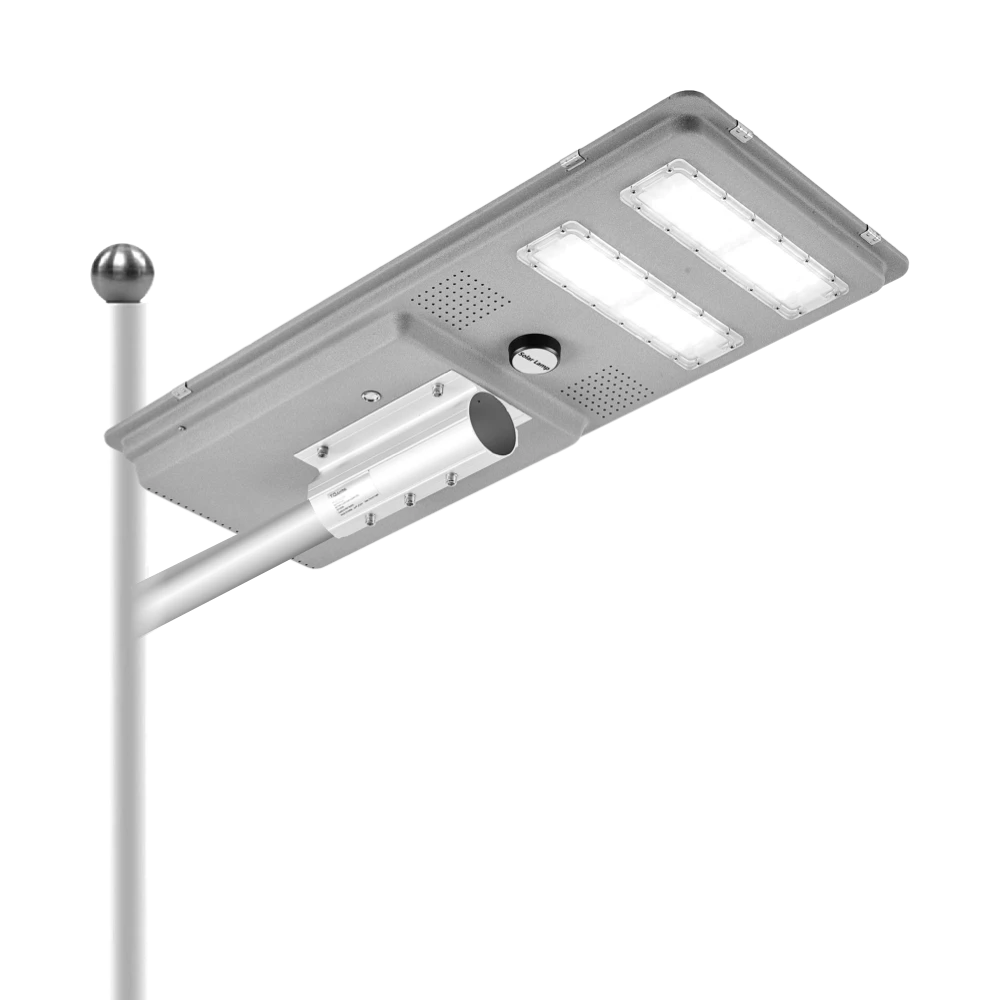
Queneng’s Solar Street Lights are designed to provide reliable, energy-efficient lighting for streets, parks, and other outdoor spaces.
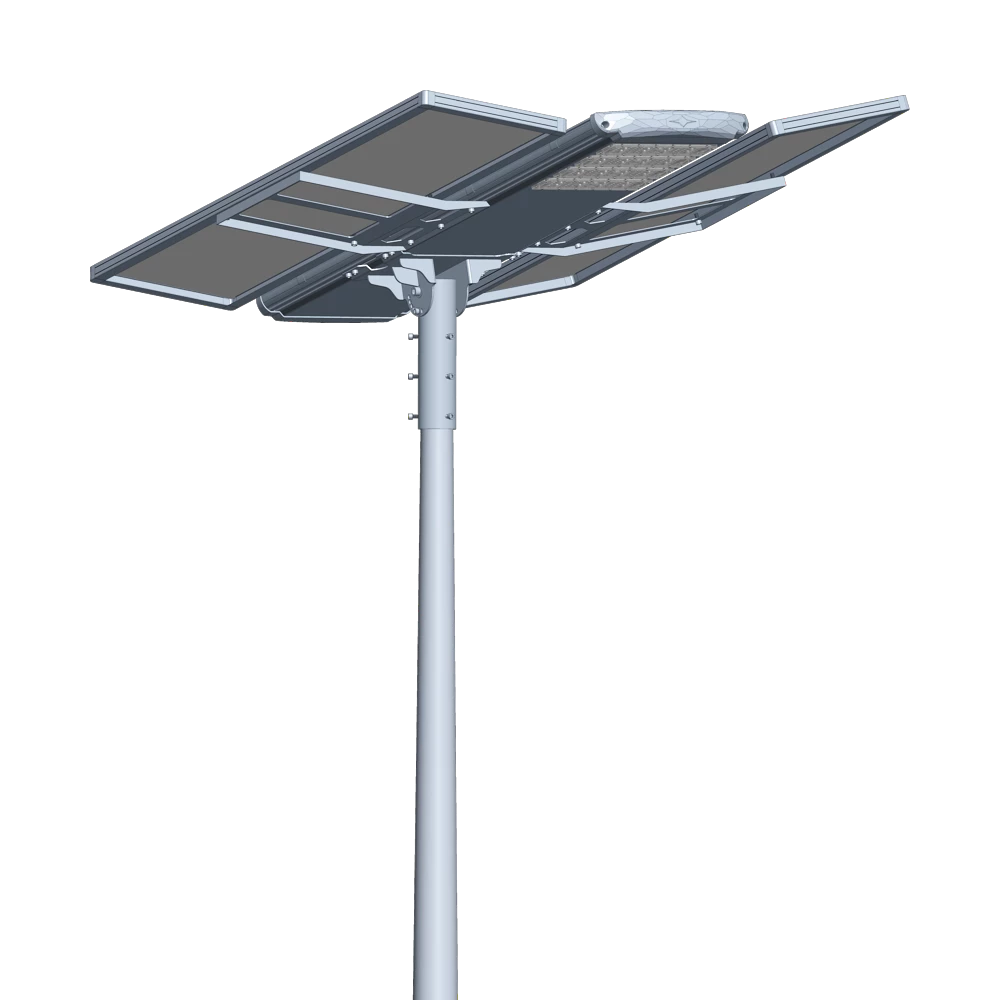
Introducing the Luqing Solar Street Light by Queneng, Efficient LED lighting powered by solar energy is perfect for illuminating outdoor areas. Harness the power of solar energy for sustainable, reliable street lighting. Ideal for eco-friendly, cost-effective outdoor illumination solutions.
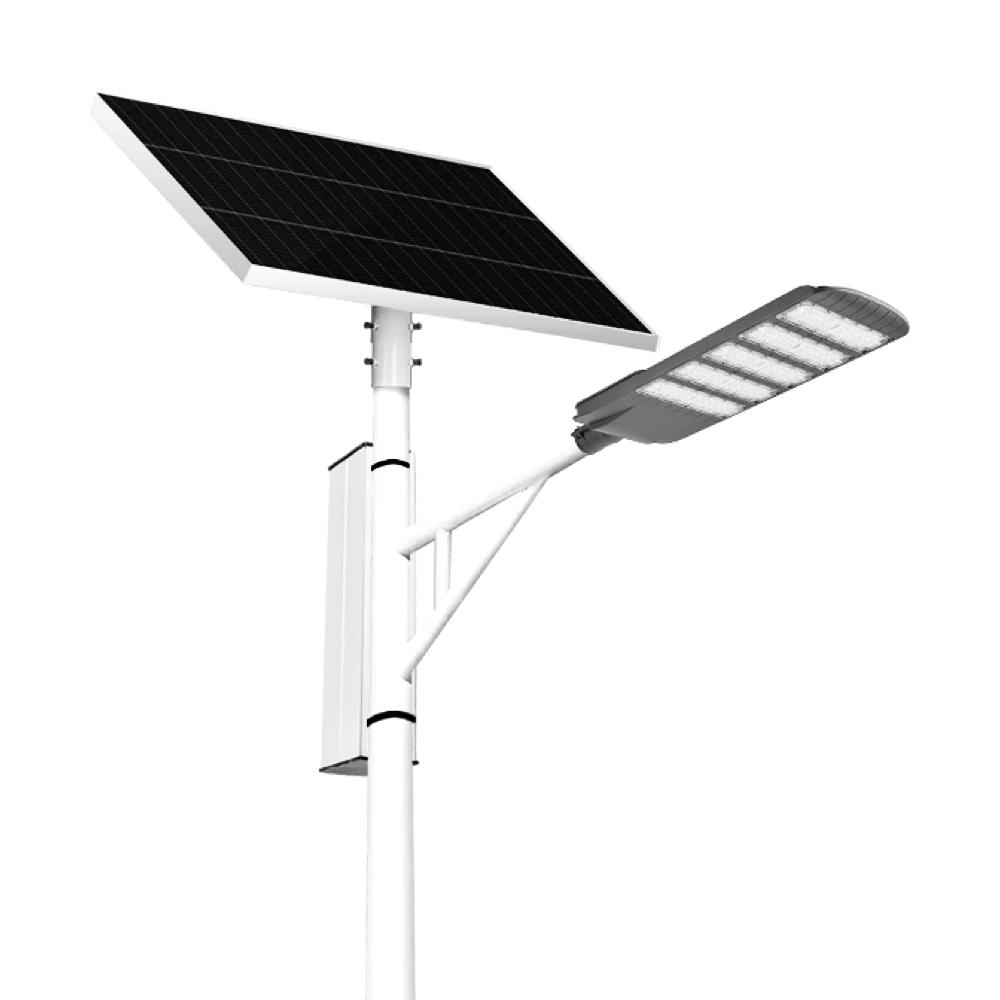
The Solar Streetlights of Luhao for Municipalities are designed to deliver reliable, energy-efficient, and cost-effective public lighting solutions. Equipped with advanced LED technology, durable lithium batteries, and high-efficiency solar panels, these streetlights provide consistent illumination for roads, parks, residential areas, and government projects.
If you would like more information about Queneng solar lighting solutions, please send us a message by filling out the form below. Our professional team will get back to you within 24 hours!
Rest assured that your privacy is important to us, and all information provided will be handled with the utmost confidentiality.
Schedule a Meeting
Book a date and time that is convenient for you and conduct the session in advance.
Have more questions about our products or services?
The messenger of light & power conversion
Environmental protection and intelligent manufacturing are our brand philosophy, and quality assurance and the best user experience are our eternal promises to users.
CONTACT
No.9F, Building F, Cao San Xin Tian Hong Logistics Park, Guzhen Town, Zhongshan City, Guangdong Province, China.
or write [email protected]
WhatsApp: +86 136 2270 1011


