
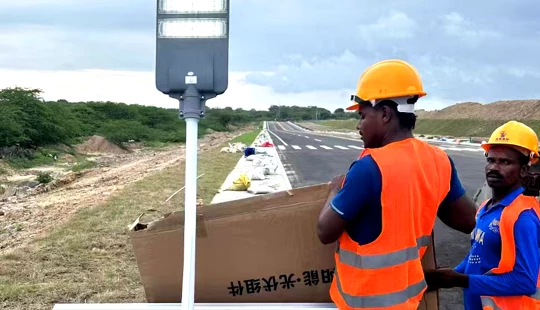
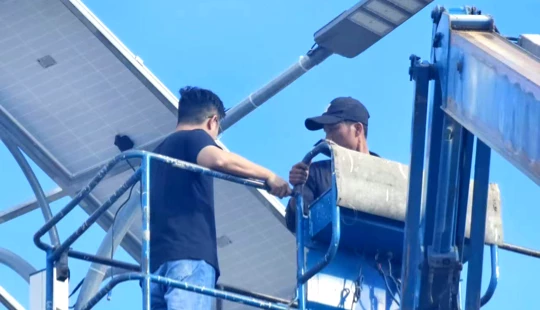













What maintenance is required for solar-powered street lights in coastal regions?,
Unlocking Value: Your Guide to Solar Street Light Costs, Manufacturers, and Coastal Maintenance
Solar street lights are revolutionizing urban and rural illumination, offering sustainable, cost-effective, and reliable lighting solutions. For purchasers, understanding the nuances of cost, manufacturer quality, and specific maintenance requirements—especially in challenging environments like coastal regions—is crucial. This article aims to equip you with the professional knowledge needed to make informed decisions.
What are the main cost components of a solar street light, and how much do they typically cost?
The cost of a solar street light is influenced by several key components, and prices can vary widely based on specifications, quality, and brand. Generally, a good quality solar street light (30W-60W LED output) might range from $300 to $1,500 USD per unit, excluding the pole and installation. Higher wattage systems (e.g., 100W-150W LED) designed for broader area illumination or longer autonomy can range from $1,500 to $3,500+ USD.
Key cost components include:
- LED Fixture: The wattage, lumen output, and efficiency of the LED array.
- Solar Panel: Power output (watts), efficiency, and physical size. Monocrystalline panels are generally more efficient but pricier than polycrystalline.
- Battery: Capacity (Ah or Wh) and type. Lithium Iron Phosphate (LiFePO4) batteries are preferred for their longer lifespan (5-10 years) and better performance in varying temperatures compared to lead-acid batteries, which are cheaper but less durable.
- Charge Controller: Manages battery charging and discharging, protecting the battery. MPPT controllers are more efficient than PWM but cost more.
- Pole: Material (galvanized steel, aluminum), height, and wind load rating.
- Mounting Hardware & Enclosures: Quality of materials for durability and weather resistance.
- Smart Features: PIR motion sensors, dimming capabilities, IoT connectivity, and remote monitoring systems can add to the cost.
While the initial investment might seem higher than traditional lights, the absence of trenching, cabling, and monthly electricity bills often leads to a Return on Investment (ROI) within 3-5 years for many projects.
How does one choose a reliable solar street light manufacturer?
Selecting the right manufacturer is paramount to the success and longevity of your solar lighting project. Here are critical factors to consider:
- Certifications: Look for manufacturers with international quality management certifications like ISO 9001. Product-specific certifications such as CE, RoHS, FCC, and IP (Ingress Protection) ratings (e.g., IP65/IP67) for dust and water resistance are essential.
- R&D and Innovation: A manufacturer committed to research and development often offers cutting-edge technology, better efficiency, and customized solutions.
- Production Quality Control: Inquire about their manufacturing processes, testing procedures (e.g., aging tests, vibration tests, salt spray tests), and quality assurance checks at each stage.
- Experience and Track Record: A long-standing history and a portfolio of successful projects (especially in environments similar to yours) demonstrate reliability. Request case studies or client references.
- Warranty and After-Sales Support: A reputable manufacturer will offer substantial warranties on key components: typically 5 years for LED fixtures, solar panels, and LiFePO4 batteries, and 2-3 years for controllers. Excellent customer service and technical support are vital for troubleshooting and maintenance.
- Customization Capabilities: The ability to tailor products to specific project requirements (e.g., lumen output, battery autonomy, pole height, aesthetic design) is a significant advantage.
What maintenance is required for solar-powered street lights in coastal regions?
Coastal regions present unique challenges for solar street lights due to salt spray, high humidity, strong winds, and potential for corrosive environments. Specialized maintenance is crucial to ensure optimal performance and extend lifespan:
- Regular Cleaning of Solar Panels: Salt residue and bird droppings can accumulate quickly, forming a film that significantly reduces solar panel efficiency. Clean panels monthly to quarterly with fresh water and a soft brush or cloth to remove salt, dust, and grime. Avoid abrasive cleaners.
- Corrosion Inspection and Prevention: Salt is highly corrosive. Inspect poles, fixtures, and mounting hardware quarterly for signs of rust or degradation. Ensure all components are made from corrosion-resistant materials (e.g., marine-grade aluminum, hot-dip galvanized steel, stainless steel fittings) or have durable anti-corrosion coatings (e.g., high-quality powder coating). Reapply protective coatings as needed.
- Structural Integrity Check: High winds are common in coastal areas. Inspect pole stability, mounting brackets, and all fastenings bi-annually or after major storm events. Ensure bolts are tight and there are no signs of fatigue or damage to the pole or light fixture. Poles should be rated for local wind loads.
- Electrical Connections Inspection: High humidity can lead to moisture ingress and corrosion of electrical connections. Inspect wiring, connectors, and control boxes annually for signs of corrosion or loose connections. Ensure all enclosures are IP65/IP67 rated and properly sealed.
- Battery Health Check: While LiFePO4 batteries are more robust, extreme temperatures and humidity can still impact their performance. Monitor battery voltage and discharge cycles if remote monitoring is available. For systems without remote monitoring, consider an annual inspection by a qualified technician to check battery terminals for corrosion and overall health.
- Light Fixture Inspection: Check the LED lens for any cracks or yellowing, which can reduce light output. Ensure the fixture is securely attached and properly aligned.
How long do solar street lights last, and what is their ROI?
The lifespan of a solar street light system is determined by its individual components:
- LED Fixture: High-quality LEDs can last 50,000 to 100,000 hours, translating to 10-20 years of typical night-time operation.
- Solar Panel: With proper maintenance, solar panels typically have a lifespan of 20-25 years, with minimal degradation in power output over time (e.g., 0.5% - 1% per year).
- Battery: This is often the component with the shortest lifespan. LiFePO4 batteries are standard for quality systems and offer 2,000 to 5,000 charge cycles, which translates to 5-10 years depending on usage patterns and environmental conditions. Lead-acid batteries have a shorter lifespan (2-4 years).
- Charge Controller: Generally lasts 5-10 years, sometimes longer, depending on quality and environmental factors.
As mentioned earlier, the Return on Investment (ROI) for solar street lights typically ranges from 3-5 years. This rapid ROI is primarily driven by:
- Elimination of Electricity Bills: No grid connection means zero operational energy costs.
- Reduced Installation Costs: No trenching, cabling, or substation upgrades are required, significantly lowering initial civil works expenses.
- Lower Maintenance: While some cleaning is required, the overall maintenance is often less complex than grid-tied systems.
- Eligibility for Incentives: Some regions offer government subsidies or tax incentives for renewable energy projects.
Are there different types of solar street lights, and which one is best for my needs?
Yes, solar street lights primarily come in two main configurations, each with its advantages:
- All-in-One (Integrated) Solar Street Lights:
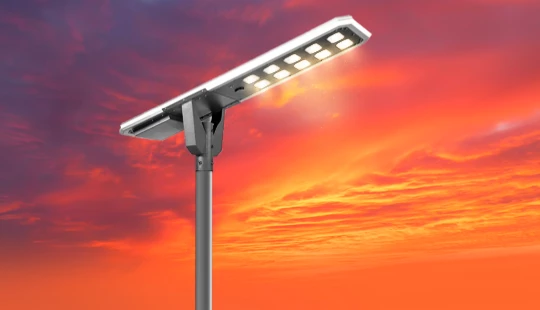
- Description: All components (solar panel, LED light, battery, controller) are integrated into a single compact unit, usually mounted directly on the pole.
- Pros: Easier and quicker installation, streamlined aesthetic, lower shipping costs.
- Cons: Limited flexibility in panel orientation, generally lower power output (suitable for paths, smaller streets, parking lots). Battery replacement can sometimes be more complex due to integration.
- Best for: Projects where ease of installation, aesthetics, and moderate lighting levels are priorities.
- Split-Type (Separated) Solar Street Lights:
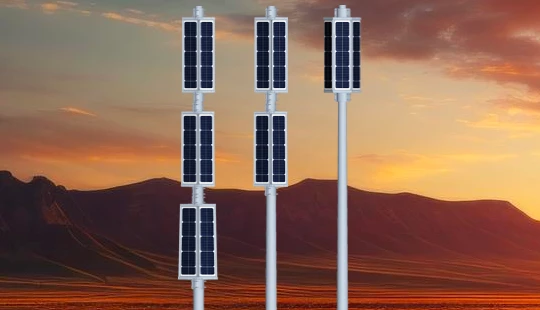
- Description: The solar panel, battery, and light fixture are separate components. The solar panel is typically mounted higher or separately for optimal sun exposure, and the battery is often housed in a box near the base of the pole or directly under the panel.
- Pros: Greater flexibility in panel positioning for maximum solar harvest, allows for larger solar panels and battery capacities, suitable for higher power requirements (major roads, highways, large areas). Easier component replacement.
- Cons: More complex installation (more wiring, separate mounting), higher initial installation cost, less streamlined appearance.
- Best for: Projects requiring higher lumen output, longer autonomy, or where optimal solar panel orientation is crucial due to site-specific conditions.
Choosing the best type depends on your specific needs:
- For residential streets, pathways, or parking lots with moderate light needs: All-in-one systems are often sufficient and more cost-effective.
- For highways, main roads, large public spaces, or areas with specific solar irradiation challenges: Split-type systems offer the necessary power, flexibility, and performance.
- Consider: Required brightness (lumens), desired battery backup duration (autonomy days), local sun exposure, budget, and aesthetic preferences.
What warranties should I look for when purchasing from a manufacturer?
Robust warranties are a hallmark of a reliable solar street light manufacturer and protect your investment. When evaluating manufacturers, scrutinize their warranty terms for key components:
- LED Fixture: Look for a minimum of 5 years. This covers the LED chips and driver.
- Solar Panel: Standard industry warranty for power output is 20-25 years (80% efficiency), and a 5-10 year product warranty (against manufacturing defects).
- Battery (LiFePO4): A crucial component. Aim for a 5-year warranty or a guarantee based on a specific number of charge cycles (e.g., 2,000 cycles at 80% DoD).
- Charge Controller: Typically 2-3 years.
- Pole & Structure: Can vary, but a 10-15 year warranty against structural defects and corrosion (for treated poles) is desirable.
Ensure the warranty clearly defines what is covered, the process for making a claim, and whether it includes shipping costs for replacements. A manufacturer's confidence in their product quality is directly reflected in the length and comprehensiveness of their warranties.
Quenenglighting Advantage:
Quenenglighting stands as a premier manufacturer of solar street lights, distinguished by its unwavering commitment to quality, innovation, and customer satisfaction. We leverage cutting-edge LiFePO4 battery technology, highly efficient solar panels, and robust, corrosion-resistant materials to ensure exceptional performance and longevity, even in the most demanding coastal environments. Our ISO-certified production processes, extensive R&D capabilities, and comprehensive warranty programs (including 5-year warranties on key components) provide unparalleled reliability and peace of mind. With Quenenglighting, you invest in superior illumination, significant ROI, and a sustainable future supported by expert guidance and tailored lighting solutions.

Have more questions about our products or services?
The latest hot news you might like

Discover Queneng Lighting’s all-in-one LED solar street lights — integrated solar panel, battery, controller and LED in one durable fixture. Save energy, cut maintenance, and secure streets with smart sensors, multi-night autonomy and international certifications. Contact sales for quotes and support.

Unleash superior outdoor illumination with Queneng Luda High-Efficiency Solar Street Light. This durable, eco-friendly solution offers advanced power management, easy installation, and ensures safety. Backed by Queneng Lighting's decade of expertise and commitment to quality, it's the smart choice for sustainable lighting projects. Learn why we're a leading solar solutions provider.

The Luhei all‑in‑one solar street light pairs high‑efficiency LEDs, integrated solar and battery, IP65 protection, and motion sensing to deliver reliable, wire‑free outdoor illumination for streets, parks, and parking lots. Backed by Queneng Lighting’s certifications and support.

FAQ
Battery and Analysis
What are the possible reasons why the battery or battery pack cannot be charged?
2) The battery pack is connected incorrectly, and the internal electronic components and protection circuits are abnormal;
3) The charging equipment is faulty and there is no output current;
4) External factors cause charging efficiency to be too low (such as extremely low or high temperature).
Battery Performance and Testing
What is a 24-hour self-discharge test?
What is a temperature cycling experiment?
1) The battery is changed from normal temperature to 66±3℃ and 15±5% for 1 hour.
2) Place it for 1 hour at a temperature of 33±3℃ and a humidity of 90±5℃.
3) Change the condition to -40±3℃ and leave it for 1 hour
4) Leave the battery at 25℃ for 0.5 hours
These 4 steps complete a cycle. After these 27 cycle experiments, the battery should have no leakage, alkali creep, rust or other abnormal conditions.
Battery Types and Applications
What is a fuel cell? How to classify?
The most common classification method is according to the type of electrolyte. Based on this, fuel cells can be divided into alkaline fuel cells, which generally use potassium hydroxide as the electrolyte; phosphoric acid fuel cells, which use concentrated phosphoric acid as the electrolyte; proton exchange membrane fuel cells, which use concentrated phosphoric acid as the electrolyte. A fully fluorinated or partially fluorinated sulfonic acid proton exchange membrane is used as the electrolyte; a molten carbonate fuel cell uses molten lithium-potassium carbonate or lithium-sodium carbonate as an electrolyte; a solid oxide fuel cell, Solid oxides are used as oxygen ion conductors, such as yttria-stabilized zirconium oxide films as electrolytes. Batteries are sometimes classified according to battery temperature and are divided into low-temperature fuel cells (operating temperature below 100°C), including alkaline fuel cells and proton exchange membrane fuel cells; medium-temperature fuel cells (operating temperature between 100-300°C), including Bacon-type alkaline fuel cells and phosphoric acid-type fuel cells; high-temperature fuel cells (operating temperature between 600-1000°C), including molten carbonate fuel cells and solid oxide fuel cells.
What devices are best used with rechargeable batteries?
Solar Street Light Luxian
How do Luxian solar street lights contribute to reducing carbon emissions?
By using solar power as their energy source, Luxian solar street lights reduce reliance on fossil fuels for electricity generation. This contributes to lower carbon emissions, helping mitigate climate change and promoting environmental sustainability. Their energy efficiency further reduces the overall carbon footprint of lighting systems.
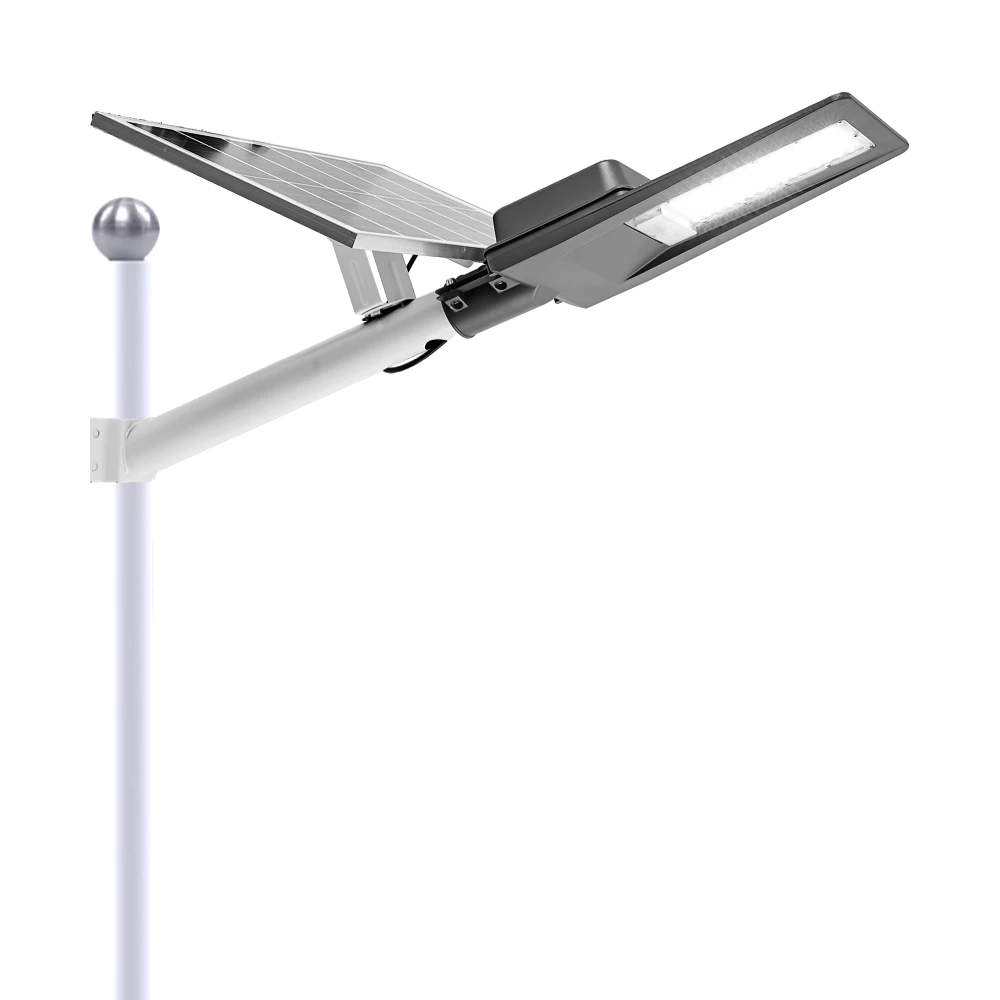
Experience reliable outdoor illumination with our smart solar street light, a perfect combination of advanced technology and eco-conscious design.
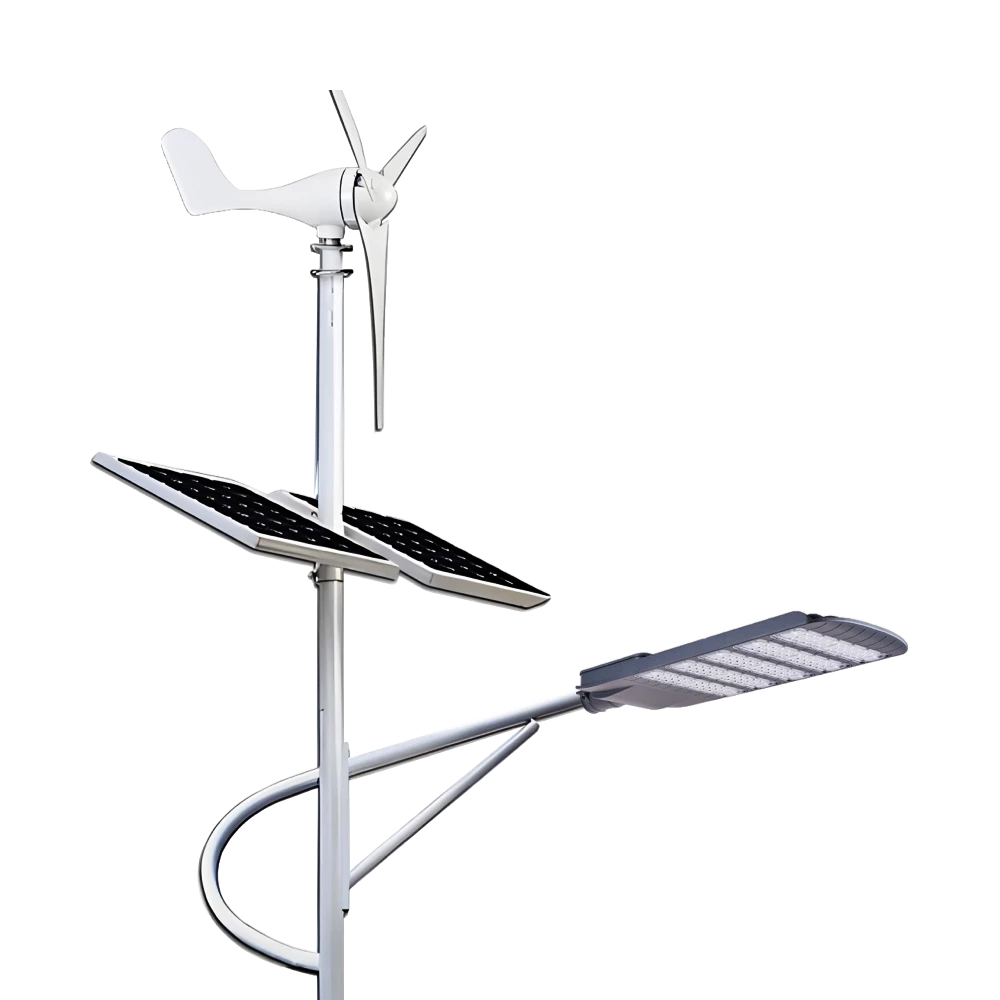
Queneng Lufeng Wind Energy LED Outdoor Solar Street Lights offer high-performance, eco-friendly illumination. These energy-efficient LED street lights harness solar power and wind energy for sustainable, cost-effective outdoor lighting solutions.
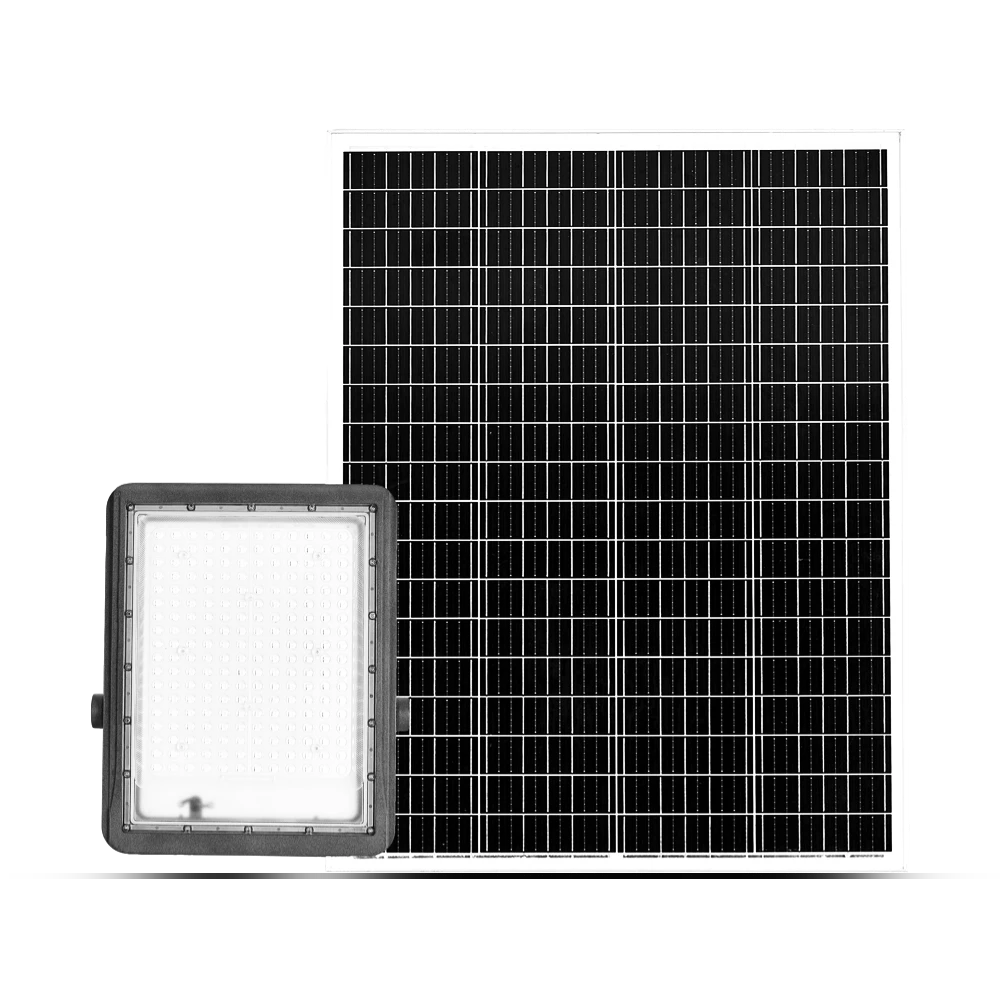
Queneng's Luxian Reliable Solar Street Light offers energy-saving LED lighting for outdoor use. This durable, solar-powered street light provides reliable illumination, reducing energy costs and environmental impact. A perfect solution for sustainable outdoor lighting.
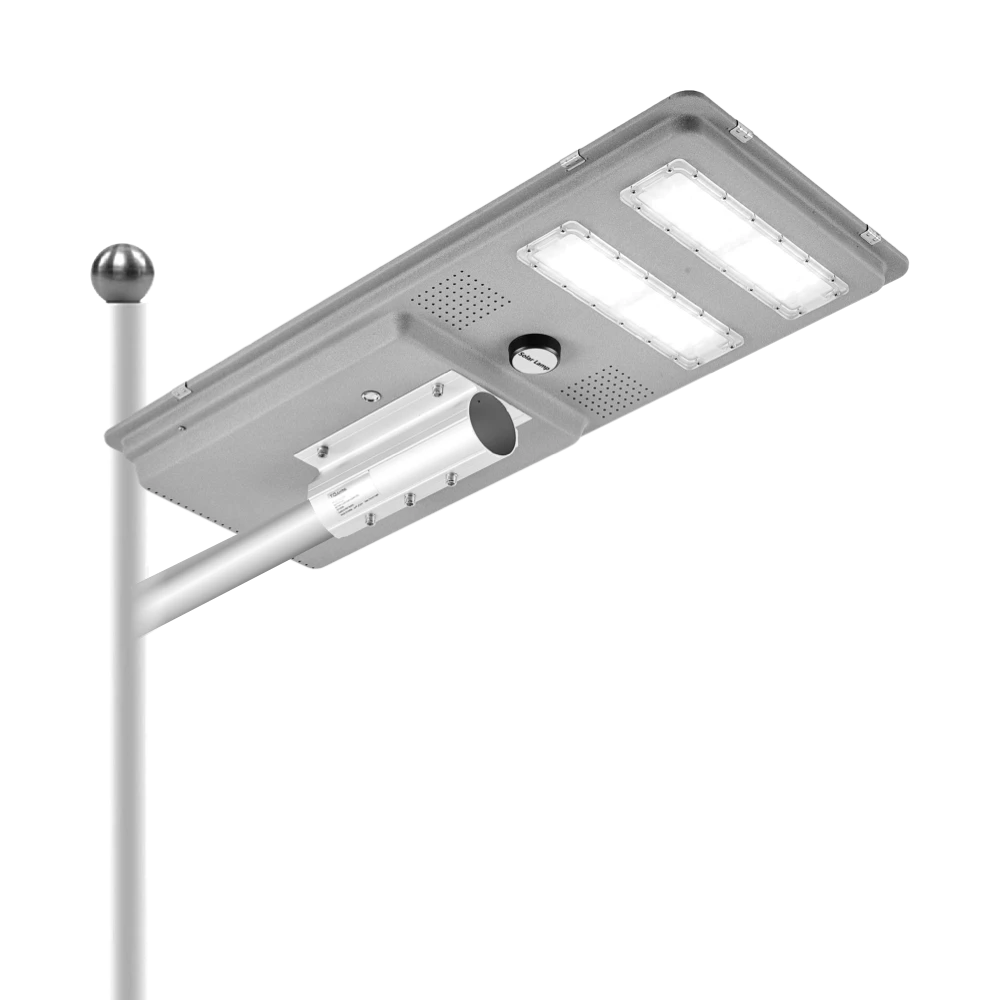
Queneng’s Solar Street Lights are designed to provide reliable, energy-efficient lighting for streets, parks, and other outdoor spaces.
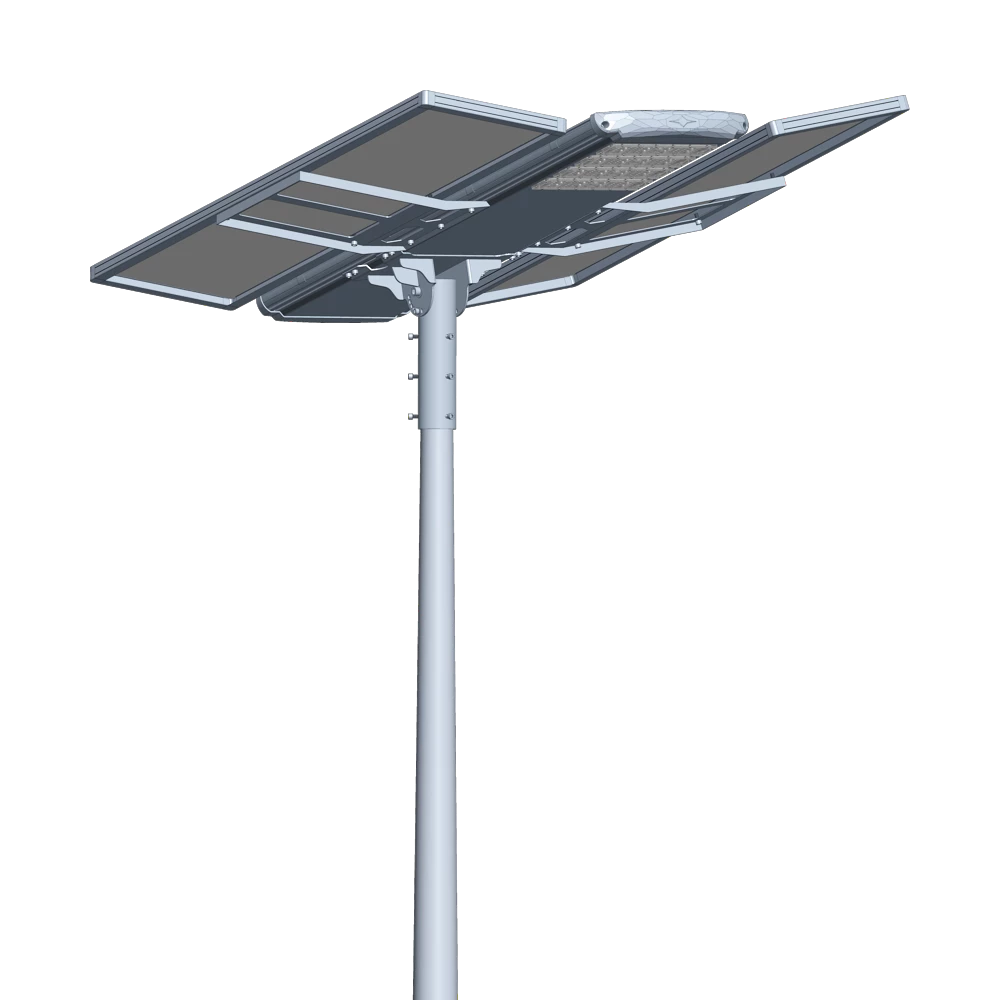
Introducing the Luqing Solar Street Light by Queneng, Efficient LED lighting powered by solar energy is perfect for illuminating outdoor areas. Harness the power of solar energy for sustainable, reliable street lighting. Ideal for eco-friendly, cost-effective outdoor illumination solutions.
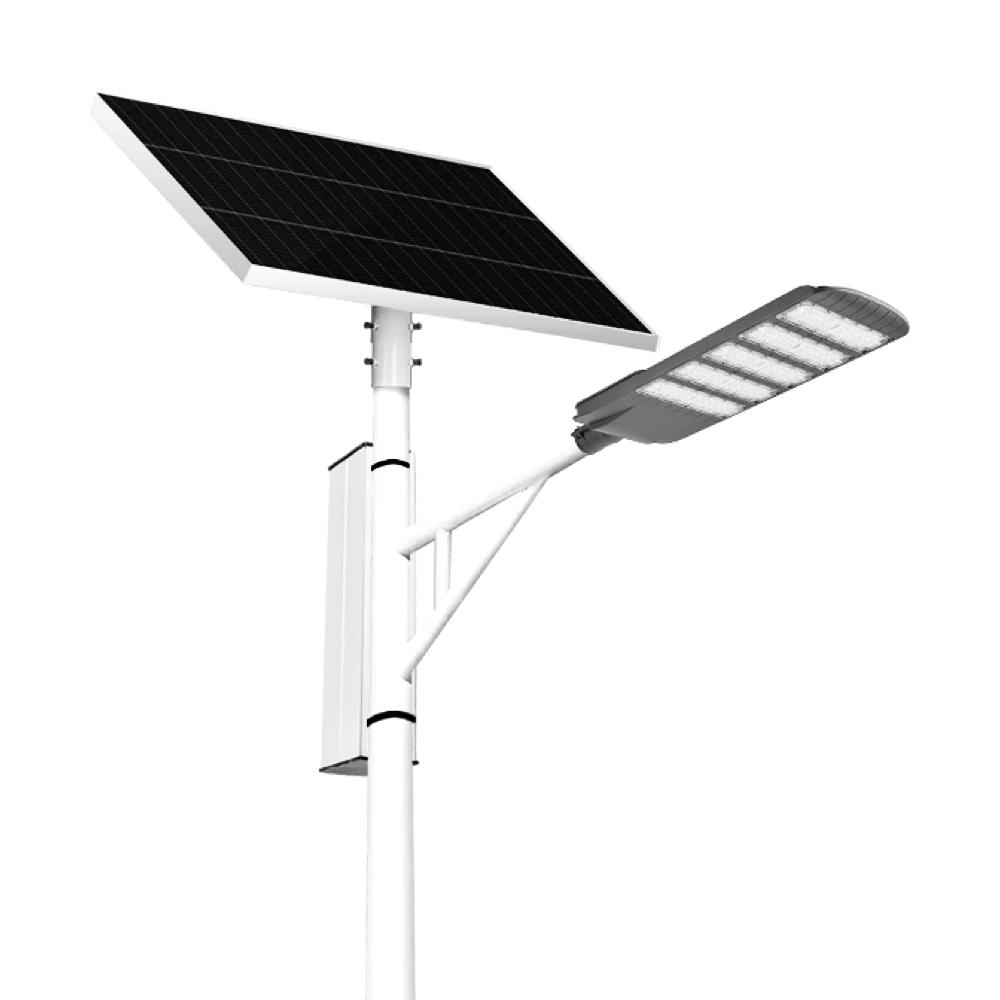
The Solar Streetlights of Luhao for Municipalities are designed to deliver reliable, energy-efficient, and cost-effective public lighting solutions. Equipped with advanced LED technology, durable lithium batteries, and high-efficiency solar panels, these streetlights provide consistent illumination for roads, parks, residential areas, and government projects.
If you would like more information about Queneng solar lighting solutions, please send us a message by filling out the form below. Our professional team will get back to you within 24 hours!
Rest assured that your privacy is important to us, and all information provided will be handled with the utmost confidentiality.
Schedule a Meeting
Book a date and time that is convenient for you and conduct the session in advance.
Have more questions about our products or services?
The messenger of light & power conversion
Environmental protection and intelligent manufacturing are our brand philosophy, and quality assurance and the best user experience are our eternal promises to users.
CONTACT
No.9F, Building F, Cao San Xin Tian Hong Logistics Park, Guzhen Town, Zhongshan City, Guangdong Province, China.
or write [email protected]
WhatsApp: +86 136 2270 1011


