














How can distributors verify high-quality solar street light manufacturers?
Navigating the Solar Street Light Market: A Distributor's Guide to Quality and Value
The global solar street light market is experiencing rapid growth, driven by increasing demand for sustainable and cost-effective outdoor lighting solutions. As a distributor, understanding the nuances of product quality, pricing, and manufacturer reliability is paramount to success. This guide aims to equip you with the professional knowledge needed to make informed purchasing decisions, ensuring you offer your clients the best in solar lighting technology.
What Determines the Cost of a Solar Street Light, and What's the Typical Price Range?
The cost of a solar street light varies significantly based on several key factors:
- Solar Panel Power (Wattage): Higher wattage panels (e.g., 30W to 200W+) for brighter lights or longer autonomy lead to higher costs. Monocrystalline panels, offering higher efficiency (typically 18-22% or more), are generally more expensive but provide better performance in smaller footprints.
- Battery Capacity and Type: Lithium Iron Phosphate (LiFePO4) batteries are now the industry standard for their longevity (2,000 to 4,000+ cycles at 80% DoD) and safety, but are costlier than older lead-acid alternatives. Capacity (Wh or Ah) directly correlates with backup power and price.
- LED Luminosity and Efficiency: The power (watts) and luminous efficacy (lumens per watt) of the LED chips (e.g., 150-180 lm/W) from reputable brands (like Philips, Cree, Osram) impact both brightness and cost.
- Charge Controller: MPPT (Maximum Power Point Tracking) controllers are more efficient (up to 95-99% efficiency) at optimizing power transfer from the solar panel to the battery compared to PWM (Pulse Width Modulation) controllers, leading to higher costs but better performance and battery life.
- Pole Material and Height: Galvanized steel or aluminum poles, especially those designed for high wind resistance and significant height (6-12 meters), contribute substantially to the overall cost due to material and shipping.
- Intelligent Features: PIR sensors, dimming, remote monitoring, and IoT connectivity add to the complexity and cost.
- IP Rating and Casing Material: High IP ratings (e.g., IP65, IP66) for dust and water resistance, often achieved with durable aluminum alloy casings, ensure longevity in harsh environments but also increase cost.
Typical Price Range:* Entry-level integrated units (15-30W LED): $150 - $400 USD (suited for pathways, small parking lots).* Mid-range commercial units (40-80W LED): $400 - $1,000 USD (suitable for general street lighting, larger areas).* High-end powerful units (100-200W+ LED): $1,000 - $3,000+ USD (for highways, large public spaces, smart city applications).These are general estimates and can vary based on region, order volume, and specific configurations.
How Do High-Quality Solar Street Lights Offer Long-Term Value Compared to Cheaper Alternatives?
Investing in high-quality solar street lights provides significant long-term value that often outweighs initial cost savings from cheaper alternatives. This value stems from:
- Extended Lifespan and Reliability: Quality components (e.g., LiFePO4 batteries with 8-10 year lifespans, LED chips with 50,000-100,000 operational hours) mean fewer replacements and consistent performance over a decade or more. Cheaper lights often use inferior batteries (e.g., lead-acid or low-grade lithium) that degrade quickly, requiring replacement within 1-3 years.
- Lower Maintenance Costs: Reputable manufacturers engineer products for durability and minimal intervention. This translates to reduced labor and material costs for repairs or component replacements over the product's lifetime. Poorly designed lights are prone to early failures, leading to costly and frequent servicing.
- Consistent Performance: High-efficiency solar panels and MPPT controllers ensure optimal energy harvesting and battery charging, even in less ideal conditions. This guarantees consistent illumination throughout the night and sufficient autonomy during cloudy days, preventing service interruptions.
- Enhanced Safety and Security: Reliable lighting contributes to public safety and security. Low-quality lights with intermittent performance can compromise these aspects.
- Better Warranty and Support: Quality products typically come with comprehensive warranties (e.g., 3-5 years for main components), providing peace of mind and demonstrating manufacturer confidence in their product.
What Are the Critical Components of a High-Quality Solar Street Light, and Why Do They Matter?
Understanding the core components is crucial for assessing quality:
- Solar Panel: Monocrystalline silicon panels are preferred for their higher efficiency (typically 18-22% or more) and compact size, crucial for integrated designs. Look for panels with a low degradation rate (e.g., 0.5% per year) to ensure consistent power output over 20-25 years.
- Battery: LiFePO4 (Lithium Iron Phosphate) batteries are paramount. They offer superior cycle life (2,000-4,000+ cycles at 80% DoD), thermal stability, and safety compared to other lithium chemistries or lead-acid. Key parameters are capacity (Wh) and C-rate.
- LED Light Source: High-efficiency LED chips (e.g., from Bridgelux, Philips, Cree, Osram) with luminous efficacy exceeding 150-180 lumens per watt are essential for bright, energy-efficient lighting. The optical lens design is also critical for uniform light distribution (e.g., Type II, Type III distributions).
- Charge Controller: An MPPT (Maximum Power Point Tracking) controller is a must. It efficiently converts the solar panel's output to charge the battery, especially in varying sunlight conditions, increasing energy harvest by 15-30% compared to PWM controllers. It also protects the battery from overcharging and deep discharge.
- Street Light Pole and Fixture Casing: The pole should be robust (e.g., galvanized steel or aluminum) with appropriate wind load ratings. The fixture casing must have a high IP rating (IP65 or IP66) to protect against dust and water ingress, typically made of die-cast aluminum for excellent heat dissipation and durability.
What Certifications and Standards Should Distributors Look for When Evaluating Solar Street Light Manufacturers?
Certifications are vital indicators of a manufacturer's commitment to quality and compliance:
- ISO 9001: Certifies a quality management system, indicating consistent production processes and quality control.
- CE (Conformité Européenne): Mandatory for products sold within the European Economic Area, signifying conformity with health, safety, and environmental protection standards.
- RoHS (Restriction of Hazardous Substances): Ensures products are free from certain hazardous materials, important for environmental and health safety.
- IP Rating (Ingress Protection): Specifies the level of protection against solids and liquids. For outdoor solar street lights, IP65 or IP66 is standard, guaranteeing protection against dust and strong water jets.
- IEC Standards (International Electrotechnical Commission): Relevant for solar panels (e.g., IEC 61215 for crystalline silicon terrestrial PV modules, IEC 61730 for PV module safety) and batteries.
- LM-79/LM-80 Reports: LM-79 specifies methods for measuring electrical and photometric properties of LED luminaires, while LM-80 measures lumen maintenance of LED packages, arrays, and modules over time. These reports from accredited labs provide objective data on light performance and longevity.
- UL Certification (Underwriters Laboratories): Particularly important for North American markets, indicating compliance with safety standards.
Beyond Certifications, What Are Other Key Indicators of a Reliable Solar Street Light Manufacturer?
While certifications are a good start, delve deeper to ensure a long-term, reliable partnership:
- R&D Capability: A manufacturer with dedicated R&D demonstrates innovation and adaptability to evolving technology. Inquire about their product development cycle, proprietary technologies, and patent portfolio.
- Manufacturing Process & Quality Control: Request information on their manufacturing facility. A transparent manufacturer will welcome factory audits, showcasing their production lines, testing equipment, and strict QC procedures at every stage, from raw materials to finished products.
- Component Sourcing: Reliable manufacturers use high-quality, branded components from established suppliers (e.g., Bridgelux/Philips/Cree for LEDs, BYD/CATL for batteries, Morningstar/EPEVER for controllers). Ask for component specifications and supplier names.
- Experience and Track Record: Look for manufacturers with a proven history in the solar lighting industry, substantial project references, and positive client testimonials.
- Customization Capabilities: A good manufacturer can often tailor solutions to specific project requirements, demonstrating flexibility and expertise.
- After-Sales Support and Technical Assistance: Evaluate their responsiveness and technical expertise for troubleshooting, spare parts, and installation guidance.
What Kind of Warranty and After-Sales Support Should Distributors Expect from a Reputable Manufacturer?
A strong warranty and comprehensive after-sales support are hallmarks of a reputable manufacturer:
- Warranty Period: Expect a minimum 3-5 year warranty for the main components (solar panel, LED fixture, battery, controller). Some manufacturers offer longer warranties (e.g., 10 years for poles or solar panels). The warranty should cover defects in materials and workmanship.
- Warranty Coverage: Clarify what specifically is covered (e.g., full replacement, repair, part replacement) and the process for making a claim.
- Technical Support: Access to knowledgeable technical staff for troubleshooting, installation guidance, and system optimization is crucial. This can include phone support, email, or even remote diagnostic tools.
- Spare Parts Availability: Ensure the manufacturer can supply spare parts for a reasonable period (e.g., 5-10 years) after the product's discontinuation to support long-term maintenance.
- Documentation and Training: Comprehensive user manuals, installation guides, and even training programs for your team can be invaluable.
- Return/Repair Policy: A clear and fair policy for returns, repairs, or replacements of faulty units.
What Are Common Misconceptions or Pitfalls to Avoid When Purchasing Solar Street Lights?
Avoid these common mistakes to ensure a successful procurement experience:
- Focusing Solely on Initial Price: The cheapest option often leads to higher total cost of ownership due to frequent failures, high maintenance, and short lifespan. Prioritize long-term value and reliability.
- Under-specifying Battery Capacity: Not accounting for sufficient autonomy days (e.g., 3-5 days without sun) or deep discharge cycles will lead to lights failing to operate during prolonged cloudy periods. Always consider local solar irradiance data.
- Ignoring IP Rating: An insufficient IP rating (below IP65 for outdoor use) will quickly lead to water and dust ingress, damaging internal components.
- Disregarding Local Climate: Extreme temperatures (hot or cold), heavy rainfall, high humidity, or strong winds require specific product designs (e.g., enhanced heat sinks, robust casings, appropriate pole strength).
- Believing All Watts are Equal: A 60W LED light from one manufacturer might perform vastly differently (in terms of lumens output or beam pattern) than another due to LED chip efficiency, driver quality, and optical design. Always ask for LM-79 reports.
- Overlooking Controller Type: PWM controllers are cheaper but less efficient than MPPT controllers, particularly for higher power systems and colder climates.
- Not Requesting Samples: For significant orders, testing a sample unit in real-world conditions is invaluable.
Why Choose Quenenglighting as Your Solar Street Light Manufacturer?
Quenenglighting stands out as a reliable partner for distributors seeking high-quality solar street lights. Our advantages include:
- Cutting-edge R&D and Innovation: We continually invest in research and development to bring advanced, efficient, and intelligent solar lighting solutions to the market, ensuring our products are at the forefront of technology.
- High Quality Component Sourcing: Quenenglighting utilizes only top-tier components from globally recognized brands for solar panels, LiFePO4 batteries, LED chips (e.g., Bridgelux), and MPPT controllers, guaranteeing superior performance and longevity.
- Rigorous Quality Control: Our manufacturing processes adhere to strict ISO 9001 quality management standards, with multi-stage inspections and comprehensive testing to ensure every product meets global benchmarks like CE, RoHS, and IP66.
- Comprehensive Customization: We offer flexible customization options to meet diverse project requirements, from specific wattage and battery capacities to advanced smart features and pole designs.
- Strong Warranty and Dedicated Support: Quenenglighting provides robust warranties (e.g., 5-year warranty on key components) backed by prompt, expert after-sales technical support, ensuring peace of mind for our distributors and their customers.
- Proven Track Record: With years of experience and successful projects worldwide, Quenenglighting has built a reputation for reliability, quality, and customer satisfaction in the solar lighting industry.
By partnering with Quenenglighting, distributors can confidently offer their clients solar street lights that deliver exceptional performance, durability, and long-term value, fostering trust and driving sustainable business growth.
References:
- LiFePO4 Battery Cycle Life: Power-Sonic Blog - How many cycles do LiFePO4 batteries last? (Accessed: May 20, 2024)
- MPPT Controller Efficiency: Victron Energy Blog - PWM and MPPT Solar Charge Controllers (Accessed: May 20, 2024)
- LED Luminous Efficacy: Energy.gov - Lumen Maintenance and LEDs (Accessed: May 20, 2024)
- Solar Panel Efficiency Trends: NREL - Best Research-cell Efficiencies Chart (Accessed: May 20, 2024)
- Industry Market Research (General): Grand View Research - Solar Street Lighting Market Analysis (Accessed: May 20, 2024)

Have more questions about our products or services?
The latest hot news you might like

Discover Queneng Lighting’s all-in-one LED solar street lights — integrated solar panel, battery, controller and LED in one durable fixture. Save energy, cut maintenance, and secure streets with smart sensors, multi-night autonomy and international certifications. Contact sales for quotes and support.

Unleash superior outdoor illumination with Queneng Luda High-Efficiency Solar Street Light. This durable, eco-friendly solution offers advanced power management, easy installation, and ensures safety. Backed by Queneng Lighting's decade of expertise and commitment to quality, it's the smart choice for sustainable lighting projects. Learn why we're a leading solar solutions provider.

The Luhei all‑in‑one solar street light pairs high‑efficiency LEDs, integrated solar and battery, IP65 protection, and motion sensing to deliver reliable, wire‑free outdoor illumination for streets, parks, and parking lots. Backed by Queneng Lighting’s certifications and support.

FAQ
Solar Street Light Luhui
Do Luhui solar street lights have a battery backup for cloudy days?
Yes, each Luhui solar street light includes a rechargeable battery that stores solar energy during the day to power the light at night, ensuring continuous operation even on c
Commercial and Industrial Parks
Can your solar lights operate in extreme weather conditions?
Yes, our lights are designed to withstand harsh environments, including heavy rain, high winds, and extreme temperatures.
Transportation and Highways
Is there a monitoring system for real-time performance tracking?
Yes, our solar lighting systems are equipped with IoT-enabled controllers that allow remote monitoring and performance tracking via a cloud-based platform.
Battery and Analysis
What is overcharging and what effect does it have on battery performance?
Positive electrode: 4OH- - 4e → 2H2O + O2↑;①
Negative electrode: 2H2 + O2 → 2H2O②
Since the negative electrode capacity is higher than the positive electrode capacity during design, the oxygen generated by the positive electrode passes through the separator paper and combines with the hydrogen generated by the negative electrode. Therefore, under normal circumstances, the internal pressure of the battery will not increase significantly. However, if the charging current is too large, Or if the charging time is too long, the generated oxygen will not be consumed in time, which may cause the internal pressure to rise, battery deformation, leakage and other adverse phenomena. At the same time, its electrical properties will also be significantly reduced.
Solar Street Light Lufeng
What type of LED technology does Lufeng solar street lights use?
Lufeng solar street lights use advanced LED technology, which provides bright, high-quality illumination while consuming less power compared to traditional street lights. LEDs are more energy-efficient, have a longer lifespan, and require less maintenance, making them ideal for outdoor lighting applications.
Solar Street Light Luan
How bright are Luan solar street lights compared to traditional street lights?
Luan solar street lights offer brightness comparable to or greater than traditional street lights, using far less energy. The LEDs are designed to provide high-quality, focused illumination, enhancing visibility and safety in outdoor areas while saving energy.
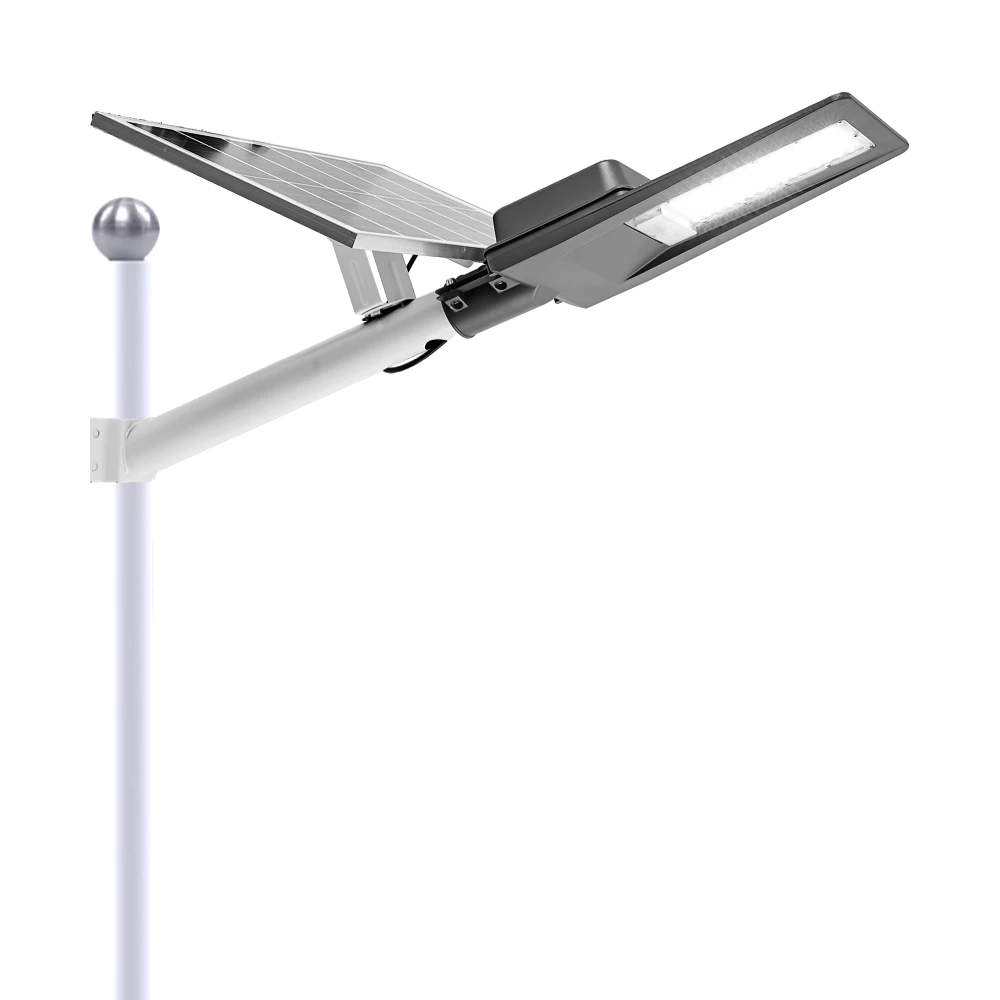
Experience reliable outdoor illumination with our smart solar street light, a perfect combination of advanced technology and eco-conscious design.
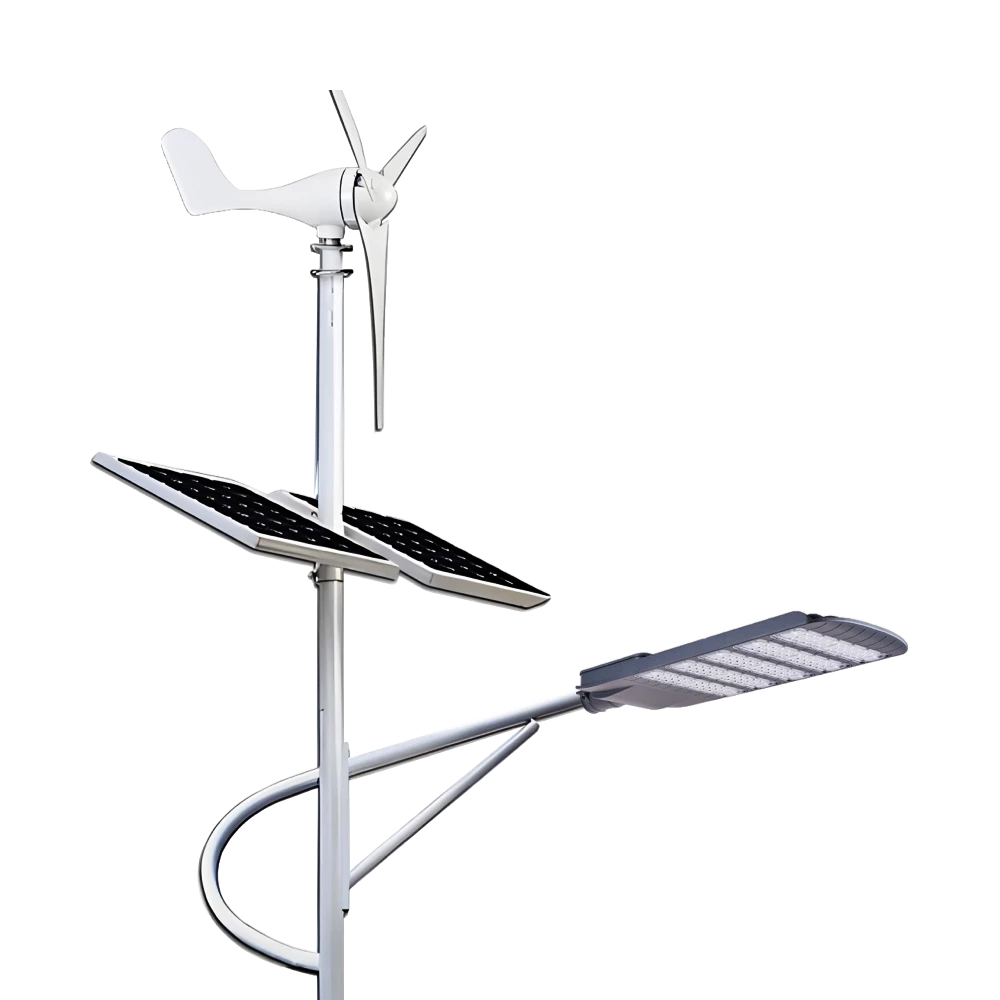
Queneng Lufeng Wind Energy LED Outdoor Solar Street Lights offer high-performance, eco-friendly illumination. These energy-efficient LED street lights harness solar power and wind energy for sustainable, cost-effective outdoor lighting solutions.
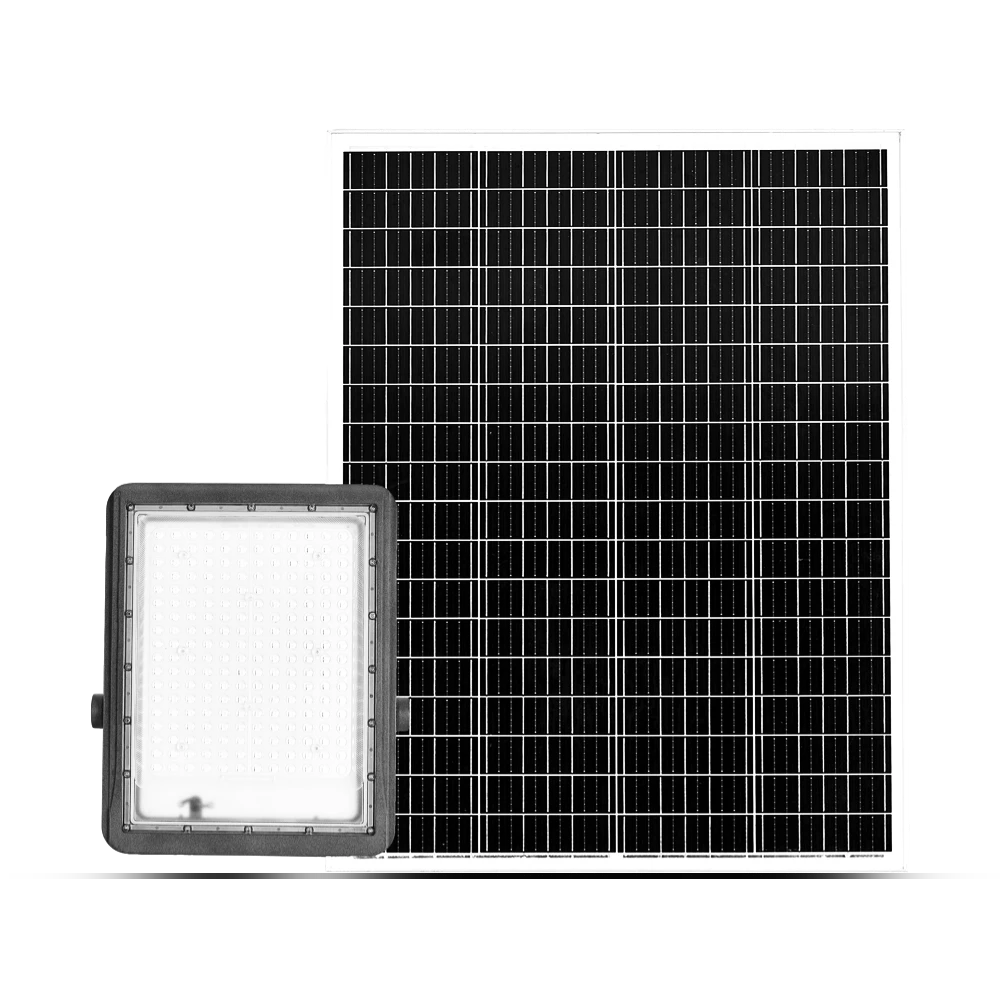
Queneng's Luxian Reliable Solar Street Light offers energy-saving LED lighting for outdoor use. This durable, solar-powered street light provides reliable illumination, reducing energy costs and environmental impact. A perfect solution for sustainable outdoor lighting.
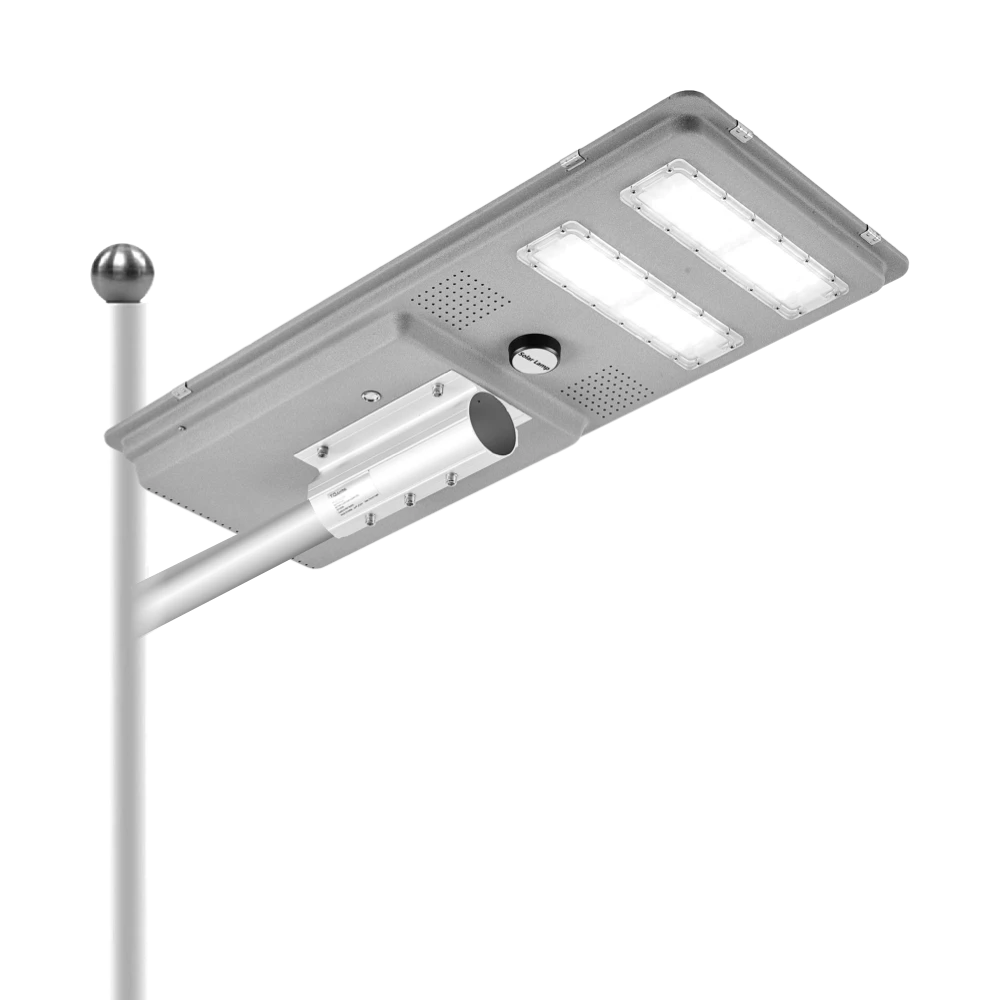
Queneng’s Solar Street Lights are designed to provide reliable, energy-efficient lighting for streets, parks, and other outdoor spaces.
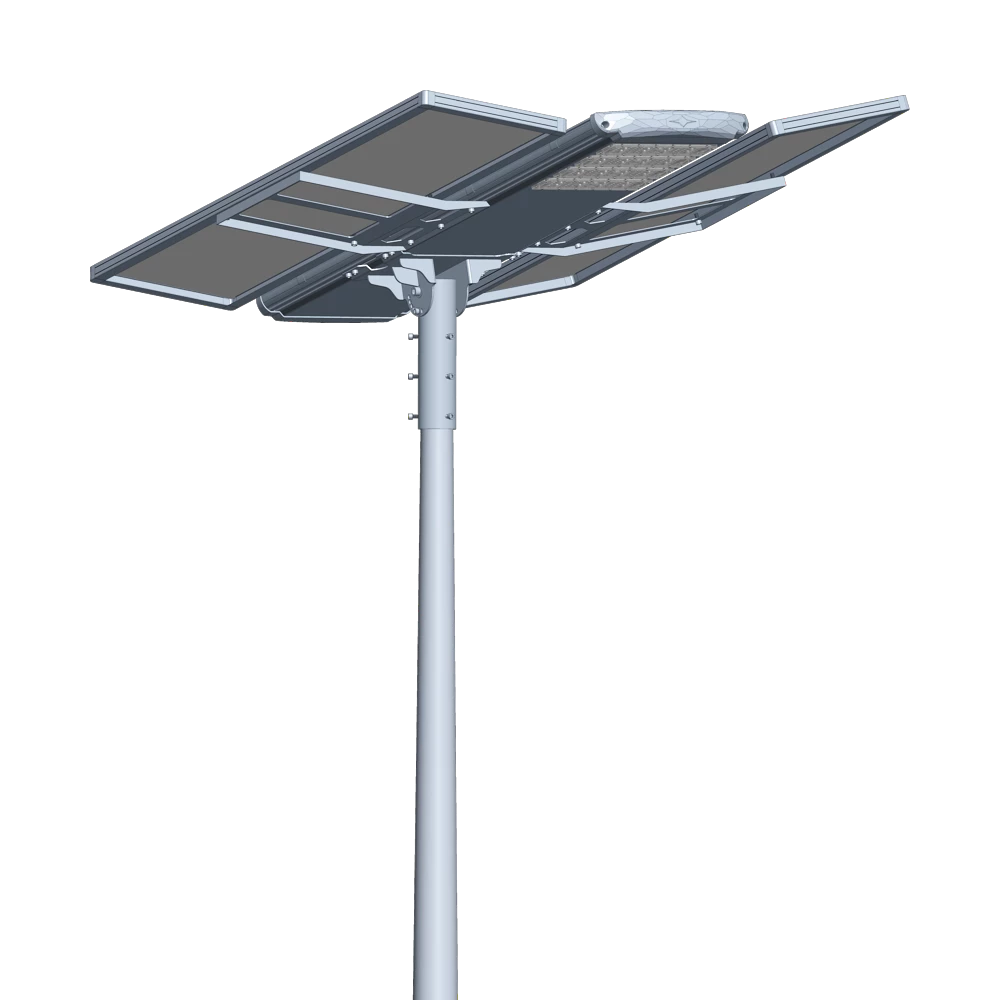
Introducing the Luqing Solar Street Light by Queneng, Efficient LED lighting powered by solar energy is perfect for illuminating outdoor areas. Harness the power of solar energy for sustainable, reliable street lighting. Ideal for eco-friendly, cost-effective outdoor illumination solutions.
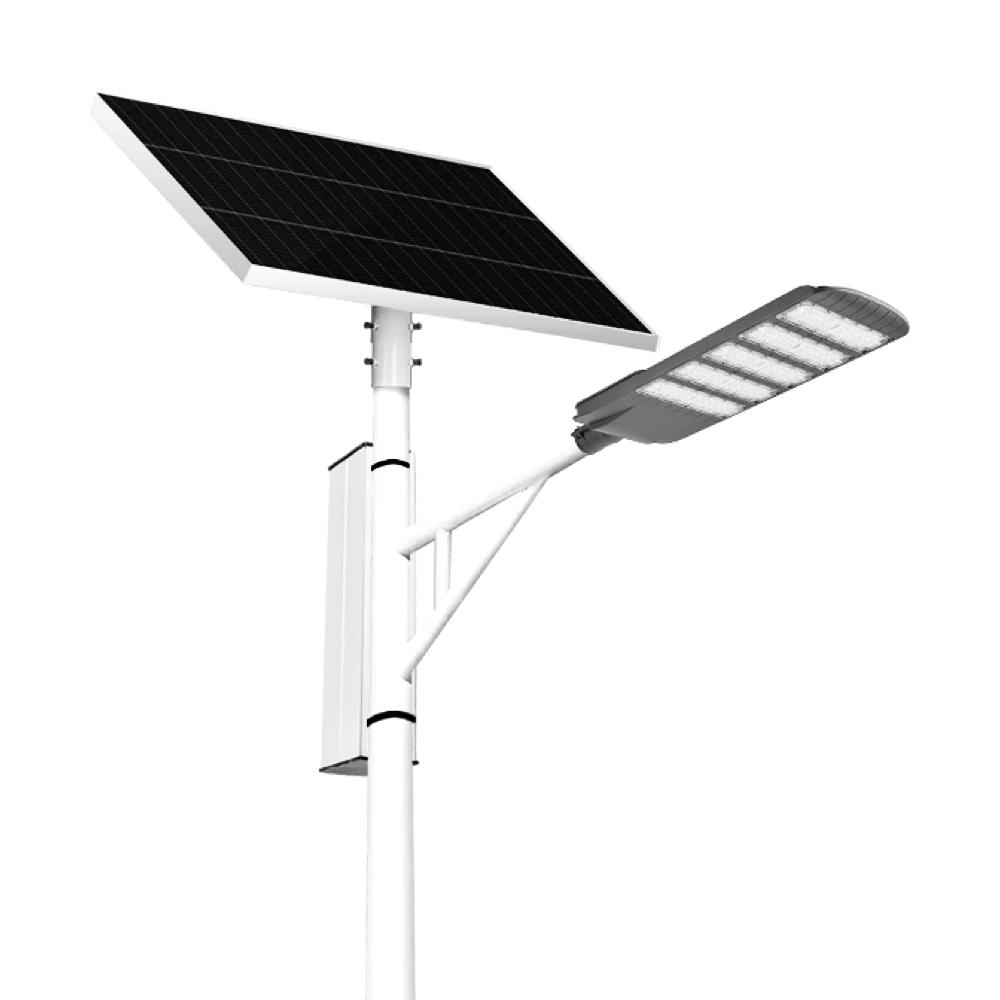
The Solar Streetlights of Luhao for Municipalities are designed to deliver reliable, energy-efficient, and cost-effective public lighting solutions. Equipped with advanced LED technology, durable lithium batteries, and high-efficiency solar panels, these streetlights provide consistent illumination for roads, parks, residential areas, and government projects.
If you would like more information about Queneng solar lighting solutions, please send us a message by filling out the form below. Our professional team will get back to you within 24 hours!
Rest assured that your privacy is important to us, and all information provided will be handled with the utmost confidentiality.
Schedule a Meeting
Book a date and time that is convenient for you and conduct the session in advance.
Have more questions about our products or services?
The messenger of light & power conversion
Environmental protection and intelligent manufacturing are our brand philosophy, and quality assurance and the best user experience are our eternal promises to users.
CONTACT
No.9F, Building F, Cao San Xin Tian Hong Logistics Park, Guzhen Town, Zhongshan City, Guangdong Province, China.
or write [email protected]
WhatsApp: +86 136 2270 1011


