

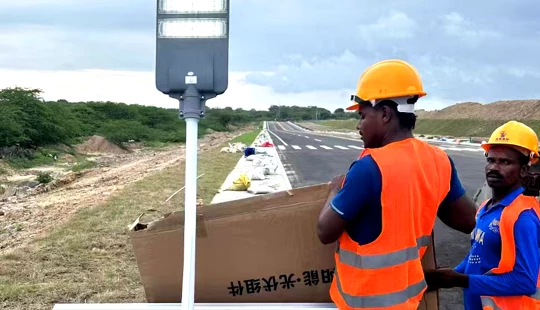
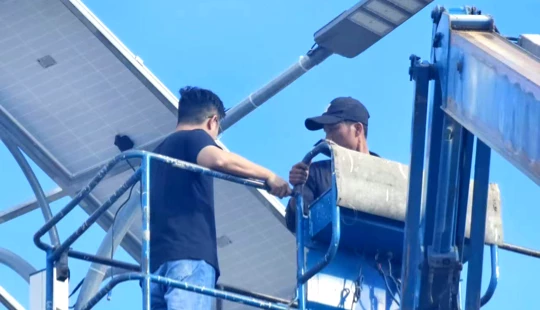













What makes a trusted solar street light project partner?
Navigating the World of Solar Street Lights: Costs, Choices, and Trusted Partnerships
As the demand for sustainable and energy-efficient infrastructure grows, solar street lights have emerged as a leading solution for illuminating public spaces, roads, and commercial areas. For professionals involved in procurement and project management, understanding the nuances of these systems—from cost drivers to technological specifics and partner selection—is crucial. This guide provides an in-depth look at what makes a successful solar street light project, focusing particularly on the specialized needs of those considering split solar street light solutions.
1. Understanding the Cost of Solar Street Lights: What Drives the Price?
The cost of solar street light systems can vary significantly, ranging from a few hundred to several thousand US dollars per unit. This broad spectrum is influenced by several critical factors:
- LED Wattage and Lumens: Higher brightness (lumens) and wattage for the LED fixture generally mean a higher price. Common wattages range from 20W to 120W or more for industrial applications.
- Battery Capacity and Type: The battery is often the most expensive component. Lithium Iron Phosphate (LiFePO4) batteries are preferred for their longevity (5-10 years) and safety, but come at a higher cost than older lead-acid options. Capacity (Ah) determines backup autonomy.
- Solar Panel Efficiency and Size: Monocrystalline silicon panels (18-22% efficiency) are more efficient and compact, often costing more than polycrystalline panels. Larger panels are needed for higher wattage LEDs and longer autonomy.
- Pole Material and Height: The pole's height (typically 6-12 meters), material (galvanized steel, aluminum), and design (tapered, straight, decorative) significantly impact the overall cost.
- Charge Controller: MPPT (Maximum Power Point Tracking) controllers are more efficient than PWM (Pulse Width Modulation) controllers, leading to better battery charging and thus a higher price.
- Smart Features: Integration of IoT, motion sensors, adaptive dimming, remote monitoring, and smart city connectivity adds to the cost but enhances functionality and energy savings.
- Brand and Warranty: Reputable manufacturers offering extensive warranties (e.g., 3-5 years for the system, 10-25 years for the panel's performance) typically command higher prices but offer greater peace of mind.
- Installation and Freight: These costs are project-specific and depend on location, complexity, and quantity.
As of late 2023 and early 2024, a commercial-grade 30W-60W LED solar street light system (excluding pole and installation) might range from $400 to $1,500, with more powerful or customized split systems potentially reaching $2,000-$3,500+ per unit.
2. All-in-One vs. Split Solar Street Lights: Choosing the Right System
When selecting solar street lights, a key decision lies between All-in-One (integrated) and Split (separated) systems. While All-in-One units offer simplicity, split systems provide critical advantages for specific project needs, especially for robust, long-lasting applications:
-
All-in-One Solar Street Lights:
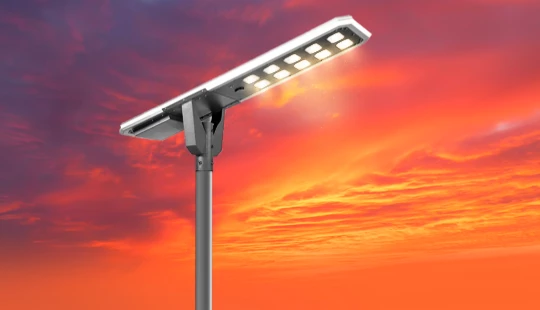
- Pros: Compact design, easier installation, lower initial labor costs, aesthetically pleasing. All components (solar panel, battery, LED, controller) are integrated into a single fixture.
- Cons: Limited flexibility in panel angle/orientation, heat dissipation can be an issue for the battery in hot climates (as it's often directly under the panel), battery size/panel size often limited by the fixture's compact design.
- Ideal for: Areas with consistent sunlight, lighter duty lighting, residential streets, small pathways where ease of installation is paramount.
-
Split Solar Street Lights (Our Focus for Professional Procurement):
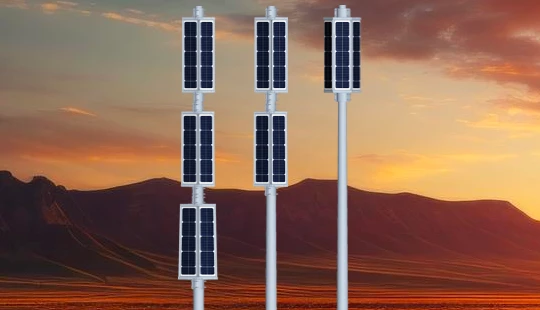
- Pros: Superior flexibility in panel positioning (can be oriented for optimal sun exposure regardless of light direction), better heat dissipation for the battery (often housed separately at the base of the pole or underground, away from direct sunlight), allows for much larger solar panels and battery capacities, making them suitable for higher power LEDs and longer autonomy. Components are easier to replace individually. Often more robust and durable for demanding environments.
- Cons: More complex installation (separate wiring for panel, battery, and lamp), higher initial installation labor costs, potentially less aesthetic due to separate components.
- Ideal for: Major roadways, highways, industrial parks, harsh climates (extreme heat or cold), applications requiring higher wattage and longer autonomy, projects where component longevity and maintenance flexibility are critical.
For professional procurement, especially in challenging environments or for projects requiring high reliability and performance, split solar street light systems often present a more resilient and adaptable solution.
3. What Makes a Trusted Solar Street Light Manufacturer and Project Partner?
Choosing the right Solar Street Light Manufacturer is paramount for project success. A trusted partner embodies several key attributes:
- R&D and Innovation: A forward-thinking manufacturer invests in research and development, offering products with the latest technologies (e.g., AI integration, advanced battery management systems).
- Manufacturing Quality: Look for ISO 9001 certification, indicating robust quality management systems throughout the production process. High-quality materials and stringent testing are non-negotiable.
- Comprehensive Product Range: A good manufacturer offers a wide array of options, including both All-in-One and customizable split systems, catering to diverse project requirements.
- Certifications and Compliance: Products should meet international standards like CE, RoHS, FCC, and have appropriate IP ratings (e.g., IP65, IP67) for water and dust resistance.
- Strong Warranty and After-Sales Support: A reliable manufacturer stands behind its products with clear, comprehensive warranties and provides readily available technical support and spare parts.
- Project Experience and Customization: Proven track record with large-scale projects and the ability to offer tailored solutions based on specific environmental conditions, lighting requirements, and budget.
- Financial Stability: A stable company ensures long-term support and honors warranties.
4. Key Components of a High-Quality Solar Street Light System
Understanding the core components helps in evaluating system quality:
- Solar Panel: High-efficiency monocrystalline silicon panels (e.g., from brands like JA Solar, Jinko Solar) are preferred for optimal energy capture.
- Battery: LiFePO4 (Lithium Iron Phosphate) batteries are the industry standard due to their long cycle life (2,000-4,000 cycles), safety, and stable performance across temperature ranges. A robust Battery Management System (BMS) is crucial for protection and optimization.
- LED Lamp: High-lumen efficacy LED chips (e.g., Philips Lumileds, Cree, Osram) with efficient heat sinks for longevity. Optical lenses should ensure uniform light distribution.
- Charge Controller: An MPPT controller is essential for maximizing solar energy harvesting and protecting the battery from overcharge/discharge.
- Pole: Hot-dip galvanized steel poles offer excellent corrosion resistance and durability.
- Cabling and Connectors: UV-resistant, waterproof cables and connectors ensure system reliability.
5. Lifespan and Maintenance: Ensuring Long-Term Performance
Investing in solar street lights is a long-term commitment. Knowing the expected lifespan and maintenance is key:
- Solar Panel: Typically 20-25 years, with performance guarantees often specifying 80% output after 20-25 years.
- LiFePO4 Battery: 5-10 years, depending on cycle depth and operating temperatures.
- LED Fixture: 50,000 to 100,000 hours, equating to 10-20+ years of typical night-time operation.
- Controller: 5-10 years.
Maintenance: Solar street lights are low-maintenance. Key tasks include periodic cleaning of solar panels (annually or semi-annually, depending on dust/dirt accumulation) to maintain efficiency, and occasional checks of connections. Batteries are generally maintenance-free but may require replacement after their cycle life is exhausted.
6. Essential Certifications and Warranties for Your Investment
To ensure quality and compliance, always check for these certifications and warranty conditions:
- Product Certifications: CE (European Conformity), RoHS (Restriction of Hazardous Substances), FCC (Federal Communications Commission) for electronics.
- Ingress Protection (IP) Rating: IP65 for dust and water jets, IP66 or IP67 for heavier dust and water immersion protection. Crucial for outdoor products.
- Quality Management: ISO 9001 for the manufacturer's quality management system.
- Environmental Management: ISO 14001 indicates environmental responsibility.
- Warranty: Look for a minimum 3-5 year warranty on the entire system, 5-10 years on LiFePO4 batteries, and 10-25 years on solar panel power output. A clear warranty claim process is vital.
7. Latest Innovations in Solar Street Lighting Technology
The solar street lighting industry is constantly evolving:
- Smart City Integration: IoT-enabled lights with remote monitoring, control, and fault reporting via cloud platforms.
- Adaptive Lighting: Motion sensors and programmable dimming profiles to adjust brightness based on real-time needs, maximizing energy savings and extending battery life.
- AI-Powered Optimization: Artificial intelligence to learn traffic patterns, weather conditions, and optimize lighting schedules and power consumption autonomously.
- Higher Efficiency Components: Improvements in solar panel efficiency, LED luminous efficacy (up to 180-200 lm/W), and battery energy density.
- Predictive Maintenance: Systems that can predict component failure and alert maintenance teams, reducing downtime.
Why Queneng Lighting Stands Out as Your Preferred Partner
As you navigate the complexities of solar street light procurement, partnering with a knowledgeable and reliable manufacturer is paramount. Queneng Lighting distinguishes itself through:
- Expertise in Split Solar Street Light Systems: We understand the unique demands of projects requiring robust, high-performance split systems, offering customized designs for optimal solar capture and battery longevity in diverse environments.
- Commitment to Quality: Our products are manufactured under strict ISO 9001 standards, utilizing High Quality components like high-efficiency monocrystalline panels and long-life LiFePO4 batteries with advanced BMS. All products carry essential international certifications including CE, RoHS, and high IP ratings.
- Advanced R&D and Innovation: Queneng Lighting continuously invests in R&D, integrating the latest technologies such as smart control systems, AI-powered optimization, and highly efficient LED optics to deliver cutting-edge solutions.
- Comprehensive Solutions and Support: From initial consultation and custom design to post-installation support and generous warranties, Queneng Lighting provides end-to-end service, ensuring your project's success and long-term satisfaction.
- Proven Project Partner: With extensive experience in various large-scale and complex solar lighting projects globally, we are a trusted partner capable of delivering reliable, tailored solutions that meet stringent professional procurement standards.
Choose Queneng Lighting for your next solar street light project and experience the difference that quality, innovation, and dedicated partnership can make.
References:
- Polaris Market Research. (2024). Solar Street Light Market Share, Size, Trends, & Growth 2033. Retrieved from https://www.polarismarketresearch.com/industry-analysis/solar-street-light-market (Accessed: April 25, 2024)
- Precedence Research. (2024). Solar Street Lighting Market Size, Share, Growth, Analysis, Forecast 2033. Retrieved from https://www.precedenceresearch.com/solar-street-lighting-market (Accessed: April 25, 2024)
- National Renewable Energy Laboratory (NREL). (Ongoing Research). Solar Cell Research & Development. Retrieved from https://www.nrel.gov/pv/pv-research. (Accessed: April 25, 2024)
- Various industry reports and manufacturers' specifications for component lifespans (General Industry Knowledge, updated with current trends as of Q2 2024).

Have more questions about our products or services?
The latest hot news you might like

Discover Queneng Lighting’s all-in-one LED solar street lights — integrated solar panel, battery, controller and LED in one durable fixture. Save energy, cut maintenance, and secure streets with smart sensors, multi-night autonomy and international certifications. Contact sales for quotes and support.

Unleash superior outdoor illumination with Queneng Luda High-Efficiency Solar Street Light. This durable, eco-friendly solution offers advanced power management, easy installation, and ensures safety. Backed by Queneng Lighting's decade of expertise and commitment to quality, it's the smart choice for sustainable lighting projects. Learn why we're a leading solar solutions provider.

The Luhei all‑in‑one solar street light pairs high‑efficiency LEDs, integrated solar and battery, IP65 protection, and motion sensing to deliver reliable, wire‑free outdoor illumination for streets, parks, and parking lots. Backed by Queneng Lighting’s certifications and support.

FAQ
APMS system
How does the APMS system enhance battery life?
With its dual-system intelligent management mode, APMS reduces frequent charge-discharge cycles, optimizes energy usage, and significantly extends battery lifespan.
Solar Street Light Luan
What is the lifespan of Luan solar street lights?
Luan solar street lights have an impressive lifespan. The LEDs can last up to 50,000 hours, and the solar panels can perform efficiently for 25 years or more. The batteries typically last 3 to 5 years, depending on usage and environmental conditions, ensuring long-term value.
Remote Areas Rural Development
What happens if a component of the solar lighting system fails?
Most systems have modular designs, so individual components like batteries or LED lights can be replaced without affecting the entire setup.
Batteries and the environment
What effect does ambient temperature have on battery performance?
Battery and Analysis
What is the operating temperature range of lithium-ion batteries?
Solar Street Light Luhui
Are Luhui solar street lights adjustable for different lighting needs?
Yes, many models feature adjustable settings, including dimming or motion sensor options, allowing you to customize the lighting based on the specific needs of the area being illuminated.
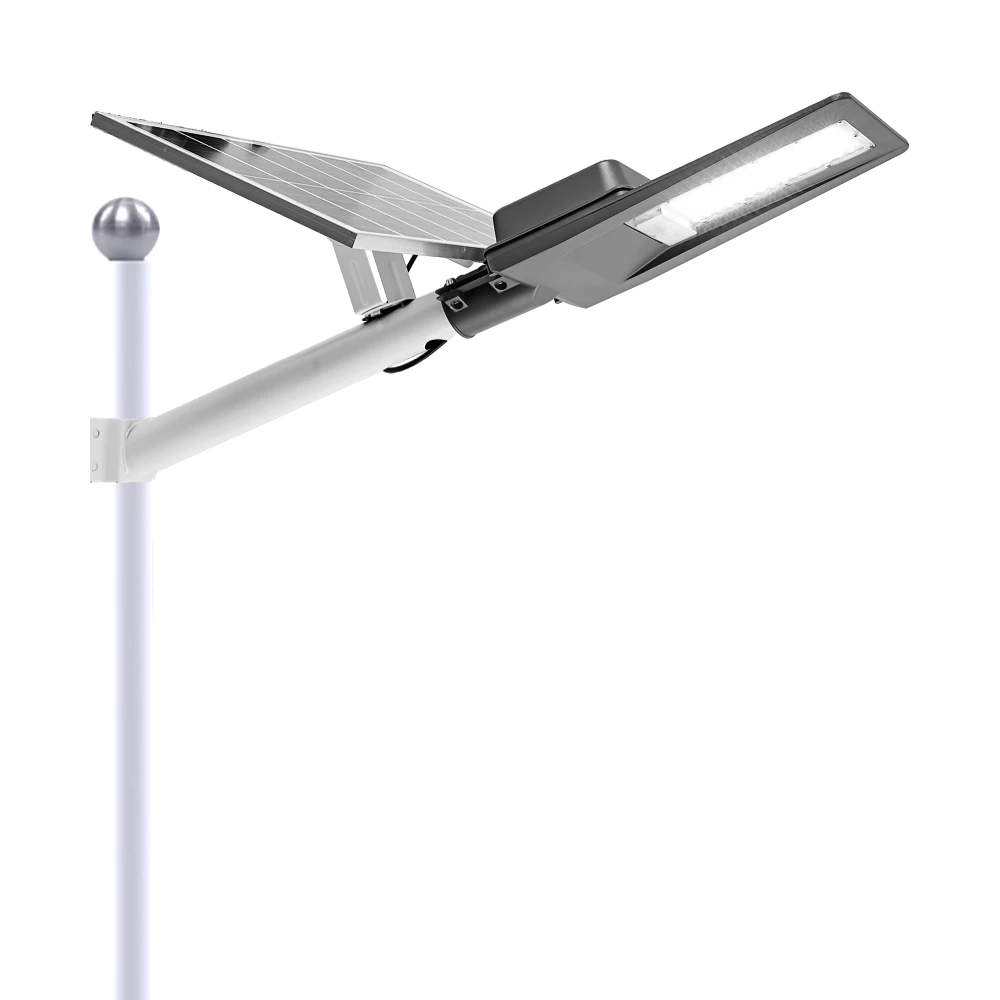
Experience reliable outdoor illumination with our smart solar street light, a perfect combination of advanced technology and eco-conscious design.
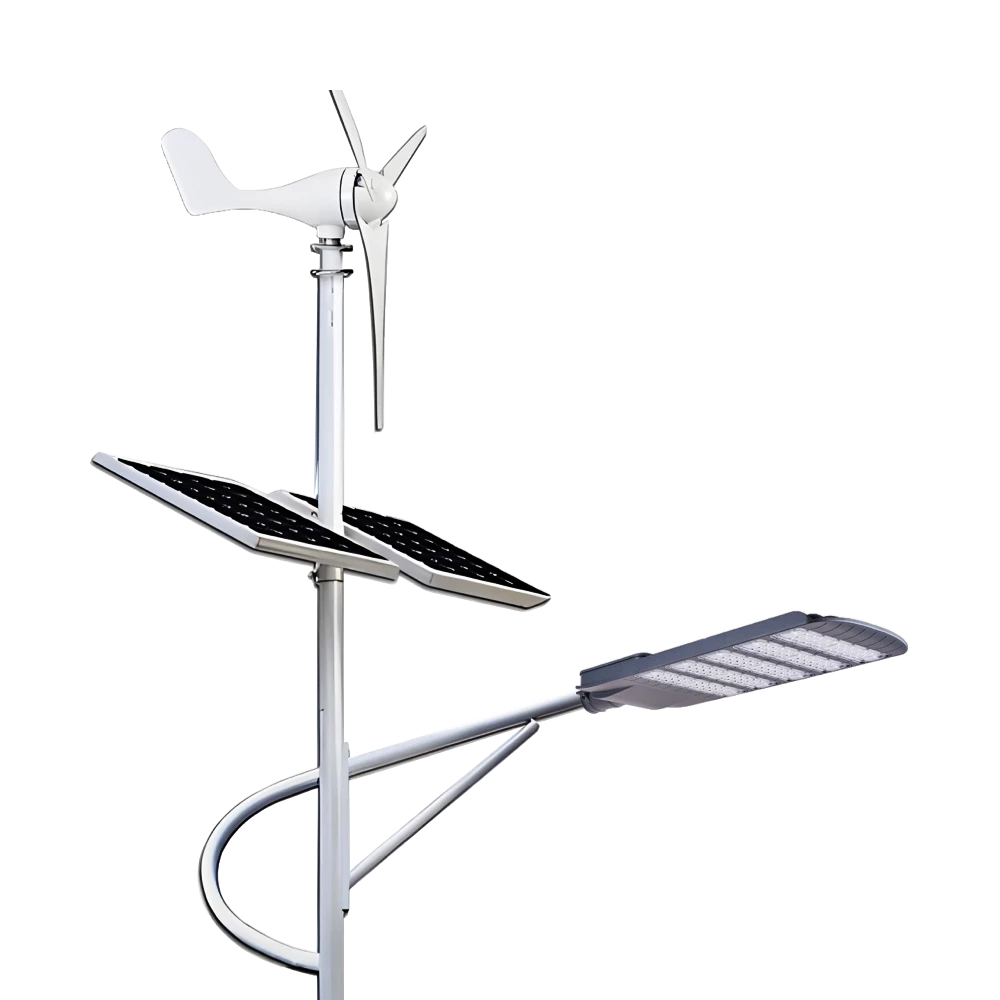
Queneng Lufeng Wind Energy LED Outdoor Solar Street Lights offer high-performance, eco-friendly illumination. These energy-efficient LED street lights harness solar power and wind energy for sustainable, cost-effective outdoor lighting solutions.
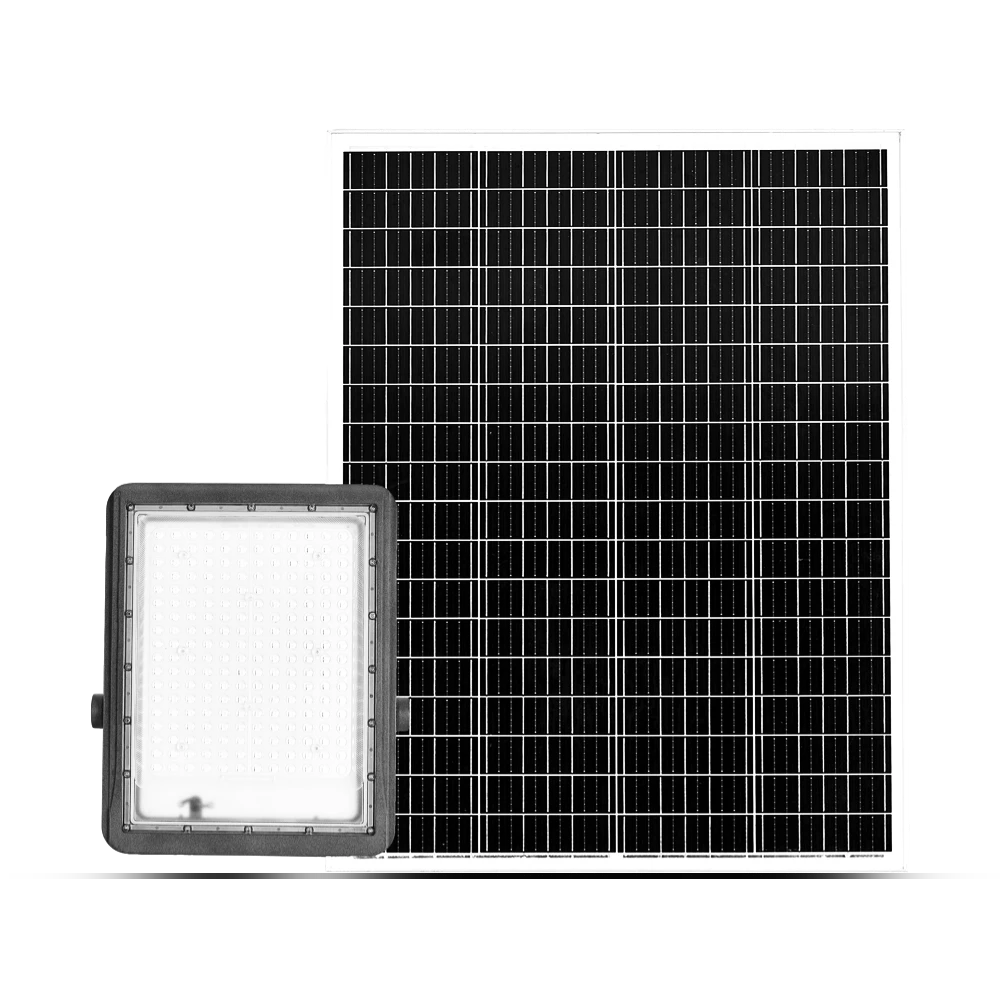
Queneng's Luxian Reliable Solar Street Light offers energy-saving LED lighting for outdoor use. This durable, solar-powered street light provides reliable illumination, reducing energy costs and environmental impact. A perfect solution for sustainable outdoor lighting.
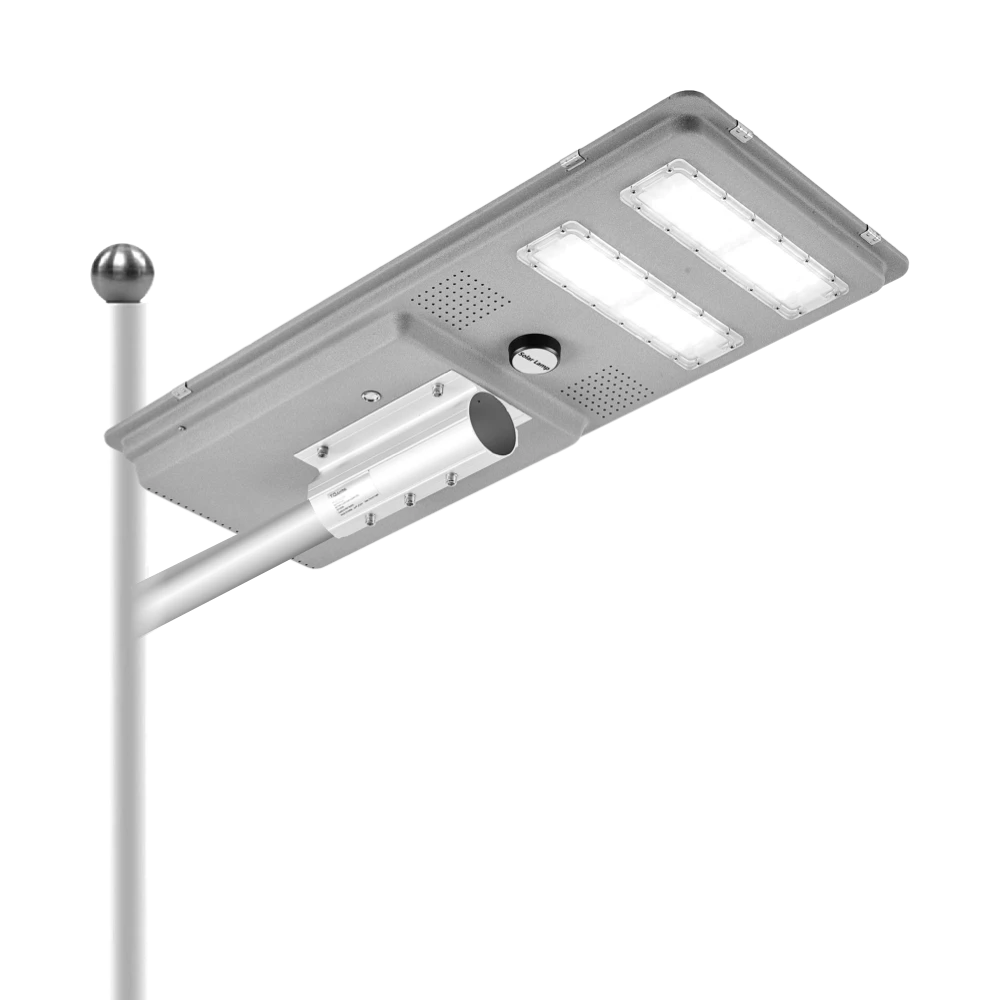
Queneng’s Solar Street Lights are designed to provide reliable, energy-efficient lighting for streets, parks, and other outdoor spaces.
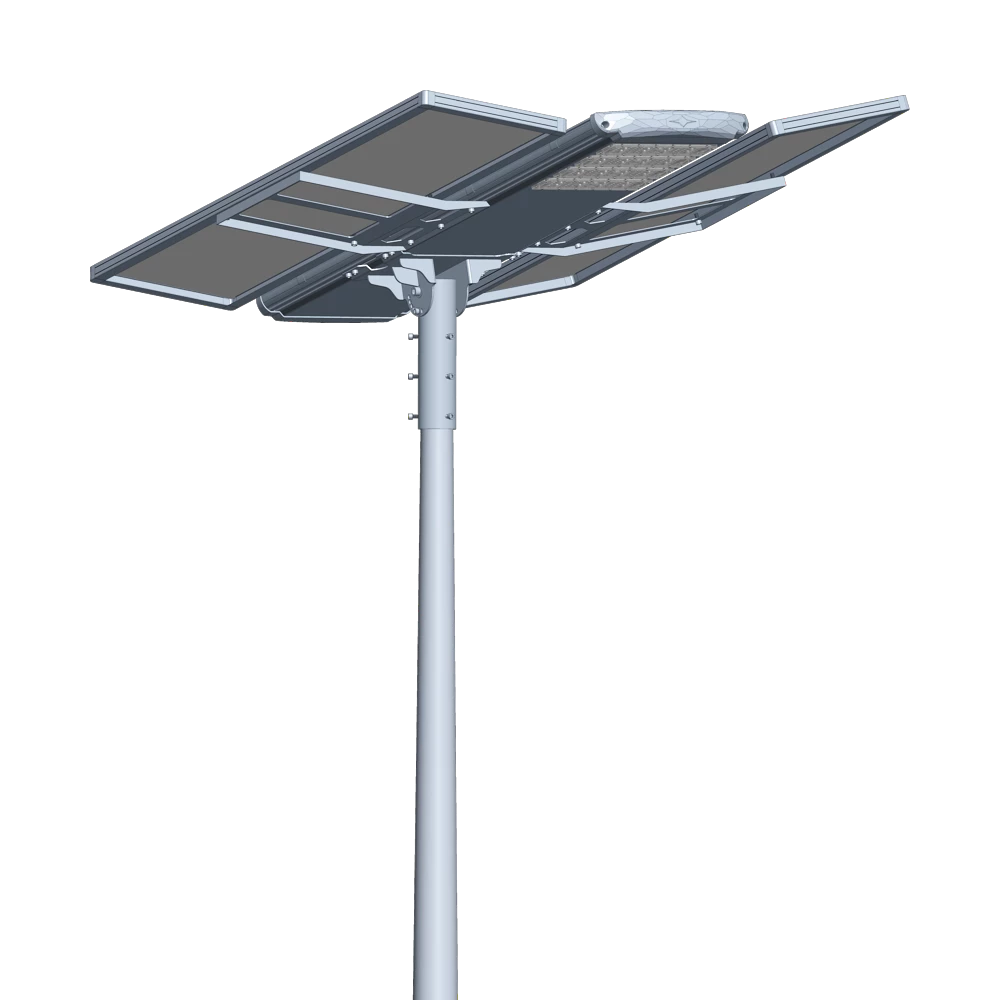
Introducing the Luqing Solar Street Light by Queneng, Efficient LED lighting powered by solar energy is perfect for illuminating outdoor areas. Harness the power of solar energy for sustainable, reliable street lighting. Ideal for eco-friendly, cost-effective outdoor illumination solutions.
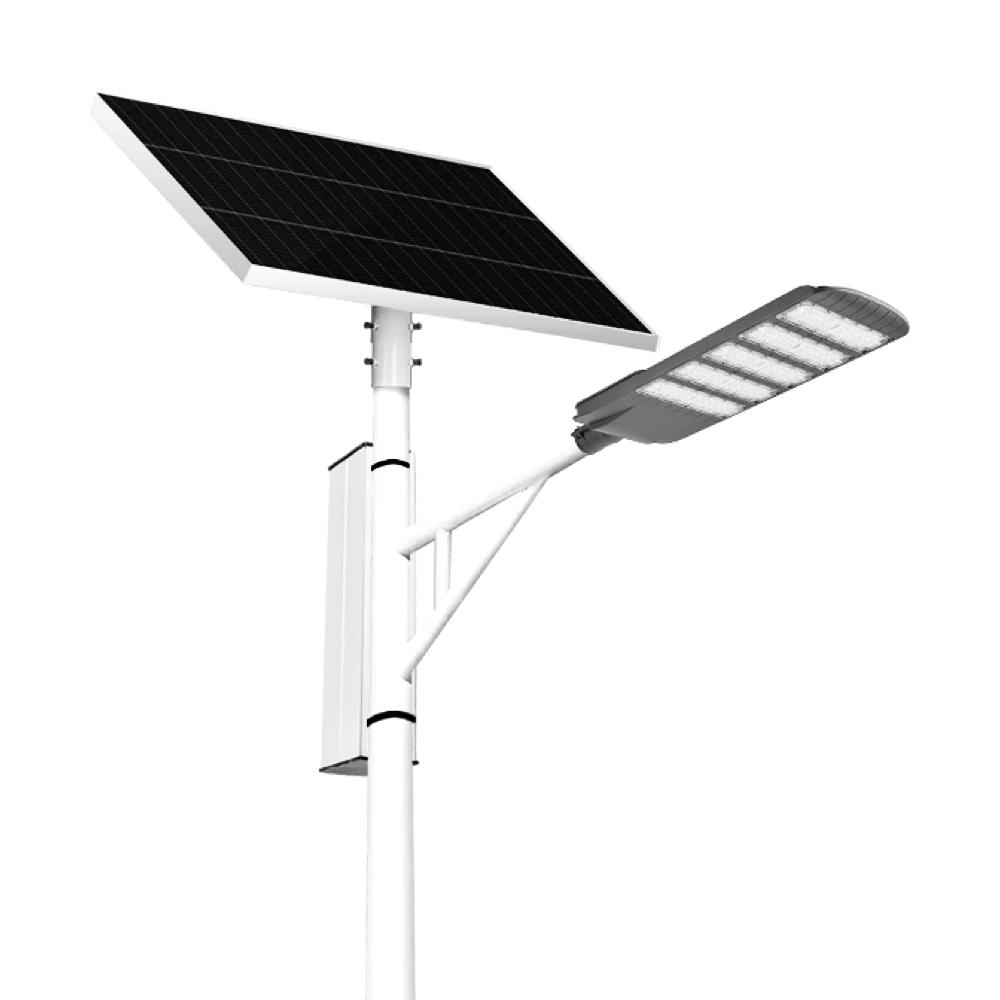
The Solar Streetlights of Luhao for Municipalities are designed to deliver reliable, energy-efficient, and cost-effective public lighting solutions. Equipped with advanced LED technology, durable lithium batteries, and high-efficiency solar panels, these streetlights provide consistent illumination for roads, parks, residential areas, and government projects.
If you would like more information about Queneng solar lighting solutions, please send us a message by filling out the form below. Our professional team will get back to you within 24 hours!
Rest assured that your privacy is important to us, and all information provided will be handled with the utmost confidentiality.
Schedule a Meeting
Book a date and time that is convenient for you and conduct the session in advance.
Have more questions about our products or services?
The messenger of light & power conversion
Environmental protection and intelligent manufacturing are our brand philosophy, and quality assurance and the best user experience are our eternal promises to users.
CONTACT
No.9F, Building F, Cao San Xin Tian Hong Logistics Park, Guzhen Town, Zhongshan City, Guangdong Province, China.
or write [email protected]
WhatsApp: +86 136 2270 1011


