

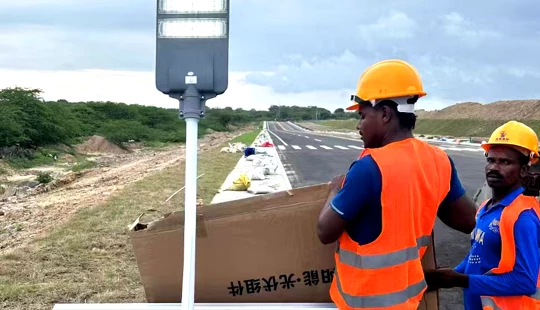
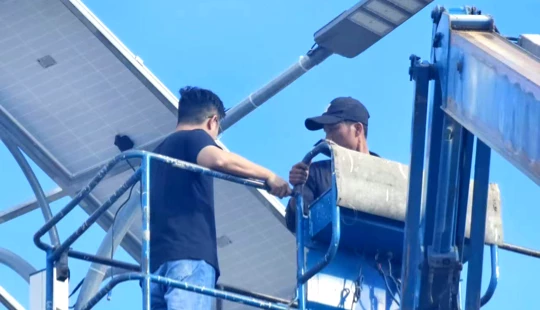













How does smart control affect solar street light pricing?
Navigating the World of Solar Street Lights: Costs, Controls, and Choosing the Right Manufacturer
The global demand for sustainable infrastructure continues to drive innovation in solar street lighting. For professional buyers and project managers, understanding the intricacies of these systems – from initial cost to long-term performance and smart features – is paramount. This article aims to demystify the purchasing process, offering insights into key factors influencing decisions when investing in solar street light solutions.
What is the average cost of solar street light and what are the main factors driving it?
The cost of solar street light varies significantly, ranging from approximately $150 to over $1,500 per unit, excluding installation. This wide range is primarily driven by several critical factors:
- LED Wattage/Lumen Output: Higher illumination requirements (e.g., 60W, 100W, 120W) necessitate more powerful LEDs, increasing cost.
- Battery Capacity and Type: Lithium Iron Phosphate (LiFePO4) batteries are now standard due to their longer lifespan and better performance, but their capacity (Ah) directly impacts price. Larger capacity for extended autonomy drives costs up.
- Solar Panel Size and Efficiency: Larger, higher-wattage monocrystalline solar panels (typically 20-22% efficiency) are more expensive but offer better energy generation, especially in lower sunlight areas.
- Pole and Fixture Material/Design: The height, material (steel, aluminum), and aesthetic design of the pole, along with the fixture's robustness (e.g., wind resistance), contribute significantly.
- Smart Control Features: Integration of motion sensors, dimming profiles, and remote monitoring systems adds to the cost.
- Brand and Warranty: Reputable manufacturers offering longer warranties (e.g., 3-5 years) for components often have higher initial prices but lower total cost of ownership (TCO).
- System Type: As discussed below, Split systems generally have a higher upfront cost due to separate components and more complex installation.
For a basic residential pathway light, costs might start at the lower end, while a robust system for a highway or industrial area with advanced features could easily exceed $1,000 per unit.
All-in-One Solar Street Lights vs. Split Solar Street Lights: Which design is more cost-effective and suitable for different applications?
Understanding the fundamental differences between All-in-One Solar Street Lights and split systems is crucial for optimal project selection and cost-effectiveness.
-
All-in-One Solar Street Lights (Integrated):
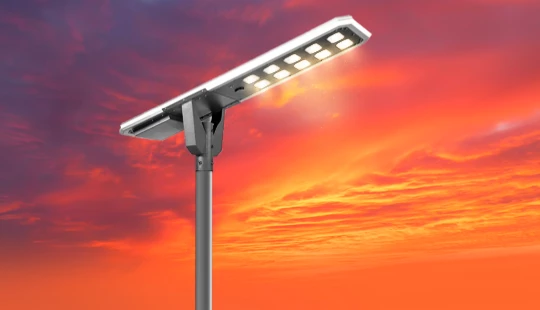
- Design: The solar panel, battery, LED lamp, and controller are all housed within a single, compact unit, typically mounted on top of the pole.
- Pros: Simpler and quicker installation (lower labor costs), compact aesthetic, generally lower initial purchase price for smaller wattage requirements. Ideal for projects with budget constraints or less demanding environments.
- Cons: Limited capacity for solar panels and batteries (which can affect autonomy and illumination), battery life can be impacted by direct solar heat exposure, fixed panel angle may not be optimal for all sun paths, and maintenance can require replacing the entire head unit. Best suited for pathways, smaller parking lots, and residential areas where moderate illumination is sufficient.
- Typical Cost Range: $150 - $700+ per unit, depending on power.
-
Split Solar Street Lights (Separated):
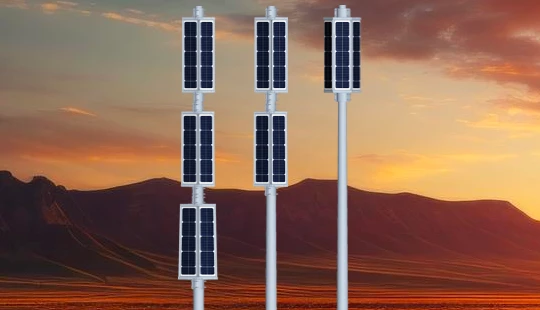
- Design: The solar panel, battery, and LED lamp are separate components. The solar panel is typically mounted on top of the pole, the battery is either housed in a box on the pole or buried underground, and the LED lamp is attached separately.
- Pros: Greater flexibility in component sizing (allowing for larger solar panels and batteries), optimal solar panel angle adjustment for maximum sun exposure, better heat management for batteries (extending lifespan), easier maintenance/replacement of individual components, ideal for high-power requirements and demanding environments.
- Cons: Higher initial purchase and installation costs due to more wiring, separate component mounting, and potentially civil works for buried batteries. More complex installation process.
- Suitability: Preferred for major roadways, highways, industrial zones, public squares, and areas requiring high lumen output, extended autonomy, or operating in harsh climates where component isolation is beneficial.
- Typical Cost Range: $300 - $1,500+ per unit, depending on power and specific component choices.
How do smart control systems impact the price, efficiency, and functionality of solar street lights?
The integration of smart control technology is transforming solar street lighting, offering significant benefits but also affecting the initial investment.
-
Impact on Price: Smart control systems can add an extra 10% to 30% to the base cost of a solar street light. This increase covers the cost of advanced controllers, communication modules (e.g., LoRaWAN, Zigbee, GPRS, NB-IoT), sensors (PIR, light sensors), and central management software.
-
Impact on Efficiency:
- Energy Saving: Smart controls enable dynamic dimming based on motion detection or pre-set schedules, significantly reducing energy consumption (up to 50% or more) when full illumination is not required. This extends battery autonomy and overall system efficiency.
- Optimized Charging: Advanced MPPT (Maximum Power Point Tracking) controllers, often part of smart systems, optimize solar panel charging efficiency, extracting up to 30% more power than traditional PWM controllers.
-
Impact on Functionality:
- Remote Monitoring & Control: Operators can monitor system status (battery charge, panel performance, fault alerts) and control lighting schedules/brightness from a central platform.
- Fault Detection: Real-time alerts for malfunctions (e.g., battery failure, LED failure) enable proactive maintenance, reducing downtime.
- Adaptive Lighting: Lights can adjust brightness based on real-time traffic, weather conditions, or ambient light levels.
- Data Collection: Smart systems can collect valuable data on energy consumption, environmental conditions, and traffic patterns, aiding urban planning and energy management.
- Increased Safety & Security: Responsive lighting enhances safety for pedestrians and drivers, and integrated CCTV capabilities are possible.
What are the key technical specifications and certifications to consider when evaluating a Solar Street Light Manufacturer and their products?
Choosing a reliable Solar Street Light Manufacturer requires a deep dive into technical specifications and certifications to ensure product quality, performance, and longevity.
-
Key Technical Specifications:
- LED Lumens per Watt (Efficiency): Aim for high efficiency (e.g., >150 lm/W) to maximize light output with minimal power consumption.
- Battery Type and Cycle Life: Prioritize LiFePO4 batteries with a high number of charge/discharge cycles (e.g., 2,000 to 4,000+ at 80% DOD - Depth of Discharge), ensuring 5-10 years of reliable operation.
- Solar Panel Efficiency: Monocrystalline panels (typically 20-22% efficiency or higher) are preferred for better performance in various light conditions.
- Charge Controller: MPPT controllers are superior to PWM, especially for larger systems, maximizing solar energy harvest.
- IP Rating: Look for IP65 or IP66 for robust protection against dust and water ingress in harsh outdoor environments.
- Wind Resistance: Poles and fixtures should be designed to withstand local wind loads.
- Operating Temperature Range: Ensure components can perform reliably in the project's climate extremes.
-
Essential Certifications and Manufacturer Qualities:
- ISO 9001: Demonstrates a commitment to quality management systems.
- CE, RoHS, FCC: Indicate compliance with European safety, environmental, and electromagnetic compatibility standards.
- IEC Standards: For solar panels (e.g., IEC 61215, IEC 61730) and batteries (e.g., IEC 62133).
- Luminaire Performance: LM-79 (for LED luminaire photometric testing) and LM-80 (for LED chip lumen maintenance) reports are critical.
- R&D Capability: A manufacturer with strong R&D can offer innovative, high-performance, and customizable solutions.
- Warranty and After-Sales Support: A robust warranty (e.g., 3-5 years for the entire system, 10-25 years for solar panels) and accessible technical support are vital for long-term project success.
- Project References and Case Studies: Evidence of successful past projects in similar environments builds trust and demonstrates expertise.
What is the typical lifespan of solar street light components (battery, LED, panel) and how does this affect long-term cost of ownership?
The longevity of solar street light components directly impacts the system's long-term cost of ownership (TCO). While the initial investment might seem high, the extended lifespan of quality components minimizes replacement and maintenance costs.
-
LED Light Source: High-quality LED chips typically have a lifespan of 50,000 to 100,000 operating hours. This translates to 10-20 years or more, assuming 10-12 hours of operation per night. Lumen depreciation (the gradual decrease in brightness) is a factor, but modern LEDs maintain over 70% of their initial output for a significant portion of their life (L70 rating).
-
Battery (LiFePO4): Lithium Iron Phosphate (LiFePO4) batteries are the industry standard for solar street lights. They offer 2,000 to 4,000+ charge/discharge cycles at 80% Depth of Discharge (DOD). This typically translates to a lifespan of 5 to 10 years, depending on usage patterns, charging efficiency, and operating temperatures. Proper thermal management and charge control are crucial for maximizing battery life.
-
Solar Panel: Photovoltaic panels are extremely durable, with a typical operational lifespan of 20 to 25 years. Most manufacturers guarantee that panels will retain at least 80% of their initial power output after 20-25 years. Degradation is slow and predictable, making them a very reliable component.
-
Charge Controller & Electronics: Quality controllers and other electronic components typically last 5 to 10 years, often aligning with the battery's lifespan.
Impact on TCO: A longer component lifespan significantly reduces TCO by:
- Minimizing frequent replacement costs, especially for batteries.
- Reducing labor and equipment expenses for maintenance.
- Ensuring consistent, reliable operation over many years without unexpected failures.
While a cheaper system might seem attractive initially, its components may fail sooner, leading to higher lifetime costs due to repeated replacements and servicing. Investing in quality from the outset typically yields the best long-term economic benefits.
How can I ensure proper sizing (wattage, lumen, battery capacity) for my specific solar street light project requirements?
Accurate sizing is critical for the success and reliability of any solar street light project. Incorrect sizing can lead to underperformance, early battery failure, or unnecessary expense. Here's how to approach it:
-
1. Determine Illumination Requirements (Lux/Foot-Candles):
- Application: What is the purpose of the lighting? (e.g., pedestrian pathway, local road, highway, parking lot).
- Standards: Refer to local or international lighting standards (e.g., IESNA, EN 13201) for recommended average lux levels for specific applications. For example, a pedestrian pathway might need 5-10 lux, while a major road could require 20-30 lux.
- Pole Height & Spacing: These factors will influence the required lumen output of the LED fixture to achieve the desired ground illumination.
-
2. Calculate LED Wattage & Lumen Output:
- Based on the required lux levels, pole height, and spacing, a lighting design software (like DIALux) can determine the necessary LED lumen output.
- Once lumens are known, choose an LED fixture with sufficient lumens per watt (e.g., if 6,000 lumens are needed and the LED efficiency is 150 lm/W, then ~40W LED is required).
-
3. Assess Solar Irradiance (Peak Sun Hours - PSH):
- Location: The geographical location is paramount. Use reputable solar irradiance databases (e.g., NASA SSE, PVGIS) to find the average daily Peak Sun Hours (PSH) for the project site, especially for the worst-case month (typically winter). PSH represents the equivalent hours per day of full sun (1000 W/m²).
-
4. Determine Hours of Operation & Autonomy:
- Operating Hours: How many hours per night will the light operate? (e.g., dusk to dawn, 10 hours, 12 hours).
- Autonomy Days: How many consecutive cloudy/rainy days should the system operate without solar charging? (Typically 3-5 days for reliability, often including a reserve).
-
5. Calculate Battery Capacity:
- Daily Energy Consumption: LED Wattage (W) × Operating Hours (h) = Wh/day.
- Total Battery Capacity Needed: (Wh/day × Autonomy Days) / (Battery Discharge Depth (DOD) × Inverter/Controller Efficiency). For LiFePO4, DOD is often 80-90%.
- Convert Wh to Ah (Ampere-hours) by dividing by the battery voltage (e.g., 12V or 24V).
-
6. Calculate Solar Panel Wattage:
- Total Daily Energy Requirement: (Daily Energy Consumption) / (Controller Efficiency × Battery Charging Efficiency × System Losses).
- Solar Panel Wattage (Wp): Total Daily Energy Requirement / PSH (worst month) / Panel Derating Factor (e.g., 0.8 to account for temperature, dust, etc.).
It is highly recommended to work with experienced manufacturers or consultants who can perform detailed lighting designs and energy calculations specific to your project, ensuring a robust and reliable solar street light solution.
Queneng Lighting's Advantage: Your Partner in Sustainable Illumination
As a leading Solar Street Light Manufacturer, Queneng Lighting brings extensive expertise and an unwavering commitment to quality. Our advantages include:
- E-E-A-T Adherence: Years of experience and a deep understanding of solar technology ensure expert-driven solutions that are trustworthy and authoritative.
- High-Performance Solutions: We utilize top-tier components, including high-efficiency monocrystalline solar panels, advanced LiFePO4 batteries with extended cycle life, and high-lumens-per-watt LED chips.
- Smart Control Integration: Our systems offer cutting-edge smart control options, including motion sensing, programmable dimming, and remote monitoring platforms, optimizing energy use and reducing maintenance.
- Customization and Flexibility: Whether you require robust split solar street light systems for highways or efficient all-in-one units for pathways, we provide tailored solutions that meet precise project specifications and budget requirements.
- Rigorous Quality Control: Adhering to international standards (ISO, CE, RoHS), our products undergo stringent testing to ensure durability, reliability, and consistent performance in diverse environments.
- Comprehensive Support: From initial design and sizing assistance to after-sales service and extended warranties, Queneng Lighting offers end-to-end support, ensuring peace of mind for our clients.
Partner with Queneng Lighting to illuminate your projects with sustainable, cost-effective, and intelligent solar street light solutions built for the future.
References
- National Renewable Energy Laboratory (NREL) - PVWatts Calculator. https://pvwatts.nrel.gov/ (Accessed: June 1, 2024)
- International Energy Agency (IEA) - Renewable Energy Technologies. https://www.iea.org/reports/renewable-energy-market-update-june-2024 (Accessed: June 1, 2024)
- International Electrotechnical Commission (IEC) Standards. https://www.iec.ch/ (Accessed: June 1, 2024)
- LED Magazine - Articles on LED lifespan and efficiency. https://www.ledsmagazine.com/ (Accessed: June 1, 2024)
- Battery University - Research on LiFePO4 battery life cycles. https://batteryuniversity.com/ (Accessed: June 1, 2024)

Have more questions about our products or services?
The latest hot news you might like

Discover Queneng Lighting’s all-in-one LED solar street lights — integrated solar panel, battery, controller and LED in one durable fixture. Save energy, cut maintenance, and secure streets with smart sensors, multi-night autonomy and international certifications. Contact sales for quotes and support.

Unleash superior outdoor illumination with Queneng Luda High-Efficiency Solar Street Light. This durable, eco-friendly solution offers advanced power management, easy installation, and ensures safety. Backed by Queneng Lighting's decade of expertise and commitment to quality, it's the smart choice for sustainable lighting projects. Learn why we're a leading solar solutions provider.

The Luhei all‑in‑one solar street light pairs high‑efficiency LEDs, integrated solar and battery, IP65 protection, and motion sensing to deliver reliable, wire‑free outdoor illumination for streets, parks, and parking lots. Backed by Queneng Lighting’s certifications and support.

FAQ
Commercial and Industrial Parks
How do solar lights improve security in industrial parks?
Solar lights provide consistent and bright lighting, deterring unauthorized access and improving surveillance.
Solar Street Light Luzhou
What is the brightness level of Luzhou solar street lights?
Luzhou solar street lights provide bright, high-quality illumination that is comparable to traditional street lighting. The LEDs used in these lights are designed to provide focused, powerful lighting that enhances visibility and safety in outdoor spaces.
Battery Performance and Testing
What is a penetration test?
What is the standard charging and discharging of nickel metal hydride batteries?
Solar Street Light Luda
What makes Luda solar street lights high-efficiency and eco-friendly?
Luda solar street lights feature high-efficiency solar panels that maximize energy conversion even in low sunlight conditions, ensuring optimal performance throughout the day. The use of energy-efficient LED bulbs minimizes electricity consumption while delivering bright, reliable illumination. This combination of features reduces the overall carbon footprint and makes them an eco-friendly choice for outdoor lighting.
Schools and Educational Institutions
How long does the battery of solar lights last?
The battery typically lasts for 5-8 years depending on usage and environmental conditions.
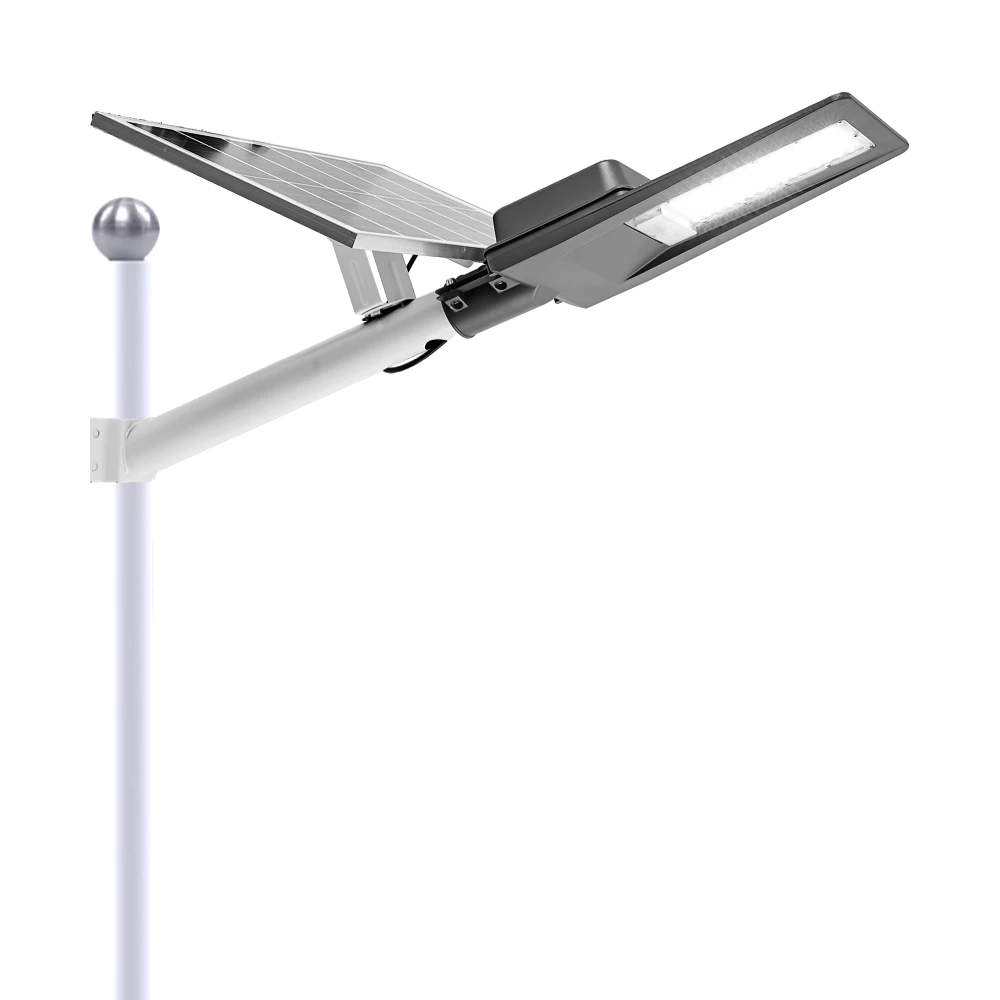
Experience reliable outdoor illumination with our smart solar street light, a perfect combination of advanced technology and eco-conscious design.
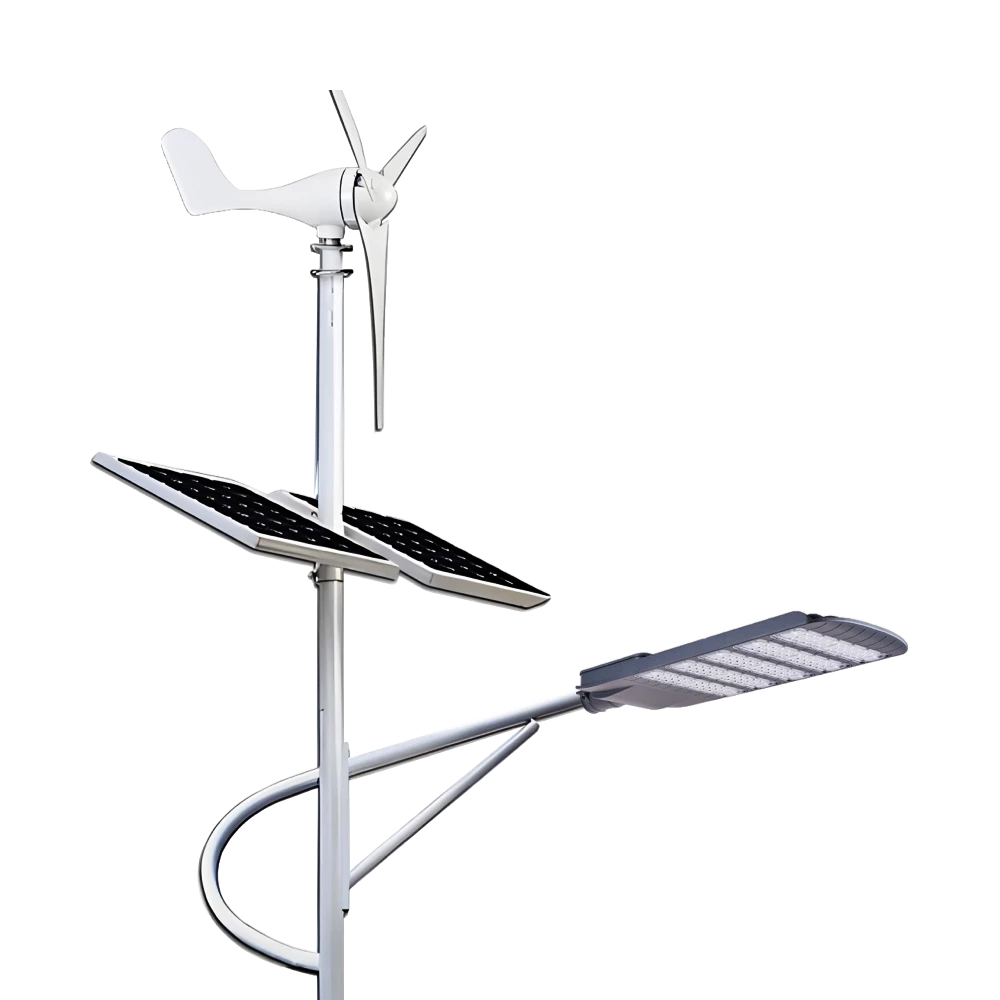
Queneng Lufeng Wind Energy LED Outdoor Solar Street Lights offer high-performance, eco-friendly illumination. These energy-efficient LED street lights harness solar power and wind energy for sustainable, cost-effective outdoor lighting solutions.
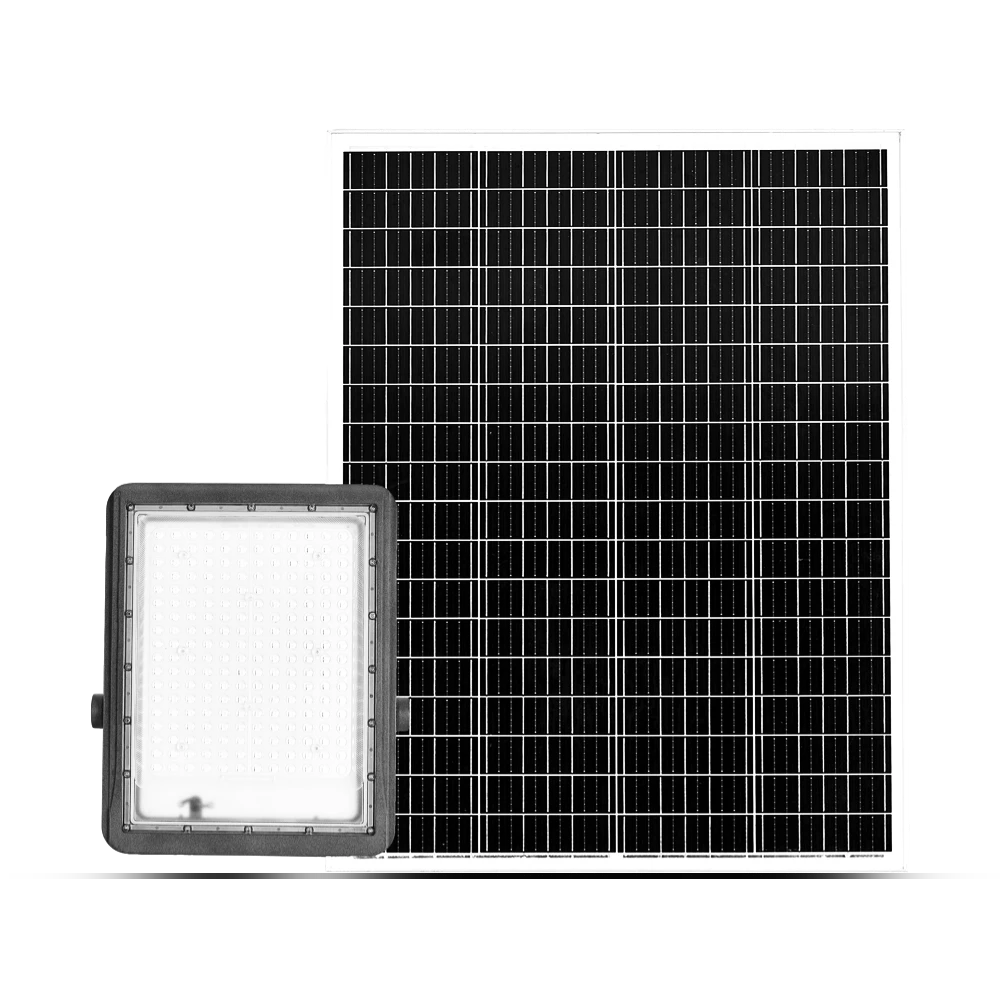
Queneng's Luxian Reliable Solar Street Light offers energy-saving LED lighting for outdoor use. This durable, solar-powered street light provides reliable illumination, reducing energy costs and environmental impact. A perfect solution for sustainable outdoor lighting.
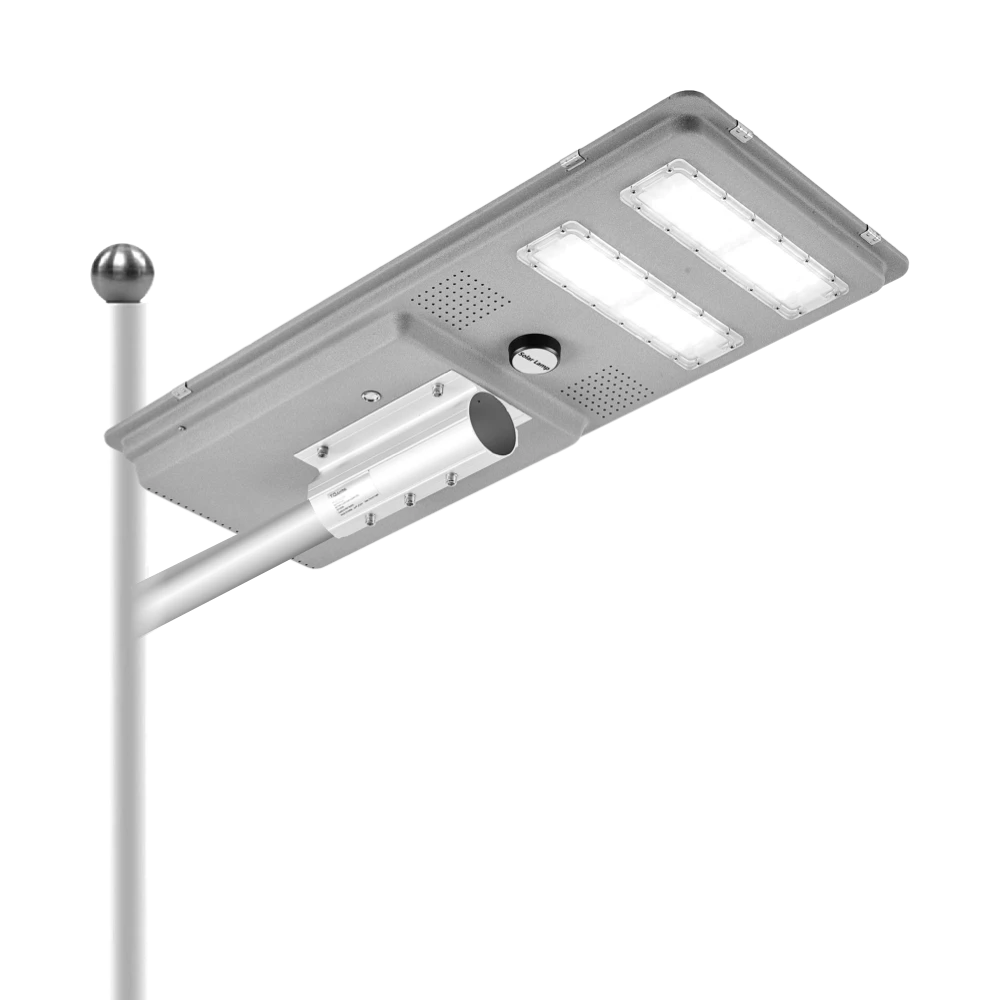
Queneng’s Solar Street Lights are designed to provide reliable, energy-efficient lighting for streets, parks, and other outdoor spaces.
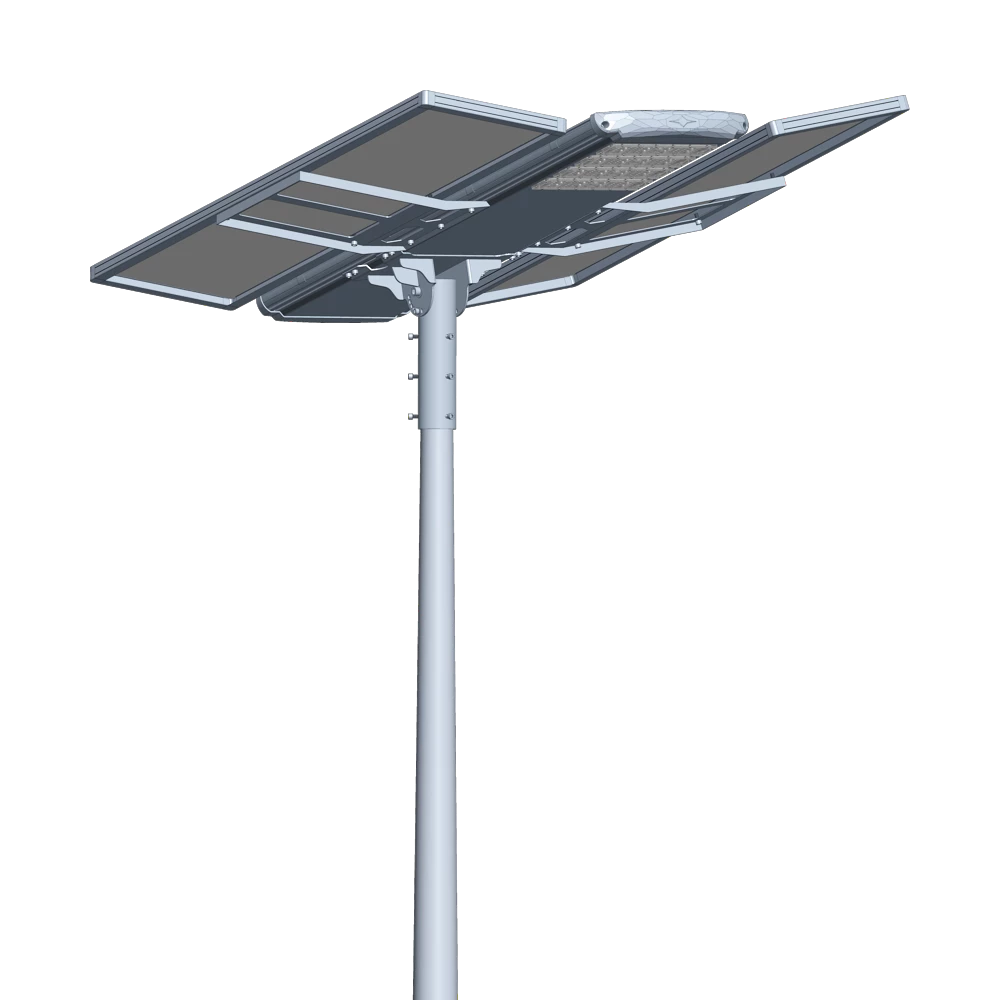
Introducing the Luqing Solar Street Light by Queneng, Efficient LED lighting powered by solar energy is perfect for illuminating outdoor areas. Harness the power of solar energy for sustainable, reliable street lighting. Ideal for eco-friendly, cost-effective outdoor illumination solutions.
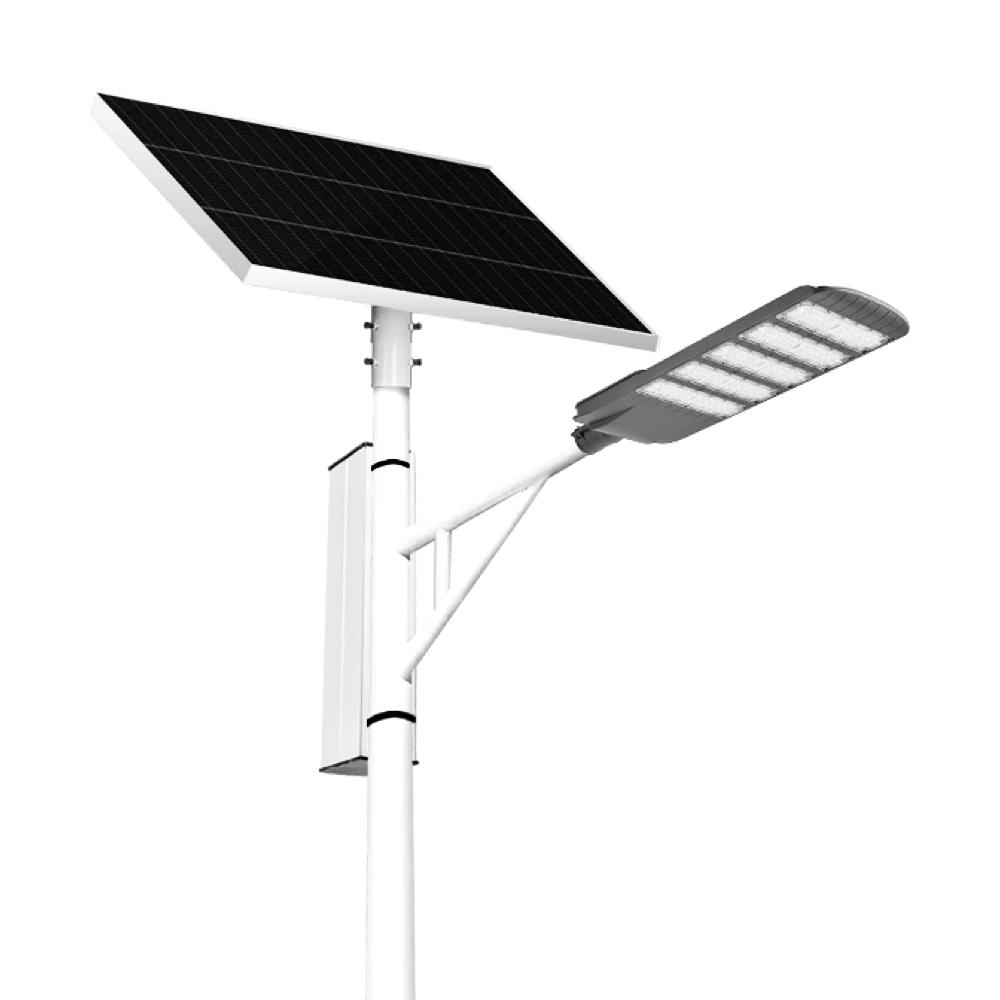
The Solar Streetlights of Luhao for Municipalities are designed to deliver reliable, energy-efficient, and cost-effective public lighting solutions. Equipped with advanced LED technology, durable lithium batteries, and high-efficiency solar panels, these streetlights provide consistent illumination for roads, parks, residential areas, and government projects.
If you would like more information about Queneng solar lighting solutions, please send us a message by filling out the form below. Our professional team will get back to you within 24 hours!
Rest assured that your privacy is important to us, and all information provided will be handled with the utmost confidentiality.
Schedule a Meeting
Book a date and time that is convenient for you and conduct the session in advance.
Have more questions about our products or services?
The messenger of light & power conversion
Environmental protection and intelligent manufacturing are our brand philosophy, and quality assurance and the best user experience are our eternal promises to users.
CONTACT
No.9F, Building F, Cao San Xin Tian Hong Logistics Park, Guzhen Town, Zhongshan City, Guangdong Province, China.
or write [email protected]
WhatsApp: +86 136 2270 1011


