














Cost analysis: Grid-tied vs. solar street lights?
Navigating the World of Solar Street Lights: Your Procurement Guide
The adoption of solar street lighting solutions is rapidly expanding globally, driven by environmental consciousness, rising energy costs, and the desire for off-grid reliability. For procurement professionals in the split solar street light industry, understanding the nuances of these systems—from cost drivers to technological differences—is paramount. This guide will address key questions to help you make informed decisions.
1. What is the average cost of a solar street light, and what factors influence its price?
The cost of a solar street light can vary significantly, typically ranging from $100 to over $1,500 per unit, excluding the pole for many high-power systems. This broad range is primarily influenced by several key factors:
- LED Wattage and Lumen Output: Higher brightness (lumens) and power (watts) require more advanced LED chips and heat dissipation, increasing cost. A common range for commercial use might be 30W to 120W.
- Battery Capacity and Type: The battery is one of the most expensive components. Lithium Iron Phosphate (LiFePO4) batteries are preferred for their longer cycle life (2,000-4,000 cycles), safety, and efficiency, but come at a higher cost than older lead-acid batteries. Capacity (Ah or Wh) determines autonomy (how many nights it can operate without sunlight).
- Solar Panel Wattage and Efficiency: Larger, more efficient monocrystalline solar panels (typically 18-22% efficiency) that generate sufficient power to charge the battery, especially in lower sunlight conditions, contribute to higher costs. Panel wattage often ranges from 50W to 200W or more.
- Charge Controller Technology: MPPT (Maximum Power Point Tracking) controllers are more efficient than PWM (Pulse Width Modulation) controllers, optimizing power harvest from the solar panel, but are also more expensive.
- Pole Height and Material: The pole, if included, adds substantially to the cost. Materials like galvanized steel or aluminum, and heights from 6 to 12 meters, dictate pricing.
- Smart Features and IoT Integration: Features like motion sensors, dimming capabilities, remote monitoring, and intelligent control systems can add to the overall cost but offer significant operational benefits and energy savings.
- Brand and Warranty: Reputable manufacturers offering extended warranties and proven reliability often have higher prices but provide better long-term value.
2. All-in-One vs. Split Solar Street Lights: Which is right for your project?
The choice between All-in-One (integrated) and Split (separated) solar street lights is crucial for system performance and suitability.
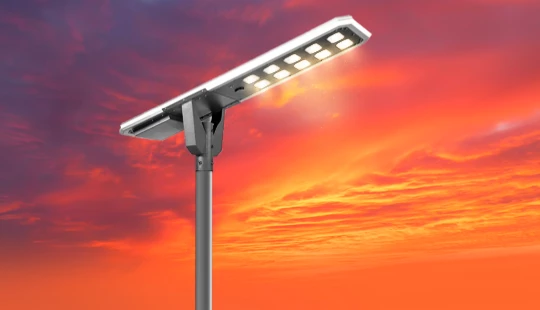
All-in-One Solar Street Lights: These units combine the solar panel, LED lamp, battery, and controller into a single compact fixture.
- Pros: Easier and faster installation, lower shipping costs, often more aesthetically pleasing. They are ideal for applications requiring lower power output, simpler installations, or where space is a High Quality.
- Cons: Limited flexibility in panel angle adjustment (critical for maximizing sun exposure), constrained battery and panel sizes, and potential for reduced heat dissipation impacting battery life in hot climates.
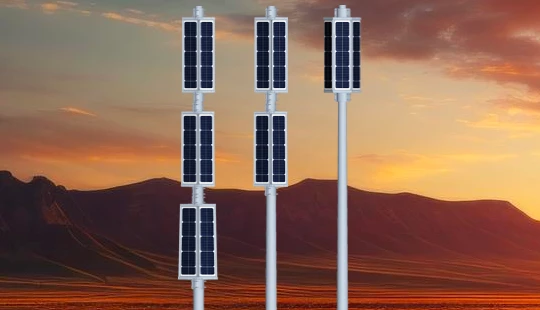
Split Solar Street Lights (Separate Components): In this configuration, the solar panel is separate from the light fixture, often mounted on top of the pole or nearby, while the battery and controller are housed within the pole or in a separate enclosure near the base. This design is particularly relevant for the professional procurement of robust systems.
- Pros:
- Optimal Solar Panel Orientation: The panel can be angled independently to maximize solar energy capture throughout the day or year, crucial for varying latitudes and efficiency.
- Larger Capacity Components: Allows for larger solar panels and battery banks, supporting higher wattage LED lights and extended autonomy (more days of backup).
- Improved Heat Dissipation: Separating the battery from the LED fixture prevents heat from the LED from impacting battery performance and lifespan, especially vital in hot climates.
- Greater Durability and Maintenance: Components can be more robust, and maintenance access might be easier for individual components.
- Customization: Offers greater flexibility in designing systems to meet specific project requirements (e.g., very high lumens, challenging solar irradiance areas).
- Cons: More complex installation due to wiring between components, higher initial installation costs, and potentially more visible cabling.
- Pros:
For professional procurement focusing on long-term performance, higher power demands, or challenging environmental conditions, split solar street light systems often offer superior reliability and adaptability.
3. How do solar street lights compare to traditional grid-tied street lights in terms of cost-effectiveness and long-term benefits?
Comparing solar street lights to traditional grid-tied systems involves analyzing both upfront and long-term costs, as well as operational advantages.
Initial Cost:
- Grid-tied: Can be lower per unit if existing electrical infrastructure is readily available. However, installation costs skyrocket when trenching, cabling, and connecting to the grid are required, especially for new installations in remote areas. A typical grid-tied street light installation can cost anywhere from $1,500 to $5,000 per pole, including trenching and wiring.
- Solar: Generally has a higher upfront per-unit cost ($100-$1500+ as discussed), but significantly lower installation costs as no trenching, wiring to the grid, or grid connection fees are needed. Installation is often a simple bolt-down process.
Operating Costs:
- Grid-tied: Incurs ongoing electricity bills, which are subject to fluctuating energy prices and tariffs. Maintenance involves bulb replacement and checking grid connections.
- Solar: Has virtually zero electricity bills. Its energy source is free. Maintenance primarily involves occasional cleaning of solar panels and battery replacement every 5-10 years (for LiFePO4).
Long-term Benefits & ROI:
- Environmental: Solar street lights produce zero carbon emissions, contributing to sustainability goals.
- Reliability & Autonomy: Immune to grid outages, providing consistent lighting even during blackouts. Ideal for remote locations where grid extension is costly or impractical.
- Lower Total Cost of Ownership (TCO): Despite higher initial unit costs, the absence of electricity bills and lower installation expenses often lead to a significantly faster Return on Investment (ROI) and lower TCO over the system's lifespan (10-20 years).
- Scalability & Flexibility: Easier to expand or relocate as needs change without major infrastructure rework.
4. What are the essential components of a high-quality solar street light, and what should be their expected lifespan?
High-quality components are vital for the longevity and performance of a solar street light system:
- LED Lamp (Fixture):
- Quality: Utilizes high-efficiency LED chips (e.g., Philips, Cree, Osram) with excellent lumen output per watt, good color rendering index (CRI), and robust housing with effective heat sinks.
- Lifespan:*50,000 to 100,000 operating hours (or 10-20 years based on 10-12 hours/night).
- Solar Panel:
- Quality: Monocrystalline silicon panels are preferred for their higher efficiency (typically 18-22%+) and better performance in low light conditions. Look for durable tempered glass and sturdy aluminum frames.
- Lifespan: Performance guarantee typically 20-25 years, with degradation of 0.5-0.7% per year.
- Battery:
- Quality:*Lithium Iron Phosphate (LiFePO4) batteries are the industry standard for solar street lights due to their superior cycle life, thermal stability, safety, and deep discharge capability. Look for integrated Battery Management Systems (BMS) for protection.
- Lifespan:*5-10 years (2,000-4,000 charge/discharge cycles), depending on usage and environmental conditions.
- Charge Controller:
- Quality: An MPPT (Maximum Power Point Tracking) controller is crucial. It maximizes power harvest from the solar panel and protects the battery from overcharging, over-discharging, and reverse current. Look for robust construction and intelligent dimming features.
- Lifespan:*5-10 years.
- Pole:
- Quality: Hot-dip galvanized steel or aluminum alloy poles offer excellent corrosion resistance and structural integrity. Ensure proper wind load ratings for the installation site.
- Lifespan:*20-30 years or more.
- Cables and Connectors: UV-resistant, waterproof (IP67/IP68), and appropriately sized cables and connectors ensure minimal power loss and long-term reliability.
5. How do I choose a reliable Solar Street Light Manufacturer and ensure product quality?
Selecting the right manufacturer is paramount for project success and long-term satisfaction. Consider the following:
- Certifications and Standards: Look for manufacturers adhering to international quality standards like ISO 9001 (Quality Management System) and product certifications such as CE, RoHS, FCC, IP ratings (e.g., IP65, IP66, IP67 for dust and water resistance), and IK ratings (for impact resistance). These indicate a commitment to quality and safety.
- Experience and Track Record: Choose manufacturers with extensive experience in designing and producing solar lighting, especially for projects similar to yours. Request case studies, project references, and client testimonials.
- R&D Capabilities and Innovation: A strong R&D department indicates a manufacturer's commitment to continuous improvement, advanced technology (e.g., higher efficiency components, smarter controls), and customized solutions.
- Component Sourcing and Quality Control: Inquire about their supply chain for critical components (LED chips, batteries, solar panels). Do they use reputable brands? What are their quality control processes during manufacturing and before shipment?
- Warranty and After-Sales Support: A comprehensive warranty (e.g., 3-5 years for the entire system, 10-25 years for solar panels) and accessible, responsive after-sales service are crucial for addressing potential issues.
- Customization and Design Support: A good manufacturer should be able to offer tailored solutions based on your specific environmental conditions (solar irradiance, temperature), illumination requirements, and autonomy needs.
6. What maintenance is required for solar street lights to ensure optimal performance and longevity?
One of the significant advantages of solar street lights is their low maintenance requirements compared to grid-tied systems. However, some routine checks ensure optimal performance:
- Solar Panel Cleaning: Dust, dirt, bird droppings, and snow can accumulate on solar panels, reducing their efficiency. Panels should be cleaned periodically (e.g., every 3-6 months, more frequently in dusty areas) with water and a soft cloth to maximize energy capture.
- Battery Inspection (for accessible systems): While LiFePO4 batteries are largely maintenance-free, for split systems with accessible battery compartments, occasional visual inspection for corrosion or damage is advisable. Ensure connections are secure. For older lead-acid batteries, electrolyte levels might need checking.
- Fixture and Pole Inspection: Periodically check the LED fixture for any signs of damage, loose connections, or obstructed light output. Inspect the pole for structural integrity, rust, or loose bolts, especially after severe weather.
- Smart System Monitoring: For systems with IoT or remote monitoring capabilities, regularly check the system's performance data (battery charge, panel output, light status) to identify and address issues proactively.
7. How to accurately size a solar street light system for specific illumination and autonomy requirements?
Proper system sizing is critical to ensure reliable operation. This involves calculating the required power generation and storage based on several factors:
- Required Illumination: Determine the necessary lux levels and coverage area for the application (e.g., pathway, parking lot, main road). This will dictate the LED wattage (e.g., 30W, 60W, 100W) and lumen output.
- Operating Hours: How many hours per night will the light operate? (e.g., dusk till dawn, 6 hours, dimming profile).
- Days of Autonomy: How many consecutive cloudy or rainy days must the system operate without solar charging? Typically 3-5 days of autonomy is recommended for reliability.
- Peak Sun Hours (PSH): This is the equivalent number of hours per day when solar irradiance averages 1,000 W/m². PSH varies significantly by geographic location and time of year. Accurate PSH data for the installation site is crucial.
- System Losses: Account for efficiency losses in the solar panel (temperature, dirt), battery charging/discharging, and controller (typically 15-25% total).
The sizing process generally follows these steps:
- Calculate Daily Energy Consumption (Wh/day): LED wattage (W) × Operating hours (h) × (1 + System Loss Factor).
- Calculate Battery Capacity (Ah or Wh): Daily Energy Consumption (Wh/day) × Days of Autonomy (days) ÷ Battery Discharge Depth (%) × (1 + Temperature Derating Factor). Ensure to use the battery's nominal voltage to convert Wh to Ah.
- Calculate Solar Panel Wattage (Wp): Daily Energy Consumption (Wh/day) × (1 + System Loss Factor) ÷ Average PSH (h/day).
Professional manufacturers offer design services to accurately size systems based on these parameters, ensuring optimal performance and longevity for your specific project.
Queneng Lighting: Your Partner in Sustainable Street Lighting
Queneng Lighting stands as a leading manufacturer committed to delivering high-quality, reliable, and innovative solar street light solutions. Our expertise in both All-in-One and advanced Split Solar Street Light systems ensures we can meet diverse project requirements, from simple pathway lighting to robust municipal installations. We prioritize:
- Superior Component Quality: Utilizing top-tier LiFePO4 batteries, high-efficiency monocrystalline solar panels, and High Quality LED chips from trusted global brands to guarantee optimal performance and extended lifespan.
- Advanced Technology: Incorporating intelligent MPPT charge controllers and smart dimming profiles to maximize energy efficiency and provide adaptable lighting solutions.
- Customization and Engineering Excellence: Our experienced R&D team provides tailored system designs and comprehensive technical support, ensuring solutions perfectly matched to your specific environmental conditions and illumination needs.
- Robust Durability: Products are designed to withstand harsh weather conditions, offering high IP and IK ratings, ensuring long-term reliability and minimal maintenance.
- Dedicated After-Sales Support: We offer extensive warranties and responsive technical assistance, giving you peace of mind throughout the product's lifecycle.
Choose Queneng Lighting for sustainable, cost-effective, and high-performance solar street lighting that illuminates your future with reliability and innovation.
References
- LED Lifespan & Efficiency: General industry standards from LED lighting manufacturers and energy efficiency guides. (e.g., U.S. Department of Energy, Lighting Research Center, various manufacturer datasheets, reviewed on 2023-10-26)
- Solar Panel Lifespan & Degradation: Information from solar industry reports and panel manufacturers. (e.g., NREL, PV Magazine, Trina Solar datasheets, reviewed on 2023-10-26)
- LiFePO4 Battery Cycles & Lifespan: Data from battery manufacturers and energy storage research. (e.g., Battery University, LG Energy Solution, CATL datasheets, reviewed on 2023-10-26)
- Solar Street Light Cost Ranges: Averages compiled from various B2B supplier platforms (e.g., Alibaba, Made-in-China) and manufacturer websites for commercial-grade solar street lights. (reviewed on 2023-10-26)
- Grid-tied vs. Solar Street Light Installation Costs: Industry estimates for infrastructure development and electrical work for public lighting projects. (e.g., local municipality tender documents, construction cost guides, reviewed on 2023-10-26)
- MPPT Controller Efficiency: Technical specifications and comparisons from charge controller manufacturers. (e.g., Victron Energy, Morningstar datasheets, reviewed on 2023-10-26)

Have more questions about our products or services?
The latest hot news you might like

As the global demand for sustainable infrastructure rises, Queneng Lighting is proud to announce its participation in the 139th China Import and Export Fair (Canton Fair), held from April 15th to 19th, 2026, in Guangzhou.
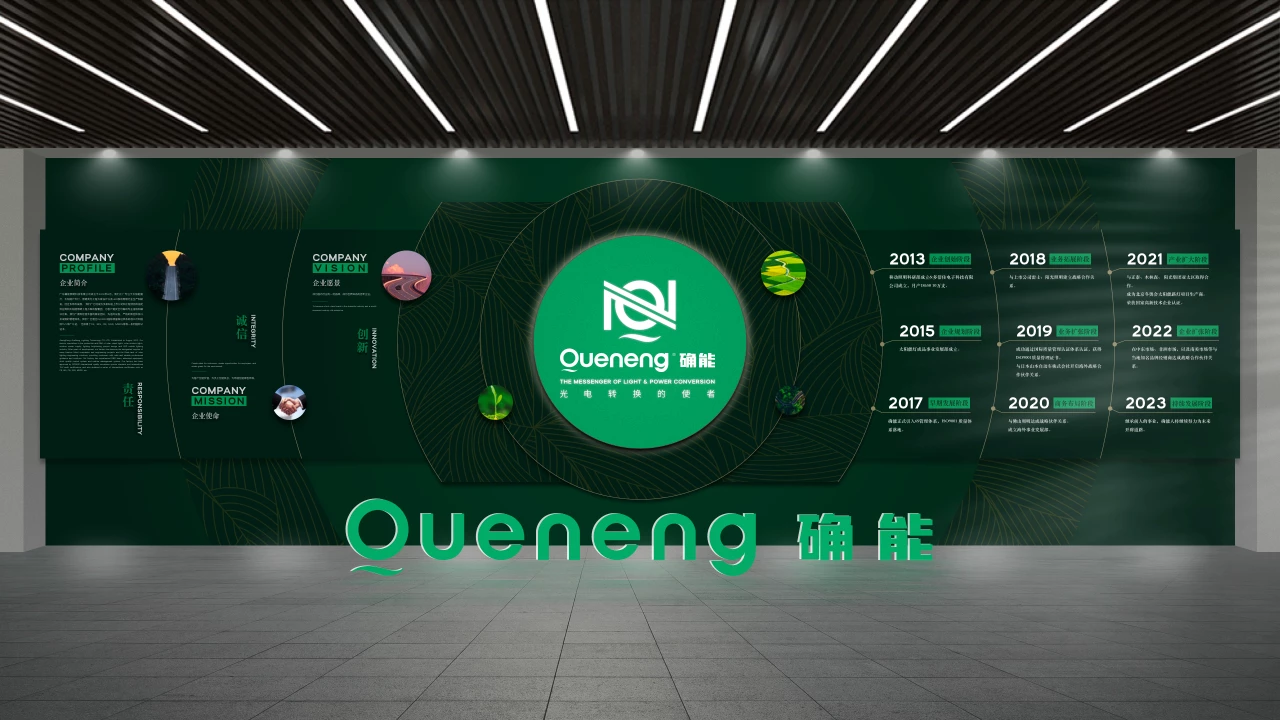
For over 13 years, Queneng has been at the forefront of the solar lighting industry, providing high-efficiency solutions for infrastructure contractors, municipal developers, and EPC companies worldwide. This year, we are bringing our most advanced technology yet to the international stage.

Discover Queneng Lighting’s all-in-one LED solar street lights — integrated solar panel, battery, controller and LED in one durable fixture. Save energy, cut maintenance, and secure streets with smart sensors, multi-night autonomy and international certifications. Contact sales for quotes and support.

Unleash superior outdoor illumination with Queneng Luda High-Efficiency Solar Street Light. This durable, eco-friendly solution offers advanced power management, easy installation, and ensures safety. Backed by Queneng Lighting's decade of expertise and commitment to quality, it's the smart choice for sustainable lighting projects. Learn why we're a leading solar solutions provider.

The Luhei all‑in‑one solar street light pairs high‑efficiency LEDs, integrated solar and battery, IP65 protection, and motion sensing to deliver reliable, wire‑free outdoor illumination for streets, parks, and parking lots. Backed by Queneng Lighting’s certifications and support.
FAQ
Industry
Can the system automatically adjust brightness based on demand?
Absolutely. Our intelligent control system supports automatic brightness adjustment based on foot traffic or preset time schedules, helping conserve energy and enhancing safety.
Solar Street Light Luqiu
Can Luqiu solar street lights be used in remote or off-grid locations?
Yes, Luqiu solar street lights are ideal for remote or off-grid locations where access to electricity is limited or unavailable. They operate independently, relying solely on solar energy, making them a perfect solution for rural areas, pathways, and off-grid communities.
What is the expected lifespan of a Luqiu solar street light?
Luqiu solar street lights have a long lifespan, with LED lights lasting up to 50,000 hours and solar panels providing reliable power for over 20 years. The batteries typically last 3-5 years, depending on usage and mainten.
Schools and Educational Institutions
What kind of maintenance is needed for solar lights?
The main maintenance required is cleaning the solar panels periodically to ensure they remain free of dust or debris, and occasionally checking the functionality of the battery and light.
Solar Street Light Luhao
Is the Luhao solar street light weatherproof?
Yes, the Luhao solar street light is designed to withstand all weather conditions. It is made with durable, weather-resistant materials that can handle rain, snow, heat, and cold, ensuring reliable performance year-round.
Battery and Analysis
What are the possible causes of zero or low voltage in a battery pack?
2) The plug is short-circuited, broken, or poorly connected to the plug;
3) The leads are desoldered and soldered to the battery;
4) The internal connection of the battery is incorrect, and there is missing, weak, or desoldering between the connecting piece and the battery;
5) The internal electronic components of the battery are incorrectly connected and damaged.
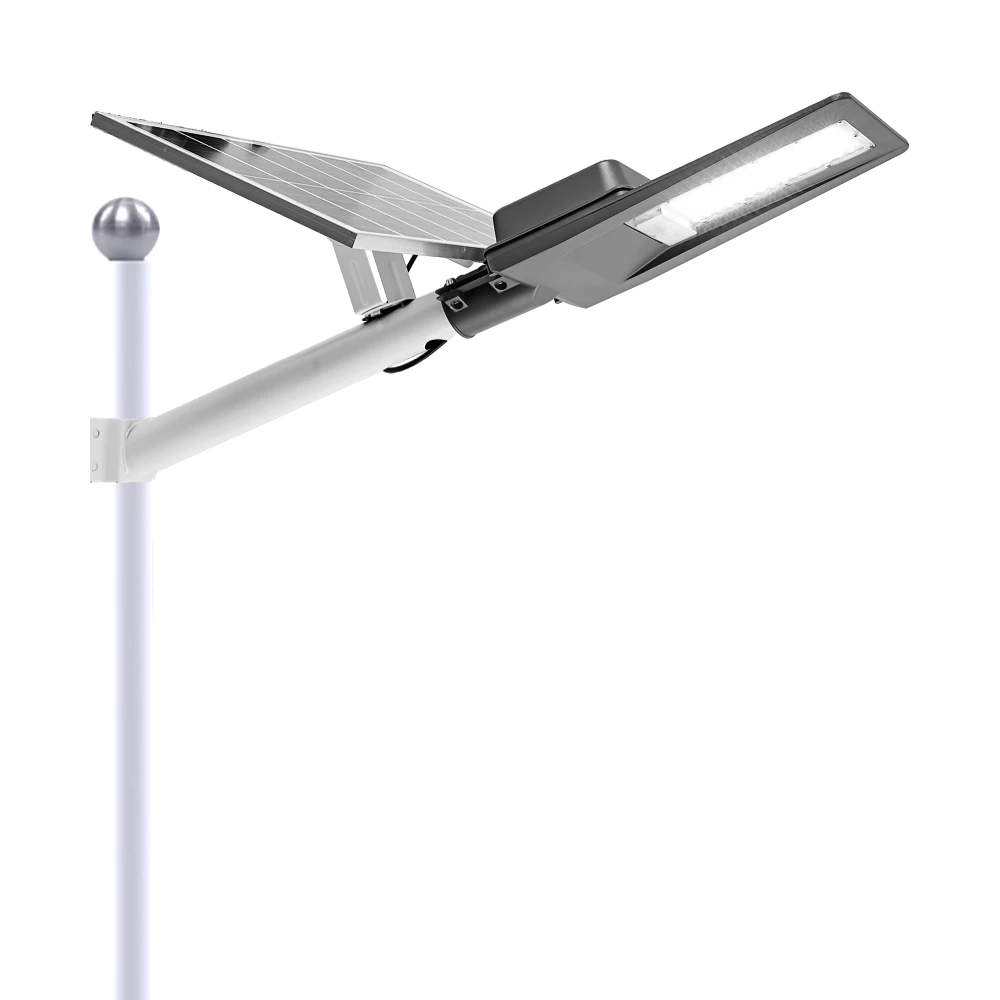
Experience reliable outdoor illumination with our smart solar street light, a perfect combination of advanced technology and eco-conscious design.
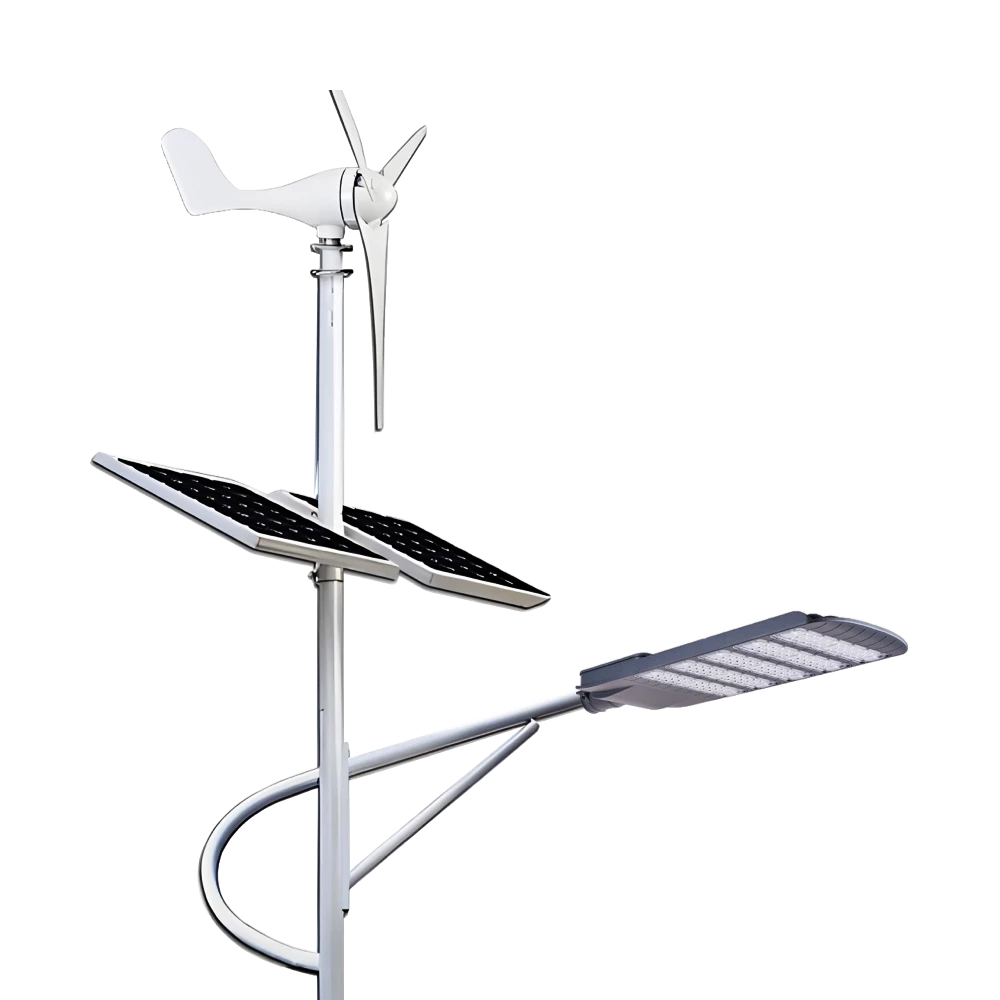
Queneng Lufeng Wind Energy LED Outdoor Solar Street Lights offer high-performance, eco-friendly illumination. These energy-efficient LED street lights harness solar power and wind energy for sustainable, cost-effective outdoor lighting solutions.
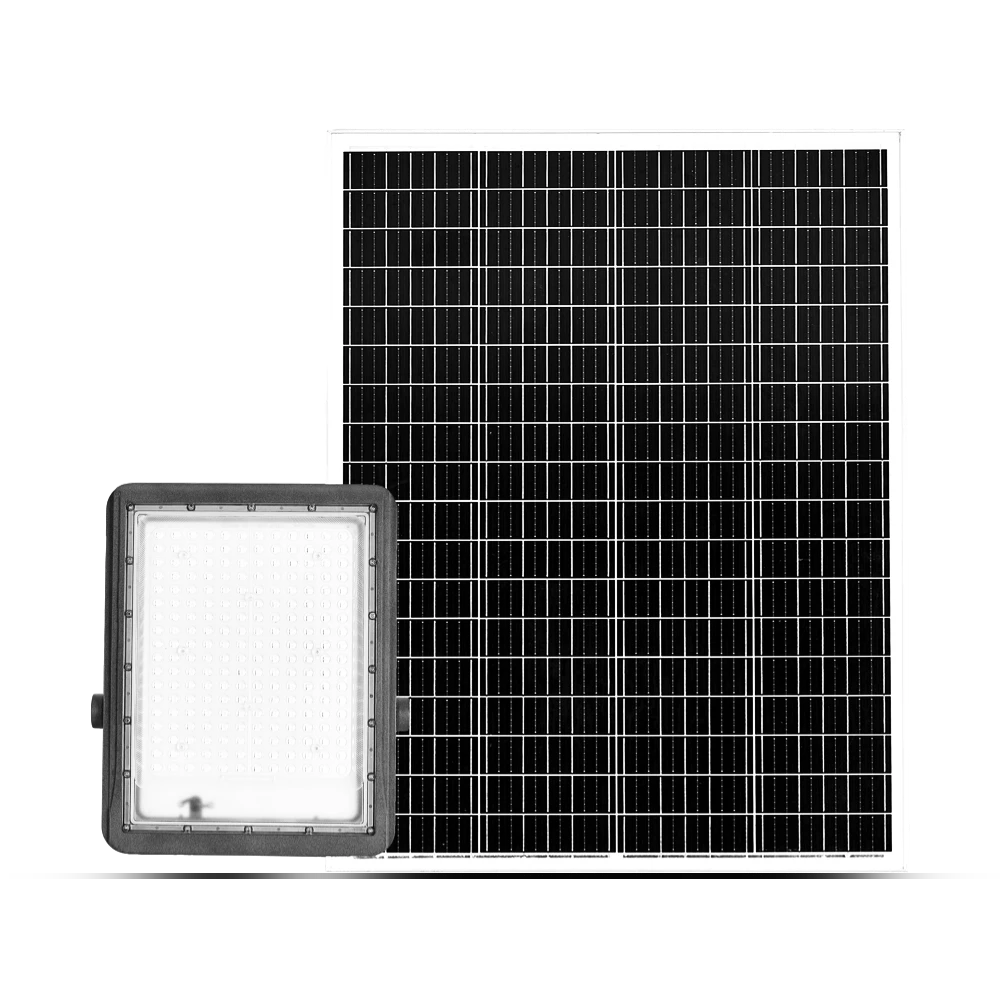
Queneng's Luxian Reliable Solar Street Light offers energy-saving LED lighting for outdoor use. This durable, solar-powered street light provides reliable illumination, reducing energy costs and environmental impact. A perfect solution for sustainable outdoor lighting.
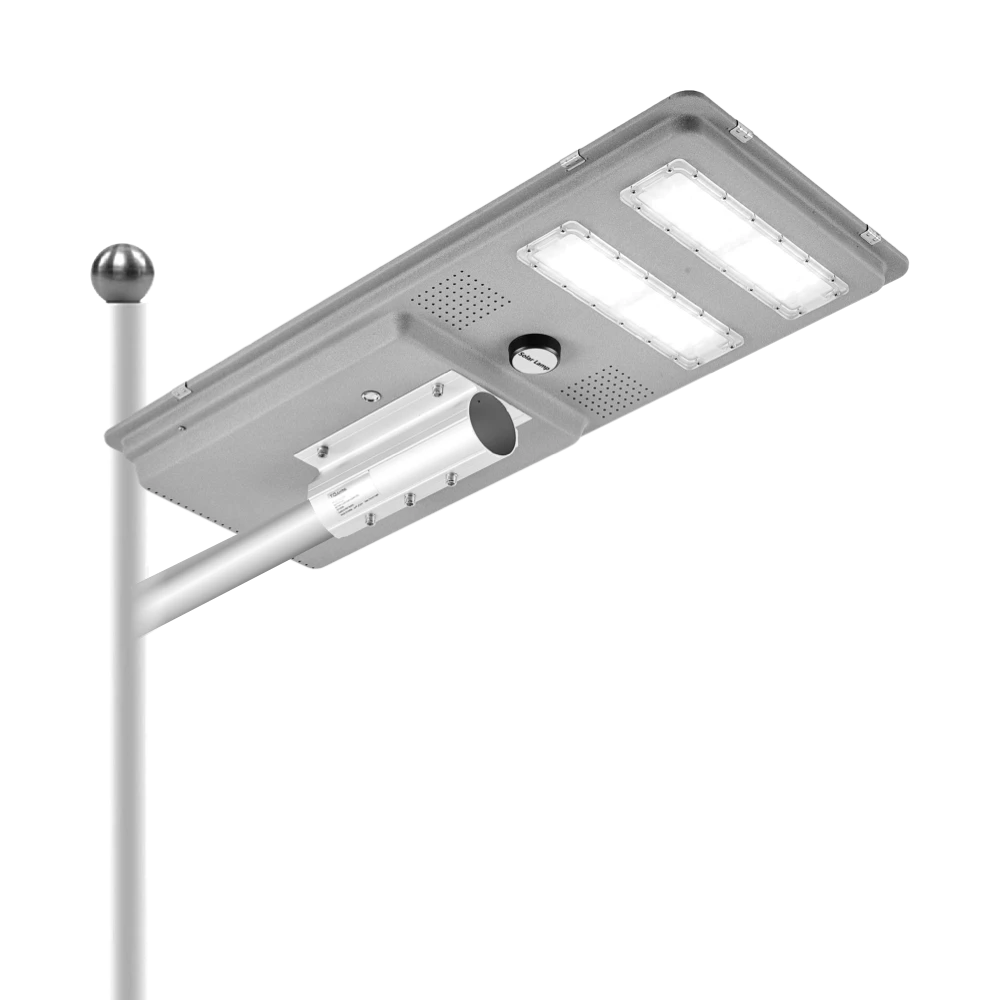
Queneng’s Solar Street Lights are designed to provide reliable, energy-efficient lighting for streets, parks, and other outdoor spaces.
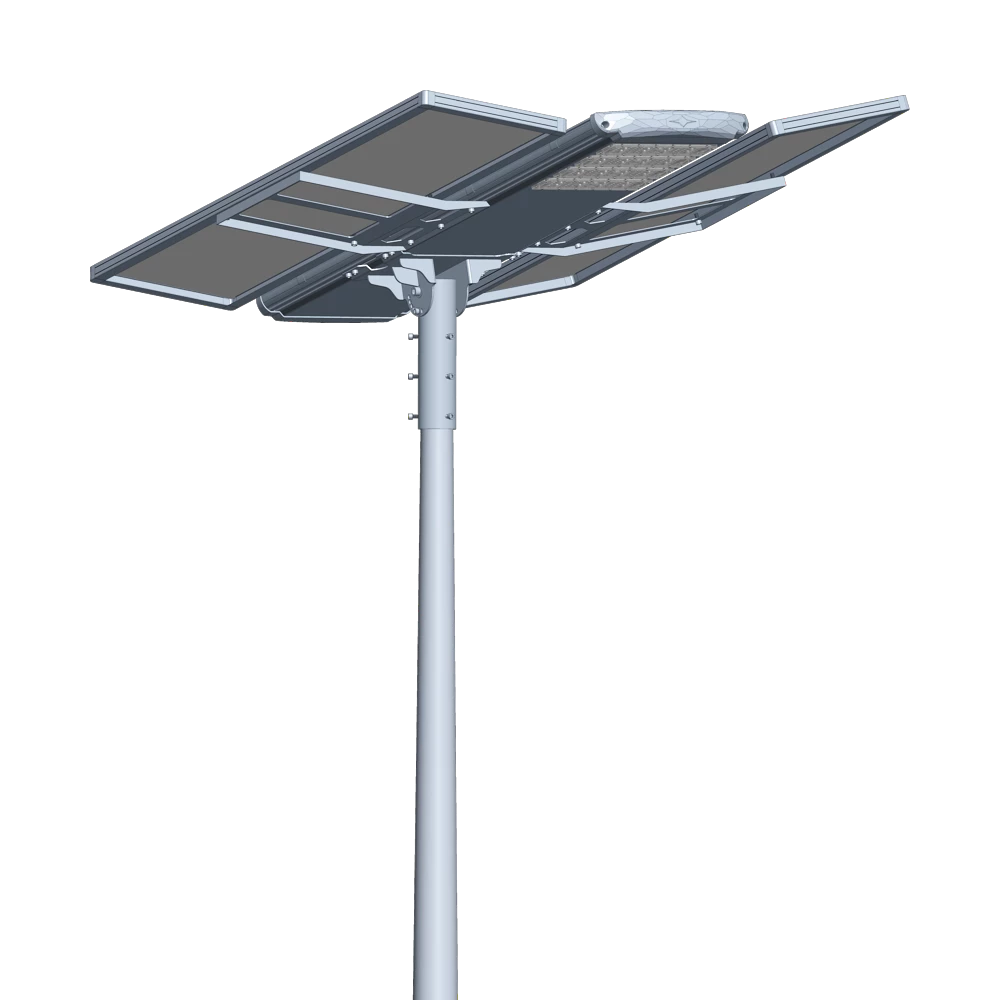
Introducing the Luqing Solar Street Light by Queneng, Efficient LED lighting powered by solar energy is perfect for illuminating outdoor areas. Harness the power of solar energy for sustainable, reliable street lighting. Ideal for eco-friendly, cost-effective outdoor illumination solutions.
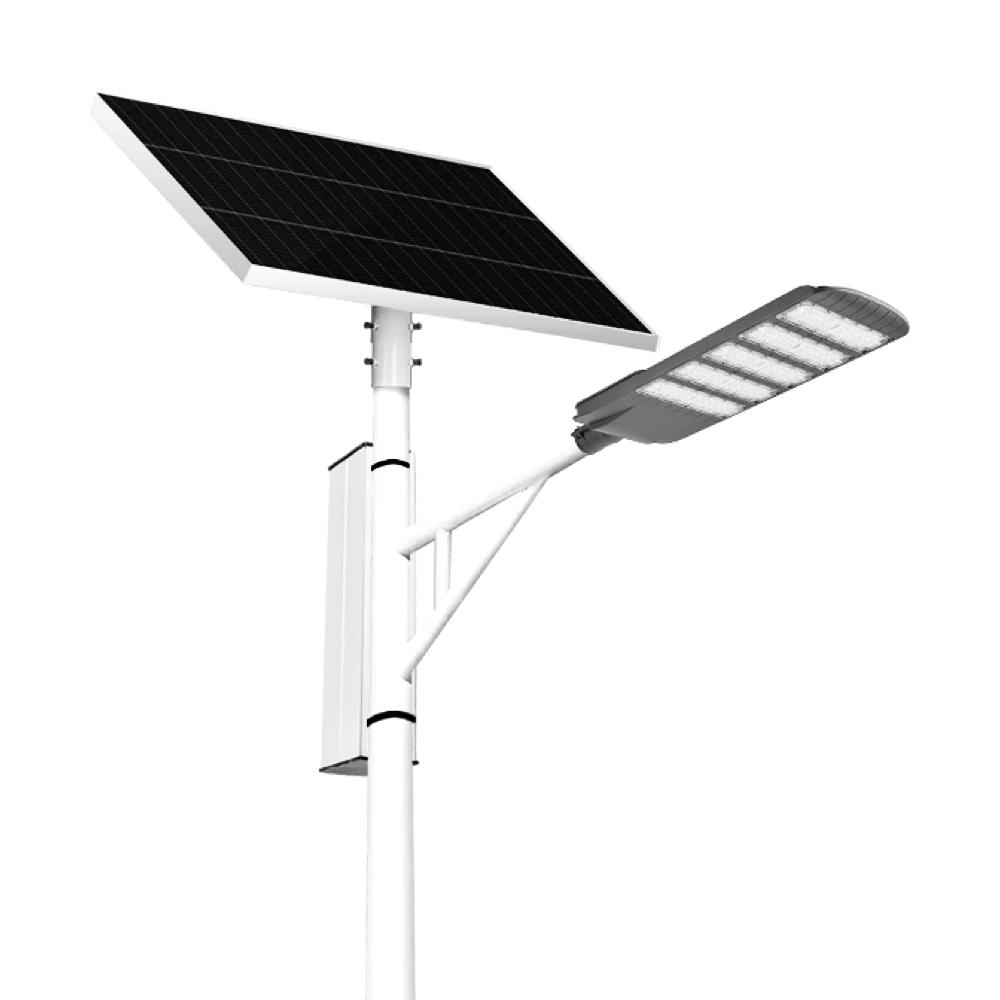
The Solar Streetlights of Luhao for Municipalities are designed to deliver reliable, energy-efficient, and cost-effective public lighting solutions. Equipped with advanced LED technology, durable lithium batteries, and high-efficiency solar panels, these streetlights provide consistent illumination for roads, parks, residential areas, and government projects.
If you would like more information about Queneng solar lighting solutions, please send us a message by filling out the form below. Our professional team will get back to you within 24 hours!
Rest assured that your privacy is important to us, and all information provided will be handled with the utmost confidentiality.
Schedule a Meeting
Book a date and time that is convenient for you and conduct the session in advance.
Have more questions about our products or services?
The messenger of light & power conversion
Environmental protection and intelligent manufacturing are our brand philosophy, and quality assurance and the best user experience are our eternal promises to users.
CONTACT
No.9F, Building F, Cao San Xin Tian Hong Logistics Park, Guzhen Town, Zhongshan City, Guangdong Province, China.
or write [email protected]
WhatsApp: +86 136 2270 1011


