

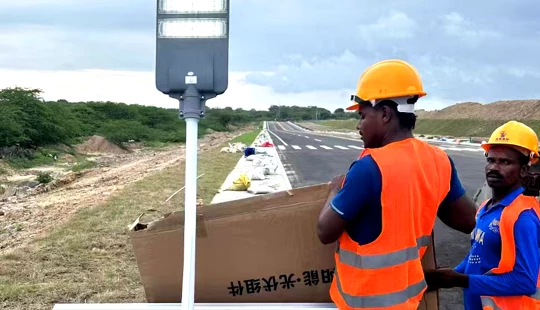
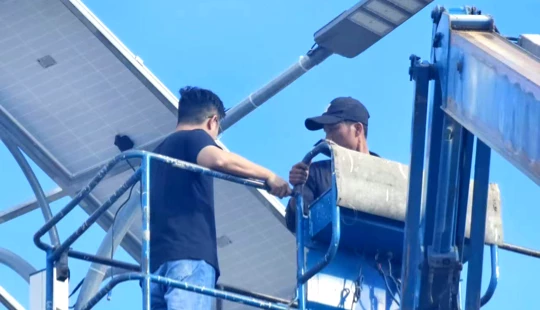













Do solar street lights really save money long-term?
Navigating the World of Solar Street Lighting: Costs, ROI, and Smart Procurement
As the world shifts towards sustainable infrastructure, solar street lighting has emerged as a cornerstone solution for municipal, commercial, and industrial projects worldwide. For procurement professionals in the split solar street light industry, understanding the nuances of cost, performance, and long-term value is paramount. This guide will address your most pressing questions, providing the expert knowledge needed to make informed purchasing decisions.
What is the Typical Cost of Solar Street Lights, and What Drives Price Variation?
The cost of solar street lights varies significantly, typically ranging from $300 to over $3,000 per unit, excluding installation. This broad range is primarily influenced by several key factors:
- LED Wattage and Lumens: Higher brightness (lumens) and wattage demand more powerful LEDs, increasing cost. A typical 30W-60W commercial solar street light might cost $500-$1500, while a high-power 100W-150W system for major roads could exceed $2,000.
- Battery Technology and Capacity: Lithium Iron Phosphate (LiFePO4) batteries are now the industry standard, offering superior lifespan (2,000-4,000+ cycles, 5-8 years) and performance compared to older gel or lead-acid batteries. Larger capacity batteries (measured in Wh or Ah) for longer backup days (e.g., 3-5 days autonomy) will increase the price.
- Solar Panel Efficiency and Size: Monocrystalline solar panels are more efficient (typically 19-22%) and compact but generally cost more per watt than polycrystalline. Larger panel wattage is needed for higher lamp power and battery charging, especially in regions with lower sunlight.
- Pole Height and Material: Poles can account for a significant portion of the total cost. Heights usually range from 4 to 12 meters. Galvanized steel is common, but aluminum or specialty finishes can increase costs.
- Smart Features and Controls: PIR motion sensors, dimming capabilities, IoT connectivity, remote monitoring, and adaptive lighting systems add intelligence and efficiency but also to the overall price.
- Brand and Warranty: Reputable manufacturers often command higher prices due to superior R&D, quality control, and comprehensive warranties.
All-in-One vs. Split Solar Street Lights: Which is Right for Your Project and Why?
The choice between All-in-One (integrated) and Split solar street light systems is a critical decision for procurement professionals, heavily impacting installation, performance, and maintenance. Given your focus on the split solar street light industry, understanding both is essential:
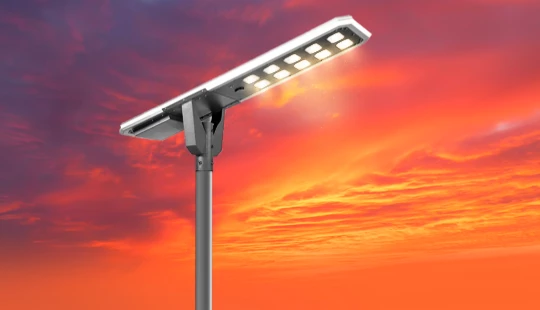
All-in-One (Integrated) Solar Street Lights: These compact units combine the solar panel, battery, controller, and LED lamp into a single fixture mounted directly on the pole.
- Pros: Easier and faster installation, lower labor costs, often aesthetically sleeker, reduced shipping volume.
- Cons: Limited adjustability of the solar panel's angle, battery and controller are exposed to heat from the LED (potentially reducing lifespan), harder to replace individual components, less power autonomy for high-wattage applications.
- Applications: Ideal for residential streets, parks, pathways, small parking lots, and areas requiring quick deployment with consistent sunlight.
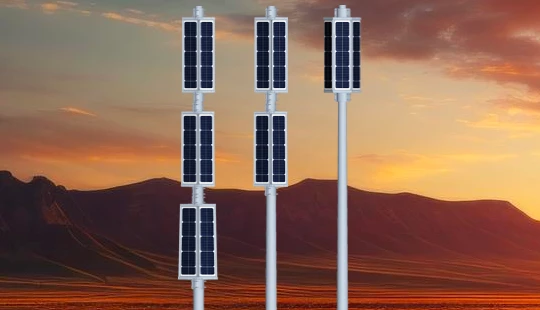
Split Solar Street Lights: In this configuration, the solar panel is separate from the LED lamp and battery box. The panel is typically mounted on top of the pole, while the battery and controller are housed in a box either on the pole or at its base, with the LED lamp mounted separately.
- Pros: Optimized Solar Performance: The solar panel can be independently tilted and oriented for maximum sunlight absorption, crucial for diverse geographical locations or complex shading. Enhanced Component Lifespan: Separating the battery/controller from the heat generated by the LED extends their operational life and ensures stability. Greater Power Output & Autonomy: Can accommodate larger solar panels and battery capacities, making them suitable for higher wattage lamps and longer backup days. Easier Maintenance: Individual components can be accessed and replaced more readily without dismantling the entire fixture. Flexibility: More adaptable to specific project requirements and challenging environmental conditions.
- Cons: Higher initial installation complexity and cost due to separate component mounting and wiring, slightly less compact visual profile.
- Applications: Preferred for main roads, highways, industrial areas, large parking lots, rural roads, areas with fluctuating sunlight, or projects demanding high reliability, robust performance, and maximum power autonomy. This is often the go-to solution for professional procurement due to its long-term benefits and adaptability.
Do Solar Street Lights Really Save Money Long-Term? Calculating Your Return on Investment (ROI).
Absolutely. While the initial investment for solar street lights can be higher than traditional grid-powered lights, the long-term savings and ROI are compelling:
- Zero Electricity Bills: This is the most significant saving. Over a 10-20 year lifespan, the cumulative electricity cost avoided is substantial, especially with rising energy prices.
- Reduced Infrastructure Costs: Eliminating the need for trenching, cabling, transformers, and grid connection fees drastically lowers installation expenses, particularly in remote or new development areas. This can save 20-50% on installation alone compared to extending grid power.
- Lower Maintenance: Solar street lights require minimal routine maintenance beyond occasional cleaning of solar panels. There are no conventional bulb replacements, wiring issues from underground cables, or grid-related outages to contend with. The primary maintenance cost is battery replacement, typically every 5-8 years for quality LiFePO4 batteries.
- Long Lifespan of Components: High-quality LEDs last 50,000-100,000 hours (10-20 years), solar panels last 20-25 years, and controllers typically 5-10 years. This ensures a long service life with minimal replacement parts.
- Environmental Incentives: Many governments and regions offer tax breaks, grants, or rebates for adopting renewable energy solutions, further improving ROI.
- Payback Period: Depending on local electricity costs and initial investment, the payback period for solar street lights often ranges from 3 to 7 years. After this period, the lights essentially operate for free, generating pure savings.
What Key Qualities Define a Reliable Solar Street Light Manufacturer?
Choosing the right manufacturer is crucial for the success and longevity of your solar street light projects:
- Experience and Reputation: Look for manufacturers with a proven track record (e.g., 10+ years in the industry) and positive client testimonials or case studies.
- R&D Capabilities: A manufacturer committed to innovation will offer advanced technologies (e.g., high-efficiency MPPT controllers, intelligent energy management systems, advanced battery technology) and product improvements.
- Customization and Flexibility: The ability to tailor solutions (e.g., specific pole heights, battery autonomy, luminaire designs, smart features) to diverse project requirements is vital for professional procurement.
- Quality Control and Certifications: Strict QC processes throughout production are non-negotiable. Verify international certifications like ISO 9001 (Quality Management), ISO 14001 (Environmental Management), CE, RoHS, and specific IP ratings (e.g., IP65, IP66 for dust and water ingress protection).
- Component Sourcing: A reliable manufacturer uses high-quality, branded components (e.g., Bridgelux/Lumileds LEDs, LiFePO4 batteries from reputable suppliers like CATL, highly efficient monocrystalline panels).
- Comprehensive Warranty & After-Sales Support: A strong warranty (typically 3-5 years for the entire system, longer for specific components like panels) and responsive technical support are indicators of a manufacturer's confidence in their product and commitment to customer satisfaction.
- Project Management & Logistics: Experience in handling large-scale international projects, including design, manufacturing, quality inspection, and logistics.
Understanding the Lifespan and Maintenance of Core Solar Street Light Components.
The longevity and minimal maintenance requirements of solar street lights are key to their long-term cost-effectiveness:
- LED Luminaire: High-quality LED chips (e.g., Philips, Cree, Osram) typically have an impressive lifespan of 50,000 to 100,000 hours. Operating 12 hours a day, this translates to 10-20 years of service. Maintenance is generally limited to occasional cleaning to ensure optimal light output.
- LiFePO4 Battery: These batteries are the heart of the system. Their lifespan is measured in charge/discharge cycles, typically 2,000 to 4,000+ cycles. In practical terms, this means a lifespan of 5-8 years, or even 10+ years with advanced battery management systems and optimal operating conditions. Replacement is the most significant maintenance cost, but the intervals are long.
- Solar Panel: Monocrystalline silicon solar panels are highly durable, with a performance warranty often extending to 20-25 years, guaranteeing 80% or more of their original power output. They require minimal maintenance, mainly periodic cleaning to remove dust, dirt, or snow that can obstruct sunlight absorption.
- Solar Charge Controller (MPPT/PWM): These devices manage power flow and protect the battery. High-quality MPPT controllers, being more efficient, typically last 5-10 years. They are solid-state devices with no moving parts, requiring little to no maintenance.
- Pole: A hot-dip galvanized steel pole can last 15-25 years or more, resisting corrosion effectively.
Overall maintenance for a well-designed solar street light system is significantly lower than traditional grid lighting, primarily involving periodic inspections and battery replacement.
What Certifications and Standards Should You Look for in Solar Street Lights?
Compliance with international and regional standards is a strong indicator of product quality, safety, and reliability. When procuring solar street lights, always look for the following certifications:
- ISO 9001: Ensures the manufacturer has a robust Quality Management System.
- ISO 14001: Indicates an effective Environmental Management System.
- CE (Conformité Européenne): Essential for products sold in the European Economic Area, signifying compliance with health, safety, and environmental protection standards.
- RoHS (Restriction of Hazardous Substances): Certifies that the product does not contain specified hazardous materials.
- IP Rating (Ingress Protection): Crucial for outdoor lighting. IP65 (dust-tight and protected against water jets) or IP66 (dust-tight and protected against powerful water jets) are common and recommended for all components (luminaire, battery box, controller).
- IK Rating (Impact Protection): Measures resistance against mechanical impacts, important for the luminaire housing.
- FCC (Federal Communications Commission): For products sold in the United States that might emit radio frequency energy.
- IEC Standards: International Electrotechnical Commission standards for solar panels, batteries, and other electrical components.
- SASO (Saudi Standards, Metrology and Quality Org.): For products intended for the Saudi Arabian market.
These certifications ensure that the solar street lights meet rigorous performance, safety, and environmental criteria, offering peace of mind for long-term projects.
Queneng Lighting: Your Partner for Advanced Solar Street Lighting Solutions
At Queneng Lighting, we specialize in delivering high-performance, reliable, and cost-effective solar street lighting solutions. With extensive experience in both All-in-One and Split systems, we understand the specific needs of procurement professionals and the nuances of diverse project requirements. Our commitment to excellence is reflected in:
- Cutting-edge Technology: Utilizing high-efficiency monocrystalline solar panels, High Quality LiFePO4 batteries, advanced MPPT controllers, and high-lumen LED chips for superior performance and longevity.
- Robust Quality Control: Adhering strictly to ISO 9001 and 14001 standards, with products certified by CE, RoHS, IP65/66, and more, ensuring reliability and safety.
- Customization Expertise: We offer tailored solutions, from pole design and battery autonomy to smart control systems, perfectly matching your project's unique demands.
- Comprehensive Support: From initial design consultation and manufacturing to quality inspection and reliable after-sales service, including competitive warranties.
- Focus on ROI: Our systems are engineered for maximum energy savings, minimal maintenance, and a rapid return on investment, delivering true long-term value.
Partner with Queneng Lighting for intelligent, sustainable, and powerful lighting solutions that stand the test of time and deliver exceptional value.
References
- Solar Street Light Cost Analysis: Industry Reports and Manufacturer Data (General Industry Knowledge, various manufacturer websites like Philips, Black Solar, etc., and B2B platforms like Alibaba - accessed Q4 2023 / Q1 2024).
- Lithium Iron Phosphate (LiFePO4) Battery Lifespan: Power-Sonic Blog - How Long Do LiFePO4 Batteries Last? (Accessed April 15, 2024).
- Solar Panel Longevity: U.S. Department of Energy - How Long Do Solar Panels Last? (Accessed April 15, 2024).
- LED Lifespan and Efficiency: U.S. Department of Energy - LED Lighting (Accessed April 15, 2024).
- General Solar Street Light Industry Standards and Certifications: (General industry knowledge based on common certifications requested by clients and listed by reputable manufacturers, e.g., TUV Rheinland, SGS certification bodies - accessed Q4 2023 / Q1 2024).

Have more questions about our products or services?
The latest hot news you might like

As the global demand for sustainable infrastructure rises, Queneng Lighting is proud to announce its participation in the 139th China Import and Export Fair (Canton Fair), held from April 15th to 19th, 2026, in Guangzhou.
For over 13 years, Queneng has been at the forefront of the solar lighting industry, providing high-efficiency solutions for infrastructure contractors, municipal developers, and EPC companies worldwide. This year, we are bringing our most advanced technology yet to the international stage.

Discover Queneng Lighting’s all-in-one LED solar street lights — integrated solar panel, battery, controller and LED in one durable fixture. Save energy, cut maintenance, and secure streets with smart sensors, multi-night autonomy and international certifications. Contact sales for quotes and support.

Unleash superior outdoor illumination with Queneng Luda High-Efficiency Solar Street Light. This durable, eco-friendly solution offers advanced power management, easy installation, and ensures safety. Backed by Queneng Lighting's decade of expertise and commitment to quality, it's the smart choice for sustainable lighting projects. Learn why we're a leading solar solutions provider.

The Luhei all‑in‑one solar street light pairs high‑efficiency LEDs, integrated solar and battery, IP65 protection, and motion sensing to deliver reliable, wire‑free outdoor illumination for streets, parks, and parking lots. Backed by Queneng Lighting’s certifications and support.
FAQ
Public Gardens and Landscape Lighting
Are there any warranty options for solar lights?
Yes, we offer a standard 2-year warranty for all our solar lighting products. The warranty covers manufacturing defects and performance issues under normal usage. For any issues outside the warranty period, we provide repair and replacement services.
Do solar lights need wiring?
No, one of the main advantages of solar lights is that they do not require any wiring or electrical connections. They operate independently using solar energy, making installation quick, easy, and cost-effective.
Solar Street Light Luqing
Are solar street lights easy to install?
Yes, solar street lights are easy to install. They do not require external wiring or connections to the electrical grid. The installation process is straightforward and typically involves mounting the light pole, positioning the solar panel, and securing the battery and lighting unit.
Remote Areas Rural Development
What is the average lifespan of the lighting system?
The system typically lasts 8-10 years, with components like batteries requiring replacement every 5-8 years.
Solar Street Light Luhui
Can Luhui solar street lights be controlled remotely?
Certain models of Luhui solar street lights come with smart control features, allowing users to remotely monitor and adjust settings such as brightness levels and operational times via mobile apps or centralized systems.
OEM&ODM
What is your minimum order quantity (MOQ) for OEM services?
Our standard MOQ for OEM solar lights is 100 units. For ODM or special mold development, please contact our team.
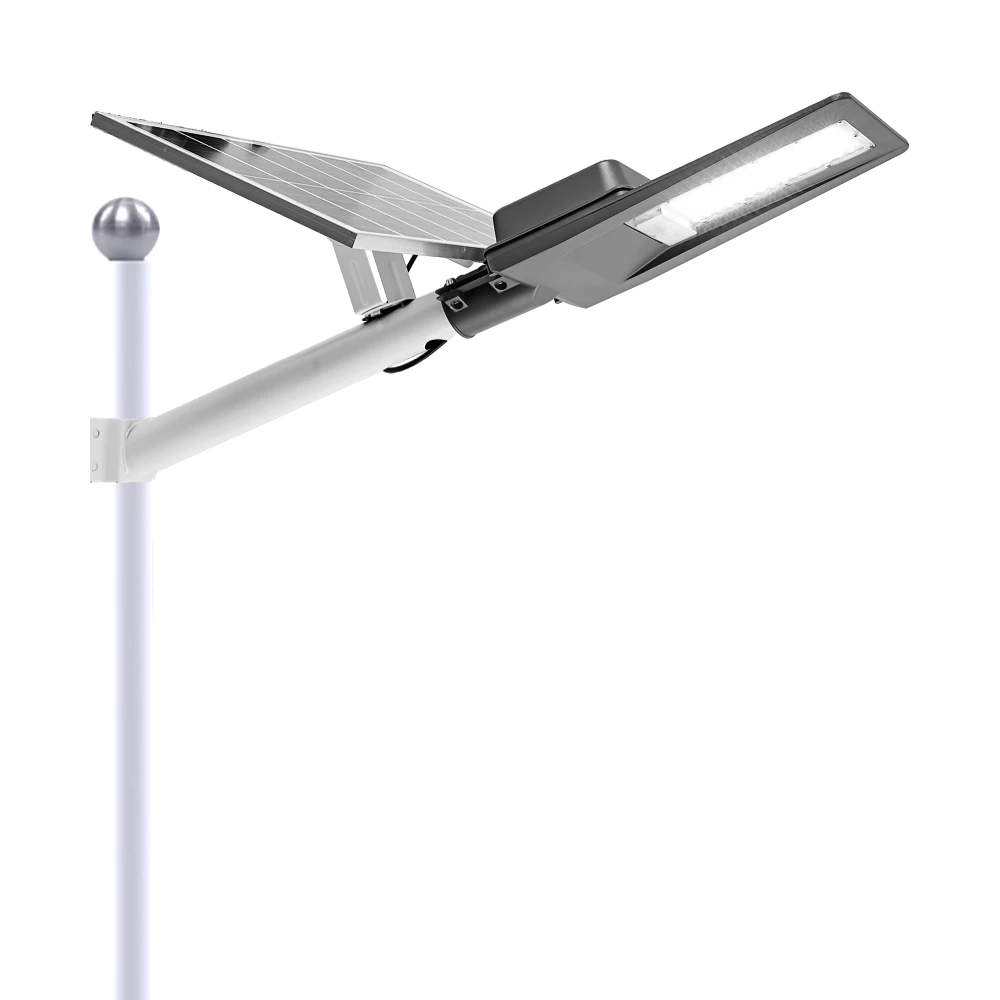
Experience reliable outdoor illumination with our smart solar street light, a perfect combination of advanced technology and eco-conscious design.
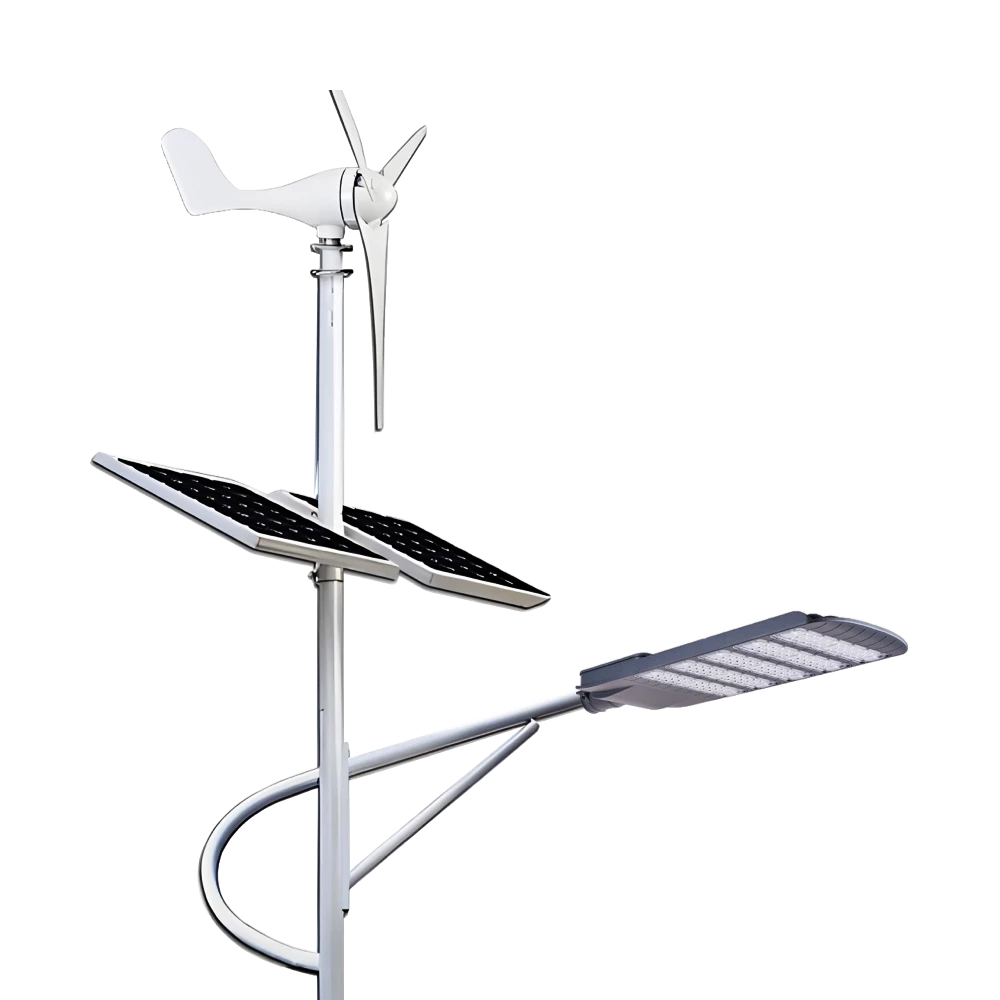
Queneng Lufeng Wind Energy LED Outdoor Solar Street Lights offer high-performance, eco-friendly illumination. These energy-efficient LED street lights harness solar power and wind energy for sustainable, cost-effective outdoor lighting solutions.
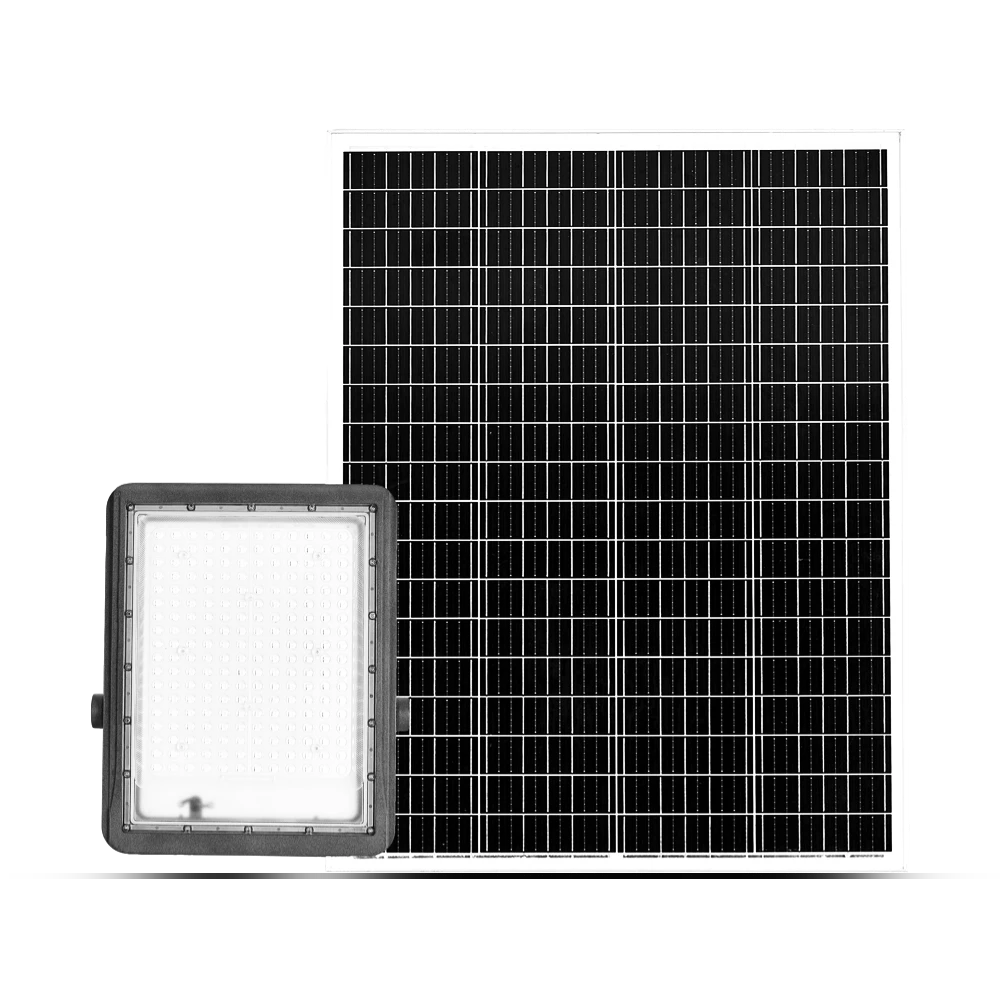
Queneng's Luxian Reliable Solar Street Light offers energy-saving LED lighting for outdoor use. This durable, solar-powered street light provides reliable illumination, reducing energy costs and environmental impact. A perfect solution for sustainable outdoor lighting.
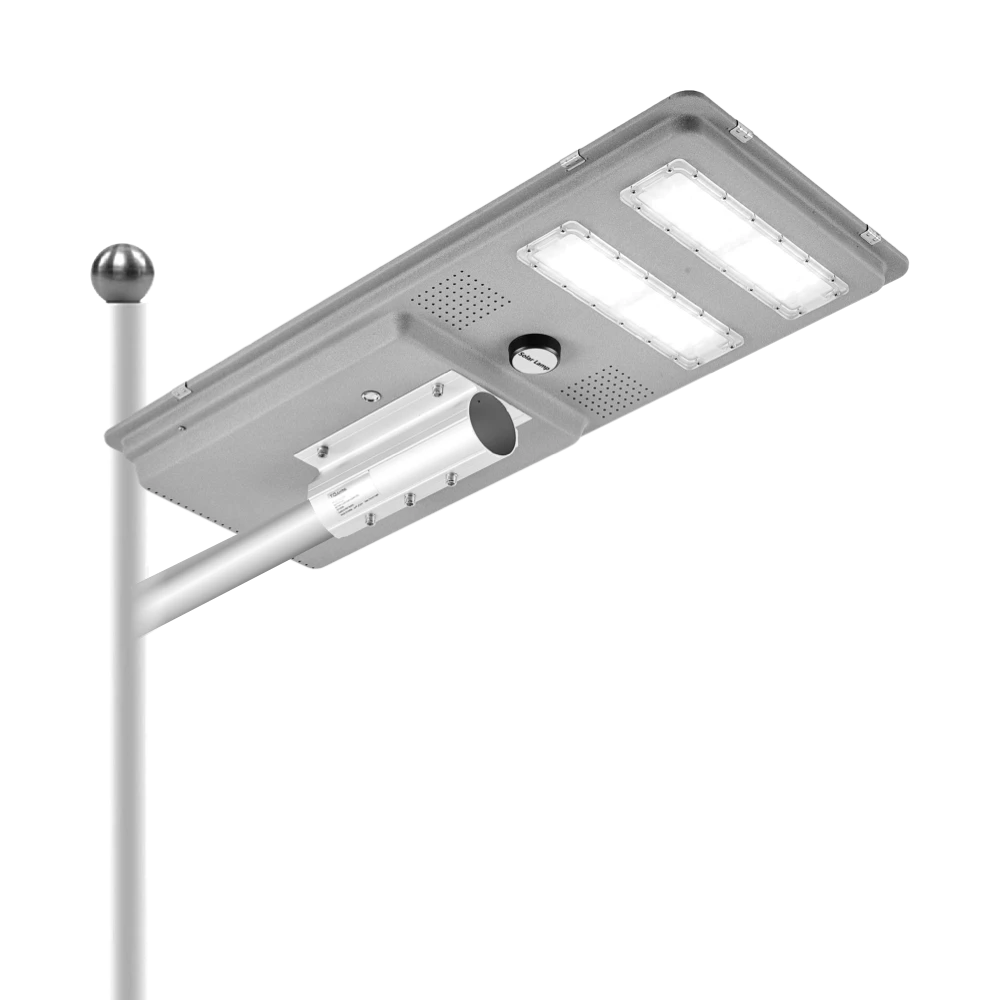
Queneng’s Solar Street Lights are designed to provide reliable, energy-efficient lighting for streets, parks, and other outdoor spaces.
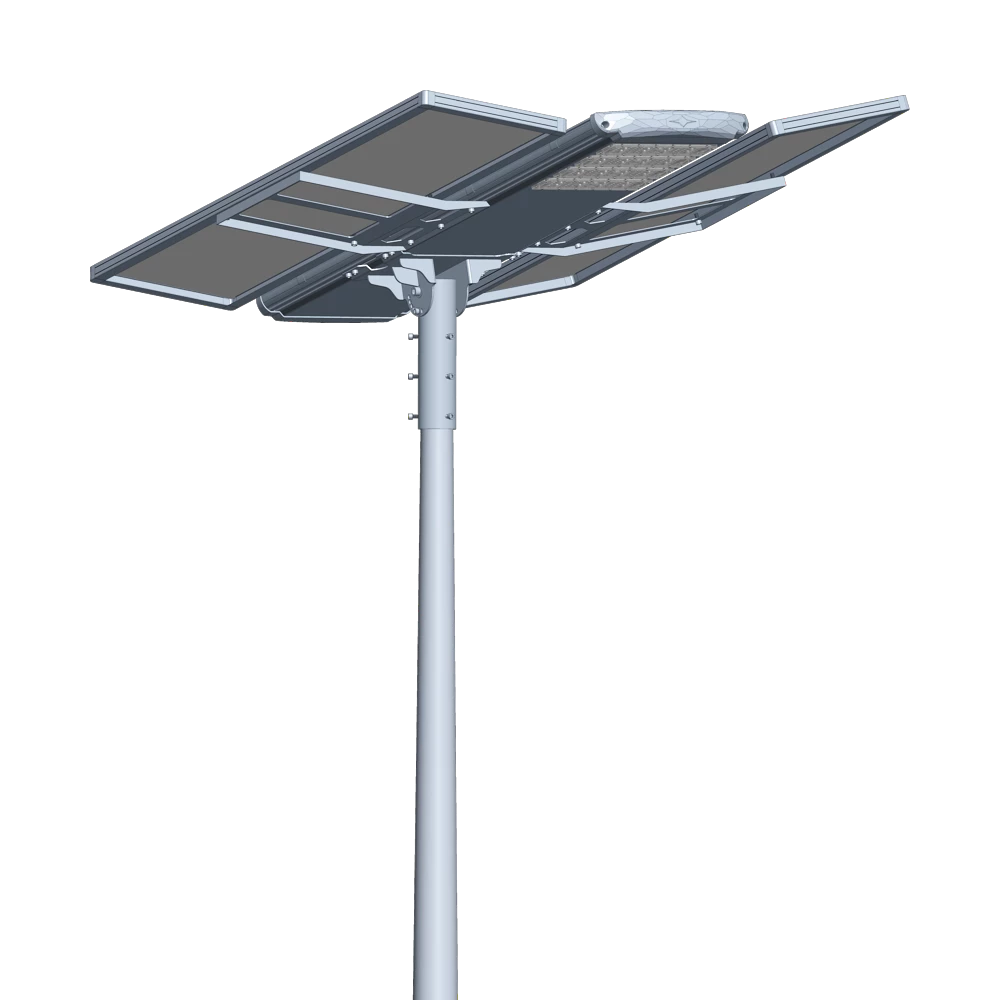
Introducing the Luqing Solar Street Light by Queneng, Efficient LED lighting powered by solar energy is perfect for illuminating outdoor areas. Harness the power of solar energy for sustainable, reliable street lighting. Ideal for eco-friendly, cost-effective outdoor illumination solutions.
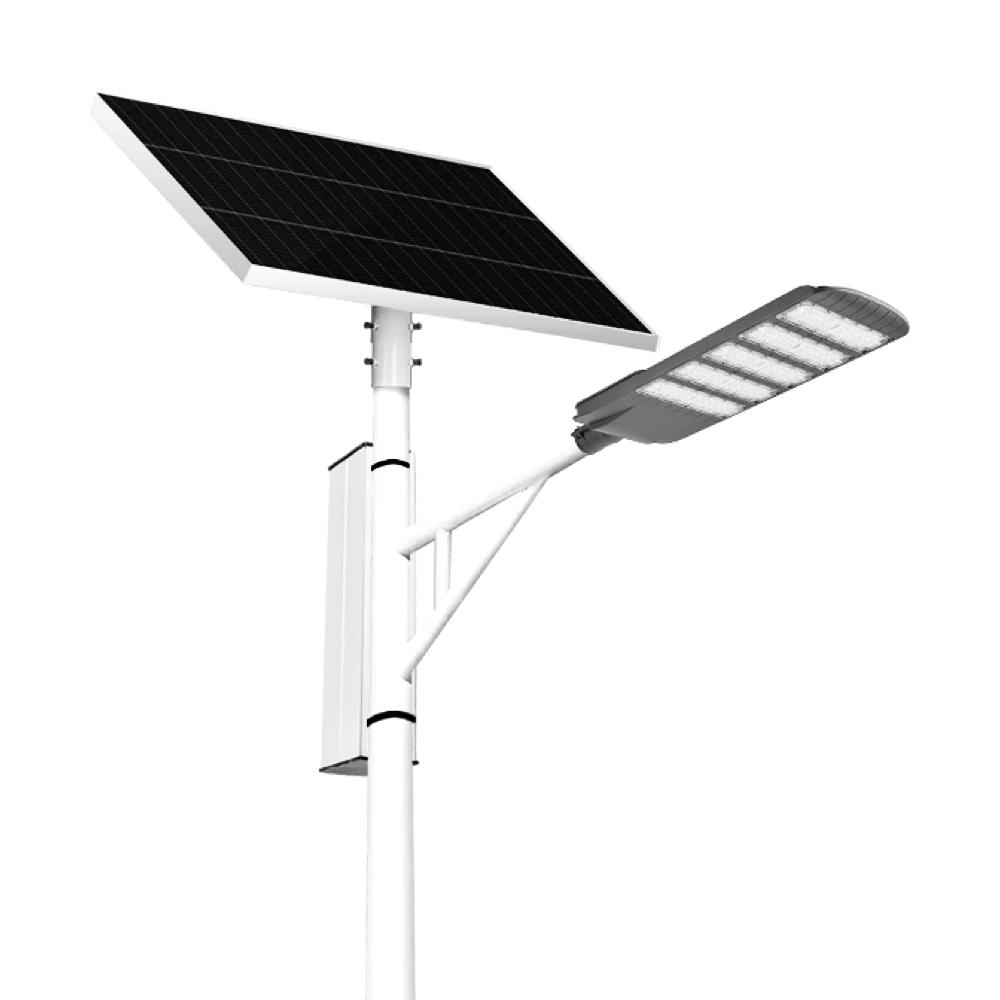
The Solar Streetlights of Luhao for Municipalities are designed to deliver reliable, energy-efficient, and cost-effective public lighting solutions. Equipped with advanced LED technology, durable lithium batteries, and high-efficiency solar panels, these streetlights provide consistent illumination for roads, parks, residential areas, and government projects.
If you would like more information about Queneng solar lighting solutions, please send us a message by filling out the form below. Our professional team will get back to you within 24 hours!
Rest assured that your privacy is important to us, and all information provided will be handled with the utmost confidentiality.
Schedule a Meeting
Book a date and time that is convenient for you and conduct the session in advance.
Have more questions about our products or services?
The messenger of light & power conversion
Environmental protection and intelligent manufacturing are our brand philosophy, and quality assurance and the best user experience are our eternal promises to users.
CONTACT
No.9F, Building F, Cao San Xin Tian Hong Logistics Park, Guzhen Town, Zhongshan City, Guangdong Province, China.
or write [email protected]
WhatsApp: +86 136 2270 1011


