














What warranty should a manufacturer offer on solar lights?
Understanding the Cost of Solar Street Lights: A Comprehensive Guide for Procurement
The upfront cost of solar street lights is a critical factor for any procurement professional. However, a holistic view considers the Total Cost of Ownership (TCO), which includes initial purchase, installation, and long-term maintenance. The price of a solar street light system can vary significantly, typically ranging from $100 for a basic all-in-one unit to over $2,000 for a high-power, industrial-grade split system, excluding the pole and installation. Several factors influence this cost:
- Wattage and Brightness (Lumens): Higher wattage LEDs and greater lumen output require more powerful components, increasing cost.
- Solar Panel Efficiency and Size: More efficient monocrystalline panels, or larger panels needed for higher power output and longer autonomy, add to the price.
- Battery Capacity and Type: Lithium Iron Phosphate (LiFePO4) batteries are preferred for their superior lifespan and performance but are more expensive than lead-acid options. Larger battery capacities for extended backup (autonomy days) also increase cost.
- Controller Technology: MPPT (Maximum Power Point Tracking) controllers are more efficient than PWM (Pulse Width Modulation) and typically found in higher-end systems.
- Pole and Fixture Material: Galvanized steel or aluminum poles, robust housings (e.g., IP65/IP66 rated), and aesthetic designs contribute to the overall price.
- Integrated Features: PIR motion sensors, dimming capabilities, remote monitoring, and smart city integrations add to the complexity and cost.
- Manufacturer and Brand Reputation: Established manufacturers with proven track records and comprehensive warranties often command higher prices due to assured quality and support.
For large-scale projects, economies of scale can reduce per-unit costs, but it’s crucial to balance initial outlay with long-term reliability and performance to achieve a favorable Return on Investment (ROI).
Split vs. All-in-One Solar Street Lights: Which is Right for Your Project?
Understanding the fundamental differences between split and all-in-one solar street lights is vital for making an informed procurement decision, especially for specific project requirements.
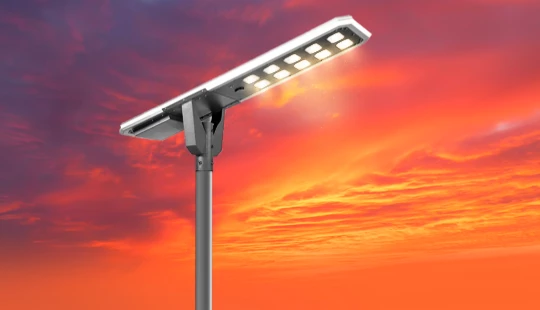
- All-in-One (Integrated) Solar Street Lights: These units combine the solar panel, battery, LED lamp, and controller into a single compact fixture.
- Pros: Easier and faster installation, lower initial purchase cost, sleek aesthetics, reduced risk of theft for individual components.
- Cons: Limited flexibility in solar panel orientation (must face south for optimal sun), smaller battery capacity (impacting autonomy), potential heat dissipation issues for battery/controller in hot climates, less suitable for high-power applications or areas with inconsistent sunlight.
- Best For: Residential areas, parks, pathways, smaller commercial projects where aesthetics and ease of installation are primary.
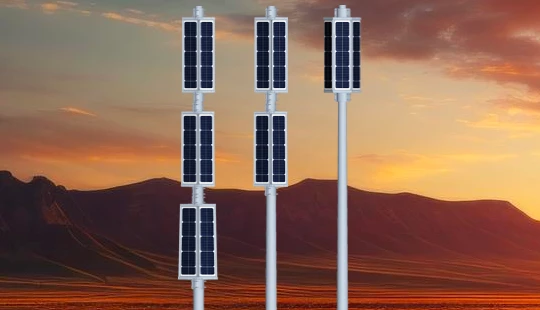
- Split (Separated) Solar Street Lights: These systems have separate components—a solar panel mounted on top of the pole or nearby, and the battery, controller, and LED lamp either on the pole or in a ground box.
- Pros: Greater flexibility in solar panel positioning (can be oriented for maximum sun exposure), ability to use larger solar panels and battery capacities (ensuring longer autonomy and higher power output), better heat management for batteries (extending lifespan), ideal for high-power demands, harsh environments, or areas with specific solar irradiation challenges. More robust and customizable.
- Cons: Higher initial installation cost and complexity, more wiring, potentially less aesthetically pleasing due to separate components, increased risk of component theft.
- Best For: Major roadways, industrial areas, remote locations, large infrastructure projects, regions with extreme temperatures, or where specific lighting requirements demand superior performance and reliability.
For procurement professionals, specifying split solar street lights often implies a need for enhanced performance, durability, and adaptability to challenging conditions.
What Key Components Drive Solar Street Light Performance and Longevity?
The performance, efficiency, and lifespan of a solar street light system are dictated by the quality and integration of its core components:
- Solar Panel (Photovoltaic Module):
- Type: Monocrystalline panels are generally more efficient (typically 18-22% conversion efficiency) and perform better in low light, making them a preferred choice for solar street lights, despite being slightly more expensive than polycrystalline.
- Power Output: Measured in watts (W), it determines how quickly the battery recharges.
- Lifespan: High-quality panels can last 20-25+ years with minimal degradation.
- Battery:
- Type: Lithium Iron Phosphate (LiFePO4) batteries are the industry standard due to their superior cycle life (2,000-4,000+ cycles to 80% Depth of Discharge - DOD), higher safety, better temperature tolerance, and lighter weight compared to traditional lead-acid batteries.
- Capacity: Measured in Amp-hours (Ah) or Watt-hours (Wh), dictating the system's autonomy (number of nights it can operate without sun).
- Lifespan: 5-10 years for quality LiFePO4 batteries, depending on usage and environmental conditions.
- LED Lamp (Light Emitting Diode):
- Efficacy: Measured in lumens per watt (lm/W), indicating light output per unit of energy. Higher efficacy means more light with less power.
- Chip Quality: Reputable brands like Philips, Cree, Osram ensure higher quality, brightness, and longer life.
- Lifespan: LEDs are remarkably long-lasting, often rated for 50,000 to 100,000 operating hours.
- Solar Charge Controller:
- Type: MPPT (Maximum Power Point Tracking) controllers are highly recommended as they can increase charging efficiency by 15-30% compared to PWM (Pulse Width Modulation), especially in fluctuating weather conditions.
- Function: Protects the battery from overcharging, over-discharging, and reverse polarity, optimizing charging current from the solar panel.
- Lifespan: Typically 5-10 years.
- Pole and Housing:
- Material: Galvanized steel or aluminum for durability and corrosion resistance.
- IP Rating: Ingress Protection rating (e.g., IP65 or IP66) indicates resistance to dust and water ingress, crucial for outdoor use.
- Wind Load Rating: Essential for structural integrity in high-wind regions.
Investing in higher-quality components ensures greater reliability, efficiency, and a longer operational lifespan, minimizing long-term replacement and maintenance costs.
How to Choose a Reliable Solar Street Light Manufacturer?
Selecting the right manufacturer is paramount for the success and longevity of your solar street light project. Look for manufacturers that demonstrate:
- Experience and Reputation: Years in the industry and positive client testimonials or project references indicate reliability and expertise.
- R&D Capabilities: A commitment to research and development suggests innovation and the ability to offer advanced, efficient solutions.
- Quality Control and Certifications: Inquire about their manufacturing process, quality assurance protocols, and adherence to international standards (e.g., ISO 9001 for quality management).
- Component Sourcing: A reputable manufacturer will use high-quality, branded components (e.g., LiFePO4 batteries, Bridgelux/Cree/Philips LEDs, high-efficiency solar panels).
- Customization and Design Support: The ability to tailor solutions to specific project requirements (e.g., different pole heights, lumen output, autonomy days) is a significant advantage.
- After-Sales Service and Technical Support: Responsive customer service, technical assistance, and readily available spare parts are crucial for long-term project success.
- Warranty Policy: A strong, clear, and comprehensive warranty demonstrates confidence in their product (discussed further below).
- Production Capacity: Ensure they can meet your project's scale and deadlines without compromising quality.
A thorough vetting process involving factory visits, sample testing, and reference checks can help solidify your choice.
What Warranty Should You Expect and Demand for Solar Street Lights?
A robust warranty is a testament to a manufacturer's confidence in their product and offers crucial protection for your investment. Procurement professionals should scrutinize warranty terms for clarity, duration, and coverage:
- Overall System Warranty: A general warranty for the entire solar street light system typically ranges from 3 to 5 years. This covers manufacturing defects in the integrated unit or major components.
- LED Fixture Warranty: LEDs are highly durable, so expect a warranty of 5 to 10 years on the LED light engine itself, covering significant lumen degradation or failure.
- Solar Panel Warranty: Solar panels usually come with two types of warranties:
- Product Warranty: 10-12 years against manufacturing defects.
- Performance Warranty: 20-25 years, guaranteeing a certain percentage of power output (e.g., 90% after 10 years, 80% after 25 years).
- Battery Warranty: For LiFePO4 batteries, a warranty of 3 to 5 years is standard, with some High Quality brands offering 7-10 years, reflecting their cycle life capabilities. This covers premature capacity loss or failure.
- Charge Controller Warranty: Expect a warranty of 3 to 5 years, covering functional defects.
Key considerations for warranty evaluation:
- Clarity of Terms: What is explicitly covered and excluded? What actions void the warranty?
- Claim Process: Is the process for making a warranty claim clear and straightforward?
- Manufacturer's Stability: Is the manufacturer likely to be around to honor their warranty in the future?
- Remedy: Does the warranty cover replacement parts, labor, or full system replacement?
Always prioritize manufacturers offering comprehensive, transparent warranties from financially stable companies.
What Certifications and Standards Are Essential for Solar Street Lights?
Ensuring compliance with international certifications and standards is critical for verifying product quality, safety, and environmental responsibility. Key certifications to look for include:
- IP Rating (Ingress Protection): Essential for outdoor lighting. An IP65 or IP66 rating is typically required, indicating protection against dust ingress and powerful water jets, ensuring durability against weather elements.
- CE Certification: Confirms that products sold within the European Economic Area (EEA) meet EU safety, health, and environmental protection requirements.
- RoHS Compliance: Restricts the use of specific hazardous materials found in electrical and electronic products, ensuring environmental safety.
- ISO 9001: Certifies that a manufacturer adheres to a recognized quality management system, indicating consistent product quality.
- IEC (International Electrotechnical Commission) Standards: Particularly relevant for solar panels (e.g., IEC 61215 for crystalline silicon terrestrial PV modules) and batteries, ensuring performance and safety.
- UL/ETL Listing: Primarily for the North American market, these certifications indicate that products have been tested and meet specific safety standards.
These certifications provide independent verification of product claims and manufacturer reliability, reducing procurement risks.
What is the Lifespan and Maintenance Requirement of Solar Street Lights?
The overall lifespan of a high-quality solar street light system can be 10 to 15 years or more, but this is heavily dependent on the quality of its individual components and proper maintenance.
- Component Lifespans:
- Solar Panels: 20-25+ years (though output degrades slowly over time).
- LED Lights: 50,000 - 100,000 hours (equivalent to 11-22 years at 12 hours/night).
- LiFePO4 Batteries: 5-10 years (dependent on charge/discharge cycles and temperature).
- Charge Controllers: 5-10 years.
- Maintenance Requirements: Solar street lights are designed for low maintenance, but some periodic attention can significantly extend their operational life:
- Panel Cleaning: Regularly clean solar panels to remove dust, dirt, bird droppings, or snow, which can reduce charging efficiency. This is often the most critical maintenance task.
- Battery Checks: For split systems with accessible batteries, periodic checks of connections and voltage can be beneficial (less critical for sealed, modern LiFePO4 batteries).
- Visual Inspection: Check for any physical damage to the pole, fixture, wiring, or mounting brackets, especially after severe weather.
- Component Replacement: The battery is typically the component that requires replacement first, after its cycle life is exhausted.
The minimal maintenance requirements, coupled with no electricity bills, contribute significantly to the attractive long-term TCO of solar street lights.
Why Choose Queneng Lighting for Your Solar Street Light Needs?
As you navigate the complexities of solar street light procurement, partnering with a proven manufacturer like Queneng Lighting offers distinct advantages. Queneng Lighting stands out with its commitment to producing high-quality, reliable solar lighting solutions, particularly excelling in robust split solar street light systems tailored for demanding applications. We leverage advanced R&D to integrate the latest LiFePO4 battery technology, high-efficiency monocrystalline solar panels, and High Quality LED components, ensuring exceptional performance and longevity. Our adherence to stringent quality control processes, backed by international certifications (IP66, CE, RoHS, ISO 9001), guarantees products that meet the highest standards.
Queneng Lighting offers comprehensive, transparent warranties for all components, underscoring our confidence in our products. Beyond superior hardware, we provide extensive customization options and dedicated after-sales support, ensuring your project's unique requirements are met with expert guidance from design to deployment. Choosing Queneng Lighting means investing in sustainable, high-performance lighting solutions backed by expertise and a commitment to customer satisfaction.
References
- Solar Energy Industries Association (SEIA) - Industry Research & Data: www.seia.org/solar-industry-research-data (Accessed May 2024)
- Battery University - BU-205: Types of Lithium-ion: batteryuniversity.com/article/bu-205-types-of-lithium-ion (Accessed May 2024)
- Lumileds - LED Lifetime and Reliability Whitepaper: lumileds.com/support/tech-briefs/led-lifetime-reliability/ (Accessed May 2024)
- International Electrotechnical Commission (IEC) - Standards Overview: www.iec.ch/homepage (Accessed May 2024)

Have more questions about our products or services?
The latest hot news you might like

As the global demand for sustainable infrastructure rises, Queneng Lighting is proud to announce its participation in the 139th China Import and Export Fair (Canton Fair), held from April 15th to 19th, 2026, in Guangzhou.
For over 13 years, Queneng has been at the forefront of the solar lighting industry, providing high-efficiency solutions for infrastructure contractors, municipal developers, and EPC companies worldwide. This year, we are bringing our most advanced technology yet to the international stage.

Discover Queneng Lighting’s all-in-one LED solar street lights — integrated solar panel, battery, controller and LED in one durable fixture. Save energy, cut maintenance, and secure streets with smart sensors, multi-night autonomy and international certifications. Contact sales for quotes and support.

Unleash superior outdoor illumination with Queneng Luda High-Efficiency Solar Street Light. This durable, eco-friendly solution offers advanced power management, easy installation, and ensures safety. Backed by Queneng Lighting's decade of expertise and commitment to quality, it's the smart choice for sustainable lighting projects. Learn why we're a leading solar solutions provider.

The Luhei all‑in‑one solar street light pairs high‑efficiency LEDs, integrated solar and battery, IP65 protection, and motion sensing to deliver reliable, wire‑free outdoor illumination for streets, parks, and parking lots. Backed by Queneng Lighting’s certifications and support.
FAQ
Battery Performance and Testing
What is a fire experiment?
What is the internal resistance in charging state and what is the difference between internal resistance in discharging state?
Battery and Analysis
What is a portable battery?
The portable battery family includes primary batteries and rechargeable batteries (secondary batteries). Button batteries belong to a special group of them
Solar Street Light Luqing
Are Luqing solar street lights suitable for large areas like parking lots or highways?
Yes, Luqing solar street lights are suitable for a variety of outdoor environments, including parking lots, highways, and large public spaces. They offer sufficient brightness and coverage for these areas without the need for grid-based power.
Solar Street Light Luan
How bright are Luan solar street lights compared to traditional street lights?
Luan solar street lights offer brightness comparable to or greater than traditional street lights, using far less energy. The LEDs are designed to provide high-quality, focused illumination, enhancing visibility and safety in outdoor areas while saving energy.
All-in-one solar street lights
Can lighting modes be customized?
Yes, dimming schedules and motion sensor settings can be adjusted.
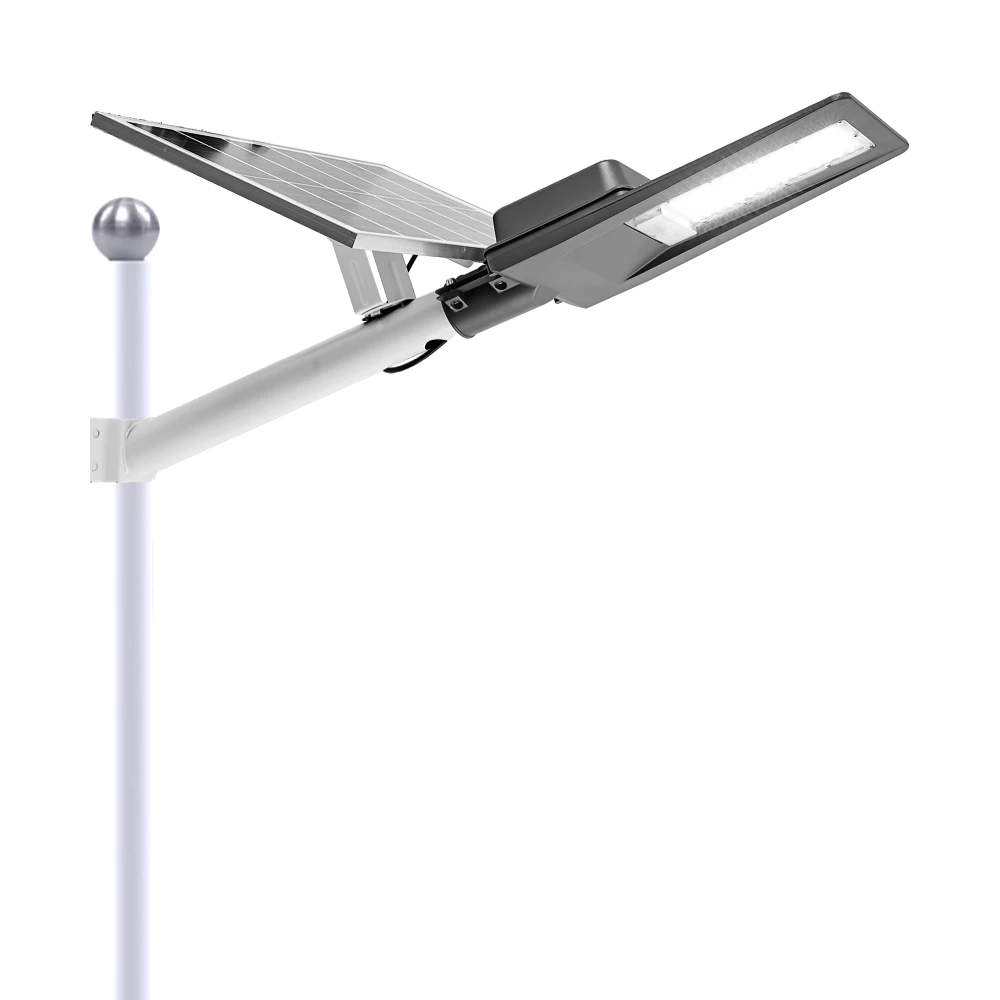
Experience reliable outdoor illumination with our smart solar street light, a perfect combination of advanced technology and eco-conscious design.
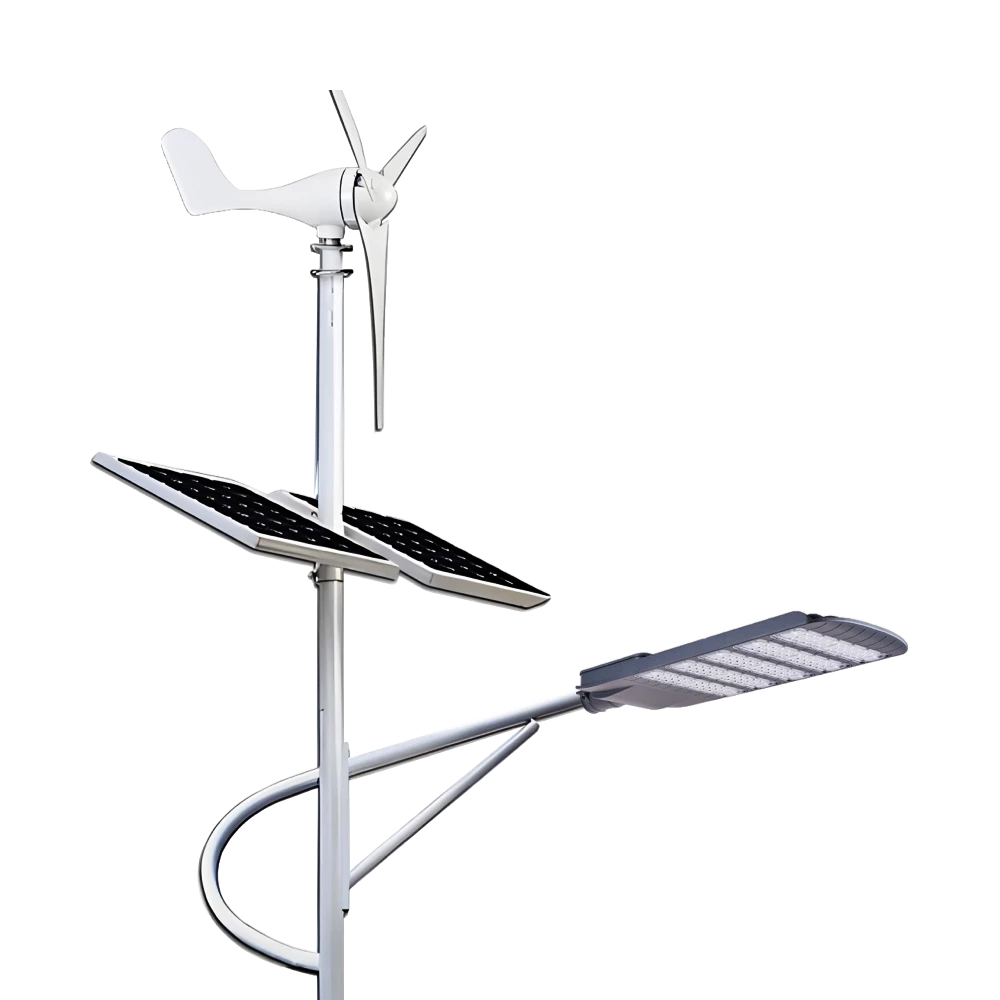
Queneng Lufeng Wind Energy LED Outdoor Solar Street Lights offer high-performance, eco-friendly illumination. These energy-efficient LED street lights harness solar power and wind energy for sustainable, cost-effective outdoor lighting solutions.
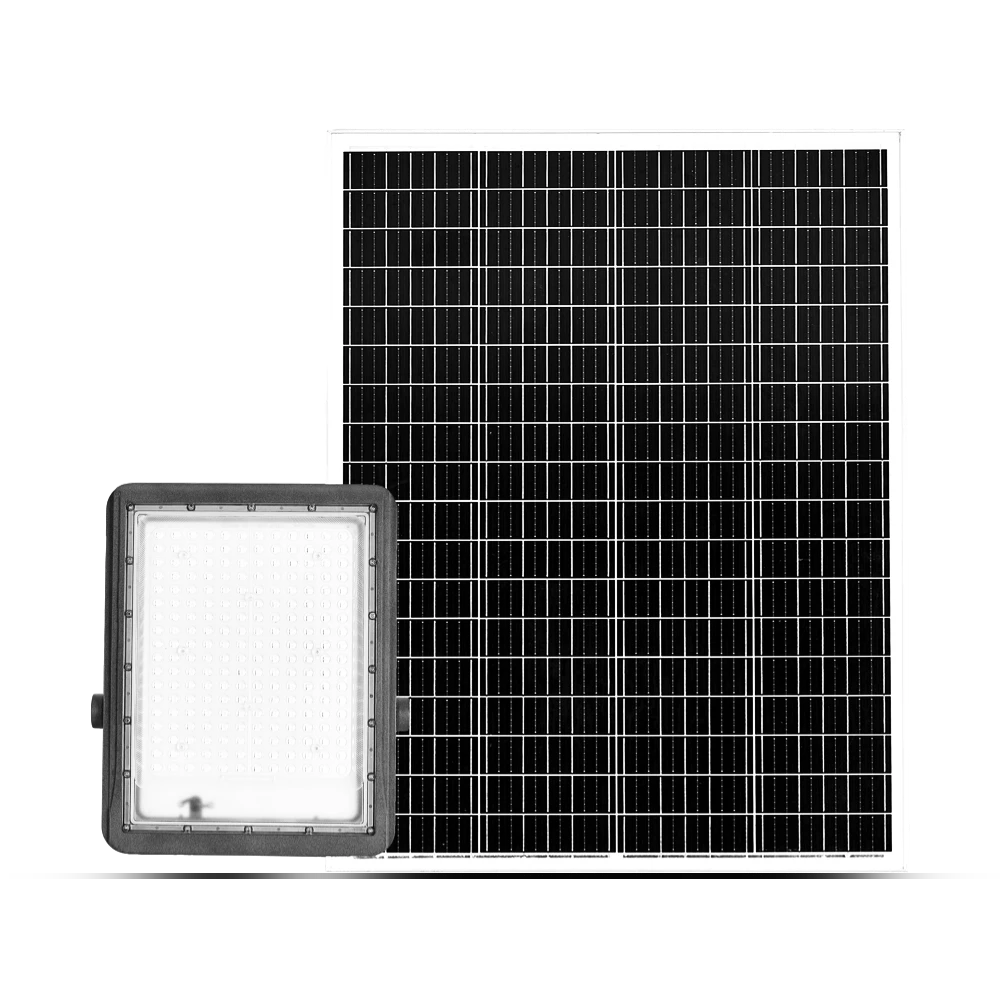
Queneng's Luxian Reliable Solar Street Light offers energy-saving LED lighting for outdoor use. This durable, solar-powered street light provides reliable illumination, reducing energy costs and environmental impact. A perfect solution for sustainable outdoor lighting.
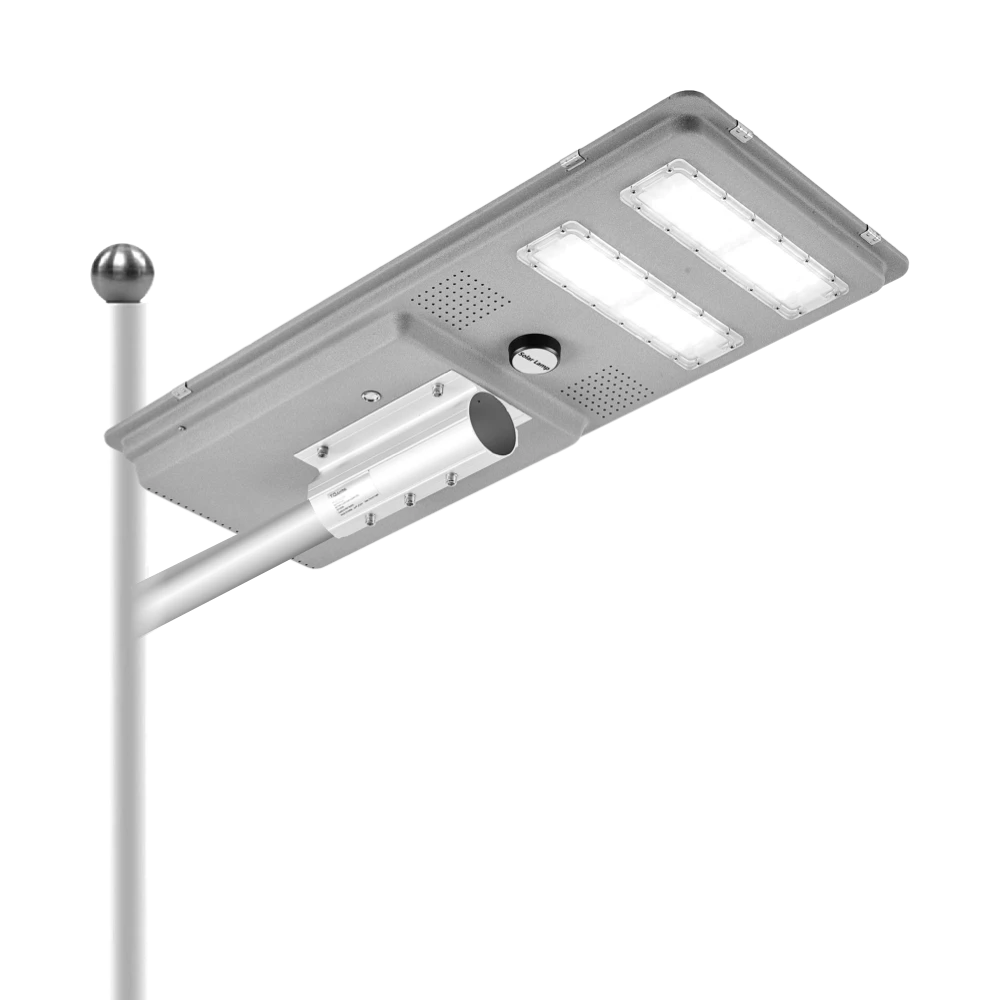
Queneng’s Solar Street Lights are designed to provide reliable, energy-efficient lighting for streets, parks, and other outdoor spaces.
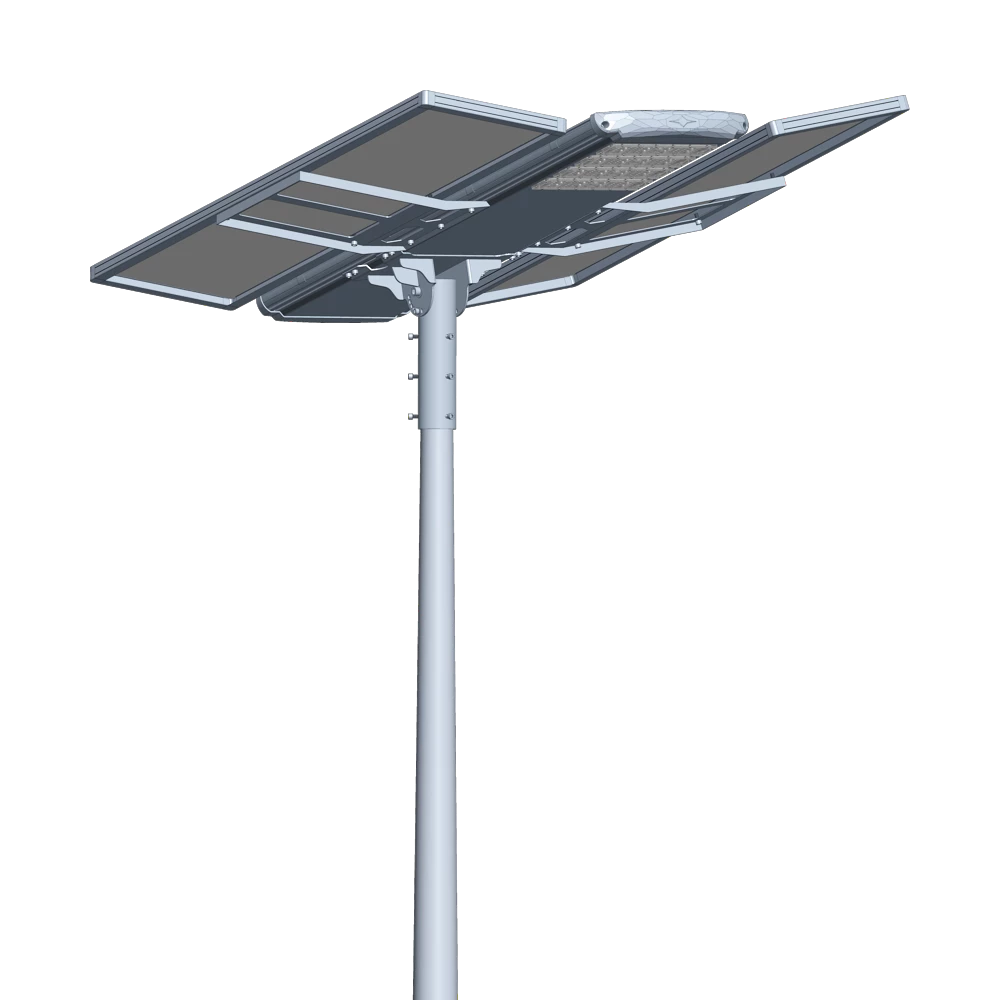
Introducing the Luqing Solar Street Light by Queneng, Efficient LED lighting powered by solar energy is perfect for illuminating outdoor areas. Harness the power of solar energy for sustainable, reliable street lighting. Ideal for eco-friendly, cost-effective outdoor illumination solutions.
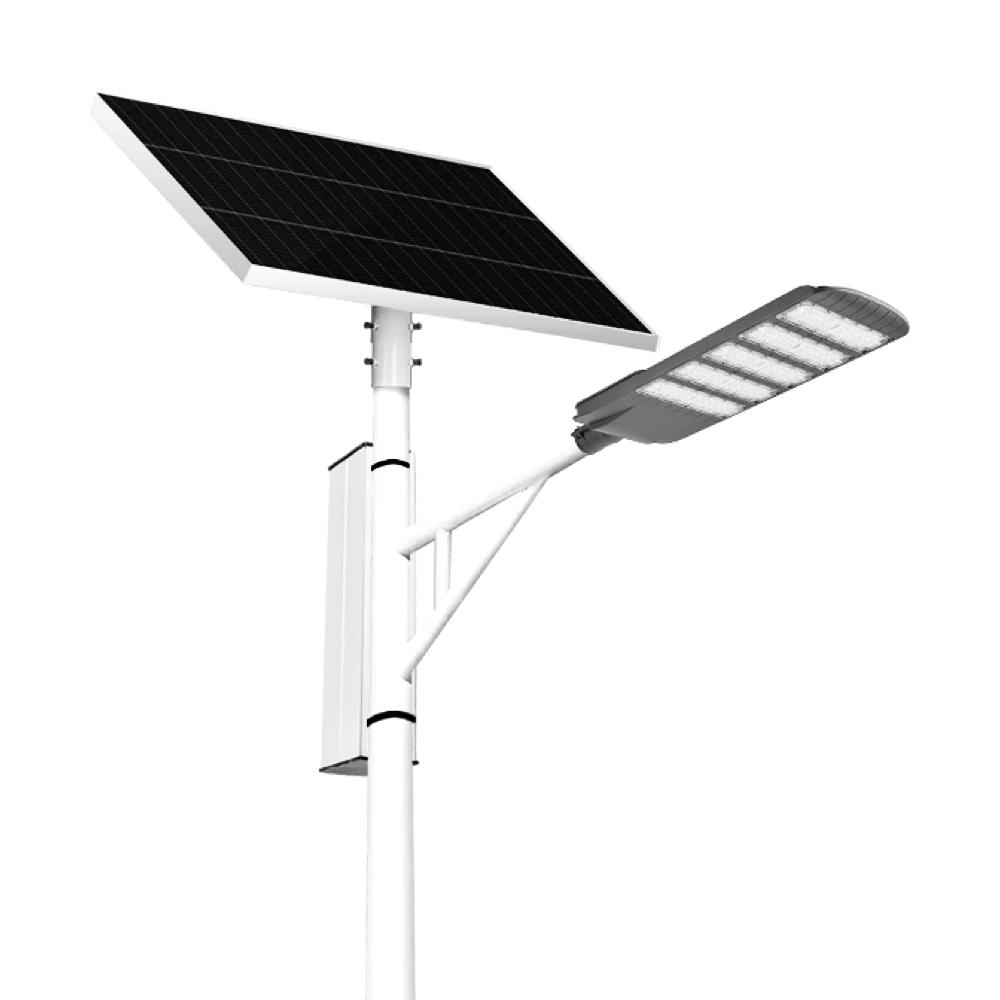
The Solar Streetlights of Luhao for Municipalities are designed to deliver reliable, energy-efficient, and cost-effective public lighting solutions. Equipped with advanced LED technology, durable lithium batteries, and high-efficiency solar panels, these streetlights provide consistent illumination for roads, parks, residential areas, and government projects.
If you would like more information about Queneng solar lighting solutions, please send us a message by filling out the form below. Our professional team will get back to you within 24 hours!
Rest assured that your privacy is important to us, and all information provided will be handled with the utmost confidentiality.
Schedule a Meeting
Book a date and time that is convenient for you and conduct the session in advance.
Have more questions about our products or services?
The messenger of light & power conversion
Environmental protection and intelligent manufacturing are our brand philosophy, and quality assurance and the best user experience are our eternal promises to users.
CONTACT
No.9F, Building F, Cao San Xin Tian Hong Logistics Park, Guzhen Town, Zhongshan City, Guangdong Province, China.
or write [email protected]
WhatsApp: +86 136 2270 1011


