














Finding the best solar street light manufacturer globally?
Navigating the Solar Street Light Market: An In-Depth Buyer's Guide
Investing in solar street lighting is a strategic move towards sustainability, energy independence, and cost savings. However, the market offers a diverse range of products and manufacturers, making the procurement process complex. This guide, tailored for professionals in the split solar street light industry, delves into the critical questions buyers face, providing expert insights to facilitate informed decisions.
What is the average cost of solar street lights, and what factors drive these costs, particularly for split systems?
The cost of solar street lights varies significantly, generally ranging from $150 to over $1,500 per unit, excluding installation. This wide range depends heavily on several factors. For a comprehensive split solar street light system, which includes separate solar panels, batteries, and LED fixtures, the costs tend to be on the higher end due to:
- Wattage and Lumens: Higher wattage LED lights (e.g., 60W-120W) and brighter lumen output (e.g., 6,000-15,000 lumens) require larger solar panels and battery capacities, increasing costs. For instance, a basic residential unit might be $200-$400, while a robust commercial-grade split system designed for main roads could easily exceed $1,000.
- Battery Technology & Capacity: Lithium Iron Phosphate (LiFePO4) batteries, preferred for their longer lifespan (5-10 years) and superior performance, are more expensive than lead-acid batteries. Larger battery capacities (measured in Watt-hours or Amp-hours) are needed for longer illumination times and extended backup (e.g., 2-3 cloudy days), directly impacting the price.
- Solar Panel Efficiency & Size: Monocrystalline silicon panels, known for their higher efficiency (typically 18-22%) and better low-light performance, are pricier than polycrystalline panels. The panel's wattage must match the system's energy consumption, leading to larger and more expensive panels for high-power lights.
- Controller Technology: Advanced Maximum Power Point Tracking (MPPT) controllers are more efficient at harvesting energy from solar panels compared to Pulse Width Modulation (PWM) controllers, adding to the cost but offering better overall system performance and battery longevity.
- Pole and Fixture Quality: High-grade aluminum or galvanized steel poles with anti-corrosion treatments, and durable IP65/IP66 rated fixtures, contribute to overall system cost but ensure longevity and reliability.
- Brand and Warranty: Reputable manufacturers offering longer warranties (e.g., 3-5 years for the entire system, 10-25 years for solar panels) typically have higher prices but provide greater assurance.
Industry data from 2023-2024 indicates that while component prices have stabilized or slightly decreased, demand for higher performance and smart features continues to drive the average price points for advanced systems.
How do All-in-One and Split Solar Street Lights differ, and which type is suitable for specific project requirements?
The choice between All-in-One (Integrated) and Split (Separated) solar street lights is crucial and depends on the specific needs of a project:
All-in-One Solar Street Lights:
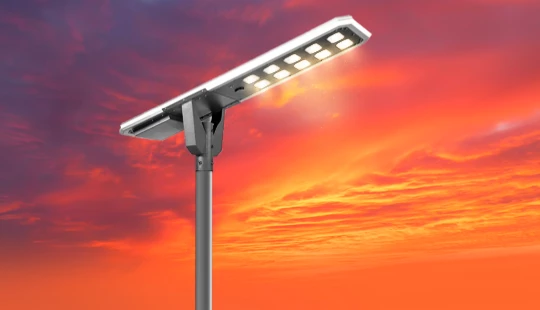
- Design: All components (solar panel, battery, LED light, and controller) are integrated into a single compact fixture.
- Installation: Extremely easy and quick, as there's minimal wiring. Just mount the unit on a pole.
- Cost: Generally lower upfront cost for the unit itself.
- Aesthetics: Often sleek and modern.
- Maintenance: Simpler, but if one component fails, the entire unit might need replacement or specialized repair.
- Best Suited for: Smaller-scale projects, residential areas, parks, pathways, temporary lighting, or applications where aesthetics and ease of installation are paramount, and solar irradiation is consistent.
Split Solar Street Lights:
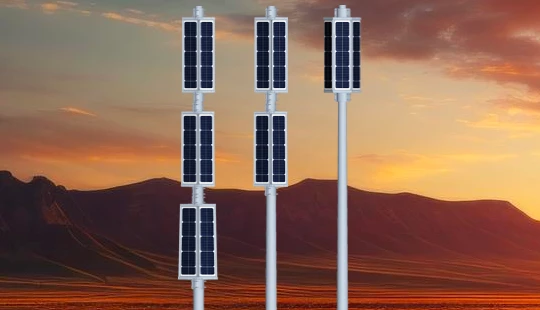
- Design: The solar panel, battery, and LED fixture are separate components, connected by cables. The battery is often housed in a battery box at the base of the pole or directly on the pole.
- Installation: More complex and time-consuming due to wiring and separate component mounting.
- Cost: Higher upfront cost per unit, but offers greater flexibility and potential for longer lifespan in challenging conditions.
- Performance: Superior performance in areas with varying solar exposure or high-power requirements. The solar panel can be independently tilted and oriented for maximum sunlight absorption. The battery, often housed separately, is better protected from extreme temperatures, extending its life.
- Maintenance: Easier to replace individual components (e.g., just the battery or just the LED fixture) without replacing the entire system.
- Best Suited for: Large-scale commercial and industrial projects, main roads, highways, areas with less consistent sunlight, regions with extreme temperatures, or applications requiring higher power output, longer backup times, and maximum reliability and longevity.
For split solar street light industry users, the flexibility in panel placement to optimize solar gain and the better thermal management for the battery are significant advantages, especially in regions with specific environmental challenges or demanding lighting profiles.
What are the critical technical specifications to evaluate when purchasing solar street lights (e.g., lumens, battery capacity, solar panel wattage, IP rating)?
A meticulous evaluation of technical specifications is vital for optimal performance and return on investment:
- Lumen Output (lm): This determines the brightness. Assess the required illuminance (lux) for the specific application (e.g., parking lot, highway, pedestrian path) and match it with the fixture's lumen output. A 40W LED might produce 4,000-5,000 lumens, suitable for a pathway, while a 100W light for a main road could exceed 10,000 lumens.
- Solar Panel Wattage (Wp): The peak power output of the solar panel. It must be sufficient to charge the battery daily and compensate for the night's energy consumption. Oversizing the panel slightly can account for dust, shading, and reduced efficiency over time.
- Battery Capacity (Wh or Ah): Represents the energy storage. Calculate based on the fixture's power consumption (W), desired hours of illumination per night, and required days of autonomy (backup for cloudy days, typically 2-3 days). LiFePO4 batteries are recommended for their deep cycle capabilities and extended life.
- LED Chip Efficiency: Look for reputable LED chip brands (e.g., Philips, Cree, Osram) with high luminous efficacy (>140-160 lm/W) to maximize brightness with minimal power consumption.
- IP Rating (Ingress Protection): Indicates protection against solids and liquids. For outdoor use, IP65 (dust-tight, protected against water jets) is a minimum. IP66 or IP67 offers superior protection, ideal for harsh environments.
- Operating Temperature Range: Ensure the system (especially the battery and electronics) can withstand the local climate's extreme hot and cold temperatures.
- Controller Type: MPPT controllers are crucial for maximizing solar energy harvest, especially in varying weather conditions, and for protecting the battery from overcharging/discharging.
- Mounting Height and Spacing: These influence light distribution and coverage. Manufacturers often provide photometric data (IES files) for light planning.
How can one identify and choose a reliable global solar street light manufacturer?
Finding the best manufacturer globally requires due diligence to ensure product quality, reliability, and long-term support:
- Experience and Track Record: Look for manufacturers with a proven history (e.g., 5-10+ years) in the solar lighting industry and a portfolio of successfully completed projects, especially for large-scale implementations or in diverse climatic conditions.
- Certifications and Standards: Verify compliance with international standards such as ISO 9001 (Quality Management), ISO 14001 (Environmental Management), CE, RoHS, TUV, CB, and UL. These signify adherence to stringent manufacturing and safety protocols.
- In-house R&D and Manufacturing: Manufacturers with strong R&D capabilities and in-house production facilities often have better quality control, can customize solutions, and stay ahead with technological advancements.
- Component Sourcing Transparency: Inquire about the source and brand of critical components (LED chips, batteries, solar panels, controllers). Reputable brands like Philips, Cree, OSRAM (LEDs) and CATL, BYD (batteries) indicate higher quality.
- Warranty and After-Sales Support: A comprehensive warranty (e.g., 3-5 years for the entire system, 10-25 years for solar panels) and accessible after-sales service (technical support, spare parts availability) are indicators of a manufacturer's confidence in their product and commitment to customers.
- Customization Capabilities: For specific project needs, the ability to customize pole heights, lumen output, battery autonomy, or aesthetic design is a significant advantage.
- References and Reviews: Seek client testimonials, case studies, and independent reviews to gauge customer satisfaction and product performance in real-world scenarios.
- Financial Stability: A financially stable manufacturer is more likely to honor warranties and provide long-term support.
What is the expected lifespan of solar street light components, and what warranty terms should buyers look for?
Understanding component lifespans and warranty terms is crucial for long-term project viability and budgeting:
- LED Light Engine: High-quality LED modules typically have a lifespan of 50,000 to 100,000 hours, equating to 10-20 years of operation (based on 10-12 hours/night). Warranties usually range from 3-5 years.
- Battery (LiFePO4): Lithium Iron Phosphate (LiFePO4) batteries are the industry standard for their longevity, offering 2,000 to 4,000 charge/discharge cycles. This translates to an expected lifespan of 5-10 years. Warranties are typically 3-5 years, sometimes 7 years from High Quality brands. Lead-acid batteries have shorter lifespans (2-3 years) and are less commonly used in quality systems today.
- Solar Panel: Monocrystalline silicon solar panels are incredibly durable, often guaranteed to produce 80% of their nominal power output after 20-25 years. Physical warranties against defects are usually 10-12 years.
- Controller: Solar charge controllers are generally robust, with an expected lifespan of 5-10 years. Warranties typically match the system warranty, around 3-5 years.
- Pole and Fixture Housing: Made from galvanized steel or aluminum, these components are designed to withstand environmental conditions for 15-25 years or more, with appropriate coatings and finishes. Warranties for structural integrity are often 10-15 years.
Recommended Warranty Terms to Look For:
- Overall System: A minimum of 3 years.
- LED Fixture: 3-5 years.
- Battery: 3-5 years (preferably pro-rated for performance).
- Solar Panel: 10 years for material/workmanship, 20-25 years for power output.
Always clarify what is covered (parts, labor, shipping) and the process for warranty claims.
What are the key considerations for the installation and maintenance of large-scale solar street light projects?
Large-scale projects, particularly those involving split solar street lights, demand meticulous planning for both installation and long-term maintenance:
- Site Assessment and Light Planning: Conduct a detailed solar irradiance study and light simulation (using IES files) to optimize pole spacing, mounting height, and tilt angle for maximum light coverage and solar gain. Consider potential shading from buildings or trees.
- Foundation and Pole Installation: Ensure robust foundations suitable for local soil conditions and wind loads. For split systems, careful routing and protection of cables between the panel, battery, and light fixture are essential to prevent damage and water ingress.
- Battery Housing and Protection: For split systems, the separate battery enclosure needs to be robust, weather-resistant, and potentially theft-proof. Proper ventilation is also crucial, especially if using non-LiFePO4 batteries, though LiFePO4 batteries are less sensitive to temperature variations when protected.
- Electrical Safety and Wiring: Adhere to all local electrical codes. Use high-quality, UV-resistant cables and connectors. Proper grounding is critical for lightning protection.
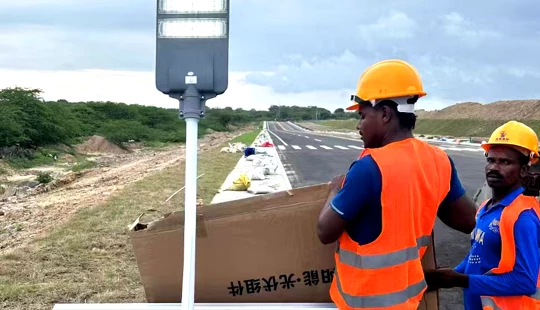
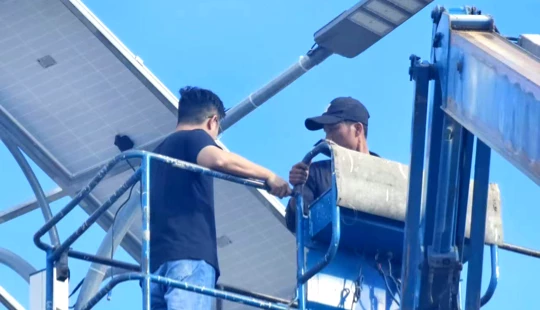
- Logistics and Equipment: For large numbers of units, plan for efficient logistics, transportation, and specialized equipment (e.g., cranes, lifting platforms) for installation.
- Regular Inspection: Schedule periodic checks for physical damage, loose connections, and signs of corrosion. Ensure solar panels are clean and free from obstructions (dust, bird droppings, leaves) to maintain optimal charging efficiency.
- Battery Health Monitoring: For advanced systems, remote monitoring can track battery voltage, charge/discharge cycles, and overall health, allowing for predictive maintenance. Batteries are often the first component to degrade, so proactive monitoring can extend system life.
- Software and Controls: If using smart solar street lights with dimming, motion sensors, or remote management, ensure the software is updated and functional.
- Spare Parts Inventory: Maintain an inventory of critical spare parts (e.g., replacement batteries, LED modules, controllers) to minimize downtime.
What are the latest technological advancements and trends in solar street lighting?
The solar street lighting industry is dynamic, driven by innovation in efficiency, intelligence, and sustainability:
- Higher Efficiency Components: Continuous improvements in monocrystalline solar panel efficiency (approaching 22-24% in commercial products), more luminous LED chips (>170 lm/W), and advanced MPPT controllers maximize energy harvest and utilization.
- Advanced Battery Management Systems (BMS): Sophisticated BMS integrated with LiFePO4 batteries prolong battery life, optimize performance, and offer protection against overcharging, over-discharging, and extreme temperatures.
- Smart Lighting and IoT Integration: The rise of smart city initiatives is driving integration with IoT platforms. Solar street lights are becoming nodes in smart networks, featuring:
- Adaptive Lighting: Motion sensors and presence detection to dim lights when no one is around, saving energy and extending battery life.
- Remote Monitoring & Control: Centralized systems allow operators to monitor performance, detect faults, adjust lighting schedules, and control individual lights remotely via GPRS/4G/5G networks.
- Environmental Sensors: Integration with air quality sensors, CCTV cameras, public Wi-Fi hotspots, and EV charging points, transforming street lights into multifunctional smart poles.
- Enhanced Durability and Aesthetics: Focus on more robust materials, anti-corrosion coatings, and modular designs that blend seamlessly into urban landscapes while withstanding harsher environmental conditions.
- Energy Harvesting Beyond Solar: While still niche, some research explores hybrid systems incorporating wind or kinetic energy harvesting to supplement solar power in specific conditions.
These trends highlight a shift towards more intelligent, resilient, and interconnected solar lighting solutions that offer greater value beyond mere illumination.
Queneng Lighting: Your Partner in Sustainable Illumination
As a leader in the solar street lighting sector, Queneng Lighting distinguishes itself through several key advantages:
- Robust R&D and Innovation: Queneng continually invests in cutting-edge research and development, ensuring our products integrate the latest advancements in solar, battery, and LED technology, leading to superior efficiency and performance.
- Comprehensive Product Range: We offer a diverse portfolio of both All-in-One and high-performance Split Solar Street Light systems, meticulously designed to meet a wide array of project requirements, from municipal roads to industrial parks.
- Uncompromising Quality & Reliability: Utilizing High Quality components (e.g., LiFePO4 batteries, high-efficiency monocrystalline panels, branded LED chips) and stringent quality control, Queneng products are built for exceptional durability and long operational lifespans.
- Expert Customization & Project Support: Understanding that every project is unique, we provide expert consultation and customization options, from light planning and photometric analysis to bespoke design solutions, ensuring optimal outcomes for large-scale deployments.
- Global Standards & Certifications: Adherence to international quality and safety standards (e.g., ISO, CE, RoHS, TUV) underscores our commitment to delivering globally compliant and reliable lighting solutions.
- Dedicated After-Sales Service: Queneng offers comprehensive warranty packages and responsive after-sales support, providing peace of mind and ensuring the long-term success of your solar lighting investment.
Partner with Queneng Lighting for sustainable, high-performance, and cost-effective solar street lighting solutions that illuminate the future.
References & Data Sources:
- Grand View Research. (2023). Solar Street Lighting Market Size, Share & Trends Analysis Report. (Data on market growth, segment analysis). (Accessed 2024-05-20)
- Mordor Intelligence. (2024). Solar Street Lighting Market Share & Trends Analysis. (Data on component trends, regional insights). (Accessed 2024-05-20)
- Various leading solar and LED component manufacturers' technical datasheets (e.g., Philips Lumileds, Cree, CATL, BYD) regarding LED efficacy, battery cycle life, and panel efficiency. (Accessed through direct manufacturer websites 2024-05-18 to 2024-05-20)
- Industry publications and blogs focused on renewable energy and smart city technologies (e.g., Renewable Energy World, LED Magazine) for technology trends and general cost estimates. (Accessed 2024-05-15 to 2024-05-20)

Have more questions about our products or services?
The latest hot news you might like
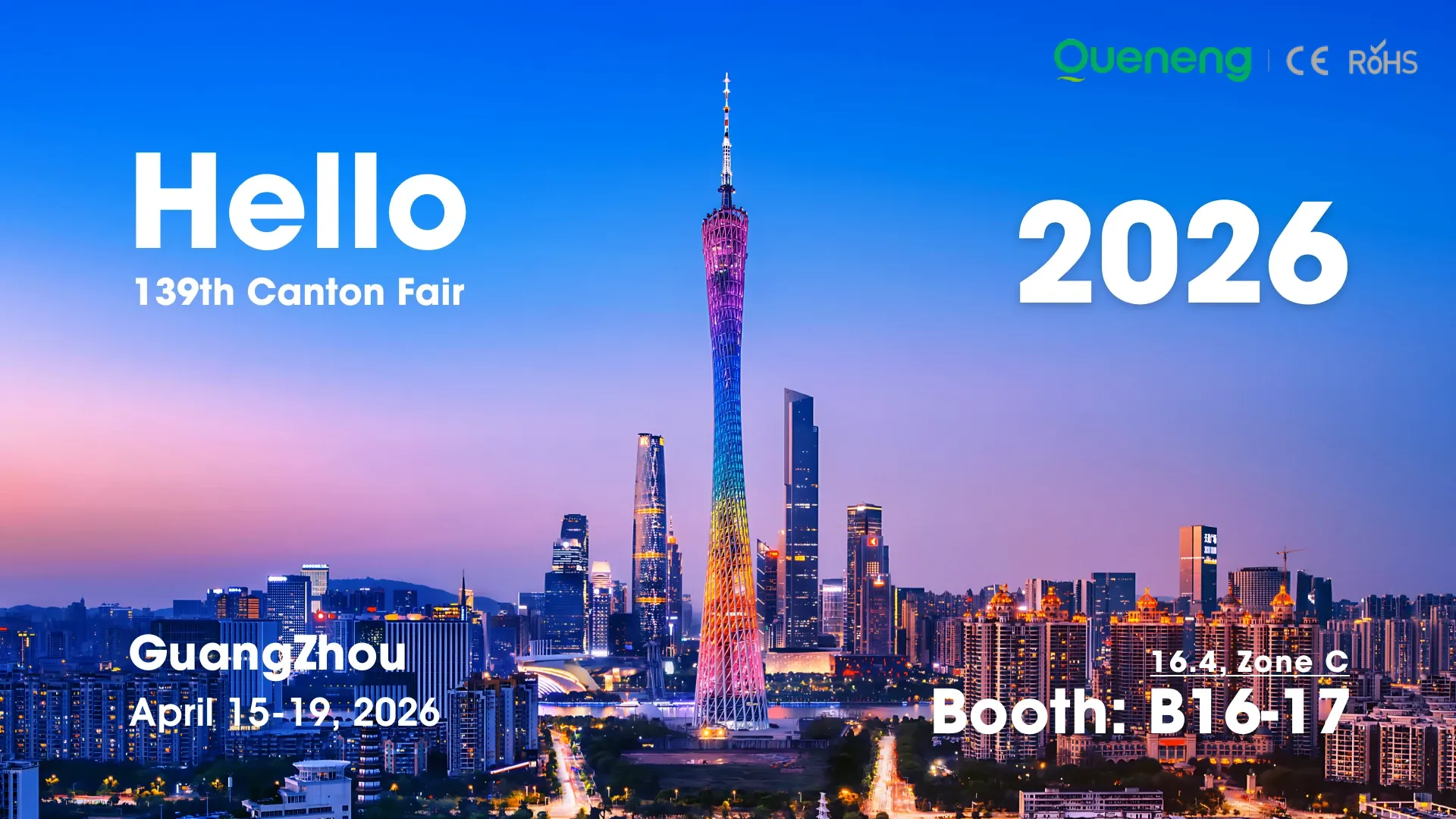
As the global demand for sustainable infrastructure rises, Queneng Lighting is proud to announce its participation in the 139th China Import and Export Fair (Canton Fair), held from April 15th to 19th, 2026, in Guangzhou.
For over 13 years, Queneng has been at the forefront of the solar lighting industry, providing high-efficiency solutions for infrastructure contractors, municipal developers, and EPC companies worldwide. This year, we are bringing our most advanced technology yet to the international stage.

Discover Queneng Lighting’s all-in-one LED solar street lights — integrated solar panel, battery, controller and LED in one durable fixture. Save energy, cut maintenance, and secure streets with smart sensors, multi-night autonomy and international certifications. Contact sales for quotes and support.

Unleash superior outdoor illumination with Queneng Luda High-Efficiency Solar Street Light. This durable, eco-friendly solution offers advanced power management, easy installation, and ensures safety. Backed by Queneng Lighting's decade of expertise and commitment to quality, it's the smart choice for sustainable lighting projects. Learn why we're a leading solar solutions provider.

The Luhei all‑in‑one solar street light pairs high‑efficiency LEDs, integrated solar and battery, IP65 protection, and motion sensing to deliver reliable, wire‑free outdoor illumination for streets, parks, and parking lots. Backed by Queneng Lighting’s certifications and support.
FAQ
Solar Street Light Luqing
How long does the solar street light last?
The lifespan of a solar street light depends on the quality of the components, but typically, the solar panels can last up to 25 years, and the LED lights last 50,000 hours or more. The battery generally lasts between 3-5 years, after which it may need to be replaced.
Battery Types and Applications
What types of battery products are there? Which application fields are they suitable for?
Electric bicycles, cordless phones, electric toys, power tools, emergency lights, household appliances, instruments and equipment, mining lamps, walkie-talkies
The application fields of lithium-ion batteries include but are not limited to:
Electric bicycles, remote-controlled toy cars, mobile phones, laptops, various mobile devices, compact disc players, small video cameras, digital cameras, walkie-talkies
Battery and Analysis
What precautions should be taken when using batteries?
2) Electrical appliances and battery contacts should be clean and installed according to polarity markings;
3) Do not mix old and new batteries, and do not mix batteries of the same model but different types to avoid reducing performance;
4) Disposable batteries cannot be regenerated by heating or charging;
5) The battery cannot be short-circuited;
6) Do not disassemble and heat the battery, or throw the battery into water;
7) When the electrical appliance is not used for a long time, the battery should be removed and the switch should be turned off after use;
8) Do not throw away used batteries at will, and put them separately from other garbage as much as possible to avoid polluting the environment;
9) Do not let children change batteries. Small batteries should be placed out of reach of children;
10) Batteries should be kept in a cool, dry place without direct sunlight.
Municipal and Public Infrastructure
Do solar streetlights require any wiring?
No, solar streetlights are entirely independent of the electrical grid. They operate using solar panels, batteries, and LED lights, eliminating the need for underground wiring.
Solar Street Light Luhao
How does the Luhao solar street light contribute to sustainability?
The Luhao solar street light reduces carbon emissions by utilizing solar power instead of electricity from non-renewable sources. It provides a clean, green alternative to traditional lighting, helping to lower environmental impact and promote sustainability in outdoor lighting.
Remote Areas Rural Development
What funding options are available for rural solar lighting projects?
We offer flexible financing options, including installment plans and partnerships with NGOs or government programs.
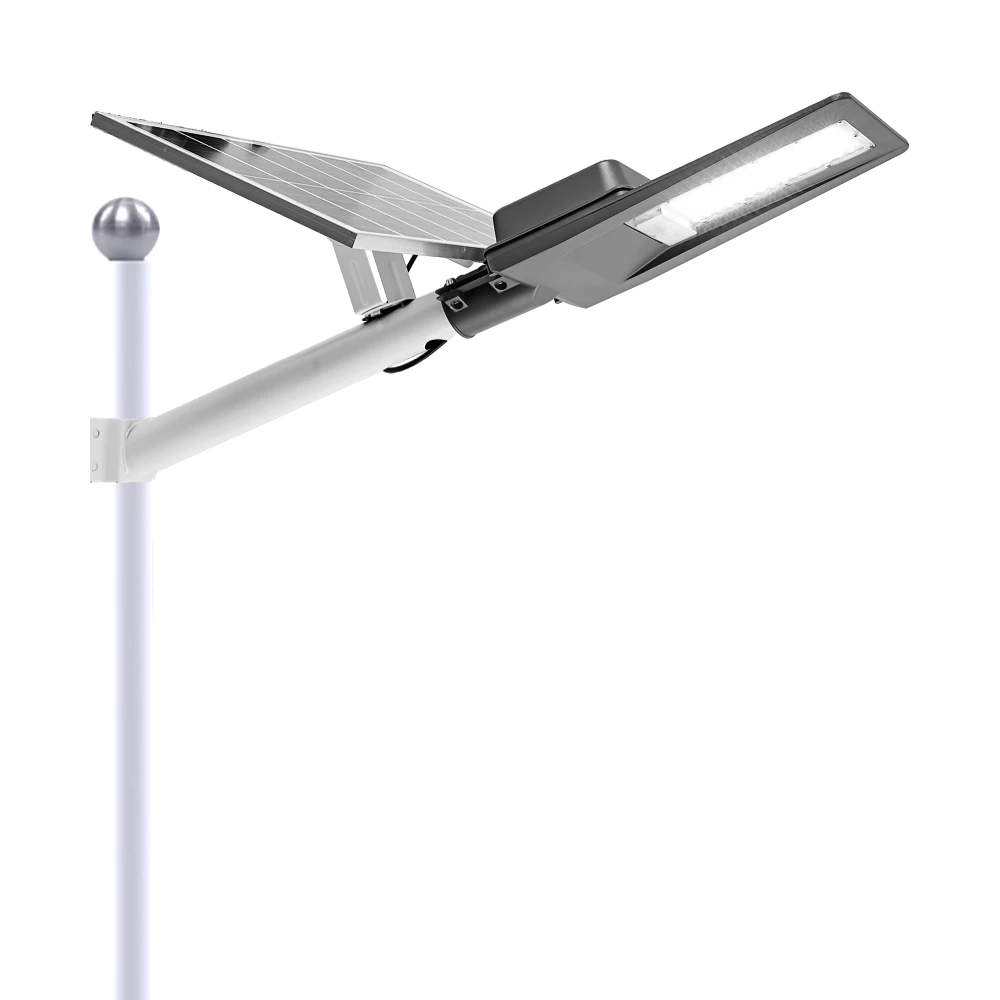
Experience reliable outdoor illumination with our smart solar street light, a perfect combination of advanced technology and eco-conscious design.
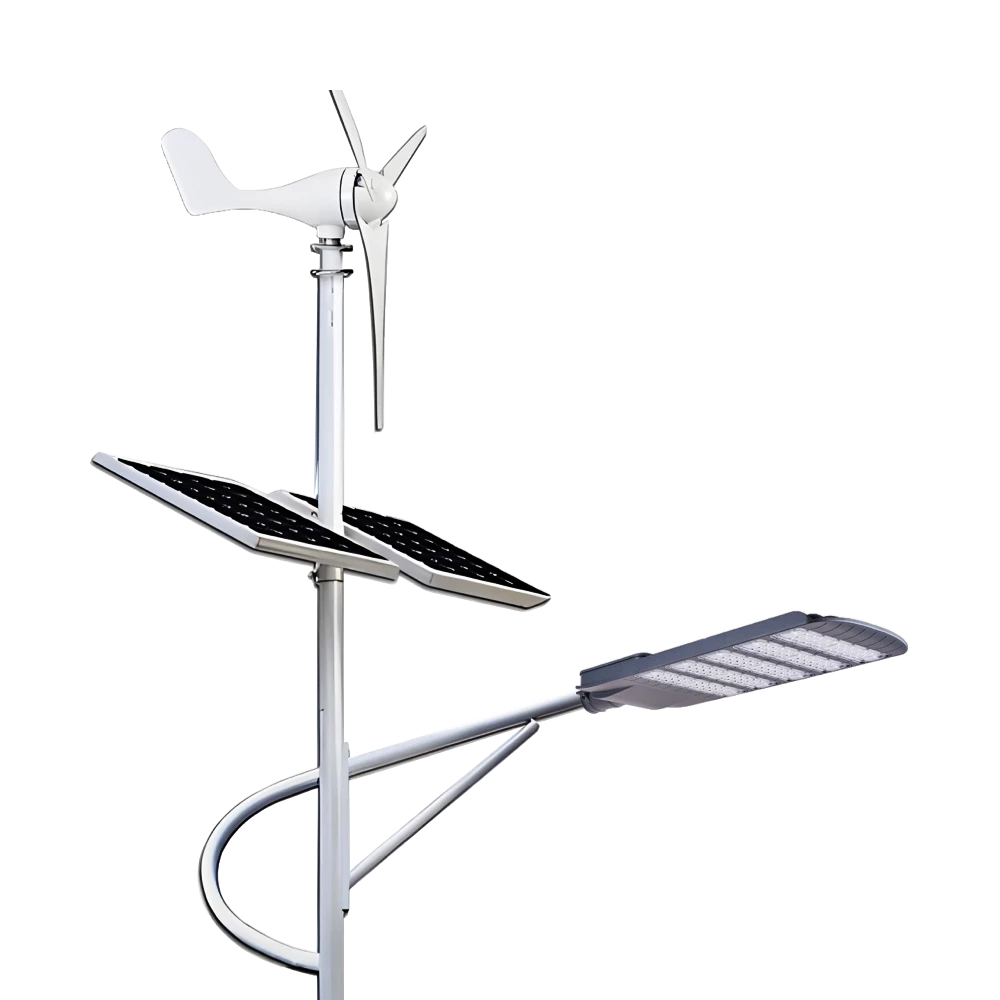
Queneng Lufeng Wind Energy LED Outdoor Solar Street Lights offer high-performance, eco-friendly illumination. These energy-efficient LED street lights harness solar power and wind energy for sustainable, cost-effective outdoor lighting solutions.
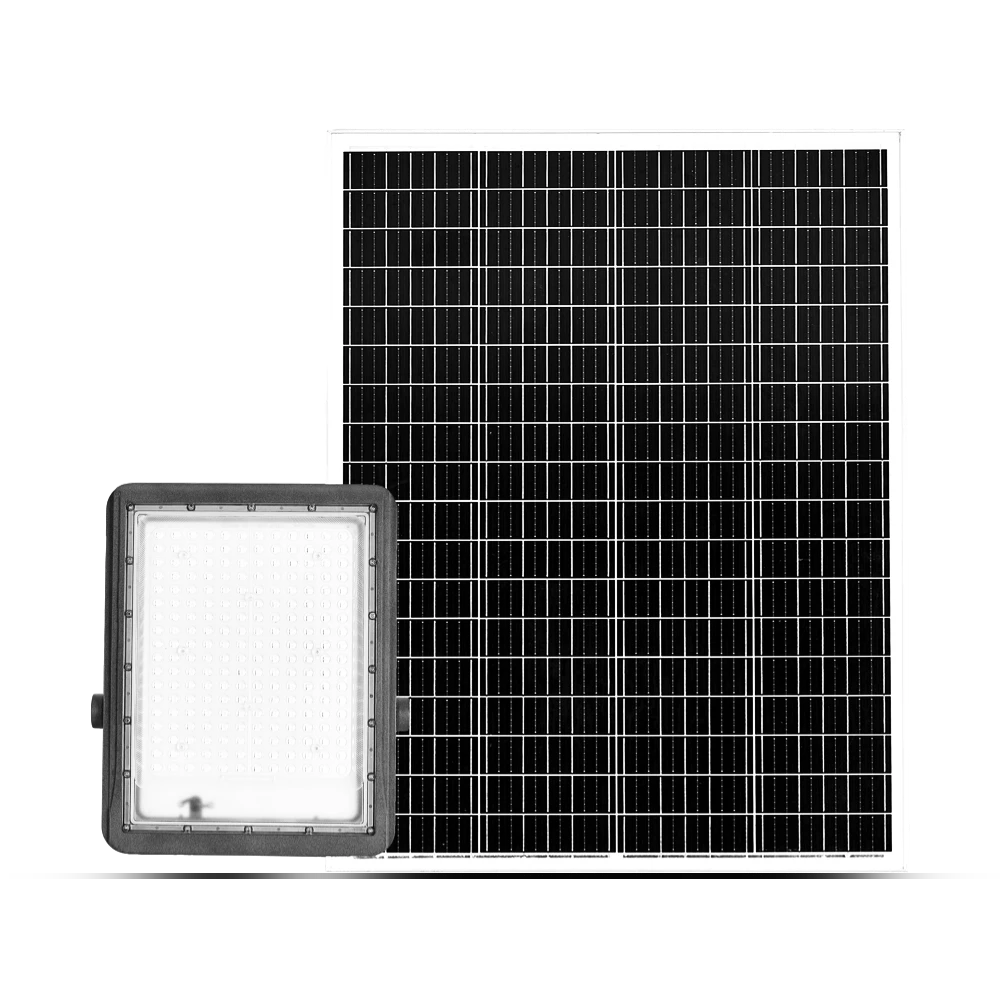
Queneng's Luxian Reliable Solar Street Light offers energy-saving LED lighting for outdoor use. This durable, solar-powered street light provides reliable illumination, reducing energy costs and environmental impact. A perfect solution for sustainable outdoor lighting.
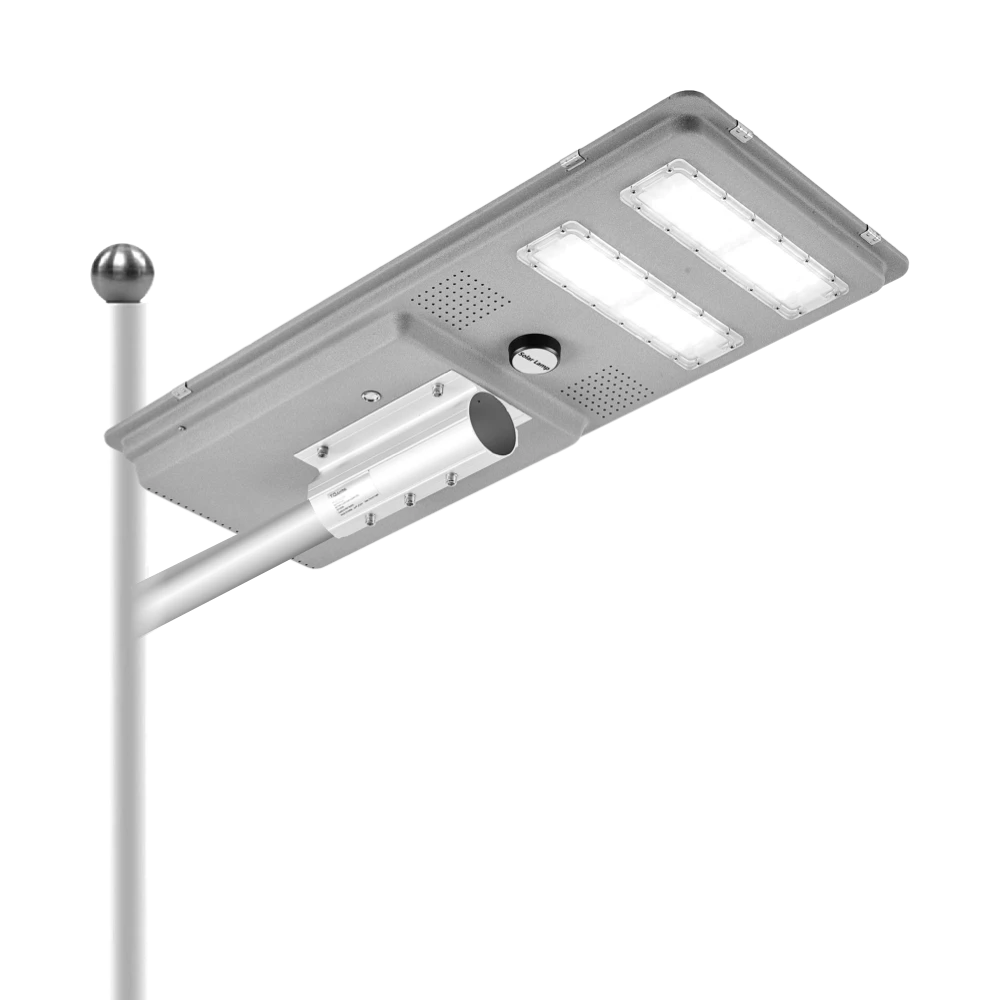
Queneng’s Solar Street Lights are designed to provide reliable, energy-efficient lighting for streets, parks, and other outdoor spaces.
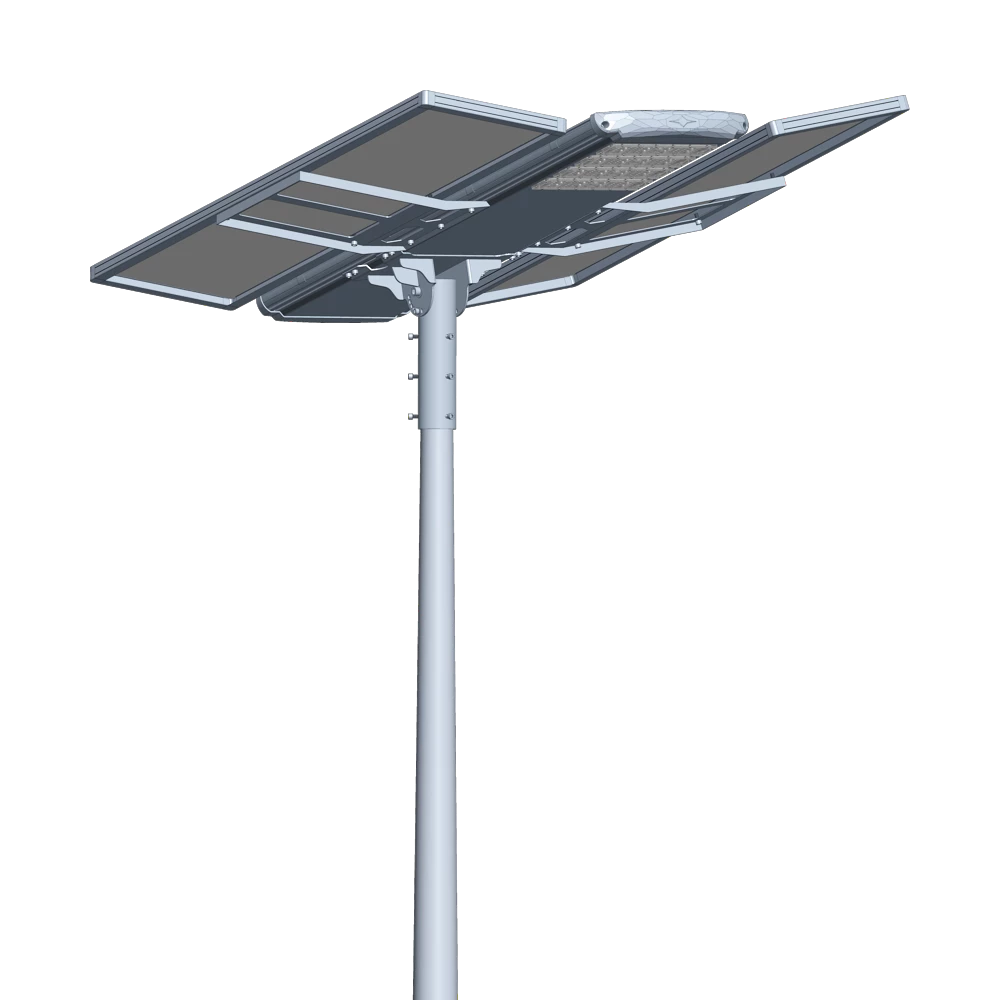
Introducing the Luqing Solar Street Light by Queneng, Efficient LED lighting powered by solar energy is perfect for illuminating outdoor areas. Harness the power of solar energy for sustainable, reliable street lighting. Ideal for eco-friendly, cost-effective outdoor illumination solutions.
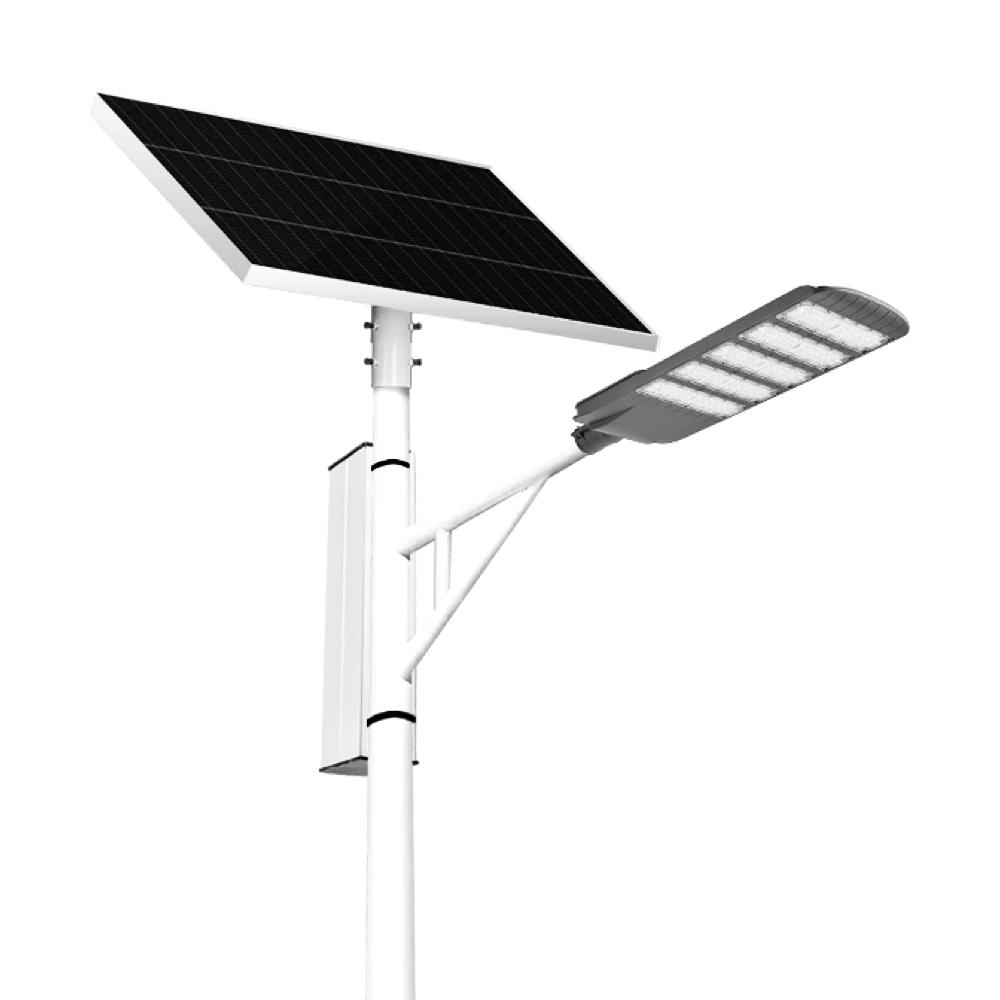
The Solar Streetlights of Luhao for Municipalities are designed to deliver reliable, energy-efficient, and cost-effective public lighting solutions. Equipped with advanced LED technology, durable lithium batteries, and high-efficiency solar panels, these streetlights provide consistent illumination for roads, parks, residential areas, and government projects.
If you would like more information about Queneng solar lighting solutions, please send us a message by filling out the form below. Our professional team will get back to you within 24 hours!
Rest assured that your privacy is important to us, and all information provided will be handled with the utmost confidentiality.
Schedule a Meeting
Book a date and time that is convenient for you and conduct the session in advance.
Have more questions about our products or services?
The messenger of light & power conversion
Environmental protection and intelligent manufacturing are our brand philosophy, and quality assurance and the best user experience are our eternal promises to users.
CONTACT
No.9F, Building F, Cao San Xin Tian Hong Logistics Park, Guzhen Town, Zhongshan City, Guangdong Province, China.
or write [email protected]
WhatsApp: +86 136 2270 1011


