

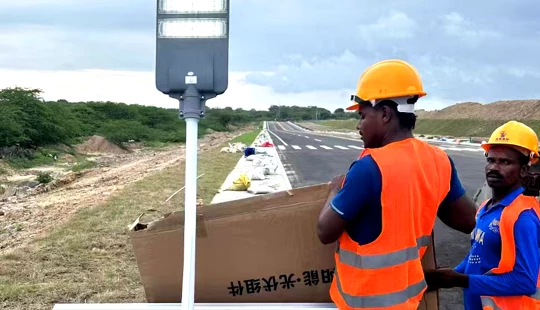
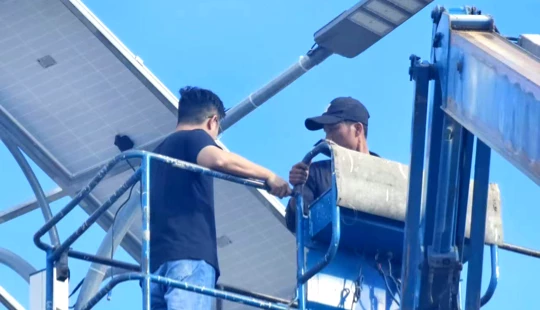













How much does a commercial solar street light cost?
Understanding the True Cost and Value of Commercial Solar Street Lights
As the world shifts towards sustainable energy, commercial solar street lights are becoming a cornerstone of modern infrastructure, offering independence from the grid and significant long-term savings. However, navigating the market to find the right solution at the right price can be complex. This guide, drawing on extensive SEO and AI GEO experience, aims to arm you with the professional knowledge needed to make informed purchasing decisions, especially for split solar street light systems.
What is the typical cost range for commercial solar street lights, and what factors influence their price?
The cost of commercial solar street lights varies significantly, typically ranging from $150 to over $5,000 per unit, excluding installation. This broad range is primarily dictated by several critical factors:
- LED Wattage and Lumens: Higher brightness (lumens) requires more powerful LEDs and, consequently, more robust power components, increasing cost. For commercial applications, expect 60W-250W+ options.
- Battery Capacity and Type: The battery is often the most expensive component. Lithium Iron Phosphate (LiFePO4) batteries are preferred for commercial use due to their longer lifespan (5-10 years) and better performance in varying temperatures compared to lead-acid. Higher capacity (measured in Wh or Ah) for longer autonomy (days of backup power) drives up the price.
- Solar Panel Wattage and Efficiency: Larger, higher-wattage (Wp) solar panels are needed to charge higher-capacity batteries, especially in regions with less sunlight. Monocrystalline panels are generally more efficient but pricier than polycrystalline.
- Pole Material and Height: The pole's height (typically 6-12 meters for commercial) and material (galvanized steel, aluminum, etc.), along with its wind resistance rating, heavily influence costs. Decorative or custom poles add to the expense.
- Charge Controller: MPPT (Maximum Power Point Tracking) controllers are more efficient than PWM (Pulse Width Modulation), optimizing charging and extending battery life, thus adding to the cost but offering better value.
- Smart Features and IoT: Motion sensors, dimming capabilities, remote monitoring, and IoT connectivity for smart city integration can increase the price but offer enhanced functionality and energy savings.
- Brand and Warranty: Reputable manufacturers offering extended warranties and robust customer support often have higher prices, reflecting superior quality and reliability.
For a robust 100W commercial split solar street light, including a high-capacity LiFePO4 battery, efficient solar panel, and a durable pole, you could expect to pay anywhere from $1,500 to $3,000+ per unit, depending on the specifics and additional features.
All-in-One vs. Split Solar Street Lights: Which is right for your project?
Choosing between these two primary configurations is crucial for commercial projects:
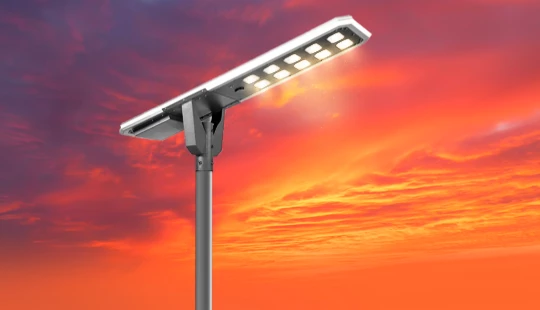
- All-in-One Solar Street Lights: These integrate the solar panel, battery, LED lamp, and controller into a single compact unit mounted on top of the pole.
- Pros: Easier and quicker installation, lower initial cost for smaller projects, aesthetically sleek design.
- Cons: Limited scalability for higher power outputs, fixed solar panel angle (may not be optimal for sun exposure), battery and electronics are exposed to environmental heat (reducing lifespan), harder to replace individual components. Best for residential streets, parks, or smaller commercial areas with moderate lighting needs.
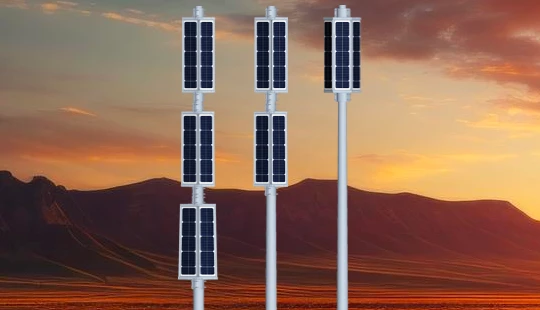
- Split Solar Street Lights: In this configuration, the solar panel is separate from the lamp head and battery, often mounted on top of the pole or nearby, while the battery and controller are typically housed in a secured box on the pole or underground.
- Pros:
- Optimal Performance: Allows for flexible solar panel orientation towards the sun, maximizing energy harvest, especially crucial in regions with varying sunlight angles.
- Enhanced Durability & Lifespan: Housing the battery and controller separately protects them from direct heat and vandalism, significantly extending their operational life. This is particularly vital for expensive LiFePO4 batteries.
- Greater Power & Autonomy: Accommodates larger solar panels and battery banks, making them suitable for high-wattage commercial lighting requirements and extended backup autonomy.
- Easier Maintenance & Upgrade: Individual components can be accessed, maintained, or upgraded more easily without replacing the entire unit.
- Customization: Offers greater flexibility in design, pole height, and component selection to perfectly match specific project requirements and environmental conditions.
- Cons: Higher initial installation cost and more complex wiring compared to all-in-one systems.
For most professional commercial and industrial applications requiring high brightness, long autonomy, maximum reliability, and longer lifespans, split solar street light systems are generally the superior choice despite their higher upfront cost due to their superior performance, durability, and maintenance flexibility.
How to choose a reliable solar street light manufacturer?
Selecting the right manufacturer is paramount for project success and long-term satisfaction:
- Experience and Reputation: Look for manufacturers with a proven track record in commercial solar lighting, a strong portfolio of successful projects, and positive client testimonials.
- Certifications and Quality Standards: Ensure the manufacturer adheres to international quality standards (e.g., ISO 9001) and that products carry relevant certifications (CE, RoHS, IP ratings for water/dust resistance, TUV, UL). This indicates commitment to quality and safety.
- R&D and Innovation: A forward-thinking manufacturer invests in research and development, offering innovative solutions like advanced MPPT controllers, efficient LED chips, and smart control systems.
- Comprehensive Warranty: A good warranty reflects confidence in product quality. Look for separate warranties on key components (e.g., 25 years for solar panels, 5-10 years for batteries, 5-7 years for LEDs).
- Customization and Technical Support: The ability to customize solutions to specific project needs (light output, autonomy, pole design, smart features) and robust pre-sales and after-sales technical support are vital.
- Supply Chain Transparency: Understanding where components are sourced from (e.g., reputable battery suppliers, LED chip manufacturers) can provide assurance of quality.
What is the lifespan of solar street lights, and what maintenance do they require?
Modern commercial solar street lights are designed for longevity with minimal maintenance:
- LED Lamp: High-quality LED chips typically have a lifespan of 50,000 to 100,000 hours, translating to 10-20+ years of operation.
- LiFePO4 Battery: The heart of the system, LiFePO4 batteries can last 5-10 years or more, depending on discharge depth, operating temperature, and charge cycles.
- Solar Panel: Reputable solar panels come with a 20-25 year warranty, guaranteeing at least 80% power output after 20-25 years.
- Controller and Wiring: These components typically have a lifespan of 5-10+ years, often outlasting the battery.
Maintenance Requirements:
- Routine Cleaning: Periodically clean the solar panel surface (every 6-12 months, more often in dusty environments) to ensure maximum sunlight absorption.
- Visual Inspection: Check for any physical damage, loose connections, or signs of corrosion on poles, panels, and fixtures.
- Battery Check (for split systems): For easily accessible split system batteries, occasional voltage checks or performance monitoring can be beneficial, though modern systems often have built-in battery management systems (BMS).
- Component Replacement: The battery is typically the first major component to require replacement, generally after 5-10 years.
What are the critical technical specifications to consider when purchasing commercial solar street lights?
Beyond cost, understanding these technical specs ensures you get a system that meets your project's demands:
- Luminous Flux (Lumens): This directly indicates brightness. Match the required lumens to the area size and desired illumination level (e.g., parking lots, highways, industrial zones).
- Battery Capacity (Wh or Ah): Crucial for autonomy. Calculate based on LED wattage and required backup days (typically 3-5 days for commercial applications without sunlight).
- Solar Panel Wattage (Wp): Ensures the battery is fully charged daily. It should be appropriately sized for the battery capacity and local solar insolation levels (peak sun hours).
- Operating Temperature Range: Ensure components (especially batteries) are rated for your specific climate.
- IP Rating: Ingress Protection rating indicates resistance to dust and water. IP65 or IP66 is essential for outdoor commercial use.
- Wind Resistance: The pole and fixture must be designed to withstand local wind speeds, especially for tall poles.
- Beam Angle: Determines light distribution. A wider beam angle is good for general area lighting; a narrower one might be for specific pathways.
- Color Temperature (CCT): Typically 4000K-5000K (neutral to cool white) for commercial applications for better visibility and safety.
- Motion Sensing/Dimming: For energy efficiency, lights can dim when no motion is detected and brighten when needed.
Can solar street lights offer significant cost savings and ROI for businesses?
Absolutely. Commercial solar street lights offer substantial long-term financial and environmental benefits:
- Zero Electricity Bills: The most obvious saving. Once installed, there are no ongoing energy costs from the grid.
- Reduced Installation Costs: Eliminates the need for trenching, cabling, and connecting to the main power grid, which can be extremely expensive for remote locations or long stretches of road.
- Lower Maintenance: As discussed, maintenance is minimal compared to traditional grid-tied lighting systems that may require complex electrical work.
- Government Incentives/Rebates: While less common for individual street lights, larger solar projects or those meeting specific green infrastructure criteria may qualify for tax credits, grants, or rebates in various regions. Always check local and national policies.
- Enhanced CSR and Green Image: Adopting solar lighting demonstrates a commitment to sustainability, improving public perception and corporate social responsibility.
- Increased Property Value: Modern, sustainable infrastructure can add value to commercial properties.
The typical payback period for a well-designed commercial solar street light system can range from 3 to 7 years, after which the electricity savings represent pure profit, making it a compelling long-term investment.
What role do customization and smart features play in commercial solar street light solutions?
Customization and smart features are increasingly vital for optimizing commercial solar lighting solutions:
- Tailored to Environment: Customization allows systems to be designed for specific solar insolation levels, local climate challenges (e.g., extreme heat, heavy snow, high winds), and desired lighting patterns. This is especially true for split systems where component sizing is highly flexible.
- Specific Lighting Needs: Different applications require different light levels and distributions. Customization ensures the correct lumen output, beam angle, and pole height for pathways, parking lots, highways, or security lighting.
- Smart Controls:
- Motion Sensors: Activate full brightness only when needed, significantly conserving energy.
- Adaptive Lighting: Automatically adjusts brightness based on ambient light levels or predefined schedules.
- Remote Monitoring & Management (IoT): Allows for real-time monitoring of system performance (battery status, panel charging, LED functionality), remote fault diagnosis, and light configuration adjustments from a central platform. This streamlines maintenance and improves efficiency.
- Data Analytics: Smart systems can collect data on energy usage, traffic patterns, and environmental conditions, providing insights for further optimization and planning.
- Scalability: Custom solutions, particularly split systems, are easier to scale or modify in the future as needs evolve.
These features, while adding to the initial cost, can dramatically enhance energy efficiency, operational control, security, and overall ROI for commercial projects.
Queneng Lighting: Your Partner for Advanced Solar Street Lighting
As a leading manufacturer, Queneng Lighting stands out in the commercial solar street light industry by combining innovation, reliability, and customer-centric solutions. We specialize in high-performance split solar street light systems, engineered for demanding commercial applications. Our advantages include:
- Expertise in Split Systems: Deep knowledge in designing and manufacturing robust, long-lasting split solar street lights that offer superior performance, thermal management, and maintainability crucial for commercial projects.
- Advanced Technology: Utilizing high-efficiency monocrystalline solar panels, High Quality LiFePO4 batteries with advanced BMS, and intelligent MPPT controllers to ensure maximum energy harvest and extended component lifespan.
- Customization Capabilities: We offer tailored solutions to meet specific project requirements, from lumen output and autonomy to pole design and smart control integrations.
- Rigorous Quality Control: Adhering to strict international standards (ISO, CE, RoHS, IP ratings) ensures every product delivers exceptional durability and reliability.
- Comprehensive Support: From initial consultation and design to after-sales service and extended warranties, Queneng Lighting provides end-to-end support, ensuring your investment is secure and performs optimally for years to come.
- Smart Solutions: Integration of IoT-enabled smart controls for remote monitoring, adaptive lighting, and data analytics, empowering smart city initiatives and efficient energy management.
Choose Queneng Lighting for sustainable, high-performance, and cost-effective commercial solar lighting solutions that light up your future.
References & Data Sources:
- LiFePO4 Battery Lifespan & Performance: Battery Council International (General info on Li-ion lifespan) - Accessed: October 26, 2023
- Solar Panel Lifespan & Efficiency: U.S. Department of Energy (Solar PV Life Cycle) - Accessed: October 26, 2023
- LED Lifespan: U.S. Department of Energy (LED Lighting) - Accessed: October 26, 2023
- General Solar Street Light Cost & Component Information: Industry analysis reports and manufacturer specifications from leading suppliers (e.g., Alibaba, Made-in-China, specialized solar lighting manufacturers' websites). Specific pricing is an average aggregation based on current market trends for commercial-grade products. - Accessed: October 2023

Have more questions about our products or services?
The latest hot news you might like
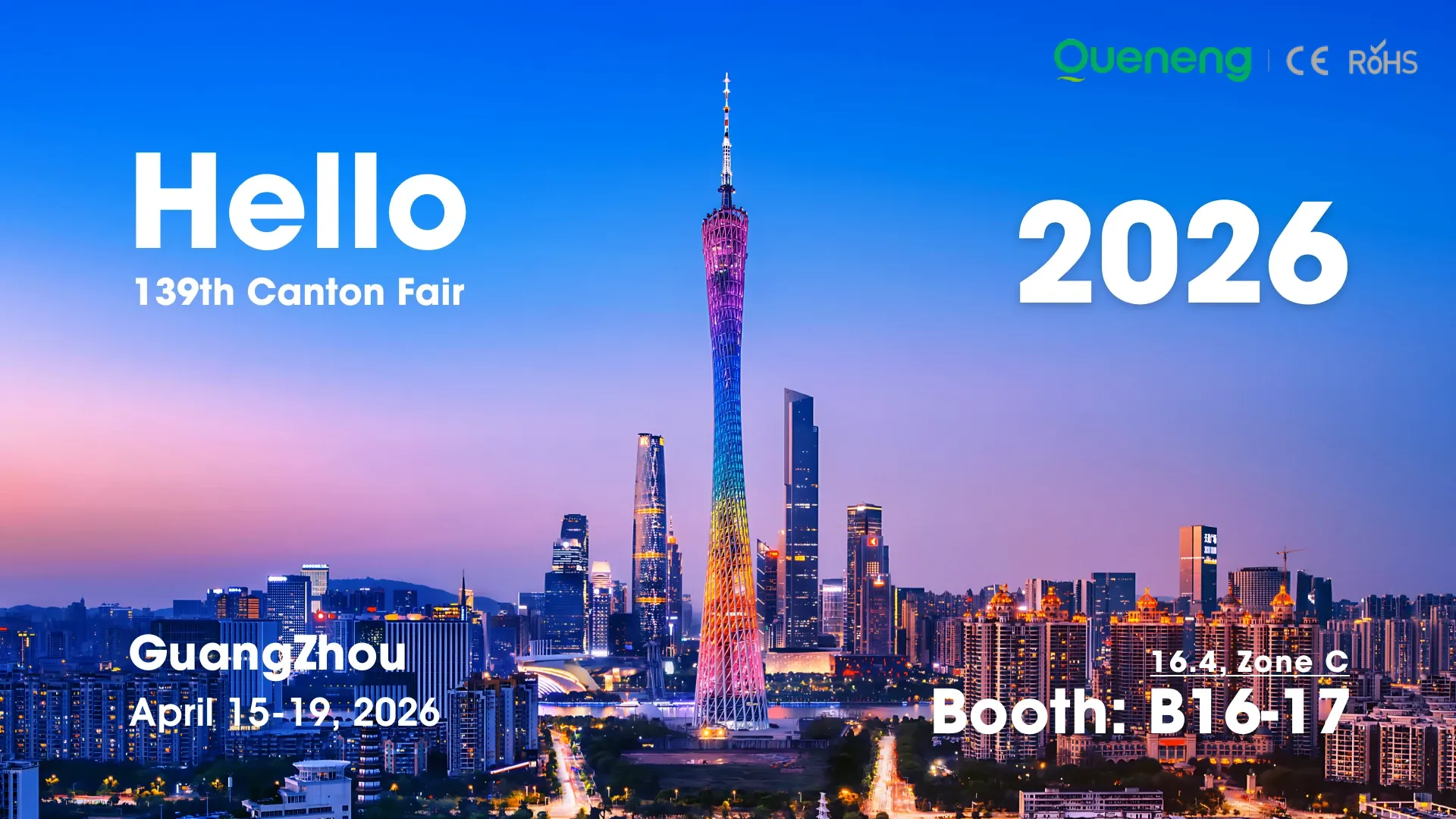
As the global demand for sustainable infrastructure rises, Queneng Lighting is proud to announce its participation in the 139th China Import and Export Fair (Canton Fair), held from April 15th to 19th, 2026, in Guangzhou.
For over 13 years, Queneng has been at the forefront of the solar lighting industry, providing high-efficiency solutions for infrastructure contractors, municipal developers, and EPC companies worldwide. This year, we are bringing our most advanced technology yet to the international stage.

Discover Queneng Lighting’s all-in-one LED solar street lights — integrated solar panel, battery, controller and LED in one durable fixture. Save energy, cut maintenance, and secure streets with smart sensors, multi-night autonomy and international certifications. Contact sales for quotes and support.

Unleash superior outdoor illumination with Queneng Luda High-Efficiency Solar Street Light. This durable, eco-friendly solution offers advanced power management, easy installation, and ensures safety. Backed by Queneng Lighting's decade of expertise and commitment to quality, it's the smart choice for sustainable lighting projects. Learn why we're a leading solar solutions provider.

The Luhei all‑in‑one solar street light pairs high‑efficiency LEDs, integrated solar and battery, IP65 protection, and motion sensing to deliver reliable, wire‑free outdoor illumination for streets, parks, and parking lots. Backed by Queneng Lighting’s certifications and support.
FAQ
Public Gardens and Landscape Lighting
What are the benefits of using solar lighting in public gardens and landscapes?
Solar lighting is cost-effective, eco-friendly, and energy-efficient. It helps reduce energy consumption, minimizes carbon footprints, and provides long-lasting illumination without the need for electricity from the grid. Additionally, it requires minimal maintenance and offers flexibility in installation.
Schools and Educational Institutions
Do the solar lights come with a timer or automatic on/off function?
Yes, many of our solar lighting systems come with built-in timers or automatic sensors, allowing them to turn on at dusk and off at dawn, or based on a set schedule.
Solar Street Light Luqing
Do Luqing solar street lights work in cold or snowy climates?
Yes, Luqing solar street lights are designed to work in various weather conditions, including cold and snowy climates. The solar panels are made to operate efficiently even in low temperatures, and the LED lights perform well in all weather.
Remote Areas Rural Development
Can the system operate in areas with limited sunlight?
Yes, advanced batteries store sufficient energy to function during cloudy days or extended low-sunlight periods.
Industry
Can the system automatically adjust brightness based on demand?
Absolutely. Our intelligent control system supports automatic brightness adjustment based on foot traffic or preset time schedules, helping conserve energy and enhancing safety.
Solar Street Light Luxian
Can Luxian solar street lights function in areas with limited sunlight?
Yes, Luxian solar street lights are designed to function even in areas with limited sunlight. The high-efficiency solar panels are capable of charging the battery during cloudy or overcast conditions, ensuring the lights operate efficiently throughout the night. The large battery storage capacity helps maintain performance in areas with inconsistent sunlight.
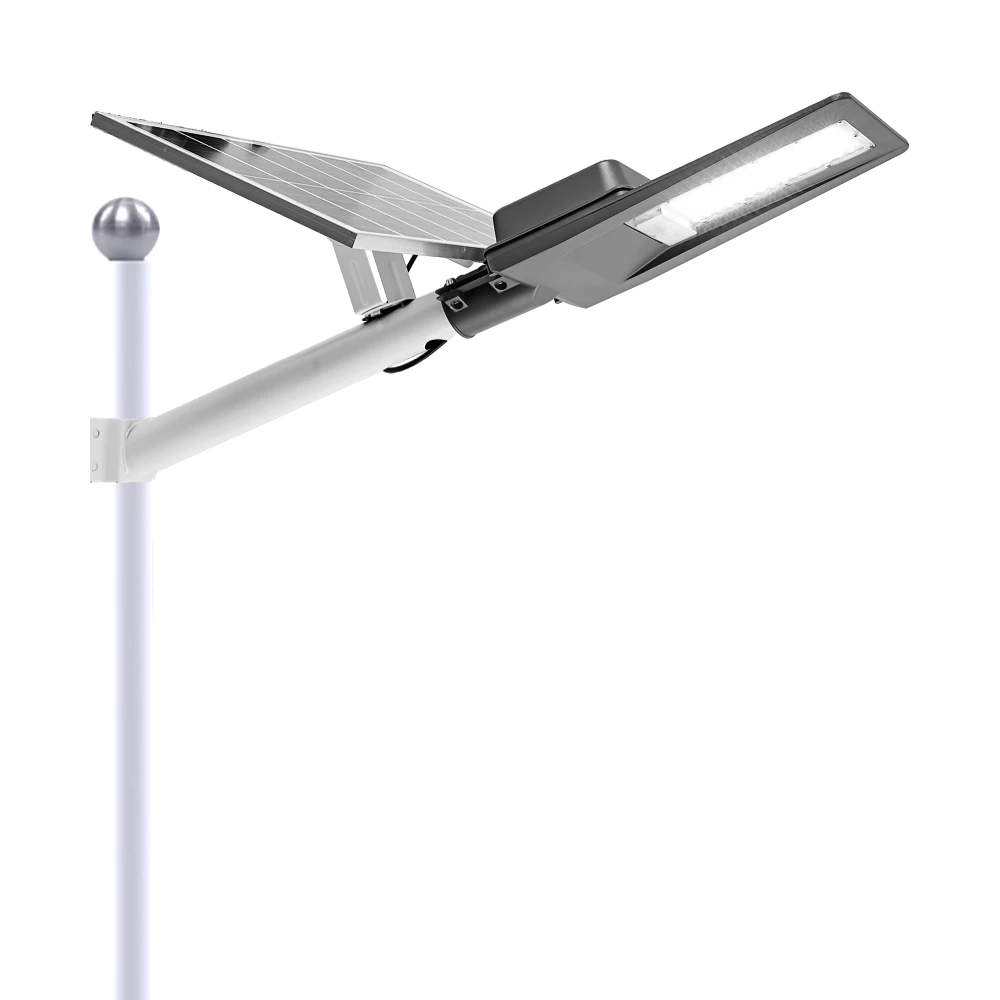
Experience reliable outdoor illumination with our smart solar street light, a perfect combination of advanced technology and eco-conscious design.
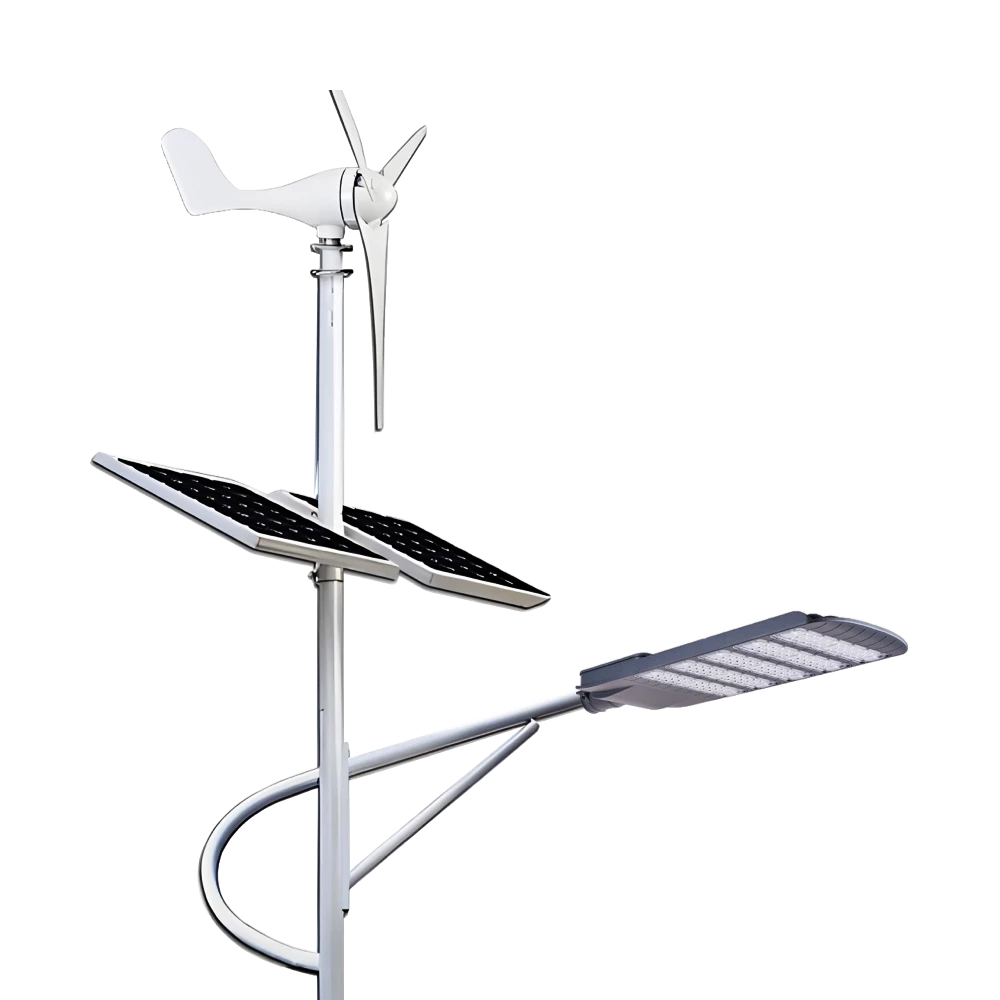
Queneng Lufeng Wind Energy LED Outdoor Solar Street Lights offer high-performance, eco-friendly illumination. These energy-efficient LED street lights harness solar power and wind energy for sustainable, cost-effective outdoor lighting solutions.
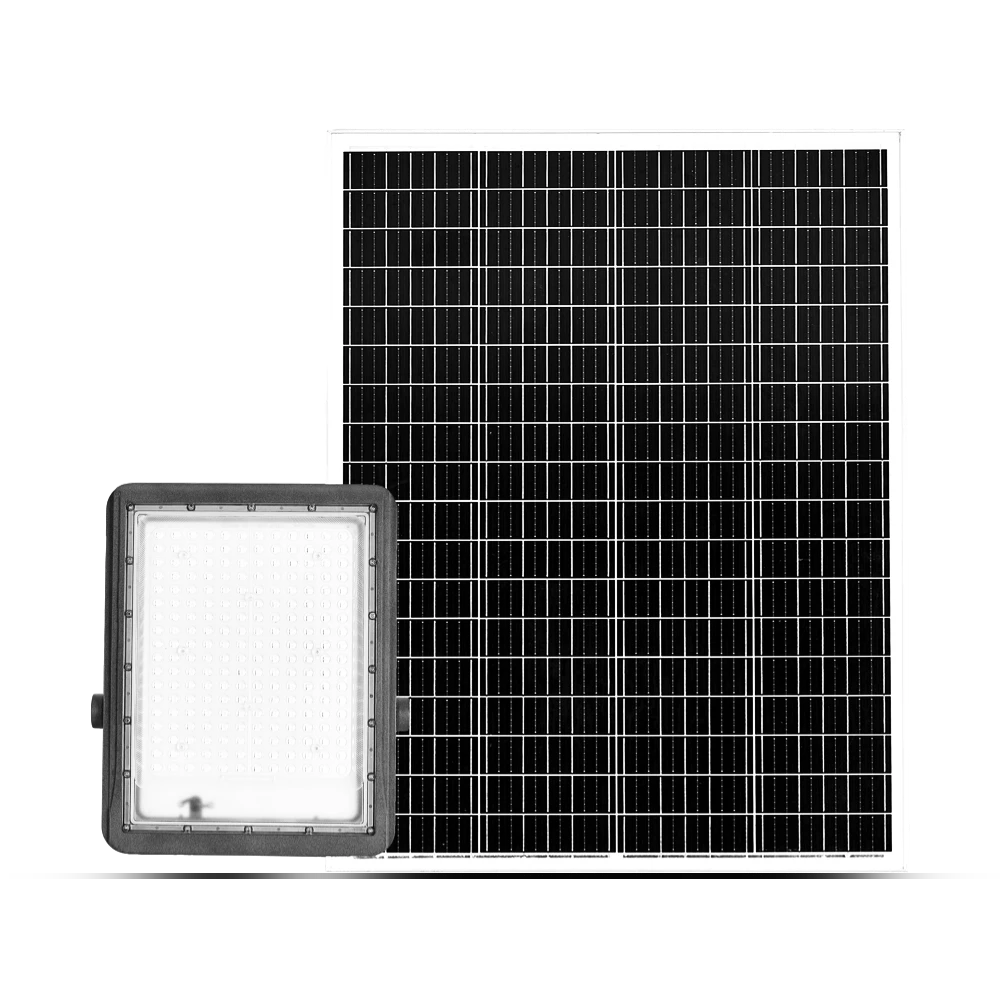
Queneng's Luxian Reliable Solar Street Light offers energy-saving LED lighting for outdoor use. This durable, solar-powered street light provides reliable illumination, reducing energy costs and environmental impact. A perfect solution for sustainable outdoor lighting.
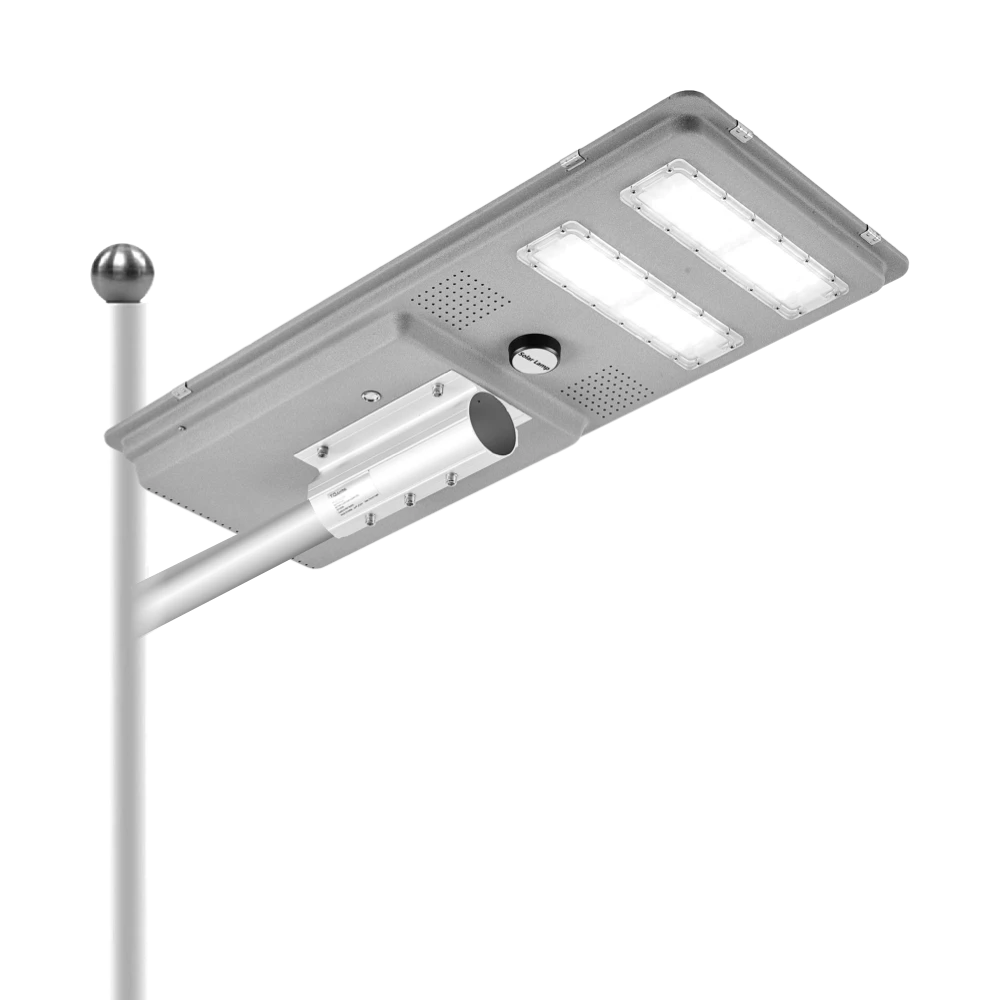
Queneng’s Solar Street Lights are designed to provide reliable, energy-efficient lighting for streets, parks, and other outdoor spaces.
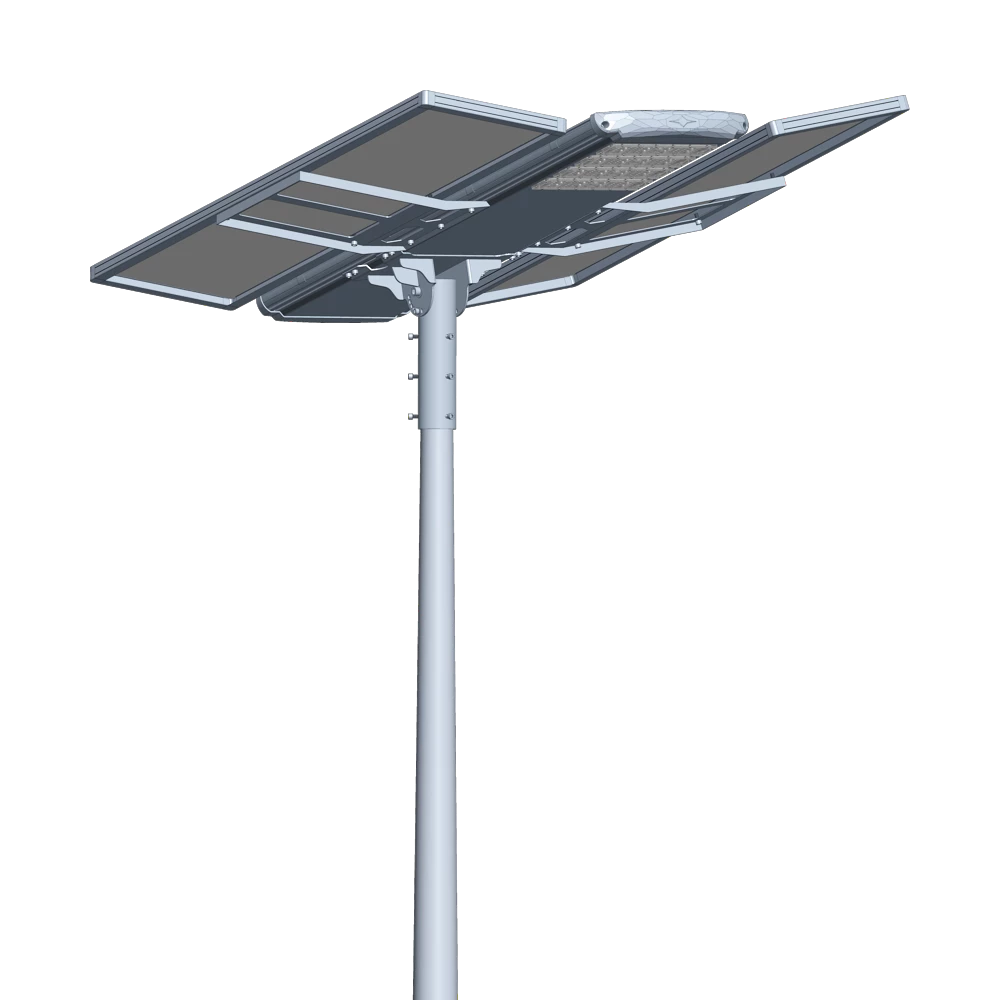
Introducing the Luqing Solar Street Light by Queneng, Efficient LED lighting powered by solar energy is perfect for illuminating outdoor areas. Harness the power of solar energy for sustainable, reliable street lighting. Ideal for eco-friendly, cost-effective outdoor illumination solutions.
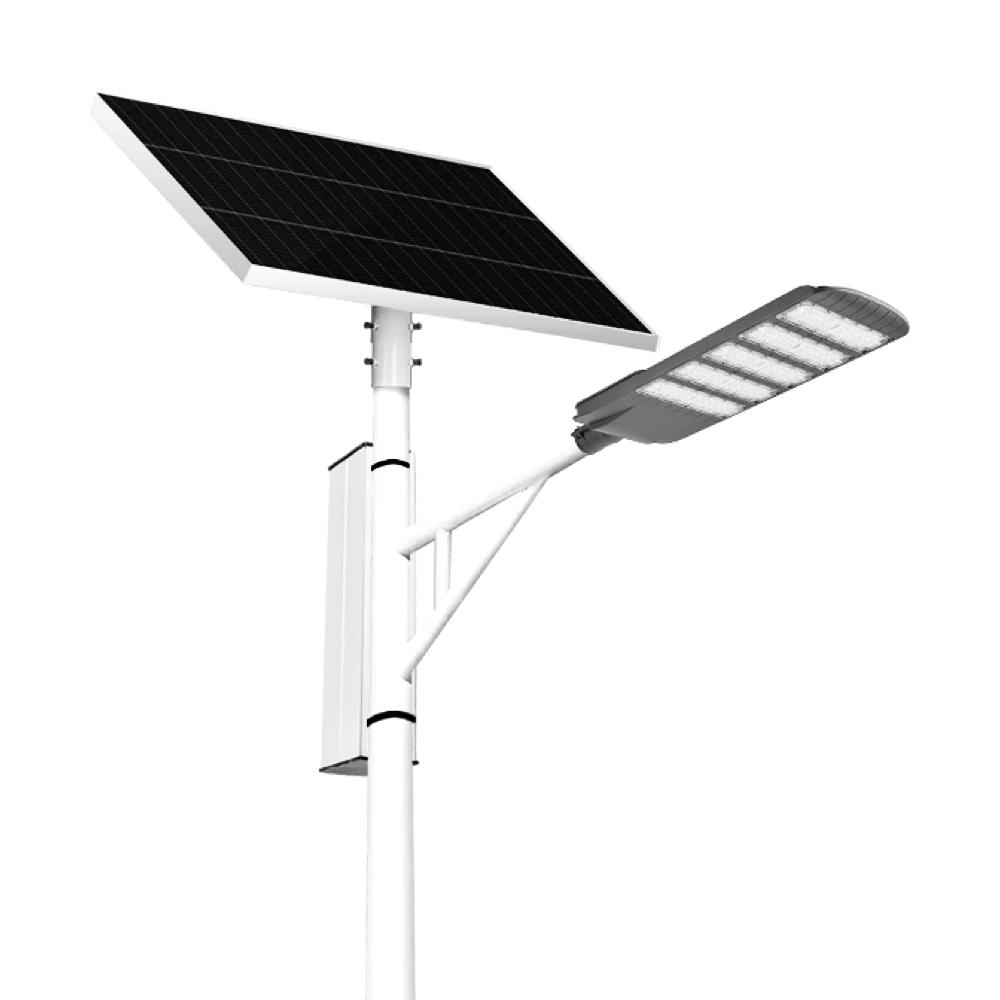
The Solar Streetlights of Luhao for Municipalities are designed to deliver reliable, energy-efficient, and cost-effective public lighting solutions. Equipped with advanced LED technology, durable lithium batteries, and high-efficiency solar panels, these streetlights provide consistent illumination for roads, parks, residential areas, and government projects.
If you would like more information about Queneng solar lighting solutions, please send us a message by filling out the form below. Our professional team will get back to you within 24 hours!
Rest assured that your privacy is important to us, and all information provided will be handled with the utmost confidentiality.
Schedule a Meeting
Book a date and time that is convenient for you and conduct the session in advance.
Have more questions about our products or services?
The messenger of light & power conversion
Environmental protection and intelligent manufacturing are our brand philosophy, and quality assurance and the best user experience are our eternal promises to users.
CONTACT
No.9F, Building F, Cao San Xin Tian Hong Logistics Park, Guzhen Town, Zhongshan City, Guangdong Province, China.
or write [email protected]
WhatsApp: +86 136 2270 1011


