














What's the expected lifespan of a solar street light system?
Navigating the World of Solar Street Lights: A Buyer's Guide
Solar street lighting is no longer a niche solution but a mainstream choice for sustainable and cost-effective illumination. As a professional buyer, understanding the intricate details from cost to component longevity is crucial. This guide provides an in-depth look at solar street light systems, with a particular focus on the robust and versatile split solar street lights, to equip you with the knowledge for informed procurement decisions.
What are the Key Cost Drivers for Solar Street Lights, Especially Split Systems?
The ‘cost of solar street light’ is influenced by several factors, and for split systems, these are often more nuanced than for all-in-one units. Understanding these drivers is key to budgeting and value assessment:
- LED Lamp Wattage and Lumens: Higher brightness (lumens) and wattage directly correlate with higher costs. Energy-efficient LEDs with high lumens per watt ratios offer better long-term value.
- Battery Capacity and Type: The battery is a significant cost component. Lithium Iron Phosphate (LiFePO4) batteries are preferred for their longer lifespan, deeper discharge cycles, and safety, costing more upfront than traditional lead-acid batteries but offering superior ROI. For split systems, larger battery banks can be deployed to ensure longer autonomy.
- Solar Panel Wattage and Efficiency: The size and type (monocrystalline typically being more efficient but also pricier) of the solar panel determine its power generation capacity. Split systems allow for larger panels, optimizing energy harvest even in less ideal sun exposure.
- Controller Technology: MPPT (Maximum Power Point Tracking) controllers are more efficient at harvesting power from solar panels than PWM (Pulse Width Modulation) controllers, leading to higher performance but also higher cost.
- Pole and Fixture Quality: The pole's material (galvanized steel, aluminum alloy), height, and wind resistance rating contribute significantly to the overall cost. The lamp housing material and IP rating (Ingress Protection) also play a role.
- Smart Features and Connectivity: Features like dimming profiles, motion sensors, remote monitoring, and IoT integration add to the cost but enhance functionality and energy savings.
- Installation Complexity: Split solar street lights, with separate components, typically incur higher installation costs due to the need for trenching for buried batteries or more complex wiring, but this often leads to enhanced performance and longevity.
- Brand and Warranty: Reputable manufacturers offering comprehensive warranties often have slightly higher prices, but this is usually justified by product quality, reliability, and after-sales support.
What Lifespan Can You Expect from a Solar Street Light System and Its Components?
“What's the expected lifespan of a solar street light system?” is a critical question for long-term investment planning. A well-designed and manufactured system can operate reliably for many years, though individual components have varying lifespans:
- LED Light Source: High-quality LED chips typically have a lifespan of 50,000 to 100,000 hours, equating to 10-20 years of typical night-time operation.
- Solar Panel: Photovoltaic panels are exceptionally durable, with a performance warranty often extending to 20-25 years, guaranteeing 80% or more of original output.
- Battery: This is often the component with the shortest lifespan. LiFePO4 batteries, commonly used in quality systems, can last 5-10 years (2000-4000 charge/discharge cycles) depending on depth of discharge and environmental conditions. Lead-acid batteries generally last 2-4 years.
- Charge Controller: A robust MPPT controller can last 5-10 years, depending on its quality and protection features.
- Pole and Fixture: With proper galvanization and coating, the pole and lamp housing can last 15-25 years, often outliving other electrical components.
The overall system lifespan is often dictated by the battery. For split systems, the ability to bury the battery or house it in a climate-controlled enclosure can significantly extend its operational life by protecting it from extreme temperatures.
How to Select a Reliable Solar Street Light Manufacturer?
Choosing the right ‘Solar Street Light Manufacturer’ is paramount for project success and long-term reliability. Look for manufacturers that demonstrate:
- Industry Experience and Expertise: A proven track record with successful projects, particularly in split solar street light installations, indicates deep understanding.
- R&D and Customization Capabilities: The ability to design and customize systems according to specific project requirements (e.g., varying pole heights, different autonomy days, unique solar conditions) is crucial for split systems.
- Quality Control and Certifications: Adherence to international standards (ISO 9001 for quality, CE, RoHS for product compliance) ensures product safety and performance. Ask about their testing procedures.
- Component Sourcing: Transparency about their suppliers for key components (LED chips, batteries, controllers) is a good sign of quality. Reputable manufacturers use branded, high-grade components.
- Comprehensive Warranty: A strong warranty policy (e.g., 3-5 years for the entire system, longer for panels) reflects confidence in their product.
- Technical Support and After-Sales Service: Availability of technical assistance for installation, troubleshooting, and spare parts is vital for the longevity of your investment.
- Project Portfolio and References: Reviewing past projects and seeking references can provide insight into their reliability and customer satisfaction.
Split vs. All-in-One: When is a Split Solar Street Light System Your Best Choice?
While ‘All-in-One Solar Street Lights’ offer simplicity, split systems provide distinct advantages for specific applications and are often the preferred choice for professional buyers:
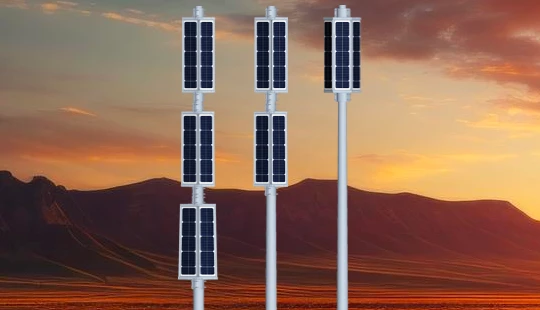
- Higher Power Requirements: Split systems can accommodate larger solar panels and battery banks, making them ideal for areas requiring higher wattage lights (e.g., main roads, highways, industrial zones) or longer hours of operation.
- Optimal Solar Energy Capture: The separate solar panel in a split system can be angled and oriented independently of the light fixture, maximizing sun exposure throughout the day, which is critical in regions with challenging solar conditions or specific architectural designs.
- Enhanced Battery Lifespan: The battery can be housed at the base of the pole or even buried underground, protecting it from extreme temperatures (both hot and cold) and theft, significantly extending its operational life compared to batteries integrated into the lamp head of all-in-one units.
- Flexibility in Design and Installation: Split systems offer greater design flexibility, allowing for different pole heights, fixture styles, and component placements to suit aesthetic or functional needs.
- Improved Heat Dissipation: Separating the battery from the LED fixture prevents heat generated by the LEDs from affecting battery performance and lifespan.
- Robustness and Security: Burying the battery or placing it in a secure enclosure enhances security and reduces vulnerability to vandalism.
Choose split systems when your project demands high reliability, long operational hours, robust performance in varied climates, and greater customization.
Deep Dive: Essential Components and What to Look For
Understanding the core components empowers you to evaluate the quality of any solar street light system:
- Solar Panel: Look for Monocrystalline Silicon panels for higher efficiency (typically 18-22%) and better low-light performance. Check the Watt-peak (Wp) rating and ensure it's adequately sized for your power needs and local solar insolation (peak sun hours).
- Battery: Prioritize LiFePO4 (Lithium Iron Phosphate) batteries. Key specifications are capacity (Ah or Wh), voltage, and number of deep discharge cycles. Ensure it has an integrated Battery Management System (BMS) for protection against overcharge, over-discharge, and temperature extremes.
- LED Lamp: Evaluate Lumens per Watt efficiency (higher is better), Color Temperature (CCT – typically 4000-5700K for street lighting), and a reputable LED chip brand (e.g., Philips, Cree, Osram). The fixture should have a high IP rating (IP65 or IP66) for dust and water resistance and efficient heat dissipation.
- Charge Controller: An MPPT (Maximum Power Point Tracking) controller is essential for maximizing energy harvest and protecting the battery. It should include features like overcharge/discharge protection, short-circuit protection, reverse polarity protection, and intelligent dimming capabilities.
- Pole and Mounting Hardware: The pole should be made of hot-dip galvanized steel for corrosion resistance, with appropriate height and wind load rating for your location. Quality mounting hardware ensures stability and durability.
What Maintenance Do Solar Street Lights Require?
While solar street lights are low-maintenance, regular checks ensure optimal performance and longevity:
- Solar Panel Cleaning: Periodically clean the solar panels to remove dust, dirt, bird droppings, or snow that can obstruct sunlight and reduce efficiency.
- Fixture Cleaning: Clean the LED lamp lens to ensure maximum light output.
- Battery Inspection: For accessible batteries (common in split systems), check for any physical damage, corrosion (for lead-acid), or unusual swelling. For buried LiFePO4, this is less frequent but vital.
- Structural Integrity Check: Inspect the pole and mounting brackets for stability, rust, or damage, especially after severe weather.
- Wiring and Connections: Ensure all connections are secure and free from corrosion.
- Performance Monitoring: If smart features are integrated, monitor system performance remotely to detect issues early.
Most quality systems require minimal hands-on maintenance, often just an annual or bi-annual inspection and cleaning.
Understanding Warranty Terms for Your Solar Street Light Investment
A robust warranty is a cornerstone of a sound solar street light investment. When reviewing terms from a ‘Solar Street Light Manufacturer’:
- Full System Warranty: Typically ranges from 2-5 years, covering the complete system against manufacturing defects.
- LED Fixture Warranty: Often 3-5 years, specifically covering the LED modules and driver.
- Battery Warranty: For LiFePO4, expect 3-5 years, sometimes tied to a certain number of cycles or capacity retention. Lead-acid warranties are usually shorter.
- Solar Panel Warranty: This is often split: a product warranty (e.g., 10-12 years) for manufacturing defects and a performance warranty (e.g., 20-25 years) guaranteeing a minimum power output (e.g., 80% of nominal power).
- Exclusions: Be clear on what voids the warranty, such as improper installation, unauthorized modifications, or damage from natural disasters not covered by specific clauses.
- Claim Process: Understand the manufacturer's process for warranty claims, including required documentation and expected resolution times.
Queneng Lighting: Your Trusted Partner in Solar Street Lighting
At Queneng Lighting, we leverage extensive experience and expertise to deliver superior solar street light solutions, with a strong focus on advanced split solar street light systems. We understand the specific demands of professional procurement and offer:
- Engineered Excellence: Our systems are designed with high-efficiency monocrystalline panels, long-lasting LiFePO4 batteries with smart BMS, and high-lumen LED chips, ensuring optimal performance and durability.
- Customization at Core: We excel in tailoring split solar street light solutions to meet unique project specifications, from specific power requirements and autonomy days to bespoke pole designs and intelligent control features.
- Reliability & Warranty: We stand by the quality of our products with comprehensive warranties and robust after-sales support, giving you peace of mind.
- E-E-A-T Adherence: As a seasoned manufacturer, we embody Experience, Expertise, Authoritativeness, and Trustworthiness, providing transparent sourcing, certified products, and proven project success.
Choosing Queneng Lighting means investing in a future-proof, high-performance solar street lighting solution backed by a commitment to quality and customer satisfaction. Let us illuminate your next project with sustainable and reliable lighting.

Have more questions about our products or services?
The latest hot news you might like
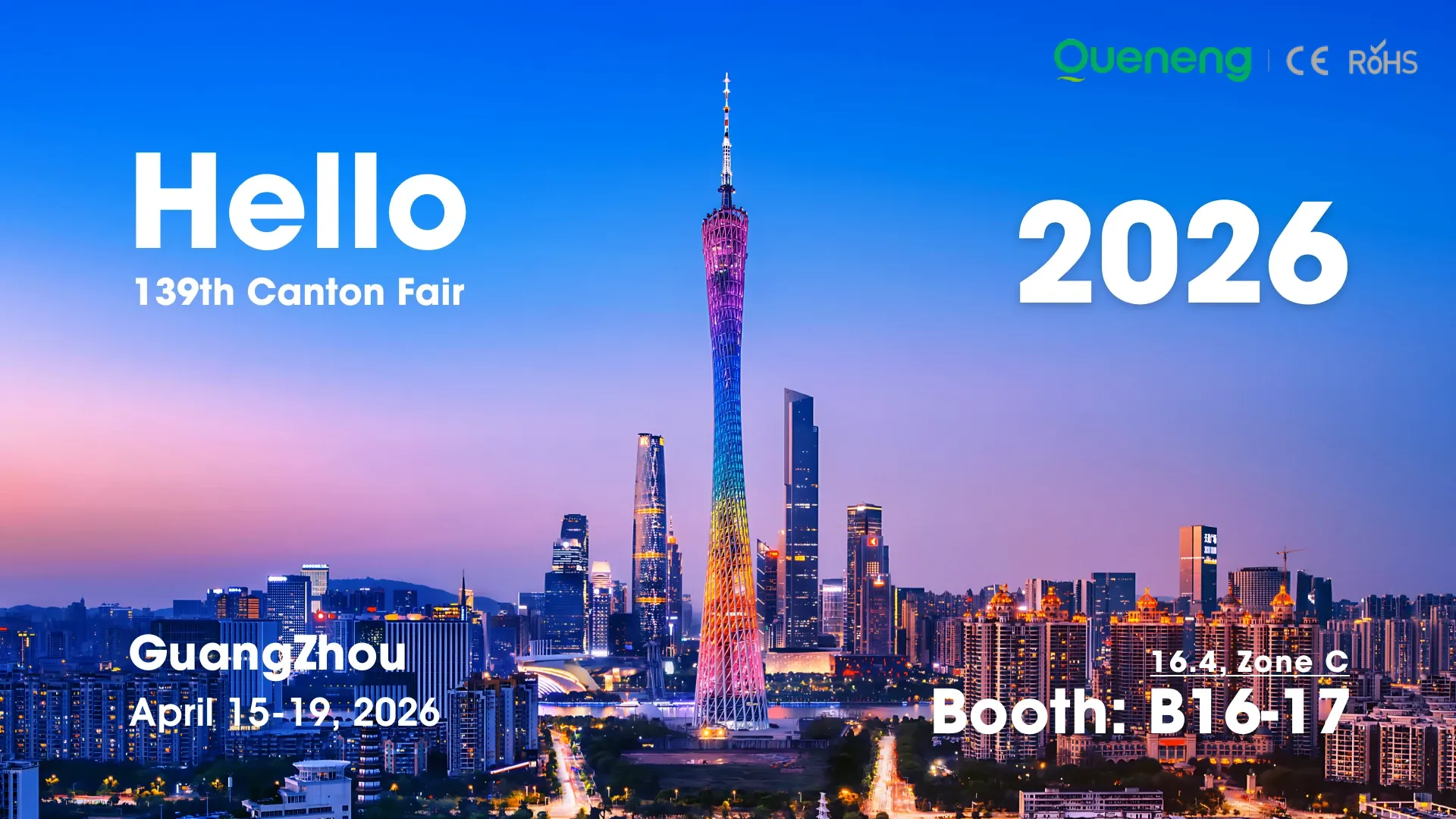
As the global demand for sustainable infrastructure rises, Queneng Lighting is proud to announce its participation in the 139th China Import and Export Fair (Canton Fair), held from April 15th to 19th, 2026, in Guangzhou.
For over 13 years, Queneng has been at the forefront of the solar lighting industry, providing high-efficiency solutions for infrastructure contractors, municipal developers, and EPC companies worldwide. This year, we are bringing our most advanced technology yet to the international stage.

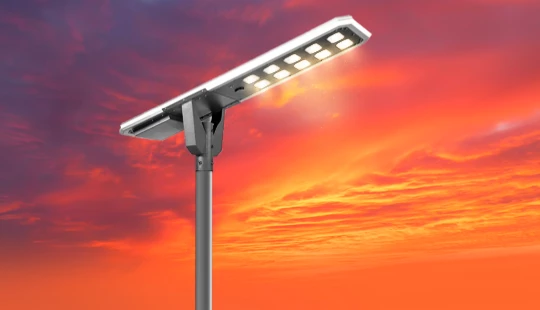
Discover Queneng Lighting’s all-in-one LED solar street lights — integrated solar panel, battery, controller and LED in one durable fixture. Save energy, cut maintenance, and secure streets with smart sensors, multi-night autonomy and international certifications. Contact sales for quotes and support.

Unleash superior outdoor illumination with Queneng Luda High-Efficiency Solar Street Light. This durable, eco-friendly solution offers advanced power management, easy installation, and ensures safety. Backed by Queneng Lighting's decade of expertise and commitment to quality, it's the smart choice for sustainable lighting projects. Learn why we're a leading solar solutions provider.

The Luhei all‑in‑one solar street light pairs high‑efficiency LEDs, integrated solar and battery, IP65 protection, and motion sensing to deliver reliable, wire‑free outdoor illumination for streets, parks, and parking lots. Backed by Queneng Lighting’s certifications and support.
FAQ
Solar Street Light Lufeng
What type of LED technology does Lufeng solar street lights use?
Lufeng solar street lights use advanced LED technology, which provides bright, high-quality illumination while consuming less power compared to traditional street lights. LEDs are more energy-efficient, have a longer lifespan, and require less maintenance, making them ideal for outdoor lighting applications.
Battery Types and Applications
What types of battery products are there? Which application fields are they suitable for?
Electric bicycles, cordless phones, electric toys, power tools, emergency lights, household appliances, instruments and equipment, mining lamps, walkie-talkies
The application fields of lithium-ion batteries include but are not limited to:
Electric bicycles, remote-controlled toy cars, mobile phones, laptops, various mobile devices, compact disc players, small video cameras, digital cameras, walkie-talkies
Transportation and Highways
Are the lights compliant with transportation safety standards?
Yes, our products meet international standards such as CE, RoHS, and ISO certifications.
Solar Street Light Luhui
Do Luhui solar street lights have a battery backup for cloudy days?
Yes, each Luhui solar street light includes a rechargeable battery that stores solar energy during the day to power the light at night, ensuring continuous operation even on c
Public Gardens and Landscape Lighting
Are solar lights safe for use in public spaces?
Yes, solar lights are safe for public spaces. They use low-voltage LED lights that do not pose any electrical hazards. Additionally, our lights are designed with weather-resistant and durable materials to withstand outdoor conditions, making them reliable and safe for public use.
Solar Street Light Luzhou
Can Luzhou solar street lights be used in areas with limited sunlight?
Yes, Luzhou solar street lights are designed to function in areas with limited sunlight. Their high-efficiency solar panels and advanced battery storage systems ensure reliable performance, even in regions with less sunlight or during the winter months.
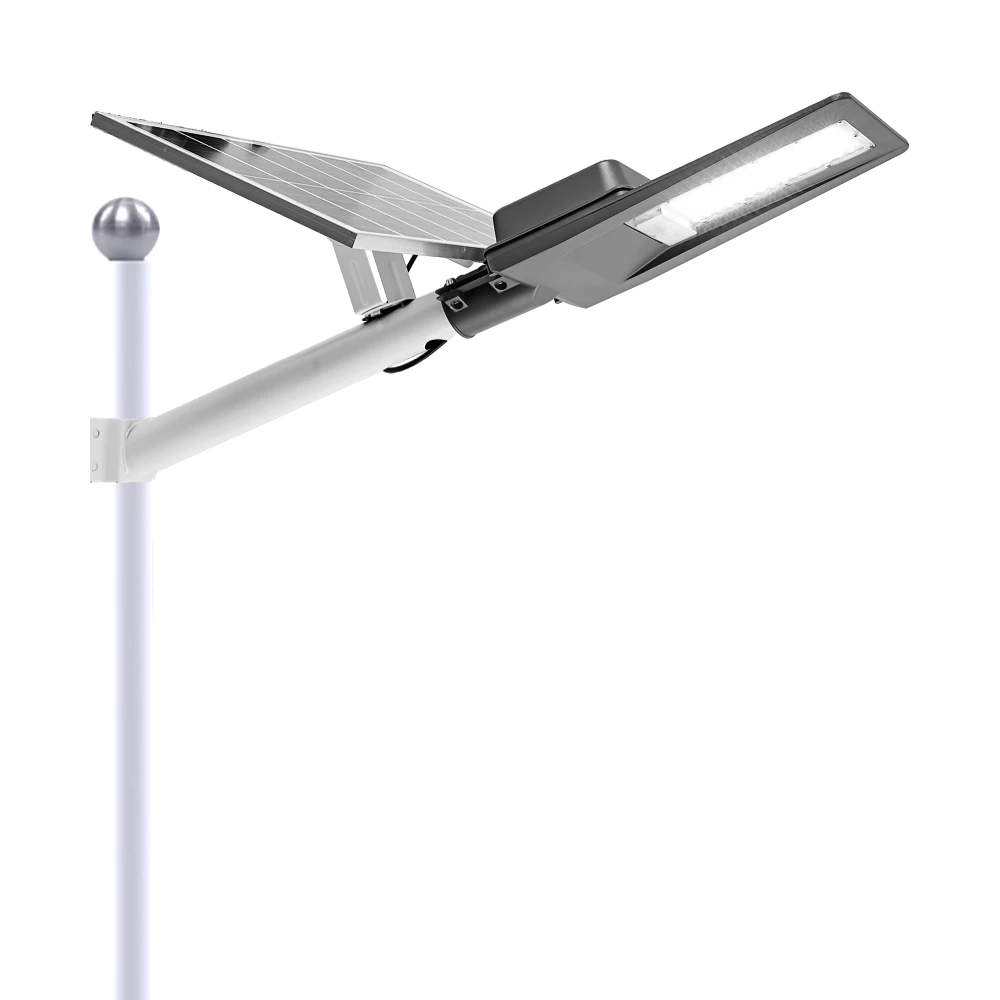
Experience reliable outdoor illumination with our smart solar street light, a perfect combination of advanced technology and eco-conscious design.
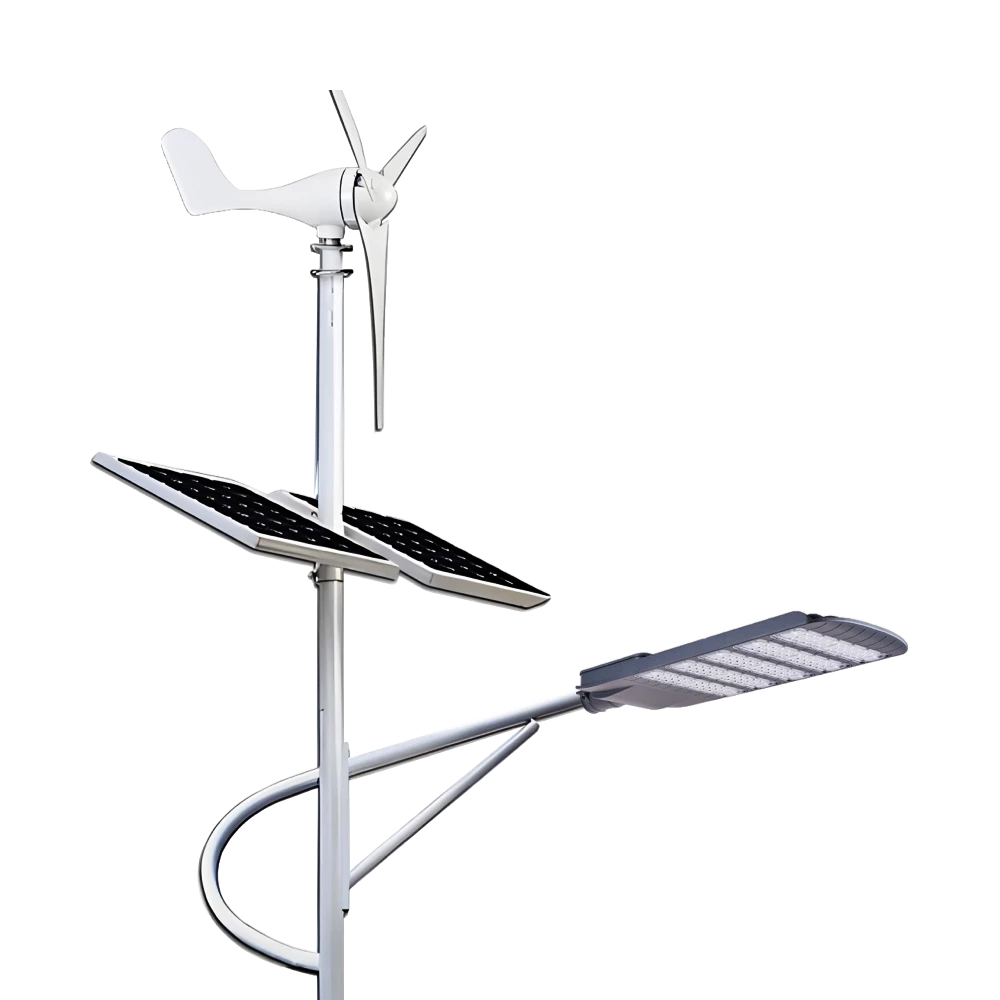
Queneng Lufeng Wind Energy LED Outdoor Solar Street Lights offer high-performance, eco-friendly illumination. These energy-efficient LED street lights harness solar power and wind energy for sustainable, cost-effective outdoor lighting solutions.
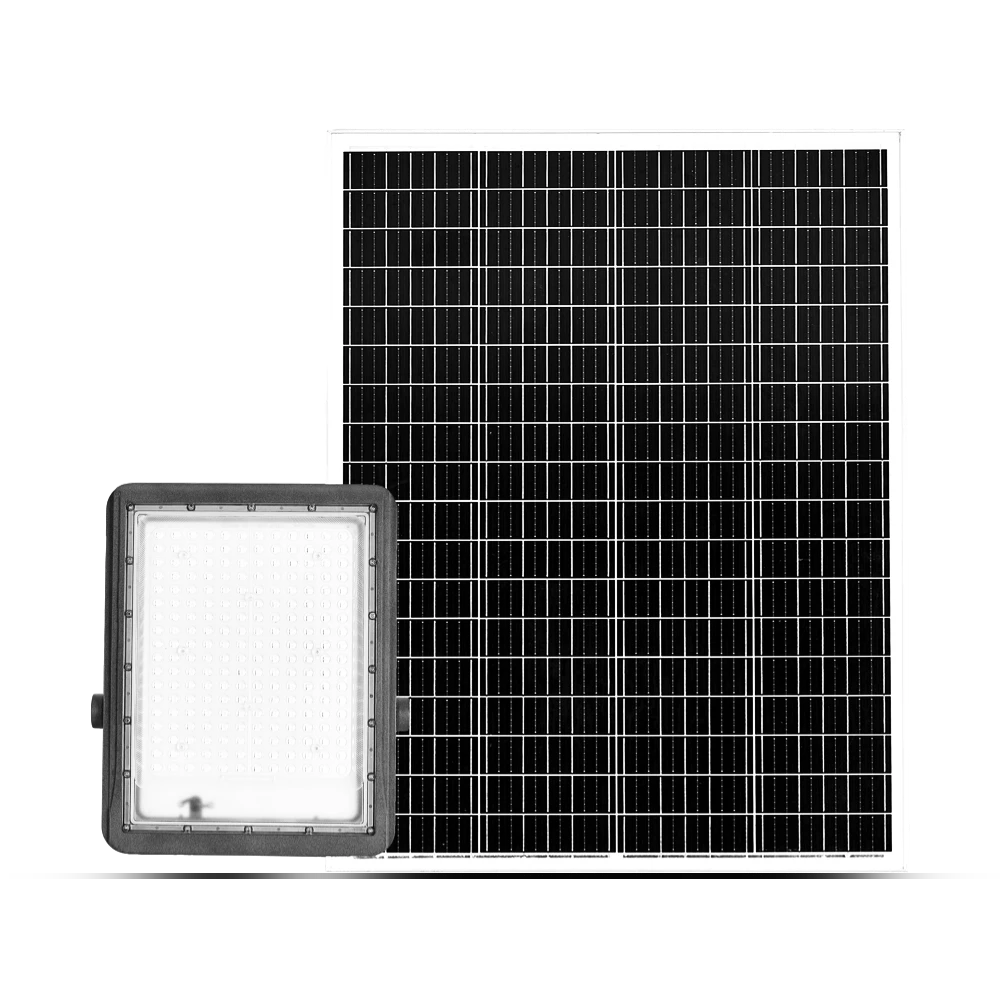
Queneng's Luxian Reliable Solar Street Light offers energy-saving LED lighting for outdoor use. This durable, solar-powered street light provides reliable illumination, reducing energy costs and environmental impact. A perfect solution for sustainable outdoor lighting.
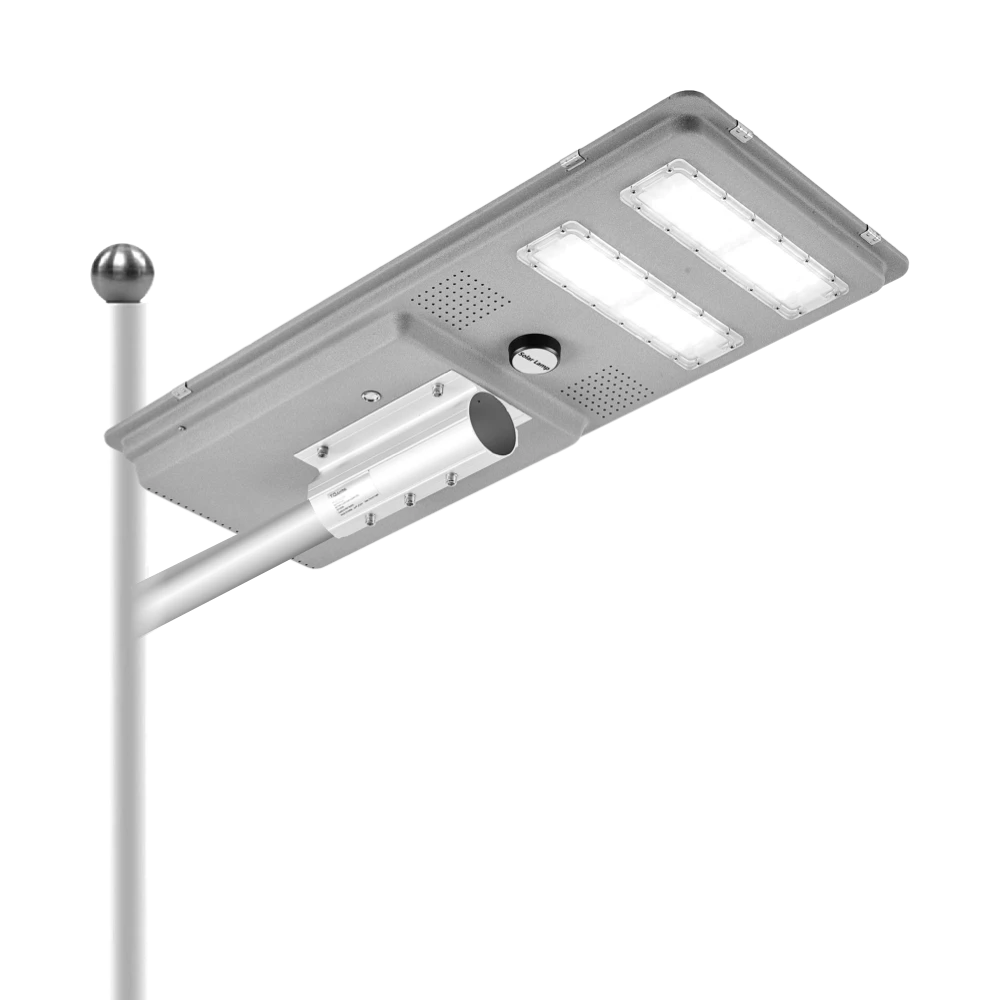
Queneng’s Solar Street Lights are designed to provide reliable, energy-efficient lighting for streets, parks, and other outdoor spaces.
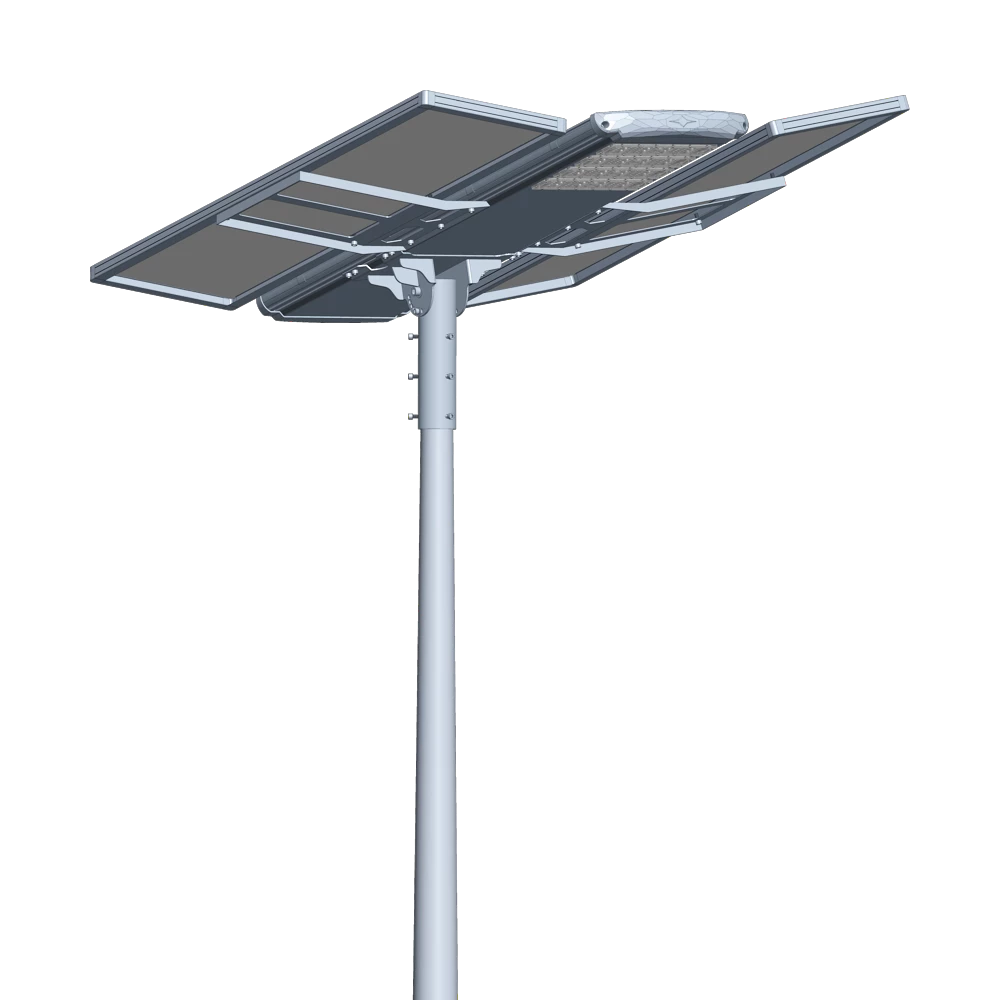
Introducing the Luqing Solar Street Light by Queneng, Efficient LED lighting powered by solar energy is perfect for illuminating outdoor areas. Harness the power of solar energy for sustainable, reliable street lighting. Ideal for eco-friendly, cost-effective outdoor illumination solutions.
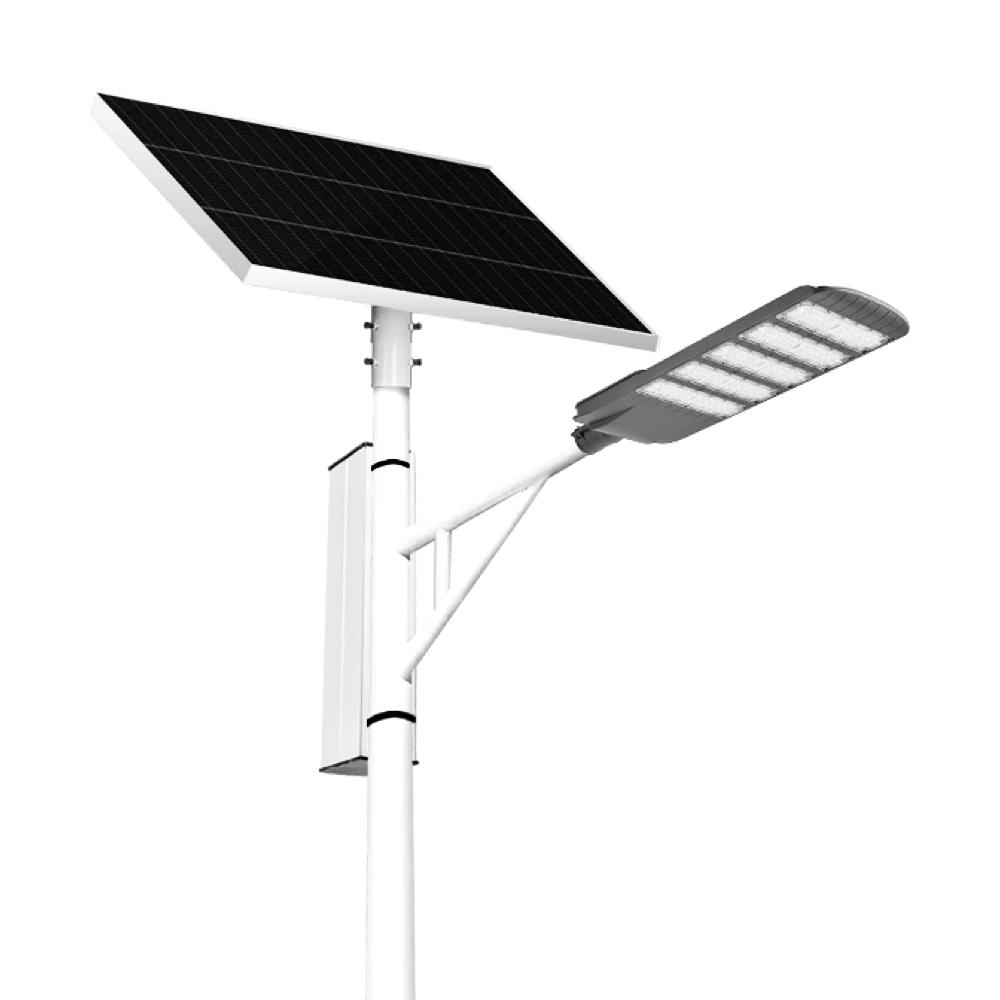
The Solar Streetlights of Luhao for Municipalities are designed to deliver reliable, energy-efficient, and cost-effective public lighting solutions. Equipped with advanced LED technology, durable lithium batteries, and high-efficiency solar panels, these streetlights provide consistent illumination for roads, parks, residential areas, and government projects.
If you would like more information about Queneng solar lighting solutions, please send us a message by filling out the form below. Our professional team will get back to you within 24 hours!
Rest assured that your privacy is important to us, and all information provided will be handled with the utmost confidentiality.
Schedule a Meeting
Book a date and time that is convenient for you and conduct the session in advance.
Have more questions about our products or services?
The messenger of light & power conversion
Environmental protection and intelligent manufacturing are our brand philosophy, and quality assurance and the best user experience are our eternal promises to users.
CONTACT
No.9F, Building F, Cao San Xin Tian Hong Logistics Park, Guzhen Town, Zhongshan City, Guangdong Province, China.
or write [email protected]
WhatsApp: +86 136 2270 1011


