














Can I customize solar street lights from a manufacturer?
<!DOCTYPE >< lang=en>
As sustainable infrastructure gains prominence, solar street lighting offers a compelling solution for public, commercial, and industrial illumination. While all-in-one solar street lights have their place, split solar street light systems often emerge as the superior choice for projects requiring higher performance, greater reliability, and enhanced flexibility. This guide addresses critical questions users have when considering these robust lighting solutions, offering professional insights for informed procurement.
Understanding Split Solar Street Lights: Costs, Customization, and Manufacturer Insights
What is the typical cost of a split solar street light system, and what factors influence its price?
The cost of a split solar street light system can vary significantly, typically ranging from $500 to $3,000+ per unit, excluding installation. This broad range is due to several key factors:
- LED Wattage & Lumen Output: Higher wattage LEDs (e.g., 60W, 100W, 120W) and greater lumen output naturally command higher prices. A common 60W split system might cost $800-$1500, while a high-lumen 120W system could easily exceed $2000.
- Battery Capacity & Type: The battery is one of the most expensive components. Lithium Iron Phosphate (LiFePO4) batteries are standard due to their long cycle life (2000-4000 cycles) and stability. Larger capacity batteries (measured in Wh or Ah) for extended autonomy (e.g., 3-5 nights without sun) will increase the cost.
- Solar Panel Size & Efficiency: The wattage (e.g., 100W, 150W, 200W) and efficiency (monocrystalline vs. polycrystalline) of the solar panel determine charging speed and overall system robustness. Larger, high-efficiency panels cost more but ensure faster charging and better performance in varying sunlight conditions.
- Controller Type: Advanced Maximum Power Point Tracking (MPPT) controllers, which optimize power harvest from the solar panel, are more expensive than Pulse Width Modulation (PWM) controllers but offer superior efficiency, especially in fluctuating light.
- Pole Material & Height: Galvanized steel or aluminum alloy poles designed for specific heights (e.g., 6m, 8m, 12m) and wind resistance ratings contribute significantly to the total cost.
- Smart Features: Integration of PIR motion sensors, dimming capabilities, IoT connectivity, or remote monitoring systems adds to the system's complexity and price.
- Brand Reputation & Warranty: Reputable manufacturers offering extensive warranties and proven product reliability typically have higher price points, but this often translates to lower long-term ownership costs.
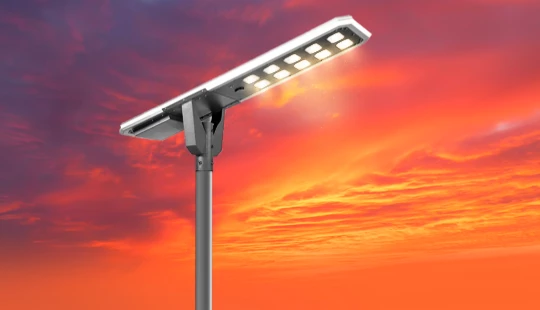
- All-in-One (Integrated) Systems: The solar panel, battery, LED lamp, and controller are housed in a single, compact unit, usually mounted directly onto the pole.
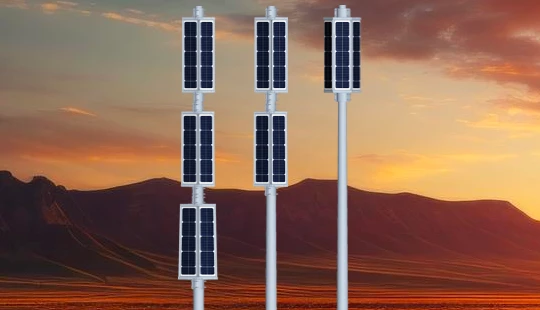
- Split Systems: The solar panel, battery, and LED lamp are separate components. The solar panel is typically mounted at the top of the pole, the LED lamp below it, and the battery (often along with the controller) in a separate box mounted on the pole or buried underground.
- High Lumen Output is Required: Split systems can accommodate larger solar panels and batteries, enabling more powerful LED luminaires for brighter illumination over larger areas (e.g., highways, large parking lots, industrial zones).
- Extreme Climates are Present: Separating the battery allows for better thermal management. Batteries can be housed in shaded pole boxes or even buried, protecting them from extreme heat or cold, which significantly extends their lifespan and performance.
- Optimized Solar Harvest is Critical: The solar panel can be independently tilted and oriented to maximize sun exposure, especially in regions with varying sun angles throughout the year or complex site layouts.
- Longevity & Easier Maintenance are Priorities: Individual components can be easily accessed, repaired, or replaced without affecting the entire unit, leading to a longer overall system lifespan and simpler maintenance procedures.
- Specific Aesthetics or Pole Heights are Needed: The modular design allows for greater flexibility in pole design, height, and lamp placement to meet specific project aesthetics or functional requirements.
- High-Efficiency Solar Panel: Monocrystalline silicon panels are preferred, offering 19-22% conversion efficiency. A larger panel (higher wattage) ensures faster charging and sufficient power generation even on cloudy days, directly impacting battery autonomy and lamp run-time.
- Long-Life LiFePO4 Battery: Lithium Iron Phosphate (LiFePO4) batteries are industry standard for their safety, thermal stability, and extended cycle life (typically 2,000 to 4,000 charge/discharge cycles to 80% DOD), translating to a 5-10 year lifespan. Its capacity (Ah or Wh) dictates how many nights the light can operate without sun.
- Intelligent MPPT Charge Controller: An MPPT controller optimizes the power transfer from the solar panel to the battery, improving charging efficiency by 15-30% compared to PWM controllers. It also manages battery protection (overcharge, over-discharge), light sensing, and dimming profiles, extending battery life and ensuring reliable operation.
- High-Lumen LED Luminaire: Utilizing high-efficiency LED chips (e.g., Philips, Cree) with a lumen efficacy of 150-180 lm/W ensures maximum light output with minimal power consumption. Proper heat dissipation design (e.g., finned aluminum housing) is crucial for LED longevity, which can exceed 50,000-100,000 hours.
- Durable Pole & Mounting Hardware: Hot-dip galvanized steel or high-strength aluminum alloy poles with appropriate wind load ratings are essential for structural integrity. High-quality stainless steel mounting brackets resist corrosion and ensure component stability over decades.
- LED Specifications: Customization of LED wattage (e.g., 30W to 200W), Color Correlated Temperature (CCT) ranging from warm white (2700K) to cool white (6500K), and various beam angles (e.g., Type II, Type III, flood) to achieve specific lighting patterns and coverage.
- Battery Capacity & Autonomy: Tailoring the battery size to provide desired autonomy (e.g., 2-7 nights of backup power) based on local solar irradiation data and project requirements.
- Solar Panel Sizing & Orientation: Selecting panel wattage and dimensions to optimize energy harvest for specific geographical locations and sunlight conditions. Panels can also be integrated into custom designs.
- Pole Design & Material: Customizing pole height (e.g., 4m to 12m+), material (galvanized steel, aluminum), finish (powder coating in various colors), and arm configurations to match architectural aesthetics or structural demands (e.g., high wind zones).
- Intelligent Control Systems: Integration of advanced controllers with programmable dimming schedules, motion sensors (PIR), light sensors (day/night detection), remote monitoring via IoT platforms (LoRaWAN, 4G), and smart city integration.
- IP Rating & Environmental Protection: Ensuring specific IP ratings (e.g., IP66 for extreme dust and water resistance) for the luminaires, battery boxes, and controllers to suit harsh environmental conditions.
- Branding & Logos: Adding client logos or specific branding elements to the poles or luminaire housing.
- Experience & Track Record: Look for manufacturers with several years of experience (e.g., 10+ years) in designing and producing solar street lights, especially split systems. Request case studies, project references, and client testimonials.
- Certifications & Quality Control: Verify international certifications such as ISO 9001 (Quality Management), ISO 14001 (Environmental Management), CE, RoHS, and IEC standards for components. Inquire about their in-house testing facilities and quality assurance protocols (e.g., material inspection, aging tests, IP testing).
- R&D Capabilities: A reputable manufacturer invests in research and development to stay updated with technology. Inquire about their engineering team and new product innovations. This indicates a commitment to performance and future-proofing.
- Component Sourcing & Transparency: Ask about their component suppliers (LED chips, batteries, solar panels, controllers). Trustworthy manufacturers use reputable, branded components and are transparent about their supply chain.
- Warranty & After-Sales Support: A comprehensive warranty (e.g., 3-5 years for the entire system, 5-10 years for batteries/LED drivers) is a strong indicator of product confidence. Evaluate their after-sales support, including technical assistance, spare parts availability, and responsiveness.
- Customization & Design Flexibility: Their ability to offer tailored solutions for split systems demonstrates engineering prowess and client focus.
- Global Presence & Export Experience: Manufacturers with extensive export experience understand international standards, logistics, and varied project requirements.
- Site Assessment & Sizing: Before installation, conduct a thorough site survey to assess solar irradiance (peak sun hours), local weather patterns (wind loads, temperature extremes), and obstruction from buildings or trees. This data informs the correct sizing of the solar panel, battery, and pole for optimal performance and structural integrity.
- Foundation & Pole Installation: Ensure a robust concrete foundation designed to withstand the pole's weight and local wind loads. The pole must be erected perfectly vertical to maximize solar panel efficiency and light distribution.
- Solar Panel Orientation: Mount the solar panel facing true south (Northern Hemisphere) or true north (Southern Hemisphere) at an optimal tilt angle (often equal to the site's latitude) to capture maximum sunlight throughout the year. Avoid shading at all costs.
- Secure Wiring & Connections: All electrical connections must be secure, waterproof (using IP67 connectors), and protected from environmental factors. Use UV-resistant cabling. Proper grounding is essential for safety.
- Battery Enclosure & Ventilation: If the battery is mounted on the pole, ensure its enclosure is well-ventilated to prevent heat buildup and is IP-rated to protect against dust and moisture. If buried, ensure proper drainage and thermal insulation.
- Regular Cleaning: Solar panels should be cleaned periodically (e.g., every 3-6 months, more often in dusty environments) to remove dirt, dust, and debris, which can reduce efficiency by 10-20%.
- Component Inspection: Annually inspect all components (LED luminaire, solar panel, battery box, controller, wiring, pole structure) for any physical damage, corrosion, loose connections, or signs of wear.
- Battery Health Check: While LiFePO4 batteries require less maintenance, periodic voltage checks and performance monitoring (if system allows) can help anticipate end-of-life and plan replacements.
- Firmware Updates: For smart systems, ensure the controller firmware is up-to-date to benefit from performance enhancements and bug fixes.
- Overall System Warranty: A general warranty covering the entire system (excluding consumables) for 3 to 5 years is standard. This covers manufacturing defects and significant performance degradation under normal operating conditions.
- Component-Specific Warranties:
- LiFePO4 Battery: Often covered for 5 to 10 years or for a specified number of cycles (e.g., 2000-4000 cycles to 70-80% capacity retention).
- LED Luminaire/Driver: Typically 5 to 7 years, sometimes extending to 10 years, covering LED chip failure or significant lumen depreciation.
- Solar Panel: Performance warranties of 20 to 25 years are common, guaranteeing a certain percentage of original power output (e.g., 90% after 10 years, 80% after 20 years). Product warranties for manufacturing defects are usually 10-12 years.
- Charge Controller: Usually covered for 3 to 5 years.
- Pole & Mounting Hardware: Typically 5 to 10 years against structural defects or premature corrosion.
- After-Sales Support:
- Technical Assistance: Availability of experienced engineers for troubleshooting, guidance on installation, and operational issues, often via phone, email, or online portals.
- Spare Parts Availability: Assurance that critical spare parts (batteries, controllers, LED modules) will be available for purchase for at least 5-10 years after product discontinuation.
- RMA (Return Merchandise Authorization) Process: A clear and efficient process for handling warranty claims, repairs, and replacements.
- Documentation: Comprehensive manuals for installation, operation, and maintenance.
- Remote Monitoring & Diagnostics (for smart systems): Support for accessing and interpreting data from smart control systems to proactively identify and resolve issues.
- Expertise in Split Systems: We specialize in designing and manufacturing robust split solar street light solutions, tailored for demanding environments and high-performance requirements.
- Customization Capabilities: Queneng Lighting offers extensive customization options, from LED wattage and color temperature to battery autonomy, solar panel sizing, and pole design, ensuring your project's precise needs are met.
- High Quality Component Sourcing: We utilize only top-tier components, including high-efficiency monocrystalline solar panels, long-life LiFePO4 batteries, and intelligent MPPT controllers, guaranteeing durability and optimal performance.
- Rigorous Quality Control: Adhering to international standards (ISO, CE, RoHS, IEC), our products undergo stringent testing to ensure reliability and longevity, backed by comprehensive warranties.
- Dedicated R&D and Engineering: Our experienced team is continuously innovating, integrating the latest technologies for enhanced efficiency, smart control, and environmental adaptability.
- Comprehensive Support: Queneng Lighting provides professional pre-sales consultation, detailed technical support during installation, and efficient after-sales service, ensuring a seamless experience from design to deployment and beyond.
- IRENA (International Renewable Energy Agency). (2023). Renewable Power Generation Costs in 2022. https://www.irena.org/Publications/2023/Aug/Renewable-Power-Generation-Costs-in-2022 (Accessed: November 15, 2023)
- Energy Sage. (2023). Monocrystalline vs. Polycrystalline Solar Panels. https://www.energysage.com/solar/panels/monocrystalline-vs-polycrystalline-solar-panels/ (Accessed: November 16, 2023)
- Battery University. (2023). BU-205: Types of Lithium-ion. https://batteryuniversity.com/article/bu-205-types-of-lithium-ion (Accessed: November 16, 2023)
- Department of Energy (DOE). (2022). LED Lighting. https://www.energy.gov/energysaver/led-lighting (Accessed: November 15, 2023)
- Various Solar Street Light Manufacturer Websites (for typical cost ranges and customization options - generalized data based on market research as of Q4 2023).
When requesting a quote, it's crucial to specify your required illumination levels, expected autonomy, and geographical location to receive an accurate estimate.
What are the key differences between All-in-One Solar Street Lights and Split Solar Street Lights, and when should I choose a split system?
The primary distinction lies in their component integration:
You should choose a split solar street light system when:
While split systems involve higher initial costs and more complex installation, their superior performance, durability, and adaptability often make them the more cost-effective and reliable choice for demanding professional applications.
What are the critical components of a high-quality split solar street light system, and how do they impact performance and longevity?
A robust split solar street light system relies on the synergy of high-grade components:
The quality of each component directly affects the system's overall performance, reliability, and total cost of ownership over its projected 10-20 year lifespan.
Can I customize solar street lights from a manufacturer, and what customization options are typically available for split systems?
Absolutely, customization is one of the significant advantages of working with a reputable Solar Street Light Manufacturer, especially for split systems. Manufacturers understand that every project has unique requirements. Typical customization options include:
When approaching a manufacturer, provide detailed project specifications, site conditions, and desired performance outcomes to facilitate the most accurate and effective customization.
How do I assess the reliability and reputation of a Solar Street Light Manufacturer for split systems?
Selecting the right manufacturer is paramount for a successful solar street lighting project. Here’s how to assess their reliability:
A site visit or detailed video conference can further help evaluate their production capabilities and commitment to quality.
What are the essential professional considerations for the installation and maintenance of split solar street lights?
Proper installation and scheduled maintenance are crucial for maximizing the performance and lifespan of split solar street light systems:
Adhering to manufacturer guidelines and utilizing experienced installers are key to a reliable and long-lasting system.
What kind of warranty and after-sales support should I expect for split solar street lights?
A comprehensive warranty and robust after-sales support are crucial indicators of a manufacturer's confidence in their product quality and commitment to customer satisfaction. For split solar street light systems, you should expect:
Always review the warranty terms and conditions carefully, especially regarding coverage details, claim procedures, and expected response times.
Queneng Lighting: Your Trusted Partner in Advanced Solar Street Lighting
When it comes to high-performance and reliable solar street lighting, Queneng Lighting stands out as a leading manufacturer. Our advantages include:
Partner with Queneng Lighting for sustainable, high-quality, and cost-effective solar street lighting solutions that illuminate your projects for years to come.
References:
</>

Have more questions about our products or services?
The latest hot news you might like
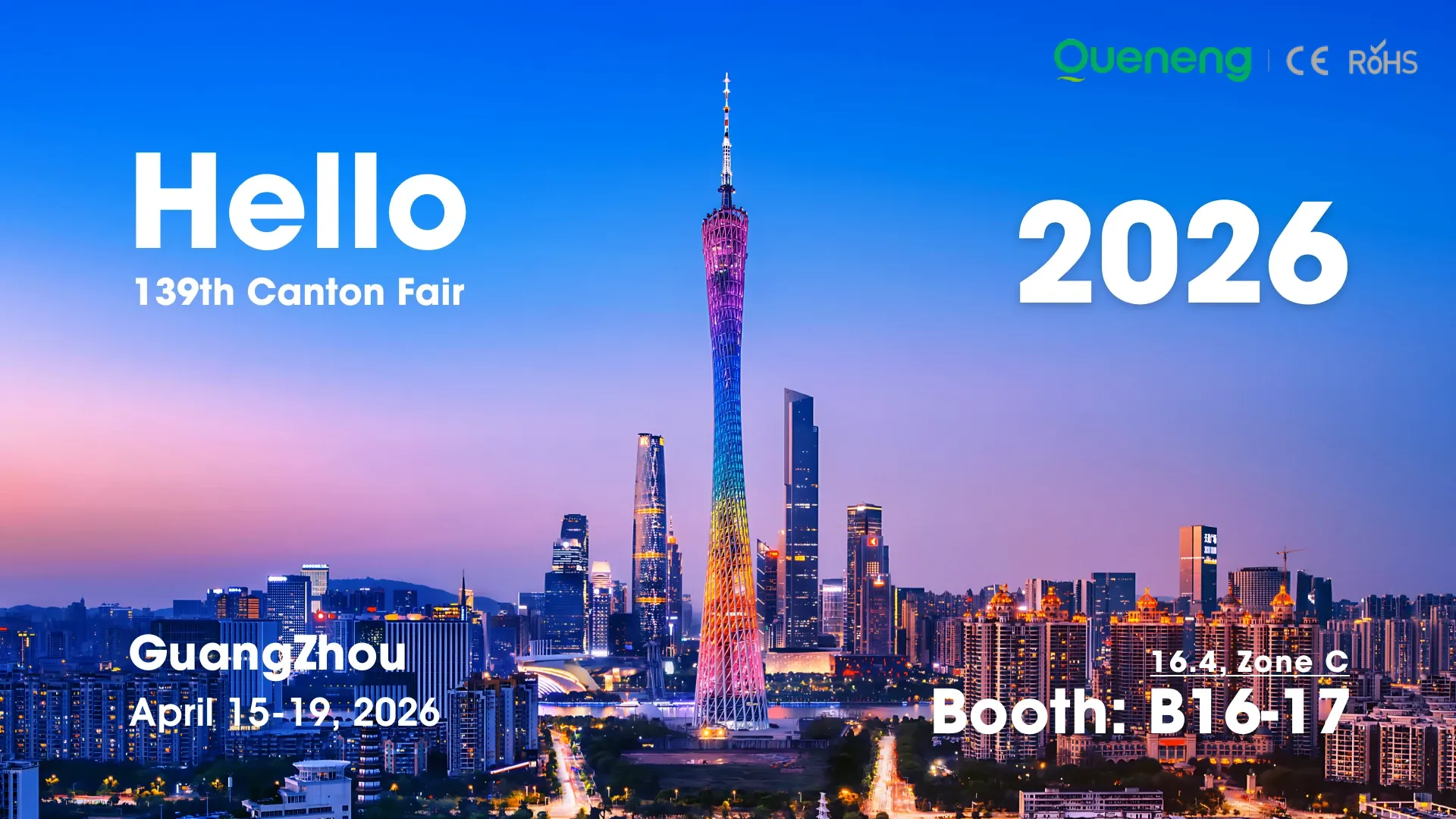
As the global demand for sustainable infrastructure rises, Queneng Lighting is proud to announce its participation in the 139th China Import and Export Fair (Canton Fair), held from April 15th to 19th, 2026, in Guangzhou.
For over 13 years, Queneng has been at the forefront of the solar lighting industry, providing high-efficiency solutions for infrastructure contractors, municipal developers, and EPC companies worldwide. This year, we are bringing our most advanced technology yet to the international stage.

Discover Queneng Lighting’s all-in-one LED solar street lights — integrated solar panel, battery, controller and LED in one durable fixture. Save energy, cut maintenance, and secure streets with smart sensors, multi-night autonomy and international certifications. Contact sales for quotes and support.

Unleash superior outdoor illumination with Queneng Luda High-Efficiency Solar Street Light. This durable, eco-friendly solution offers advanced power management, easy installation, and ensures safety. Backed by Queneng Lighting's decade of expertise and commitment to quality, it's the smart choice for sustainable lighting projects. Learn why we're a leading solar solutions provider.

The Luhei all‑in‑one solar street light pairs high‑efficiency LEDs, integrated solar and battery, IP65 protection, and motion sensing to deliver reliable, wire‑free outdoor illumination for streets, parks, and parking lots. Backed by Queneng Lighting’s certifications and support.
FAQ
Solar Street Light Luxian
Are Luxian solar street lights suitable for urban and rural applications?
Yes, Luxian solar street lights are versatile and suitable for both urban and rural applications. Whether you need to light busy city streets or quiet rural pathways, Luxian lights offer a reliable, energy-efficient solution. Their easy installation and low maintenance make them ideal for a wide range of outdoor spaces, including parks, parking lots, streets, and private properties.
Sustainability
How should I maintain solar street lights for optimal performance?
To ensure optimal performance, we recommend cleaning and inspecting the lights every 6–12 months. Regularly cleaning the photovoltaic panels, checking the battery health, and confirming the integrity of the lights and control systems are essential for long-term reliable operation.
Solar Street Light Luhua
How do Luhua solar street lights work?
Luhua solar street lights use high-efficiency solar panels to capture sunlight during the day and store it in lithium-ion batteries. These batteries then power the LED lights at night. The intelligent control system adjusts the light output based on ambient light conditions and detects motion to maximize energy savings by dimming when no motion is detected and increasing brightness when movement is sensed.
Tourist Attractions and Resorts
Can solar lighting help reduce energy costs for resorts?
Yes, solar lighting can significantly reduce energy costs by eliminating the need for grid electricity. The investment in solar lighting pays off in the long term through savings on electricity bills.
Battery fundamentals and basic terms
What is the residual discharge capacity of a battery?
Solar Street Light Luzhou
Can Luzhou solar street lights be used in areas with limited sunlight?
Yes, Luzhou solar street lights are designed to function in areas with limited sunlight. Their high-efficiency solar panels and advanced battery storage systems ensure reliable performance, even in regions with less sunlight or during the winter months.
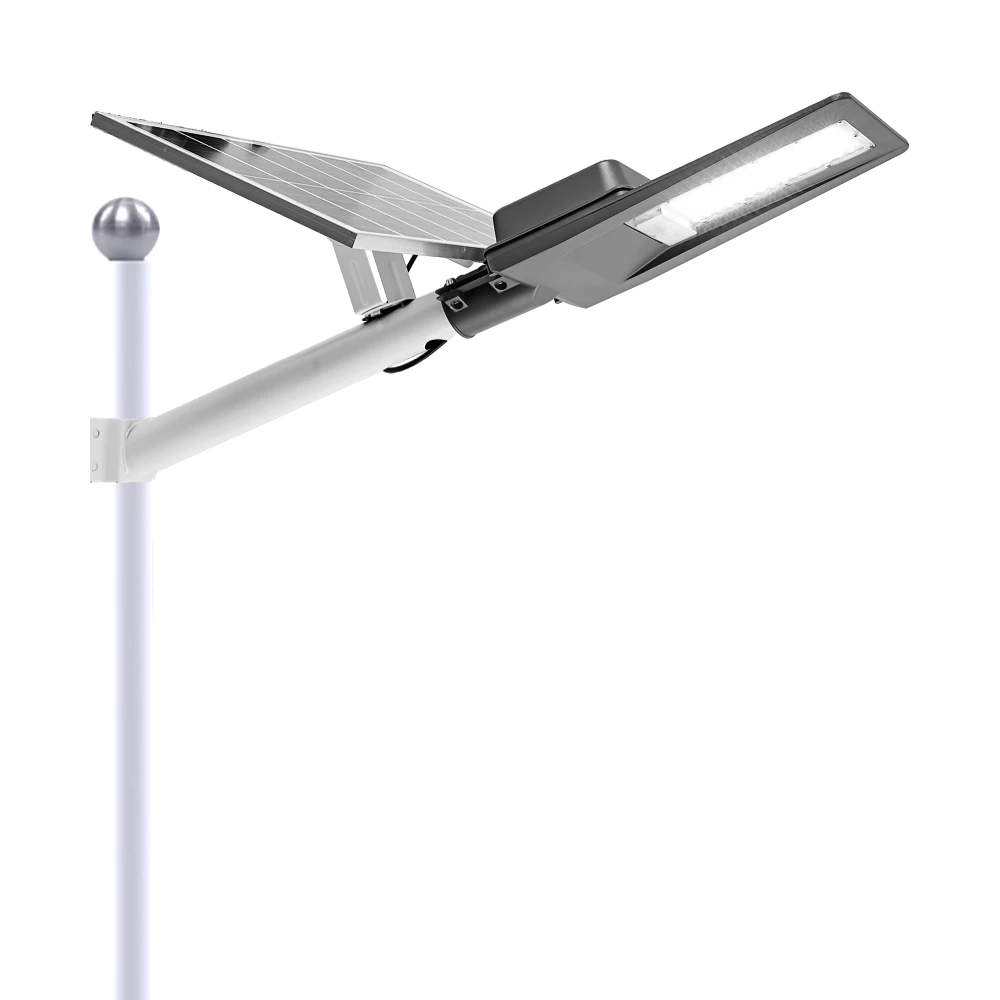
Experience reliable outdoor illumination with our smart solar street light, a perfect combination of advanced technology and eco-conscious design.
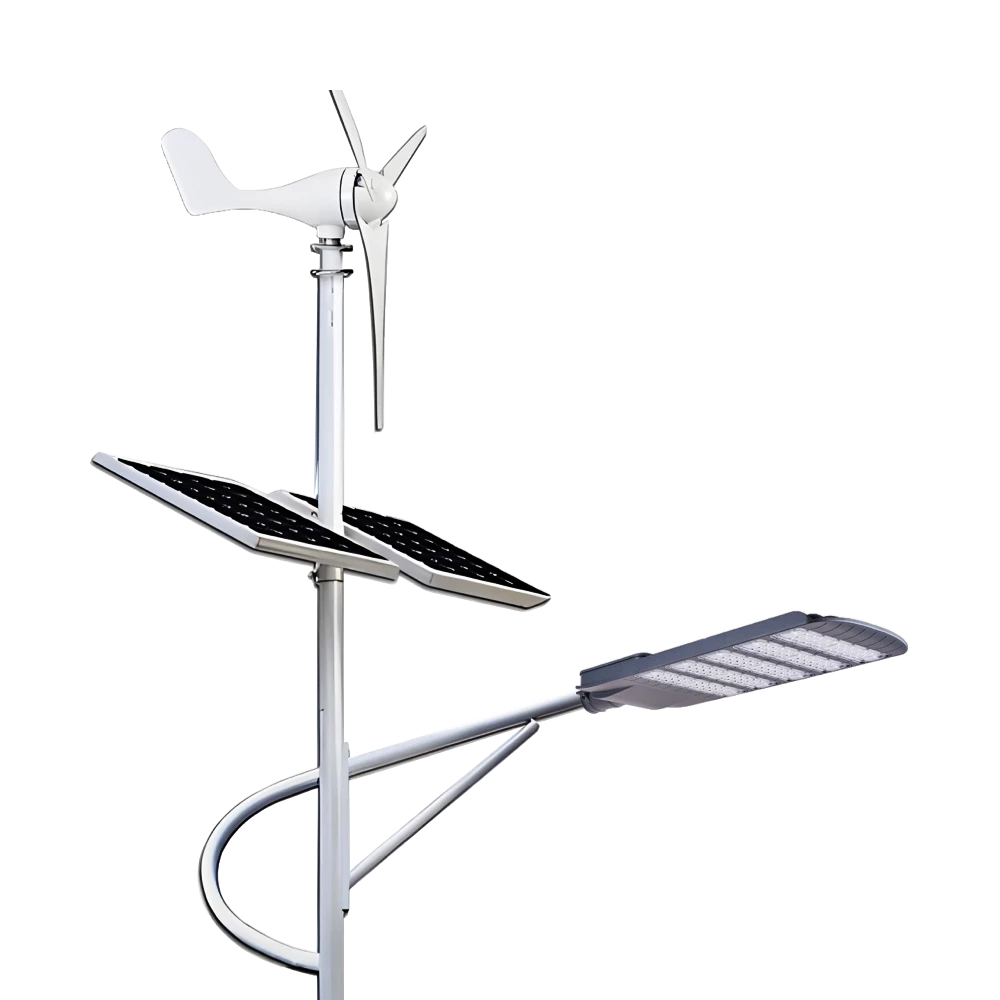
Queneng Lufeng Wind Energy LED Outdoor Solar Street Lights offer high-performance, eco-friendly illumination. These energy-efficient LED street lights harness solar power and wind energy for sustainable, cost-effective outdoor lighting solutions.
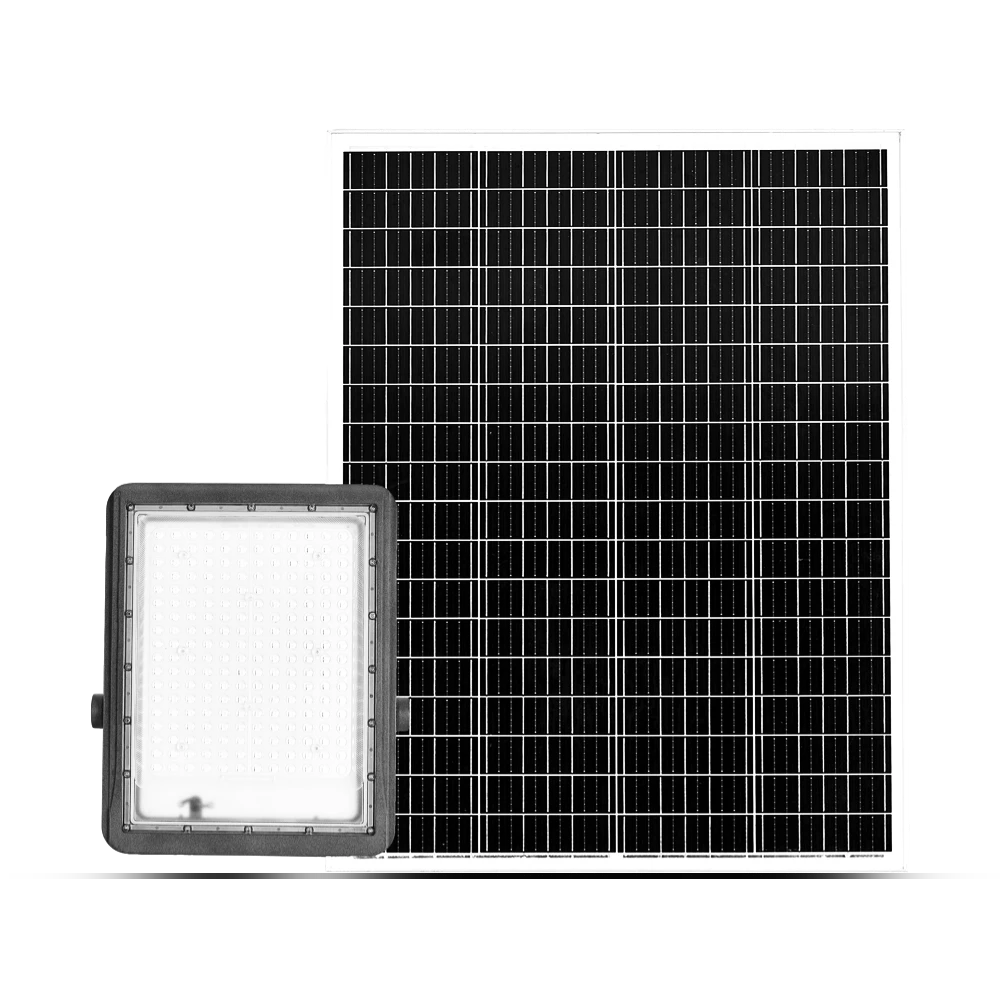
Queneng's Luxian Reliable Solar Street Light offers energy-saving LED lighting for outdoor use. This durable, solar-powered street light provides reliable illumination, reducing energy costs and environmental impact. A perfect solution for sustainable outdoor lighting.
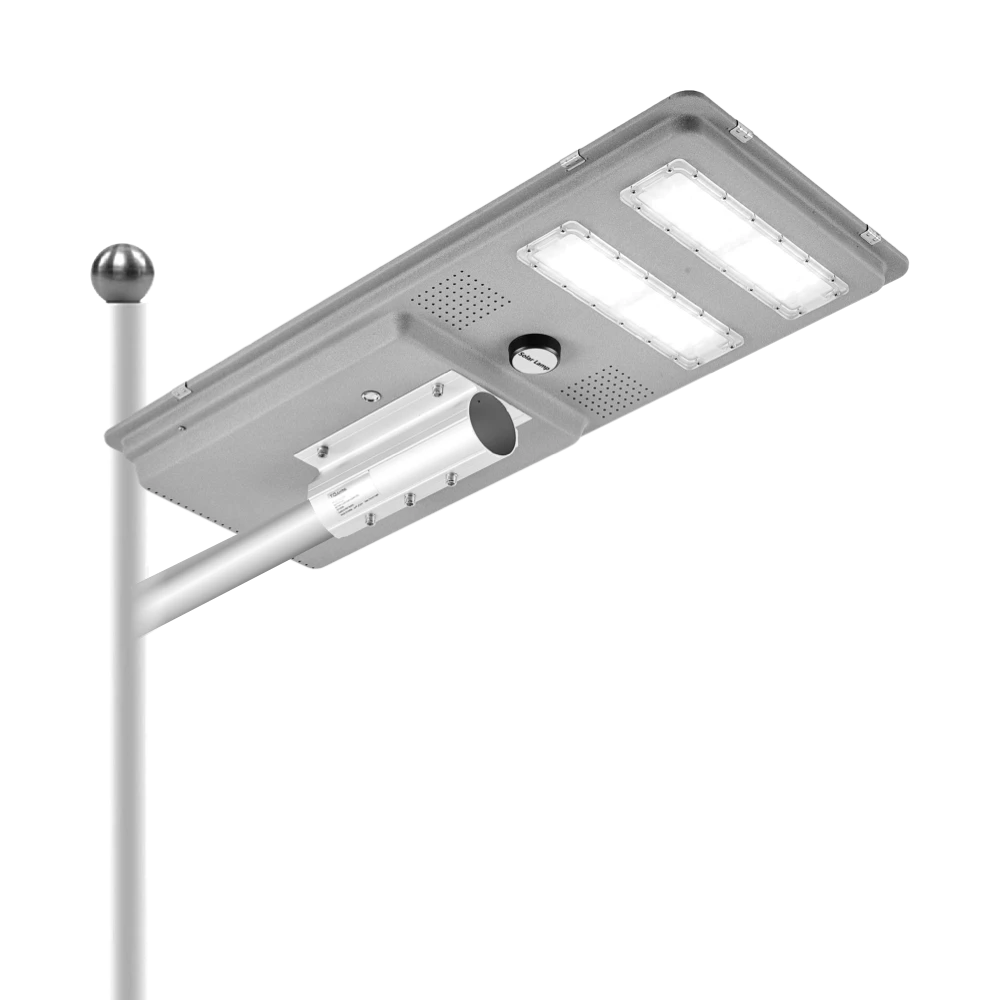
Queneng’s Solar Street Lights are designed to provide reliable, energy-efficient lighting for streets, parks, and other outdoor spaces.
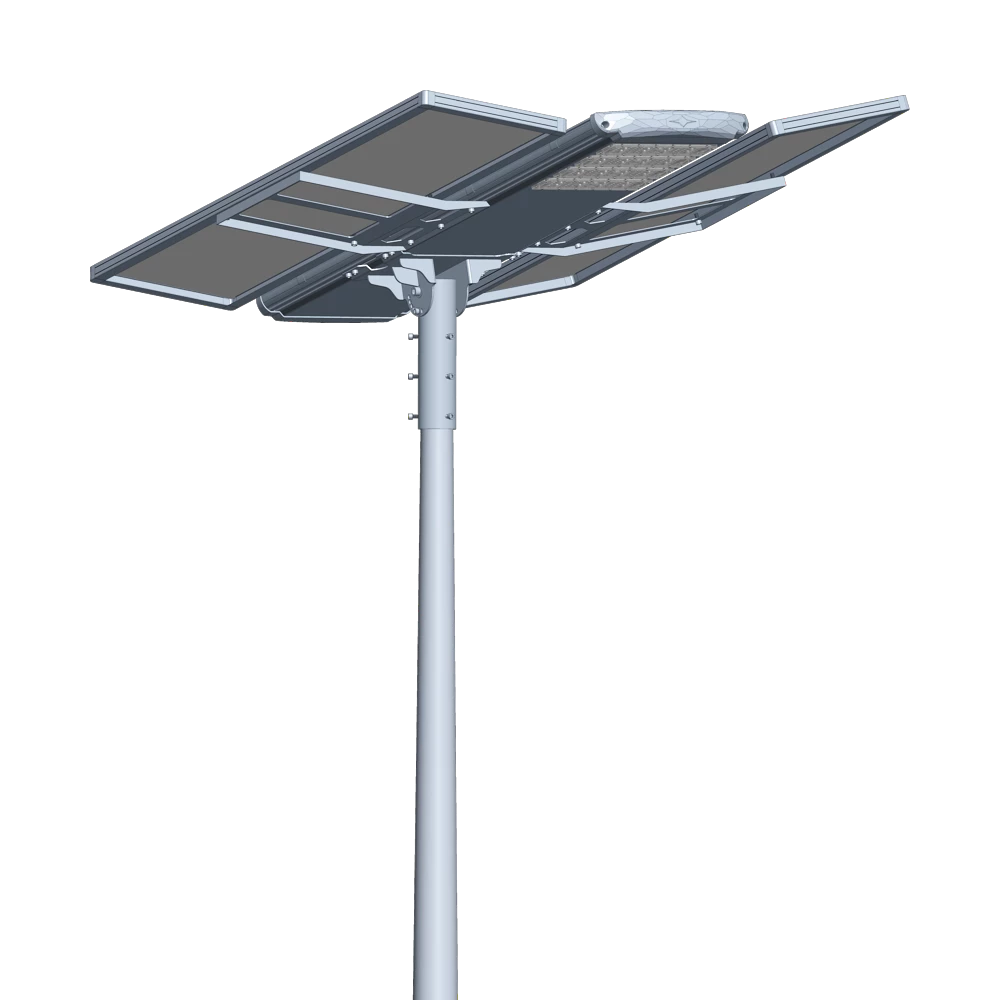
Introducing the Luqing Solar Street Light by Queneng, Efficient LED lighting powered by solar energy is perfect for illuminating outdoor areas. Harness the power of solar energy for sustainable, reliable street lighting. Ideal for eco-friendly, cost-effective outdoor illumination solutions.
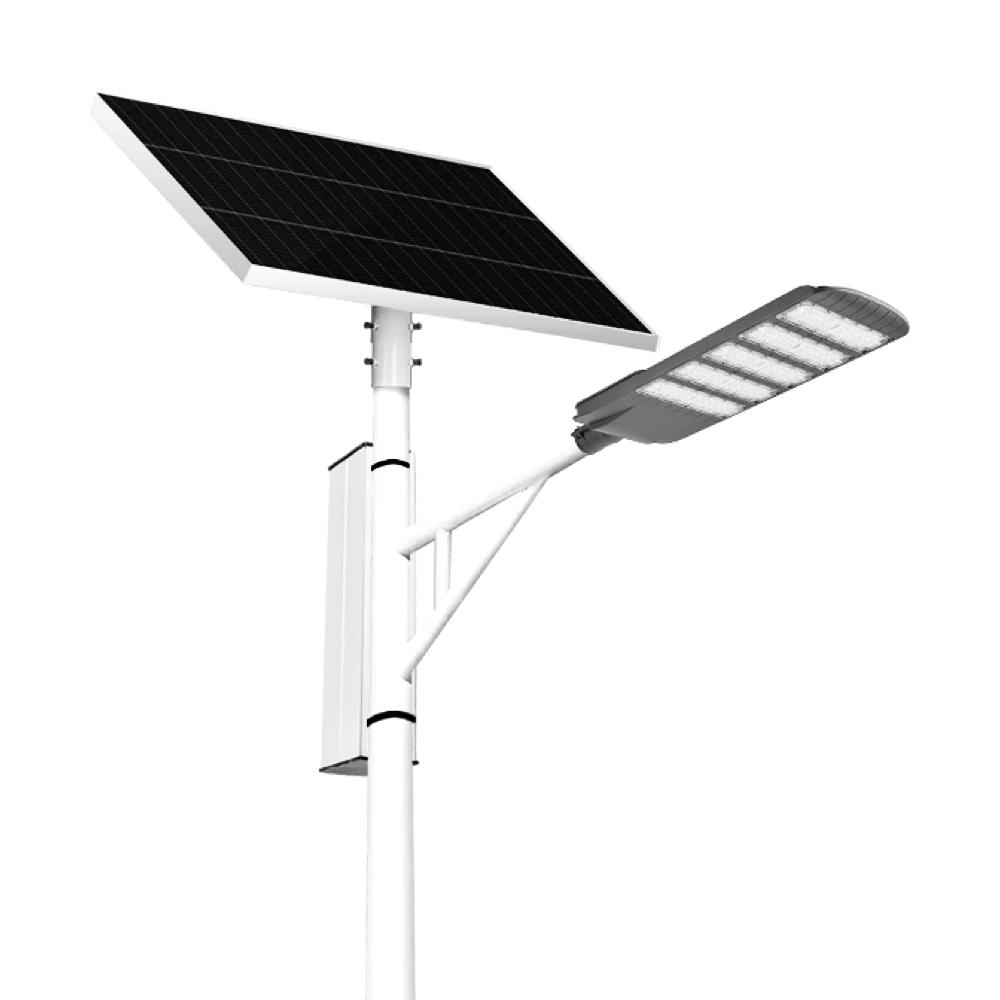
The Solar Streetlights of Luhao for Municipalities are designed to deliver reliable, energy-efficient, and cost-effective public lighting solutions. Equipped with advanced LED technology, durable lithium batteries, and high-efficiency solar panels, these streetlights provide consistent illumination for roads, parks, residential areas, and government projects.
If you would like more information about Queneng solar lighting solutions, please send us a message by filling out the form below. Our professional team will get back to you within 24 hours!
Rest assured that your privacy is important to us, and all information provided will be handled with the utmost confidentiality.
Schedule a Meeting
Book a date and time that is convenient for you and conduct the session in advance.
Have more questions about our products or services?
The messenger of light & power conversion
Environmental protection and intelligent manufacturing are our brand philosophy, and quality assurance and the best user experience are our eternal promises to users.
CONTACT
No.9F, Building F, Cao San Xin Tian Hong Logistics Park, Guzhen Town, Zhongshan City, Guangdong Province, China.
or write [email protected]
WhatsApp: +86 136 2270 1011


