

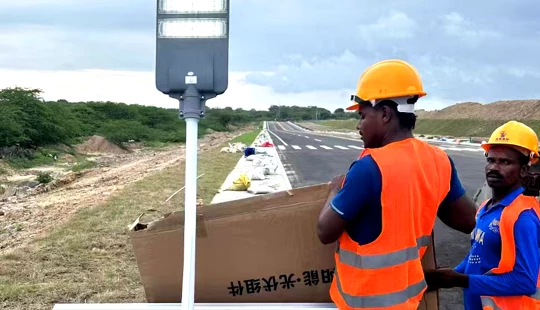
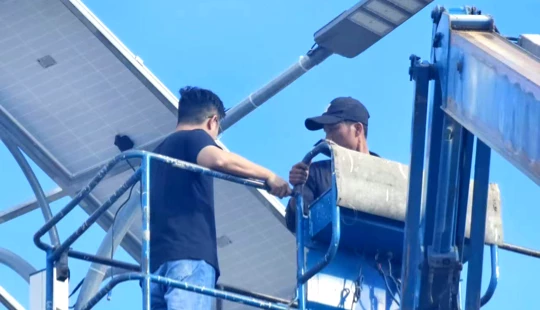













How do manufacturers ensure solar light quality?
Navigating Split Solar Street Light Procurement: Costs, Quality, and Manufacturer Insights
The global shift towards sustainable infrastructure has put solar street lights at the forefront of modern lighting solutions. Among the various types, split solar street lights offer distinct advantages, particularly for projects requiring greater flexibility, power, or challenging environmental conditions. For professional buyers and procurement managers, understanding the intricacies of these systems – from cost drivers to quality assurance – is paramount. This guide provides an in-depth look at key questions users often have when considering split solar street lights.
What factors determine the cost of a split solar street light, and how does it compare to all-in-one systems?
The cost of a split solar street light system is influenced by several critical components and their specifications. Unlike all-in-one systems where components are integrated, split systems feature separate solar panels, batteries, and LED lamps, allowing for greater customization and often higher performance. Key cost drivers include:
- Solar Panel Wattage and Efficiency: Higher wattage (e.g., 60W-200W+) and efficiency (monocrystalline panels typically 18-22%) mean faster charging and better performance, directly impacting cost.
- Battery Capacity and Technology: Lithium Iron Phosphate (LiFePO4) batteries are the industry standard due to their longer lifespan (2000-4000+ cycles, 5-10+ years), safety, and stable performance. Higher Ah (ampere-hour) capacity provides longer autonomy (days of backup power) and increases cost.
- LED Lamp Output (Lumens and Wattage): The brightness (lumens) and power (wattage, e.g., 30W-120W+) of the LED fixture significantly affect pricing. High-quality LED chips (Cree, Philips, Osram) with excellent thermal management also contribute to cost.
- Controller Type: Maximum Power Point Tracking (MPPT) controllers are more efficient than Pulse Width Modulation (PWM) controllers, maximizing solar harvest, but are also more expensive.
- Pole Height and Material: Taller, more robust poles (galvanized steel, aluminum) designed for specific wind loads increase the overall system cost.
- Cabling and Connectors: Longer, high-gauge, UV-resistant cables and robust connectors are needed for split systems, adding to material costs.
Cost Comparison: Split systems generally have a higher initial cost per unit than comparable all-in-one systems due to separate components, more complex installation, and often larger capacities. However, their superior performance, longer lifespan, easier maintenance, and greater flexibility can lead to a lower total cost of ownership (TCO) over the project's lifetime, especially for commercial and industrial applications. A high-quality commercial split solar street light system can range from approximately $500 to $2000+ per unit, excluding installation, depending on specifications.
What are the key advantages and disadvantages of choosing a split solar street light over an all-in-one model?
Understanding the trade-offs is crucial for informed procurement:
Advantages of Split Solar Street Lights:
- Optimal Solar Charging: The solar panel can be independently positioned and angled for maximum sun exposure, regardless of the lamp's orientation. This is particularly beneficial in areas with less consistent sunlight or specific installation constraints.
- Enhanced Battery Performance: The battery, often housed separately at the base of the pole or underground, benefits from better thermal regulation, extending its lifespan by avoiding direct heat exposure from the LED lamp and sunlight.
- Greater Power and Autonomy: Split systems can accommodate larger solar panels and battery capacities, allowing for higher wattage lamps and longer backup autonomy, crucial for critical lighting applications.
- Improved Maintainability and Replaceability: Components are separate, making troubleshooting, repair, or replacement of individual parts (e.g., battery, controller) simpler and less costly than replacing an entire integrated unit.
- Reduced Wind Load on Lamp Head: With the solar panel separate, the lamp head has a smaller profile, reducing wind resistance and enhancing stability, particularly in high-wind regions.
- Design Flexibility: Allows for more aesthetic integration into certain environments, as the bulky panel can be less obtrusive or placed elsewhere.
Disadvantages of Split Solar Street Lights:
- Higher Installation Complexity and Cost: Requires more wiring, separate mounting for components, and potentially more skilled labor, leading to higher initial installation expenses.
- More Visible Wiring: The need for cabling between components can be aesthetically less appealing if not managed well, and also presents a potential point of vulnerability if not properly protected.
- Higher Initial Purchase Price: As noted, individual high-performance components and their separate enclosures often result in a greater upfront investment.
- Potential for Theft/Vandalism: If the battery is placed at the base of the pole, it might be more accessible than in an all-in-one unit, though robust anti-theft measures can mitigate this.
How can I assess the quality and reliability of a solar street light manufacturer?
Evaluating a manufacturer's credibility and product quality is vital for long-term project success:
- Certifications: Look for international quality management certifications (ISO 9001:2015) and environmental management (ISO 14001:2015). Product-specific certifications like CE, RoHS, FCC, and IP (Ingress Protection, e.g., IP65/IP66 for outdoor use) are essential. IES LM-79 reports confirm photometric performance.
- Experience and Track Record: A manufacturer with many years of experience (e.g., 5-10+ years) and a portfolio of successful large-scale projects demonstrates reliability. Request case studies or client references.
- R&D and Innovation: Manufacturers investing in research and development often offer cutting-edge technology (e.g., advanced MPPT controllers, IoT integration, proprietary thermal management) and stay ahead in terms of efficiency and durability.
- Manufacturing Process and Facilities: Enquire about their manufacturing capabilities, quality control protocols, and testing procedures. Factory visits (virtual or physical) can provide insight.
- Component Sourcing: Reputable manufacturers use high-quality, branded components (e.g., LG, Samsung, Cree, Philips LEDs; A-grade LiFePO4 cells) from trusted suppliers.
- Warranty and After-Sales Support: A strong warranty (e.g., 3-5 years on the entire system, 10+ years on solar panels) and accessible technical support indicate confidence in their product.
- Customization Capabilities: The ability to customize solutions to meet specific project requirements (e.g., pole height, autonomy, lumen output) is a hallmark of a capable manufacturer.
What are the essential technical specifications to look for when purchasing split solar street lights?
Detailed specifications ensure the lights meet your project's performance requirements:
- Solar Panel: Wattage (W), Type (Monocrystalline is preferred for efficiency), Voltage (Vmp, Voc), and efficiency percentage.
- LED Lamp: Total Lumen Output (lm), Luminous Efficacy (lm/W), Wattage (W), Color Temperature (CCT, e.g., 3000K warm white, 5000K cool white), CRI (Color Rendering Index >70), and expected lifespan (e.g., 50,000-100,000 hours).
- Battery: Capacity (Ah), Voltage (V), Type (LiFePO4), Cycle Life (@80% DOD), and operating temperature range.
- Charge Controller: Type (MPPT recommended), Rated Current (A), Voltage (V), Efficiency, and protection features (overcharge, over-discharge, short circuit, reverse polarity).
- Pole: Height, Material (e.g., Q235 galvanized steel), Wall Thickness, Taper, and Wind Resistance rating.
- Ingress Protection (IP) Rating: IP65 for lamp and battery box is a minimum for dust and water resistance; IP66 offers superior protection.
- Autonomy (Days of Backup): Number of consecutive cloudy days the light can operate without charging. This depends directly on battery capacity and controller efficiency.
- Operating Temperature Range: Ensure the system can withstand the local climate extremes.
- Motion Sensor/PIR: If required, specify detection range and dimming profiles.
How do manufacturers ensure the long-term performance and durability of their solar street lights?
Quality assurance and robust design are key to longevity:
- Component Selection: Using only top-tier, certified components (A-grade solar cells, automotive-grade LiFePO4 batteries, reputable LED chips, durable controllers).
- Advanced Thermal Management: For LEDs, effective heat sinks (e.g., finned aluminum alloy) prevent premature degradation. For batteries, proper enclosure design and placement protect against extreme temperatures.
- Robust Enclosures and Materials: Lamp housings made of die-cast aluminum with anti-corrosion treatments, tempered glass lenses, and high IP ratings ensure resistance to dust, water, and impact. Galvanized poles are treated to prevent rust.
- Rigorous Testing: This includes accelerated aging tests, salt spray tests, vibration tests, high/low-temperature tests, waterproof tests, and wind load simulations to ensure performance under harsh conditions.
- Smart Control Systems: MPPT controllers optimize charging, while intelligent power management adjusts brightness based on battery levels or motion detection, conserving energy and extending autonomy.
- Over-Voltage/Current/Temperature Protection: Built-in safety features protect components from electrical faults and environmental stressors.
- Quality Control Throughout Manufacturing: Strict QC checks at every stage, from incoming raw materials inspection to final product testing before shipment.
What kind of warranty and after-sales support should I expect from a reputable solar street light supplier?
A strong warranty and reliable support are indicators of a manufacturer's confidence in their product and commitment to customer satisfaction:
- Comprehensive Warranty Period: Expect a minimum of 3-5 years warranty on the entire solar street light system. High-quality manufacturers often offer longer warranties for specific components, such as 10-25 years for solar panels and 5-8 years for LiFePO4 batteries.
- Clear Warranty Terms: The warranty should clearly outline what is covered (components, workmanship) and what voids the warranty (improper installation, unauthorized modifications).
- Responsive Technical Support: Access to knowledgeable technicians for troubleshooting, installation guidance, and maintenance advice. Support should be available in a reasonable timeframe, ideally with multiple communication channels (email, phone, online portal).
- Availability of Spare Parts: Ensure the manufacturer can supply spare parts for key components (battery, controller, LED module) throughout the product's expected lifespan, facilitating easy repairs and reducing downtime.
- On-Site Support (for large projects): For substantial projects, some manufacturers may offer or recommend on-site technical assistance during installation or for complex troubleshooting.
- Documentation and Manuals: Provide clear, comprehensive installation guides, user manuals, and maintenance schedules.
What are the typical installation considerations for split solar street light systems?
While offering advantages, split systems require careful planning during installation:
- Solar Panel Placement: The panel needs to be mounted in an unshaded location, ideally facing the equator (south in the Northern Hemisphere, north in the Southern Hemisphere) at an optimal tilt angle to maximize sun exposure throughout the year.
- Battery Location: The battery unit, often heavier and larger, can be mounted on the pole, in a separate box at the pole base, or even underground in a waterproof enclosure. Location choice affects cabling length and thermal management.
- Wiring and Cabling: Requires running cables between the solar panel, battery, and LED lamp. These cables must be UV-resistant, appropriately gauged to minimize voltage drop, and protected within conduits to prevent damage and tampering.
- Pole Foundation: Due to the combined weight and wind load of the pole, panel, and lamp, a robust concrete foundation is essential. The foundation design must account for soil conditions and local wind speeds.
- Mounting Hardware: Secure, anti-theft mounting brackets for the solar panel and lamp are necessary.
- Professional Installation: Given the multiple components and wiring, professional installation is highly recommended to ensure correct assembly, electrical connections, and system optimization.
- Grounding: Proper grounding of the entire system is crucial for safety and protection against lightning strikes.
Queneng Lighting's Advantage
As a leading Solar Street Light Manufacturer, Queneng Lighting distinguishes itself through its commitment to quality, innovation, and customer satisfaction. We leverage years of expertise in designing and producing high-performance split solar street light systems tailored to diverse project needs. Our products integrate top-tier components, including high-efficiency monocrystalline solar panels, long-life LiFePO4 batteries, and advanced MPPT controllers, ensuring superior durability and reliability. We adhere strictly to international quality standards, holding certifications like ISO 9001, CE, and RoHS, and conduct rigorous testing to guarantee optimal performance under challenging conditions. With extensive customization capabilities, comprehensive warranties, and dedicated after-sales support, Queneng Lighting provides robust, energy-efficient, and sustainable lighting solutions that offer long-term value and peace of mind for our global clientele.

Have more questions about our products or services?
The latest hot news you might like
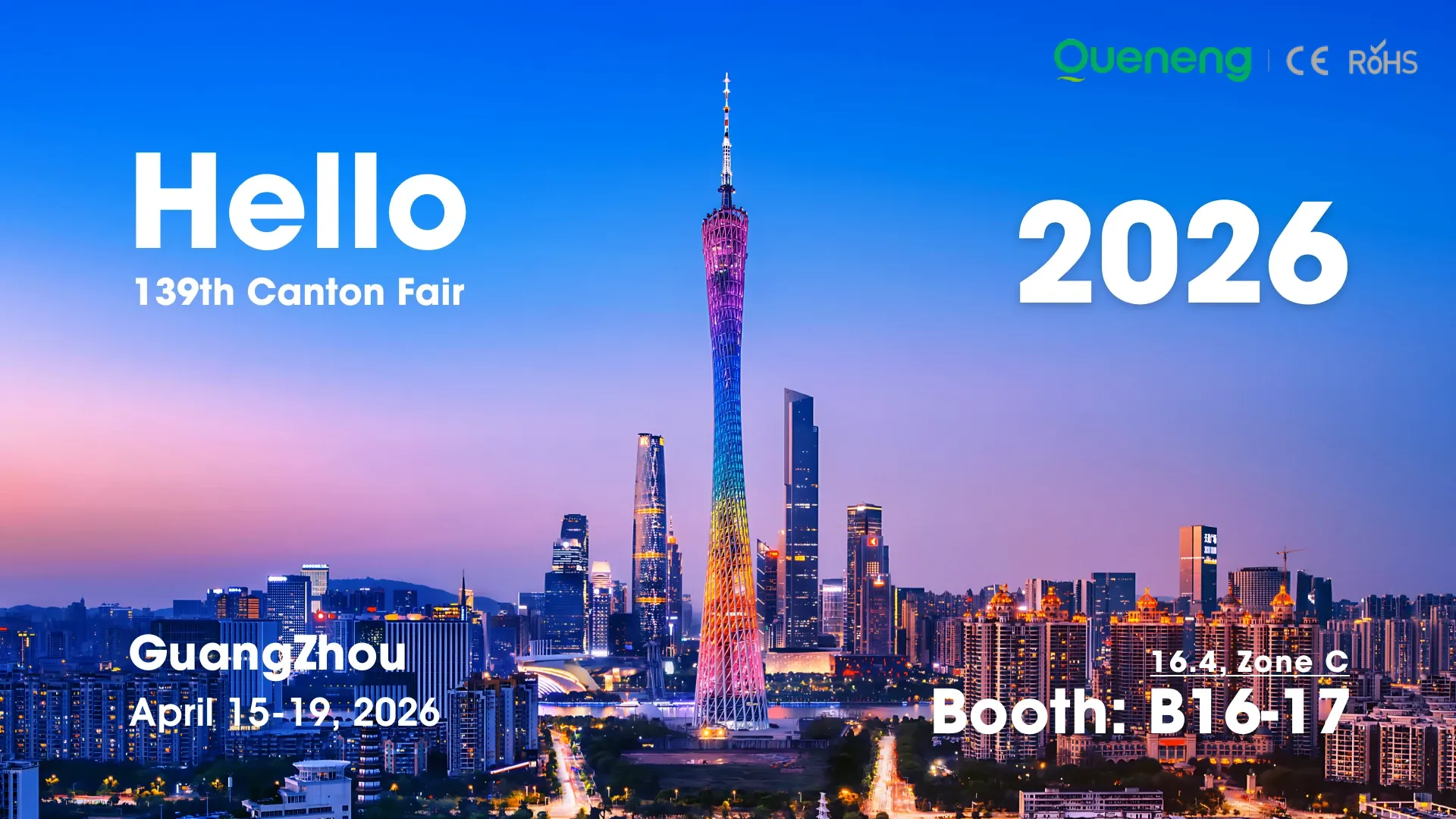
As the global demand for sustainable infrastructure rises, Queneng Lighting is proud to announce its participation in the 139th China Import and Export Fair (Canton Fair), held from April 15th to 19th, 2026, in Guangzhou.
For over 13 years, Queneng has been at the forefront of the solar lighting industry, providing high-efficiency solutions for infrastructure contractors, municipal developers, and EPC companies worldwide. This year, we are bringing our most advanced technology yet to the international stage.

Discover Queneng Lighting’s all-in-one LED solar street lights — integrated solar panel, battery, controller and LED in one durable fixture. Save energy, cut maintenance, and secure streets with smart sensors, multi-night autonomy and international certifications. Contact sales for quotes and support.

Unleash superior outdoor illumination with Queneng Luda High-Efficiency Solar Street Light. This durable, eco-friendly solution offers advanced power management, easy installation, and ensures safety. Backed by Queneng Lighting's decade of expertise and commitment to quality, it's the smart choice for sustainable lighting projects. Learn why we're a leading solar solutions provider.

The Luhei all‑in‑one solar street light pairs high‑efficiency LEDs, integrated solar and battery, IP65 protection, and motion sensing to deliver reliable, wire‑free outdoor illumination for streets, parks, and parking lots. Backed by Queneng Lighting’s certifications and support.
FAQ
All-in-one solar street lights
How long is the battery lifespan?
Typically 5–8 years depending on battery type and usage.
Solar Street Light Luqiu
What is the expected lifespan of a Luqiu solar street light?
Luqiu solar street lights have a long lifespan, with LED lights lasting up to 50,000 hours and solar panels providing reliable power for over 20 years. The batteries typically last 3-5 years, depending on usage and mainten.
Battery Performance and Testing
What is a fire experiment?
Battery and Analysis
What certifications have the company's products passed?
Why is it necessary to keep the battery warm when shooting in winter?
Sustainability
Do Queneng solar street lights require a power connection?
No, our solar street lights operate independently of the power grid. They rely entirely on photovoltaic panels that charge the built-in battery, making an electrical connection unnecessary.
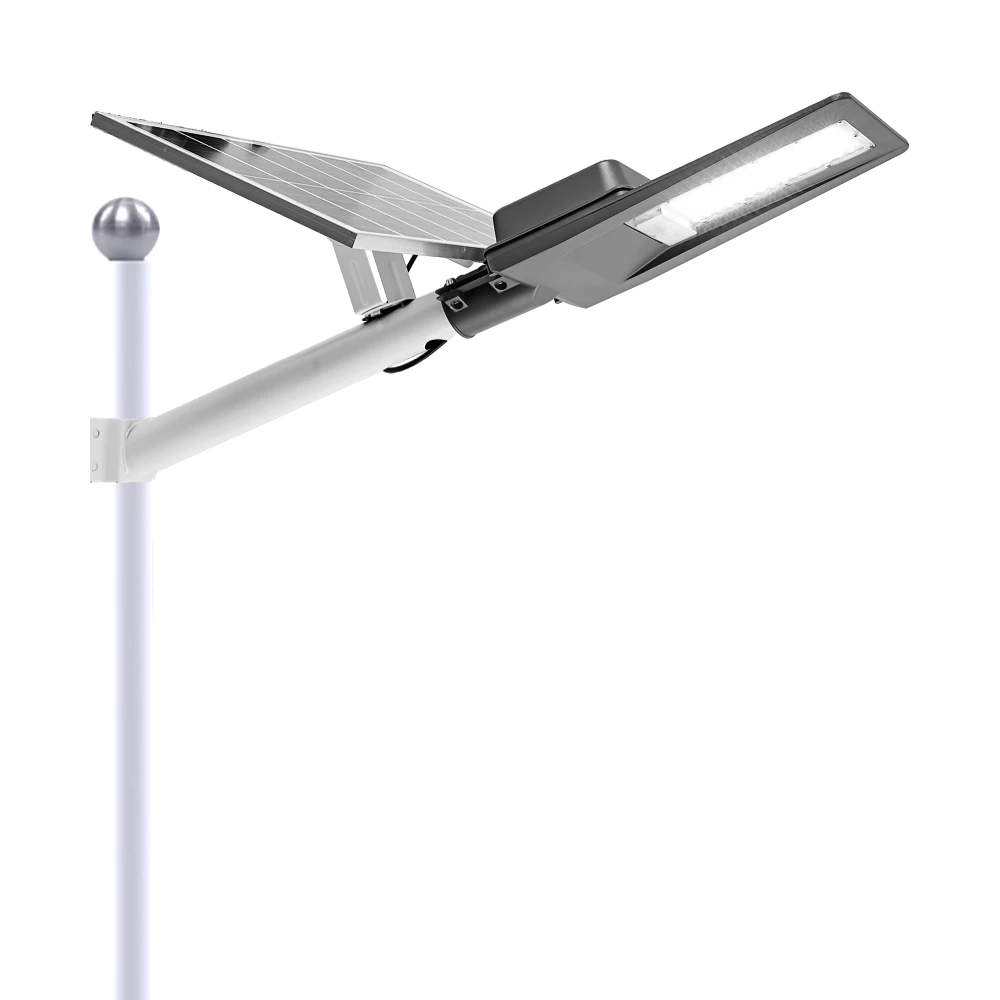
Experience reliable outdoor illumination with our smart solar street light, a perfect combination of advanced technology and eco-conscious design.
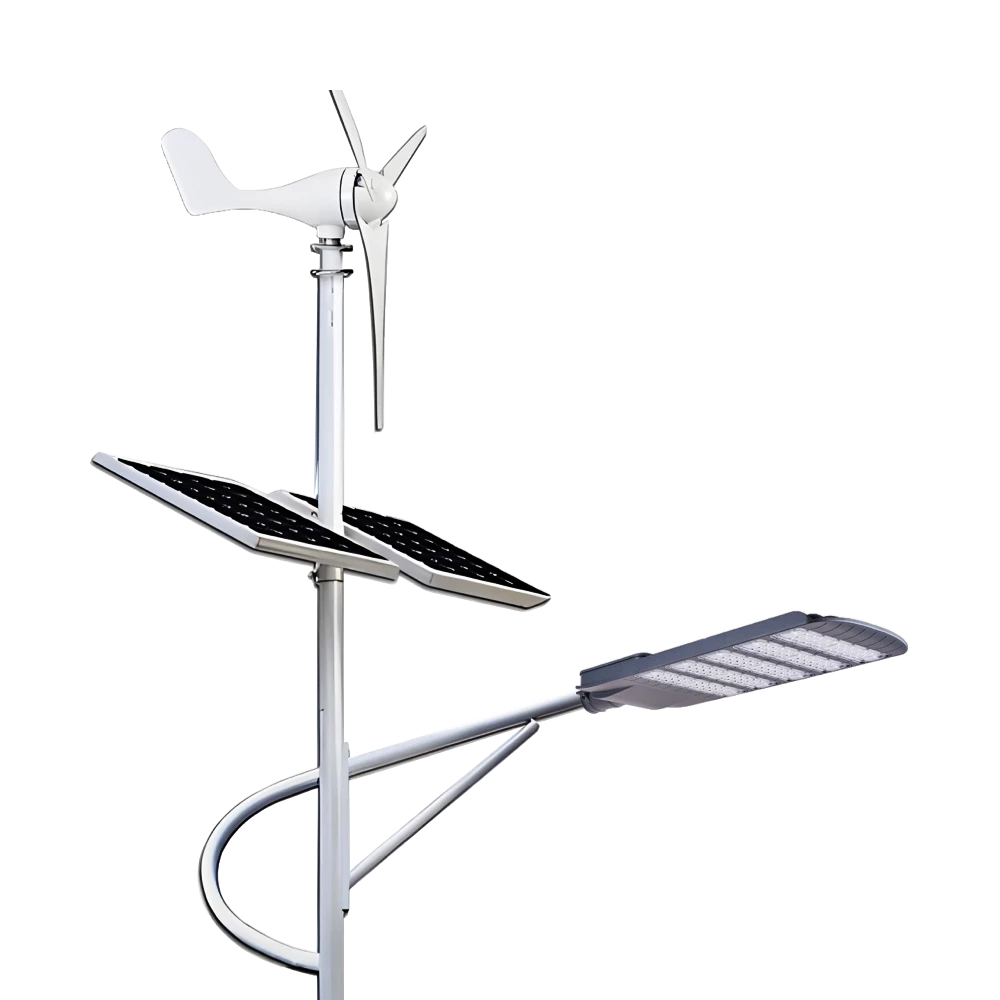
Queneng Lufeng Wind Energy LED Outdoor Solar Street Lights offer high-performance, eco-friendly illumination. These energy-efficient LED street lights harness solar power and wind energy for sustainable, cost-effective outdoor lighting solutions.
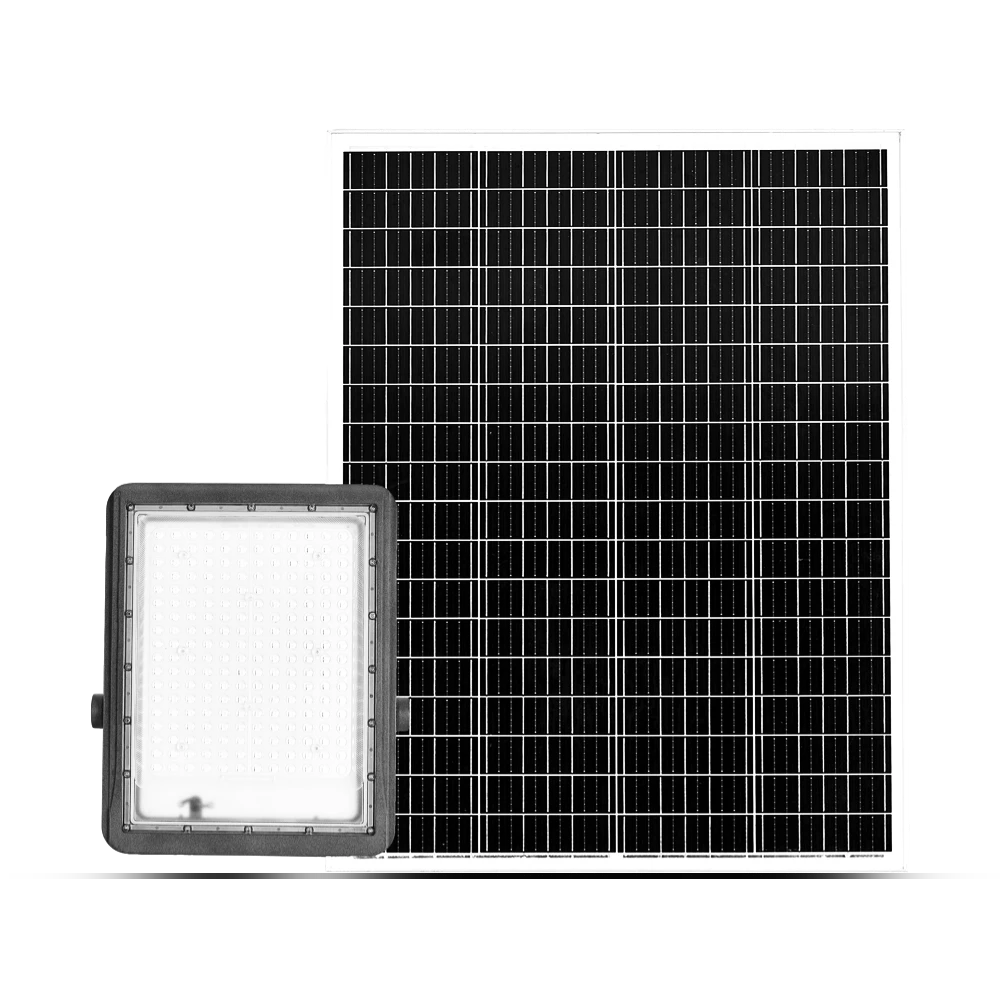
Queneng's Luxian Reliable Solar Street Light offers energy-saving LED lighting for outdoor use. This durable, solar-powered street light provides reliable illumination, reducing energy costs and environmental impact. A perfect solution for sustainable outdoor lighting.
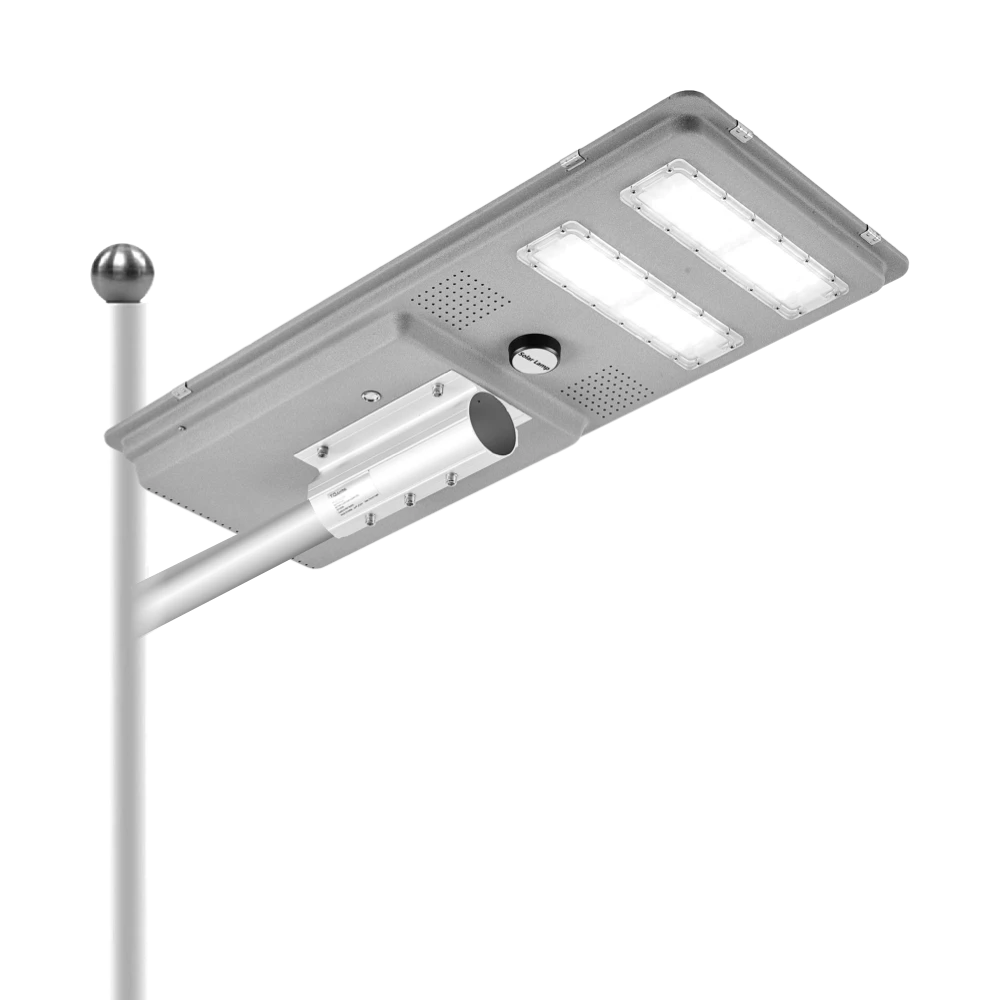
Queneng’s Solar Street Lights are designed to provide reliable, energy-efficient lighting for streets, parks, and other outdoor spaces.
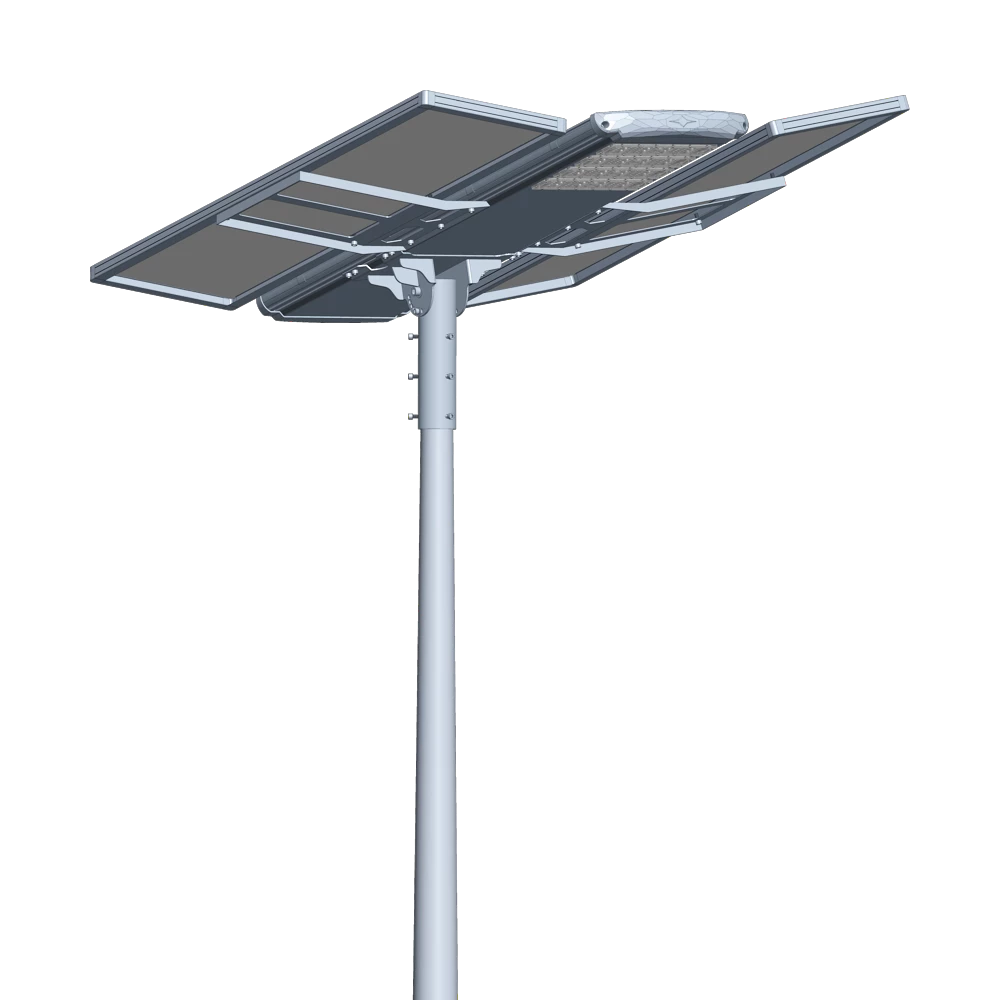
Introducing the Luqing Solar Street Light by Queneng, Efficient LED lighting powered by solar energy is perfect for illuminating outdoor areas. Harness the power of solar energy for sustainable, reliable street lighting. Ideal for eco-friendly, cost-effective outdoor illumination solutions.
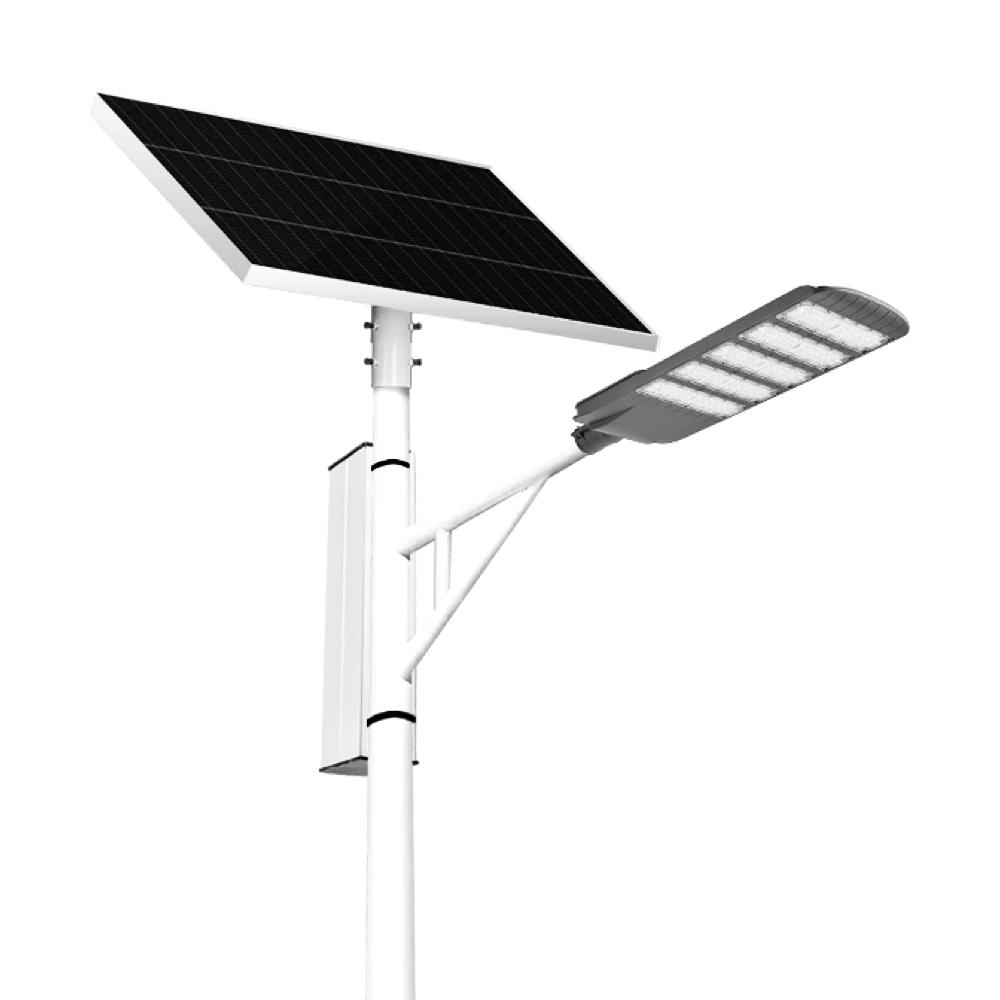
The Solar Streetlights of Luhao for Municipalities are designed to deliver reliable, energy-efficient, and cost-effective public lighting solutions. Equipped with advanced LED technology, durable lithium batteries, and high-efficiency solar panels, these streetlights provide consistent illumination for roads, parks, residential areas, and government projects.
If you would like more information about Queneng solar lighting solutions, please send us a message by filling out the form below. Our professional team will get back to you within 24 hours!
Rest assured that your privacy is important to us, and all information provided will be handled with the utmost confidentiality.
Schedule a Meeting
Book a date and time that is convenient for you and conduct the session in advance.
Have more questions about our products or services?
The messenger of light & power conversion
Environmental protection and intelligent manufacturing are our brand philosophy, and quality assurance and the best user experience are our eternal promises to users.
CONTACT
No.9F, Building F, Cao San Xin Tian Hong Logistics Park, Guzhen Town, Zhongshan City, Guangdong Province, China.
or write [email protected]
WhatsApp: +86 136 2270 1011


