














What makes a top solar street light manufacturer?
Navigating the Procurement of Solar Street Lights: Insights for Professionals
As the demand for sustainable and off-grid lighting solutions surges, solar street lights have become a crucial component of modern infrastructure projects. For procurement professionals, understanding the nuances of these systems, especially advanced split solar street lights, is vital for making informed decisions that ensure long-term reliability and cost-effectiveness. This guide addresses key questions to help you navigate the complexities of sourcing top-tier solar lighting.
What are the key advantages of choosing a split solar street light system over an all-in-one system for professional applications?
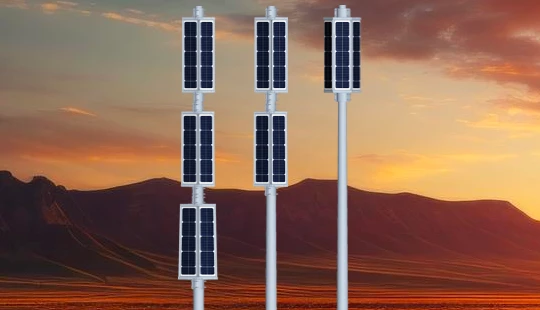
For demanding professional and industrial applications, split solar street light systems often present significant advantages over their all-in-one counterparts, justifying a potentially higher initial investment through superior performance and longevity:
- Optimized Thermal Management: In split systems, the battery and controller can be housed separately, often at the base of the pole or even underground. This protects sensitive components, especially LiFePO4 batteries, from extreme temperatures (both heat and cold) that can drastically shorten their lifespan. All-in-one systems often place these components directly beneath the solar panel, exposing them to harsh solar radiation and elevated temperatures, accelerating degradation.
- Greater Flexibility in Sizing & Orientation: Split systems allow for independent sizing of the solar panel, battery, and LED fixture. This means the solar panel can be optimally angled and oriented towards the sun for maximum energy harvest, regardless of the lamp's direction. Additionally, larger solar panels and battery capacities can be integrated, providing more power and longer autonomy days, crucial for critical infrastructure.
- Enhanced Durability & Maintenance: Components can be housed in more robust, vandal-resistant enclosures. Maintenance or replacement of individual components (e.g., a battery after its lifespan) is often simpler and more cost-effective as it doesn't require dismantling the entire fixture.
- Higher Power Output & Reliability: Due to better thermal management and the ability to integrate larger components, split systems generally offer higher continuous power output and superior reliability, making them suitable for areas requiring consistent, high-intensity illumination.
What are the primary cost factors for solar street lights, and how does the cost of a split system compare?
The cost of solar street lights varies significantly based on several key factors:
- Component Quality & Capacity: The most significant factor. This includes the wattage of the LED lamp (lumens), the capacity of the battery (Wh or Ah), the efficiency of the solar panel (Wp), and the type of charge controller (MPPT vs. PWM). High-efficiency components from reputable brands command higher prices.
- System Type: All-in-one systems generally have lower initial purchase and installation costs due to their integrated design. Split systems typically have a higher initial cost per unit due to separate components, more complex wiring, and often larger, more robust poles.
- Pole & Mounting Hardware: The height, material (steel, aluminum), and design (galvanized, powder-coated) of the pole, along with brackets and foundations, contribute substantially to the overall cost.
- Smart Features: Inclusion of PIR motion sensors, dimming capabilities, remote monitoring (IoT), and smart controls will increase the price.
- Brand & Warranty: Reputable manufacturers offering extensive warranties and certifications often have higher pricing reflecting their quality assurance and after-sales support.
- Shipping & Installation: Freight costs, especially for larger or more units, and local installation labor add to the total project cost.
While the upfront cost of a high-quality split solar street light system might range from $800 to $2,500+ per unit (excluding pole and installation) for industrial-grade systems, compared to $300 to $1,000+ for all-in-one systems of comparable wattage, the Total Cost of Ownership (TCO) for split systems can be lower over their extended lifespan due to reduced maintenance, longer battery life, and superior performance.
How do I evaluate the quality and lifespan of critical components in a solar street light, especially for split systems?
Evaluating component quality is paramount for long-term system performance:
- Battery: Look for Lithium Iron Phosphate (LiFePO4) batteries. They offer superior cycle life (typically 2,000-4,000 cycles at 80% Depth of Discharge, translating to 5-10+ years), safety, and thermal stability compared to lead-acid or other lithium-ion chemistries. Ensure the battery includes a robust Battery Management System (BMS) for protection against overcharge, over-discharge, over-current, and extreme temperatures.
- Solar Panel: Prioritize Monocrystalline silicon panels for their higher efficiency (typically 19-22% conversion rate) and better performance in low-light conditions compared to polycrystalline panels. Check for output wattage (Wp) and reputable cell manufacturers.
- LED Light Fixture: Evaluate the lumen output (lm/W efficacy), Color Rendering Index (CRI >70 preferred), and Color Temperature (CCT - typically 3000K-6000K, chosen based on application). Reputable LED chip brands (e.g., Cree, Philips, Osram, Bridgelux) ensure higher efficacy and longer lifespan (50,000-100,000 hours).
- Charge Controller: An MPPT (Maximum Power Point Tracking) controller is essential. It optimizes the power extraction from the solar panel, increasing charging efficiency by 15-30% compared to simpler PWM (Pulse Width Modulation) controllers, especially in varying weather conditions.
- Enclosures & Materials: Components should have appropriate IP (Ingress Protection) ratings (IP65 or IP66 for outdoor use) to protect against dust and water. Housings should be made of durable materials like aluminum alloy, often with galvanized or powder-coated finishes for corrosion resistance.
What technical specifications are crucial for procurement professionals when selecting a solar street light system for optimal performance and reliability?
When reviewing specifications, prioritize these:
- Lumen Output (lm) & LED Wattage (W): Directly indicates the brightness. Match this to the required illumination level for the specific area.
- Battery Capacity (Wh or Ah): Determines the system's autonomy (how many nights it can operate without sunlight). Ensure sufficient capacity for 3-5 days of autonomy in local weather conditions.
- Solar Panel Wattage (Wp): Defines the power generation capability. It must be adequately sized to recharge the battery fully, even during shorter daylight hours or cloudy days.
- Operating Temperature Range: Crucial for deployment in extreme climates. Ensure the components are rated for the local temperature extremes.
- Wind Load Rating: For poles and fixtures, especially in areas prone to high winds, this indicates structural integrity.
- IP Rating (IP65/IP66): Essential for outdoor durability against dust and water ingress.
- Certifications: Look for international standards like CE, RoHS, FCC, ISO9001, and IEC, which demonstrate compliance with safety and quality requirements.
- Expected Lifespan: Separate lifespans for battery, LED array, and solar panel (e.g., 5-10 years for battery, 10-15+ years for LED, 20-25+ years for solar panel).
What makes a top solar street light manufacturer stand out, and what should I look for in a reliable supplier?
A top solar street light manufacturer distinguishes itself through:
- R&D and Innovation: Continuous investment in research and development for higher efficiency, smarter controls, and new technologies.
- Quality Control & Certifications: Adherence to stringent quality control processes throughout manufacturing, backed by international certifications (ISO, CE, RoHS, IEC).
- Vertical Integration: Manufacturers who produce key components in-house often have better control over quality and supply chains.
- Project Experience & Customization: A proven track record with successful large-scale projects and the ability to offer customized solutions to meet specific site requirements.
- Technical Expertise & Support: A team of engineers and technical staff capable of providing detailed system design, installation guidance, and troubleshooting.
- Transparent Data Sheets: Providing clear, comprehensive, and verifiable technical specifications for all components.
- Strong After-Sales Service: Responsive customer support and readily available spare parts.
What are the typical warranty terms and after-sales support expected from a reputable solar street light manufacturer?
Reputable manufacturers typically offer:
- Full System Warranty: 3 to 5 years, covering defects in materials and workmanship for the entire solar street light system.
- Battery Warranty: Often 2 to 5 years, sometimes with a performance guarantee (e.g., maintaining 70-80% of original capacity). LiFePO4 batteries generally have longer warranties.
- Solar Panel Warranty: Typically 10 to 12 years for material defects and a linear power output warranty of 20 to 25 years (guaranteeing 80-90% power output after 20-25 years).
- LED Fixture Warranty: Often 3 to 5 years, covering lumen degradation and driver failures.
- After-Sales Support: This should include technical assistance for installation, troubleshooting guides, availability of spare parts for the warranty period and beyond, and sometimes remote monitoring and diagnostic services for smart systems. A clear return and repair policy is also essential.
What are the installation and maintenance considerations for split solar street light systems?
While offering superior performance, split systems have distinct installation and maintenance aspects:
- Installation Complexity: Generally more complex than all-in-one units. It requires separate mounting for the solar panel and the light fixture, as well as running conduits/cables between the components (panel, battery box, LED head). The battery box is often mounted at the pole base or buried, necessitating groundwork.
- Component Placement: Careful planning is needed to ensure the solar panel receives maximum unobstructed sunlight, regardless of the light fixture's orientation. The battery enclosure should be in a secure, thermally stable location.
- Routine Checks: Maintenance involves periodic cleaning of solar panels to ensure optimal charging, checking cable connections for corrosion or damage, and inspecting the battery enclosure for security and environmental protection.
- Battery Health Monitoring: For advanced systems, remote monitoring capabilities can track battery health, charge cycles, and performance, allowing for proactive maintenance.
- Longevity & Component Replacement: Due to superior thermal management, split system batteries tend to last longer. When replacement is needed, it's typically easier to access and swap out individual components compared to an integrated unit.
Queneng Lighting: Your Partner for Advanced Solar Street Light Solutions
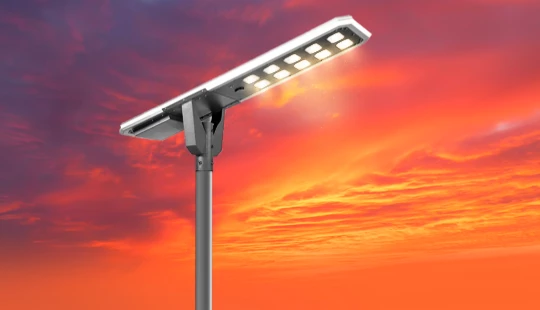
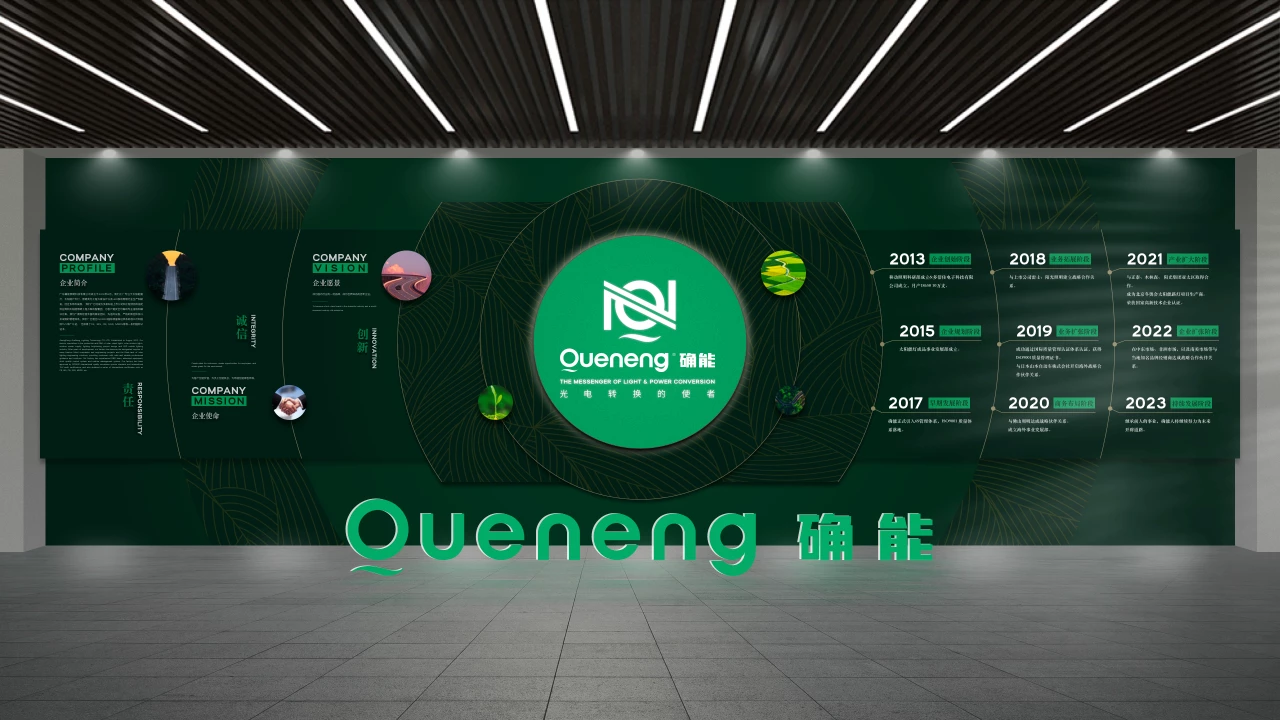
Queneng Lighting stands as a leading manufacturer in the solar street light industry, particularly excelling in robust split solar street light systems. Our commitment to innovation, quality, and customer satisfaction sets us apart. We leverage high-efficiency LiFePO4 batteries with advanced BMS, monocrystalline solar panels, and top-tier LED components to deliver superior performance and longevity. Our systems are designed for demanding environments, offering unparalleled thermal management, flexible customization, and extended autonomy. With comprehensive warranties and dedicated after-sales support, Queneng Lighting ensures a reliable and sustainable investment for your infrastructure projects.
References
- LiFePO4 battery cycle life: Battery Power Online - Understanding LiFePO4 Battery Lifespan (Accessed: 2024-03-01)
- Monocrystalline solar panel efficiency: EnergySage - Monocrystalline Solar Panel Efficiency (Accessed: 2024-03-01)
- MPPT vs. PWM efficiency: Renogy - MPPT vs. PWM: What's the Difference? (Accessed: 2024-03-01)
- LED street light efficacy: Energy.gov - LED Streetlights (Accessed: 2024-03-01)
- IP Rating Information: International Electrotechnical Commission (IEC) - IP Ratings Explained (Accessed: 2024-03-01)

Have more questions about our products or services?
The latest hot news you might like
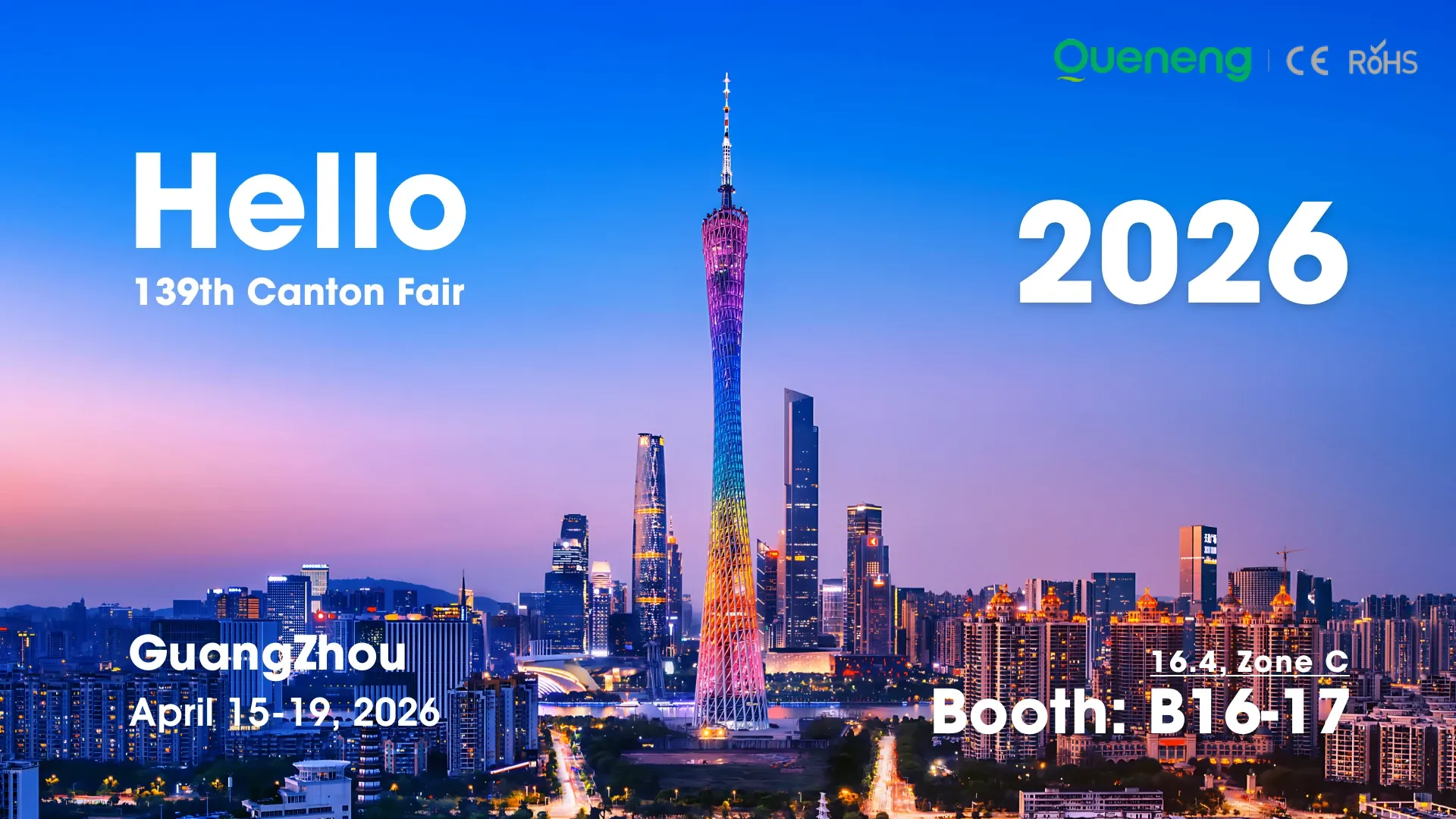
As the global demand for sustainable infrastructure rises, Queneng Lighting is proud to announce its participation in the 139th China Import and Export Fair (Canton Fair), held from April 15th to 19th, 2026, in Guangzhou.
For over 13 years, Queneng has been at the forefront of the solar lighting industry, providing high-efficiency solutions for infrastructure contractors, municipal developers, and EPC companies worldwide. This year, we are bringing our most advanced technology yet to the international stage.

Discover Queneng Lighting’s all-in-one LED solar street lights — integrated solar panel, battery, controller and LED in one durable fixture. Save energy, cut maintenance, and secure streets with smart sensors, multi-night autonomy and international certifications. Contact sales for quotes and support.

Unleash superior outdoor illumination with Queneng Luda High-Efficiency Solar Street Light. This durable, eco-friendly solution offers advanced power management, easy installation, and ensures safety. Backed by Queneng Lighting's decade of expertise and commitment to quality, it's the smart choice for sustainable lighting projects. Learn why we're a leading solar solutions provider.

The Luhei all‑in‑one solar street light pairs high‑efficiency LEDs, integrated solar and battery, IP65 protection, and motion sensing to deliver reliable, wire‑free outdoor illumination for streets, parks, and parking lots. Backed by Queneng Lighting’s certifications and support.
FAQ
Solar Street Light Luhao
What is the energy efficiency of the Luhao solar street light?
The Luhao solar street light is highly energy-efficient, using solar panels to convert sunlight into electricity without relying on grid power. The LED lights consume very little energy compared to traditional street lights, making them both cost-effective and eco-friendly.
How does the Luhao solar street light contribute to sustainability?
The Luhao solar street light reduces carbon emissions by utilizing solar power instead of electricity from non-renewable sources. It provides a clean, green alternative to traditional lighting, helping to lower environmental impact and promote sustainability in outdoor lighting.
Solar Street Light Luhui
Can Luhui solar street lights be used in areas with limited sunlight?
Yes, Luhui solar street lights are equipped with high-efficiency solar panels that can charge even in low light conditions, providing reliable illumination, even in areas with limited or intermittent sunlight.
Solar Street Light Luyi
How do Luyi solar street lights save energy compared to traditional street lights?
Luyi solar street lights save energy by using solar power, a renewable energy source, to operate. Unlike traditional street lights that rely on the electrical grid, Luyi lights harness the sun’s energy during the day, which is stored in the battery for nighttime use. The energy-efficient LEDs provide bright illumination while consuming less power than conventional lighting options, significantly lowering electricity costs.
Solar Street Light Luqing
How does the solar street light work?
The solar street light operates by converting sunlight into electricity through its built-in solar panels. The energy is stored in an integrated battery, which powers the LED light at night, providing reliable illumination without relying on external electricity sources.
Solar Street Light Lufeng
Can Lufeng solar street lights be integrated with other smart systems?
Yes, Lufeng solar street lights can be integrated with smart systems for more advanced functionality. Some models can be connected to remote control units or smart city systems, allowing for real-time monitoring, remote management, and automated control of lighting schedules. This integration enhances efficiency and ease of use.
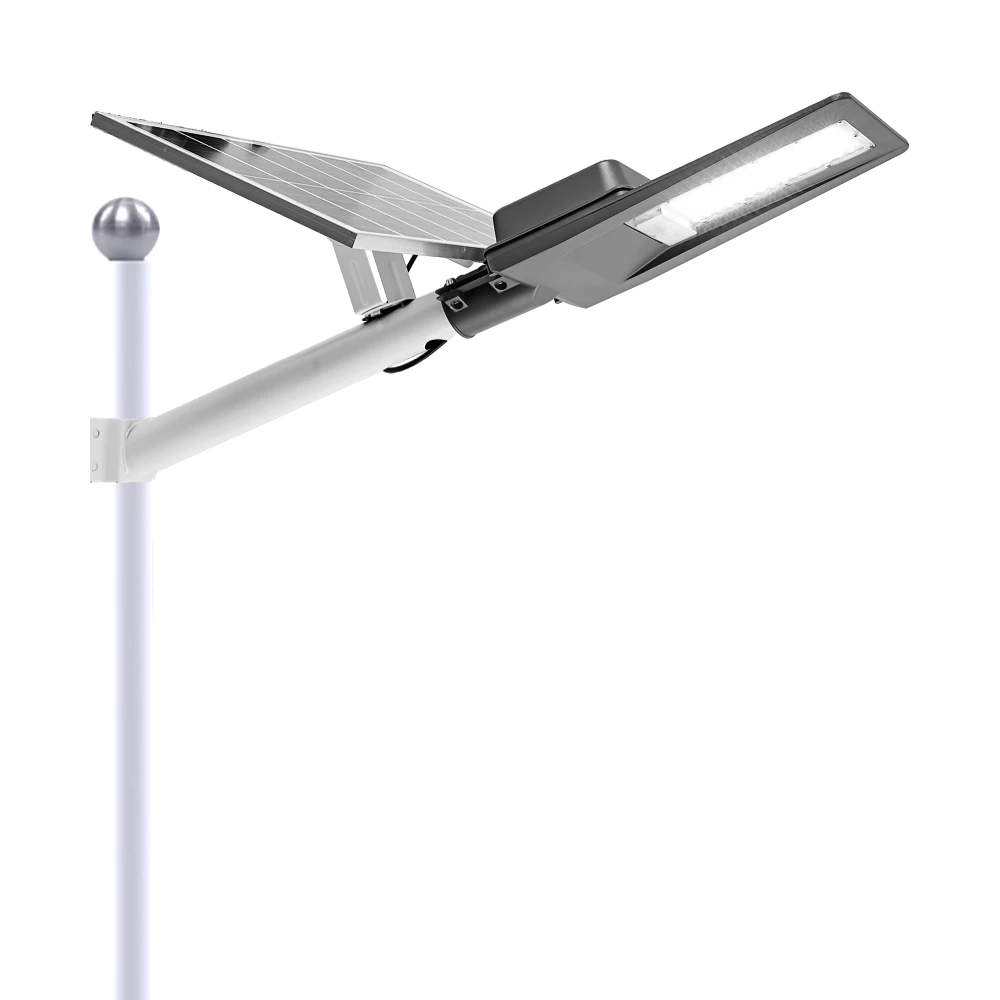
Experience reliable outdoor illumination with our smart solar street light, a perfect combination of advanced technology and eco-conscious design.
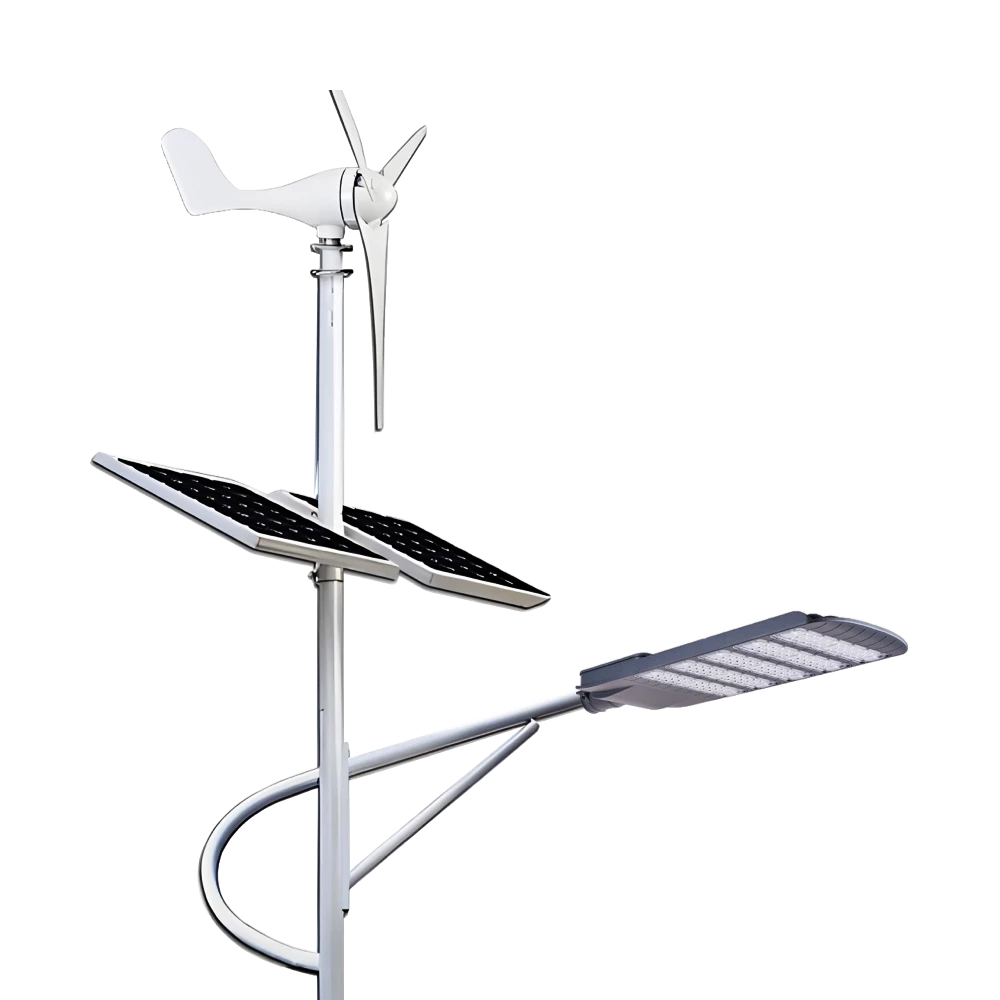
Queneng Lufeng Wind Energy LED Outdoor Solar Street Lights offer high-performance, eco-friendly illumination. These energy-efficient LED street lights harness solar power and wind energy for sustainable, cost-effective outdoor lighting solutions.
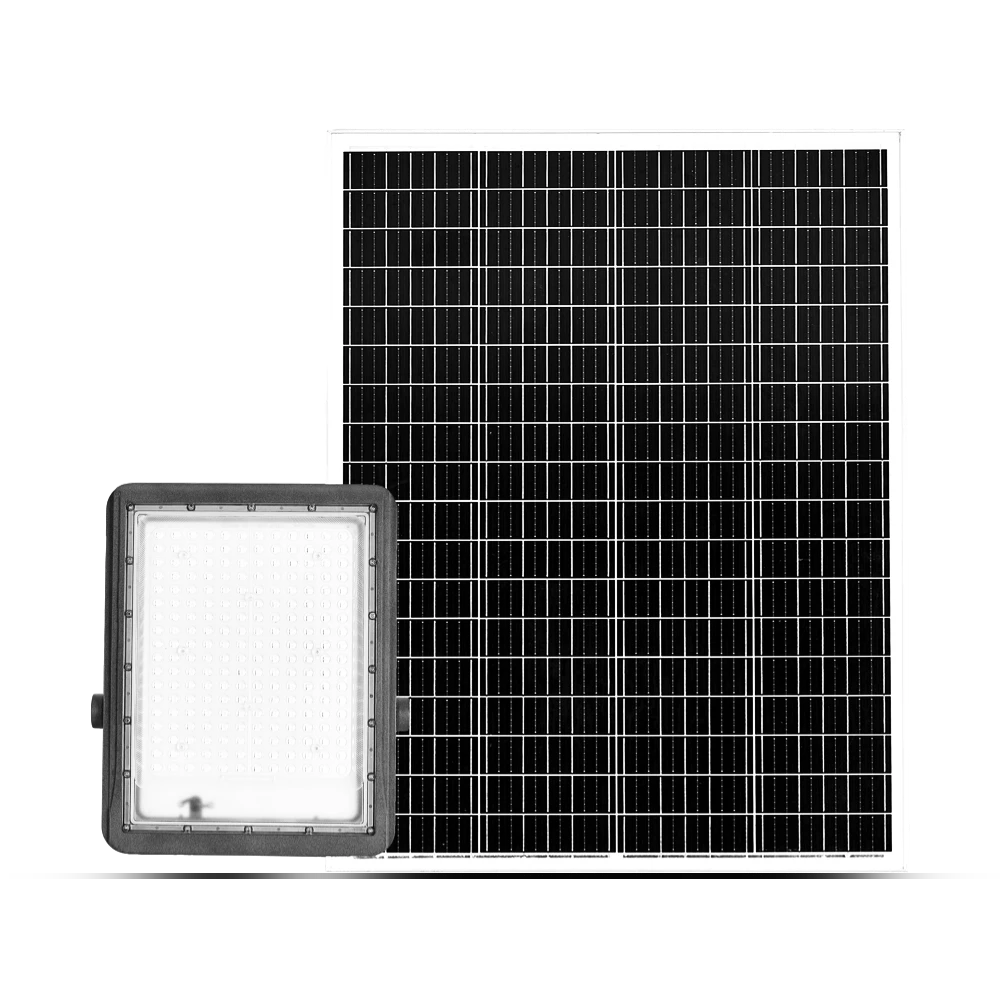
Queneng's Luxian Reliable Solar Street Light offers energy-saving LED lighting for outdoor use. This durable, solar-powered street light provides reliable illumination, reducing energy costs and environmental impact. A perfect solution for sustainable outdoor lighting.
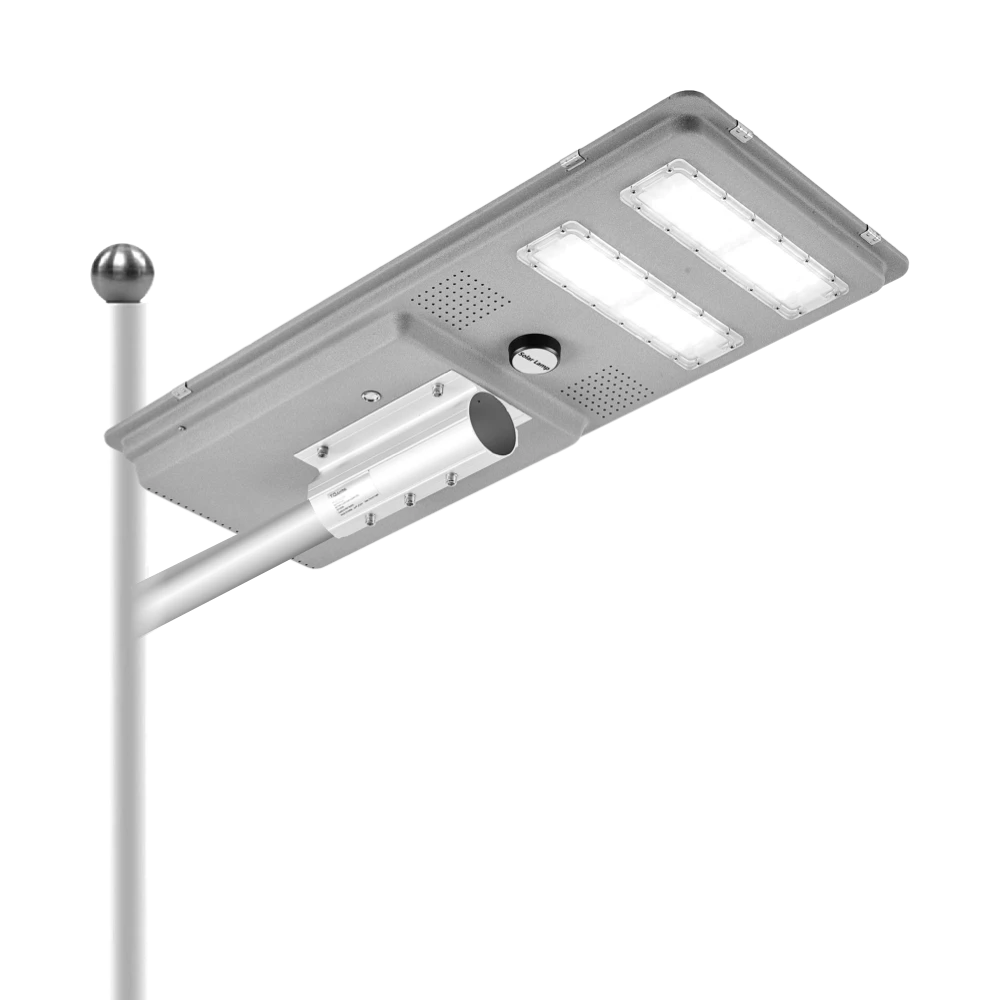
Queneng’s Solar Street Lights are designed to provide reliable, energy-efficient lighting for streets, parks, and other outdoor spaces.
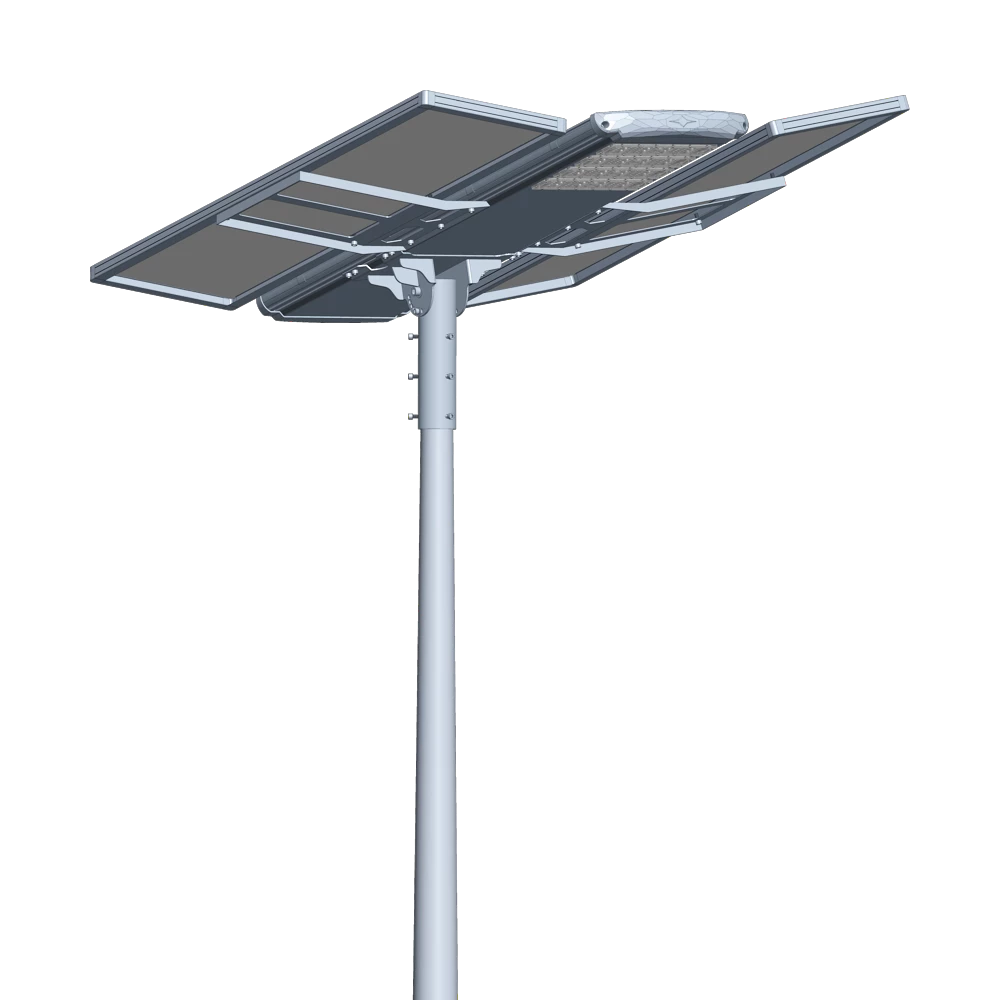
Introducing the Luqing Solar Street Light by Queneng, Efficient LED lighting powered by solar energy is perfect for illuminating outdoor areas. Harness the power of solar energy for sustainable, reliable street lighting. Ideal for eco-friendly, cost-effective outdoor illumination solutions.
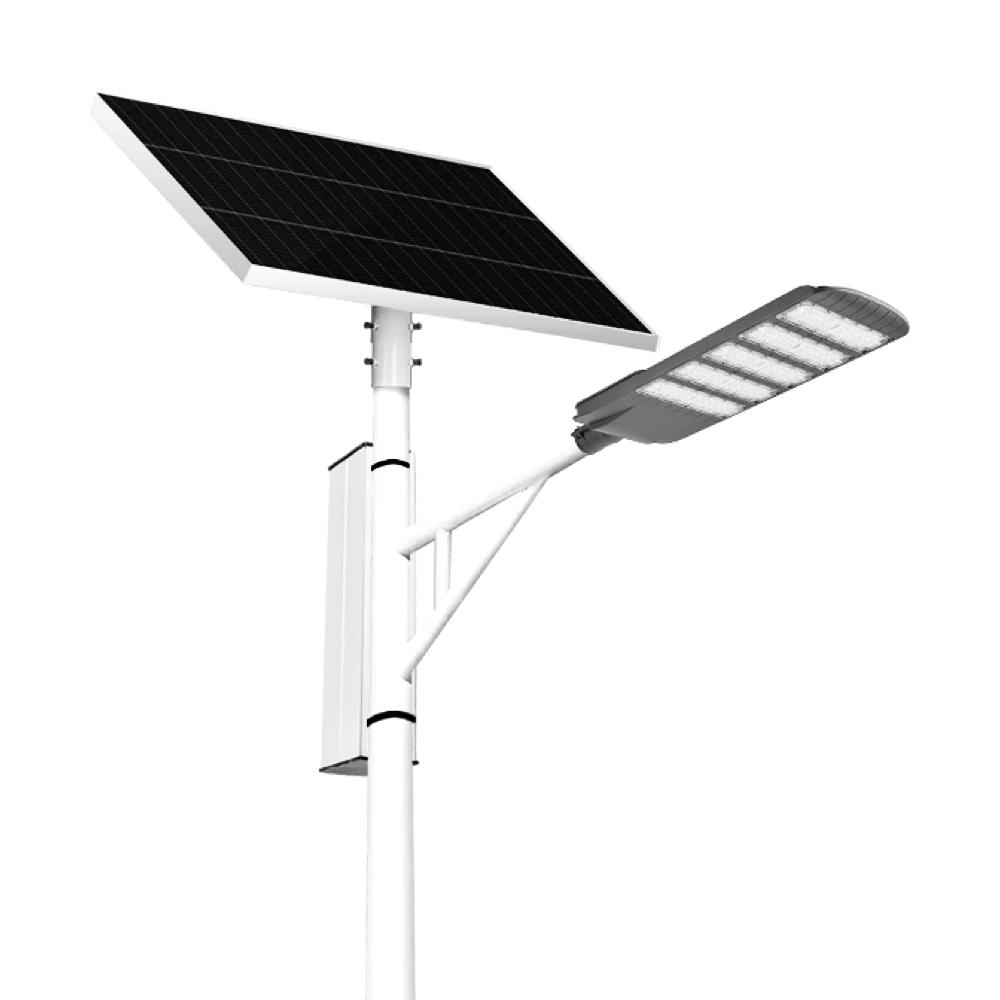
The Solar Streetlights of Luhao for Municipalities are designed to deliver reliable, energy-efficient, and cost-effective public lighting solutions. Equipped with advanced LED technology, durable lithium batteries, and high-efficiency solar panels, these streetlights provide consistent illumination for roads, parks, residential areas, and government projects.
If you would like more information about Queneng solar lighting solutions, please send us a message by filling out the form below. Our professional team will get back to you within 24 hours!
Rest assured that your privacy is important to us, and all information provided will be handled with the utmost confidentiality.
Schedule a Meeting
Book a date and time that is convenient for you and conduct the session in advance.
Have more questions about our products or services?
The messenger of light & power conversion
Environmental protection and intelligent manufacturing are our brand philosophy, and quality assurance and the best user experience are our eternal promises to users.
CONTACT
No.9F, Building F, Cao San Xin Tian Hong Logistics Park, Guzhen Town, Zhongshan City, Guangdong Province, China.
or write [email protected]
WhatsApp: +86 136 2270 1011


